Korčula
Korčula, Croatia
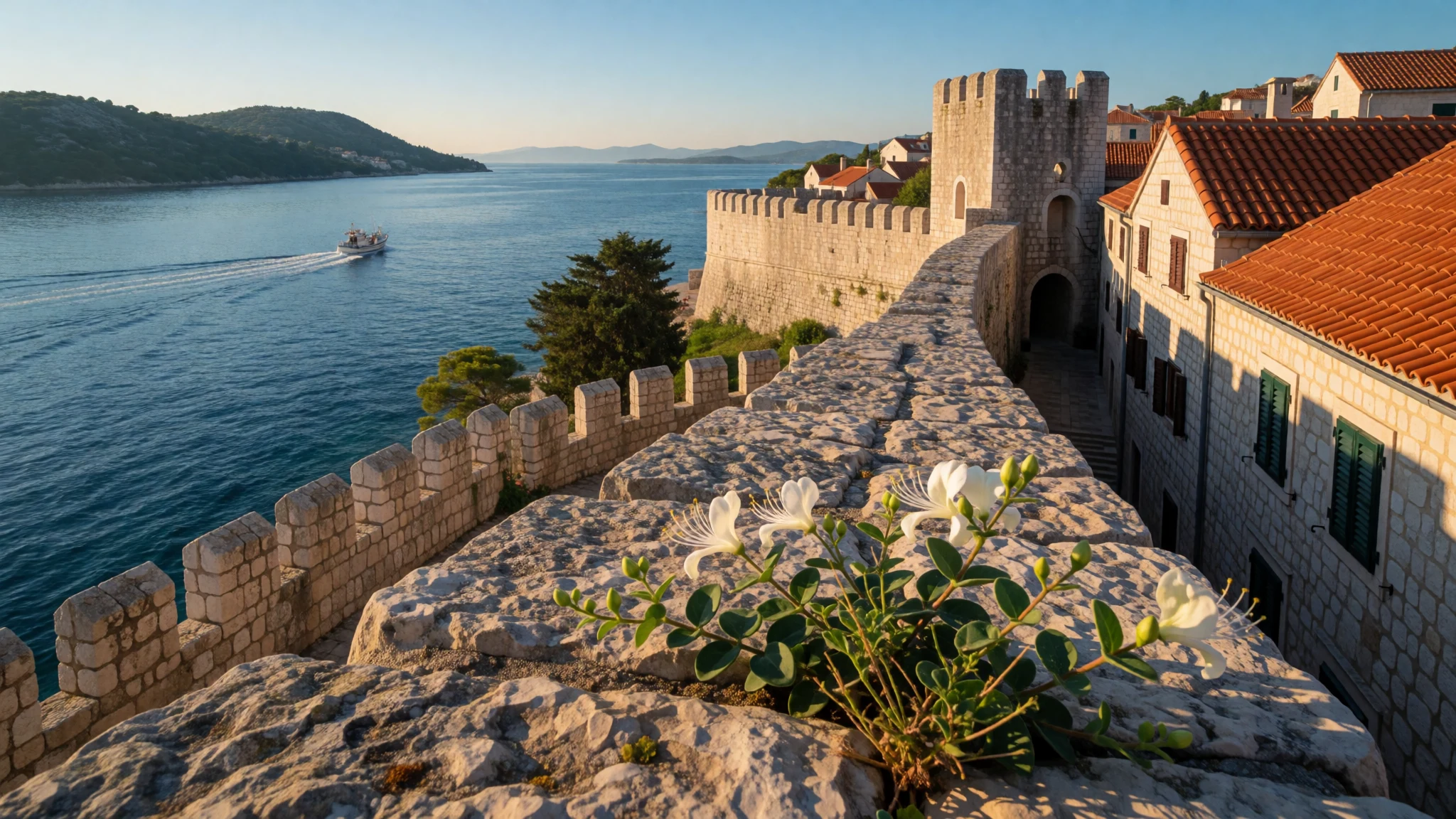
Korčula offers medieval stone architecture, ancient vineyards producing rare white wines, and traditional Dalmatian coastal culture across the Adriatic.
The place
Korčula is an island situated in the Adriatic Sea, belonging to the central Dalmatian archipelago of Croatia. It lies just off the Dalmatian coast, separated from the neighbouring Pelješac peninsula by a narrow marine channel. The island terrain reaches its highest points inland at rugged peaks, while the coastal landscape features sheltered bays, pine woods, and historic stone settlements. Settlements span from the historic fortified walls of the main urban centre to agricultural inland villages and western coastal ports. The regional environment experiences a classic Mediterranean climate, bringing warm summers and mild winters accompanied by seasonal rainfall that supports dense vegetation and local agriculture across the terrain. Transport connections link the island's ports and mainland points via maritime routes, making the settlements accessible from coastal hubs on the mainland. Visitors navigate between coastal villages and inland hills along winding roads that cross agricultural valleys and pine-forested ridges.
Its story
Korčula holds a deep archaeological and mythological heritage that stretches across millennia of Mediterranean maritime history. Ancient legends connect the island's founding to classical figures including Trojan heroes. Early human communities left physical evidence of their existence in cavern sites such as Vela Spila and Jakas Cave, where prehistoric artifacts document ancient hunter-gatherer and early farming lifeways. Subsequent civilisations arrived as tribal populations established agricultural settlements and defensive stone fortresses across the landscape. Classical Greek colonists later founded trading settlements on the island, naming their new coastal home after the dense pine forests that covered the terrain. Stone inscriptions discovered locally preserve records of these ancient Hellenic foundations, marking some of the oldest written epigraphic monuments found in the region. Centuries of subsequent maritime rule under various Mediterranean powers shaped the fortifications, urban street layouts, and architectural traditions visible in the historic settlements today.
What to see
- St Mark's Cathedral Tower — Old Town Korčula
St Mark's Cathedral Tower stands at the highest elevation point of Korčula's historic old town. The stone bell tower provides expansive vantage views overlooking the settlement's terracotta tiled roofs, ancient defensive ramparts, and the deep blue waters of the surrounding maritime channel.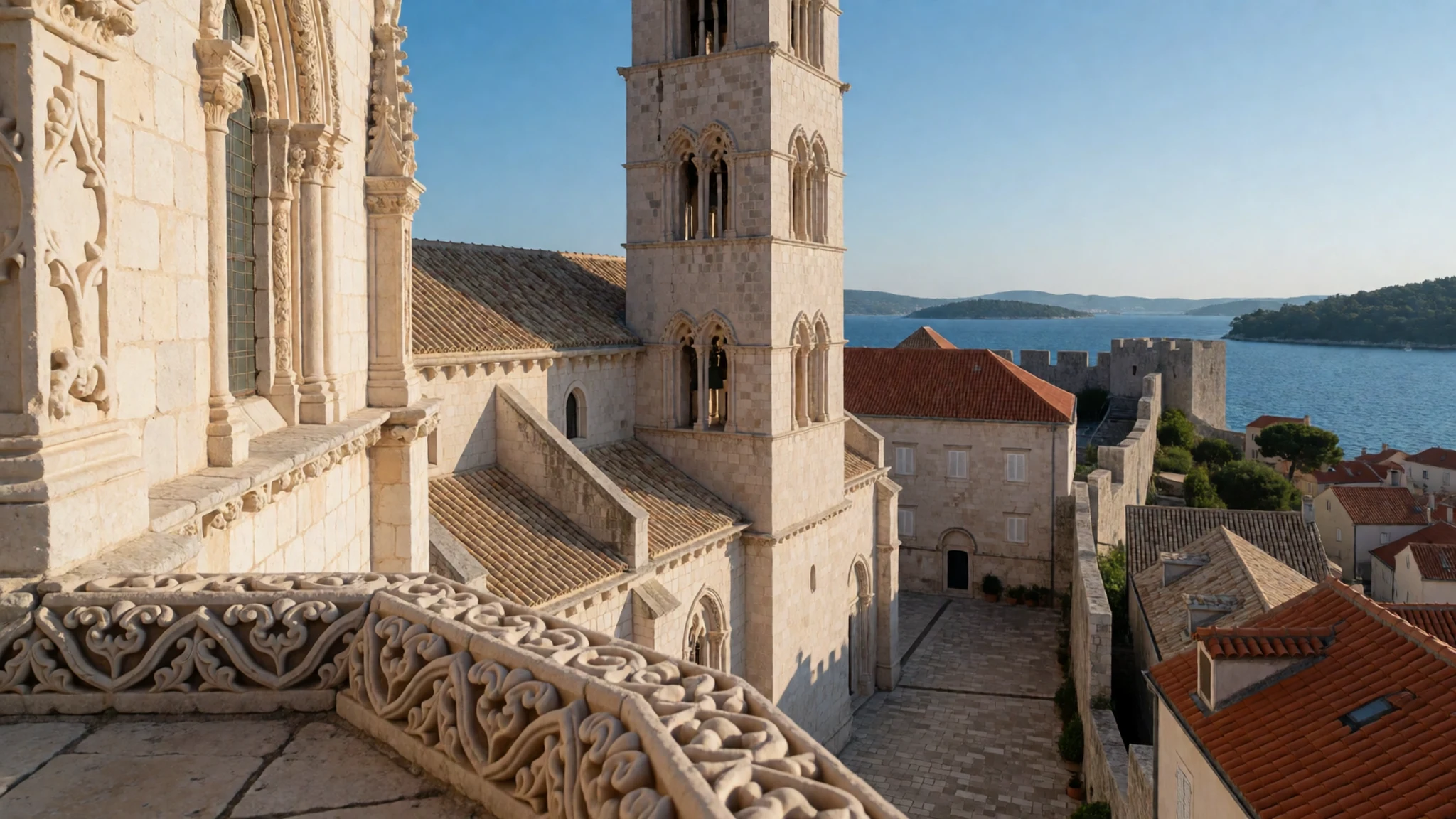
- Marco Polo's House — Old Town Korčula
Marco Polo's House is situated within the historic core of the walled town. While local tradition celebrates the structure as the birthplace of the famed medieval explorer, historians note the building was constructed long after his lifetime, yet it remains a popular landmark for travellers exploring the narrow medieval lanes.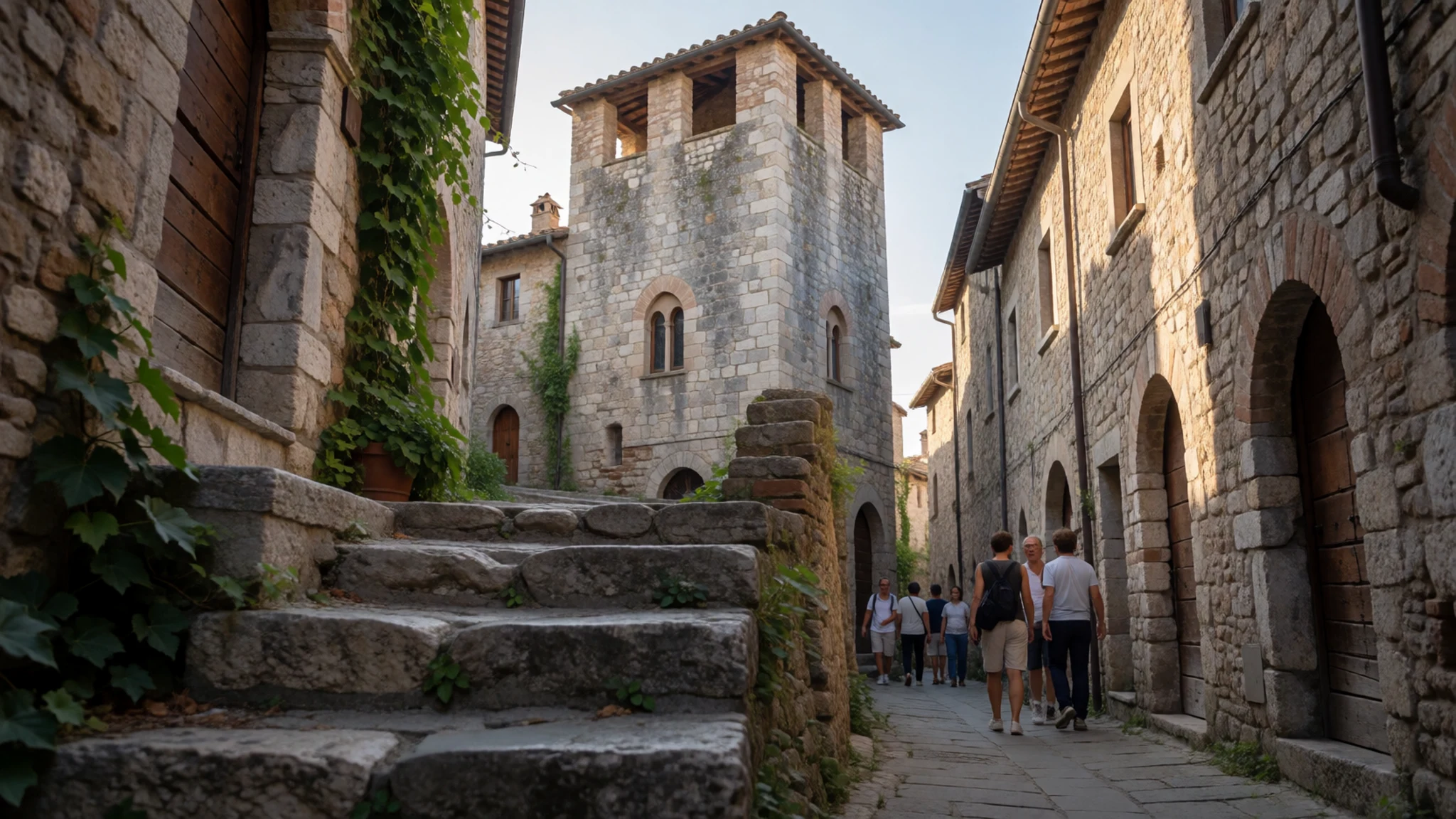
- Town Museum Korčula — Old Town Korčula
Town Museum Korčula occupies a historic building within the old town, presenting curated exhibits detailing the island's maritime heritage. Collections feature traditional limestone masonry tools, historical artifacts from local shipbuilding industries, and period displays illustrating domestic life in a historic merchant residence.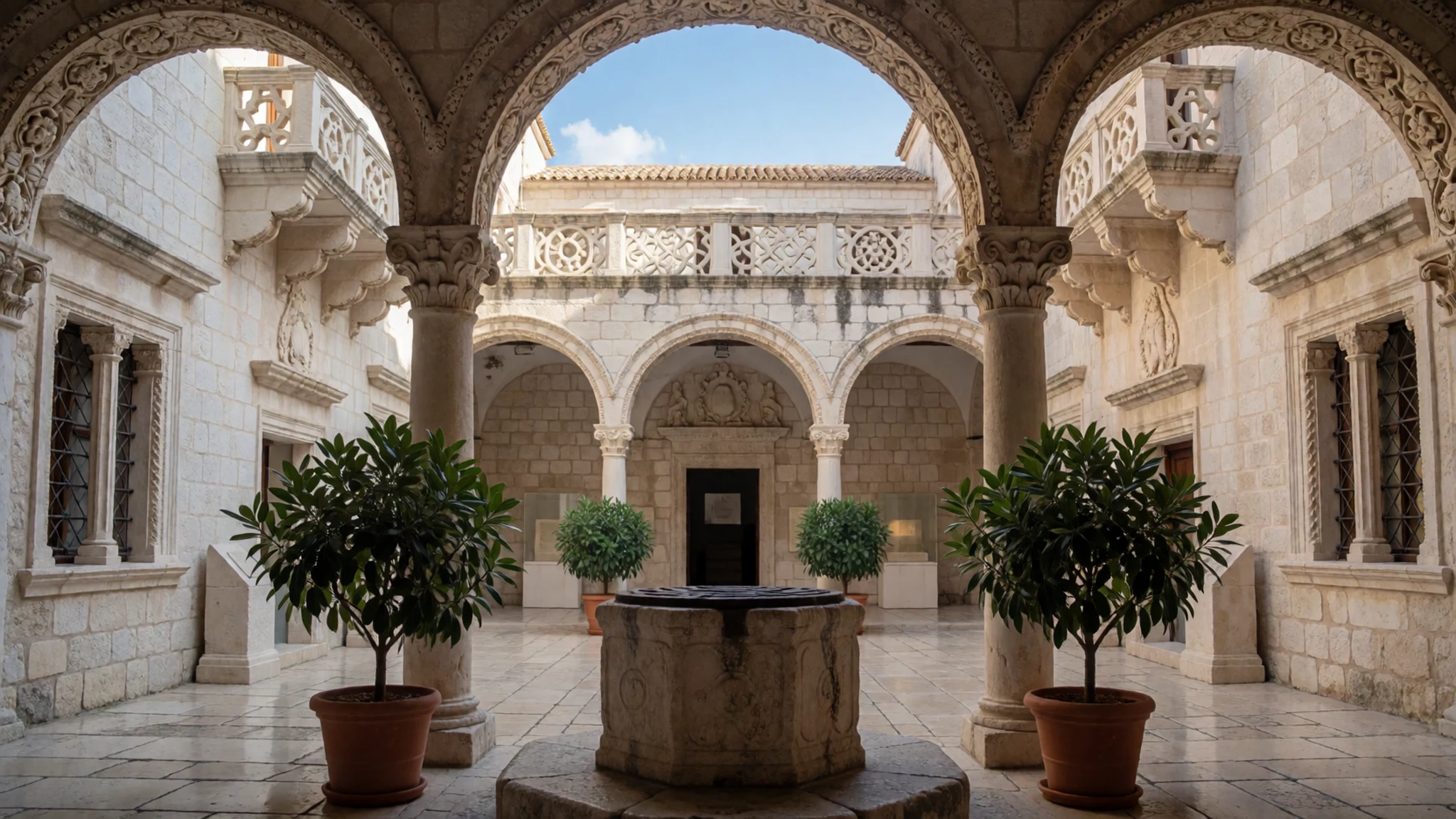
- Cypress-lined stairway on Sveti Antun Hill — Žrnovo outskirts
Cypress-lined stairway on Sveti Antun Hill features an ascending pathway bordered by tall, formal cypress trees leading toward a hilltop chapel. Climbing the stone steps rewards hikers with peaceful natural surroundings and elevated perspectives looking across the surrounding green hills and coastal waters below.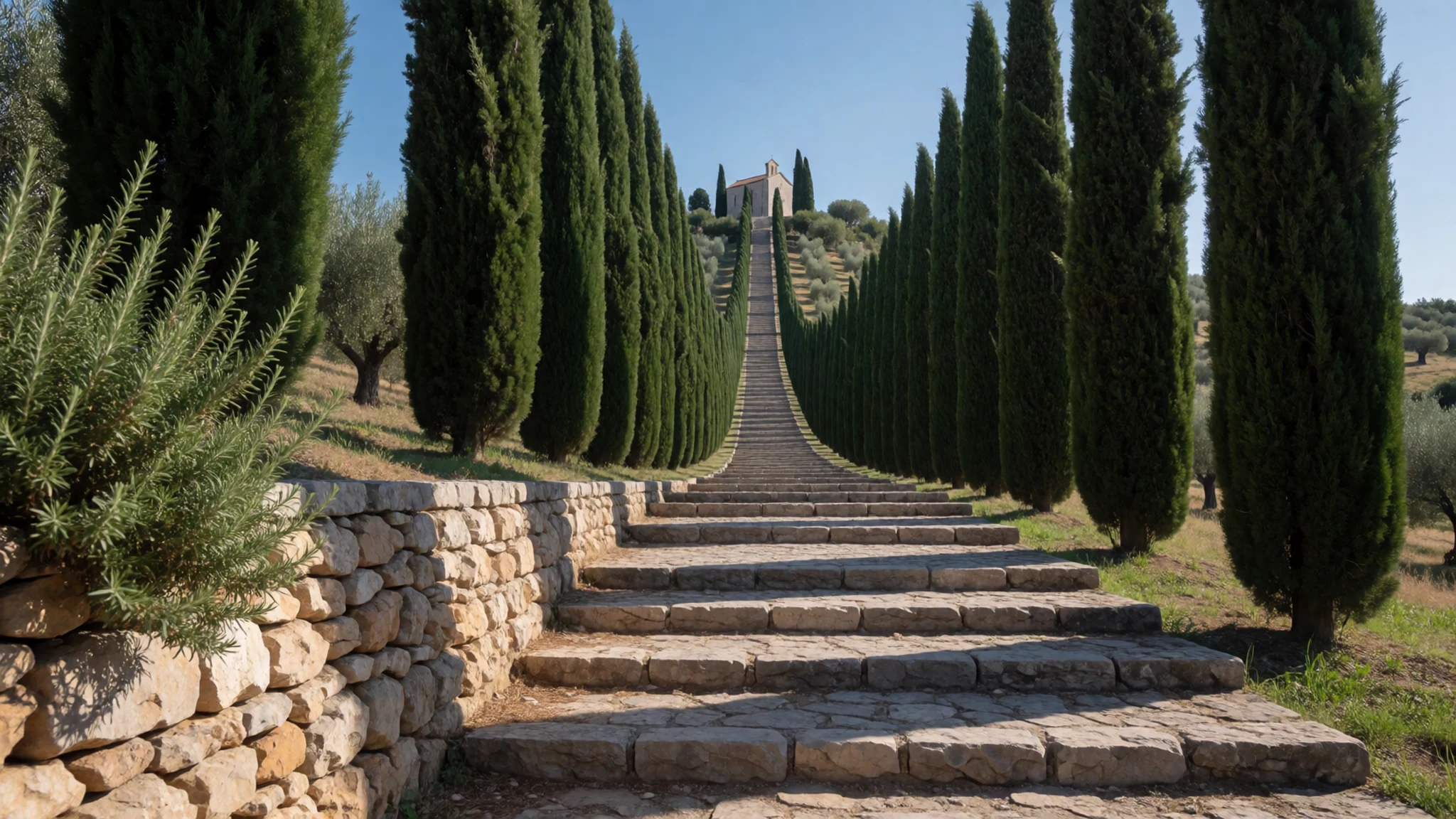
- Kočje Rock Formations — Island Interior
Kočje Rock Formations form a protected natural reserve hidden away in the forested interior of the island. The site features dramatic limestone boulders, deep fissures, and mossy crevices that create a rugged landscape offering an adventurous outdoor hiking experience away from the coastal settlements.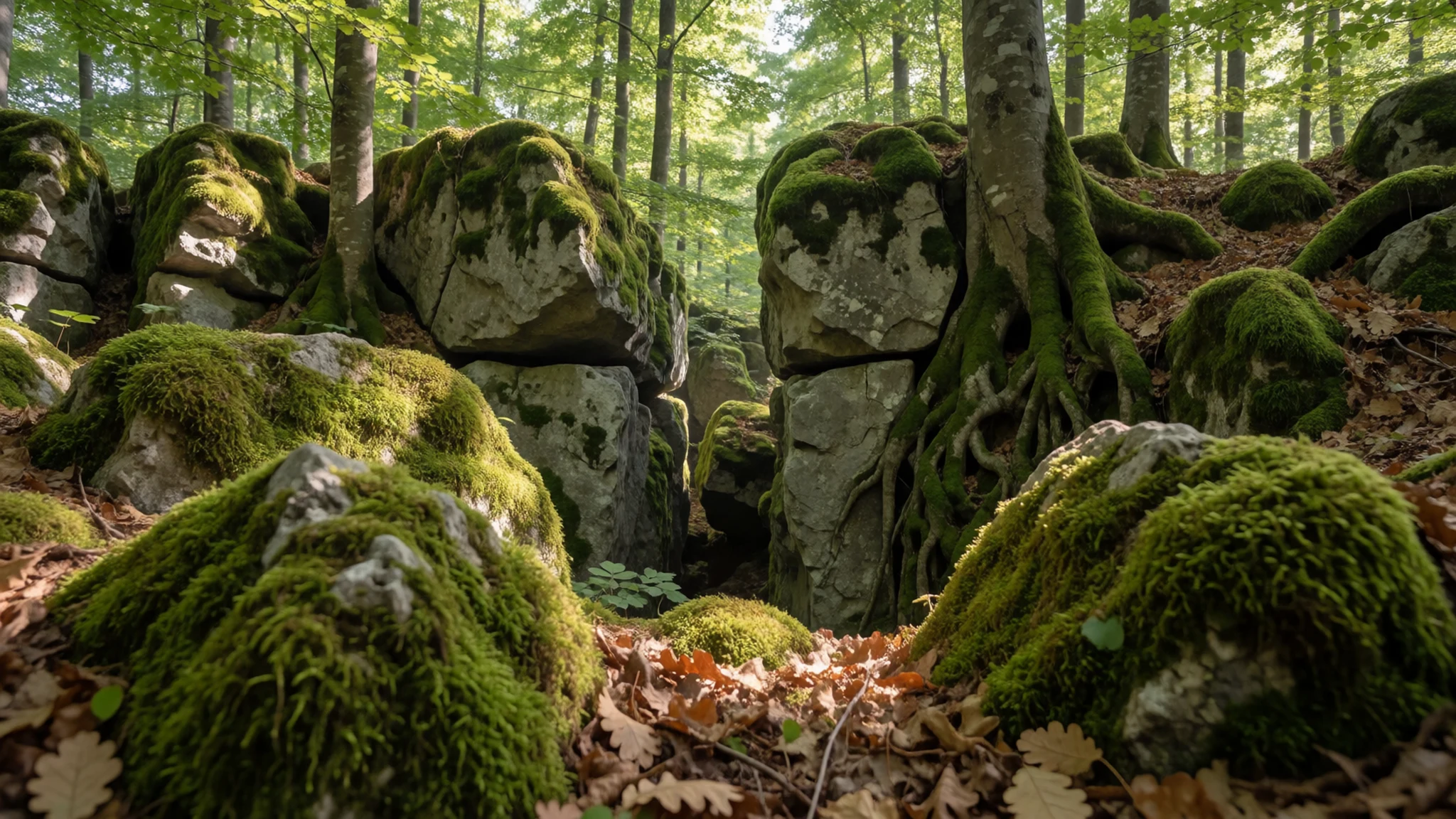
Culture
Korčula preserves a distinct cultural identity rooted in maritime traditions, historic literature, and performing arts. Literary figures such as the seventeenth-century writer Petar Kanavelić contributed significantly to regional poetry and drama while representing the community abroad. Musical expressions thrive through traditional a cappella klapa singing groups, whose multi-part harmonies echo through stone alleys and village squares. The island is also famous for the Moreška, an elaborate historic sword dance performed in theatrical costume by local troupes to enact traditional narrative conflicts. Stonemasonry reached exceptional artistic heights during centuries of Venetian administration, leaving intricately carved architectural details on public buildings and churches. Visitors should dress modestly when entering churches or religious sites, covering shoulders and knees.
What to wear
Korčula maintains traditional folk garments that are preserved for cultural festivals, historical pageants, and traditional sword dance performances like the Moreška. These ceremonial outfits feature hand-woven linen shirts, embroidered wool waistcoats, pleated skirts, and ornamental silver buttons reflecting historical Dalmatian craftsmanship. In daily life, residents dress in practical, contemporary Mediterranean clothing suited to the warm coastal climate, favouring lightweight cottons, linen shirts, and comfortable footwear for walking on uneven medieval stone surfaces. Travellers visiting the island should pack breathable layers, sun protection, and sturdy walking shoes or sandals with good grip for navigating the steep stepped alleys of the old town and exploring rocky coastal paths.
What to eat
- Brodet — Traditional konobas across the island
Brodet is a traditional slow-cooked fish stew prepared with a mixture of fresh local catch, tomatoes, onions, garlic, and white wine, served warm alongside polenta. It can be found at traditional konobas throughout the island's coastal villages.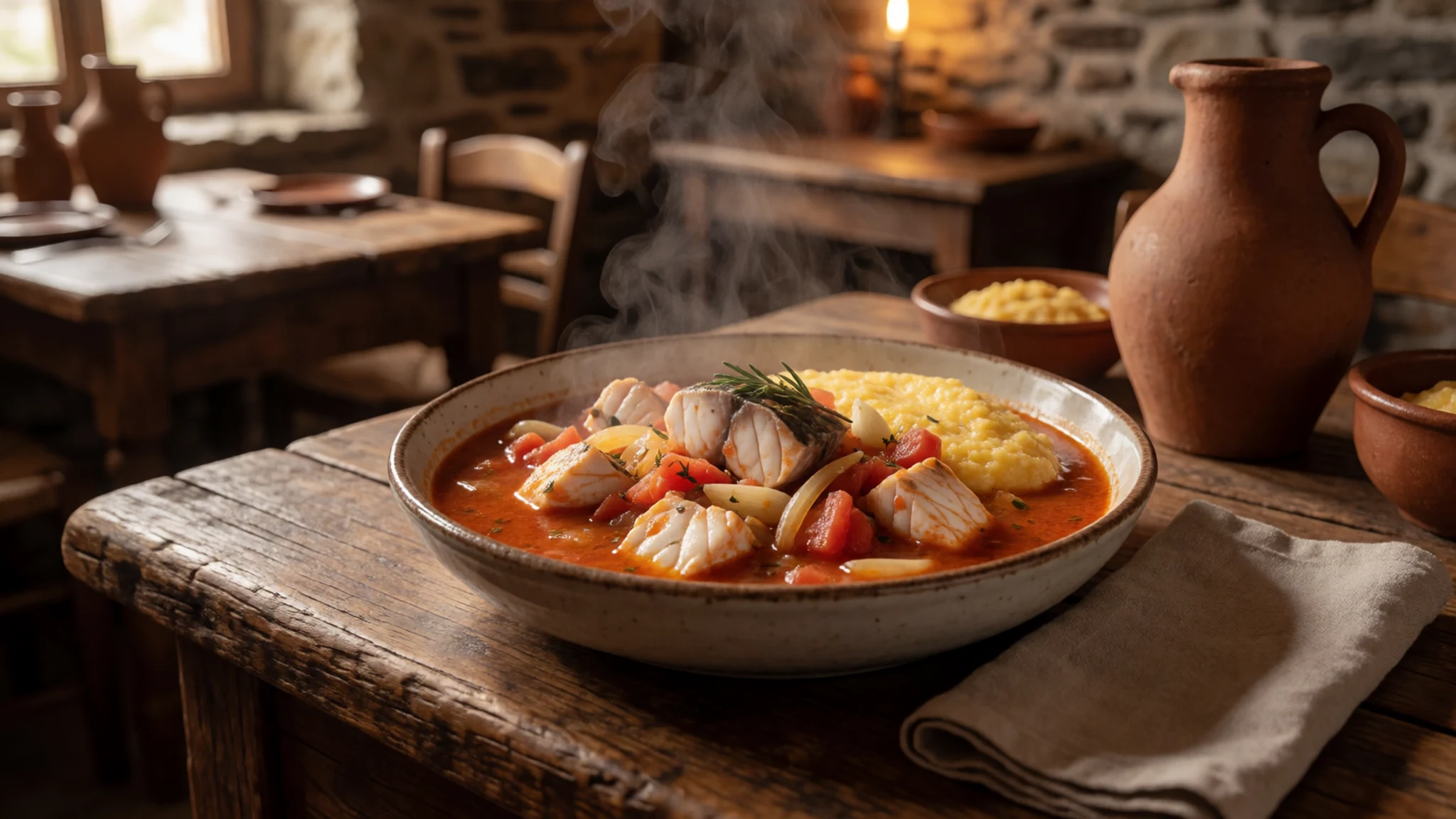
- Pašticada — Local taverns and town restaurants
Pašticada is a rich Dalmatian beef dish simmered for hours in a sweet and savoury sauce made from prošek, dried fruits, bacon, and root vegetables. It is commonly served with handmade gnocchi at family-run eateries.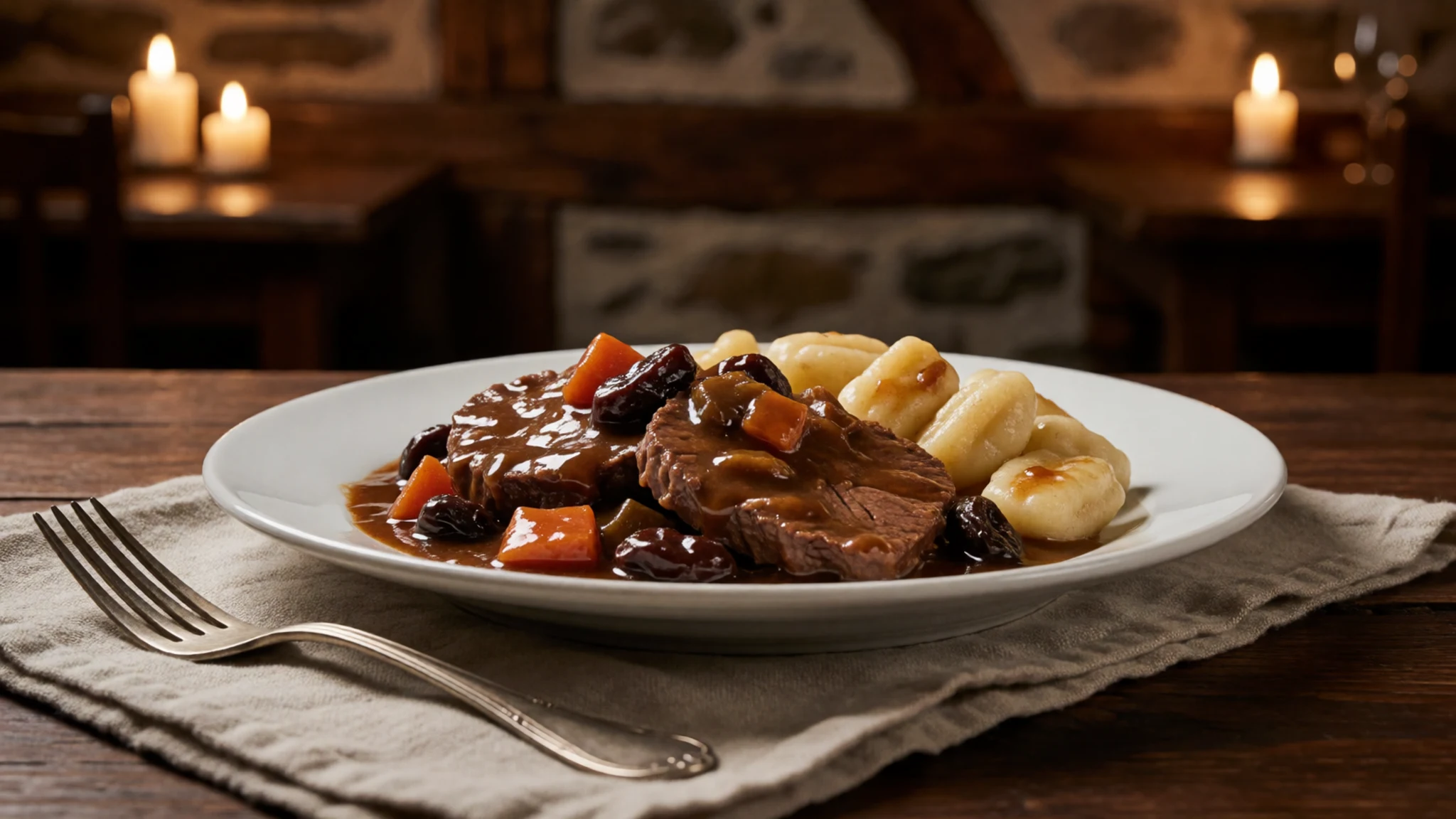
- Žrnovski Makaruni — Taverns in Žrnovo and Korčula town
Žrnovski makaruni is a traditional handmade pasta dish featuring long, hollow hand-rolled macaroni served with a robust beef or veal stew. This specialty originates from the inland village of Žrnovo and is served across local island taverns. - Grk Wine — Vineyards and wine bars in Lumbarda
Grk is an exceptional indigenous white wine produced exclusively in the sandy vineyards surrounding Lumbarda. Due to its limited regional production and specific growing requirements, visitors can sample glasses directly at local wine bars and family vineyards.
Plan it
Best time. May to June and September to October offer pleasant Mediterranean warmth, manageable crowds, and ideal conditions for swimming and coastal walking.
How long. 3–4
Getting there. Fly into Dubrovnik or Split, then take a direct high-speed catamaran or car ferry to the island's ports.
Budget. mid
Tips
- Book ferry transport and accommodation well in advance during peak summer months
- Wear flat, sturdy footwear to navigate slippery limestone streets in the old town
- Carry cash for small shops, rural markets, and family-run taverns
- Rent a car or scooter to explore secluded beaches and inland villages effectively
Etiquette
- Dress modestly with covered shoulders and knees when visiting churches
- Respect local residential quiet hours during afternoon siesta and late evenings
- Ask permission before photographing participants in traditional folk performances
Nearby
Sources
- Wikidata Q13288 (CC0)
- Wikipedia (Korčula) (CC-BY-SA 4.0)
- Wikivoyage (Korčula) (CC-BY-SA 4.0)