Cirque de Cilaos
Cirque de Cilaos, France
Cirque de Cilaos is a volcanic bowl in the heart of Réunion, reached by a twisting road and loved for its hiking, waterfalls and mountain calm.
The place
Cirque de Cilaos sits in the middle of the French island of Réunion, in the Indian Ocean. It is a caldera, a vast bowl left by volcanic collapse, with steep green walls and a valley floor at roughly 1,200 m. The town of Cilaos lies on that floor, and the whole basin shares its name. The bowl is about 11 km across, and the Bayonne Gorge drains it towards the coast.
The feel of the place is mountain rather than beach. Mornings are often clear, then cloud rolls in around midday and pours down the slopes, so the best views tend to come early. The air is cooler than on the coastal plain, and evenings can be properly chilly.
Cilaos works as a base for walkers of every level. Short forest paths lead to viewpoints and waterfalls, while the serious routes climb towards the Piton des Neiges, the island's high summit. The town itself is small and unhurried, with guesthouses, bakeries, a few eateries and shops selling local embroidery and wine.
Getting here is part of the experience. Only one road climbs into the cirque, and it winds relentlessly. Drivers need patience, and anyone prone to car sickness should plan for it. Neighbouring cirques, Mafate and Salazie, can be reached on foot over high passes, which makes Cilaos a natural starting point for longer treks. Rain is heavy in the wet season, so timing matters more here than in many places.
Its story
Cirque de Cilaos carries a name that tells its history. It comes from a Malagasy word, Tsilaosa, usually explained as the place one does not abandon, or a place where you are safe. Some historians link it instead to a man called Tsilaos who took refuge here.
The first people to live in the basin were enslaved men and women who had escaped from the sugar plantations on the coast in the 18th century, known as the Noirs marrons. They believed the high, walled bowl put them beyond reach. It did not for long. Organised, armed slaveholders hunted them down, and many were recaptured or killed. It is thought that their flight created the goat-like tracks that still climb many of Réunion's mountains.
After that the cirque probably emptied again. The first official record of settlement dates from around 1850, when a spa station was established to use the local thermal springs. By 1866 there were 960 inhabitants, and by 1900 about 2500. After slavery ended, poor smallholders of European descent, the petits blancs, also came to farm the slopes. The 1982 census counted 5629 people across the whole cirque.
The commune of Cilaos was created on 4 February 1965, separating from Saint-Louis. Weather has left its own mark: on 7 and 8 January 1966, 1,825 mm of rain fell here in 24 hours, a record for a single day.
What to see
- Piton des Neiges ascent — Cilaos, trails above the town
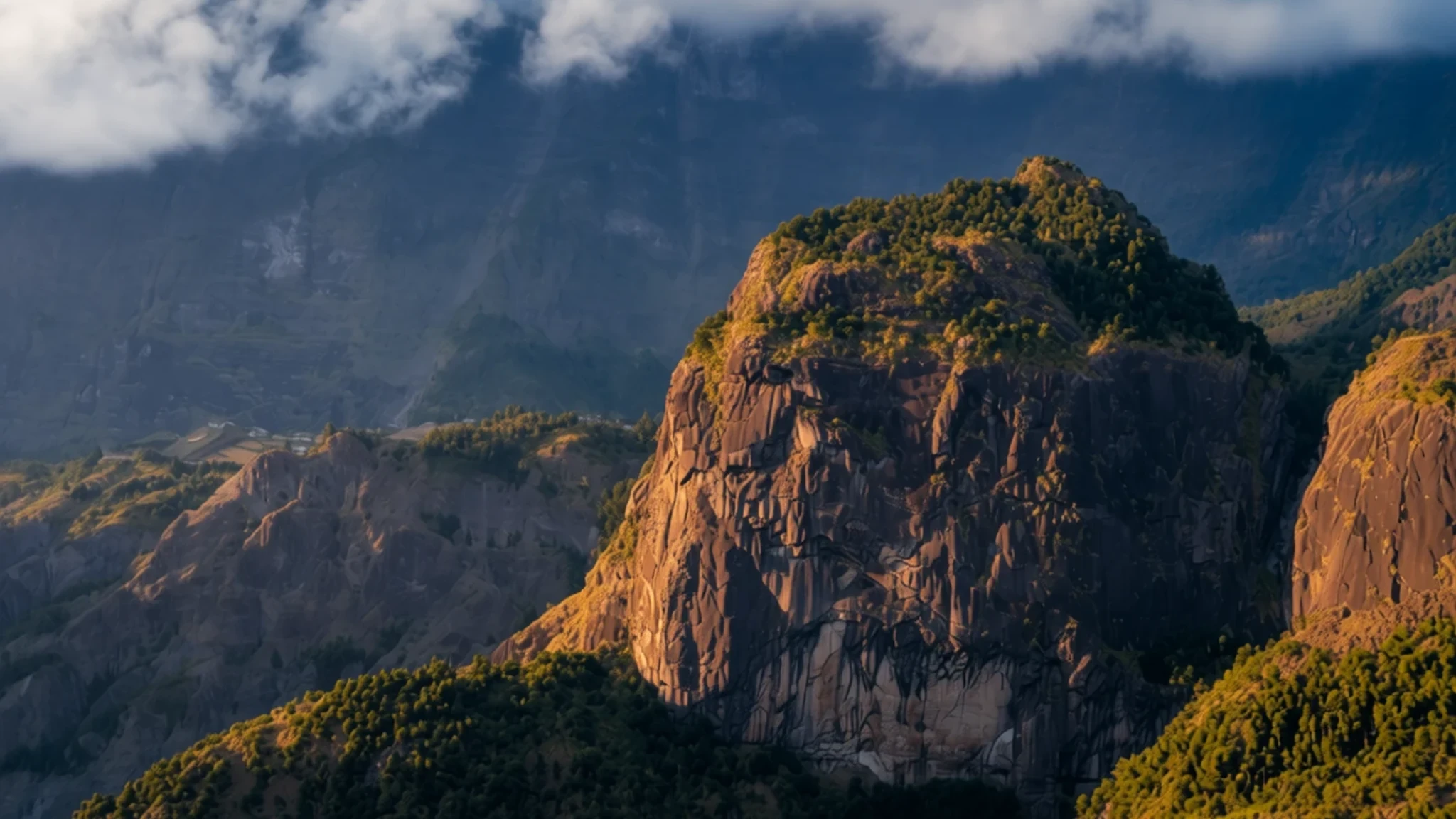
The best-known hike from Cilaos climbs the Piton des Neiges, the high peak above the cirque. It is a demanding outing, often done with a night at a mountain hut, so start early and check the weather first. Clear dawns reward the effort with views over the island.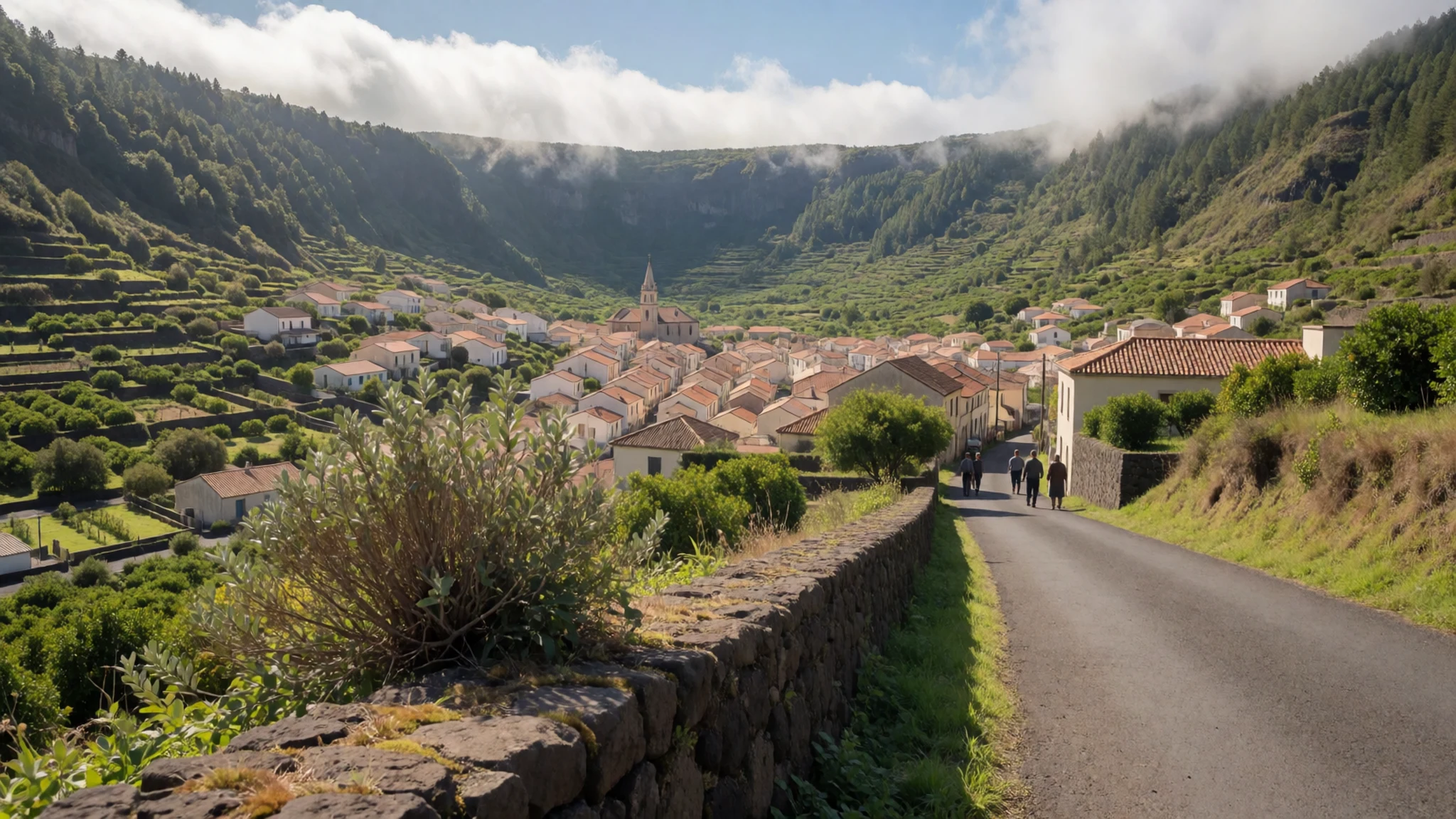
- La Roche Merveilleuse — Above Cilaos, route du Bras-Sec
A rocky headland in the forest above the town, with a wide view across the cirque and its scattered villages. It is a short drive on tarmac, following signs through a plantation of Japanese cedars, or a good walk. Go in the morning, before cloud fills the bowl.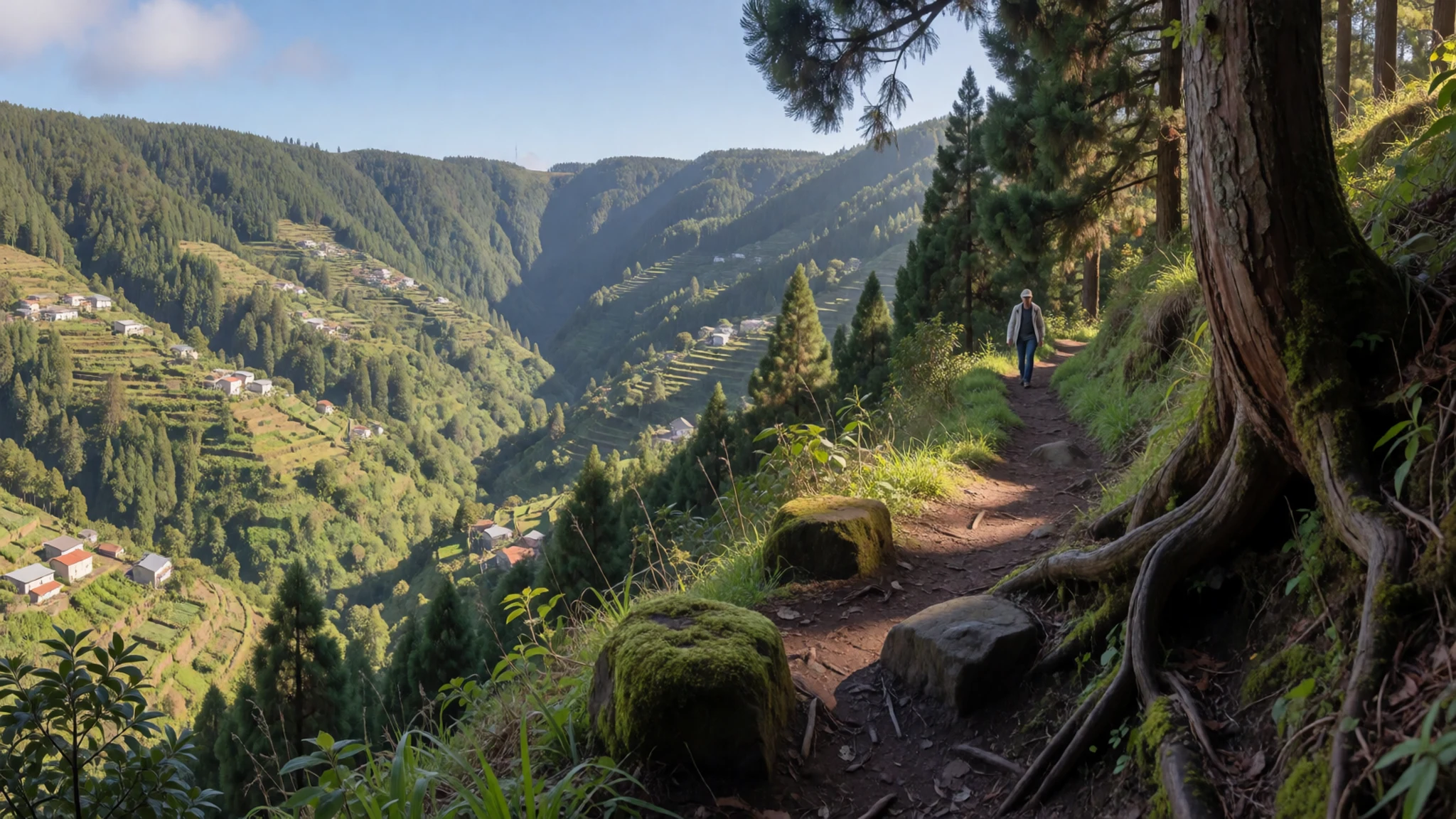
- Îlet à Cordes — West of Cilaos, below the Grand Bénare
A small farming settlement on a clearing beneath the Grand Bénare, once a refuge for escaped slaves. Lentils, citrus and vines grow here now. Walkers arrive hungry, and locals are happy to chat about daily life. It is a rewarding stop on a day out.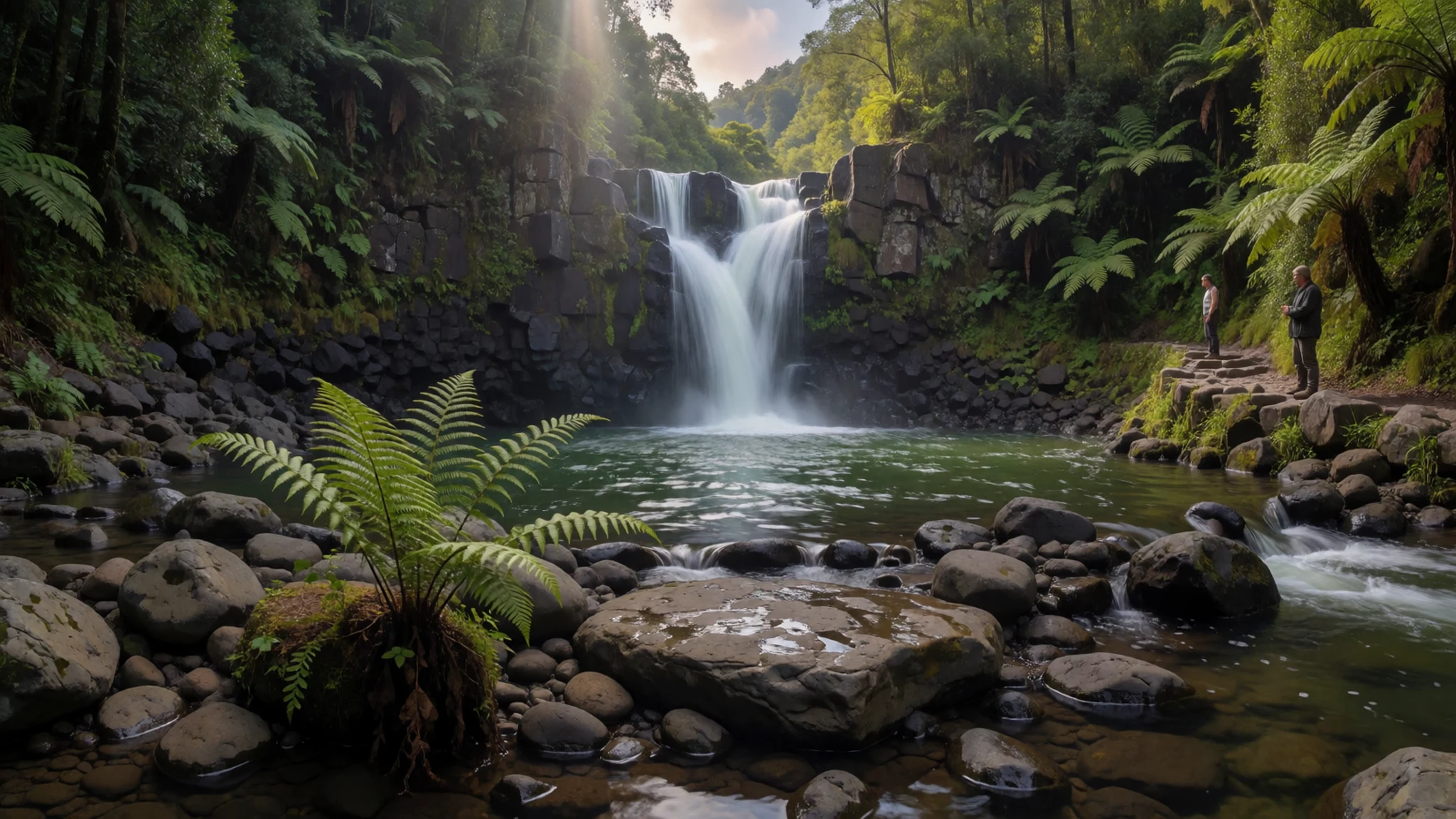
- Bras-Rouge waterfall and old thermal baths — Bras-Rouge valley, beyond La Chapelle
The Bras-Rouge waterfall and the ruins of the old thermal baths recall the spa days of the 19th century. The walk from La Chapelle is long, so allow most of a day. Paths can be slippery after rain, so wear shoes with proper grip.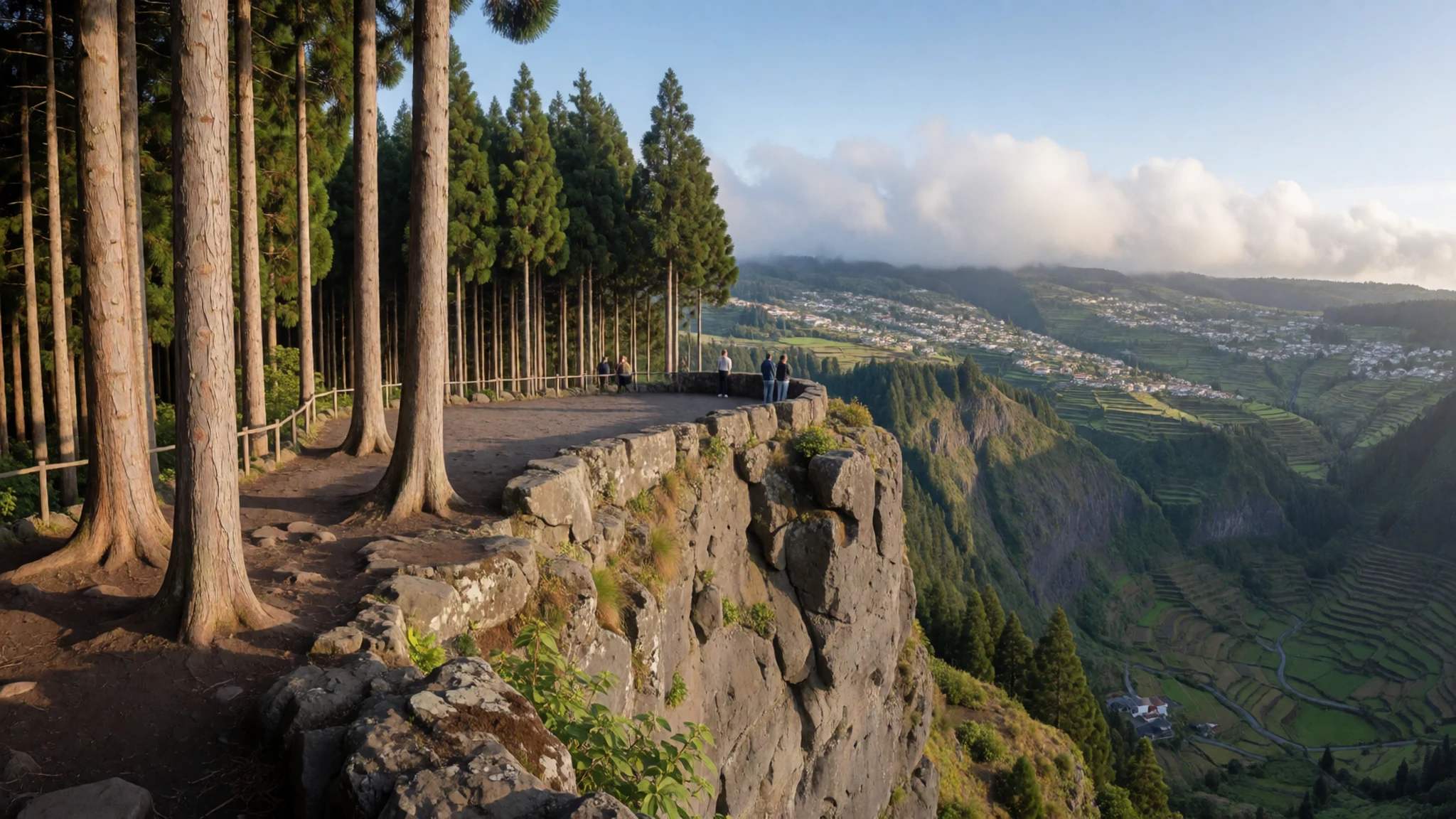
- Musée de la broderie — Cilaos town centre
The embroidery museum in Cilaos shows the needlework the town is known for. It is a gentle contrast to the hiking, and a useful wet-weather stop. Check the official tourist office for opening arrangements before you go, as they change.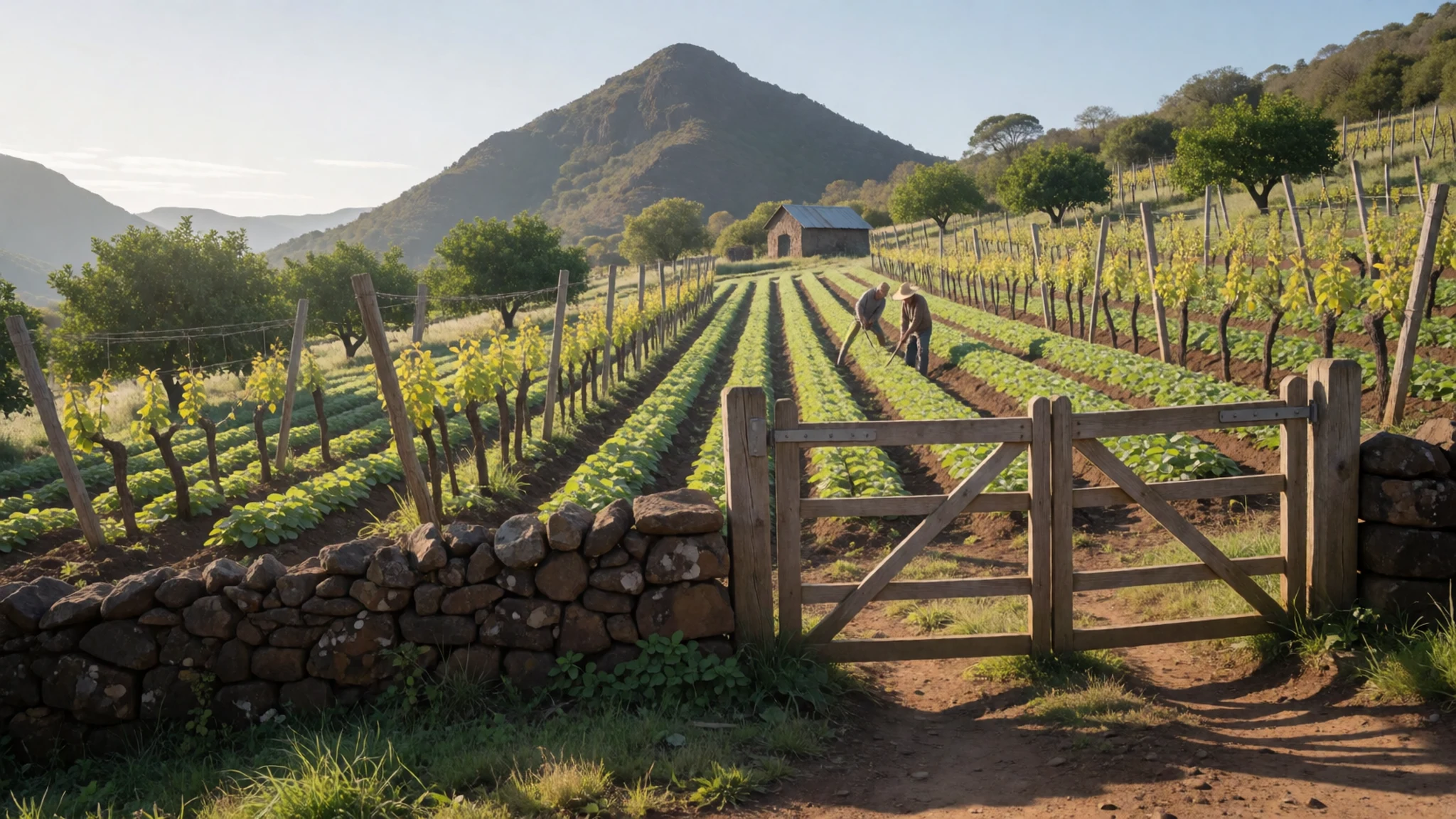
Culture
Cirque de Cilaos has a culture shaped by refuge and hard work. The island's people descend from Malagasy, African, Indian, Chinese and European settlers, and Creole is spoken alongside French. In the cirque, that mix is coloured by its mountain history: escaped slaves, later poor farmers, then spa visitors.
Life is still tied to the land. Terraced plots of lentils, fruit and vines cling to the slopes, and the local wine is made in conditions most vineyards would find impossible. Cilaos is also known for embroidery, a patient craft traditionally done by women, which you will see in shops and in the museum.
Sundays are quiet, with shops often closed and families gathering for long lunches. Hiking is a shared pastime, and walkers greet each other on the trails with a bonjour. Mountain huts and small guesthouses run on friendly, informal rules, with early starts and early nights.
The history behind the name matters here. Many locals feel real pride in the cirque's role as a place of shelter, so curiosity is welcomed, but it helps to ask about it respectfully rather than treating it as a curiosity.
Greet people with a bonjour in shops, guesthouses and on the trail, and ask before photographing anyone or stepping onto private farmland.
What to wear
Cirque de Cilaos has no single formal costume worn today. Its best-known textile tradition is embroidery, especially the fine openwork and drawn-thread linen sold in the town, used for tablecloths, handkerchiefs and blouses. These are made of cotton or linen and are bought as keepsakes rather than worn daily. Older rural dress followed Creole and French country styles, with simple cotton dresses and head scarves for women, and plain shirts and hats for men working the fields.
What people wear now is practical and French in manner. Locals dress in jeans, fleeces and walking boots, since the cirque is cool and often wet. Walkers fill the streets in technical gear, and nobody looks twice at muddy trousers. Smarter clothes appear for church and family gatherings on Sundays.
Visitors should dress for changeable mountain weather. Bring layers: a warm fleece for the evenings, a waterproof jacket that can be packed small, and a sun hat, because the sun is strong when the cloud lifts. Sturdy shoes with good grip matter most, as trails turn slippery and steep. Trekking poles help on long descents. Shorts and T-shirts are fine in town, but carry long trousers for cool starts and for overgrown paths. If you visit a church, covered shoulders are a courteous choice. Swimwear belongs at the coast, not on the high streets.
What to eat
- Cilaos lentils (lentilles de Cilaos) — Family-run eateries in Cilaos town
The cirque is famous for its small, tender lentils, grown on the slopes and served in a slow-cooked stew with smoked pork and spices. They are the classic mountain dish, hearty after a day's walking.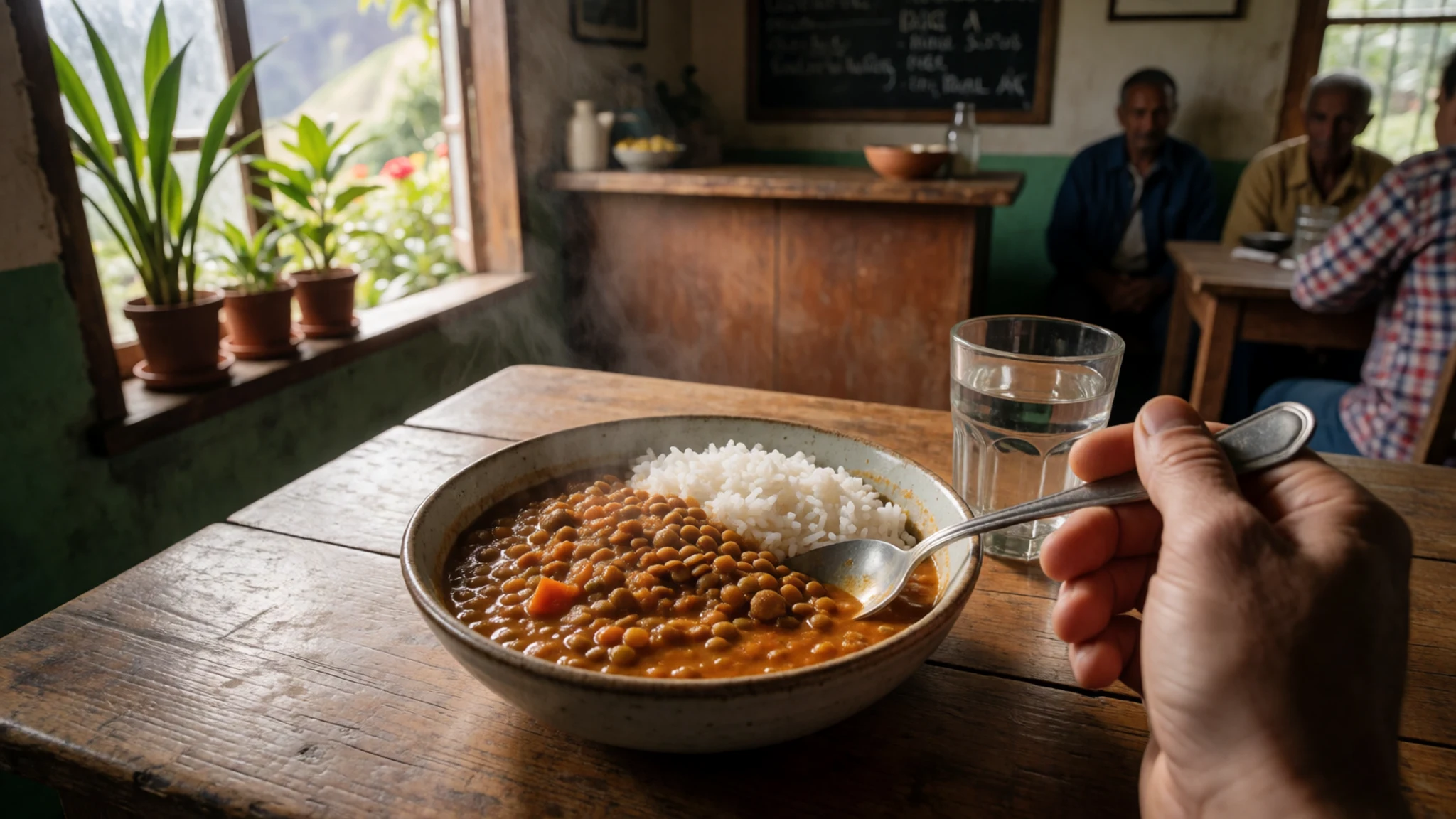
- Rougail saucisse — Village eateries and roadside snack counters
A Creole staple of sausage cooked with tomatoes, onion, ginger and chilli, served over rice. It is the island's everyday comfort food, and the heat varies, so ask about the chilli.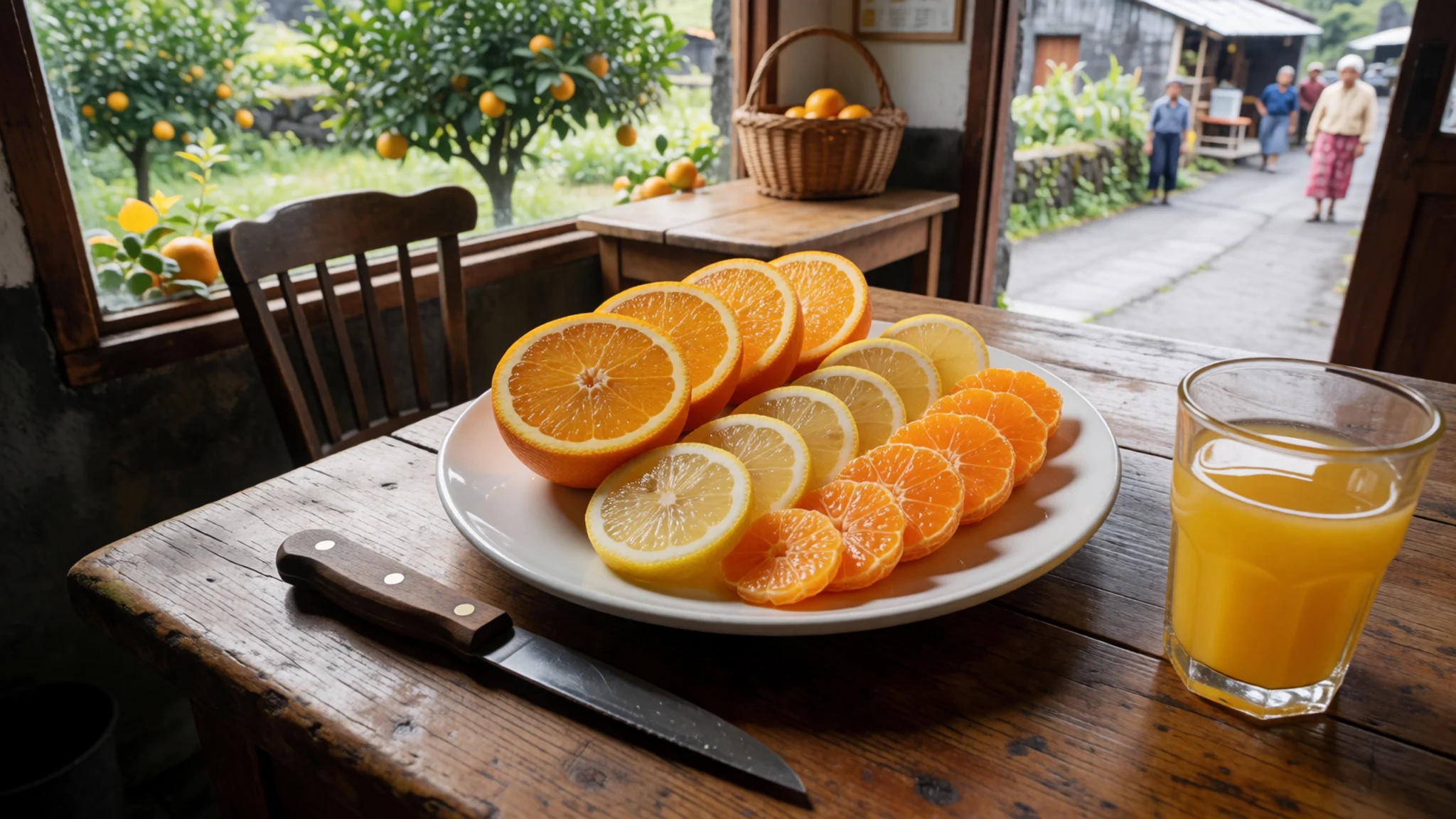
- Cilaos wine — Shops in Cilaos and farms near Îlet à Cordes
Vines grow on the high slopes around Îlet à Cordes, producing a local wine that is unusual to find anywhere. It is sold in small bottles, often with a rustic character, and makes a good souvenir. - Cari (Creole curry) — Restaurants and home-style table d'hôte meals in guesthouses
Slow-cooked curries of chicken, fish or pork, flavoured with turmeric, thyme and garlic, and served with rice, lentils and a chilli relish. They reflect the island's Indian and African roots. - Citrus and local fruit — Town market stalls and roadside stands
The cirque's farms grow oranges and other citrus, sold fresh or as jams and liqueurs. A bag of fruit is easy to carry on a walk and tastes best eaten at a viewpoint.
Plan it
Best time. May to June and September to November are the most comfortable, with drier, milder weather and clearer mornings. December to April is the very rainy wet season, so trails can be slippery and views often hidden.
How long. 2–3
Getting there. Fly into Roland Garros Airport near Saint-Denis, or Pierrefonds near Saint-Pierre, then drive or take a bus via Saint-Louis or Saint-Pierre. The only road in is the RN 5, extremely winding, and the last stretch takes patience. Neighbouring Mafate can be reached on foot over the Col du Taïbit, a walk of around five hours.
Budget. mid
Tips
- Start walks early, as cloud usually fills the bowl by midday
- Book mountain huts and guesthouses well ahead for the Piton des Neiges
- Carry cash for small shops and farm stalls, as cards are not universal
- Pack layers and a waterproof, since evenings are cool and rain comes quickly
Etiquette
- Greet people with a bonjour in shops and on trails
- Stay on marked paths and keep off private farmland
- Ask before photographing locals
Nearby
Sources
- Wikidata Q1093094 (CC0)
- Wikipedia: Cirque de Cilaos (rev 1381845779) (CC BY-SA 4.0)
- Wikivoyage: Cirque de Cilaos (rev 4415306) (CC BY-SA 4.0)
- Photo 01 Cilaos Circus, Patrick Portes (CC BY-SA 4.0)
- Photo 02 Waterfall near Cilaos, Nop112233 (CC BY-SA 4.0)
- Photo 03 Waterfall near Cilaos, Nop112233 (CC BY-SA 4.0)
- Photo 04 Cascade cirque de Cilaos, Hernandlucas (CC BY-SA 4.0)
- Photo 05 Cilaos cascade, Valoche974 (CC BY-SA 4.0)
- Photo 06 Cirque de Cilaos, Nicolas Fressengeas (CC BY 3.0)
- Photo 07 Sentier de la Chapelle, Rémih (CC BY-SA 4.0)
- Photo 08 Cirque de Cilaos, Abujoy (CC BY 4.0)


