Cayman Brac
Cayman Brac, United Kingdom
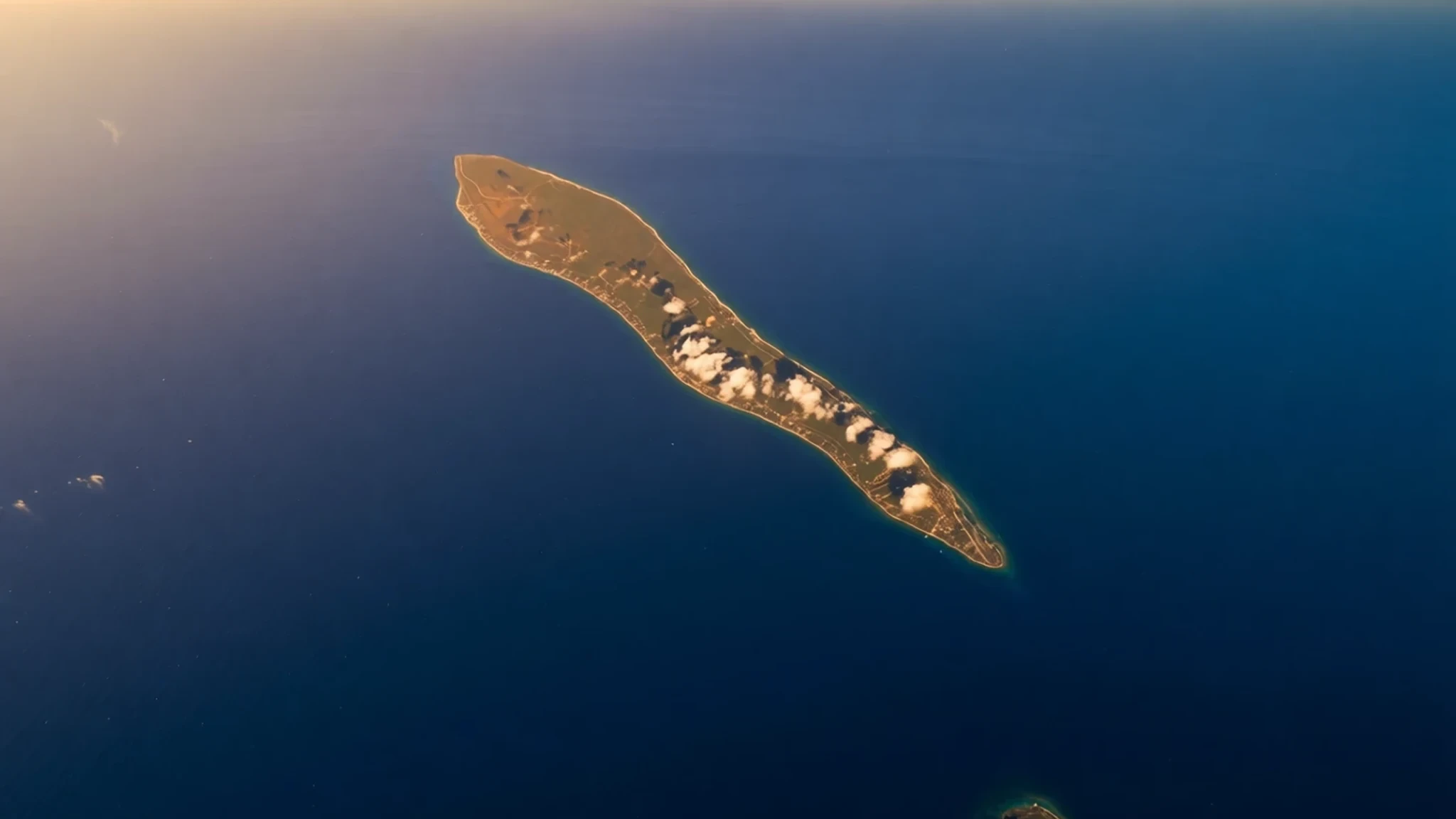
Cayman Brac is a quiet limestone island of cliffs, caves and reefs, a slower sister to Grand Cayman.
The place
Cayman Brac sits at the eastern end of the Cayman Islands, a British Overseas Territory in the western Caribbean. Little Cayman lies nearby; Grand Cayman, the busy island of the group, is a flight away to the west. The name Brac is Gaelic for bluff, and the island is built around a limestone ridge that runs the length of the land and leaves only a thin coastal shelf for houses. West End, Watering Place, Stake Bay, Creek and Spot Bay sit along that shelf, facing the sea and the single road that joins them. Seen from orbit, Cayman Brac is a narrow green spine ringed by pale shallows. On foot the rock is pitted, sharp and hollowed into caves. Much of the shore is ironshore rather than beach, so swimming often means a ladder, a cove or a house reef. Beyond the shallows the seabed falls into deep water, and divers come for those walls. There is little flat ground, which is a reason the settlements stay small and the nights stay quiet. Daily life follows weather, church, boats and the inter-island plane. Yards hold fruit trees and wandering chickens. The bluff carries dry scrub and a parrot that lives on these sister islands and nowhere else. By late morning the limestone throws heat back at anyone walking it. Wetter months bring squalls and the risk of tropical storms; drier months bring steadier trade winds and easier walking. Cayman Brac suits people who want reefs, caves and a slow road.
Its story
Cayman Brac's story is a seafaring story. The island lay off the old sailing routes between the Greater Antilles and Central America, noted by European mariners and then left largely alone, without a lasting indigenous town to absorb them. People who did settle came by boat: turtle fishers, wreckers, sailors and families with roots in Britain, Jamaica and the wider Caribbean. For generations the living was turtles, rope made from the silver thatch palm, and whatever the reef and passing ships provided. The bluff was both landmark and refuge, a mass of caves above the spray. Storms sit at the centre of island memory. A hurricane, still named in family stories, drove people into a cave on the bluff; the island marks that shelter as a place of loss as well as survival, and older residents speak of it without being asked. After that, houses and the small coastal districts rebuilt along the same thin shelf, because there is nowhere else to put them. The racing trimaran Teignmouth Electron, sailed by Donald Crowhurst, finished its wandering at Cayman Brac, and a photograph in the staged set shows what remained of the hull on the shore. Divers later gave the island a new working identity: walls, reefs and the wreck of the Captain Keith Tibbetts became the reason to fly in, replacing turtling as the trade visitors pay for. Through all of that the rock itself has been a craft. Caymanite, a banded stone from the bluff, is cut and polished into jewellery that people on Cayman Brac still recognise as theirs.
What to see
- The Bluff — the island's central ridge
The Bluff is the limestone ridge that names Cayman Brac and holds the island up. It runs above the coastal shelf toward the eastern cliffs and is cut by caves. Tracks are rough, unshaded and sharp underfoot. From the higher ground the houses read as a thin line between scrub and sea. Heat builds fast on the bare rock, so morning is the kinder time to walk.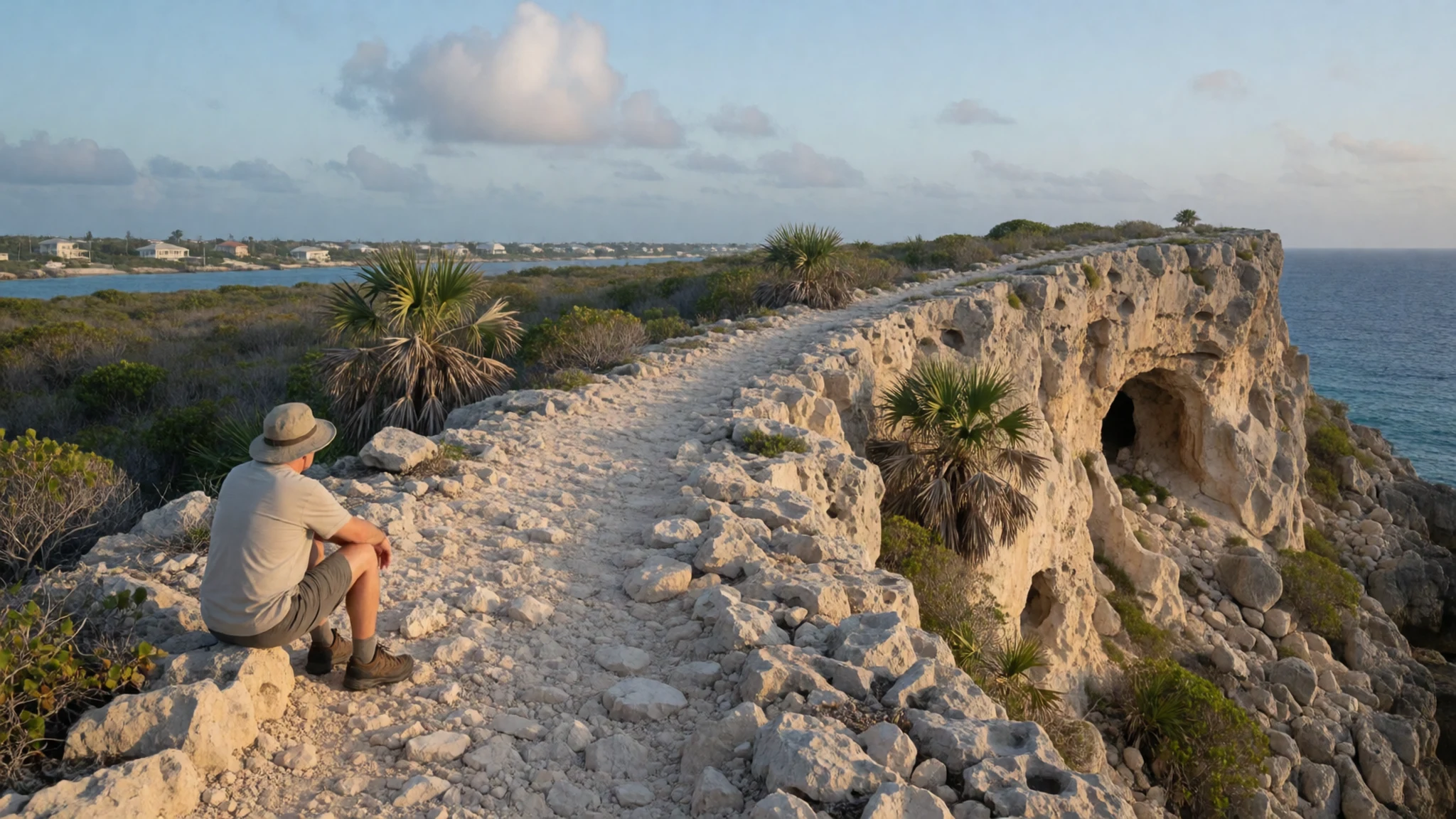
- Watering Place — Watering Place, north coast
Watering Place is a coastal district of Cayman Brac strung along the road and the ironshore, and a staged photograph shows its low houses and sea light. It is a place to understand how the island is lived in: yards, a quiet road, water at the door, rather than a beach laid out for visitors. People keep boats and gardens here.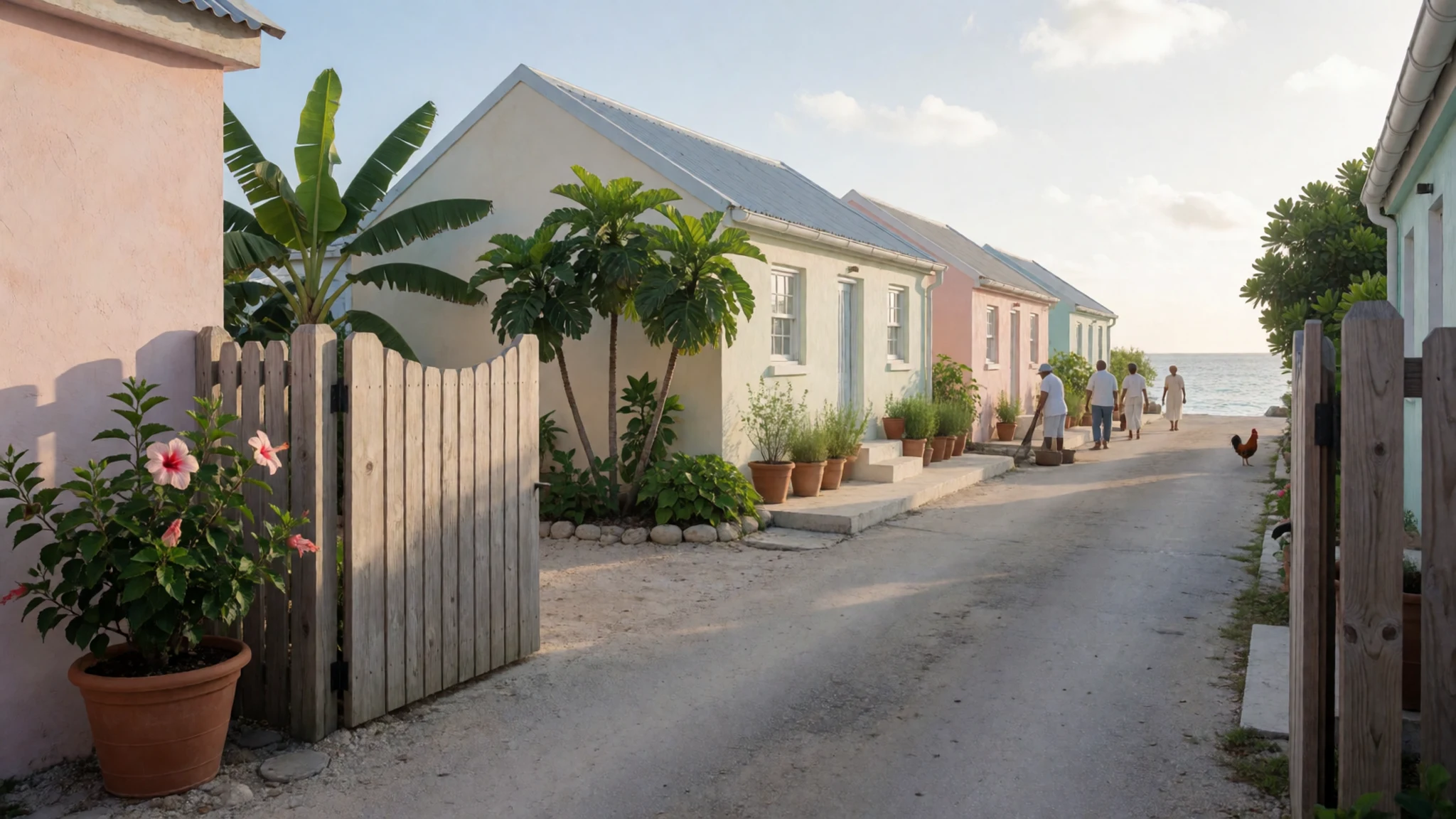
- The walls — offshore, north and south of the island
Diving the walls is the trip many people make to Cayman Brac. A short boat ride from shore, the seabed drops into deep water, and crews run reefs, swim-throughs and wrecks, resting between dives as a staged photograph of a surface interval shows. The Captain Keith Tibbetts is the wreck divers ask for by name. Wind decides whether the north shore or the south shore is workable that day.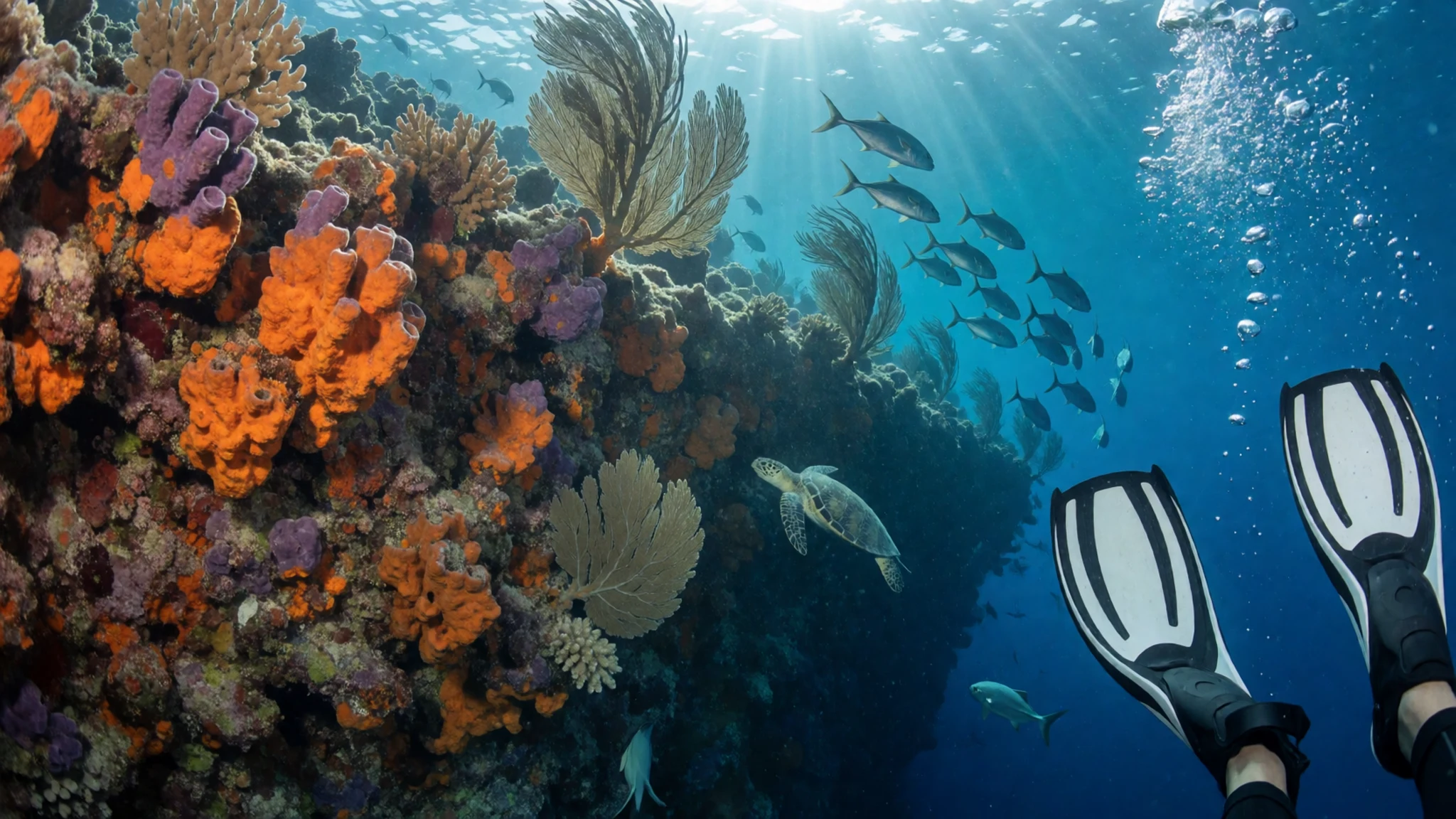
- Caymanite — bluff rock and local jewellery counters
Caymanite is a banded stone of Cayman Brac, cream, brown and rust, polished into cabochons and small jewels. A staged photograph shows a finished piece, the sort sold from local counters and sometimes set in silver. It comes from the bluff limestone, and finished pieces are the right way to take it home. Chipping samples out of the ridge treats the landscape as a quarry.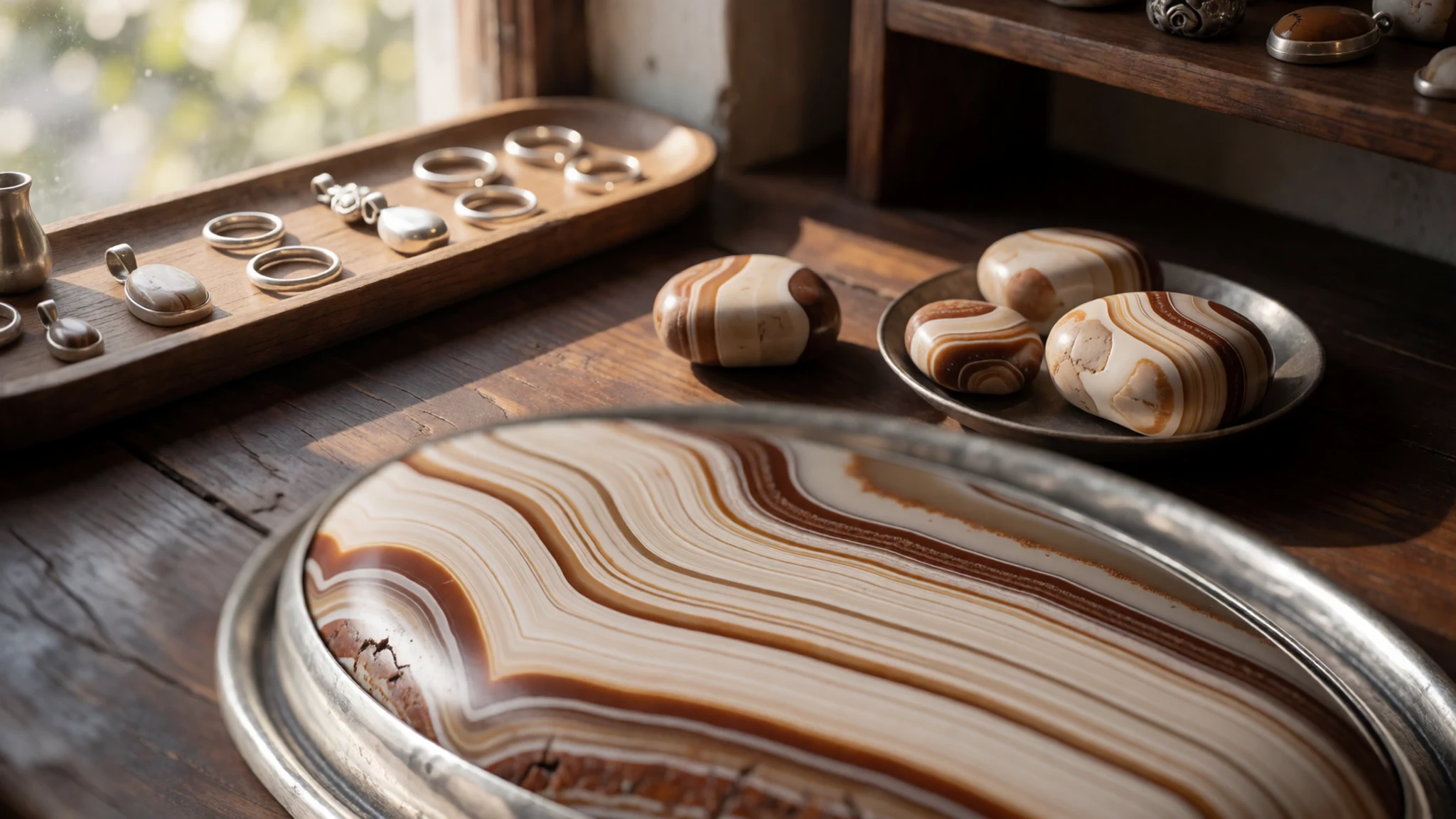
- Caves of the bluff — trails on the bluff
Rebecca's Cave and the other caverns of Cayman Brac open off the bluff, some as walk-in shelters and some as darker holes in the limestone. Island memory ties a cave to a hurricane that drove families inside, and the site is kept as a place of mourning as well as a curiosity. Floors are uneven and the rock is damp.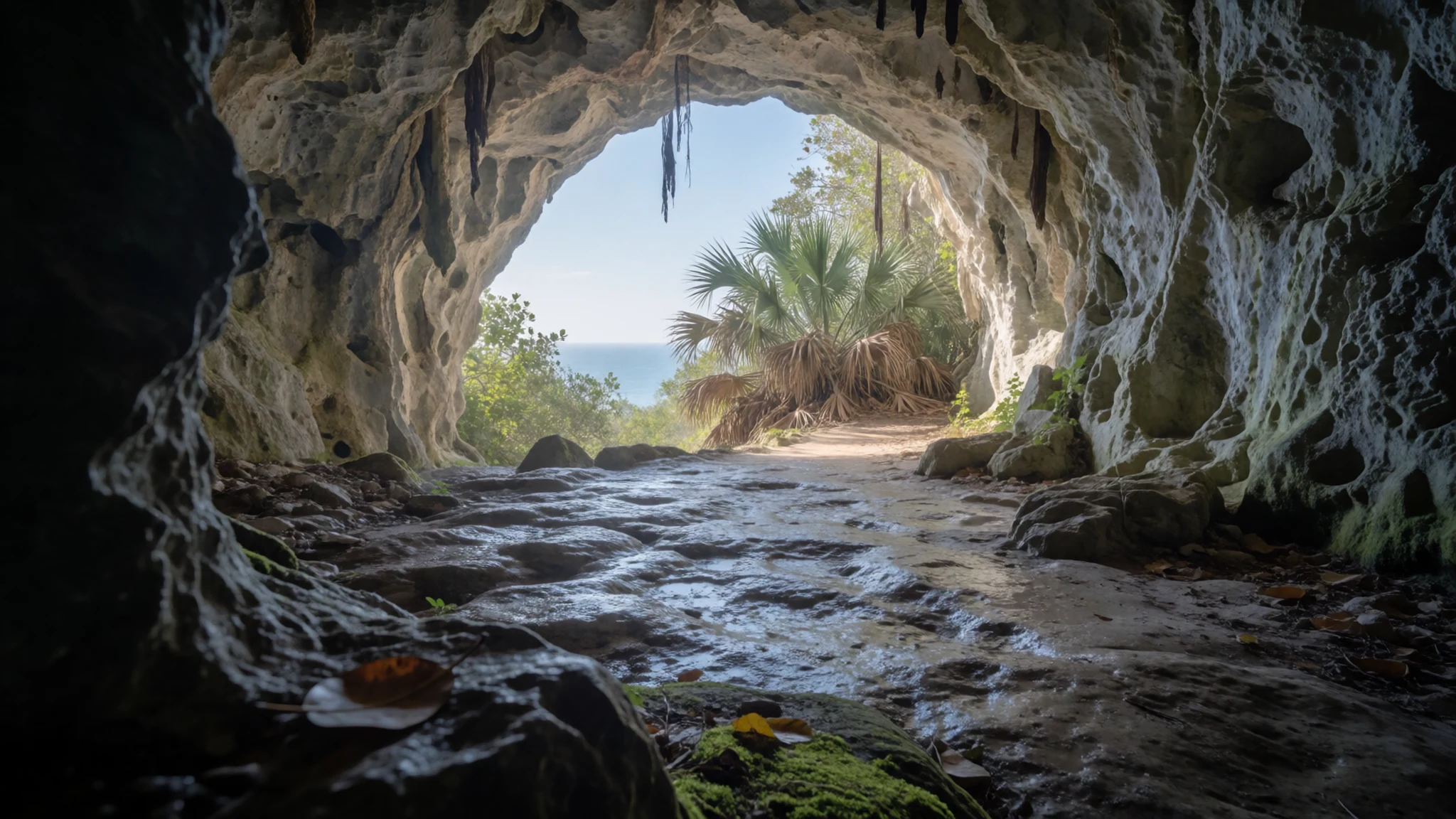
- Teignmouth Electron — the shore of Cayman Brac
The Teignmouth Electron is the trimaran that carried Donald Crowhurst's round-the-world race to its sad end, and Cayman Brac is where the boat fetched up. A staged photograph shows the remains on the shore, weathered and partly gone even then. What a visitor can still find changes with years and clean-ups, so this is a story to confirm locally rather than a guaranteed hull at a pin on the map.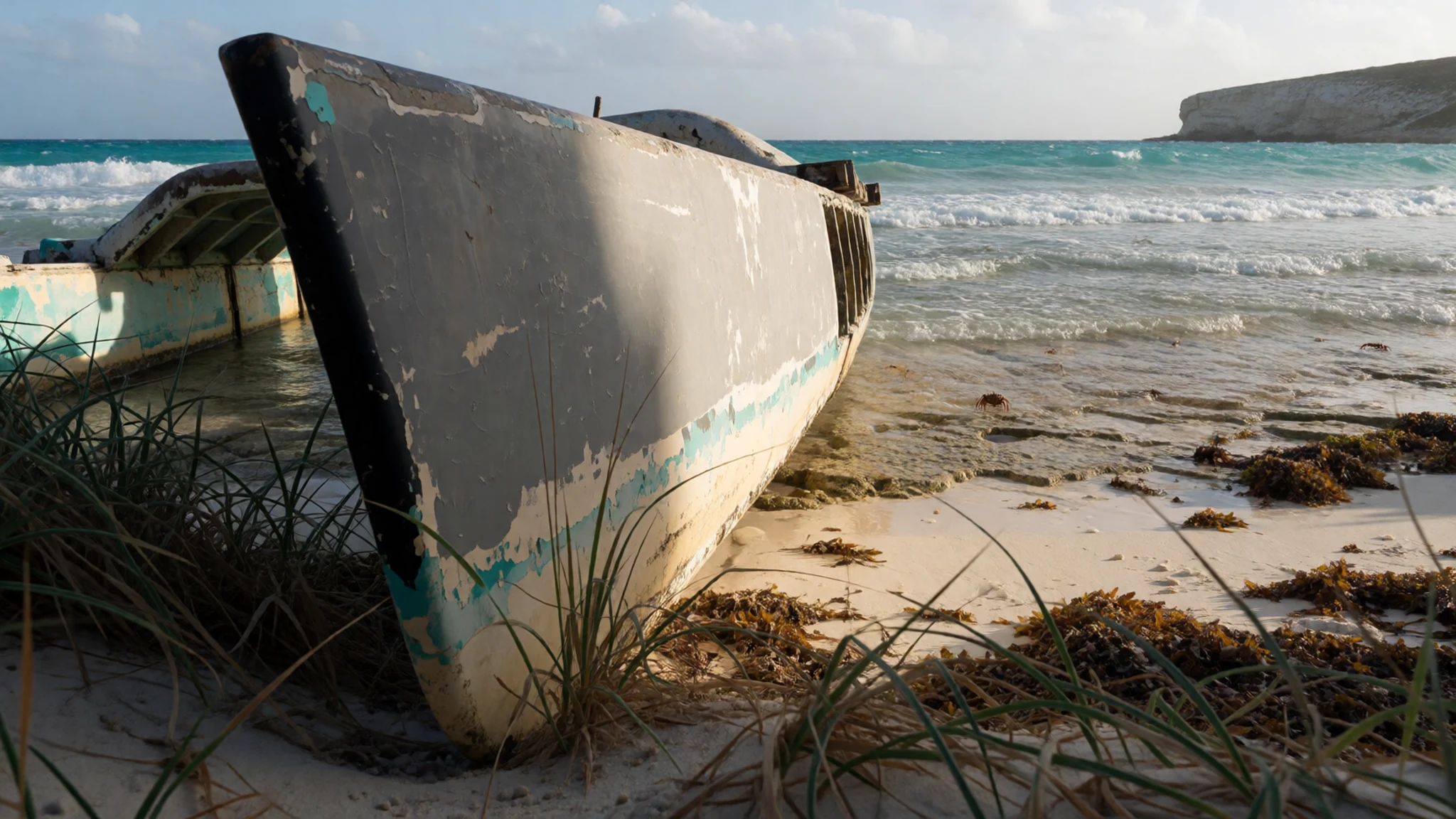
Culture
Cayman Brac shares the Caymanian mix of British institutions, African and Jamaican heritage, and a long habit of making a living from the sea. English is the language of school, church and the shop counter, coloured by Caribbean cadence. Sundays still shape the week: many families are in church, and the morning has a paused feel that visitors notice if they expect every day to trade at the same pace. Community is small enough that people recognise each other's cars. News travels by conversation. The silver thatch palm, once worked into rope for export, remains a symbol of that older self-reliance even when the working economy is tourism, the public service and the boats. Music, home cooking and district days do more of the cultural work than any formal stage. Residents are used to divers and to relatives flying in from Grand Cayman, and they are also used to being a place that Grand Cayman talks over. Ask before you photograph residents or step into a yard, keep off the bluff's loose stone and living coral, and let a Sunday congregation have the quiet of its service.
What to wear
Cayman Brac has no court costume that people wear in the street. The traditional skill in textiles is practical: cotton clothing cut for heat, Sunday clothes kept sharper than weekday ones, and the silver thatch palm worked into hats, baskets and the rope that was once an export. Caymanite jewellery is the local adornment, a polished banded stone set simply and worn for church, weddings and homecomings. Older photographs show neat dresses, pressed shirts and hats against the glare; that habit of Sunday best has not vanished. What people wear now is light and ordinary. Breathable shirts, shorts, sundresses and sandals cover most days, with a better shirt or dress for service and for family events. Dive crews live in rash vests and board shorts. Office and school dress is tidier than the beach, because the beach is not where the day is spent. Visitors who copy resort-evening wear from larger islands look out of place at a cookshop. A visitor dresses for sun, sharp rock and the odd church door. Long sleeves or a shirt over swimwear help on the bluff and on a boat. Sturdy closed shoes matter on limestone; thin sandals slip and cut. Shoulders and knees covered are the right choice if a service or a funeral is open to guests. Swimwear stays on the boat and the shore.
What to eat
- Fish tea — cookshops and home kitchens
Fish tea on Cayman Brac is a peppery fish broth, served as a starter or a simple meal with bread or johnny cake. Cookshops and home kitchens make it when the boats are in. It is everyday food, hot and plain, rather than a dressed-up special.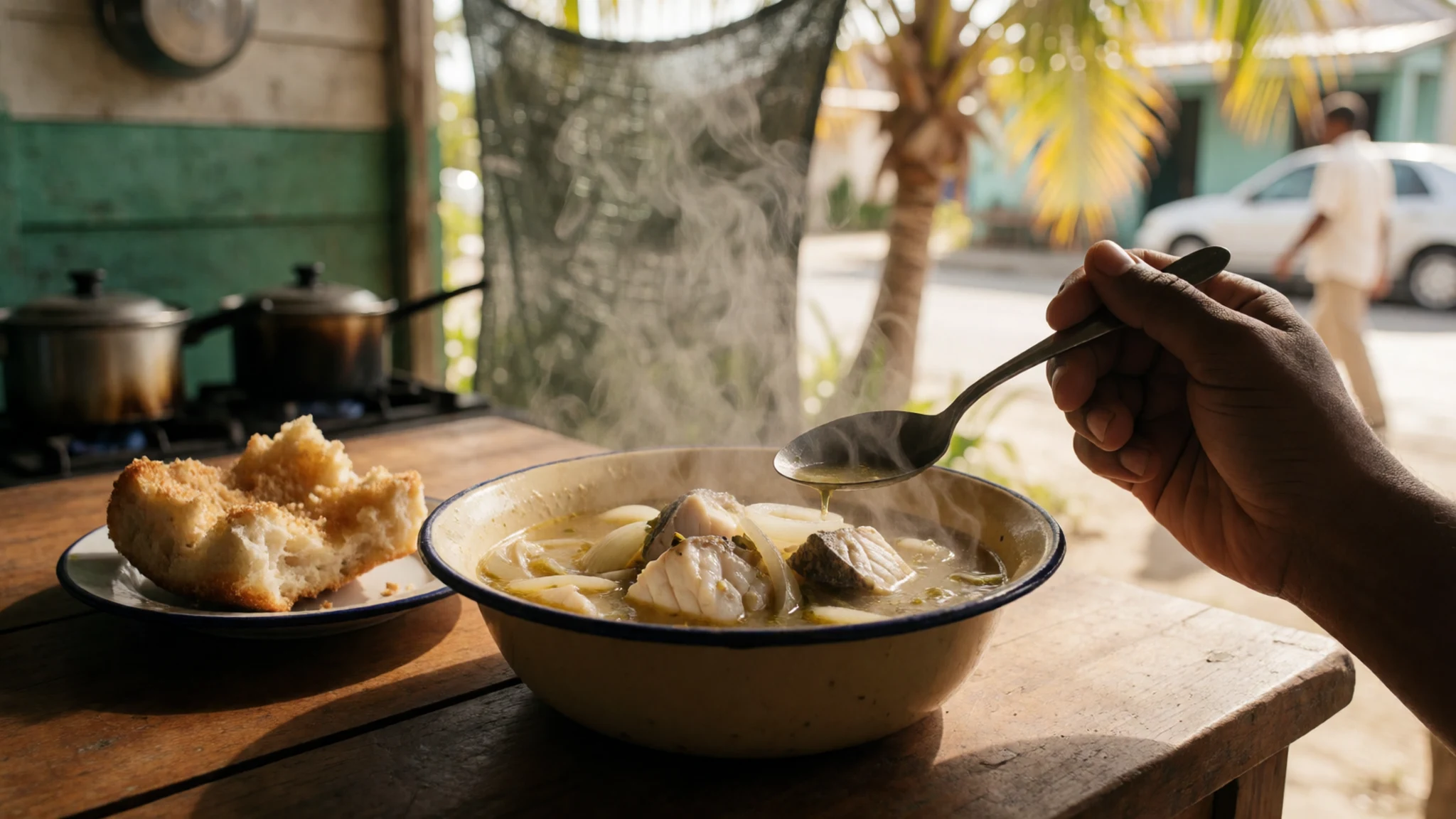
- Conch fritters and cracked conch — casual eateries and fish stalls
Conch fritters on Cayman Brac are seasoned, deep-fried bites of conch, often with a hot pepper sauce on the side. Cracked conch is the same meat, tenderised and fried as a plate with rice or fries. Both show up at casual eateries and fish stalls.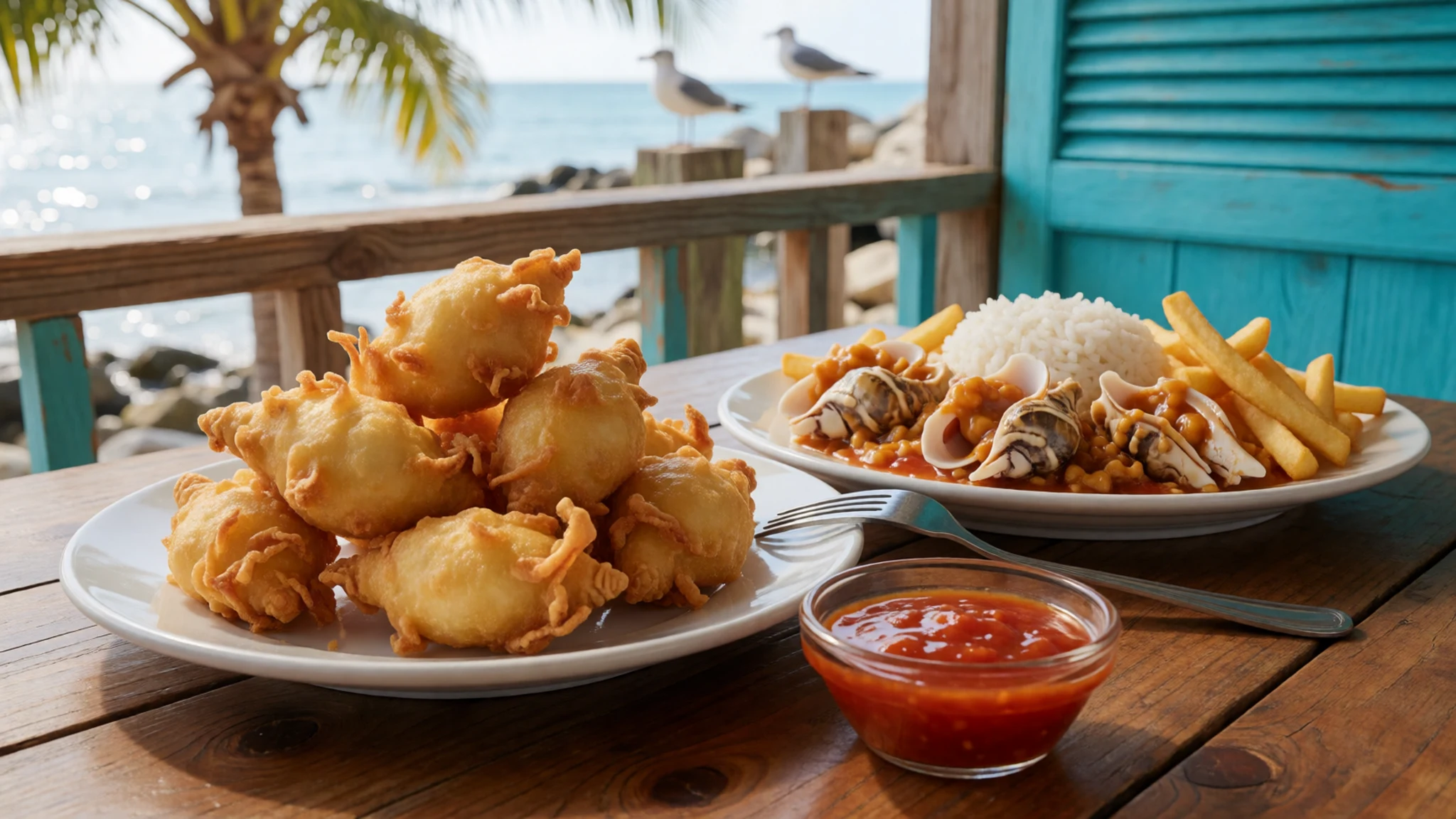
- Johnny cake — home kitchens and local eateries
Johnny cake on Cayman Brac is a fried or baked bread, dense and slightly sweet, eaten with fish, stew or nothing but butter. It belongs to home kitchens and to the side of a plate at local eateries. - Heavy cake — bakeries, home sellers and family tables
Heavy cake is the Caymanian cassava sweet that turns up at gatherings on Cayman Brac, a dense bake of grated cassava, coconut and sugar, cut in squares. It is celebration food as much as everyday food, tied to heritage days and family tables. - Turtle stew — heritage events and a few local tables
Turtle stew is the old Caymanian feast dish still served on Cayman Brac at heritage events and a few local tables, a rich brown stew that once came from the turtling boats. It is contested now, and some visitors will want to skip it.
Plan it
Best time. December to April is the easier window on Cayman Brac, with steadier trade winds and fewer squalls to cancel a boat. May through November is wetter, and June through November is the hurricane season, when flights and dive days are the plans that slip.
How long. 4–5
Getting there. Most visitors reach Cayman Brac by flying to Grand Cayman and changing to the short inter-island flight into Charles Kirkconnell International Airport at West End. Seats on that hop are limited, and there is no regular passenger ferry to fall back on.
Budget. high
Tips
- Book the flight from Grand Cayman and any dive boat before you travel; both are small operations.
- Carry cash, because smaller cookshops and stalls on Cayman Brac do not always take cards.
- Begin walks on the bluff early; the limestone is exposed and the day heats quickly.
- Drive on the left and leave time for the single coastal road; it is how the whole island is threaded.
- Carry drinking water on walks. Shade is scarce on the rock and the paths have no springs.
Etiquette
- Ask before you photograph people, and do not wander into yards.
- Cover shoulders and knees if you step into a church, and keep your voice down during a service.
- Leave caymanite in the bluff and coral on the reef; neither is a souvenir.
- Give Sunday morning to the congregations; plan errands and noise for later in the day.
Nearby
Sources
- Wikidata (Cayman Brac) (CC0)
- Wikipedia: Cayman Brac (CC BY-SA 4.0)
- Wikivoyage: Cayman Brac (CC BY-SA 4.0)
Wildlife
- Parrot (animal)
Meet the Cayman parrot, a mostly green bird with a rosy throat, as bright as a leaf with a blush. On Cayman Brac, the bluff and its dry, scrubby slopes are the place to search. The notes give no season or time of day, so a local will know best. Watch from a respectful distance, stay quiet so it is not startled, and join a guide if you can. Never offer it food; it is happiest foraging for itself. - Cayman parrot (bird)
Meet the Cayman parrot, a mostly green bird with a rosy throat, as bright as a leaf with a blush. On Cayman Brac, the bluff and its dry, scrubby slopes are the place to search. The notes give no season or time of day, so a local will know best. Watch from a respectful distance, stay quiet so it is not startled, and join a guide if you can. Never offer it food; it is happiest foraging for itself.