Cayenne
Cayenne, France
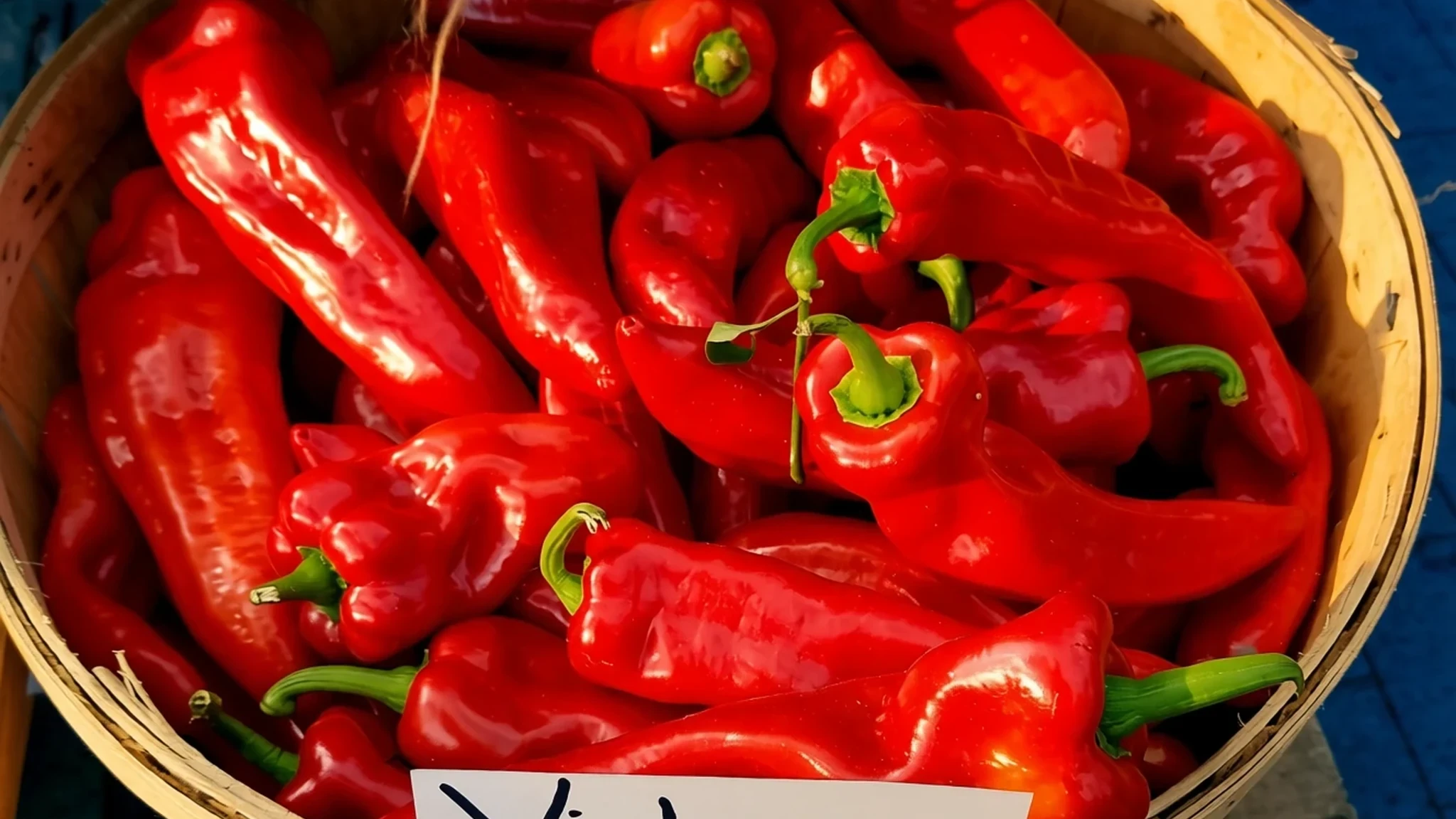
Cayenne is a small, humid Creole capital on the Atlantic coast of South America, where France, the Caribbean, Brazil and Asia meet.
The place
Cayenne is the capital of French Guiana, an overseas department of France on the north-east shoulder of South America. It sits on a former island at the mouth of the Cayenne River, facing the Atlantic, and about 62,675 people live in the city itself, with a wider urban area more than twice that size. It is the largest French-speaking city on the continent, which makes it an odd and rewarding place: euros in the shops, French bureaucracy and baguettes, but equatorial heat, Creole conversation and a Brazilian, Caribbean, Chinese and Javanese mix on the street.
The centre is compact and low-rise. Colonial-era wooden and stucco buildings with shutters and balconies surround the palm-lined Place des Palmistes, and a small hill by the river carries the remains of the old fort. The city stands at 143 m according to the facts, though most of the walking is flat and close to the water. The motto on the town's arms, which translates as work brings wealth, is a fair nod to its colonial roots.
Cayenne is not a resort. It is a working administrative and port town, and it is best treated as a base: a couple of days for the museums, markets and evening squares, then onward to the beaches, mangroves and forest beyond. Expect heat, sudden downpours and a pace that slows sharply in the afternoon. Mornings and evenings are when the city comes alive.
Its story
Cayenne's history is a long tug of war. Spanish explorers passed through the region and judged it too hot to bother settling. The French made early attempts at colonies in the seventeenth century, but these were destroyed or abandoned, partly through Portuguese opposition and partly through conflict with the Indigenous Amerindian peoples who lived here. A permanent French settlement was finally established at Cayenne in 1664, the date in the facts block.
The following decades were unsettled. Within about ten years the little colony passed between French, Dutch and English hands before France regained it for good as a colony. Later, during the Napoleonic wars, an Anglo-Portuguese force took the town and it was run from Brazil for several years before being handed back to France.
The name Cayenne became notorious in France because of the penal colony. Convicts were shipped to French Guiana for decades in the nineteenth and twentieth centuries, and the stories of that system still shape how the territory is remembered. Museums in the town cover this period alongside Amerindian and Creole heritage.
Today's population has grown quickly through immigration, chiefly from the West Indies and Brazil, and through a high birth rate. That is why the city feels so layered. French administration, Creole language and festivals, Brazilian music and food, and long-established Chinese and other communities all sit within a few streets of one another.
What to see
- Place des Palmistes — Central Cayenne
The main square of Cayenne is a broad park ringed by tall royal palms and old colonial buildings, with a bar and food carts at its edge. It is pleasant in the evening, when the heat eases and people stroll, eat and sit out.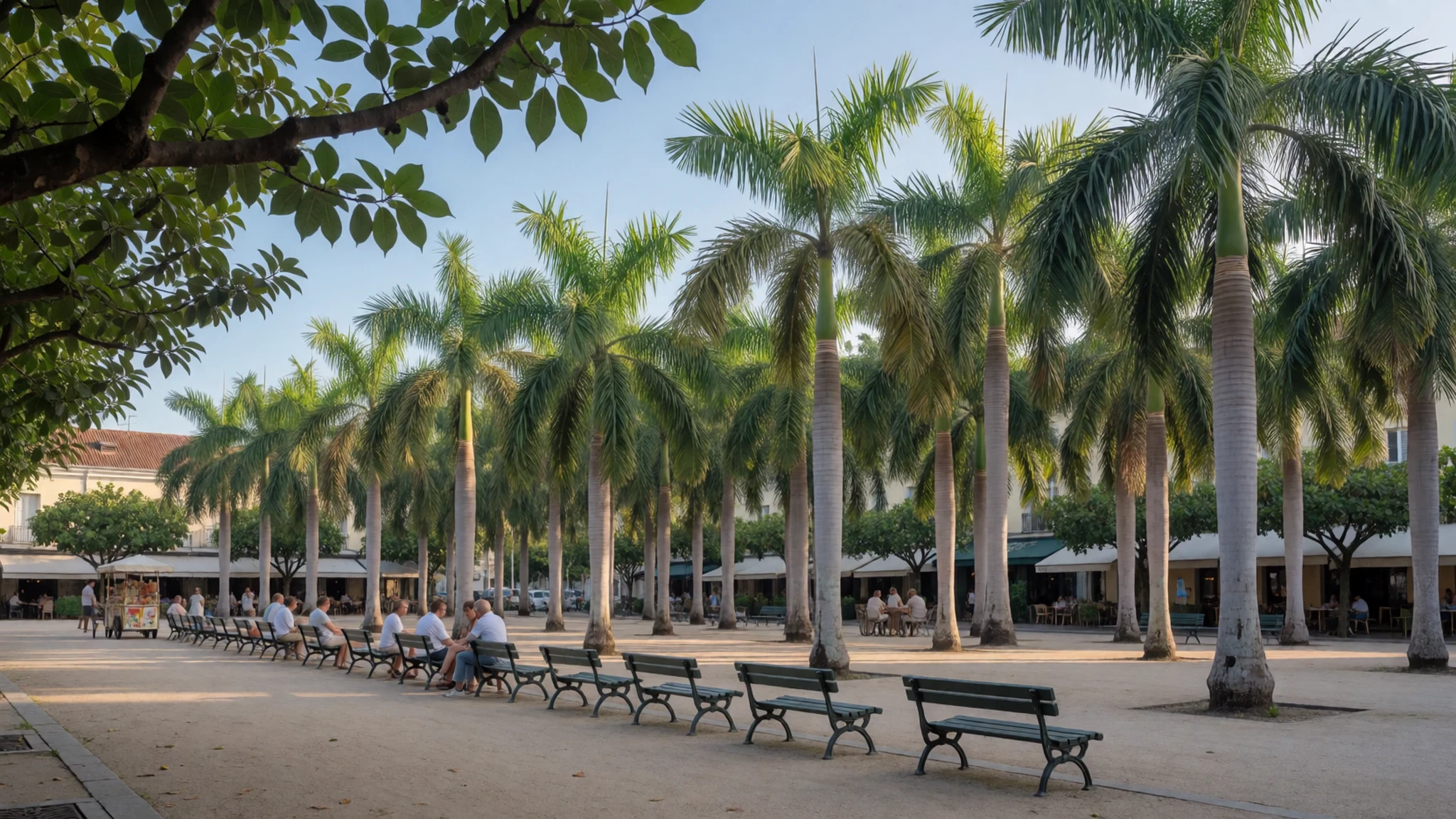
- Fort Cépérou — Western edge of downtown
The ruins of the old fort stand on a small hill on the west side of the centre. They are modest, but the viewpoint is the point: it gives a look over the river mouth, the ocean and the rooftops of the old town. Go early, before the heat builds.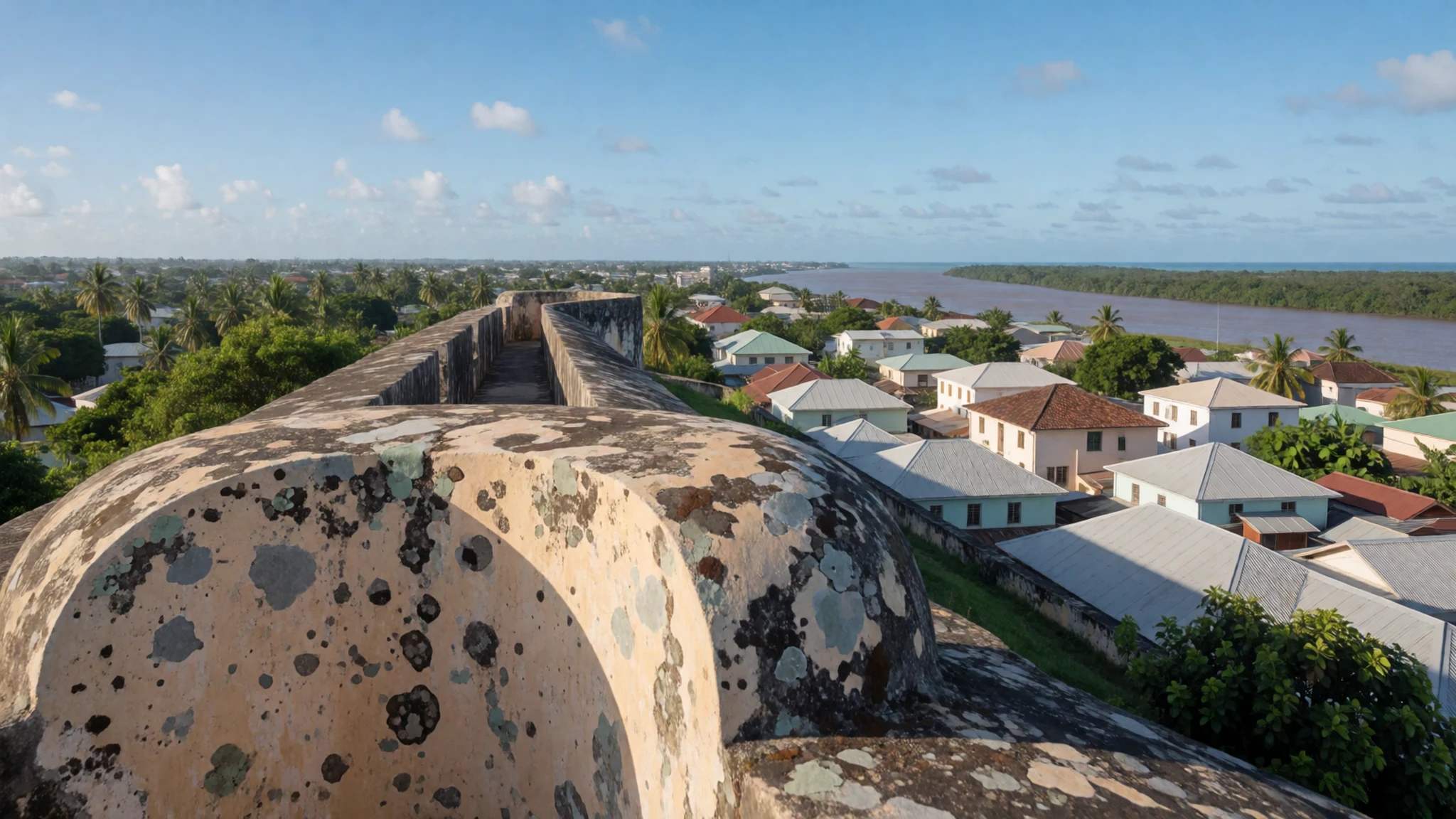
- Cathédrale Saint-Sauveur — Old town
Cayenne's cathedral is the seat of the local diocese and a protected national monument of France. It is a landmark of the old town, easy to combine with a walk through the surrounding streets of shuttered colonial houses.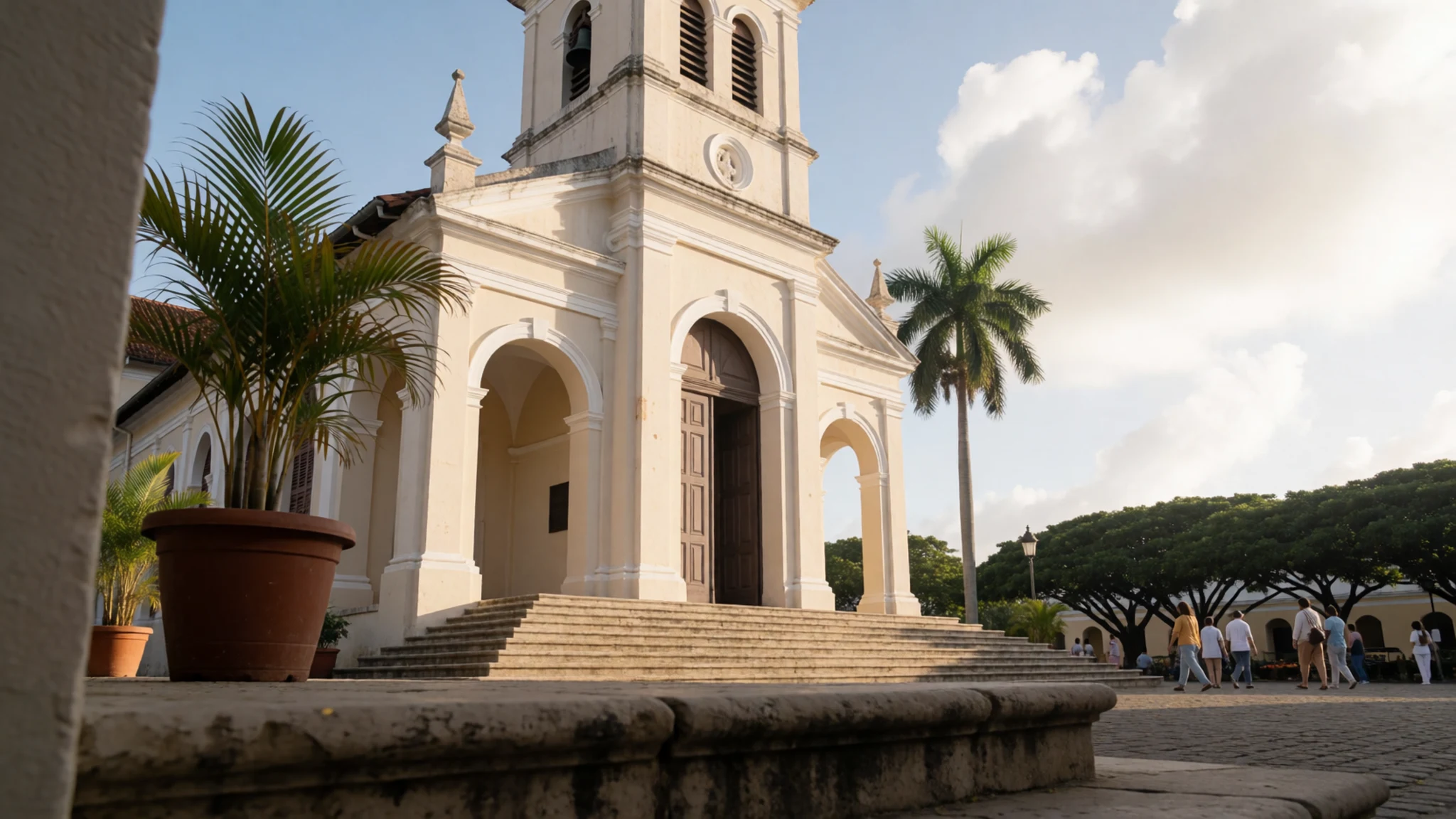
- Musée des Cultures Guyanaises — Central Cayenne
This museum looks at everyday life among the different peoples of the region, with traditional clothing, art and a reconstructed carbet, the open-sided shelter used in forest communities. It is a good way to understand who lives in French Guiana before heading out of town.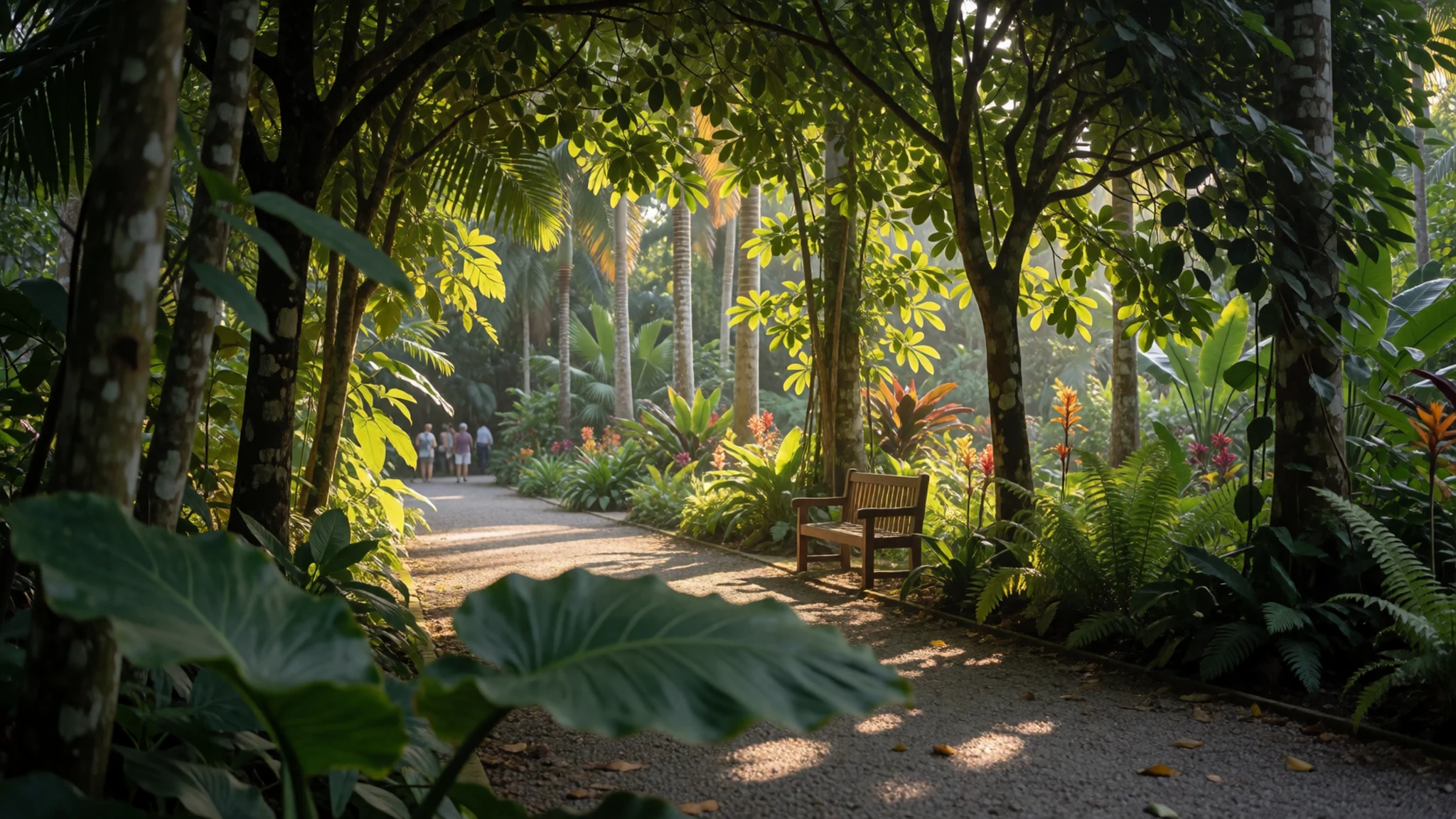
- Musée Départemental Franconie — Central Cayenne
A varied museum with regional wildlife, Amerindian and Creole art, and displays on the history of the territory, including life in the penal colony and the administrator Félix Éboué. Useful on a wet afternoon.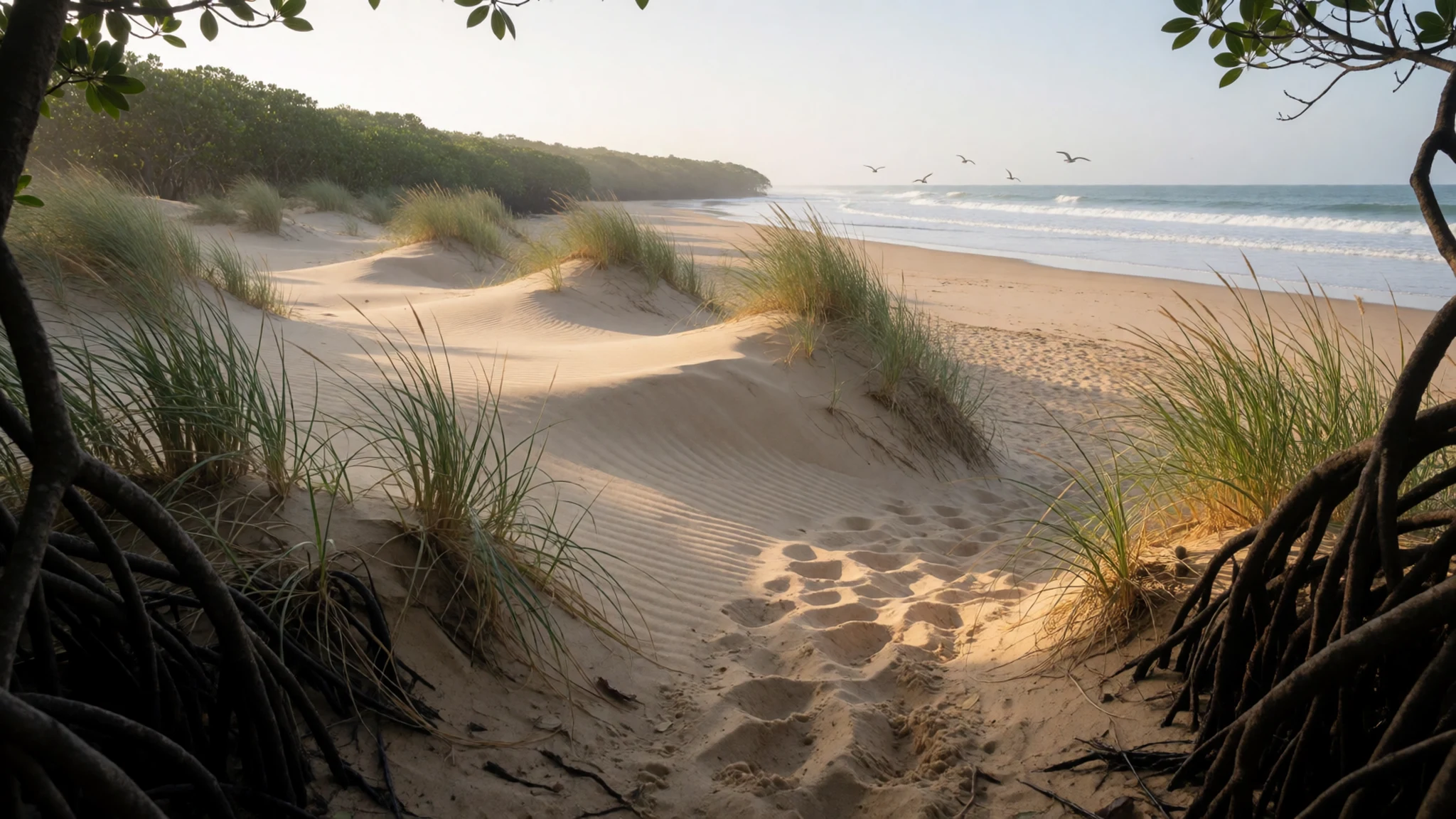
- Salines de Montjoly — Montjoly, east of the centre
A protected area just outside the centre, combining a sandy beach, dunes and mangrove forest. It is a gentler introduction to the coast's wildlife than a long expedition, though sun, insects and sea conditions all deserve respect.
Culture
Cayenne's culture is Creole at its heart, shaped by the descendants of enslaved Africans, by French rule, and by later arrivals from Brazil, Haiti, the Caribbean and Asia. French is the official language, while Guianese Creole is what you hear in markets and on the street.
The great event is the Carnival, which runs from Epiphany in early January until Ash Wednesday, in February or March. Its roots lie in a colonial ban: settlers held their own carnival and forbade the enslaved from joining, so clandestine celebrations grew up that honoured African heritage, fertility and harvest and mocked the colonisers. That spirit of satire survives. Weekends fill with costumed groups, music and dancing, and the closing days follow a set pattern. Fat Sunday brings the big parade, with groups competing for prizes. On Fat Monday men dress as brides and women as grooms in burlesque weddings. On Mardi Gras the crowds appear as red devils in red and black. On Ash Wednesday, figures in black and white bury Vaval, the carnival king.
Outside carnival, nightlife is quieter than in many Latin American cities, with bars in the centre and nightclubs mostly on the outskirts. Evenings on the squares are social and unhurried.
When you watch carnival groups or photograph people in costume, ask before taking close portraits and follow the lead of locals on when to join in or simply stand back.
What to wear
Cayenne has no single national costume, but Creole dress is the traditional reference point. Historically, women wore the madras, a headscarf of brightly checked cotton tied in styles that once carried coded meanings, along with long layered skirts and lace-trimmed blouses. These are brought out for festivals, folklore events and the Carnival, where costume ranges from elaborate Creole outfits to the red-and-black devil costumes and masks of Mardi Gras. The museum of Guianese cultures shows traditional clothing and is worth a look for the textile detail.
Day to day, people dress for heat and humidity: light cotton shirts and dresses, shorts, sandals and trainers, with smart casual for offices and church. Brazilian beachwear and football shirts are common, and French style shows up in linen and neat tailoring at evening restaurants.
Visitors should pack for a hot, wet climate. Choose breathable, quick-drying cotton or linen, a light rain jacket or compact umbrella, a hat and sunglasses. Bring closed shoes with good grip for wet pavements and forest trails, plus sandals for town and the beach. Cover shoulders and knees when entering the cathedral. Insect repellent and long light sleeves help at dusk, especially near mangroves and in forest areas.
What to eat
- Fresh fish — The regional market and its fish stalls
The regional market has a fish section where the day's catch is sold, and the sea is a strong influence on local cooking. Look for grilled or fried fish served with rice or in a Creole sauce.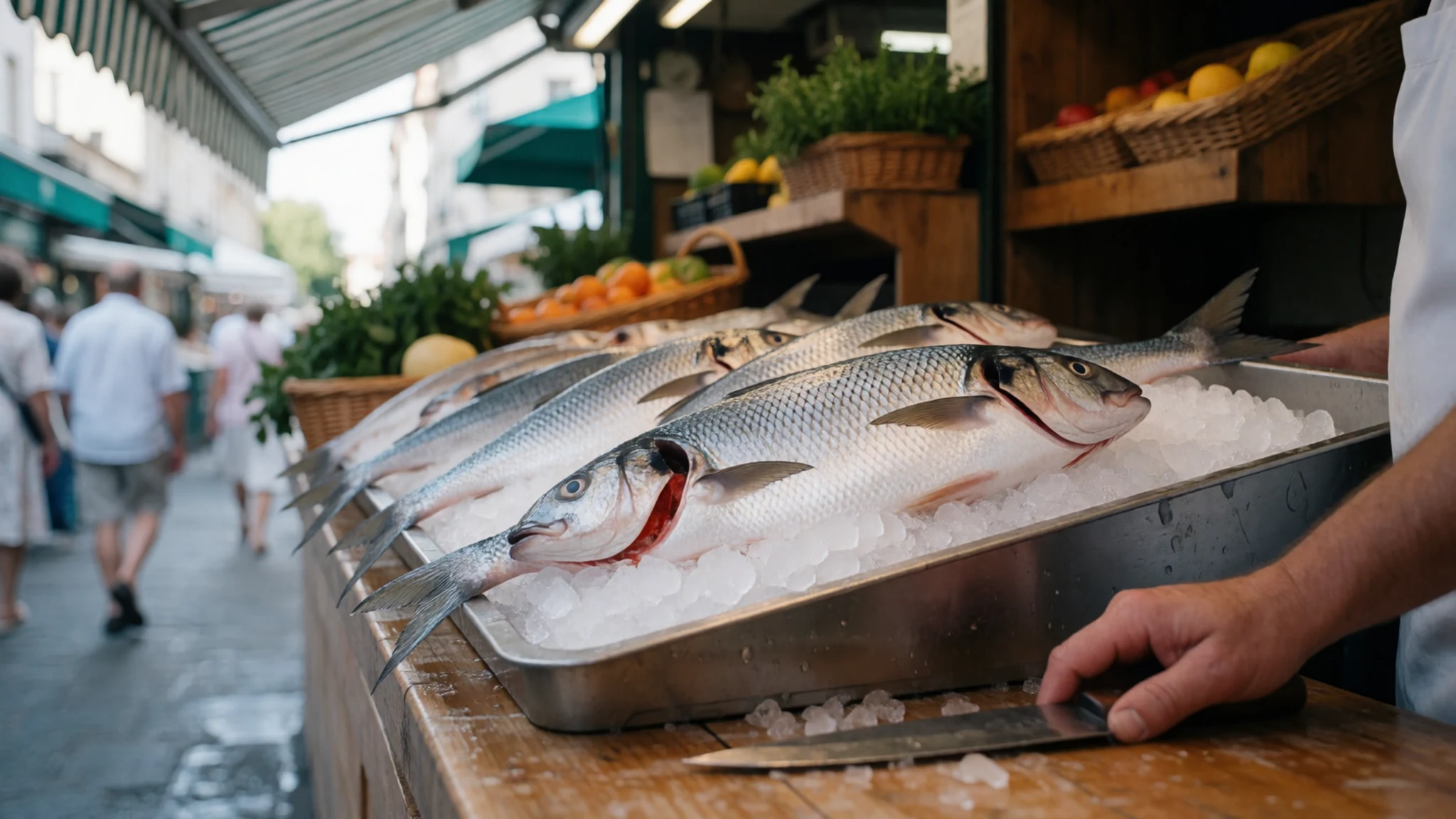
- Creole dishes — Eateries around Place des Palmistes
Creole cooking here mixes African, French and Amerindian influences, with stews, rice and spicy sauces. It is usually served at local eateries and in the Creole and French restaurant by the main square.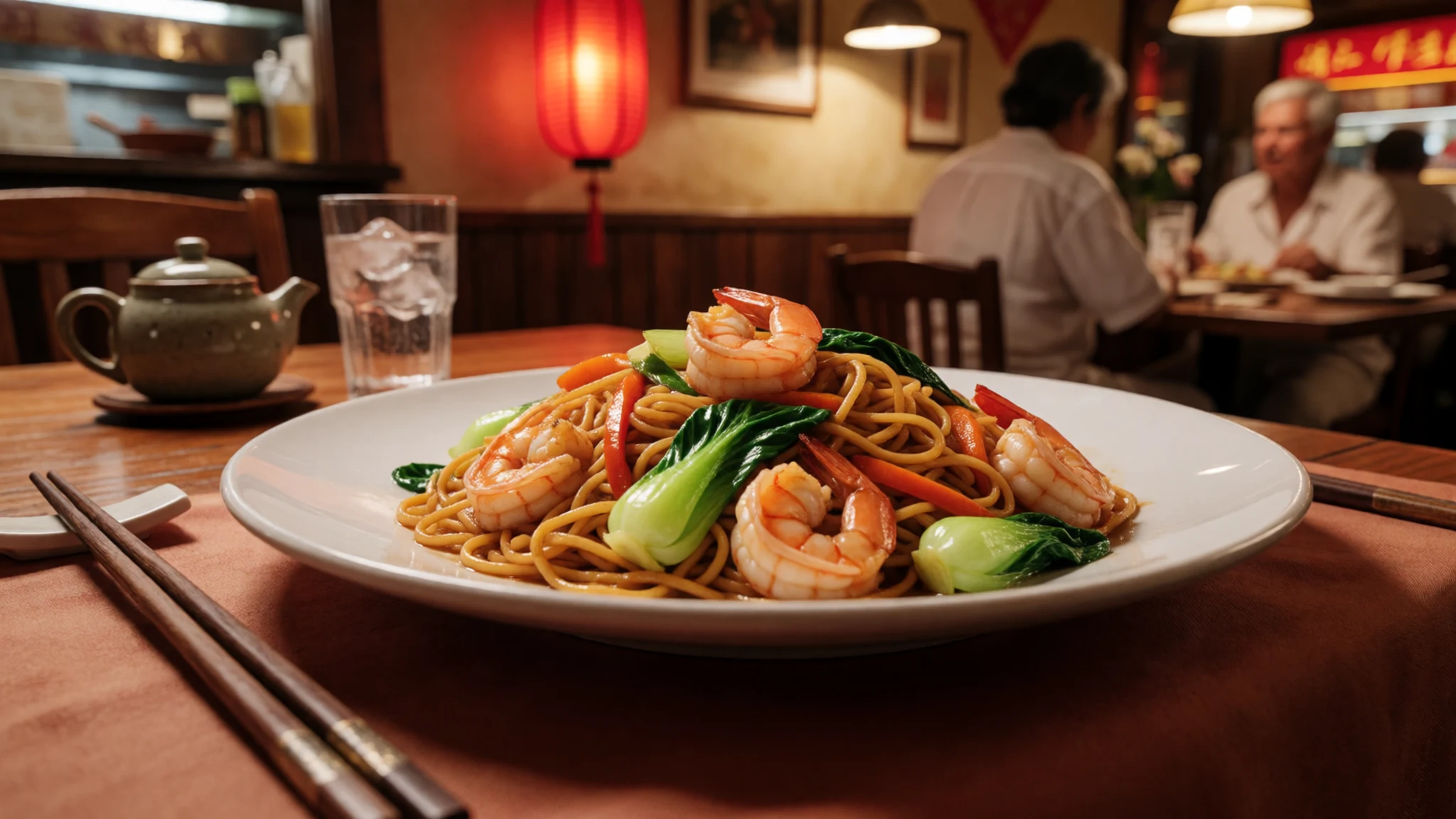
- Chinese restaurant meals — Chinese restaurants across the centre
Chinese-run restaurants are a pillar of the town's eating scene, and they are generally among the most affordable places for a full meal. Noodles, rice dishes and stir-fries are standard. - Javanese dishes — Food carts on Place des Palmistes
A Javanese community has long been part of French Guiana, and its cooking appears in street food. Expect savoury, lightly spiced snacks and rice-based plates from carts in the evening. - Sandwiches and French café food — Cafés and sandwich counters downtown
French habits remain strong, with baguette sandwiches, pastries and café meals. They are handy for a quick lunch, and French restaurants in the centre serve more formal dinners.
Plan it
Best time. August to October is the short dry season and the easiest time for walking and getting out to the coast. The rest of the year is wet, with heavy rain across the city. Temperatures change little through the year, hot by day and warm at night, so heat and humidity are constant. Carnival, from January to Ash Wednesday, is a reason to come in the wet season.
How long. 2–3
Getting there. Fly to Cayenne's international airport, which is the main air gateway to French Guiana. There is no bus to the airport, so take a taxi or hire a car for the last leg into town. From Brazil, a bridge crosses at Saint-Georges de l'Oyapock, and buses run on to Cayenne with a change at Régina.
Budget. mid
Tips
- Check the official city website (ville-cayenne.com) for events and carnival dates before booking.
- Do sightseeing early or in the evening, when it is cooler.
- Carry a rain layer at any time of year, and expect short, heavy downpours.
- Bring insect repellent, especially for mangroves and forest trips.
- Keep some cash for market stalls and food carts, and use cards in larger restaurants.
Etiquette
- Greet people with a polite bonjour before asking questions or ordering.
- Ask before photographing people, especially in carnival costume.
- Dress modestly when entering the cathedral.
- Keep noise down in residential streets at night.
Nearby
Sources
- Wikidata Q44401 (CC0)
- Wikipedia: Cayenne (rev 1382613363) (CC BY-SA 4.0)
- Wikivoyage: Cayenne (rev 5397168) (CC BY-SA 4.0)
- Cayambe, Cayenne av Général-de-Gaulle (CC BY 3.0)
- Cayambe, Place des Palmistes (CC BY 3.0)
- Cayambe, Banque française commerciale (CC BY-SA 4.0)
- Cayambe, Anse de Montabo (CC BY 3.0)
- Tschubby, Locator map of Cayenne (CC BY-SA 1.0)
- Raybx973, Cayenne vue du ciel (Public domain)
- Spotting973, Aerial view of Cayenne (CC BY-SA 2.0)
- Maximilian Dörrbecker, Cantons de Cayenne (CC BY-SA 2.0)


