Caral
Caral, Italy
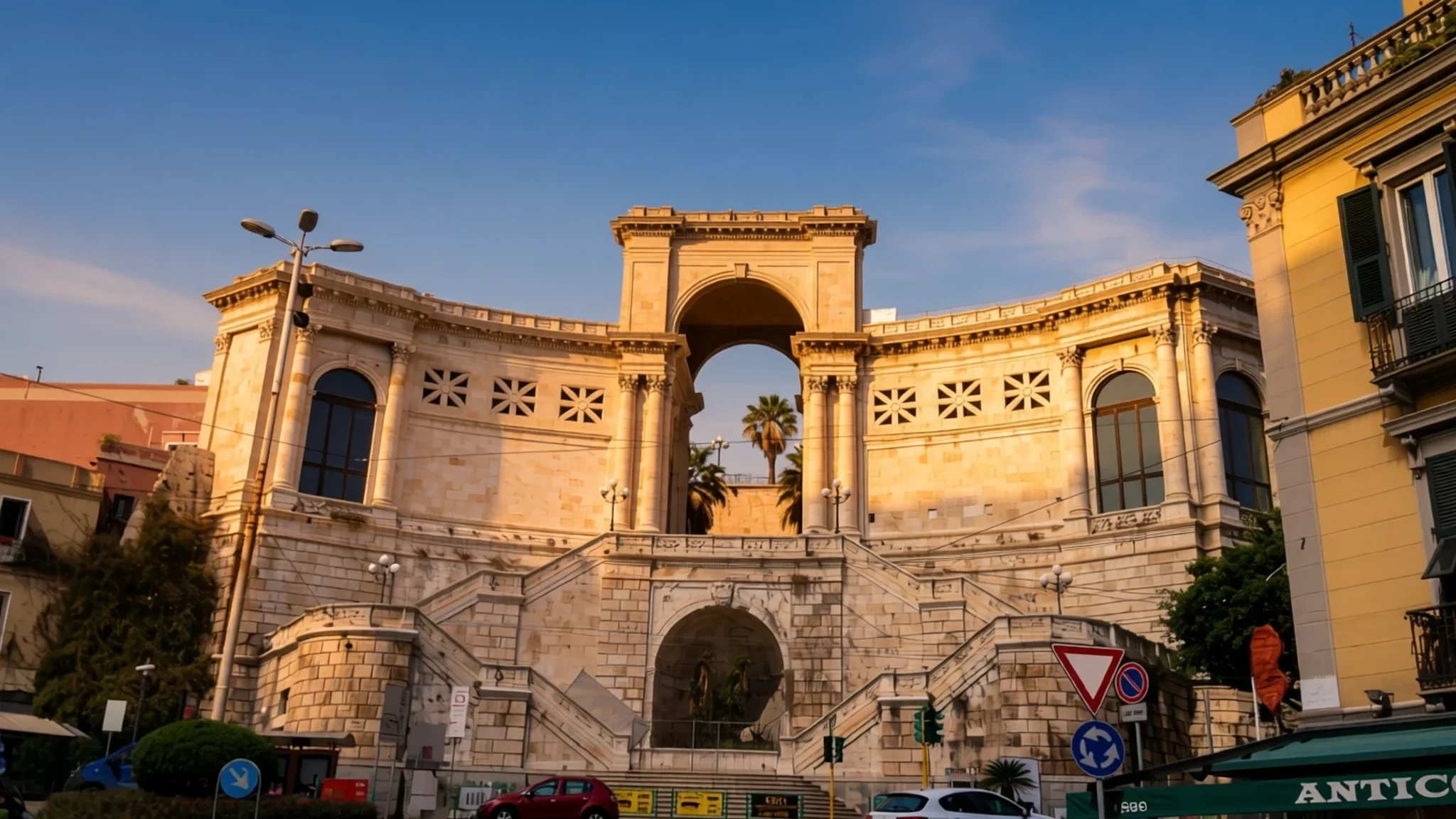
Cagliari offers millennia of layered Mediterranean history, dramatic coastal bastions, and rich Sardinian culture rising above ancient marshes and sparkling waters.
The place
Cagliari serves as the lively capital and largest municipality of Sardinia, an autonomous region of Italy. Home to about 145,000 residents within city limits and over 500,000 across its wider metropolitan area, the city sits on a remarkably favourable geographic position between the Mediterranean Sea and a wide, fertile plain. Two expansive salt marshes frame the settlement, historically providing natural defence against inland incursions, while high limestone mountains loom nearby as ancient places of refuge.
Beneath the bustling streets of the modern municipality lies a continuous vertical stratification spanning some five thousand years of human occupation. From prehistoric Neolithic remains to Phoenician foundations, Roman arenas, Byzantine basilicas, and sturdy Pisan fortifications, the earth beneath the city holds layer upon layer of Mediterranean civilization. Having functioned as the central hub for the Spanish Habsburgs' imperial authority in the western Mediterranean, the elevated old town retains a stern, defensive beauty that contrasts sharply with the vibrant blue of the gulf below. The city blends the unhurried rhythms of island life with the architectural gravity of a regional capital, inviting slow exploration through sun-bleached alleyways, shaded squares, and grand nineteenth-century promenades.
Its story
Local foundation mythology, recorded by the Latin writer Gaius Julius Solinus, attributes the creation of Caralis to Aristaeus, the son of Apollo and the nymph Cyrene. Legend holds that Aristaeus introduced hunting and agriculture to Sardinia, pacified warring indigenous communities, and established the settlement over which he subsequently reigned.
Archaeological evidence reveals a much older foundation rooted in prehistoric habitation. Early communities left their traces around the hill of Monte Claro, giving name to the distinct Monte Claro culture, alongside ancient rock-cut tombs known as domus de janas hollowed into Cape Sant'Elia. By the eighth or seventh century BC, Phoenicians established Karaly as part of a strategic string of coastal colonies across the island, utilizing the sheltered natural harbour for maritime trade.
Over subsequent centuries, control shifted through a succession of regional powers. Carthaginian rulers left extensive necropolises, followed by Roman engineers who built arenas and aqueducts. The medieval era brought Byzantine influence and later Pisan domination, which crowned the citadel with limestone towers and fortified walls. Each arriving culture left enduring architectural and cultural fragments, creating a complex urban fabric that reflects the broader geopolitical tides of the Mediterranean over millennia.
What to see
- Cattedrale di Santa Maria di Castello
This thirteenth-century cathedral anchors the historic hilltop district with a striking Pisan Romanesque-style façade. Beneath the main altar, visitors can descend into the Shrine of the Martyrs, a sacred space carved directly out of the living rock to house ancient relics.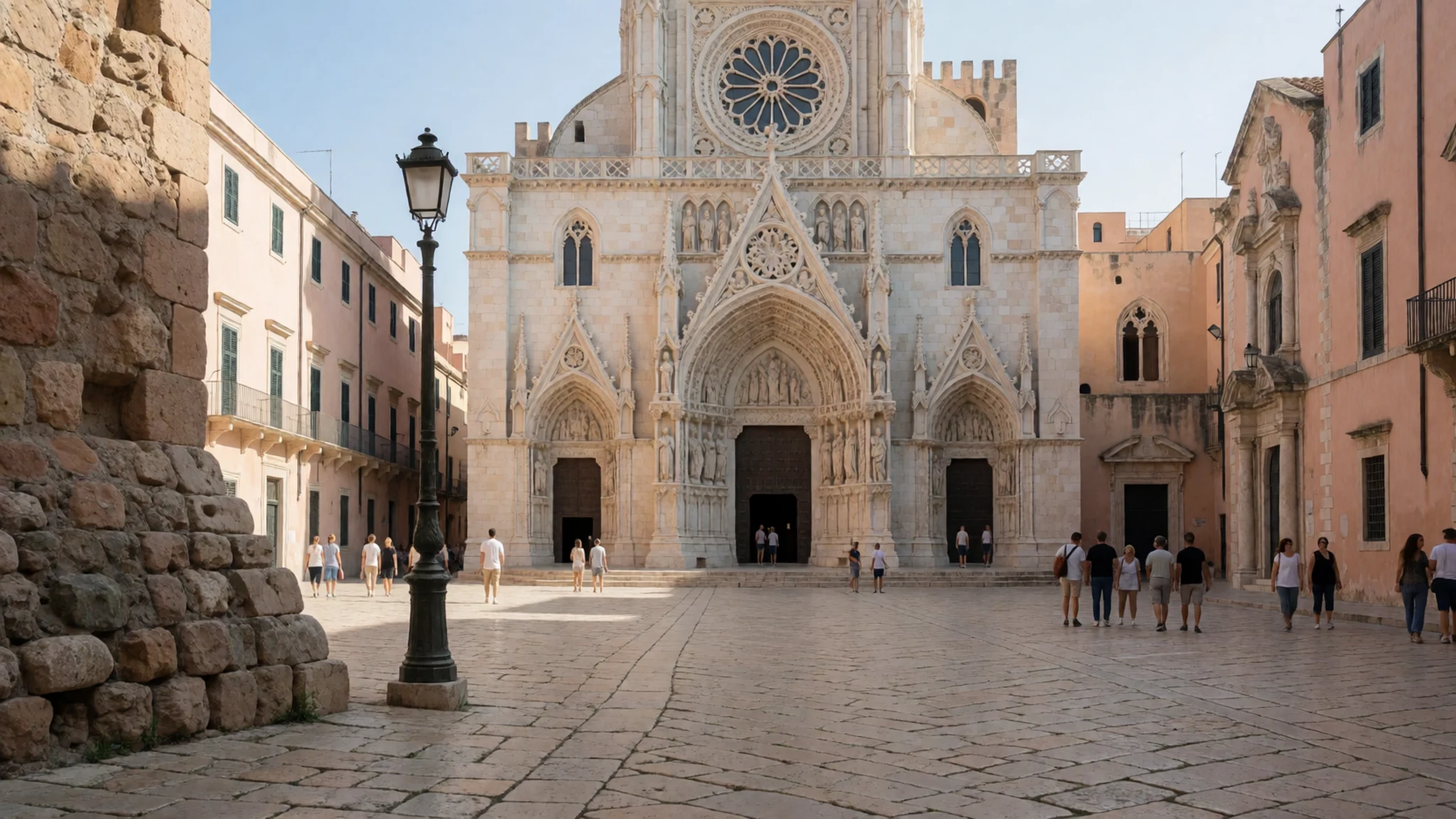
- Bastione di Saint Remy
Built during the late nineteenth century to connect the upper citadel with the lower districts, this monumental limestone fortification features grand stairways and columned terraces. Climbing to the top rewards visitors with sweeping panoramic views stretching across the city rooftops, the surrounding marshes, and the open sea.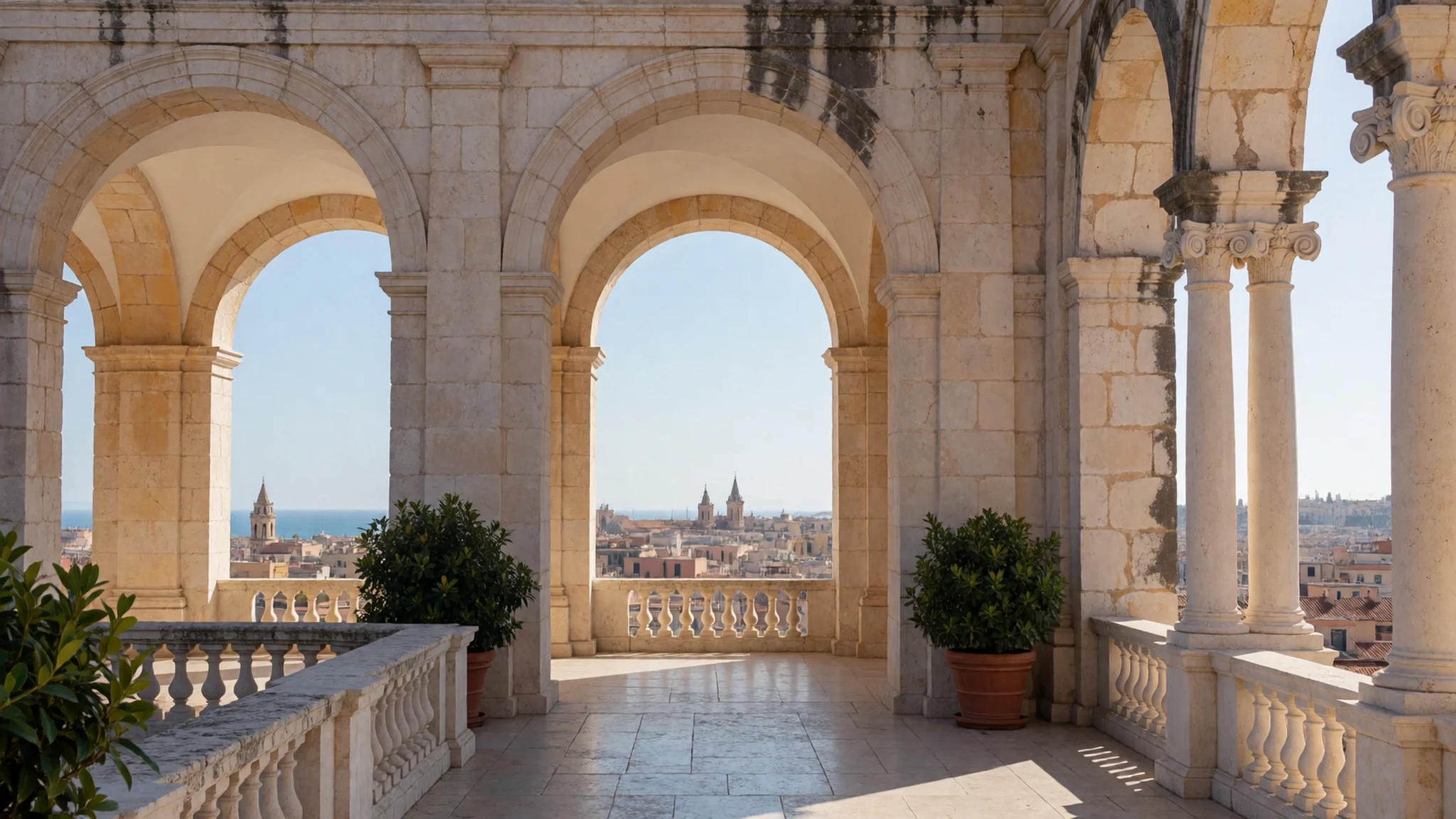
- Necropoli di Tuvixeddu
Carved into the limestone hills, this archaeological site preserves the largest known Pisan and Carthaginian burial ground in the Mediterranean. Ancient funerary monuments, including rock-cut tombs bearing centuries-old inscriptions, testify to the deep history of remembrance embedded in the local landscape.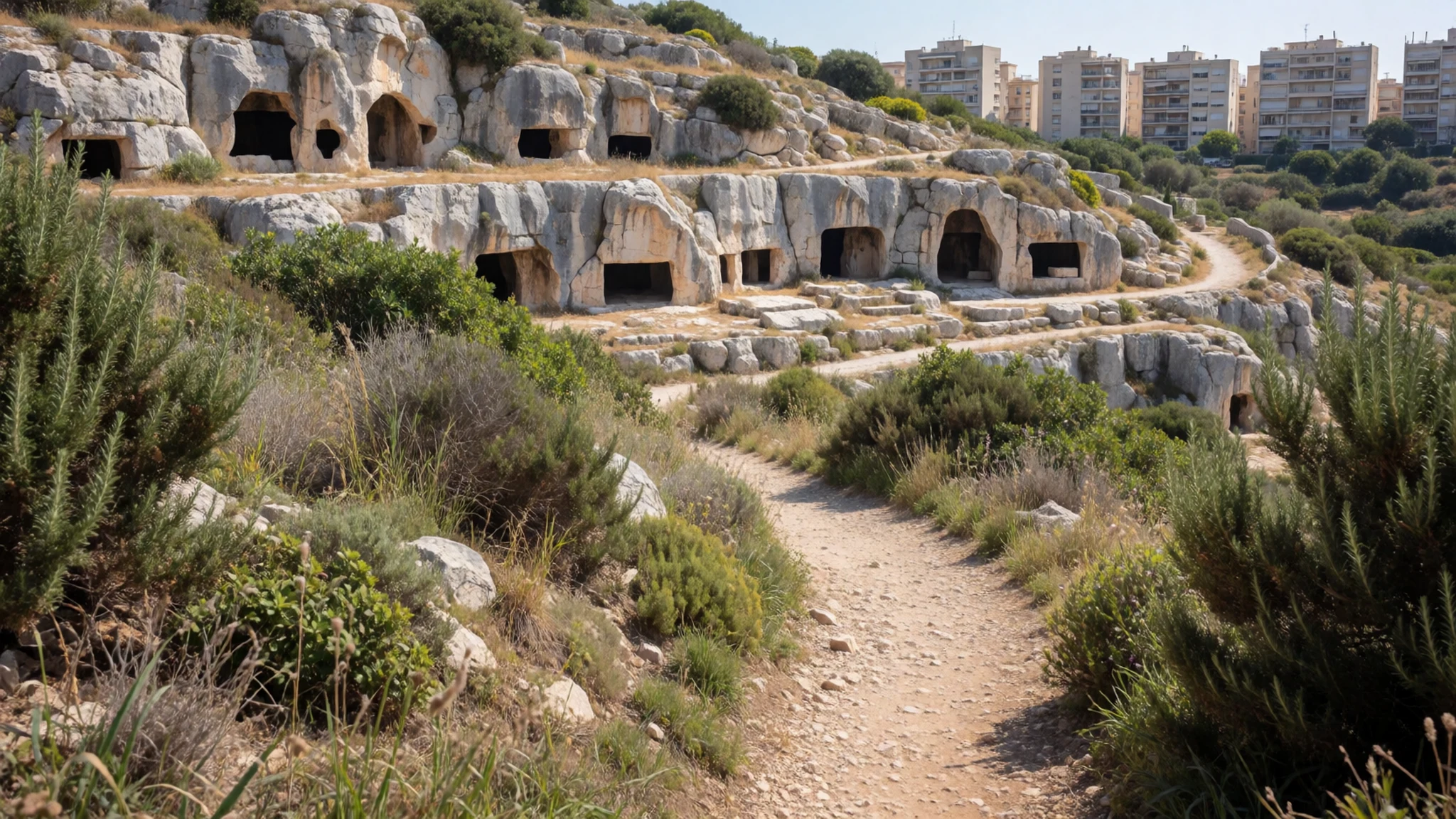
- Palazzo Regio
Serving as the official residence for royal representatives since the fourteenth century, this historic palace has undergone numerous architectural restorations over the centuries. Its staterooms reflect the shifting tastes of regional rulers through periods of Spanish and Piedmontese administration.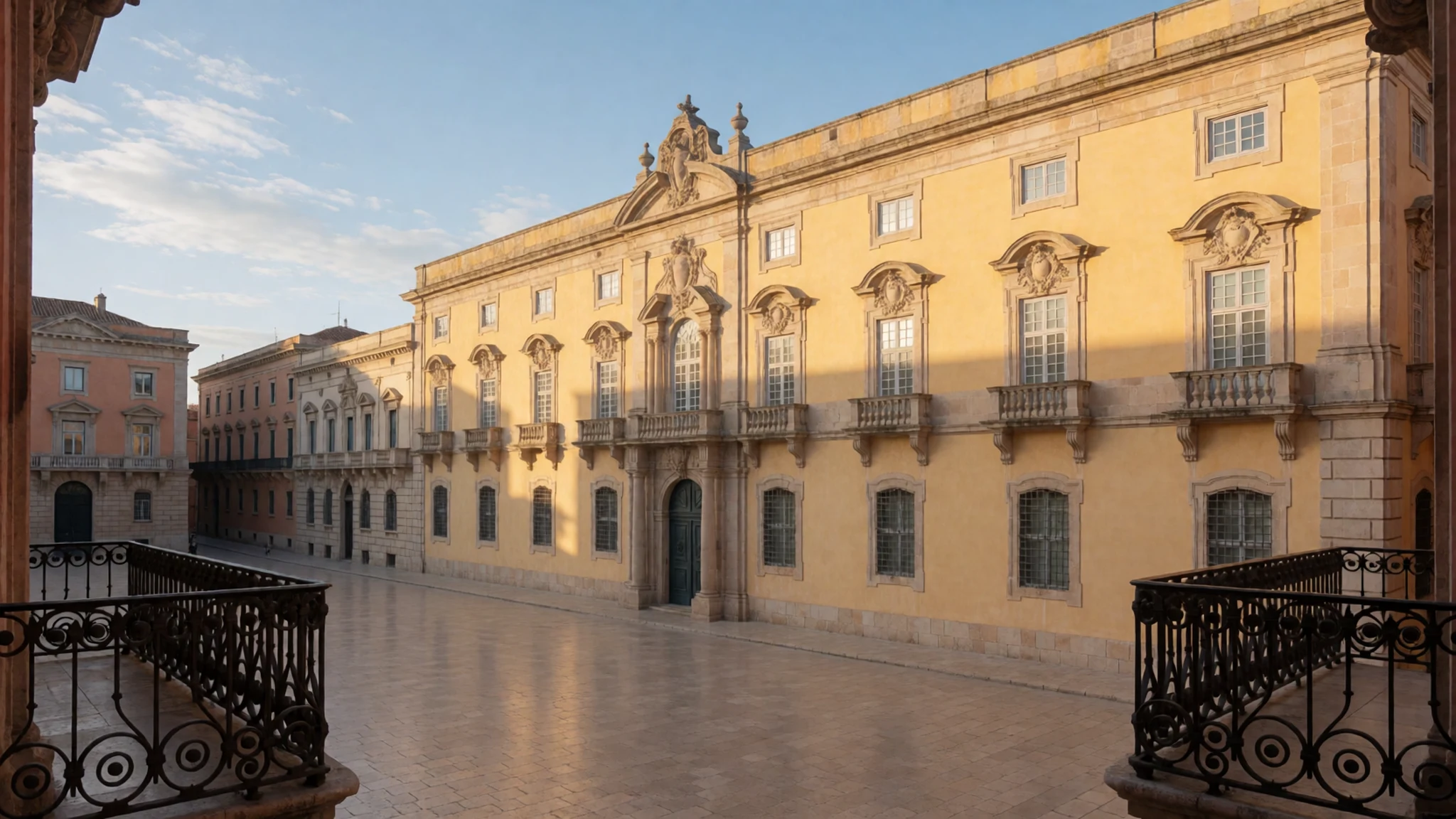
- Porta Cristina
Constructed in eighteen twenty-five, this neoclassical stone gate marks a principal historic entry point into the hilltop citadel. Named in honour of Queen Maria Cristina of Sardinia, the monumental archway stands as an elegant reminder of the late royal era.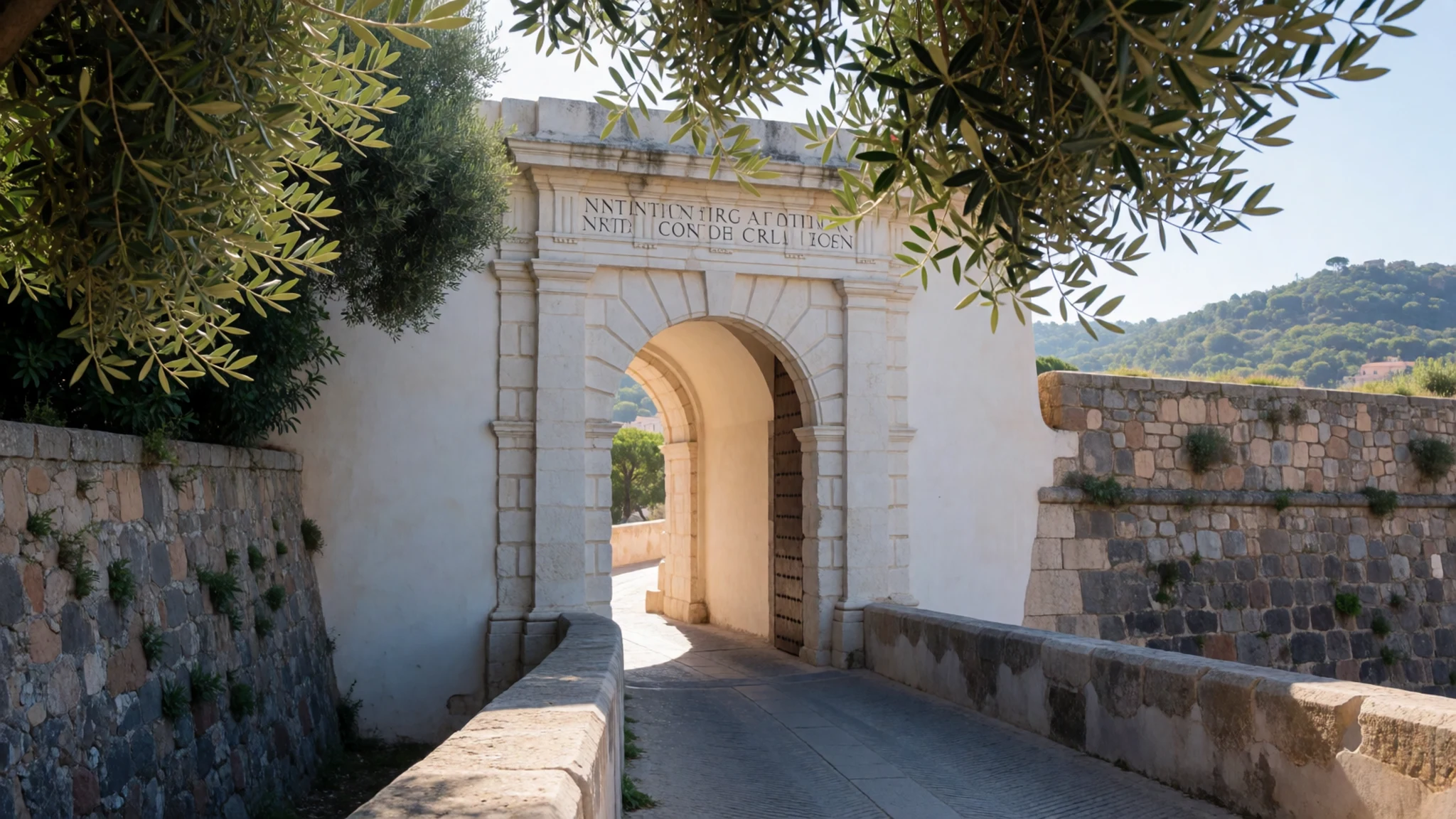
Culture
Sardinian culture runs deep within the historic institutions and daily life of Cagliari. The municipality preserves immense archival wealth, including thousands of handwritten documents housed in the State Archive detailing the administration of the kingdom since fourteen twenty-five. Literary traditions stretch back to antiquity; in the first century BC, the local poet and musician Tigellius gained fame in Rome, while ancient inscriptions carved into rock tombs preserved bilingual poems in Greek and Latin. Modern residents maintain a strong sense of regional identity, expressed through local festivities, traditional music played on the laundas, and a proud culinary heritage anchored in coastal and pastoral traditions. Always respect local church solemnity by keeping voices low and covering shoulders when entering historic places of worship.
What to wear
Traditional Sardinian dress varies significantly by micro-region, historically featuring heavy woollen skirts, embroidered velvet vests, intricate white linen blouses, and elaborate gold-filigree head coverings or lace veils that denoted marital status and village origin. While these ornate garments are now reserved for religious festivals, folk processions, and historical pageants, everyday wear in Cagliari mirrors relaxed modern Mediterranean style. Locals favour lightweight cottons, tailored linen trousers, smart leather footwear, and sunglasses suited to the bright coastal sunshine.
Visitors should dress comfortably for exploring steep, uneven limestone alleys and historic stairways, prioritising supportive walking shoes with good grip over sandals. When visiting churches or sacred sites, both men and women should wear clothing that covers shoulders and knees as a sign of respect.
What to eat
- Ci Pensa Cannas — Near the port area
A small family-run trattoria located near the port, offering traditional local dishes such as spaghetti with fresh seashells, crispy fried seafood, local wine, and coffee.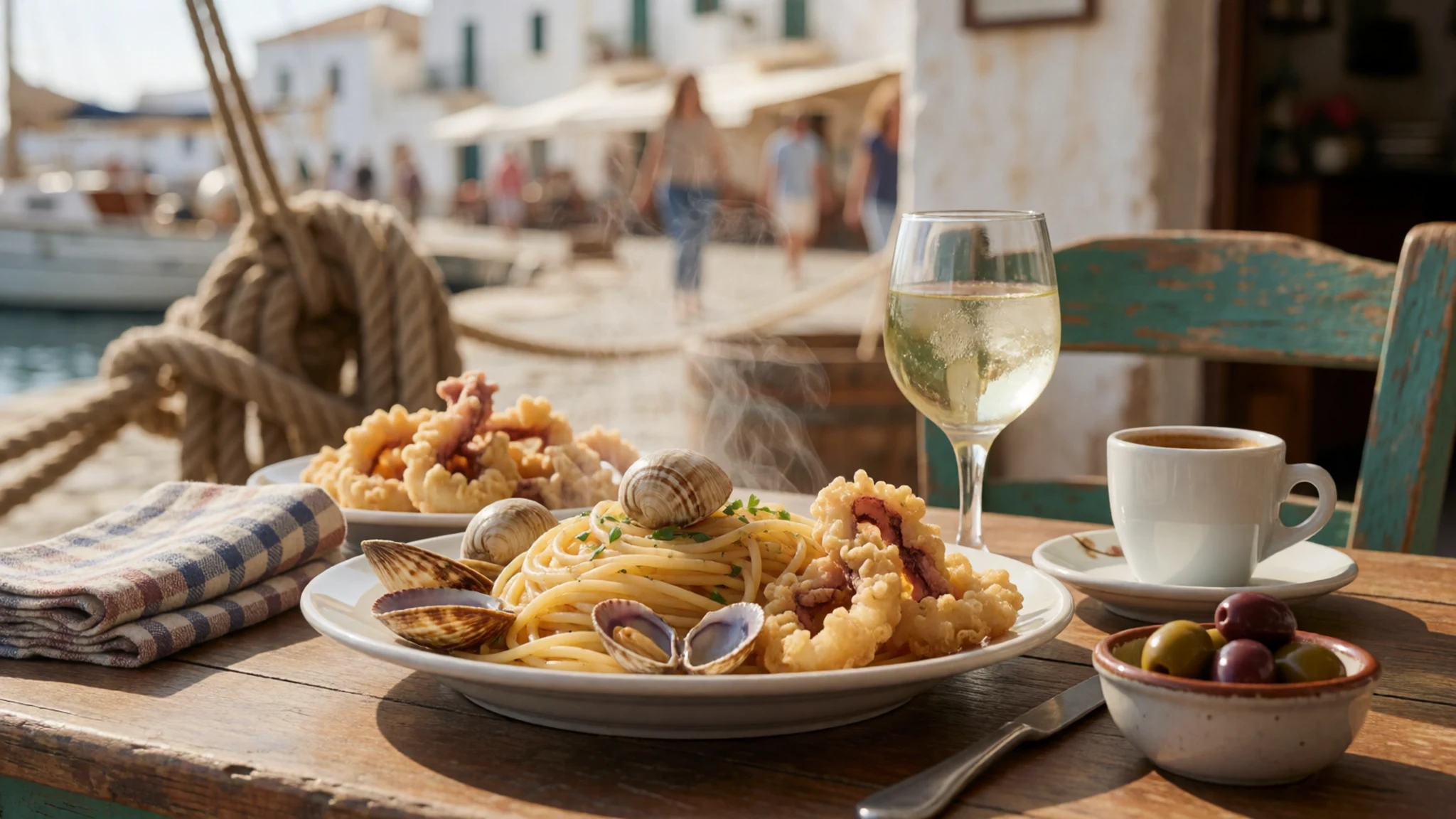
- Framento — Historic centre
A popular neighbourhood pizzeria known for exceptional artisanal crusts and seasonal toppings, drawing a lively local crowd every evening.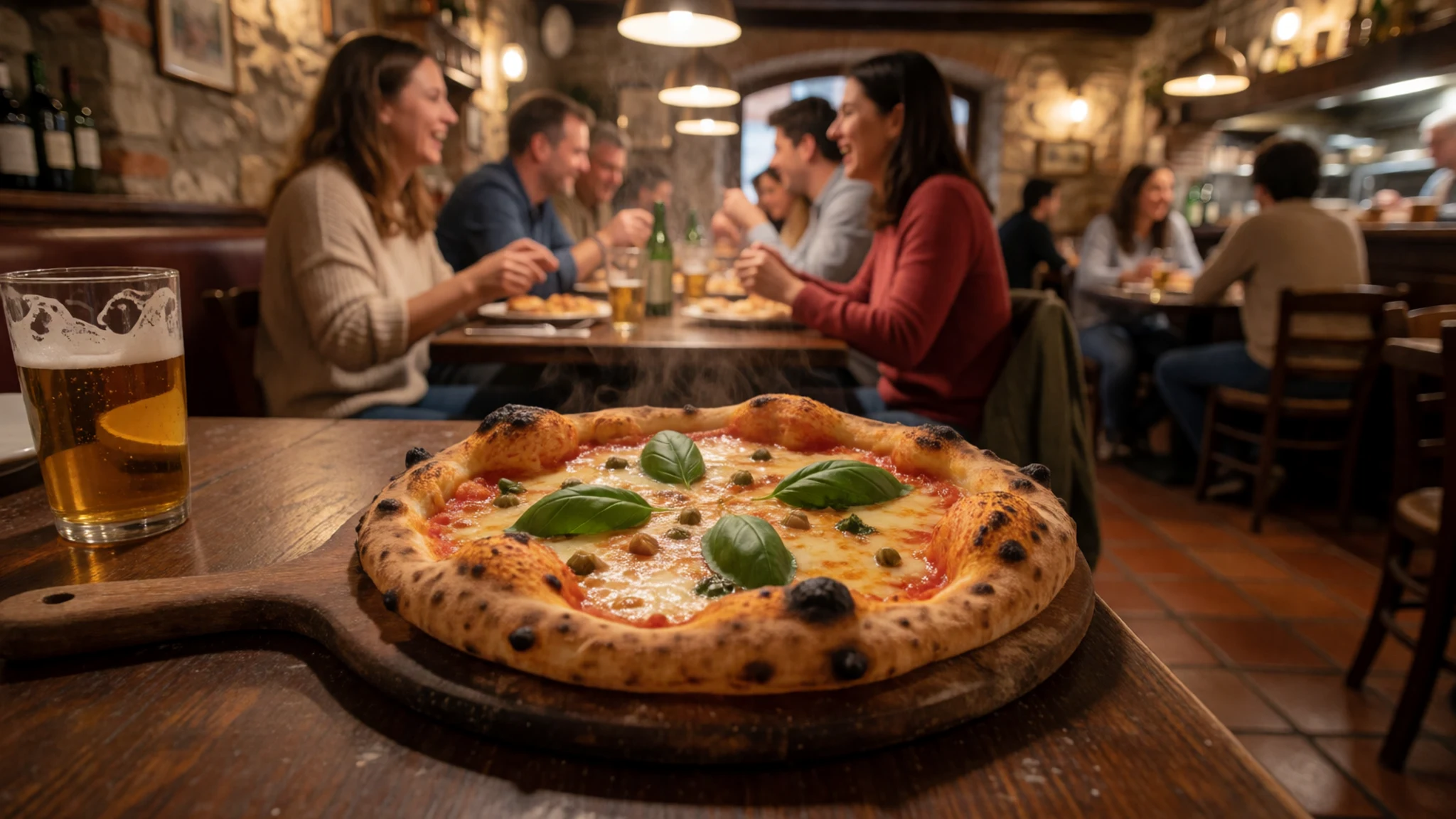
- Caffè dell’Arte Specialty Coffee — Stampace borough
A dedicated specialty café and roastery tucked into the historic Stampace borough, serving expertly brewed espresso and pour-over coffees. - Osteria Cagliaritana — Via Sardegna and Via Napoli district
A traditional eatery offering classic regional seafood recipes and hearty Sardinian comfort dishes prepared with fresh local market ingredients.
Plan it
Best time. April to June and September to October offer pleasant daytime temperatures ideal for exploring the historic quarters without the intense heat of midsummer.
How long. 2–3
Getting there. Fly into Cagliari Elmas Airport, then take the regular regional train or airport shuttle directly to the city centre in about ten minutes.
Budget. mid
Tips
- Wear sturdy walking shoes with good grip for navigating the steep, cobbled limestone alleys of the old town.
- Explore the historic hilltop quarters early in the morning before daytime temperatures peak.
- Keep some cash handy for small family-run trattorias and artisan bakeries.
- Respect local afternoon closing hours when many independent shops and small businesses pause for a break.
Etiquette
- Greet shopkeepers and residents with a polite 'buongiorno' or 'buonasera' upon entering small establishments.
- Always cover shoulders and knees when visiting churches and historic religious sanctuaries.
Nearby
Sources
- Wikidata Q1897 (CC0)
- Wikipedia (Cagliari) (CC BY-SA 4.0)
- Wikivoyage (Cagliari) (CC BY-SA 4.0)