Cabrera
Cabrera, Spain
Cabrera feels like a Mediterranean time capsule: calm coves, clear water for diving, and military traces shaped by a hard landscape.
The place
Cabrera is a small, uninhabited Balearic island in the Mediterranean Sea, lying off the southern coast of Mallorca. It sits inside a national park and is the kind of place where the coastline does most of the talking: many parts are deeply indented with coves, so the sea is never far away. There’s a spine of limestone hills running through the island, rising into bluff-like edges where cliffs meet open water.
Getting a feel for it is easy once the landing point becomes familiar. Es Port is the sheltered inlet used for arrival, with the ranger station and visitor information in the same small pocket. From there, short-to-moderate paths lead into the interior and along the coast—depending on where access is permitted and what sea conditions are like.
The island’s vegetation leans semi-arid Mediterranean: maquis scrub and pine, with the landscape looking sun-baked rather than lush. The name is linked to goats (removed in the early 20th century), and you can see how exposed this place can be—rock, wind, and glare. Even though Cabrera today is “quiet” for visitors, it hasn’t always been that way. People have used it as an outpost for watching and resisting, and later as a defensive location, so the island’s calm surfaces come with a layered past.
Expect limited facilities, boats as the rhythm of your day, and a layout that rewards early starts and slow, seaworthy walks.
Its story
Cabrera’s story starts with control of the sea. In the early decades of the Ottoman presence in the Mediterranean, an Ottoman admiral captured the castle and turned the island into a logistics base for operations in the region. That kind of strategic use wasn’t theoretical: Cabrera’s position off Mallorca made it a convenient place to watch coasts and harbours, and the terrain gave defenders natural leverage.
Later, the island’s defensive role took on a harsher character. Cabrera was used to hold prisoners of war and the supply records describe how food and water had to be delivered regularly, with the resulting conditions leaving traces that survive in ruins, memorials, and inscriptions found in a cave area. The supply rhythm described in records paints a bleak picture—food and water had to be delivered regularly, but travel could fail, and the conditions that followed affected many of the men. Evidence of their presence survives not just in ruins and memorials, but in inscriptions found in a cave area.
Then came another chapter in the world of submarines and shifting alliances. During the First World War era and the decades that followed, the island was used militarily, and Cabrera remained a controlled military zone for decades. While the island was a military zone for decades, locals on Mallorca sometimes rented land for agriculture when it was less tightly controlled.
By the time military use faded, the sea and the scrub returned to being the island’s main “actors”. Cabrera now reads like a place where history sits in the rock—subtle, close-up, and easy to miss unless you slow down.
What to see
- Castell de Cabrera — Es Port (north inlet area)
Castell de Cabrera sits near Es Port and is reached via a steep path or a broader trail. The lookout-style fortifications have been damaged and rebuilt many times, so the present structure reflects an older idea of coastal defence rather than a single moment in time.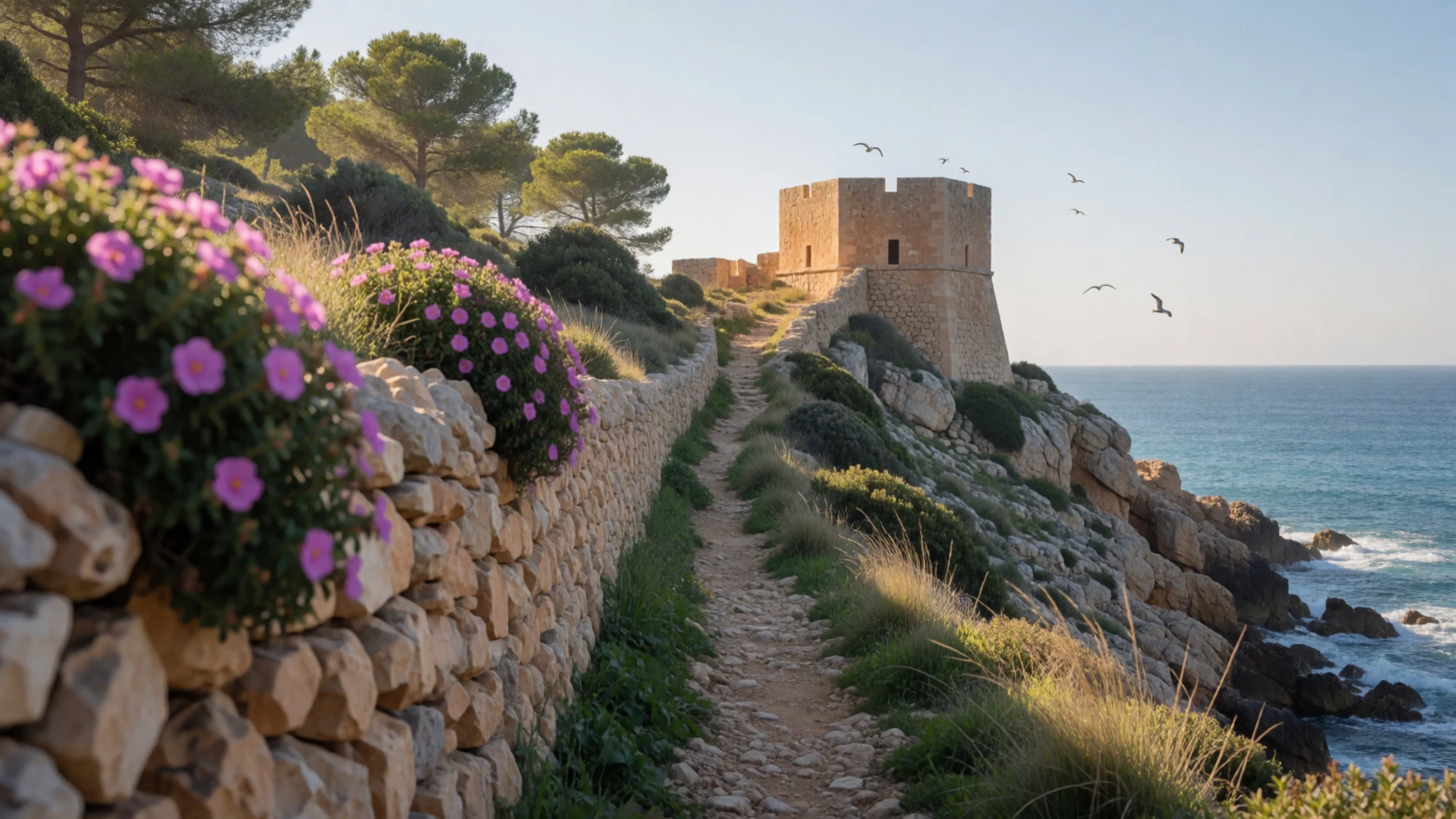
- Sa Platgeta — South of Es Port (Platgeta area)
Sa Platgeta is a sandy beach close to Es Port. Expect modern development in the vicinity, but also older traces—foundation stones of a Byzantine-era monastery. It’s a simple spot to rest, swim, and orient yourself before coastal walks.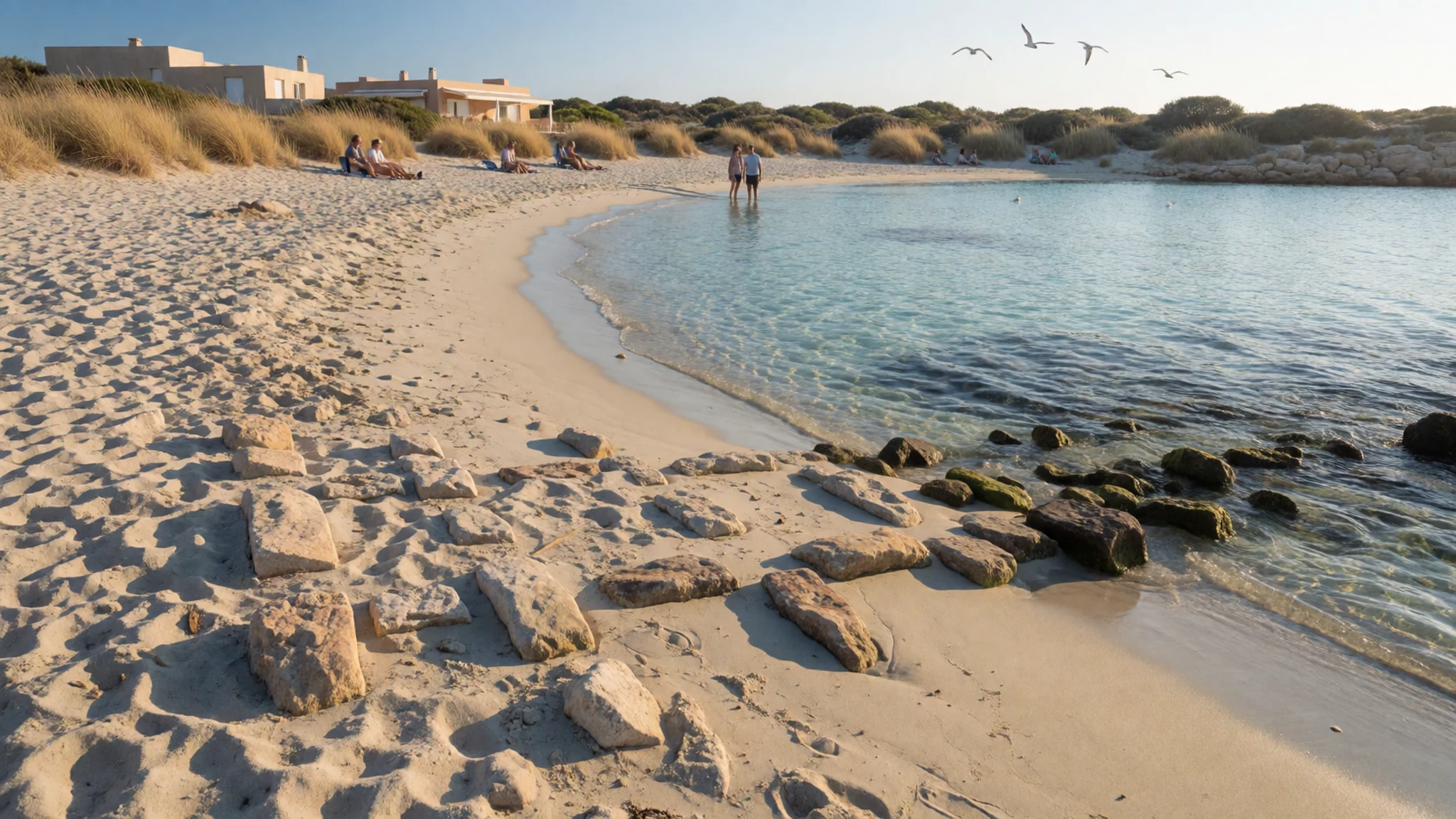
- Museu de Cabrera — Es Port (visitor facilities area)
Museu de Cabrera is a small, free exhibition focused on island wildlife and history. Opening times can be erratic; it’s typically linked to days when boat trips are expected, so checking on arrival is part of the visit.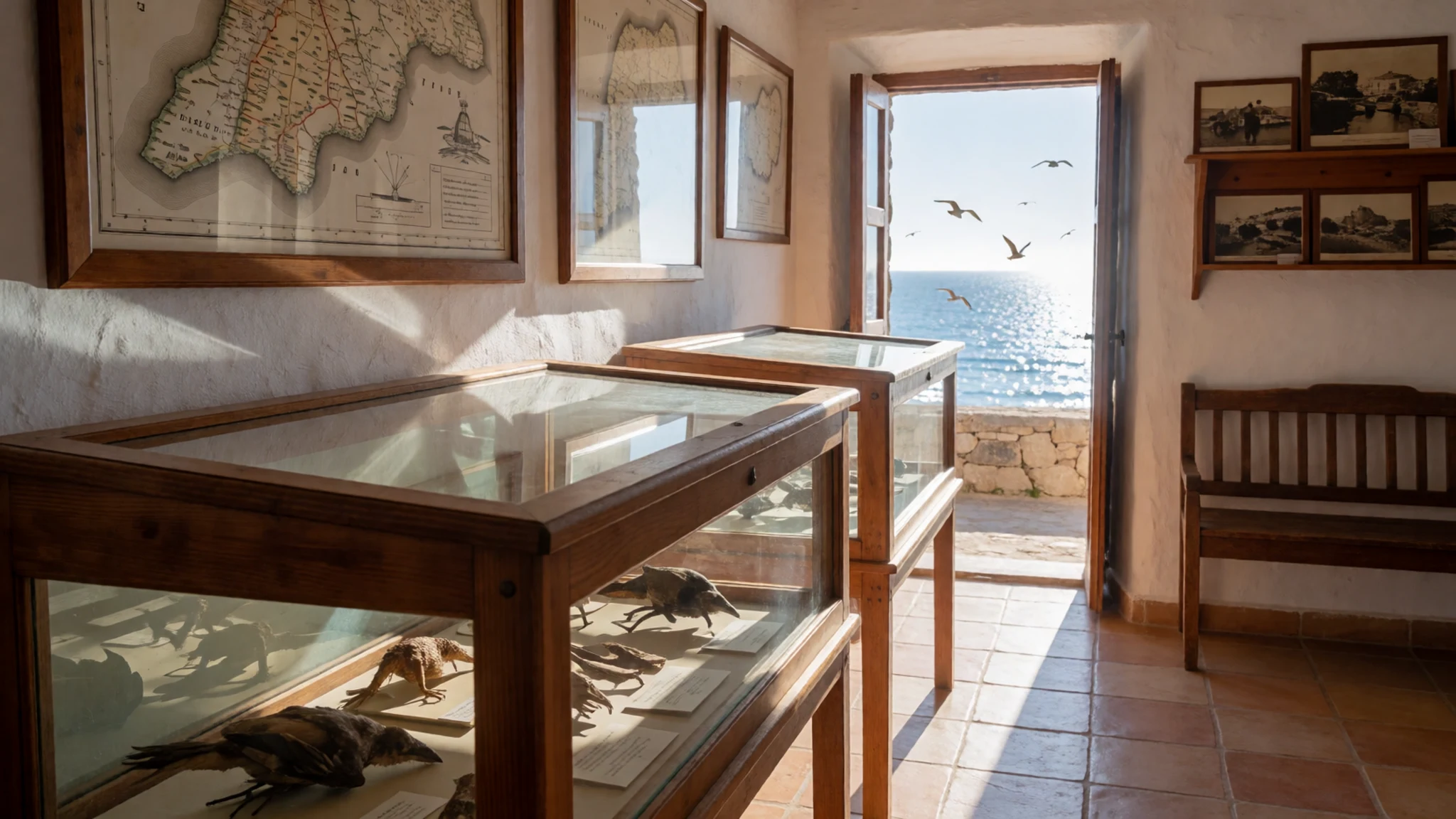
- Cap de Llebeig & Cala Galiota — Northwest tip and nearby bay (diving zone)
Cap de Llebeig and Cala Galiota are the main areas for scuba diving. The underwater terrain drops away as cliff walls continue beneath the surface, and sightings commonly revolve around fast fish and shoals moving through open water close to the structure.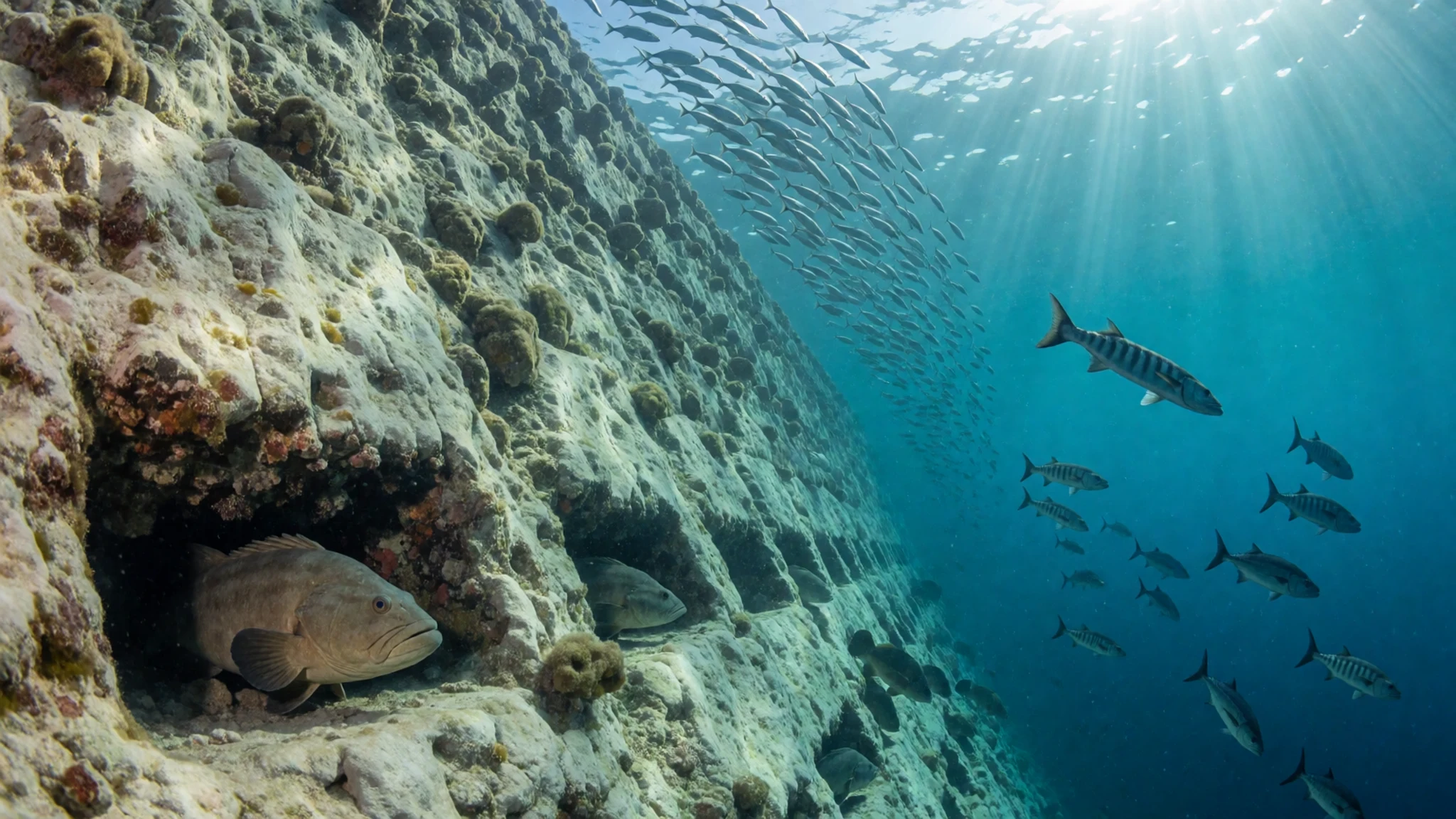
- Na Picamosques — Interior limestone hills (central ridgeline)
Na Picamosques is the island’s highest point. It’s the kind of viewpoint that rewards a steady climb and clearer skies—limestone ridges, sea edges, and a sense of how tightly the land hugs the water. The walk is for endurance rather than crowds.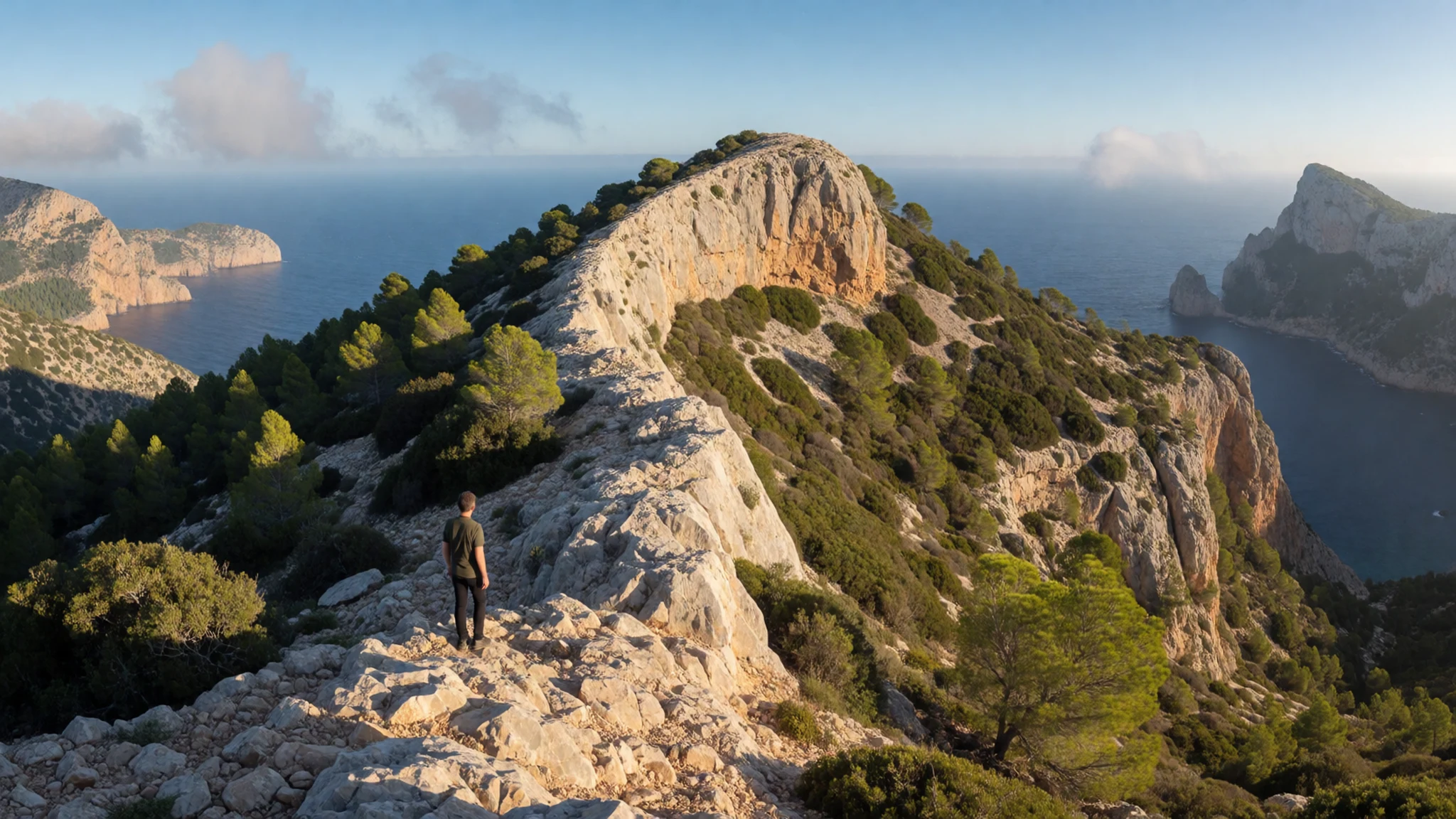
- Cueva Azul (Blue Cave) — Coastline caves (sunset boat approach)
Cueva Azul is a low sea cavern flooded at sunset, when blue light filters through the water. Access is tight—only small craft can squeeze inside—so it’s one of those experiences that depends on timing and sea conditions as much as planning.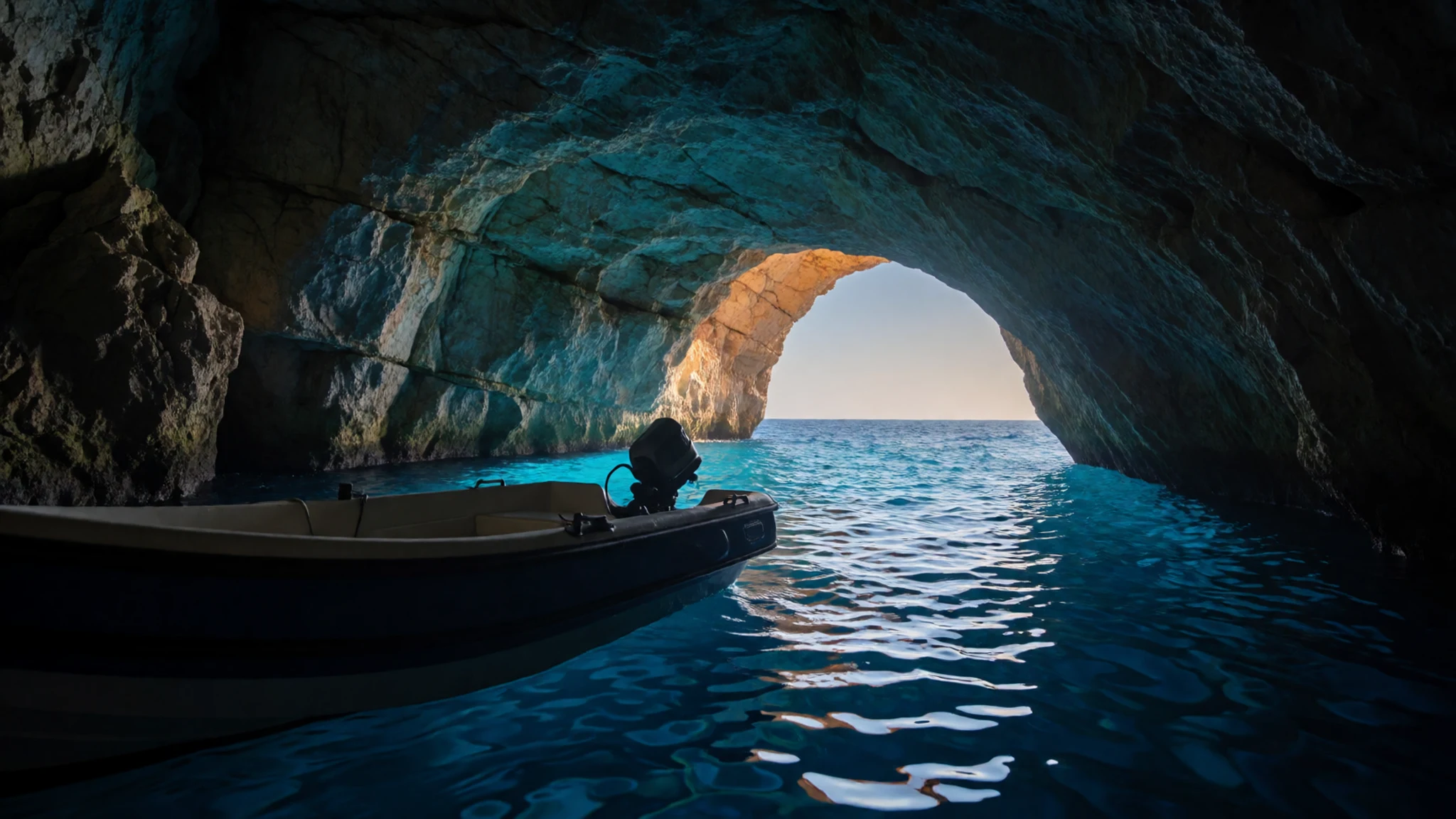
Culture
Cabrera’s culture is less about town life and more about how people behave in a protected, largely uninhabited island environment. The island works on a narrow “contact point”: Es Port is where the ranger station, visitor information, toilets and the cantina cluster together, and where activity is concentrated. Outside that pocket, the experience is mostly walking, looking and swimming within the rules of the national park.
One big cultural difference is risk management. The sea is a constant factor—tumbles on rocks and safety at sea are real concerns, and boat departures shape what’s possible. The park’s protection also shows up in access: unless you’re aboard a registered vessel, entering is not a DIY decision, and procedures are strict.
Then there’s the conservation-minded mindset. Smoking is allowed only in the designated area at Es Port, because wildfires start easily in dry Mediterranean conditions and cigarette butts are harmful to wildlife.
Visitor etiquette is simple but important: keep to permitted routes, stay calm around wildlife, and treat the island like it is shared with a fragile marine and coastal ecosystem. Respect the protected environment and follow staff instructions, especially around smoking zones and on rocky shoreways.
What to wear
Cabrera’s weather and terrain dictate what to wear more than any “dress code”. The island has a semi-arid Mediterranean feel, with maquis scrub, pine and plenty of sun and wind. Casual clothing works, but plan for walking over uneven ground near the water.
For beach and coastal time, breathable tops and shorts or lightweight trousers are sensible. Bring swimwear plus something to cover legs for rocky stretches, where slips are common even for careful walkers. Footwear matters: sturdy trainers or approach sandals with grip are better than flip-flops, because the approach from boats and the paths to viewpoints can be uneven.
At Es Port, you’ll pass through visitor facilities and potentially a small exhibition, so a light layer (like a thin windbreaker) helps if the sea breeze is strong. If visiting in hotter months, choose moisture-wicking fabric and a hat; if it’s cooler, a layered top keeps you comfortable without bulky bulk.
There’s also an unspoken modesty: the island is small and the coast is shared, so keep swimwear tidy, avoid leaving litter on the shore, and dress practically for sun safety.
What to eat
- Cantina snacks & drinks at Es Port — Es Port (visitor facilities area)
The cantina at Es Port serves snacks and drinks, including beer. It’s small-stock, so it’s best for quick refuelling rather than a full meal, and larger groups should plan ahead.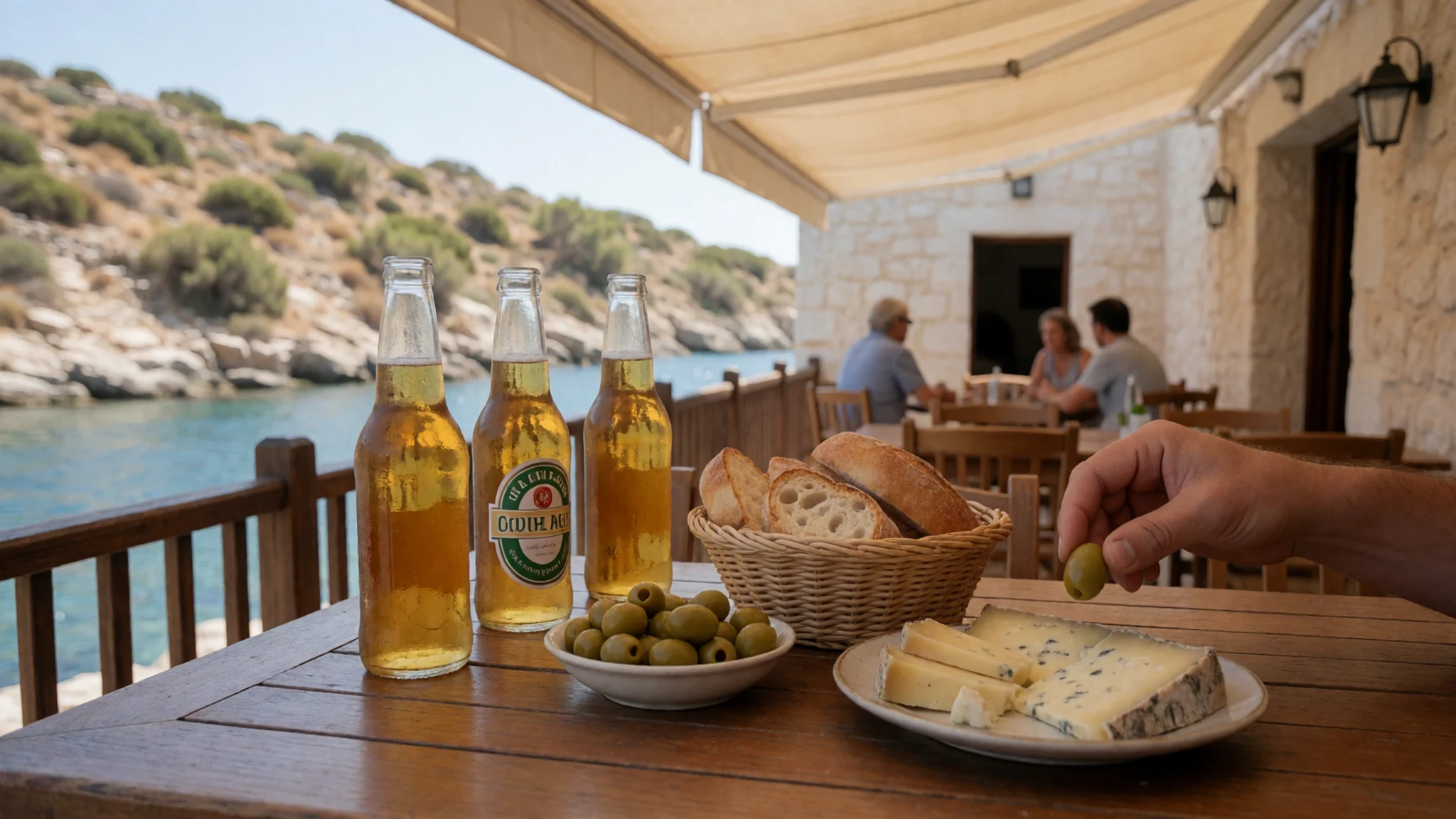
- Bring-your-own water and basics — On the boat and at Es Port before heading out
Because stock can run short and the island has limited services, visitors often rely on what they bring. Packing drinking water and simple snacks helps cover gaps between boat timings and walking plans.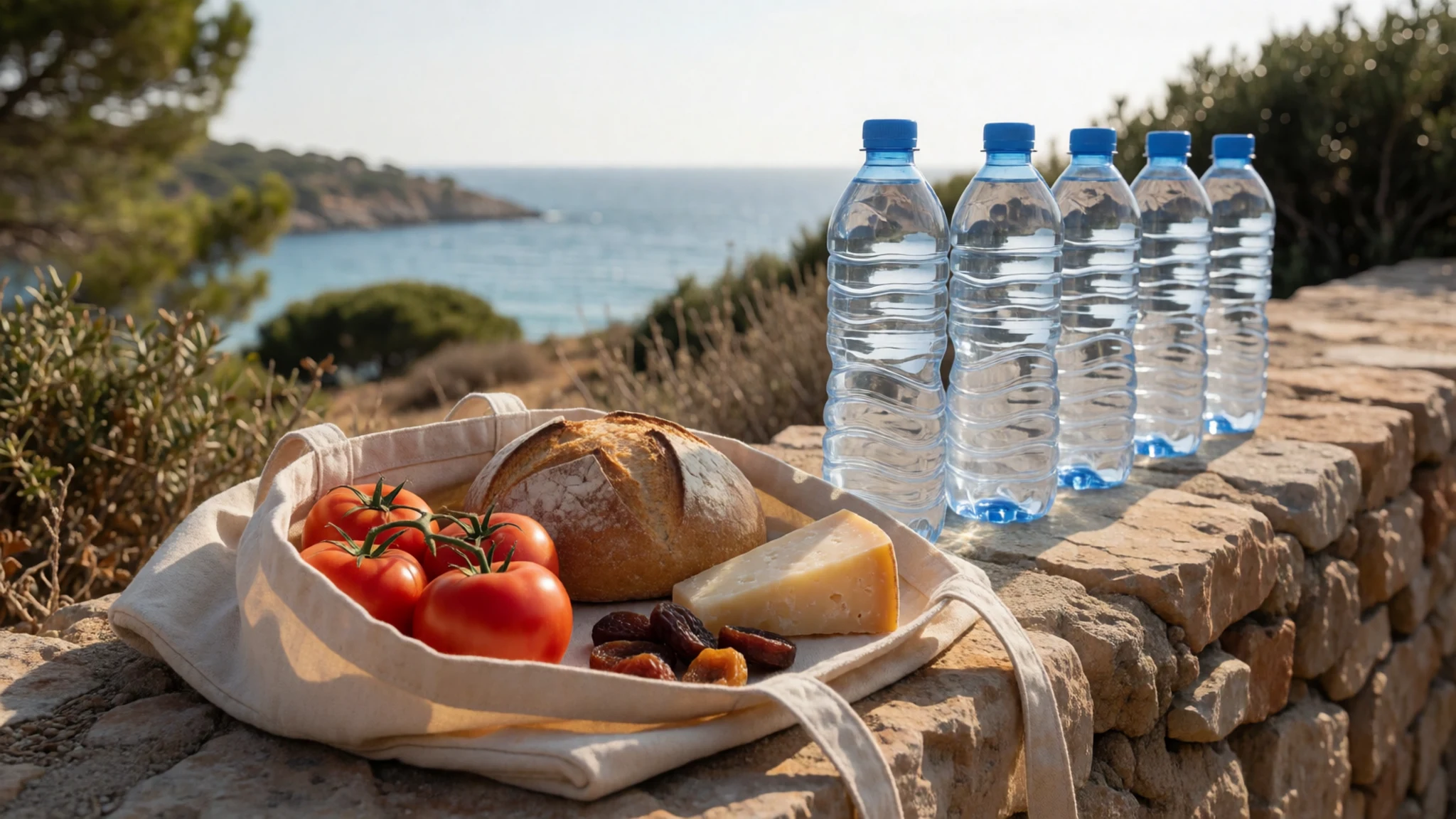
- Park-lunch picnic style — Around Es Port (where day visitors gather)
A practical “island lunch” is a simple picnic eaten in permitted areas near the landing point. Keep it low-waste and stick to the small-service reality of Es Port to avoid feeling rushed. - Sea-view refreshments before a dive — Cantina/nearby seating at Es Port
Before scuba sessions, people usually grab something quick at Es Port so they’re not stuck waiting. The aim is lightweight food and drinks that don’t weigh down dive prep.
Plan it
Best time. June through September is the hottest stretch on Cabrera, with July the peak by temperature, while the mildest months are January through March and again in November and December. Summer can be hot and busy on the water; check boat schedules for your exact dates.
How long. 2–3
Getting there. Fly into Palma, then take a transfer to Colònia de Sant Jordi near Mallorca’s south tip for the boat to Cabrera.
Budget. mid
Tips
- Build the day around boat times—your return depends on the service back to Mallorca.
- If snorkelling or diving is the goal, confirm conditions and what’s included with your operator before you go.
- Pack drinking water and simple snacks; the island has limited supplies.
- Aim to walk early in the day to avoid the harshest sun and to get calmer, clearer views.
- Keep footwear grippy—rocky shorelines and uneven paths are the real challenge.
Etiquette
- Only smoke where it’s permitted; elsewhere on the island, smoking is not allowed.
- Stay well back from rocks and edges and follow all ranger guidance for sea safety.
- Keep your group movement tidy—don’t obstruct the small landing and visitor area at Es Port.
Nearby
Sources
- Wikidata Q52650 (CC0)
- Wikipedia (rev 1375325480) (CC BY-SA 4.0)
- Wikivoyage (rev 5327546) (CC BY-SA 4.0)
- Photo photos/01-port-de-cabrera.jpg (CC BY 3.0)
- Photo photos/02-cabreramap.png (CC BY-SA 4.0)
- Photo photos/03-mtn50-0774-2003-cns-illa-de-cabrera-recortado.jpg (CC BY 4.0)
- Photo photos/04-archipi-lago-de-cabrera-islas-baleares-espa-a-vista-de-la-ba.jpg (CC BY 3.0)
- Photo photos/05-cabrera-cementiri-panoramio.jpg (CC BY 3.0)
- Photo photos/06-cabrera-cova-blava-panoramio.jpg (CC BY 3.0)
- Photo photos/07-cabrera-monument-aux-soldats-fran-ais.jpg (CC BY-SA 4.0)
- Photo photos/08-cabrera-torre-panoramio.jpg (CC BY 3.0)


