Burgos Cathedral
Burgos Cathedral, Spain
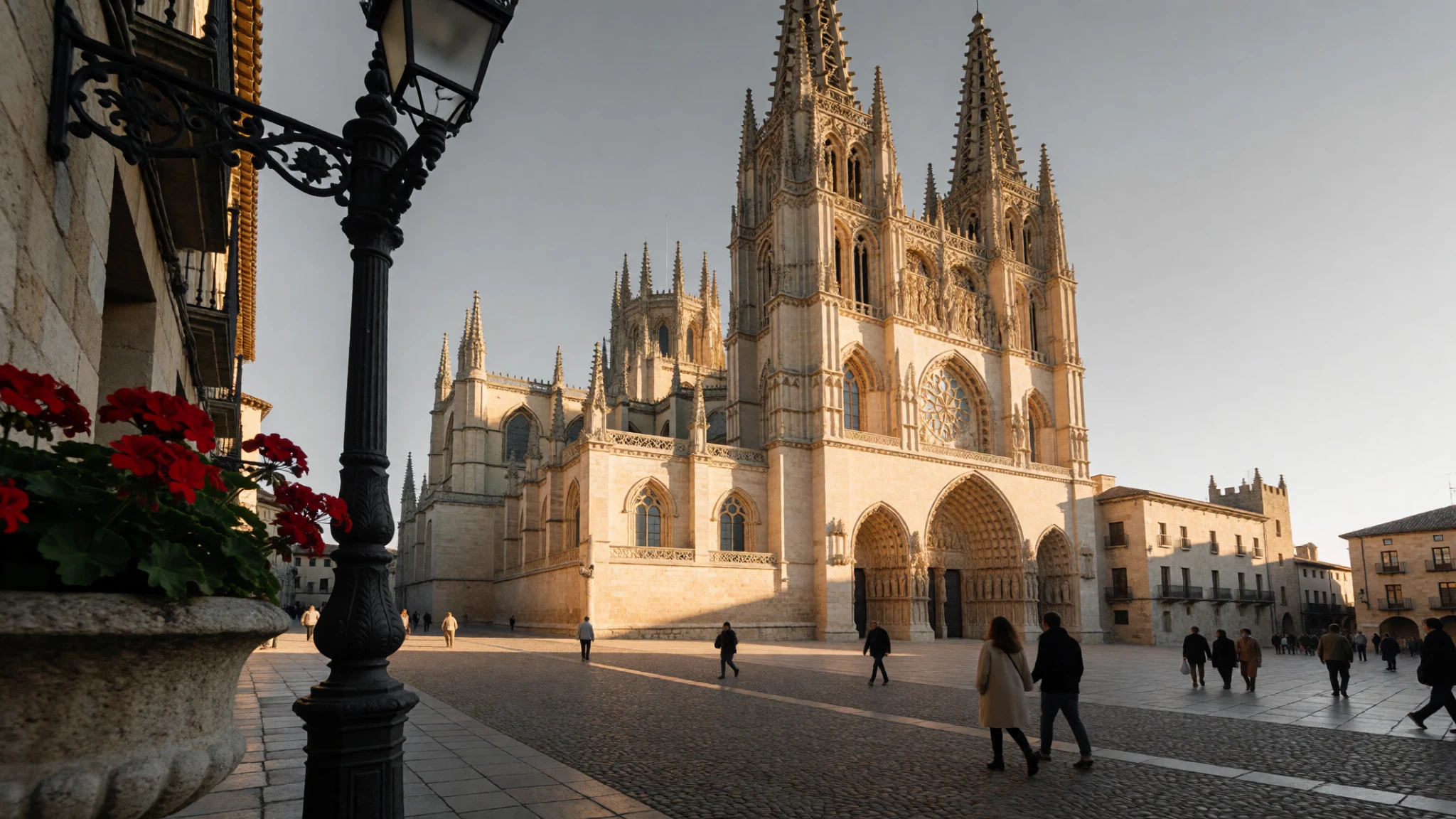
Burgos Cathedral is a Gothic landmark in Castile, known for its long build and flamboyant details that feel layered, not finished-once.
The place
Burgos Cathedral (Catedral Basílica Metropolitana de Santa María) sits in the historic centre of Burgos, a Catholic cathedral built to honour the Virgin Mary. Construction began in 1221, and the overall look points to French Gothic influence, with a Latin-cross plan that keeps the interior feeling organised even when the décor gets busy.
What makes it memorable is that the cathedral doesn’t read like a single, uniform campaign. There was a long gap and later major embellishments with a distinctly flamboyant Gothic flavour: the main façade’s spires, the Chapel of the Constable (Capilla del Condestable), and the transept area dome contribute to that sharp, upward silhouette people associate with this place. Later still, work in the 18th century modified the Gothic portals on the main façade and added other decorative touches, so Renaissance and Baroque elements show up alongside Gothic stonework.
In practice, the cathedral is also very “walkable Spain”: you’ll usually come at it as part of a stroll through old streets, with the stone façades doing most of the storytelling before you even reach the doors. On the inside, expect the contrast between big structural rhythm and individual sculpted details, including portal scenes that reward slow looking. It’s a strong stop whether arriving for the Camino de Santiago atmosphere or simply for architecture—just remember that as a famous church in a compact centre, it can get busy around peak daytime hours.
Its story
Burgos Cathedral’s story starts with Burgos itself becoming a bishopric through royal backing in the late 11th century, setting up the long-running “we need a bigger church” pressure that often drives cathedral construction in medieval Europe. Documentary hints suggest an earlier church dedicated to Saint Mary existed before the cathedral campaign really took off, but it quickly ran into the problem most growing cities face: the building couldn’t hold the needs of an increasingly important seat of worship and administration.
Construction decisions moved in the 13th century, when the city opted to replace earlier fabric with a new cathedral programme in the Gothic idiom. That meant the older Romanesque building was dismantled for the fresh start, leaving only scattered sculptural remnants from the earlier phase. Over time, the cathedral kept evolving—major embellishments arrived much later, and the profile that visitors photograph today reflects those later additions as much as it does the original blueprint.
There’s also a useful “human” angle to the story: cathedral building isn’t just architecture, it’s logistics across generations. A hiatus long enough to be remembered in modern summaries shows how funding, politics, and priorities can interrupt even the most serious plans. By the time the last significant works were completed in the 18th century, the Gothic portals had been modified again. The result is a cathedral that feels continuous in purpose, but varied in execution—like a timeline carved into stone rather than a single snapshot.
What to see
- West façade and twin towers — Historical centre (around the main façade)
Burgos Cathedral’s west front is where the whole silhouette starts: tall Gothic forms, strong vertical lines, and façade features that frame the portals like a stage set. The façade is the easiest way to get your bearings before moving inside.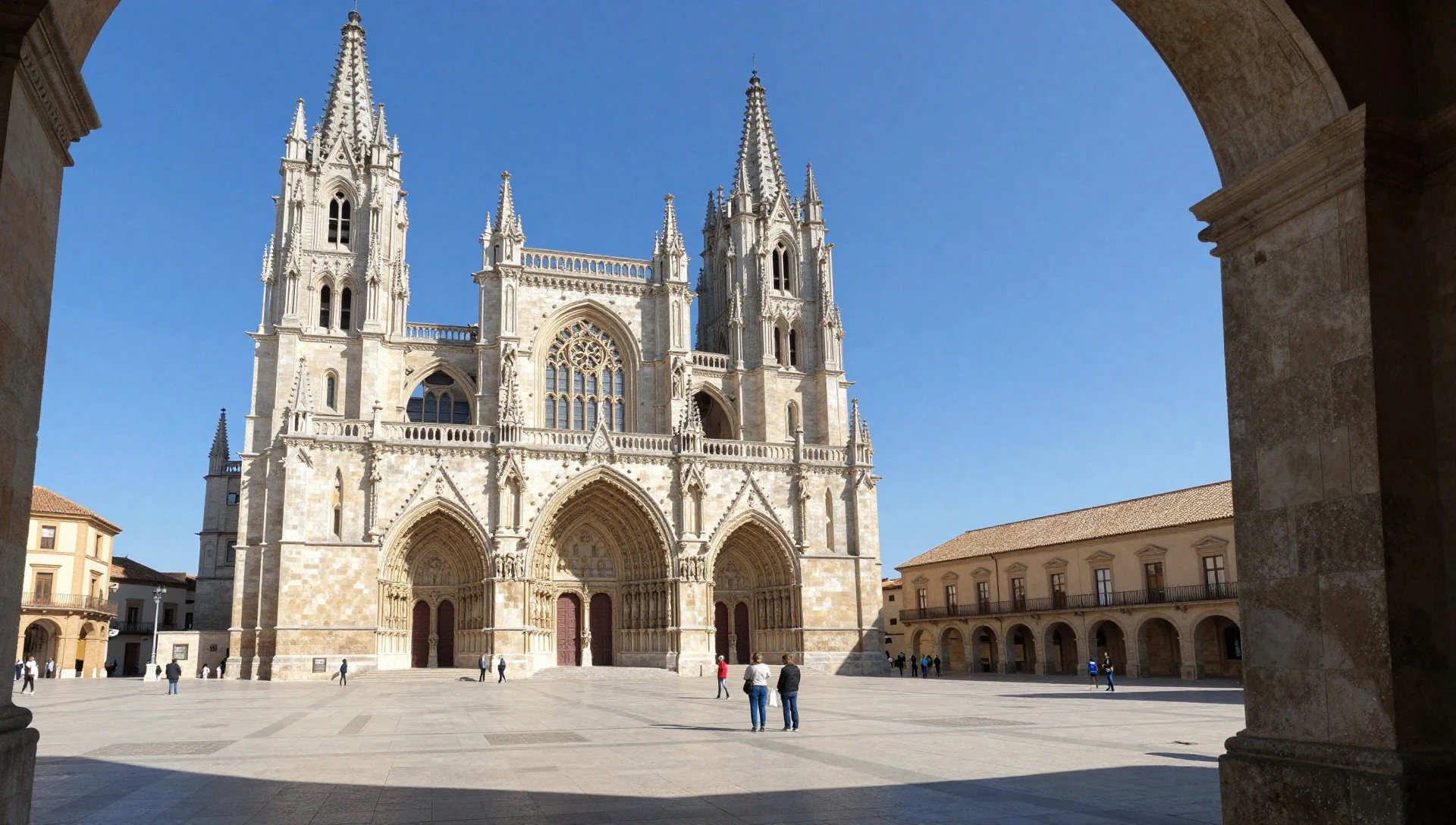
- Portal of St Mary (main west portal) — Historical centre (west façade frontage)
Portal of St Mary is the principal doorway area on the west façade. Close up, the sculptural work feels like a sequence rather than a single panel, and it’s the part of the building that best rewards slower viewing when the light hits the stone.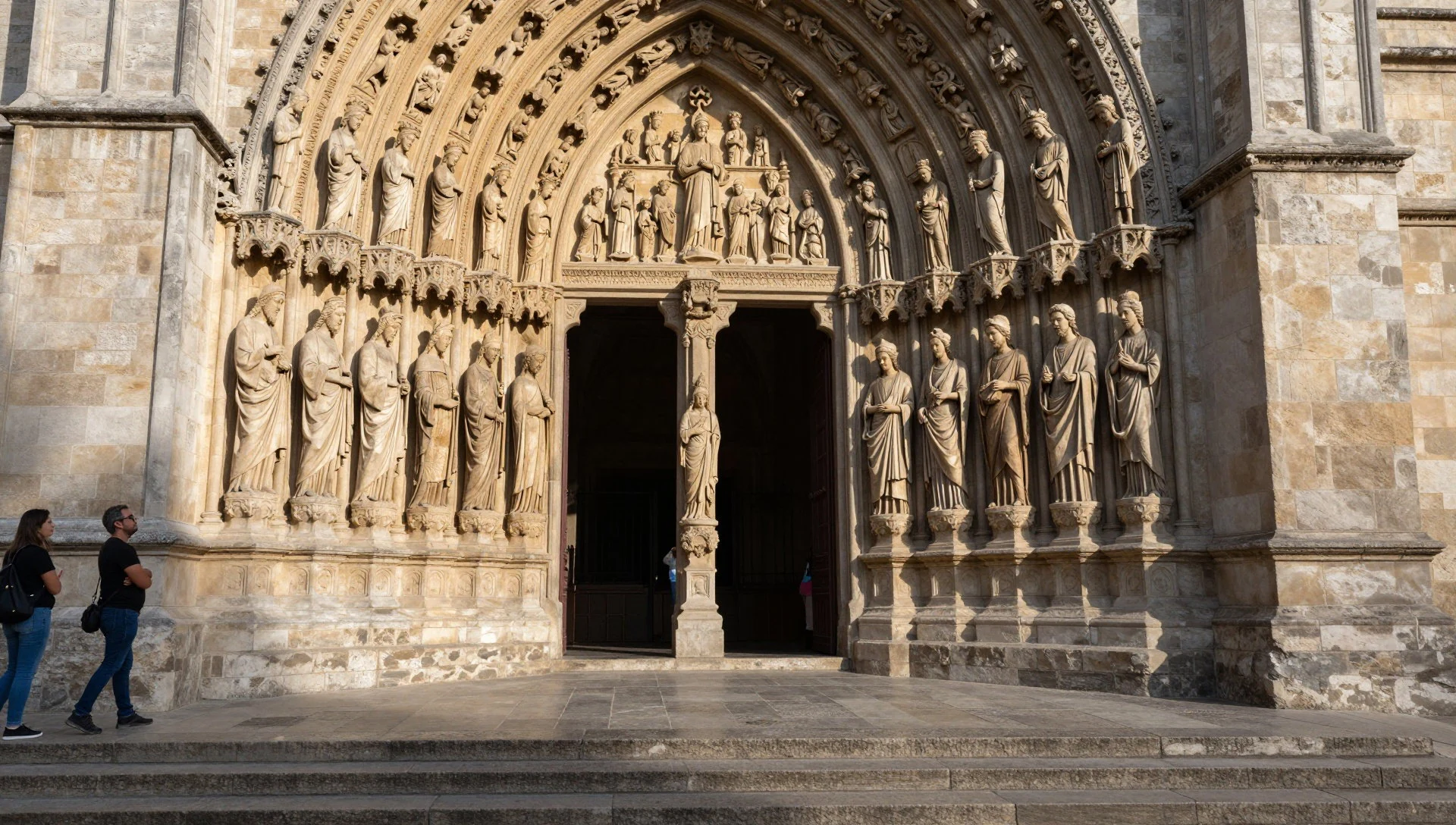
- Door of the Coronería — Historical centre (west façade frontage)
The Door of the Coronería is one of the cathedral’s notable entrances on the façade. The stone detailing around the doorway is made to be read up close, so it’s worth pausing even if queues shuffle you along.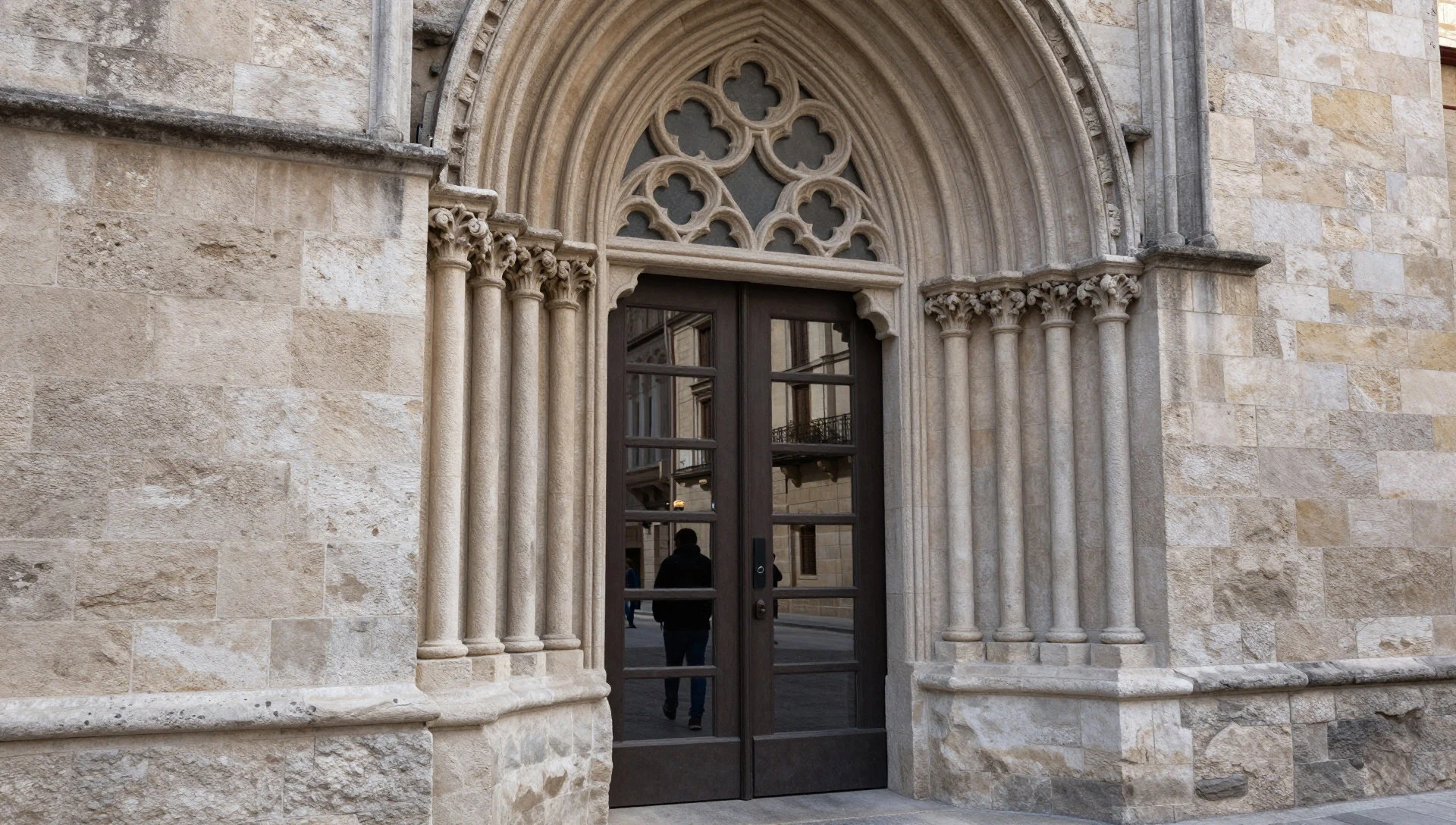
- Capilla del Condestable (Chapel of the Constable) — Inside the cathedral (constable chapel area)
Capilla del Condestable sits as a key interior highlight connected to the cathedral’s flamboyant Gothic phase. Its presence is felt as a change in texture and decoration—an anchor point for understanding the cathedral’s later embellishment.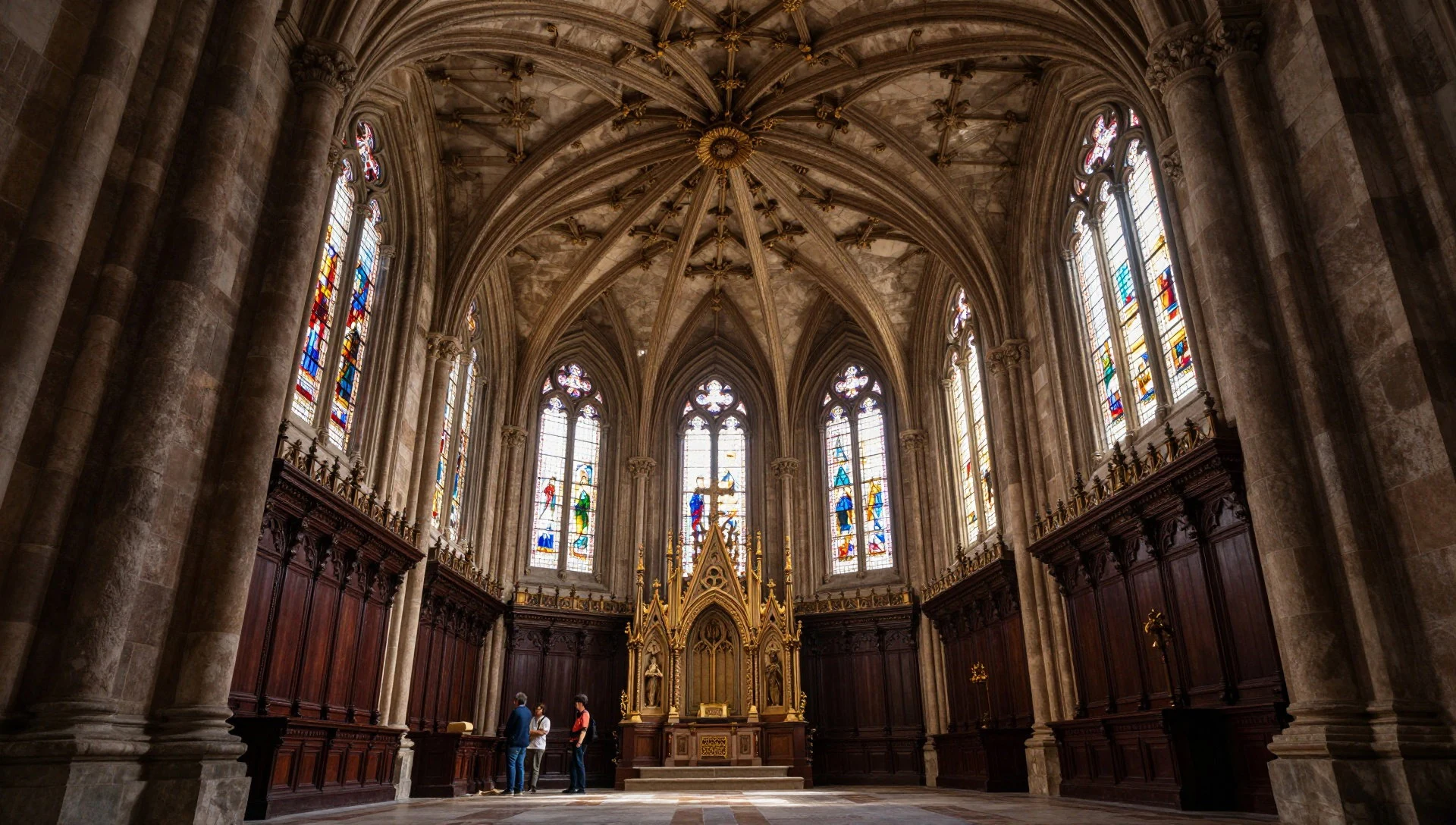
- Transept dome area — Inside the cathedral (transept dome area)
The transept dome zone adds a different scale to the building’s Gothic profile. It helps tie the long timeline together, showing how later work reshaped the cathedral’s massing and visual rhythm from within.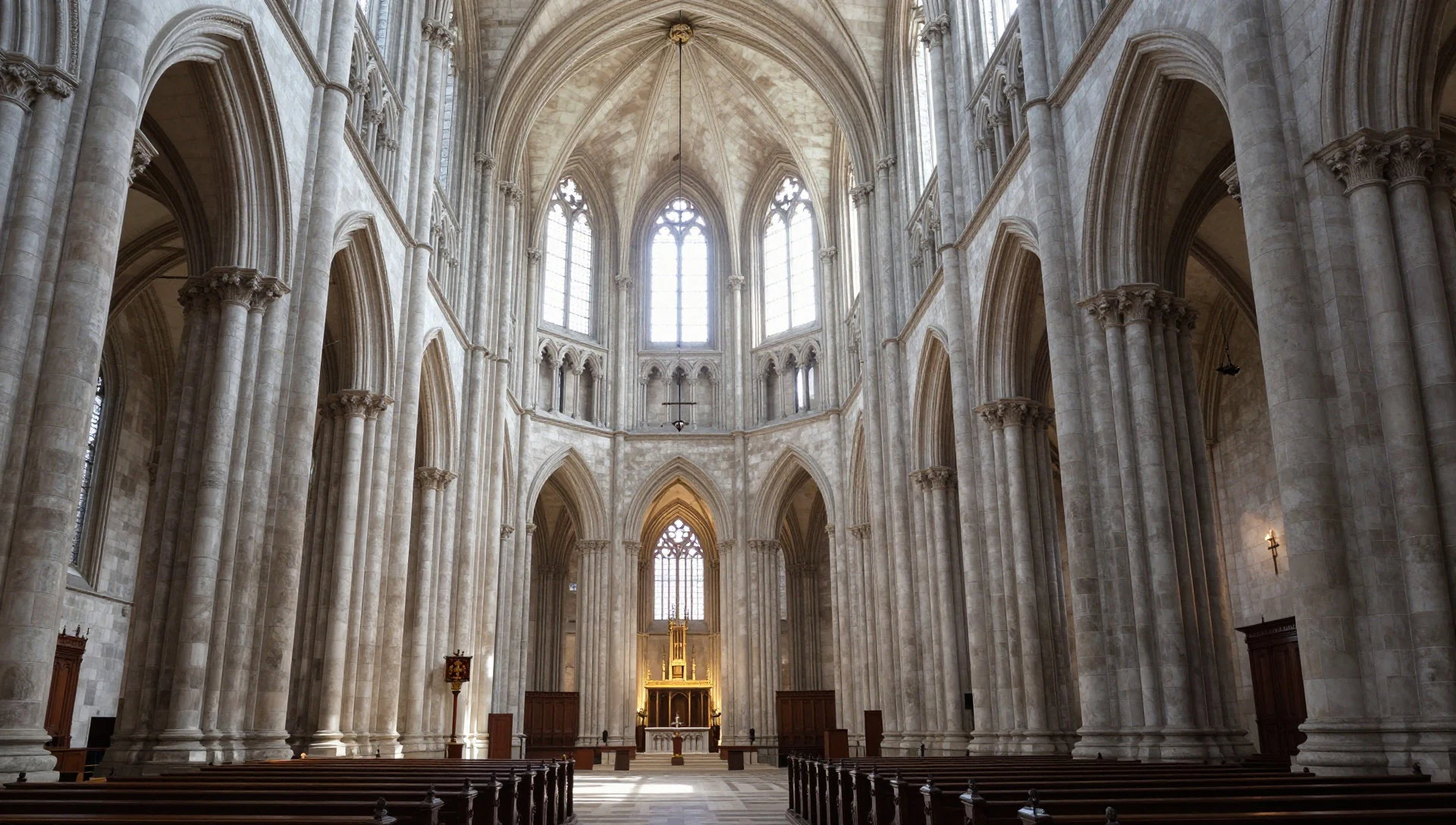
Culture
Burgos Cathedral is a working Catholic space, and its popularity means visitor flow can get tight, especially mid-day. The atmosphere is usually calmer inside than outside, but it still pays to move thoughtfully: look at the portals and façades from a respectful distance first, then step in with a slower pace when space opens up.
Dress for an indoor church matters more than you might expect in Spain’s winter-cold and summer-warm contrast; shoulders and knees covered is a safe baseline. Photography is common around famous façades, but inside, keep noise down and avoid blocking paths at chapels or doorways.
If the cathedral is part of the Camino de Santiago rhythm for the day, there can be pilgrim-focused groups too. Try to time the visit for when the crowds are manageable; early in the day is often calmer.
Visitor etiquette: dress modestly, keep voices low, and don’t stand in doorways while photographing or filming.
What to wear
Burgos Cathedral is a Catholic church built in a Gothic tradition, so clothing is about respectful coverage rather than “costume”. Traditional dress in Burgos and Castilla has regional variety, but for most visitors the practical question is what modern clothes to wear while walking from the city centre and stepping into a large stone church.
For cultural context: local traditional garments in Castile often feature heavier fabrics suited to cooler inland seasons, with darker tones and structured skirts or layers—think wool, linen blends, and scarves used for warmth rather than for style. People do wear traditional clothing for festivals, but day-to-day clothing in Burgos is far more typical European streetwear.
What to wear now: light layers help because Burgos can swing between chilly mornings and warmer afternoons; closed shoes are the best choice for cobbled streets. Inside the cathedral, prioritise modesty—cover shoulders and avoid very short shorts. A thin shawl or cardigan works well if the weather is mild but the church feels cooler. If visiting near peak tour times, wearing comfortable footwear is a real advantage because you’ll likely stand still for longer than expected when you’re drawn to portals and chapels.
If it’s sunny, sunglasses can help outdoors, but keep hats off inside.
What to eat
- Mussels at La Mejillonera — Tapas bars around central Burgos
For something simple and satisfying, go for mussels at the kind of no-frills tapas places Burgos is known for. La Mejillonera is the classic reference—order a few portions and share while you’re still hungry for conversation.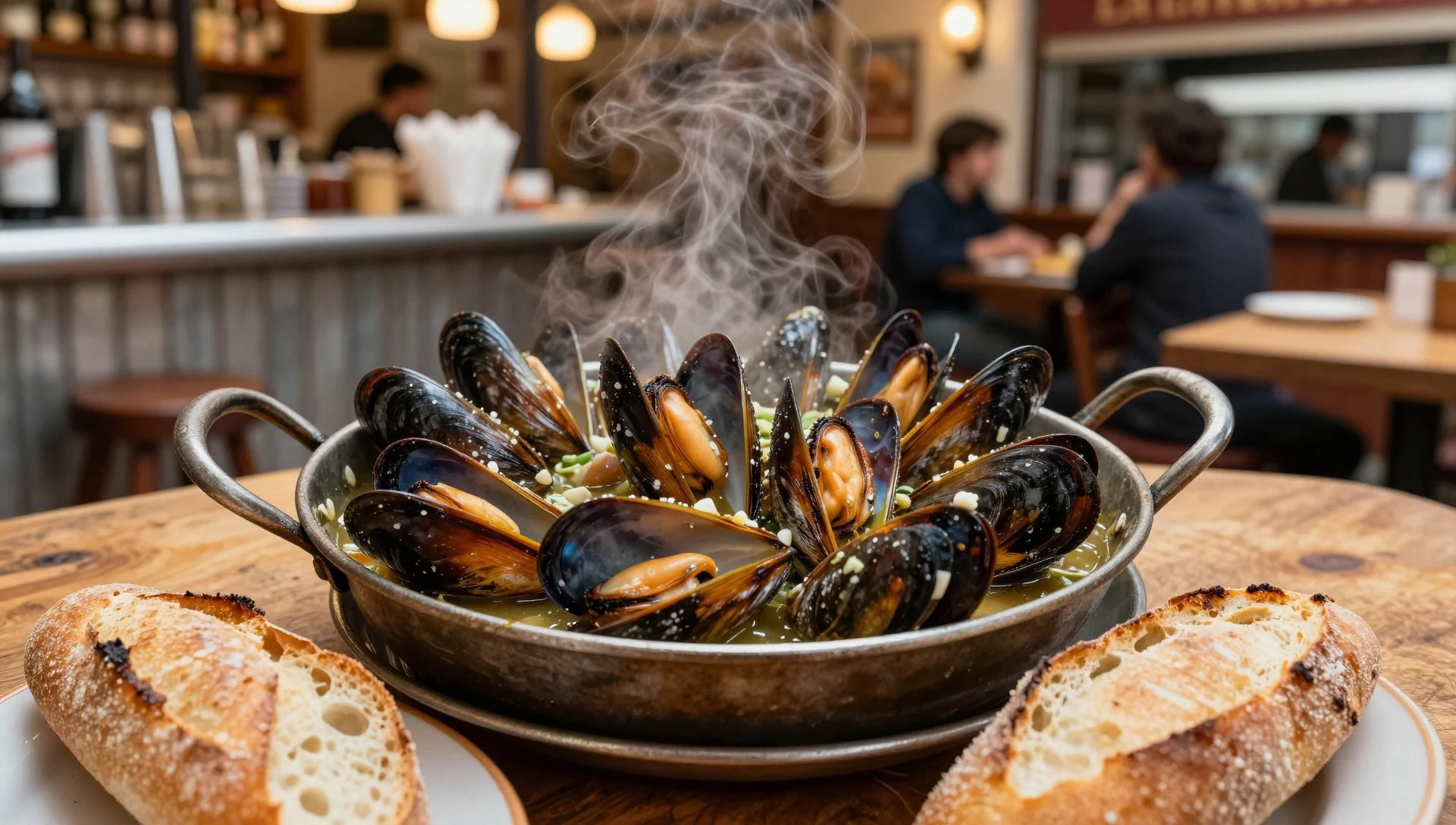
- Trad tapas at Cervecería Morito — Central Burgos (tap environment)
Cervecería Morito is often mentioned for straightforward, traditional tapas with solid portions. It’s a good stop when you want a relaxed meal without overthinking—choose a mix of small plates and a drink, then keep the evening easy.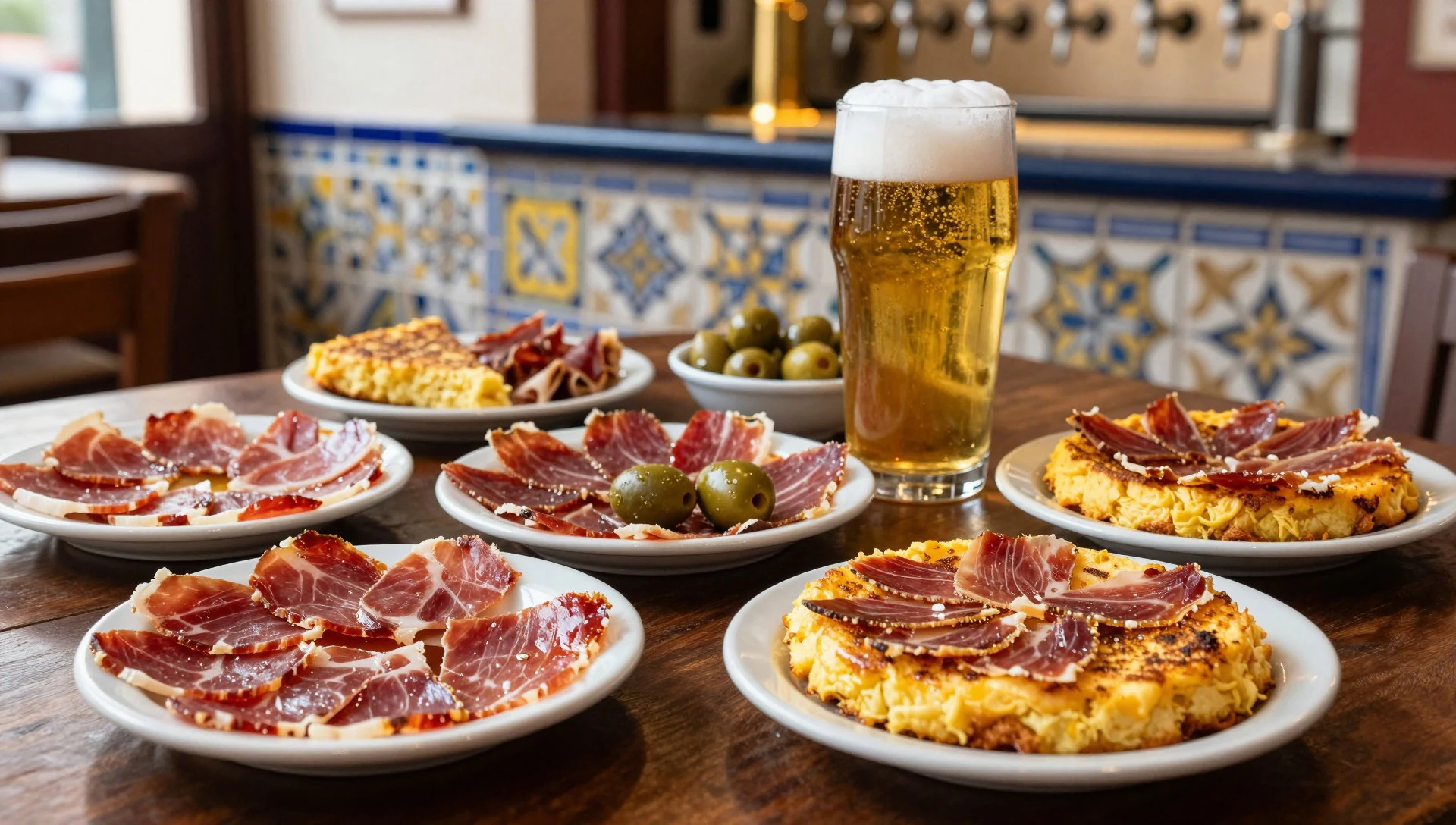
- Wood-panelled dining at Casa Ojeda — Central Burgos (restaurant quarter)
If the day has been long and the cathedral visit deserves a sit-down meal, Casa Ojeda is the listed option for a more upmarket approach. Expect a restaurant-style meal rather than quick tapas hopping. - Lively tapas at La Favorita — Burgos tapas area
La Favorita is described as lively, which usually means a busier room and a comfortable tapas pace. It’s a good choice for a social evening where people are ordering rounds and you can browse plates calmly. - Vegan plates at Masala — Near central Burgos
Masala is the vegan option linked to an organic grocery setup. It’s useful if the group includes plant-based eaters—go for a proper meal rather than just sides, and use it as a slower, replenishing stop after walking.
Plan it
Best time. June–September for the hottest weather, with July and August among the warmest months; October–November are wetter months overall, with November the wettest; May and September are among the most comfortable choices thanks to milder temperatures and lower rain. Summers can feel hot in the city centre, and winter can be chilly inside large churches.
How long. 2–3
Getting there. Fly to Madrid Barajas Airport (MAD), then continue by onward transport to Burgos; the city is also reachable by rail and by Alsa buses from major Spanish hubs. For the last leg, use local bus/taxi from the station or bus stop in Burgos.
Budget. mid
Tips
- Plan the cathedral visit early in the day to reduce tour-group crush
- Stay flexible with entry time; church schedules and crowding can shift the order of visits
- Walk the surrounding streets first for context, then return to the façade details before heading inside
- Bring some cash as a backup for small purchases around the centre
- Wear shoes that handle cobbles and uneven ground
Etiquette
- Keep voices low inside the cathedral, especially near chapels and doorways
- Dress modestly (shoulders and knees covered) when entering the church
- Avoid blocking the main flow while photographing; step to the side instead
Nearby
Sources
- Wikidata Q744420 (CC0)
- Wikipedia (rev 1381938985) (CC BY-SA 4.0)
- Wikivoyage (rev 5396188) (CC BY-SA 4.0)
- Photo photos/01-fp-burgos-cathedral-2026-west-fa-ade.jpg (CC BY-SA 4.0)
- Photo photos/02-burgos-catedral-planta.png (Public domain)
- Photo photos/03-fp-burgos-cathedral-2026-north-view.jpg (CC BY-SA 4.0)
- Photo photos/04-main-facade-cathedral-of-burgos-1850-villaamil.jpg (Public domain)
- Photo photos/05-fp-burgos-cathedral-2026-west-fa-ade-at-dawn.jpg (CC BY-SA 4.0)
- Photo photos/06-fp-burgos-cathedral-2026-sarmental-portal-detail.jpg (CC BY-SA 4.0)
- Photo photos/07-fp-burgos-cathedral-2026-sarmental-portal.jpg (CC BY-SA 4.0)
- Photo photos/08-fp-burgos-cathedral-2026-coroneria.jpg (CC BY-SA 4.0)


