Albarracín
Albarracín, Spain
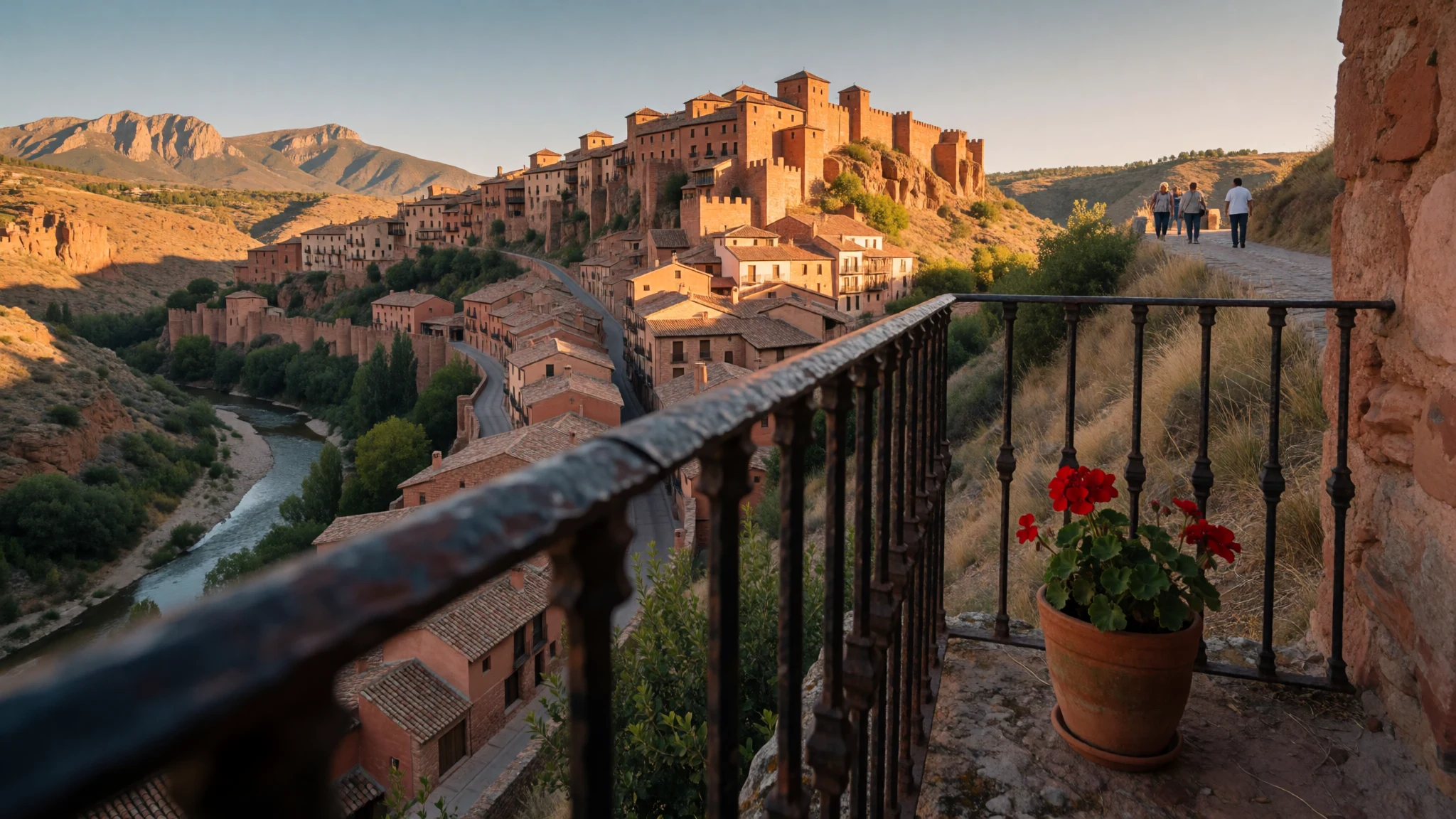
Albarracín is a small, rose-coloured hill town in Aragon, wrapped in a river bend and old walls, best seen slowly on foot.
The place
Albarracín sits in the province of Teruel, in the Aragon region of eastern Spain, at about 1,182 metres above sea level. It is a small place: the facts record a population of 998, so the town feels more like a village that has kept its full medieval skeleton. It is the capital of the Sierra de Albarracín comarca, the surrounding district of high pine country and stony hills.
The setting explains most of what you see. The town occupies a meander of the Guadalaviar River, and the mountains of the Sierra rise to the south and west. Houses climb the slope in tiers, built of local stone and plaster with a reddish tint, many with timber balconies leaning over lanes that are barely wide enough for two people. Above the roofs, a line of fortified wall runs along the ridge to a watchtower.
The red sandstone that colours the buildings also forms boulders and cliffs in the countryside around. These have made the area popular with rock climbers, boulderers in particular, so on a weekend the town can hold walkers, climbers and day visitors at once.
The town was declared a national monument in 1961, and it belongs to the association of the Most Beautiful Villages of Spain. Protection shows: there are few modern intrusions, and the old streets are the main attraction rather than any single building. Because it is high and inland, the climate is cooler than most of Spain, with cold winters and mild summers, and the light on the stone in the early morning and at dusk is the best reason to stay overnight rather than visit for an hour.
Its story
Albarracín takes its name from the Banu Razin, a Berber dynasty of the Hawwara tribe who made it their capital from the early eleventh century. Their rule ended in 1104, when the Almoravids took the town. The walls and tower that still climb the ridge date from the period of the independent Taifa kingdoms, when the town was a small Islamic state in its own right.
From 1167 to 1300 Albarracín was a separate lordship, ruled from the Azagra family's seat after the old taifa was divided up under Pedro Ruiz de Azagra. It stayed independent until Peter III of Aragon conquered it in 1284 and removed the Azagra family from power. A claimant from the Lara family kept the title alive until 1300, when the town and its lands were absorbed into the Kingdom of Aragon.
A Jewish community lived here in the Middle Ages, with written records placing it in the town from before the twelfth century. It lasted until the expulsion of Jews from Spain in 1492, and it also endured episodes of antisemitism before then.
The twentieth century brought war. During the Spanish Civil War the town changed hands more than once. In July 1937 Republican troops attacked and took most of it on 8 July, though soldiers and civilians sheltering in the town hall and cathedral held out under siege. Nationalist reinforcements retook the town by 13 July.
Recognition came later: national monument status in 1961, and the Gold Medal for Merit in the Fine Arts in 1996. The town has also been put forward by Spain for UNESCO World Heritage status.
What to see
- The old walls and Torre del Andador — Ridge above the old town
The fortifications climb the ridge above the town and were built by the Moors in the eleventh century, during the taifa period. A walk along them gives the clearest view of how the houses cling to the slope and how the river bend protects the site. Go early, as the stone has little shade.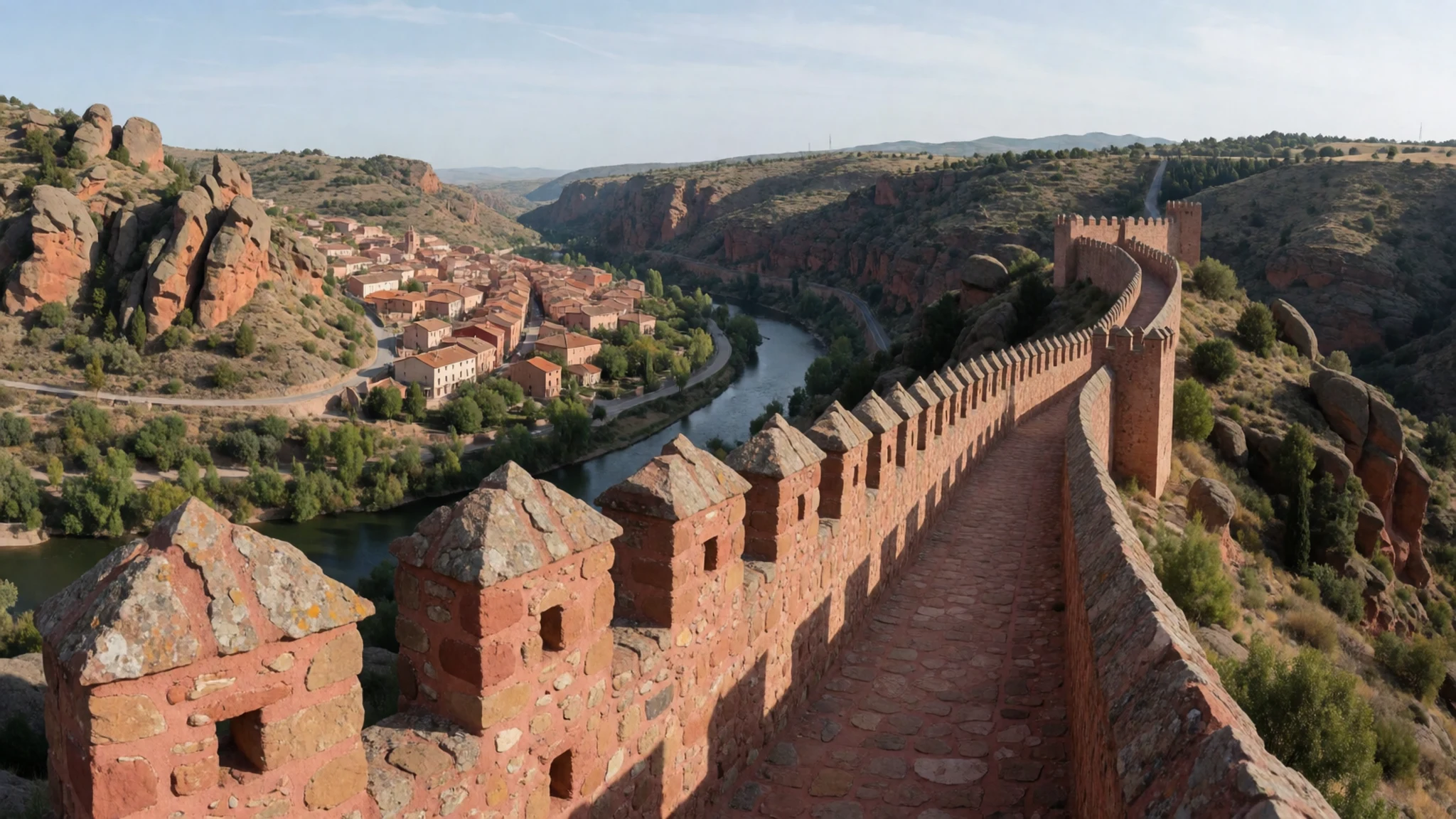
- Albarracín Cathedral — Old town, near the river
This is a sixteenth-century Roman Catholic church that rises over the lower part of the old town. It was one of the places where defenders sheltered during the 1937 fighting. Check the official town site for opening arrangements, because small-town churches often change their visiting times.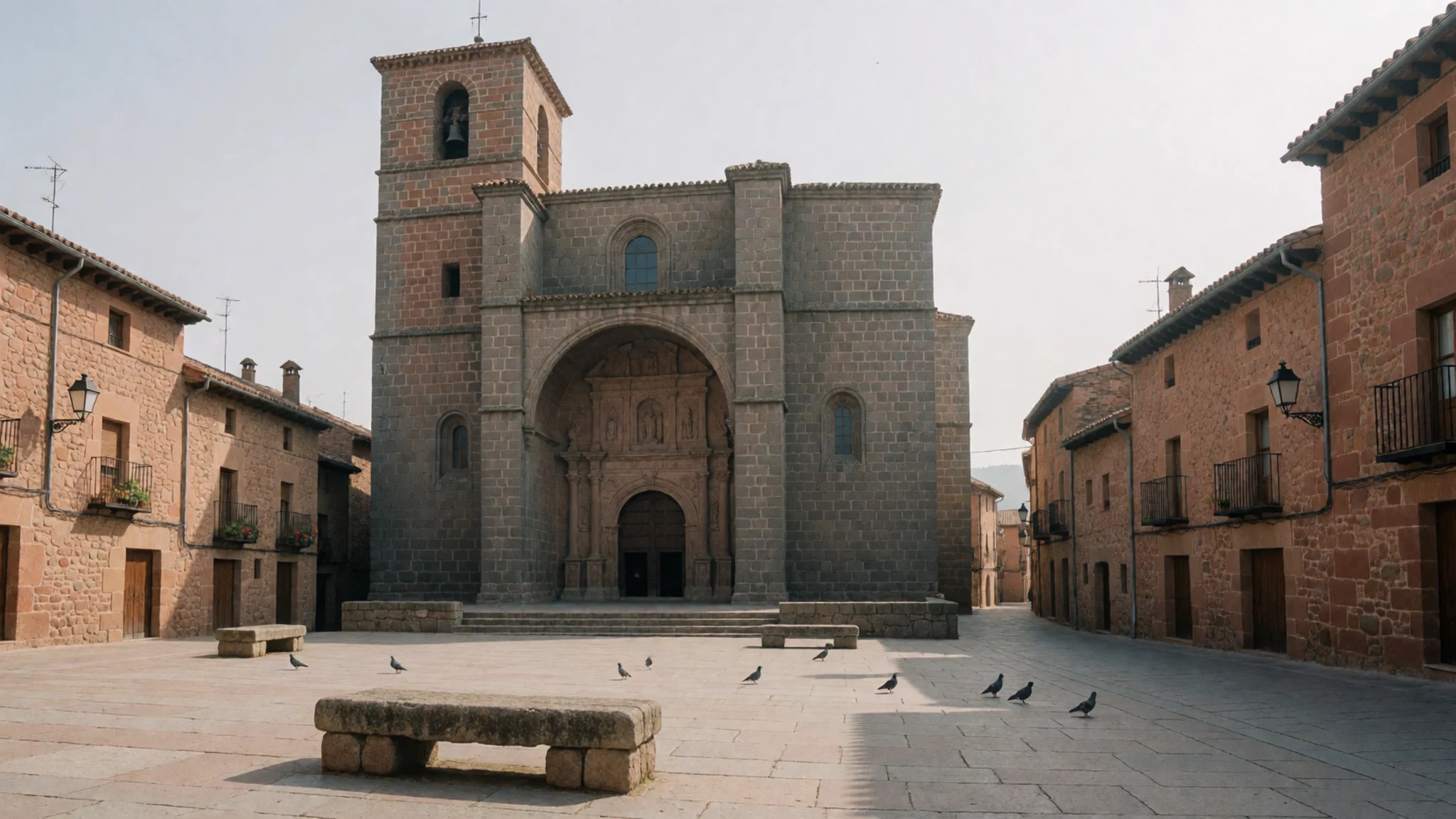
- Casa de Santa María — Old town centre
An eighteenth-century manor house, one of the larger civil buildings in the old centre. It is useful for seeing how the town's wealthier families lived, in contrast to the narrow lanes around it. Treat it as one stop on a slow loop rather than a destination of its own.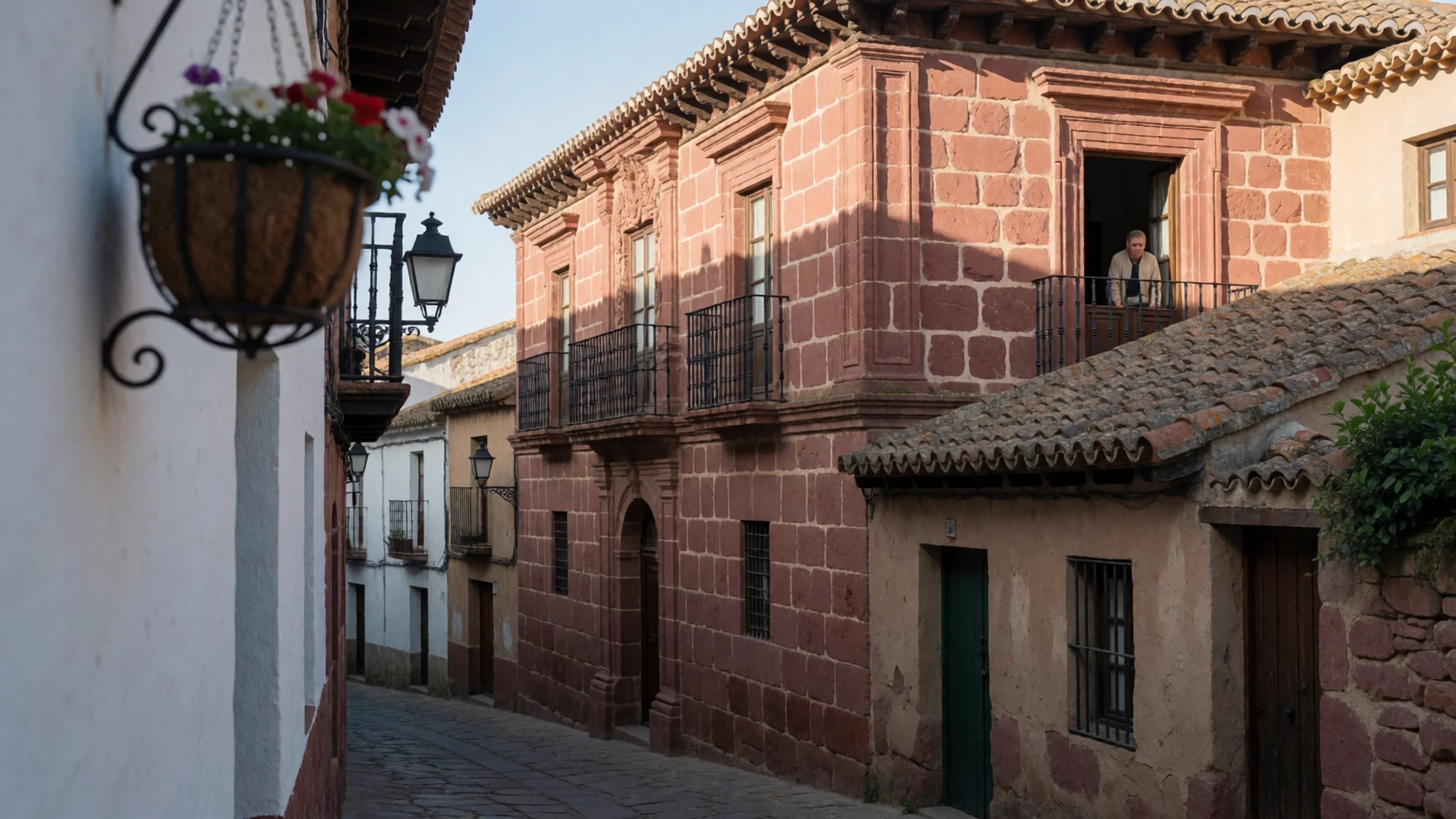
- Discalced Carmelites Convent — Edge of the old town
The convent is one of the religious buildings that give the skyline its variety, and it appears in the reference photographs among the roofs and cliffs. Look at it from the lanes and from the walls, as the angle changes how it sits against the hills.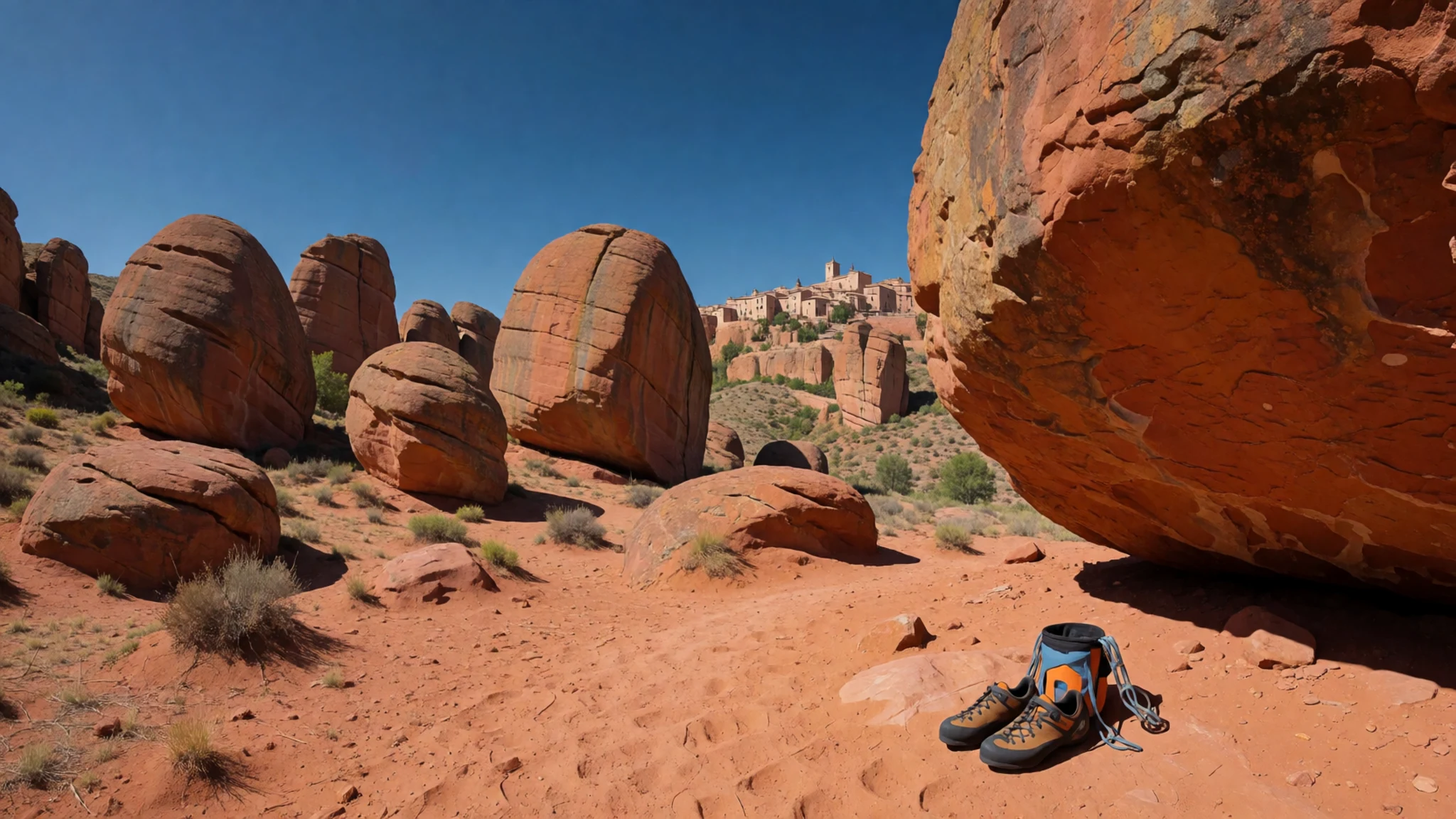
- Lanes and balconies of the old town — Whole old town
The main sight is the town itself: tinted plaster walls, timber balconies and steep, narrow alleys that rise and fall with the rock. There is no set route. Wander uphill, turn back often, and walk it once in morning light and once after the day visitors leave.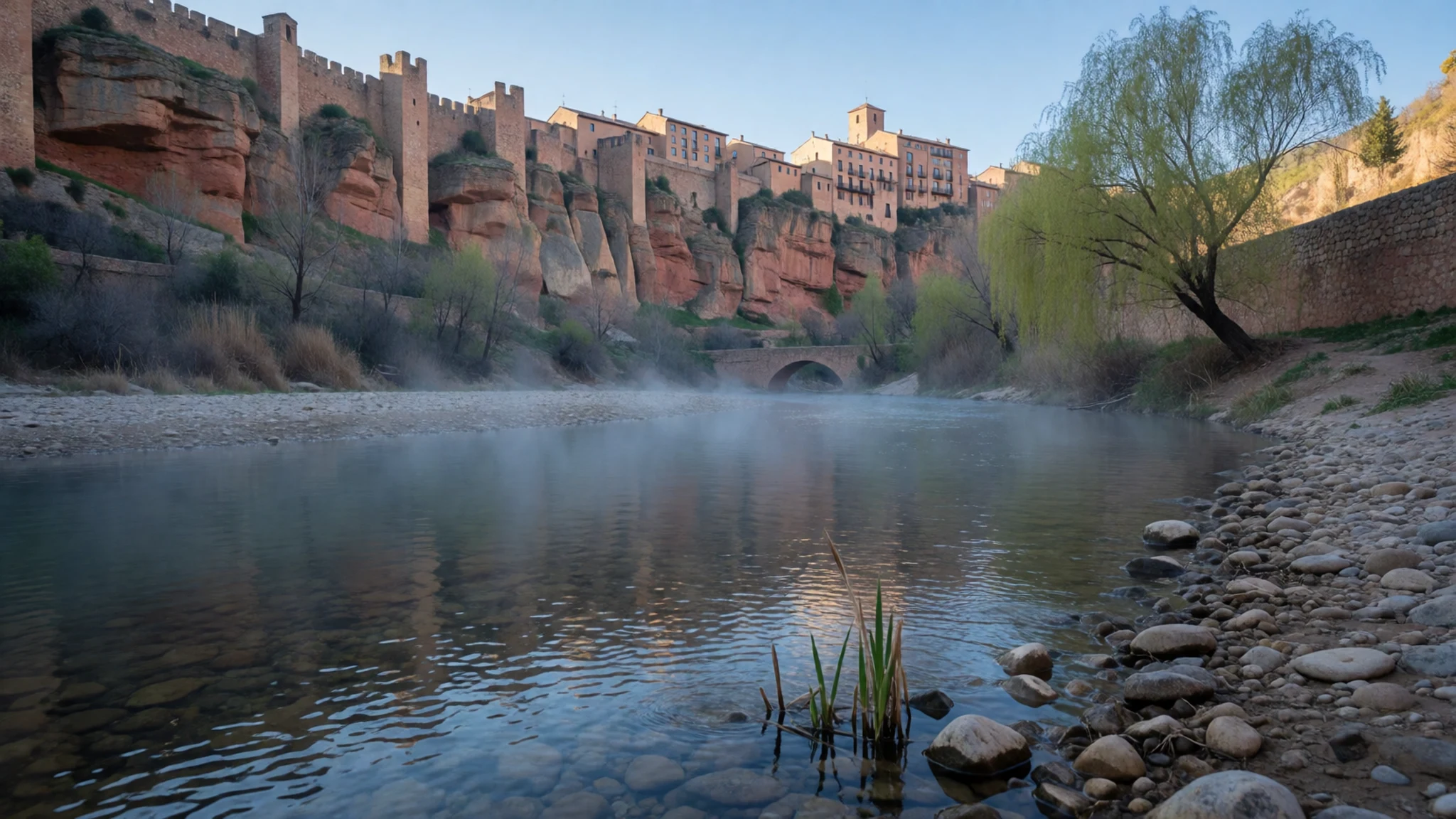
Culture
Albarracín is a place where Spanish, Islamic and Jewish history all left marks in a very small area. The town's name comes from a Berber dynasty, its walls are Moorish, its cathedral and convents are Catholic, and records show a Jewish community living here for centuries until the expulsion of 1492. Few visitors notice all three layers, but the lanes reward anyone who looks for them.
The town's identity today is one of careful preservation. Its monument status dates from 1961, and local people, many of whom live here all year in a small community, take pride in keeping the old streets intact. The Spanish Civil War is also part of living memory in Aragon, and the 1937 siege of the town hall and cathedral is a sensitive subject rather than a tourist story.
Daily life follows the Spanish pattern: a late lunch, a quiet afternoon when some shops close, and an evening stroll when the lanes fill again. In a village of under a thousand people, greetings matter, and a simple buenos días to someone you pass is normal. The surrounding Sierra also means a strong outdoor culture, with climbers, walkers and cyclists as familiar as sightseers.
In this quiet, lived-in town, keep your voice low in the narrow lanes and never walk into private doorways, courtyards or churches during services.
What to wear
Albarracín has no single famous costume that visitors will meet on the street. Like much of rural Aragon, the area has a traditional dress of wool and linen, with waistcoats, sashes and embroidered skirts for festivals. Sheep farming in the Sierra shaped local textiles, and wool remains the natural fabric of this cold, high country. Traditional dress is mostly worn at local festivals and folk events, so ask the town hall about dates rather than expecting it on a normal day.
Everyday clothing is practical and plain. Residents wear layers, fleeces and jackets for the cool mornings and long winters, and sturdy shoes for stone streets. Younger people dress as they would in any Spanish town, while climbers and walkers add outdoor gear.
For a visitor, footwear matters most. The lanes are steep, uneven and sometimes polished smooth by centuries of feet, so wear shoes with good grip rather than flat sandals. At 1,182 metres the evenings are cool even in summer, so bring a warm layer, and a proper coat from late autumn to early spring. A hat and sunscreen help on the exposed walls in the afternoon. For churches and convents, shoulders and knees covered is a sensible default. Rain is possible, and wet stone is slippery, so a light waterproof is worth carrying.
What to eat
- Roast lamb and mountain meats — Traditional restaurants in the old town
Aragon's upland cooking leans on lamb and other roasted meats, suited to cold weather. Ask for the local roast at a traditional restaurant, usually served simply with potatoes. Portions are generous, so share if you are not very hungry.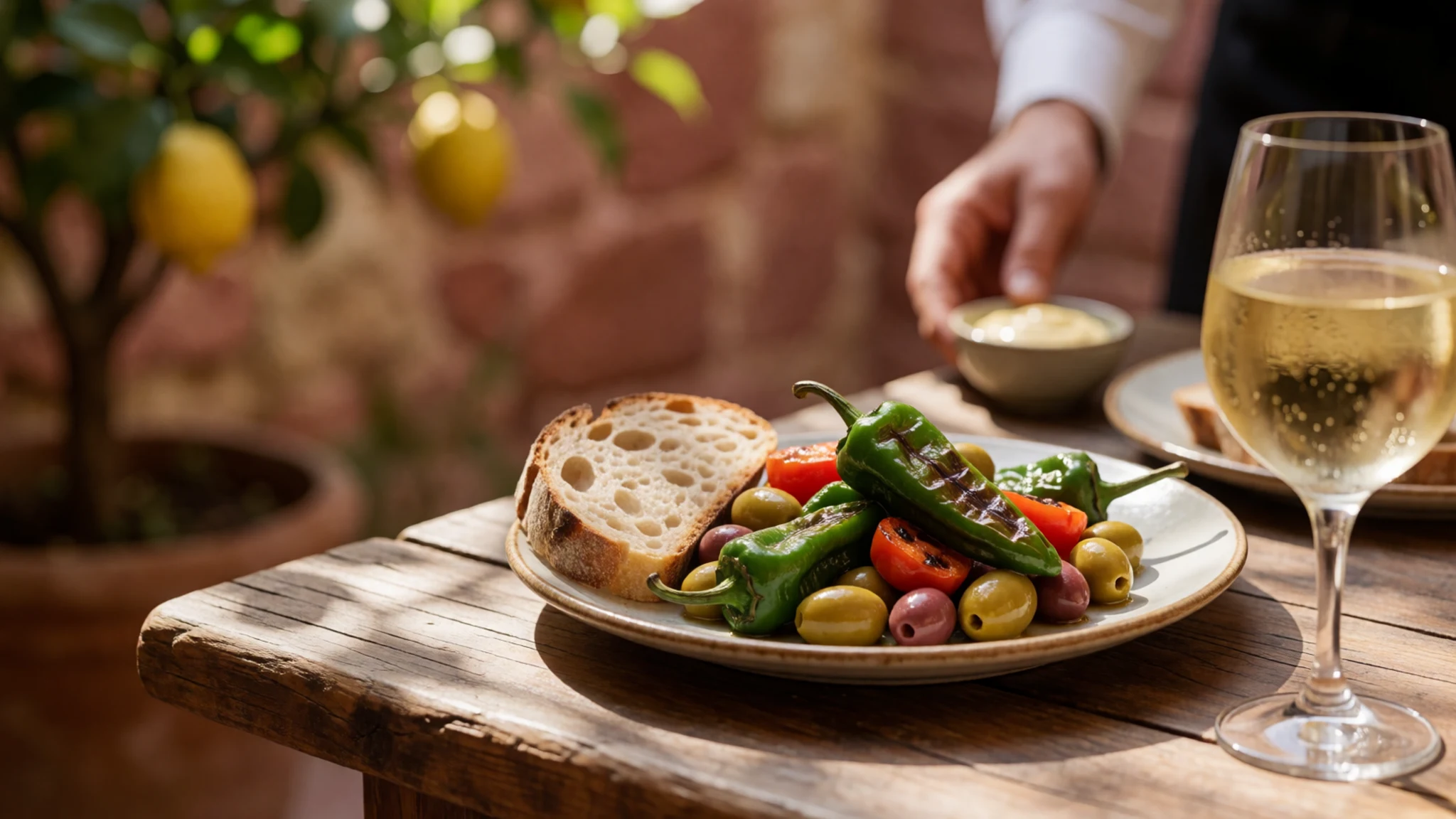
- Cured ham and local sausages — Food shops and bars along the main lanes
Cured ham and sausages are staples across Teruel province and appear on most menus as a starter or tapa. They suit a long, slow lunch and travel well if you want to buy something to take home.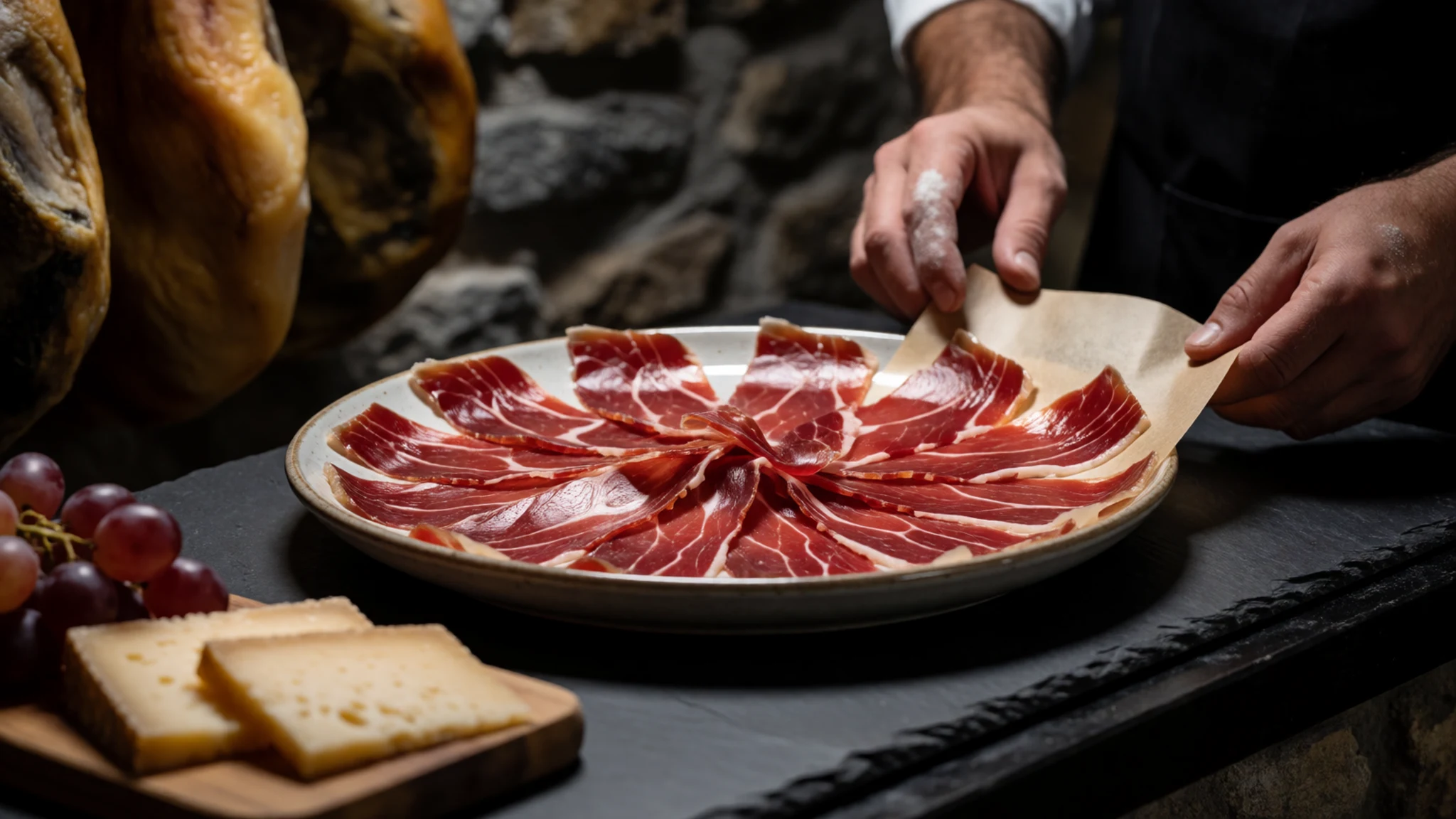
- Migas — Village-style eateries and bars
A rustic dish of fried breadcrumbs, often with garlic and pork, made to use up stale bread. It is hearty mountain food, best on a cold day after a walk in the Sierra. - Vegetarian and vegan plates — Old town, near the cathedral
The town has a vegan and vegetarian restaurant, La Taba, which is useful for visitors who avoid meat in a region where menus are often meat-heavy. Check the current opening days before relying on it. - Local cheese and honey — Small food shops in the old town
Sheep and goat cheeses and mountain honey come from the surrounding Sierra. They are easy to buy as small gifts and work well as a picnic lunch on the walls or by the river.
Plan it
Best time. April to June and September to October, when days are mild and the Sierra is green or golden. Summer is pleasant at this altitude but busy at weekends; winter is cold, with frost and possible snow.
How long. 1–2
Getting there. The nearest big airports are Valencia and Madrid, then a long drive; Teruel is the closest city and the usual base. Public transport to the town is limited, so a hire car is the practical last leg. Check the official site, http://www.albarracin.es, for local information.
Budget. mid
Tips
- Stay overnight to see the town after the day visitors leave
- Arrive early at weekends and in holiday periods, when the lanes get crowded
- Wear grippy shoes for steep, polished stone
- Bring cash for small shops, though cards are common in restaurants
- Carry water and a warm layer, as the altitude makes weather change quickly
Etiquette
- Keep noise down in the narrow lanes, where people live
- Do not enter private courtyards or doorways
- Cover shoulders and knees when visiting churches
Nearby
Sources
- Wikidata Q695488 (CC0)
- Wikipedia: Albarracín (rev 1374586593) (CC BY-SA 4.0)
- Wikivoyage: Albarracín (rev 5316719) (CC BY-SA 4.0)
- Photo 01, Diego Delso (CC BY 3.0)
- Photo 02, Diego Delso (CC BY 3.0)
- Photo 03, Tschubby (CC BY-SA 2.0)
- Photo 04, Diego Delso (CC BY 3.0)
- Photo 05, Diego Delso (CC BY 3.0)
- Photo 06, Diego Delso (CC BY 3.0)
- Photo 07, Diego Delso (CC BY 3.0)
- Photo 08, Diego Delso (CC BY 3.0)


