Mallorca
Mallorca, Spain
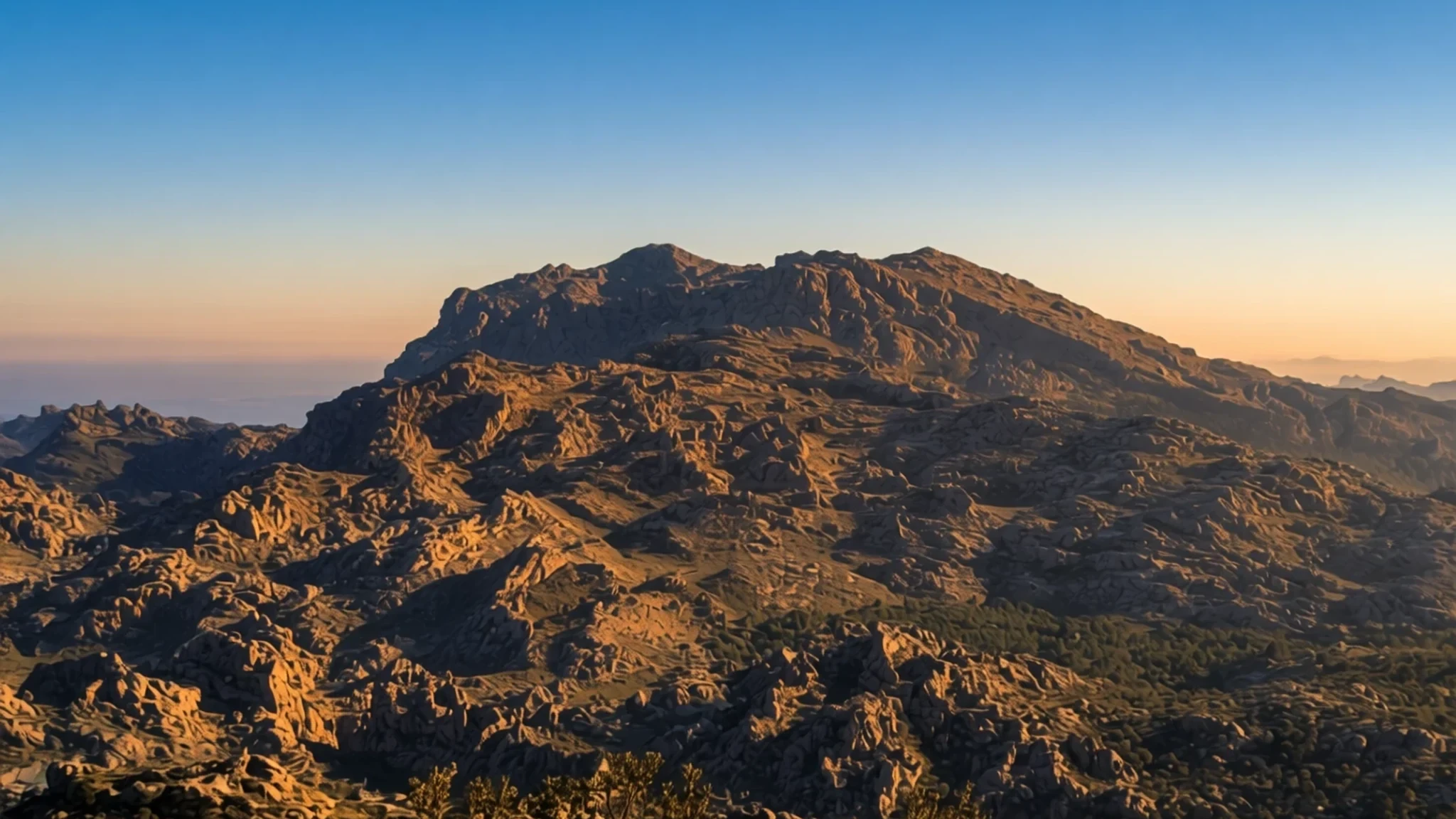
Mallorca combines sun-drenched Mediterranean coastlines, rugged mountain trails, and layered ancient history across Spain's largest island.
The place
Mallorca sits quietly as the largest of Spain's Balearic Islands, positioned within the western basin of the Mediterranean Sea. The capital, Palma, anchors the south-western shore, acting as the administrative heart for nearly a million residents across the territory. Beyond Palma, the island's landscape divides sharply between flat central plains and the steep, limestone ramparts of the Serra de Tramuntana running along the northwest coast. Two smaller neighbours, Cabrera and Dragonera, keep watch off the southern and western shores respectively. Throughout the year, travellers arrive to find a terrain defined by terraced olive groves, secluded rocky coves, and sweeping sandy bays. While coastal areas have drawn holidaymakers from across Europe for decades, the interior retains agricultural villages where local life moves to a traditional rhythm. The climate brings warm, dry summers and mild, wetter winters, making the landscape shift from sun-bleached golden earth in August to vibrant green after autumn rains. From ancient stone towers dotting the hills to Gothic spires rising above narrow lanes, Mallorca remains an island deeply shaped by successive maritime civilisations that left their mark on its architecture, agriculture, and daily culture. Visitors exploring beyond the main resorts discover quiet monasteries, hidden sea caves, and coastal marshes teeming with migratory birds, offering a remarkably diverse Mediterranean ecosystem within a compact geographic footprint.
Its story
Mallorca has accumulated millennia of maritime history, shaped by Carthaginians, Romans, Vandals, Byzantines, and successive Islamic dynasties before its integration into the Crown of Aragon during the thirteenth century. Long before written chronicles, prehistoric communities colonised Mallorca during the third millennium before Christ, bringing the Bell Beaker culture from the Iberian Peninsula and southern France. Their arrival profoundly altered the island's ecology, leading to the rapid disappearance of endemic species such as the dwarf goat-antelope and giant dormouse that had evolved in isolation for millions of years. These early inhabitants raised distinctive Bronze Age megaliths known as talaiots, leaving behind stone towers and walled settlements that still command ridges across the countryside. Centuries later, Roman conquest established cities like Pollentia, followed by medieval fortifications and Islamic irrigation networks that shaped agricultural terraces still farmed today. In the nineteenth century, the island found an unlikely champion in Archduke Ludwig Salvator of Austria, who settled along the wild northern coast, studied its flora and fauna, and catalogued its heritage in a monumental multi-volume survey. This historical layering gives Mallorca a cultural weight far beyond its reputation as a simple sun destination, anchoring every ancient olive tree and stone wall in centuries of human adaptation.
What to see
- Palma Old Town — Palma
Palma old town centres on a grand Gothic cathedral and defensive medieval walls enclosing a labyrinth of narrow, sun-shadowed streets. Historic courtyards, quiet squares, and centuries-old townhouses reveal architectural details from various eras of the city's maritime past.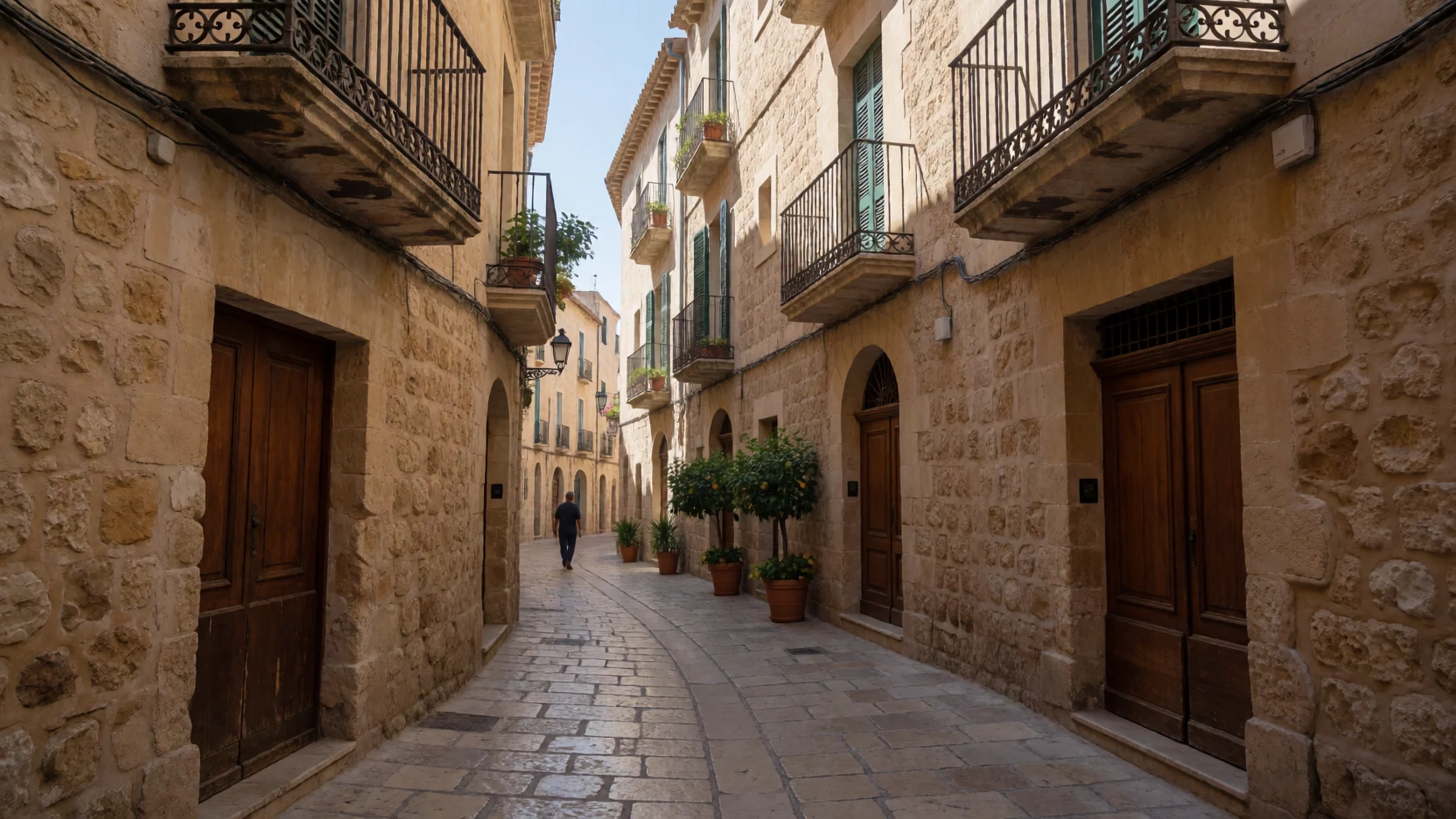
- Valldemossa Charterhouse — Valldemossa
Valldemossa Charterhouse began as a royal residence before transforming into a Carthusian monastery where composer Frédéric Chopin and writer George Sand famously spent a damp winter. The complex preserves quiet monastic cells, antique pharmacy exhibits, and sweeping views over terraced green hillsides.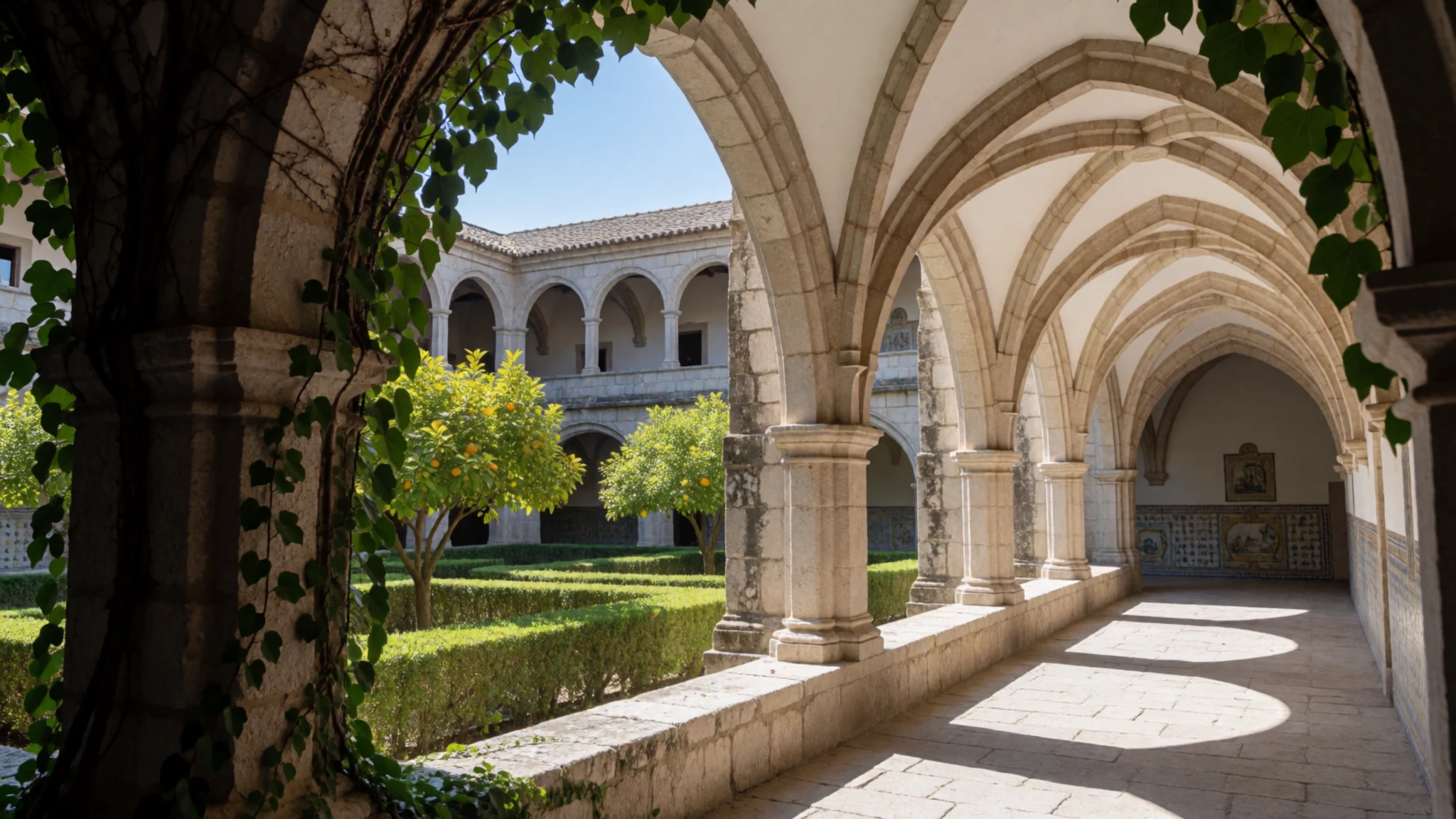
- Capocorb Vell — Llucmajor
Capocorb Vell preserves some of Mallorca's most complete prehistoric talaiot ruins, featuring circular stone towers and Cyclopean foundations built by the island's Bronze Age inhabitants. Walking among these ancient stone remnants offers a tangible link to the earliest human settlements on the island.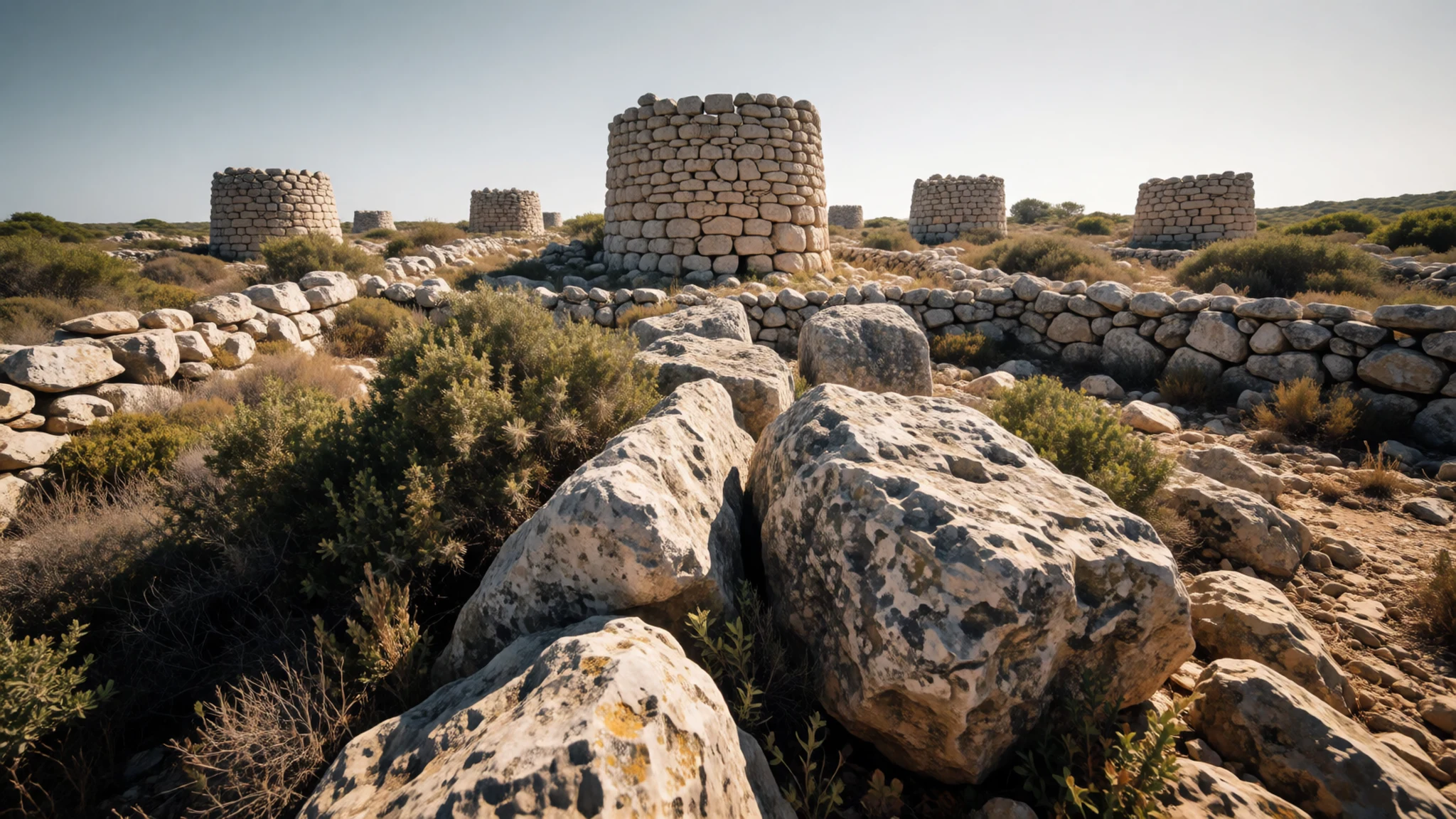
- Serra de Tramuntana — Northwest Mallorca
Serra de Tramuntana forms a rugged limestone mountain spine along the northwest coast, offering steep hiking routes, dramatic sea cliffs, and hairpin cycling roads. The challenging terrain rewards active travellers with panoramic viewpoints over deep blue waters and terraced hillside agriculture.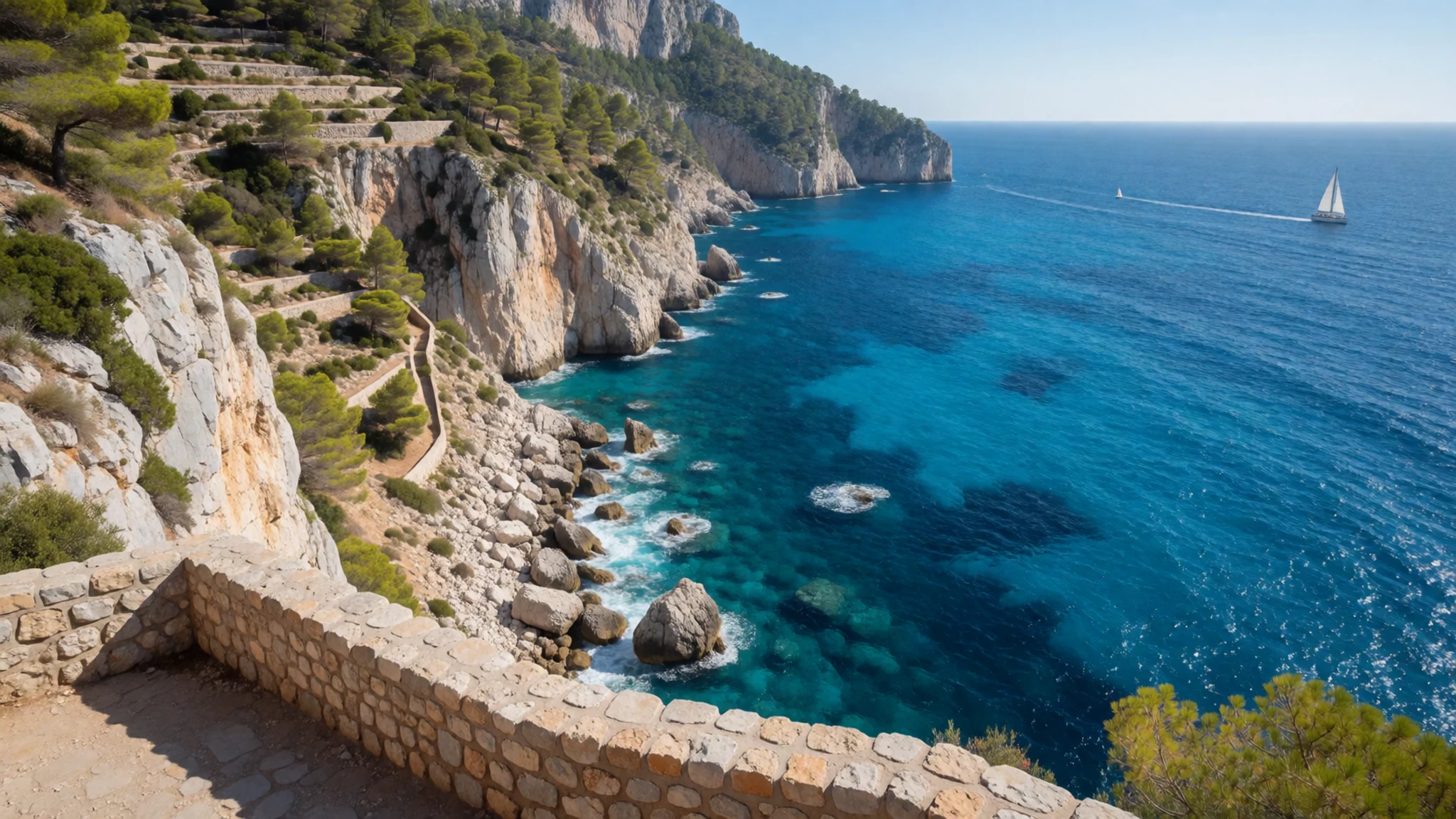
- S'Albufera Natural Park — Alcúdia
S'Albufera protects a vital coastal wetland near Alcúdia, providing an essential sanctuary for numerous migratory bird species and native wildlife. Wooden boardwalks and observation hides allow visitors to explore reed beds, canals, and shallow lagoons without disturbing the delicate natural habitat.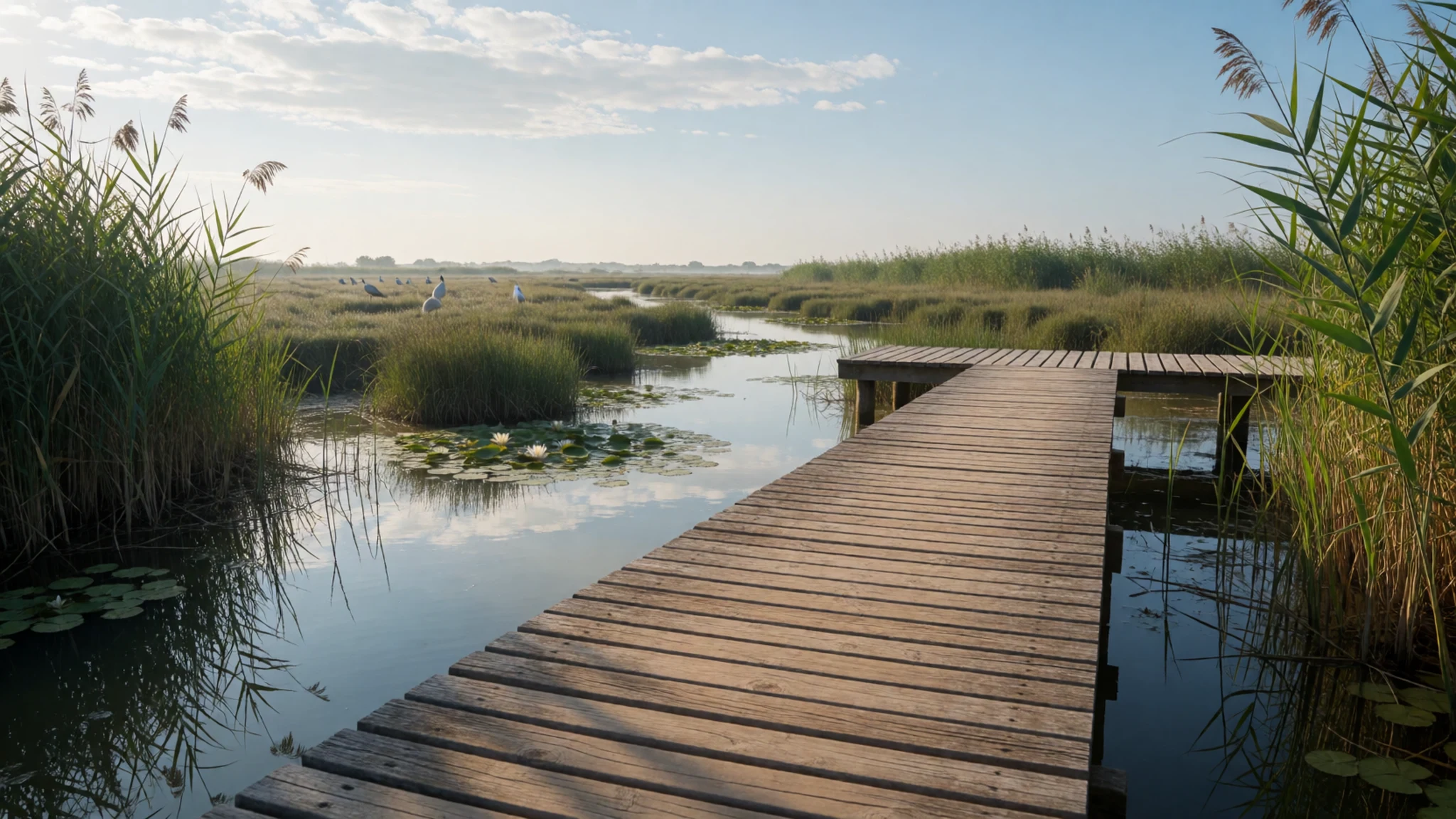
Culture
Mallorcan society maintains a distinct identity rooted in its Mediterranean insularity, agricultural traditions, and linguistic heritage. Catalan is spoken widely alongside Spanish, appearing on street signs and in daily conversation across towns and villages. The island's cultural landscape was deeply influenced by figures like Archduke Ludwig Salvator, whose nineteenth-century conservation efforts fostered an early appreciation for the natural beauty and folklore of the Balearics. Traditional festivals, seasonal agricultural fairs, and community gatherings still follow the agrarian calendar, celebrating olive harvests, local wines, and artisanal crafts. Hospitality is warm but understated, reflecting a culture that values neighbourly respect and quiet dignity over loud ostentation. Visitors will find that locals appreciate attempts to speak basic Catalan or Spanish when entering shops or asking for directions. When entering churches, monasteries, or rural sanctuaries, dress modestly and keep voices low out of respect for active places of worship and local tradition.
What to wear
Traditional Mallorcan dress, historically worn during folk dances and rural festivals, featured sturdy linen and wool fabrics suited to an agrarian lifestyle, with embroidered bodices, aprons, and headscarves reflecting regional craftsmanship. Today, locals on the island dress in contemporary, climate-conscious European styles, favouring lightweight linens, cottons, and comfortable footwear suited to warm Mediterranean summers and mild winters. For travellers, the wardrobe should adapt to the activity and setting: light, breathable layers work best for exploring towns and beaches, while sturdy walking shoes or trainers are essential for tackling uneven cobblestones in Palma or rugged trails in the Tramuntana mountains. Modest attire—covering shoulders and knees—is expected when visiting rural churches, monasteries, and sacred sites across the island. Swimwear is strictly reserved for beaches and coastal promenades, never for wandering through residential town centres or dining in local eateries.
What to eat
- Pa amb Oli — Any traditional bakery or neighbourhood bar
A foundational Mallorcan staple consisting of rustic country bread rubbed with fresh tomato and drizzled generously with local olive oil, often topped with local cheese or tuna.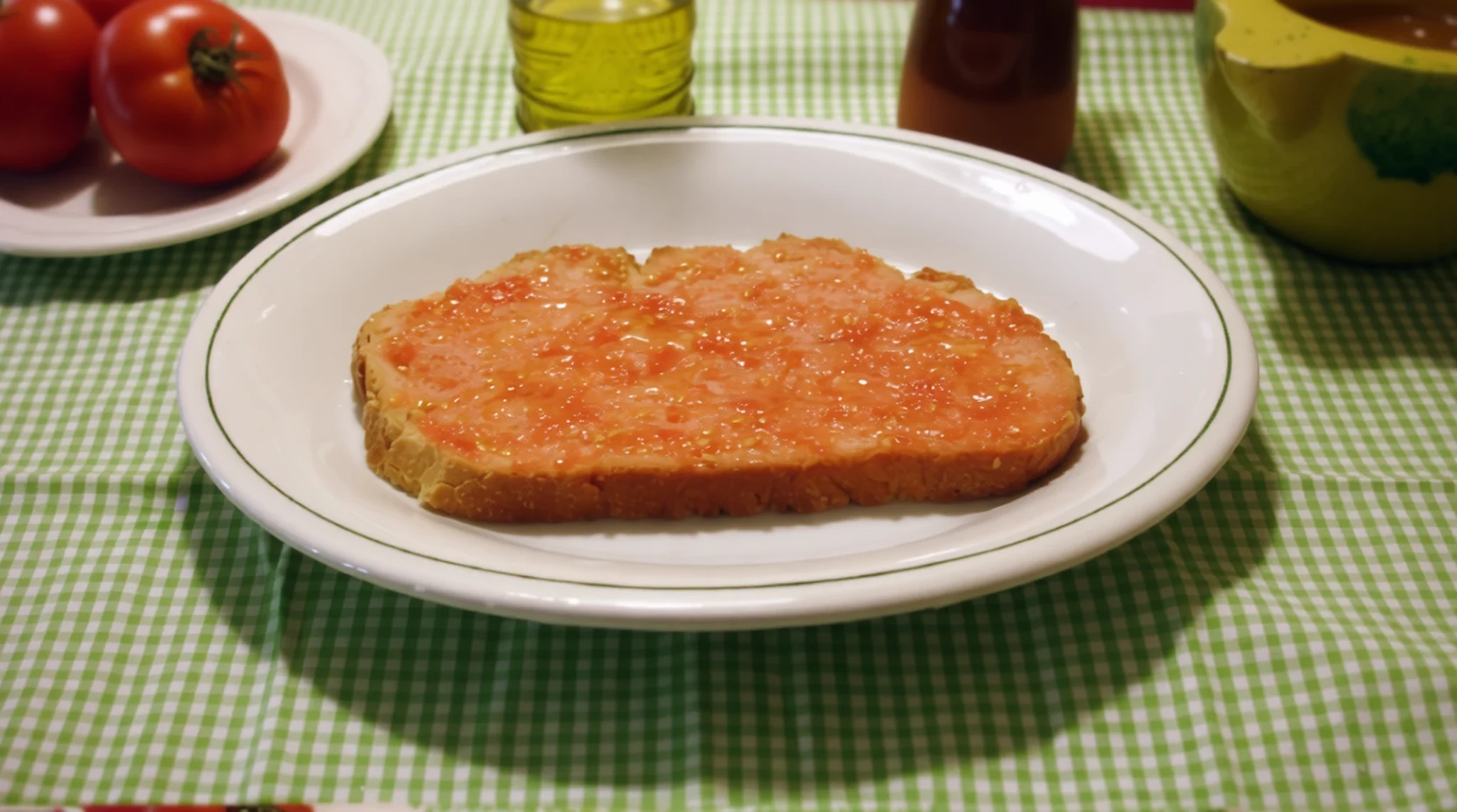
- Frit Mallorquí — Local village taverns and rustic eateries
A traditional pan-fried dish combining diced meat, potatoes, peppers, and garlic, prepared using time-honoured rural recipes passed down through generations.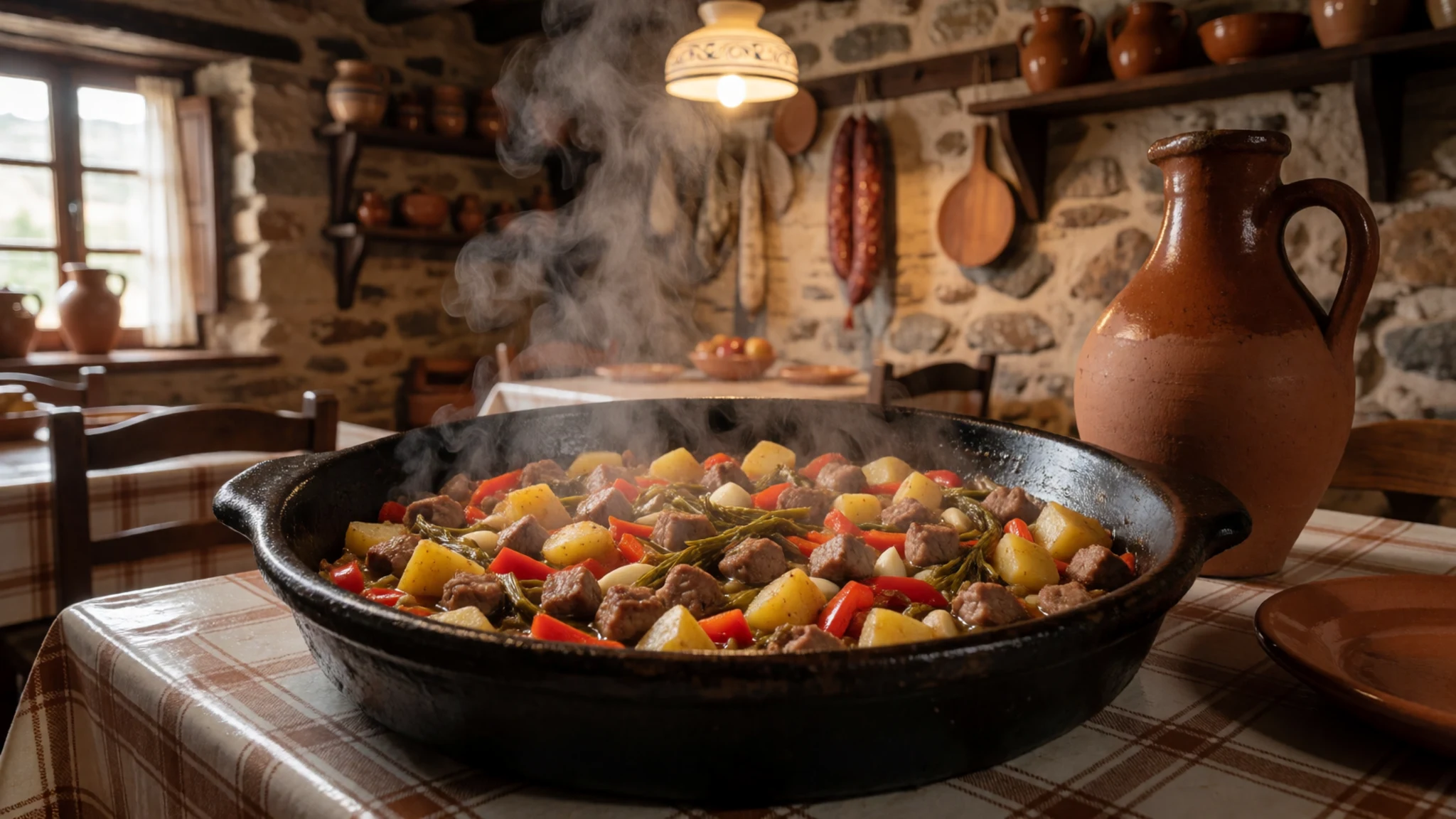
- Sopes Mallorquines — Traditional family-run country restaurants
A hearty, simple home-style broth loaded with thin slices of bread, seasonal garden vegetables, and occasionally wild mushrooms or meat depending on the harvest. - Sobrassada — Local food markets and artisan delicatessens
A cured, spreadable raw pork sausage seasoned with paprika and spices, enjoyed spread on crusty bread or used to enrich warm dishes. - Ensaïmada — Historic pastry shops and bakeries across Palma
An iconic breakfast pastry made from sweet, spiral-shaped laminated dough containing pork fat, dusted with powdered sugar and traditionally dipped in hot chocolate.
Plan it
Best time. April and May offer pleasant temperatures and manageable crowds, avoiding the intense summer heat of July and August and the wetter autumn storms.
How long. 4–5
Getting there. Arrive at Palma de Mallorca Airport (PMI) with frequent flights from mainland Spain and major European cities, then take local buses or a rental car into the city.
Budget. mid
Tips
- Rent a small car to navigate narrow village lanes and mountain roads easily
- Book popular sites like Valldemossa ahead during peak holiday seasons
- Carry cash for small rural markets and family-run bakeries
- Start mountain hikes early in the morning to avoid afternoon heat
- Tap water is safe to drink across the island, though it often tastes flat and lukewarm because it is desalinated.
Etiquette
- Dress modestly when entering churches, monasteries, and sacred sanctuaries
- Greet shopkeepers with a polite local greeting before asking for assistance
- Keep noise levels low in residential neighbourhoods and rural villages
Nearby
Sources
- Wikidata Q8828 (CC0)
- Wikipedia (rev 1381048454) (CC BY-SA 4.0)
- Wikivoyage (rev 5327510) (CC BY-SA 4.0)