Alicante
Alicante, Spain
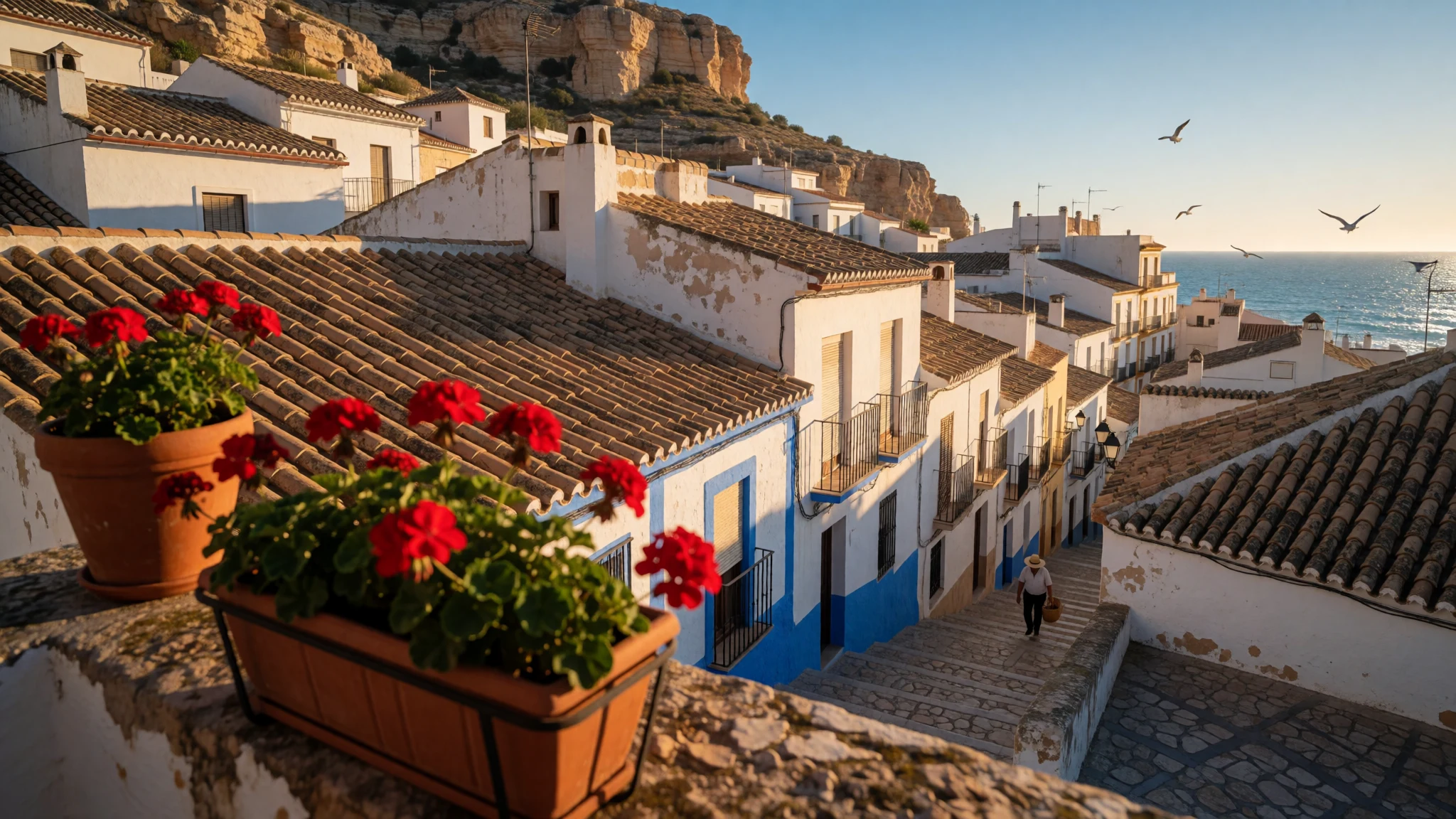
Alicante pairs ancient Mediterranean fortress walls with sunlit plazas, bustling urban beaches, and a vibrant regional food scene.
The place
Alicante, known locally in Valencian as Alacant, sits in the southeast of the Iberian Peninsula directly on the shores of the Mediterranean Sea. Home to a population of about 366,000 people, it serves as the capital of its namesake province and functions as a vital historical port for the region. The city rests on a largely flat coastal shelf, though this low terrain is punctuated by distinctive orographic features including the Cabo de la Huerta, the Serra Grossa, the Tossal, and the imposing Benacantil hill that rises directly behind the harbour. Because the municipality lies within an arid territory, it lacks any meaningful permanent water streams, relying instead on intermittent ramblas and ancient drainage patterns. To the northeast, historical marshlands such as l'Albufereta once defined the local geography before being drained to accommodate urban expansion. Beyond the immediate municipal core, the area includes inland exclaves reaching towards rugged mountain terrain. The city acts as the anchor for a wider coastal conurbation, yet retains its own distinct maritime rhythm where the sea breeze mixes with the warmth of the Valencian sun. Visitors walking the palm-lined esplanades find a place where daily life revolves around outdoor terraces, busy markets, and the steady hum of coastal traffic moving between the port and the surrounding hills.
Its story
The human story of Alicante stretches back over seven millennia, beginning when early hunter-gatherer tribes gradually moved down from Central Europe to settle on the sheltered slopes of Mount Benacantil. By the time Greek and Phoenician traders arrived along the eastern coast to establish small trading posts, they introduced local Iberian communities to ironworking, pottery wheels, and the alphabet. In the mid-230s BCE, the Carthaginian general Hamilcar Barca founded the fortified settlement of Akra Leuké, meaning white mountain or white point, which is generally believed to occupy the site of the modern city. Although Carthaginian influence was significant, Roman rule eventually took hold as part of Hispania Tarraconensis, transforming the settlement into Lucentum. As the Roman Empire receded by the fifth century, control shifted to Visigothic rulers such as the warlord Theudimer. This era gave way at the beginning of the eighth century to Arab rule, transforming the settlement into Medina Laqant. Islamic governance shaped the region for centuries until the Christian Reconquest in the thirteenth century brought the territory into the Kingdom of Valencia. Throughout these shifts, the natural harbour beneath the fortress remained a coveted prize for merchants and rulers alike, leaving behind a complex archaeological record that bridges ancient Mediterranean civilisations with modern Spanish life.
What to see
- Castell de la Santa Bàrbara — Mount Benacantil summit
Perched on top of Mount Benacantil, this expansive medieval fortress was established by Muslims and offers sweeping views across the town and harbour below. - Basílica de Santa Maria — Old Town
Built on the remains of an old Moorish mosque, construction on this striking church began in the fourteenth century and finished in the sixteenth, blending Gothic and Baroque elements. - Lucentum Archaeological Site — Tossal de Manises
Spanning over 7 acres, this important excavation reveals the remains of the original Roman city that eventually evolved into modern Alicante. - Museu de la Ciutat d'Alacant — Mount Benacantil
Housed within historic fortifications, this municipal museum displays a rich collection of archaeological finds recovered from excavations across the city and surrounding region.
Culture
Alicante pulses with a social energy shaped by its large student population, busy port life, and deep-rooted festival traditions. The cultural calendar peaks during the summer solstice with the Bonfires of Saint John, known locally as Hogueras de San Juan or Fogueres de Sant Joan. This celebration fills the streets with artistic monuments before culminating a week later in spectacular nightly firework and pyrotechnic competitions staged over the urban sands of Playa del Postiguet. Other notable traditions include the historic Moors and Christians pageants held in neighbourhoods like Altozano and San Blas. Music, theatre, and dance fill the Paseo del Puerto throughout the summer months, while evening social life spills naturally onto café terraces and plazas. When July and August bring intense heat, the local social scene migrates towards the coast at Playa de San Juan. Keep your voice down when entering residential neighbourhood churches during services.
What to wear
Traditional dress in Alicante is preserved primarily during historical pageants and regional festivals such as Hogueras and Moors and Christians, where participants wear elaborate, historically inspired Valencian garments crafted from rich silks, velvets, and intricate lace, often accompanied by traditional headdresses and embroidered shawls. In daily life, locals dress in a contemporary Mediterranean style that balances comfort with neatness. Lightweight cottons, linens, and breathable synthetics dominate the wardrobe during the long, warm months, while denim, light jackets, and knitwear suffice for cooler winter evenings. Visitors will find that casual wear is widely accepted for daytime sightseeing along the marina and beaches, but smart-casual attire is preferred when dining out in the evening or visiting cultural sites. Comfortable walking shoes are essential for navigating the steep, uneven stone paths leading up to the castle and the historic old quarter, while sun hats and sunglasses remain indispensable accessories for combating the strong coastal glare.
What to eat
- Slaughter rice — Traditional eateries around the historic centre
A rich, savoury regional rice dish prepared with high-quality meats, capturing the robust traditional flavours of inland Valencian cooking. - Assorted tapas — Tapas bars near the central market
A classic Spanish spread featuring freshly prepared bite-sized delicacies, local cheeses, and expertly cured jamón that melts on the tongue. - Montaditos — Casual sandwich bars across the city
Quick, satisfying small baguettes served with an endless variety of savoury fillings, perfect for a fast midday meal. - Tasca salad — Neighbourhood taverns in the old town
A crisp, refreshing local salad combining fresh regional vegetables with high-quality cured meats and olive oil dressings.
Plan it
Best time. March to May and October to November offer pleasant mild temperatures ideal for exploring, while July and August bring hot summer weather and peak crowds.
How long. 2–3
Getting there. Fly into Alicante-Elche Miguel Hernández Airport, then take the 24/7 C6 city bus from departure level +2 for a direct ride into the city centre.
Budget. mid
Tips
- Take the C6 bus from terminal level +2 rather than the charter bus level
- Wear sturdy footwear when walking up the steep paths to the castle
- Book table reservations in advance if visiting popular tapas bars on weekend evenings
- Carry some cash for small purchases at local markets
Etiquette
- Greet shopkeepers and hosts with a polite 'hola' when entering local establishments
- Keep noise levels respectful when visiting historic churches or residential quarters
Nearby
Sources
- Wikidata Q11959 (CC0)
- Wikipedia (Alicante) (CC BY-SA 4.0)
- Wikivoyage (Alicante) (CC BY-SA 4.0)
- Photo 1 (CC BY 3.0)
- Photo 2 (Public domain)
- Photo 3 (Public domain)
- Photo 4 (Public domain)
- Photo 5 (CC BY 3.0)
- Photo 6 (CC BY 3.0)


