Cabañeros National Park
Cabañeros National Park, Spain
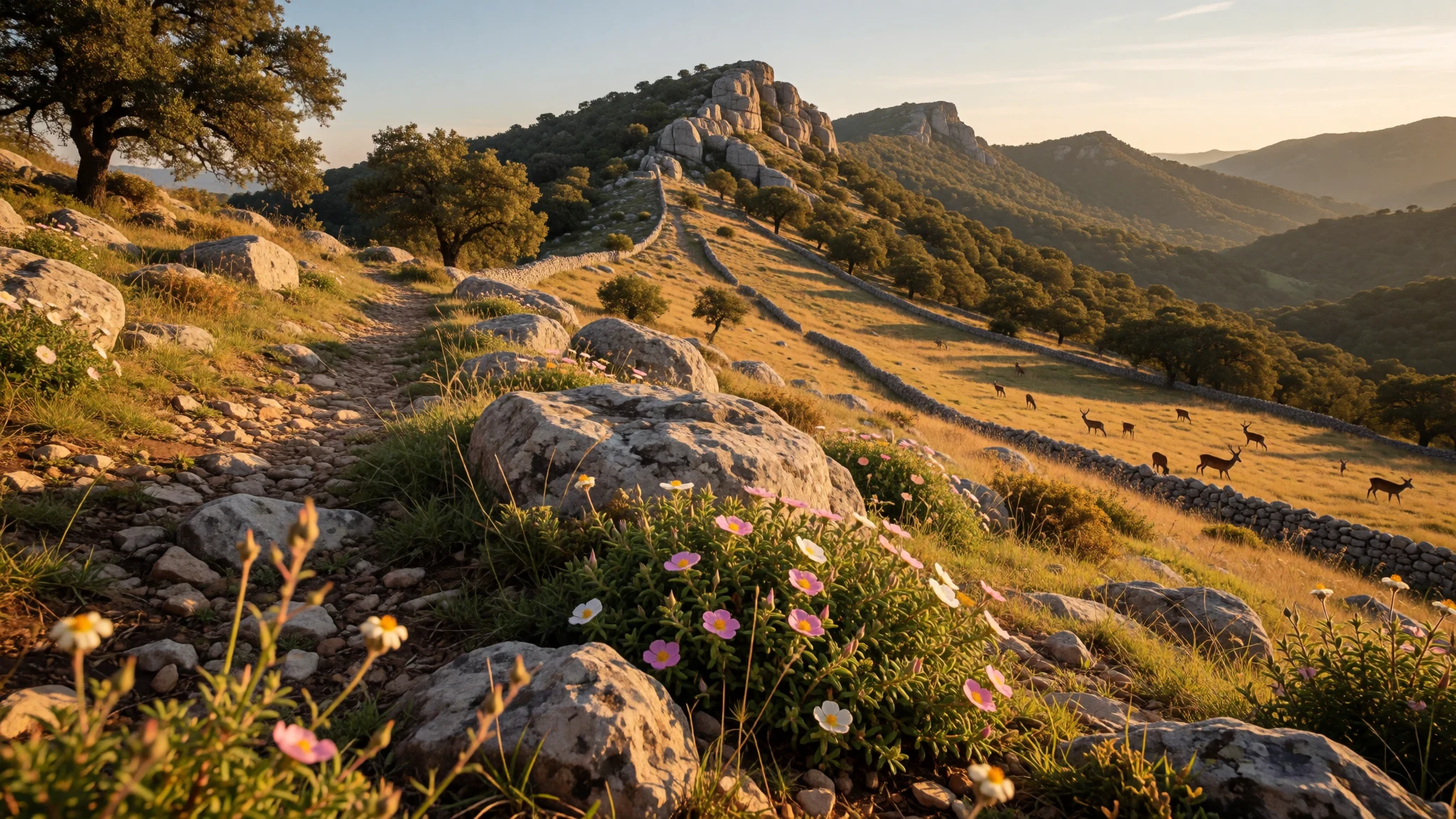
Cabañeros is a wild pocket of Mediterranean forest where geology, trails and wildlife come together without big-city crowds.
The place
Cabañeros National Park (Parque Nacional de Cabañeros) sits in Spain’s Montes de Toledo, straddling two provinces: the north-west of Ciudad Real and the south-west of Toledo. The landscape alternates between river valleys and rocky ranges, with the park lying between the Estena and Bullaque rivers and reaching into the Chorito and Miraflores mountain ranges. It was designated in 1995 and covers 390 square kilometres, so it feels substantial, yet still manageable by car and foot.
What makes Cabañeros different is the mix of life and stone. The park is often talked about for its surviving Iberian Mediterranean forest, including a wide variety of plant species, but it’s also notable for geological interest. In parts of the area around towns such as Navas de Estena, visitors can look for very ancient fossils, linked to a time when this territory was sea. The terrain is shaped largely by quartzite, with slate showing up in places as well.
For travellers, the appeal is practical: there are marked trails and viewpoints, plus visitor facilities that help with route planning. The stork observatory and short nature walks suit early starts, while longer hikes work well when the heat eases. Wildlife viewing is the main draw, but it’s the quiet rhythm—walking under scattered trees, hearing water over stones, and noticing rock textures—that sticks.
Expect something more rustic than polished: services cluster in nearby villages, and some road time is part of the experience. In peak holiday weeks, the popular trailheads and viewpoints can feel busier, but the park’s size generally keeps the sense of space.
Its story
Cabañeros National Park has a history that mirrors the wider story of land in central Spain: protected on paper, used by people in reality, and always shaped by the politics of the moment. The park was created in 1995, but long before that, the area’s fate was tied to how Toledo’s territory was controlled across the centuries. Like many Spanish landscapes, it didn’t become “wild” all at once—it was managed, divided, and reinterpreted.
A big turning point came with shifts in land ownership and land use. After plans to convert the area into a shooting range raised concerns in the early 1980s, the conversation around conservation and regulation became louder. Hunting bans exist in theory for national parks, but the reality is more complicated: some hunting has been allowed for “population control”, aimed at balancing ecosystems rather than recreation. Even if you don’t come for history, the lingering trace of these debates is part of the park’s atmosphere—this is a protected area, but it is also a working landscape.
On the ground, that complexity pairs with the park’s natural character. Cabañeros is described as a stronghold for Iberian Mediterranean forest, and it’s the kind of place where plant variety matters because it supports the animals that draw people in. Alongside the living world, the geology adds another layer: rocks and fossil-bearing sites connect today’s walking routes to deep time, including Ordovician-aged deposits associated with a prehistoric sea.
When visits are planned well, the reward is a full-day sense of immersion: trails that begin at visitor points, quiet drives between villages and entrances, and moments where wildlife seems to appear exactly when attention slows down. Cabañeros doesn’t shout. It rewards patience.
What to see
- Centro de visitantes Casa Palillos — Navas de Estena / park entrances
Centro de visitantes Casa Palillos is the best starting point for practical info, route ideas and orientation before heading into Cabañeros. It’s also a good place to get a feel for the park’s wildlife focus, so the first walk reads like a guided story rather than random scenery.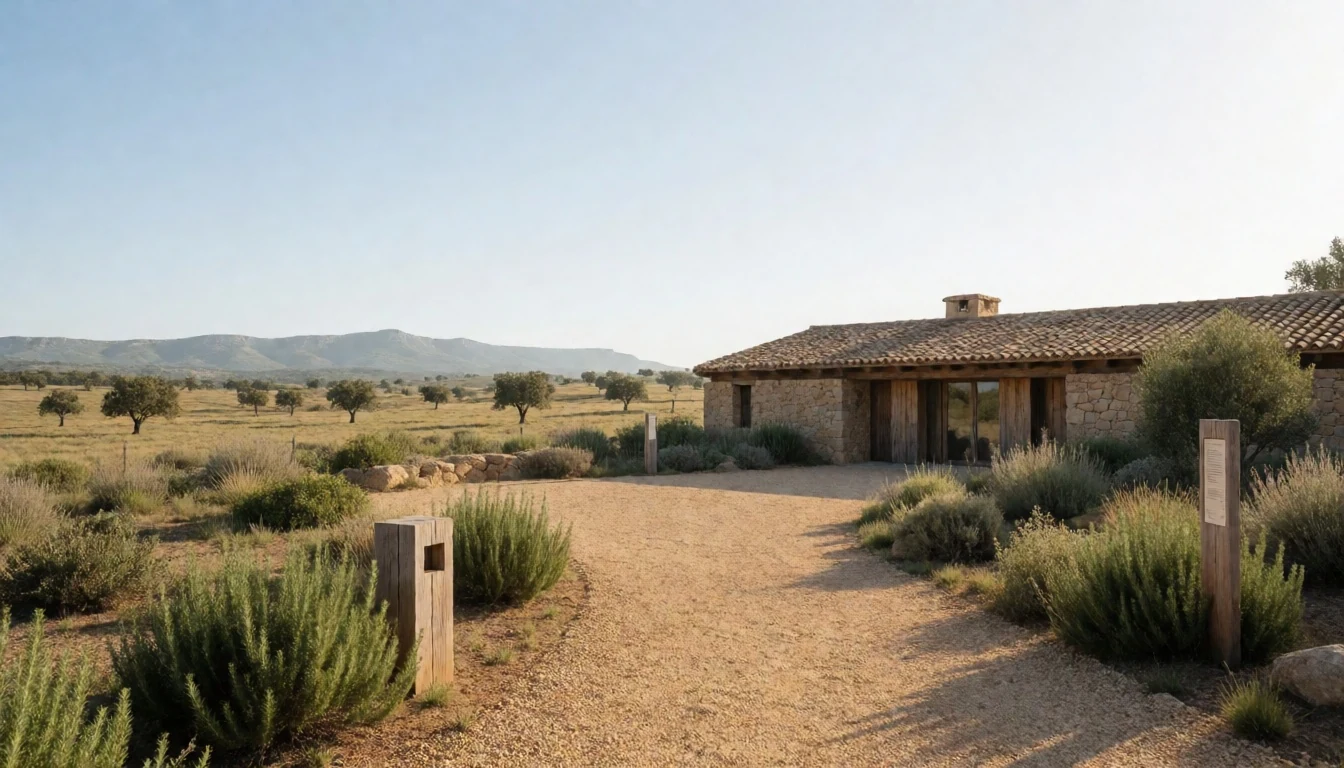
- Stork Observatory (mirador) — southern boundary / plains
The Stork Observatory sits at the park’s southern boundary, looking over open plains. Wooden-built and purpose-made for watching, it’s the kind of stop that works whether the day is hazy or crisp. Depending on season, you may also spot deer-like movements near oak and holm oak trees.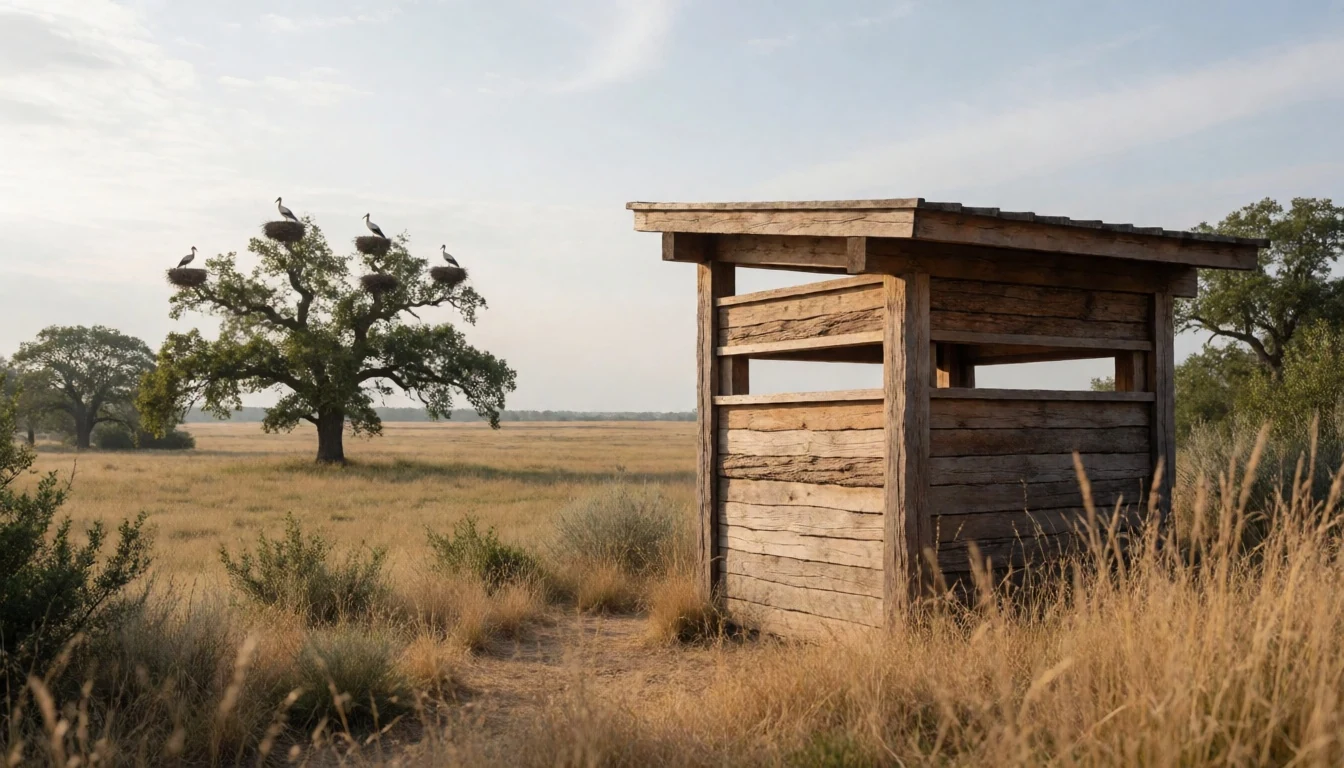
- Museo de la Fauna de Cabañeros — near main visitor services
Museo de la Fauna de Cabañeros is a small municipal museum that helps you understand what you’re likely to see in the park. It combines visitor information with exhibitions focused on the local wildlife, so it’s a useful stop when weather doesn’t cooperate or before a longer hike.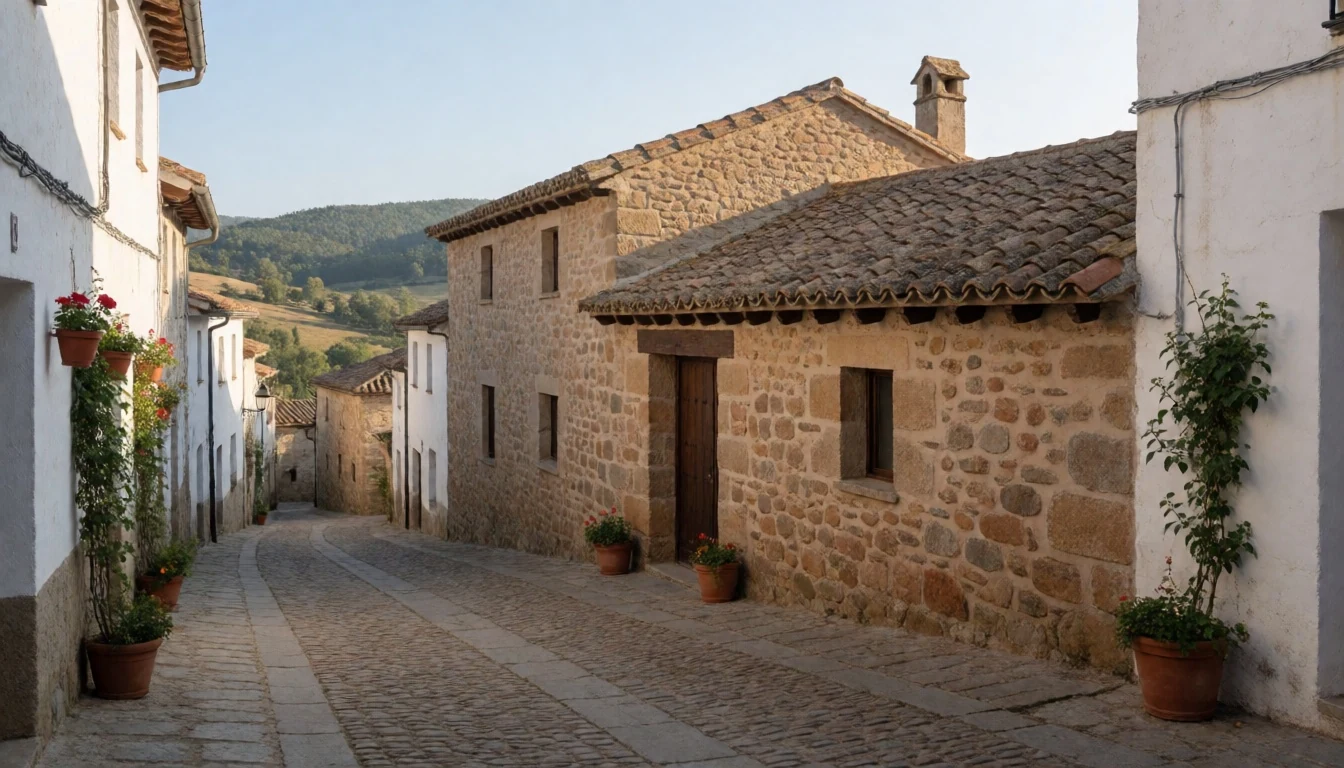
- Tabla del Acebo recreational area — Navas de Estena area
Tabla del Acebo is a straightforward recreational area with parking and picnic tables. It’s useful as a base for a relaxed break, especially if the plan is a shorter leg of trail before returning to the entrances. Expect a simple, functional setup rather than facilities you’d see in a big resort.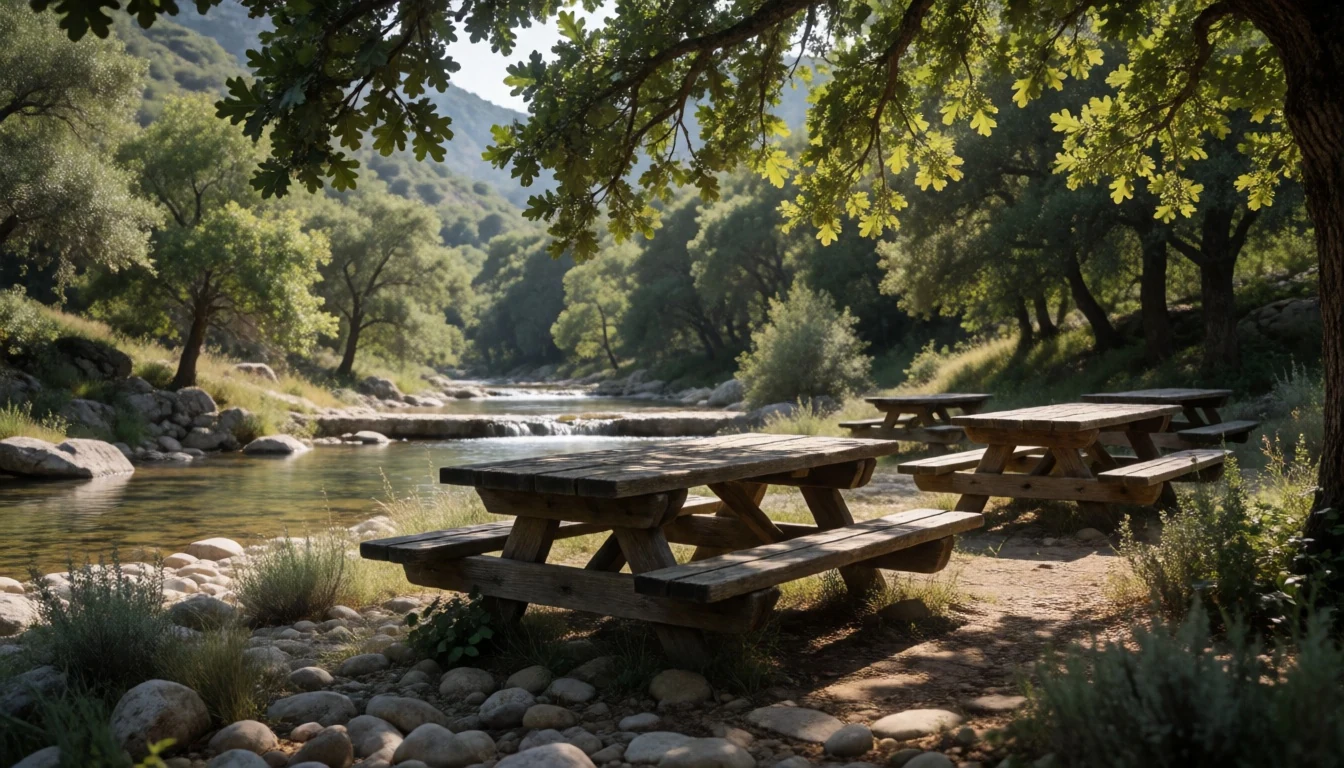
- Senda de la torre de Abreham — Abreham / woodland routes
Senda de la torre de Abreham is a short, scenic walk aimed at getting views without committing to a long hike. It’s a good option for a first day when legs are fresh, and it also suits travellers who want a straightforward route with clear timing and minimal guesswork.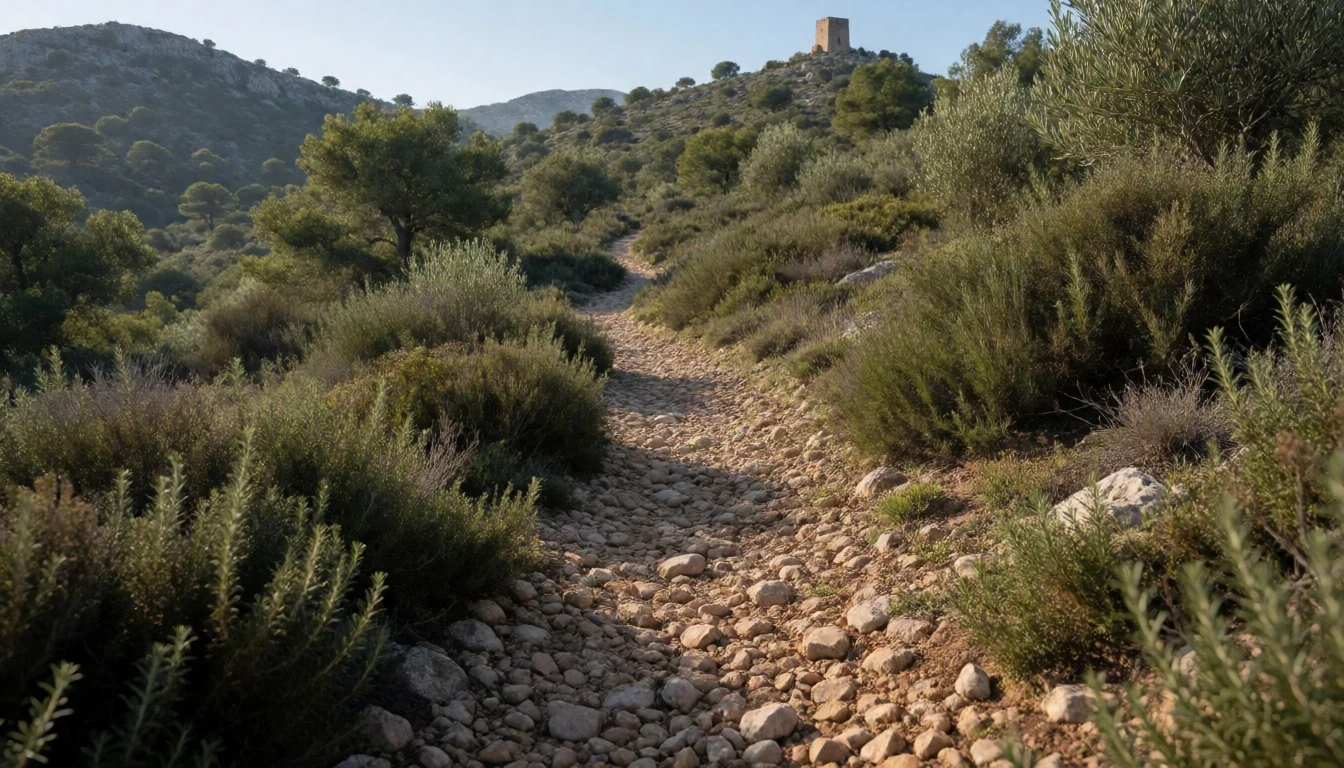
Culture
Cabañeros National Park is set in small towns and quiet countryside, where “how you behave outside” is part of conservation. Trails and viewpoints are shaped for people on foot, and the park’s focus on wildlife means the simplest rules—move steadily, keep noise down, and stay on the route—matter more here than in a busy city attraction.
Seasonal timing changes how the landscape feels. In hot periods, the midday sun makes shaded walking precious, so early starts are typically more comfortable. In cooler months, the forest and rocky edges are easier to explore for longer stretches, and wildlife sightings can feel less sporadic simply because you’re out when animals are active.
Because most food, drink and accommodation are outside the park, planning matters: pick up supplies in nearby villages and avoid leaving essentials to the last minute. If a route starts at an entrance or visitor point, it’s best to treat that as a real “start line” rather than a casual detour.
Above all, remember that Cabañeros is a living habitat. Don’t trample vegetation for a better photo, and if you see wildlife, give it space and let it move on its own. Visitor behaviour directly affects whether animals stay visible.
Keep to marked paths, keep voices low near wildlife, and take litter with you—leave the park looking exactly as it does when you arrive.
What to wear
In Cabañeros, clothing is mainly about temperature swings and terrain. The park sits in the Montes de Toledo, with Mediterranean-forest hiking that can mean dusty tracks, rocky edges and long sun exposure on clear days. Even in cooler months, layers help because shade can feel chilly once the wind picks up.
Traditional dress isn’t a big day-to-day feature of the park, but the surrounding Castilla–La Mancha region has its own rural clothing culture. Visitors may see regional textile traditions at local events: sturdy fabrics suited to outdoor life, and practical footwear rather than anything delicate. For most travellers, this “traditional” logic translates into the modern version: wear what stays comfortable when walking for hours.
What people actually wear now is typically everyday casual—trail trainers, a T-shirt or light long-sleeve, and a wind layer for mornings and evenings. For visitors, bring a hat and sunscreen in warm seasons, and a light waterproof in wetter periods because conditions can change quickly.
For modesty and respect, dress like it’s countryside Spain: avoid overly revealing outfits at any visitor centre or village religious stop, and keep a spare layer if planning to cover shoulders or knees. Best choice footwear is closed shoes with grip; sandals don’t match the rocky, uneven terrain.
What to eat
- Manchego-style mountain porridge — village restaurants and rural houses in Los Navalucillos / Horcajo de los Montes / Navas de Estena
Manchego-mountain porridge is the kind of hearty dish that fits the cooler feel of hiking days. Look for it in village eateries and rural houses around entrances such as Navas de Estena and nearby towns.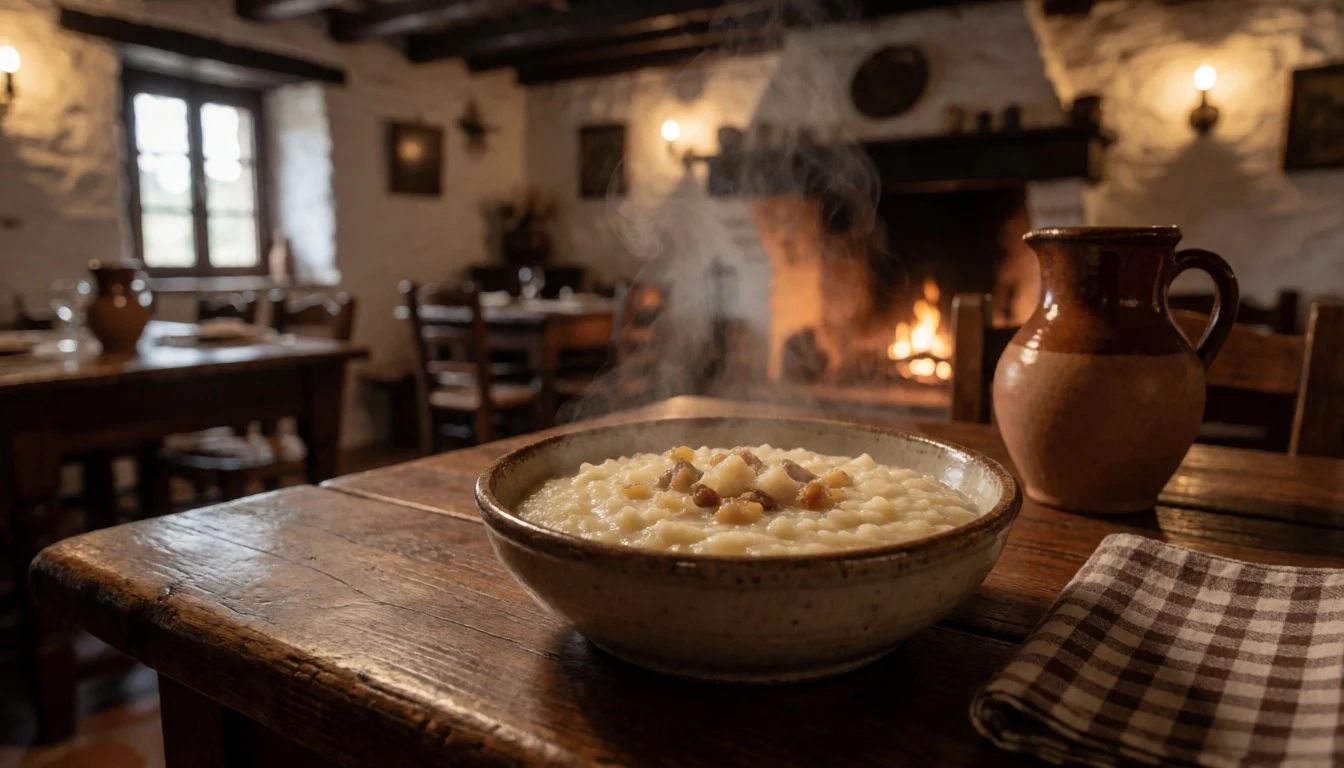
- Migas — local restaurants in the nearby villages outside the park
Migas are bread-based crumbs often served with savoury add-ons, a classic “comfort after walking” option in rural Spain. They’re commonly found on menus in the area’s small-town restaurants rather than inside the park itself.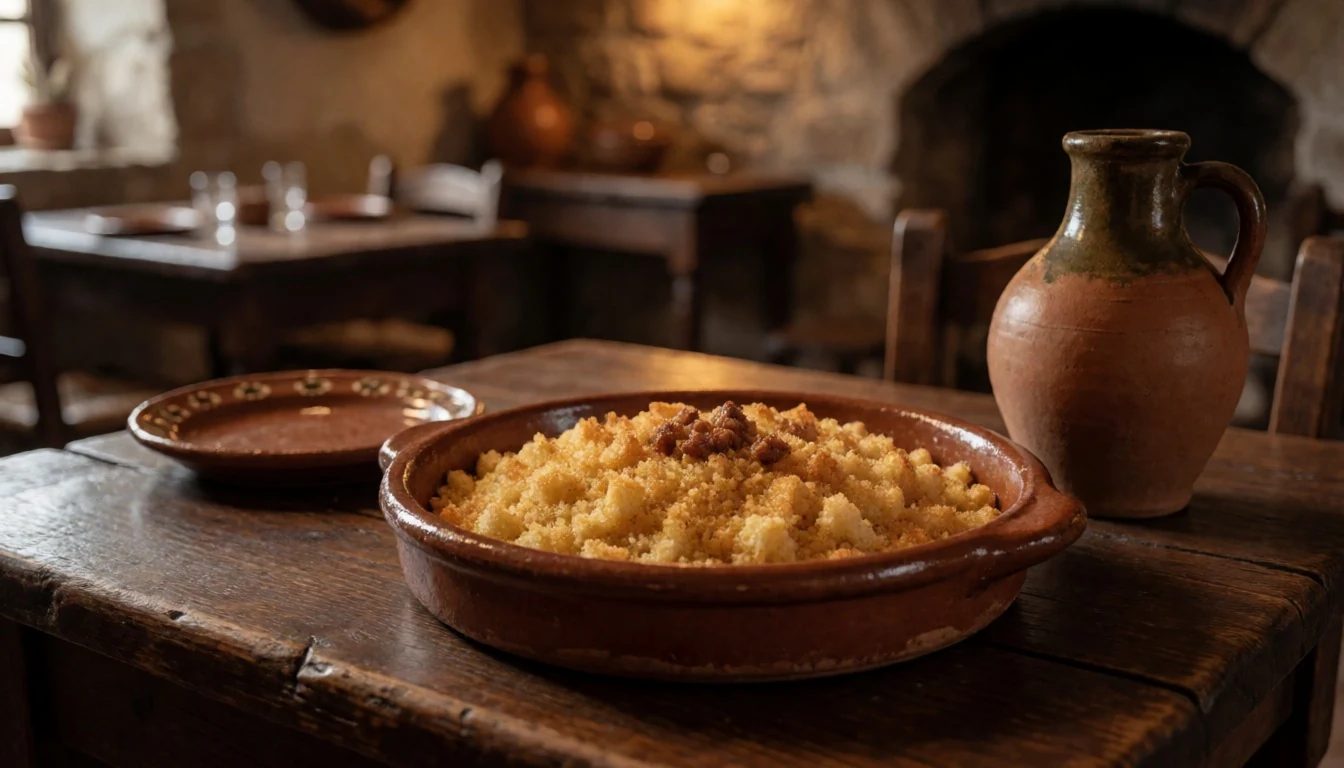
- Roasted pepper salad — typical eaters serving Manchego mountain cuisine in nearby towns
A roasted pepper salad brings something lighter to the table, usually bright with olive oil and seasoning. It works well as a starter before a longer afternoon trail, and you’ll tend to find it in regional menus in the entrance villages. - Meat-based local stews and mains — restaurants in the villages around the park
Cabañeros-area cooking leans towards meat-based mains, so vegetarians should be ready for limited choices unless they plan ahead. For the best chance of a satisfying meal, ask in advance at restaurants or rural accommodation. - Pitarra wines — local bars and restaurants in gateway towns
Pitarra wines are a regional style worth tasting if you like trying local bottles. You’ll usually find them mentioned by rural places and small eateries when they describe the local wine list rather than in tourist-only bars.
Plan it
Best time. November–March are generally the easiest months for walking in Cabañeros, with daytime highs usually in the teens and twenties and cold winter mornings. Summer can be hot, and the park’s open, sun-exposed stretches are best handled earlier in the day.
How long. 3–4
Getting there. If arriving by road from Castilla–La Mancha, drive in from Ciudad Real or Toledo and follow the park access roads to the main entrances around Pueblonuevo del Bullaque or Navas de Estena. From Madrid, it’s a long but doable road trip; once you’re near the gateways, the last legs are local roads into the entrances.
Budget. mid
Tips
- Start hikes early to avoid the strongest heat and to improve the chance of wildlife activity.
- Use visitor centres and tourist offices in nearby towns for route ideas and current trail conditions.
- Plan your longer day around one main trail, then build in a flexible loop or viewpoint rather than stacking too many entrances.
- Keep snacks and water topped up outside the park; services are mostly in nearby villages.
- Carry a charged phone and an offline map—rural roads between entrances can be easier with navigation ready.
Etiquette
- Stay on marked trails and don’t shortcut through vegetation.
- Keep voices low near stork or wildlife observation areas.
- If something looks like a viewpoint or lookout platform, treat it like a shared space and don’t climb on fixtures.
Nearby
Sources
- Wikidata Q117583 (CC0)
- Wikipedia — Cabañeros National Park (rev 1377518191) (CC BY-SA 4.0)
- Wikivoyage — Cabañeros National Park (rev 5032191) (CC BY-SA 4.0)
- Photo: Los Navalucillos-Cabañeros_2022_10 (CC BY-SA 4.0)
- Photo: Casa Palillos (CC BY-SA 4.0)

