Alhambra
Alhambra, Spain
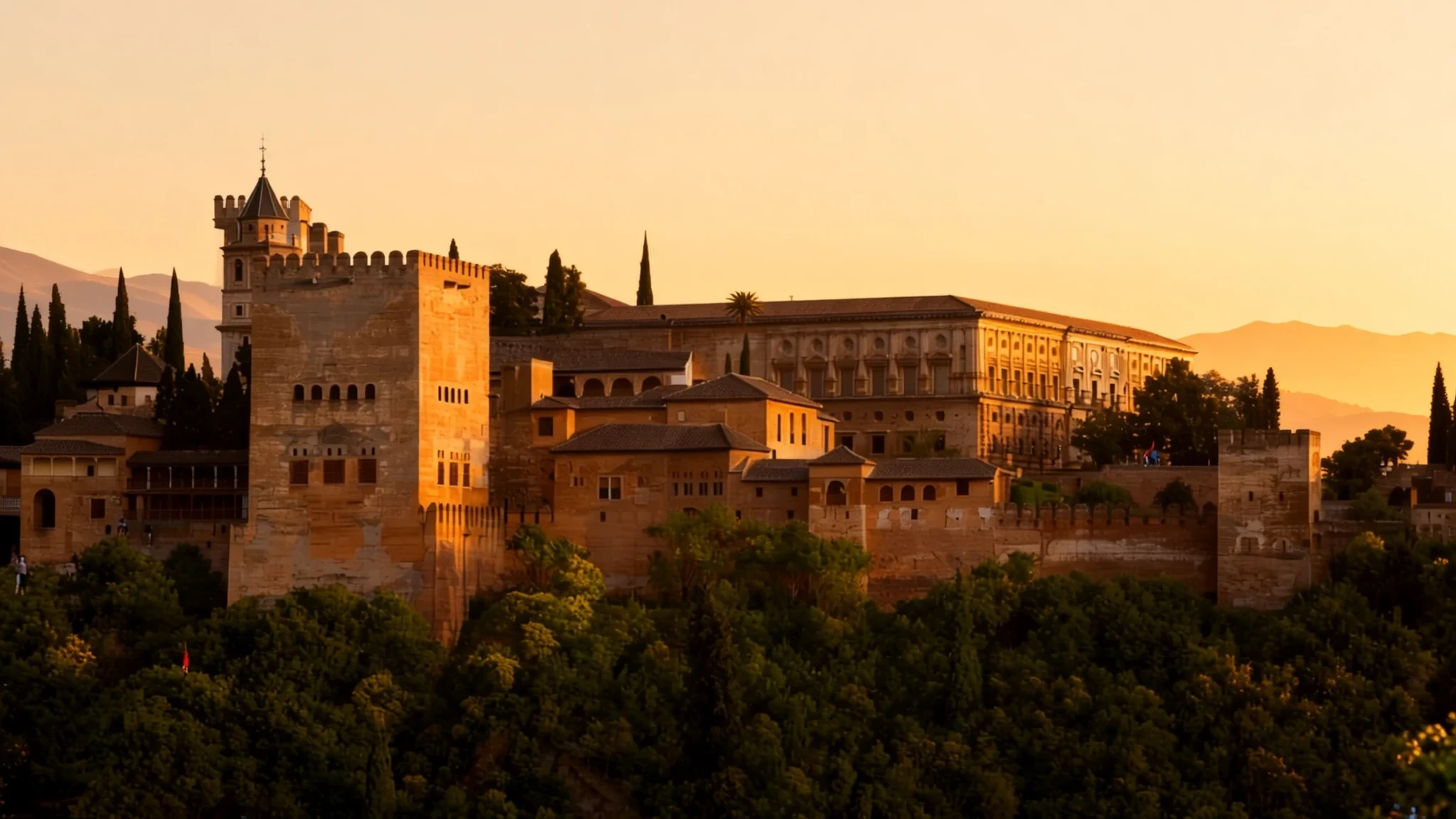
Visit to wander through the extraordinarily preserved medieval Islamic palaces, lush gardens, and dramatic hilltop fortifications overlooking Granada.
The place
The Alhambra is an expansive palace and fortress complex situated on Sabika hill, an elevated outcrop of the Sierra Nevada mountains in Andalusia, Spain. Standing above Granada, it represents a supreme achievement of Islamic architecture and stands as the sole well-preserved royal residence surviving from the medieval Islamic world. Within its defensive perimeter, visitors encounter a complex layering of history, where delicate Nasrid palaces featuring intricate stucco carvings and serene courtyard reflection pools sit in direct contrast with later Spanish Renaissance additions.
The genesis of the complex dates back centuries, evolving from earlier fortifications into a fortified royal city under the Nasrid dynasty. Successive rulers expanded and embellished the pavilions, halls, and gardens, creating an environment designed to evoke paradise on earth through the interplay of light, water, and geometry. Following the end of the Reconquista, the complex transitioned into a royal court, hosting significant historical moments before experiencing a lengthy period of abandonment and decay. Squatters occupied the abandoned halls, and military conflicts inflicted severe damage on parts of the structures before restoration efforts eventually rescued the site from ruin.
Today, travellers approach the complex through wooded paths leading up from the city below. The experience combines the shaded calm of courtyards with panoramic viewpoints looking out across the historic quarters of Granada. Visitors wander through heavily decorated reception chambers, sunlit arcades, and defensive towers that once guarded the western frontier of Islamic rule in Europe. The site continues to draw global interest, requiring careful planning to secure entry to the inner royal zones, where visitor numbers are strictly managed to protect the delicate plasterwork, timber ceilings, and tiled surfaces from excessive wear.
Its story
Archaeological excavations reveal that Sabika hill hosted human settlements and defensive structures long before the famous red citadel took its definitive shape. Early foundations likely included Visigothic-era fortifications, and historical records from the late ninth century note the existence of a modest defensive outpost during conflicts between local factions and the ruling authorities. Initial references described a small red castle whose defensive walls were inadequate to withstand a determined invading force.
As political power shifted across the region, the fortunes of the hilltop transformed. Following the collapse of the Cordoban caliphate and subsequent civil conflicts, regional leaders established independent rule, initially placing their primary citadel across the valley on the hill now known as the Albaicín. The definitive transformation of Sabika hill began when the first Nasrid emir selected the elevated terrain to establish a secure royal seat and administrative heart for his new emirate.
Throughout the fourteenth century, successive monarchs executed ambitious building campaigns that defined the architectural character of the royal palaces. Courtyards, defensive bastions, and reception halls were constructed to project sovereignty and refined artistic taste. After the Christian conquest at the close of the fifteenth century, the complex became the seat of Ferdinand and Isabella, serving as the backdrop where historic expeditions were authorised. Later, sixteenth-century monarchs introduced monumental Renaissance elements directly alongside the medieval Islamic structures, creating an architectural dialogue that mirrors the complex cultural history of Andalusia.
What to see
- Plaza Isabel la Catolica — Central Granada
Positioned at the junction of two grand boulevards in central Granada, this public square features a prominent bronze statue depicting Christopher Columbus negotiating contract terms with Queen Isabella before his famous oceanic voyage, serving as a popular local meeting point surrounded by lively cafes and historic commercial frontages.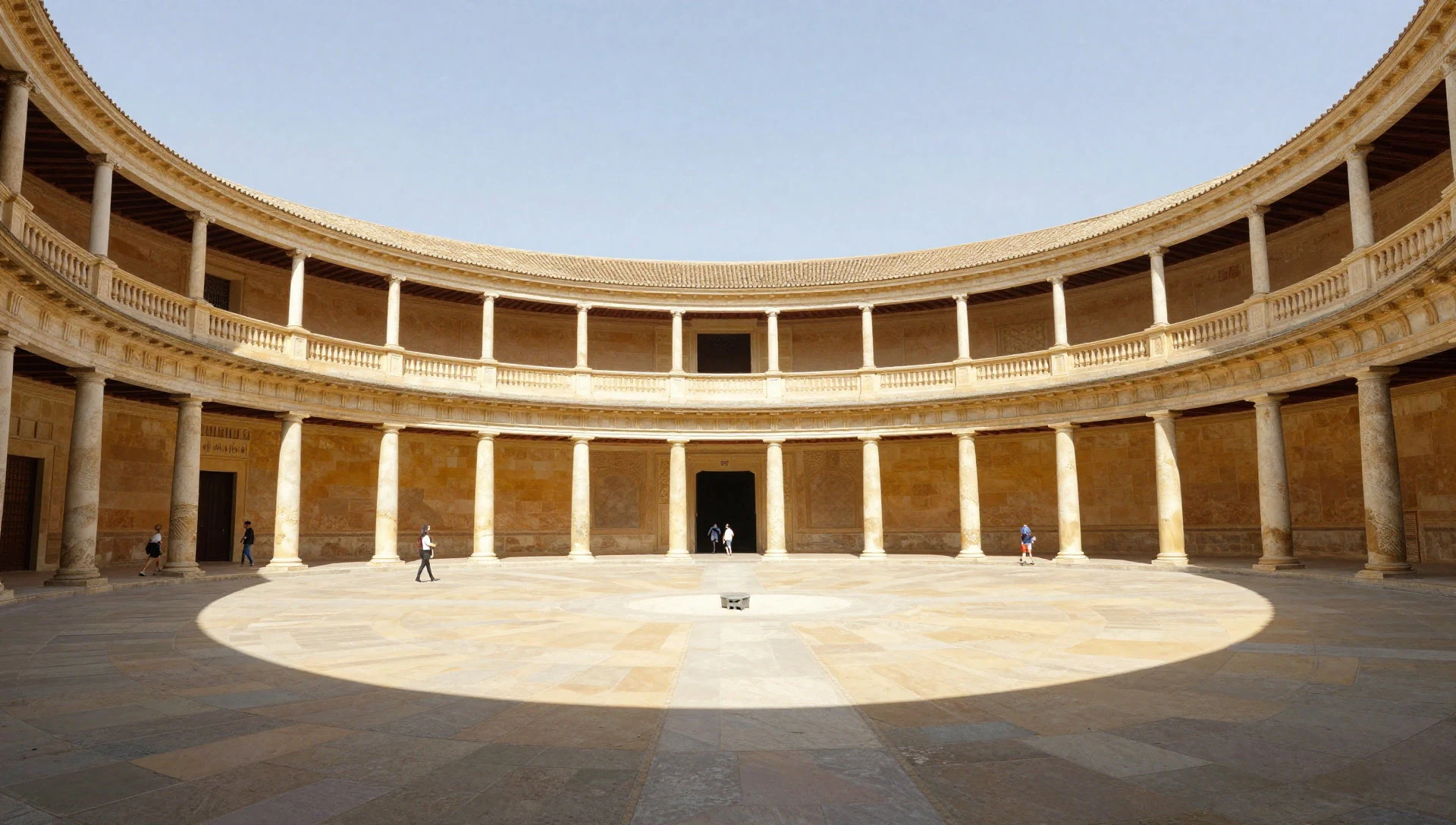
- Cathedral of Granada — Historic Centre
Rising high above the surrounding urban blocks, this massive sixteenth-century religious monument ranks among the largest cathedrals in the country and is widely celebrated by architectural enthusiasts for its soaring white-and-gold interior, expansive vaulted ceilings, and remarkable sense of luminous space designed during the Spanish Renaissance.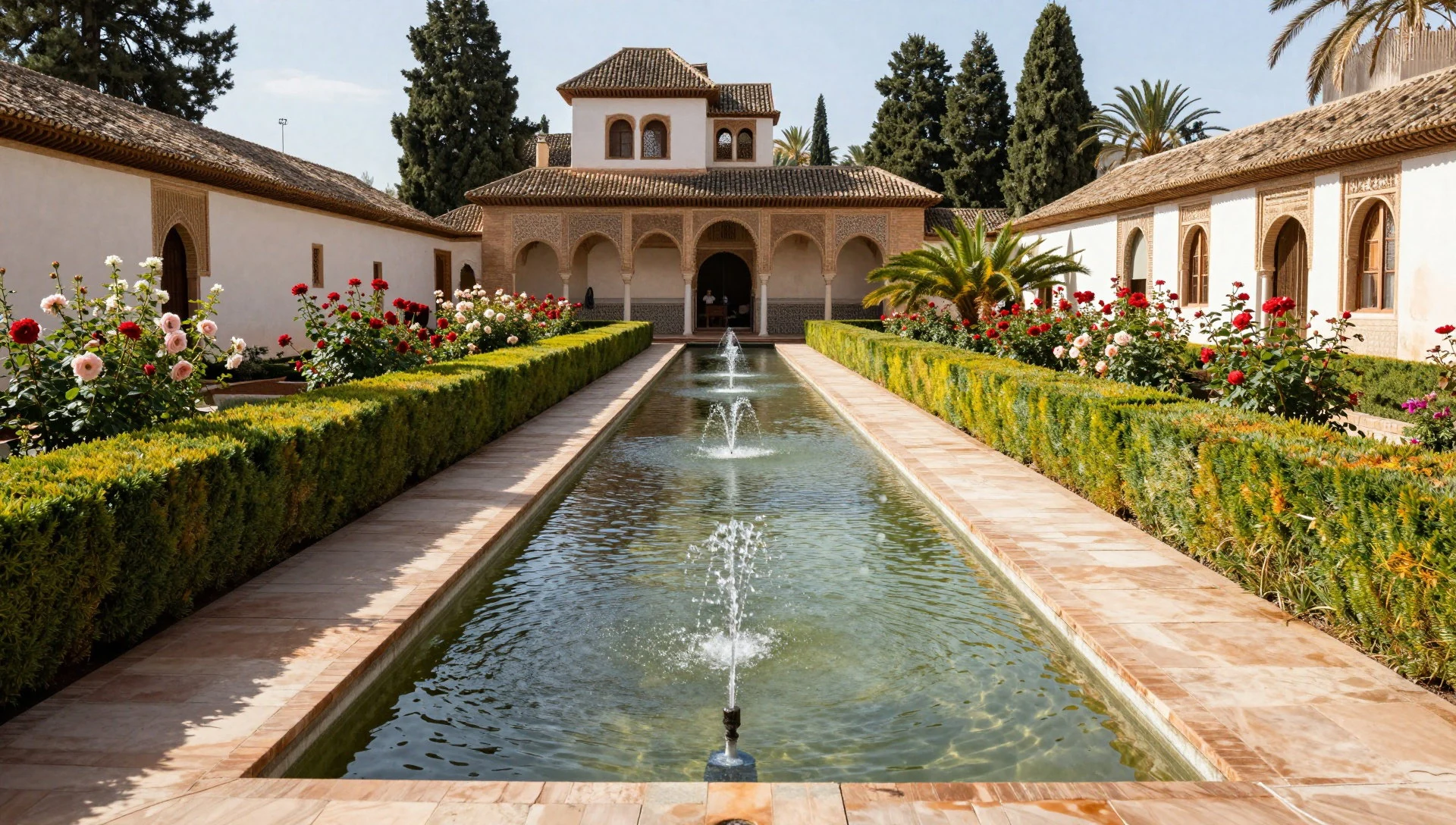
- Royal Chapel — Historic Centre
Tucked directly beside the grand cathedral, this solemn funerary chapel was commissioned immediately following the Christian conquest of the city to house the elaborate marble tombs of the Catholic Monarchs, King Ferdinand and Queen Isabella, alongside valuable collections of historical royal artifacts and religious paintings.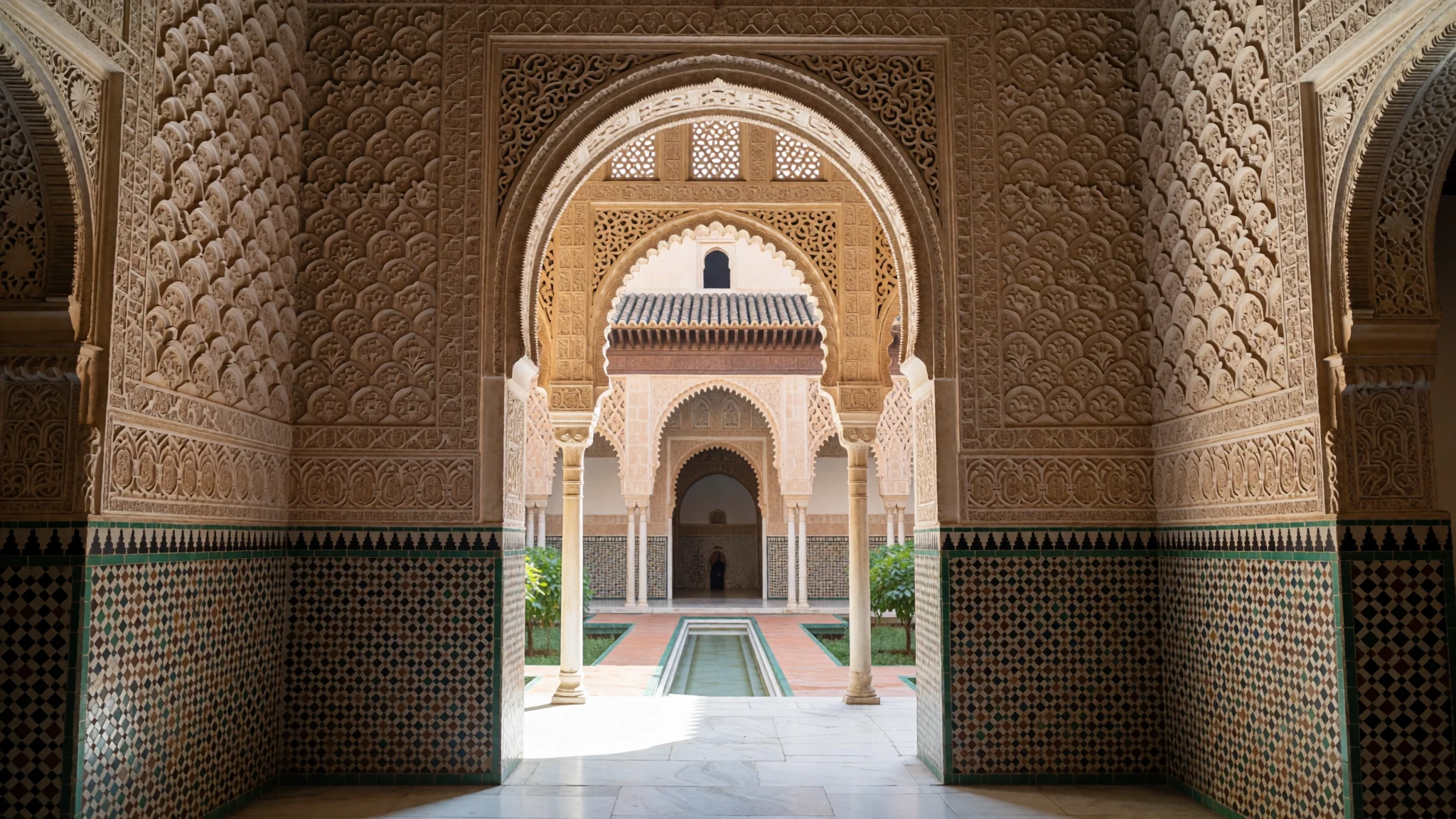
- Plaza de Bib-Rambla — Old Town
This open, vibrant public square offers unobstructed sightlines toward the cathedral tower and occupies the exact geographic heart of medieval Moorish Granada, historically serving as the bustling focal point for lively traditional markets, public festivals, and community gatherings over many centuries.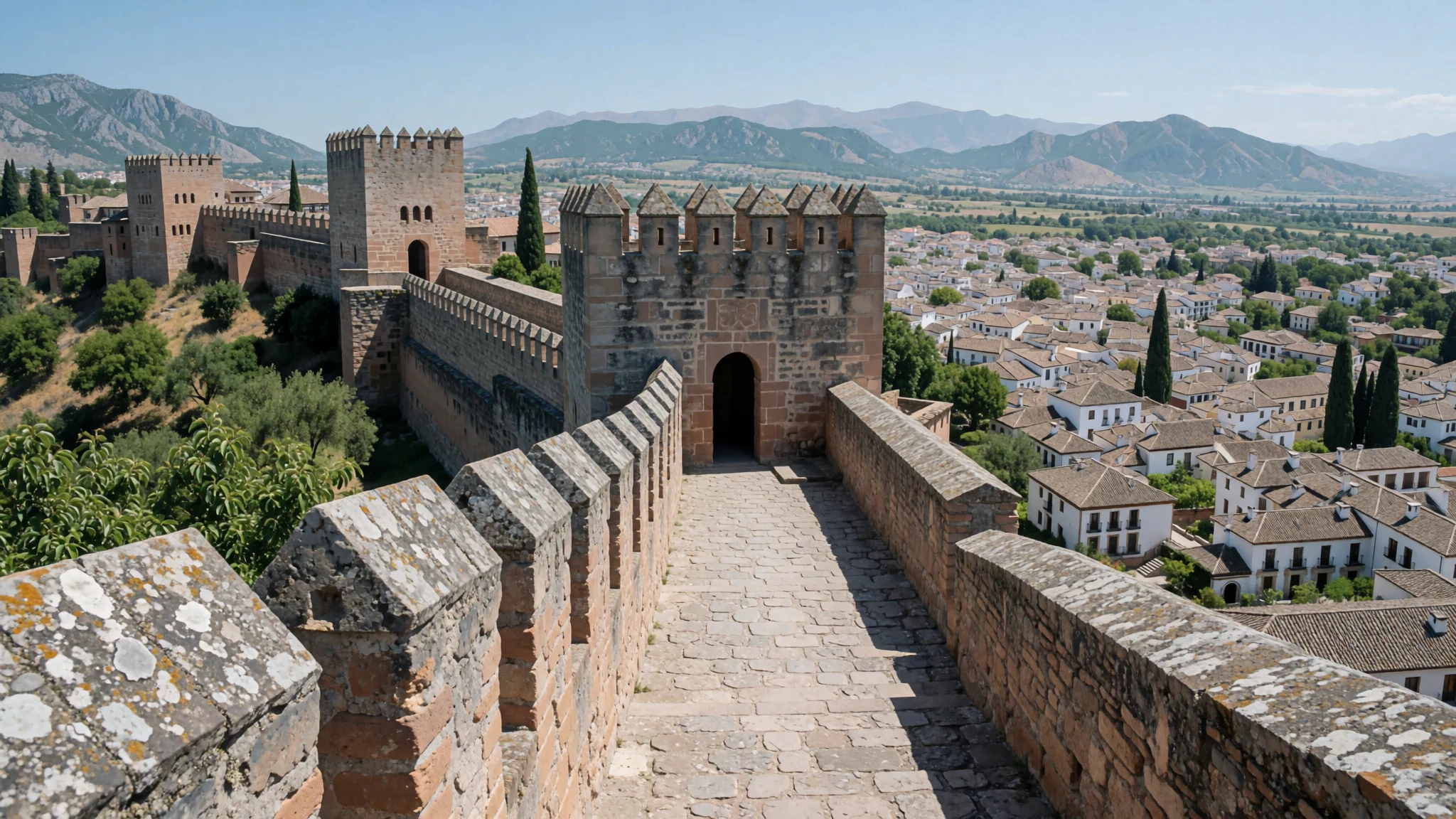
- Alcaiceria — Commercial District
Located just south of the main cathedral, this dense maze of narrow, winding alleyways traces the exact footprint of the historic Moorish silk market, where merchants once traded precious textiles and spices under strict Islamic administration during the medieval era.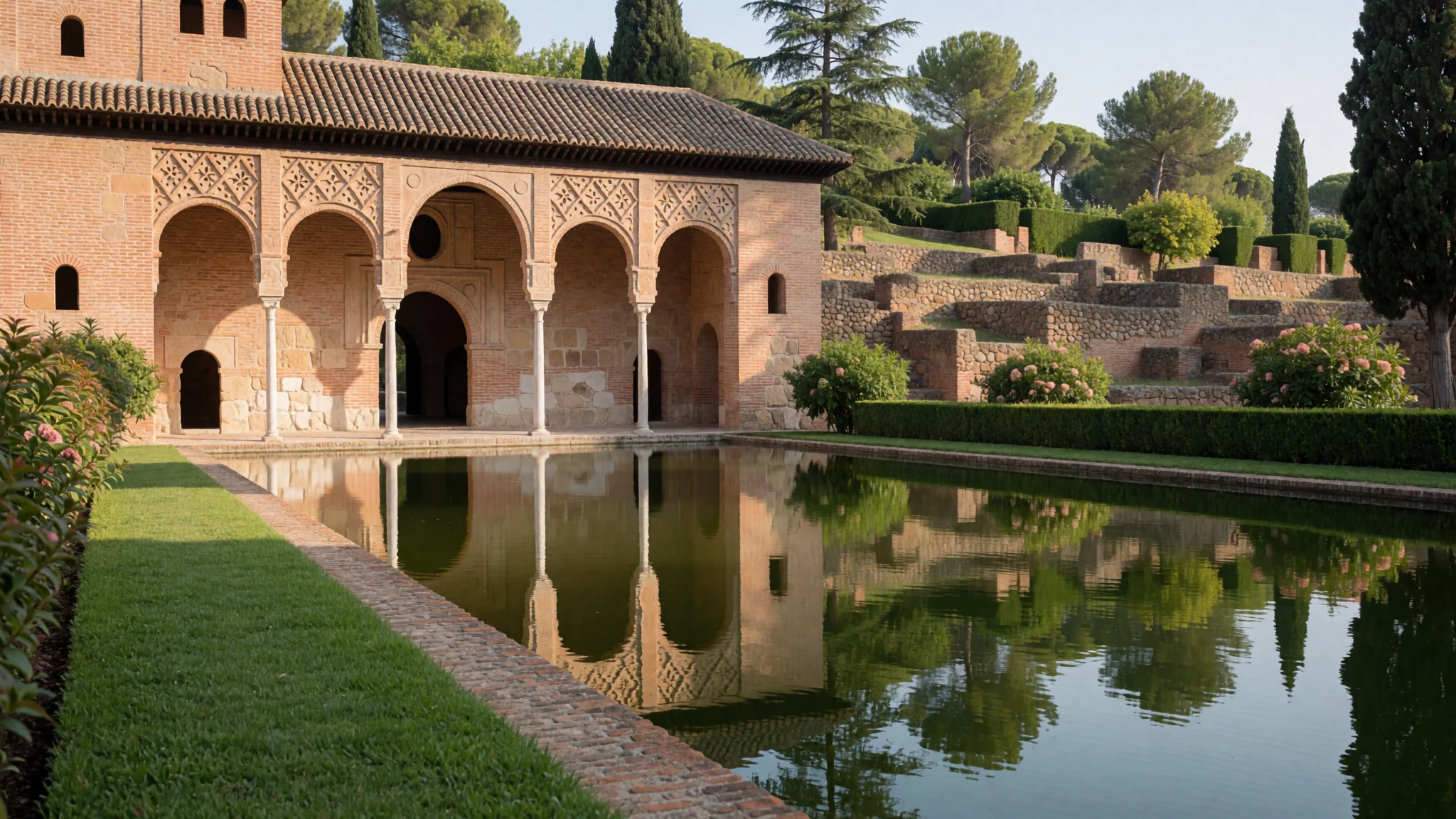
- Corral del Carbón — Central District
Representing one of the few surviving fragments of Moorish civic architecture in the lower city, this venerable stone courtyard building functioned as a medieval merchants' inn and warehouse, offering weary travellers secure lodgings and storage for their caravan goods.
Culture
Granada carries a profound cultural heritage shaped by centuries of intertwined Islamic, Jewish, and Christian influences, which remains visible in its architecture, music, and daily customs. The city embraces a relaxed Andalusian pace of life, where social interaction largely revolves around plazas, neighbourhood taverns, and evening strolls known as the paseo. Flamenco tradition runs deeply through the local neighbourhoods, particularly in the cave dwellings of the hillside districts, where guitar playing and vocal performances reflect deep regional roots. While the grand palace complex stands as a preserved monument to a bygone imperial era, the surrounding city functions as a living community where traditional crafts, ceramics, and regional gastronomy continue to thrive. Respect local customs by maintaining a quiet, respectful demeanor inside sacred spaces and historic prayer rooms. Always keep your voice lowered when exploring delicate palace interiors and historic religious sites.
What to wear
Traditional Andalusian dress historically reflects a blend of practical agricultural wear and vibrant celebratory attire, featuring lightweight cottons, woven linens, and embroidered shawls suited to the intense southern heat. During local festivals and ferias, traditional flamenco-inspired dresses with ruffled layers and vibrant patterns remain common sights, accompanied by traditional footwear and handcrafted accessories.
Today, locals in Granada dress in a stylish yet casual European manner, favouring breathable fabrics, comfortable denim, and smart leather footwear suitable for navigating steep, cobbled streets and sloping hillsides. Tailoring tends to be neat and understated for daily city life.
For visitors exploring the Alhambra and surrounding monuments, practical considerations are essential. Because the tour involves extensive walking across uneven stone paving, gravel paths, and marble courtyards, supportive walking shoes or flat trainers are indispensable. When visiting active churches, the cathedral, or sacred chapels within the city, modest dress is expected: shoulders and knees should be covered out of respect for local religious traditions. Bringing a light layer is also recommended, as hilltop breezes can feel surprisingly cool even on warm afternoons.
What to eat
- Arabian Tapas — Near the historic centre
Enjoy spiced meat skewers, falafel, and flavorful Mediterranean plates served in a warm, Arabian-inspired setting that reflects the city's historical Moorish heritage. - Traditional Andalusian Tapas — Calle Elvira and surrounding alleyways
Sample exceptional complimentary small plates served alongside drinks in a welcoming, unpretentious neighbourhood tavern run by friendly local hosts. - Regional Wines — Traditional local bodegas
Savour robust local red wines and crisp whites from Andalusia, poured generously in historic family-run bodegas popular with long-time residents. - Abundant Iberian Plates — University district streets
Taste hearty portions of cured jamón, local cheeses, and traditional comforting stews served in lively bars popular with younger locals.
Plan it
Best time. March to April for pleasant spring weather and blooming gardens, or November for comfortable temperatures and autumn colours; avoid the intense heat of mid-summer.
How long. 2–3
Getting there. Fly into Granada airport and take the Alsa airport bus into the city centre (taking about 1 hour to Palacio de Congresos or central Gran Vía), or arrive by long-distance bus or carpooling from major Andalusian hubs like Málaga and Seville.
Budget. mid
Tips
- Book your Alhambra entry tickets months in advance, as daily visitor numbers to the Nasrid Palaces are strictly limited
- Wear comfortable, broken-in walking shoes for navigating steep hills, gravel paths, and uneven historic cobblestones
- Carry cash for small purchases in local markets and independent neighbourhood tapas bars
- Start your palace visit early in the morning to avoid the largest tour groups and midday heat
Etiquette
- Keep your voice lowered and refrain from using flash photography inside fragile Nasrid palace rooms
- Maintain modest attire covering shoulders and knees when entering active churches and chapels in the city
- Always greet shopkeepers and servers politely with a friendly 'hola' upon entering local establishments
Nearby
Sources
- Wikidata Q47476 (CC0)
- Wikipedia (rev 1379398227) (CC BY-SA 4.0)
- Wikivoyage (rev 5402985) (CC BY-SA 4.0)