Bordeaux
Bordeaux, France
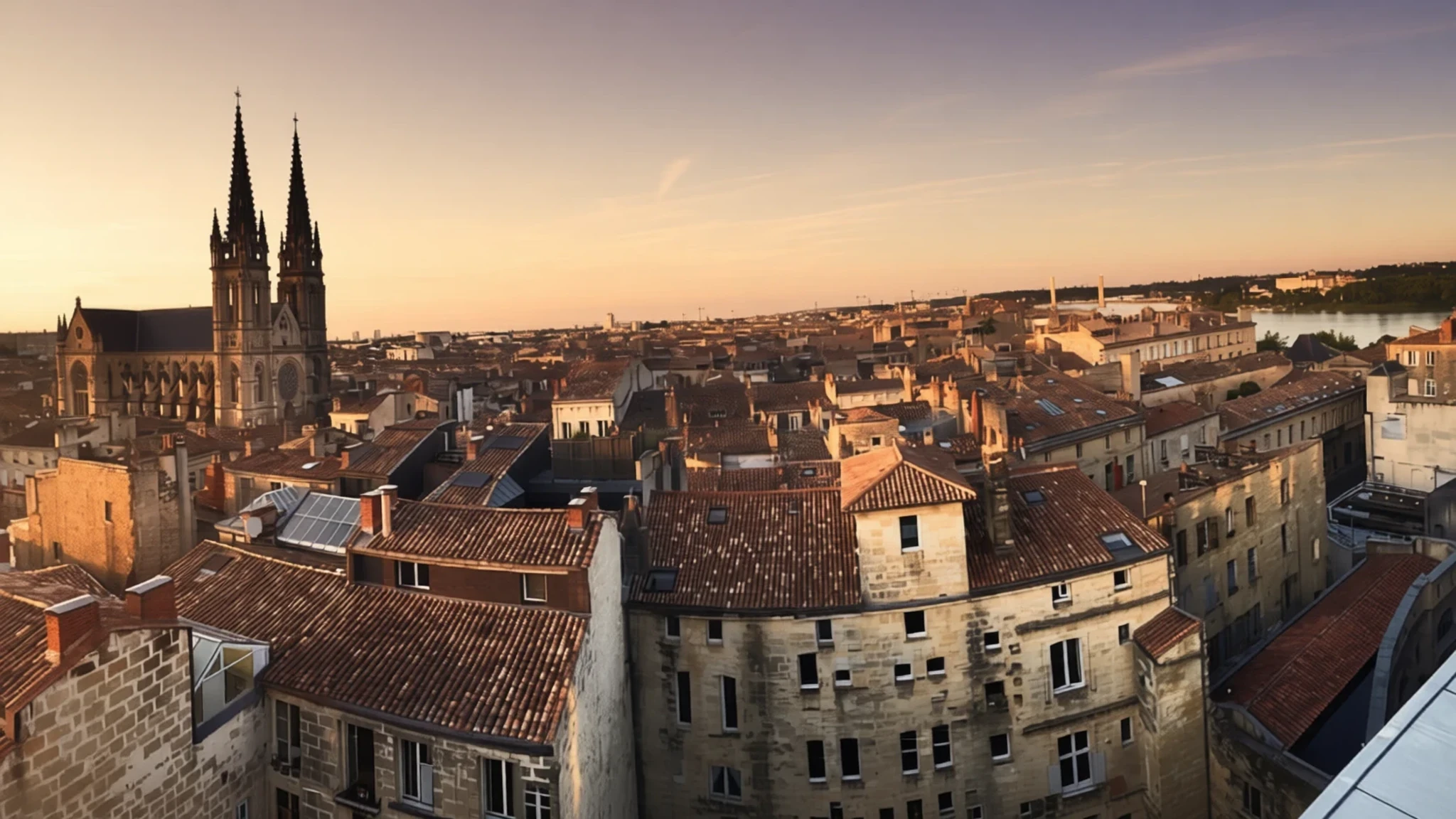
Bordeaux pairs a grand stone riverfront with some of the world's best-known wine country, and it rewards slow walking.
The place
Bordeaux sits on the Garonne in south-west France, a port city that has long lived off the river and the vineyards spread across the Gironde hillsides. The city proper has about 268,000 people, but the wider metropolitan area holds about 1.4 million, which places it among the largest urban areas in France. The centre is compact enough to cross on foot in an afternoon, and many of its grand stone façades face the water or the broad squares that open off it.
Bordeaux is the capital of the Nouvelle-Aquitaine region and the seat of the Gironde department. Locals are called Bordelais, a word that can also describe the surrounding wine region. The land is low, with the centre sitting about six metres above sea level, so the river shapes everything from the quays to the bridges that link the two banks.
Wine is the reason many visitors come, but the city has plenty to offer beyond the tasting room. Museums, galleries and theatres cluster near the centre, and the Opéra national anchors a busy cultural calendar. Bordeaux is also a regular host for international congresses, so business travellers fill hotels on weekdays, while weekends bring a steadier mix of day trippers and holidaymakers.
The pace is calm rather than frenetic. Evenings start late, the old quarters reward wandering without a map, and the river is the best place to end the day.
Its story
Bordeaux began as a settlement of a Celtic people, the Bituriges Vivisci, who gave the place the name Burdigala, a word thought to come from the older languages of Aquitaine. Its position on the Garonne made it a trading point long before Rome arrived. A battle fought near the town ended in a serious Roman defeat, a reminder that the river was contested ground.
Under Roman rule the town grew into a commercial centre trading in tin and lead. It gained public buildings, including an amphitheatre and a stone monument known as the Piliers de Tutelle, which still stands as a sign of that prosperity. Trade brought wealth, and the settlement became one of the more important ports on this stretch of the coast.
The good times did not last. Over the following centuries raiding groups from the north and east sacked the city more than once, and it slipped into a long quiet period. Bordeaux rebounded in the late Middle Ages, serving as the center for a county and a church province inside the Frankish kingdom, though kings rarely held firm control there. Bordeaux then became a major urban centre on the edge of the Duchy of Vasconia, and its fortunes increasingly rested on the wine that later defined it.
What to see
- Place de la Bourse — Waterfront
The grand square on the river, with its long reflecting pool, is the first stop for most visitors. The pool is shallow and mirrors the palace façades, and the stone glows once the light fades. Trams cross the square, which keeps it lively late in the day. Go in the early evening for the best reflections, and expect it to be busy at weekends.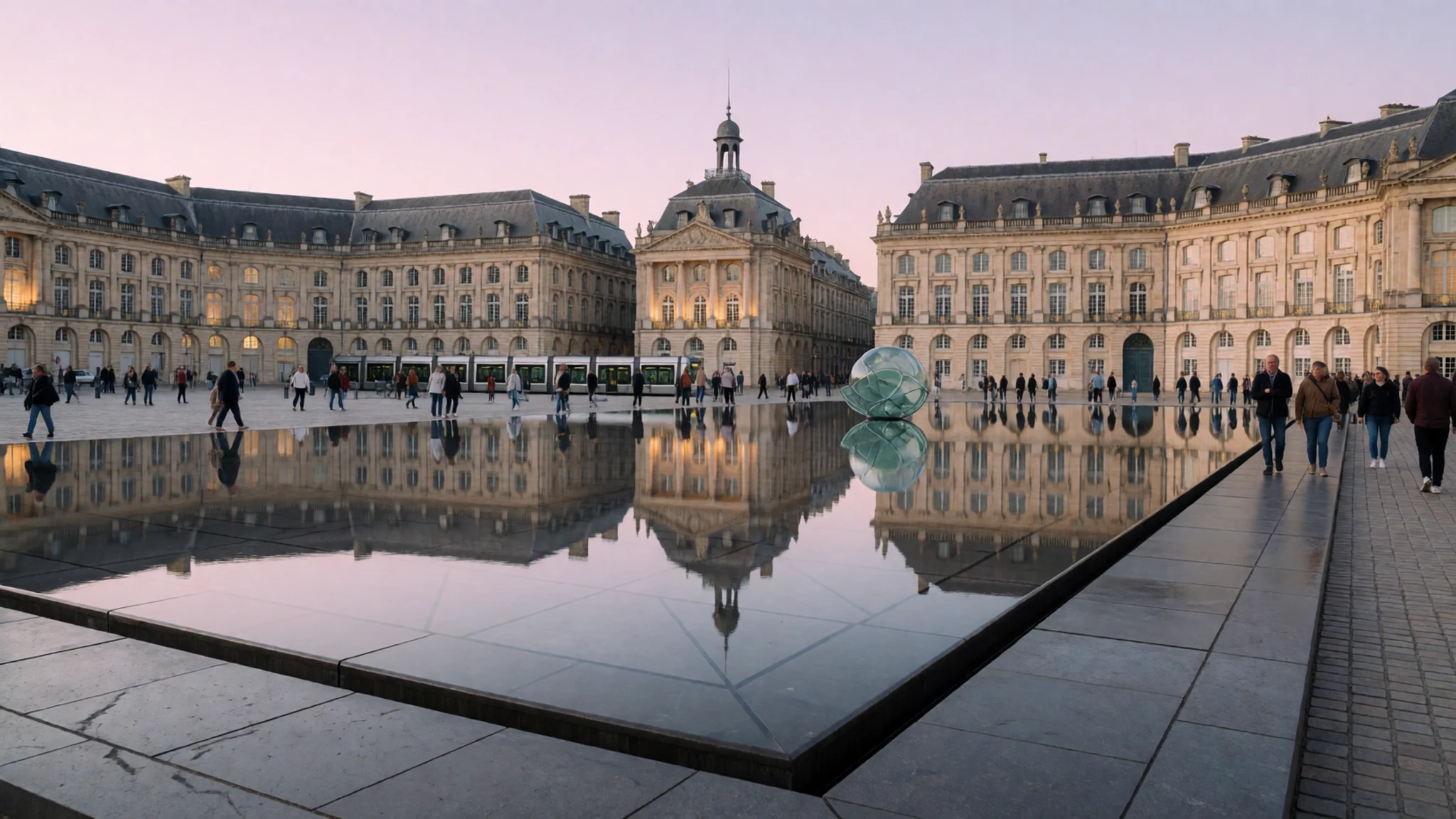
- Cathedral Saint-André and the Pey-Berland tower — Old centre
The cathedral is a large Gothic church, damaged during the Revolution and later restored. Its bell tower, Pey-Berland, stands apart beside the church and can be climbed for views over the rooftops. Inside, look for the stone carving and the restored windows. The square around it is a good place for a late coffee.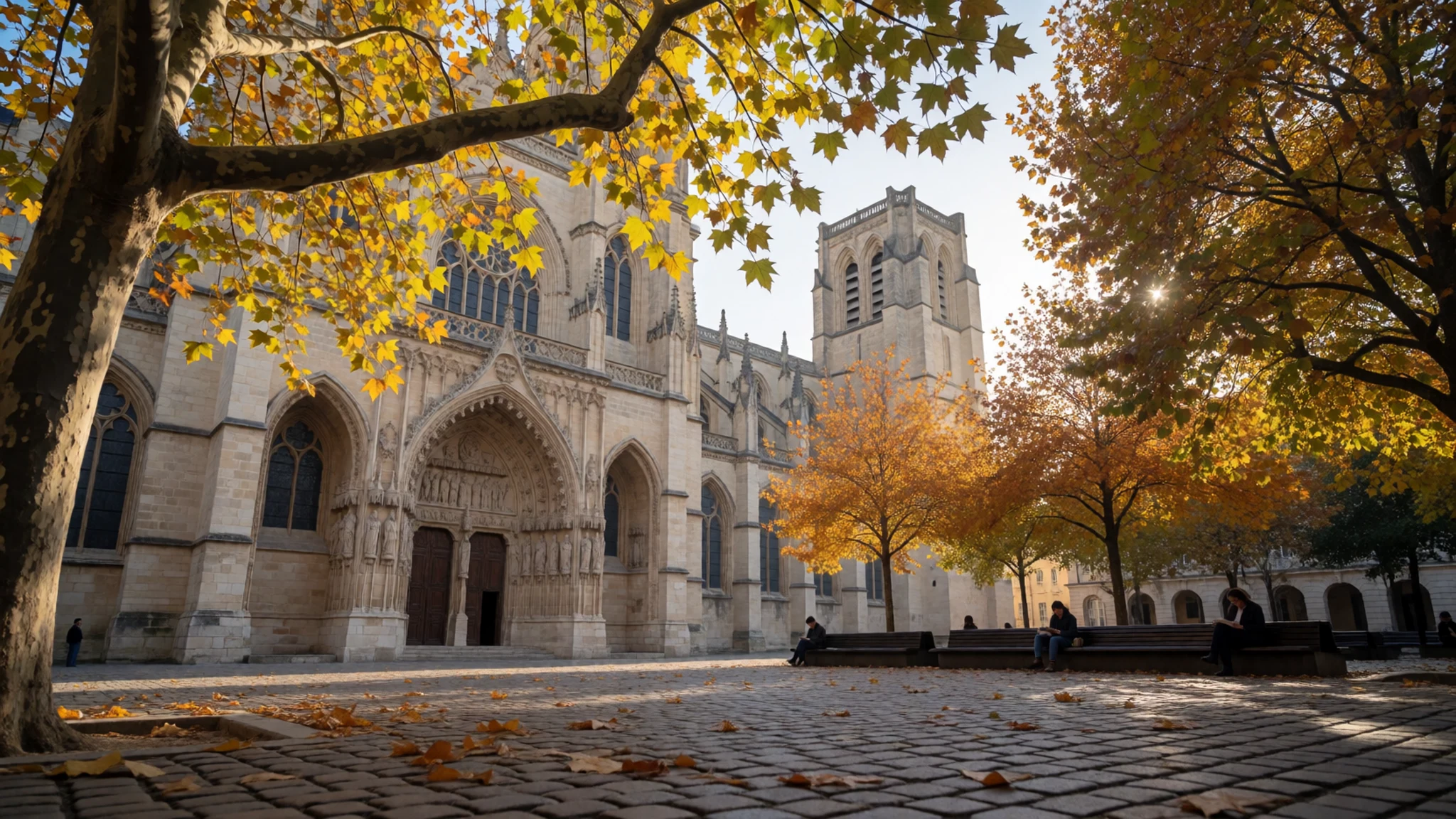
- Musée des Beaux-Arts — Centre
A walk through western painting, starting in the south wing with the Renaissance, moving through the Flemish masters and ending with the late Enlightenment era. The collection is large enough to fill a couple of hours without rushing. It is a good option when the weather turns, and it sits close to the gardens near the centre.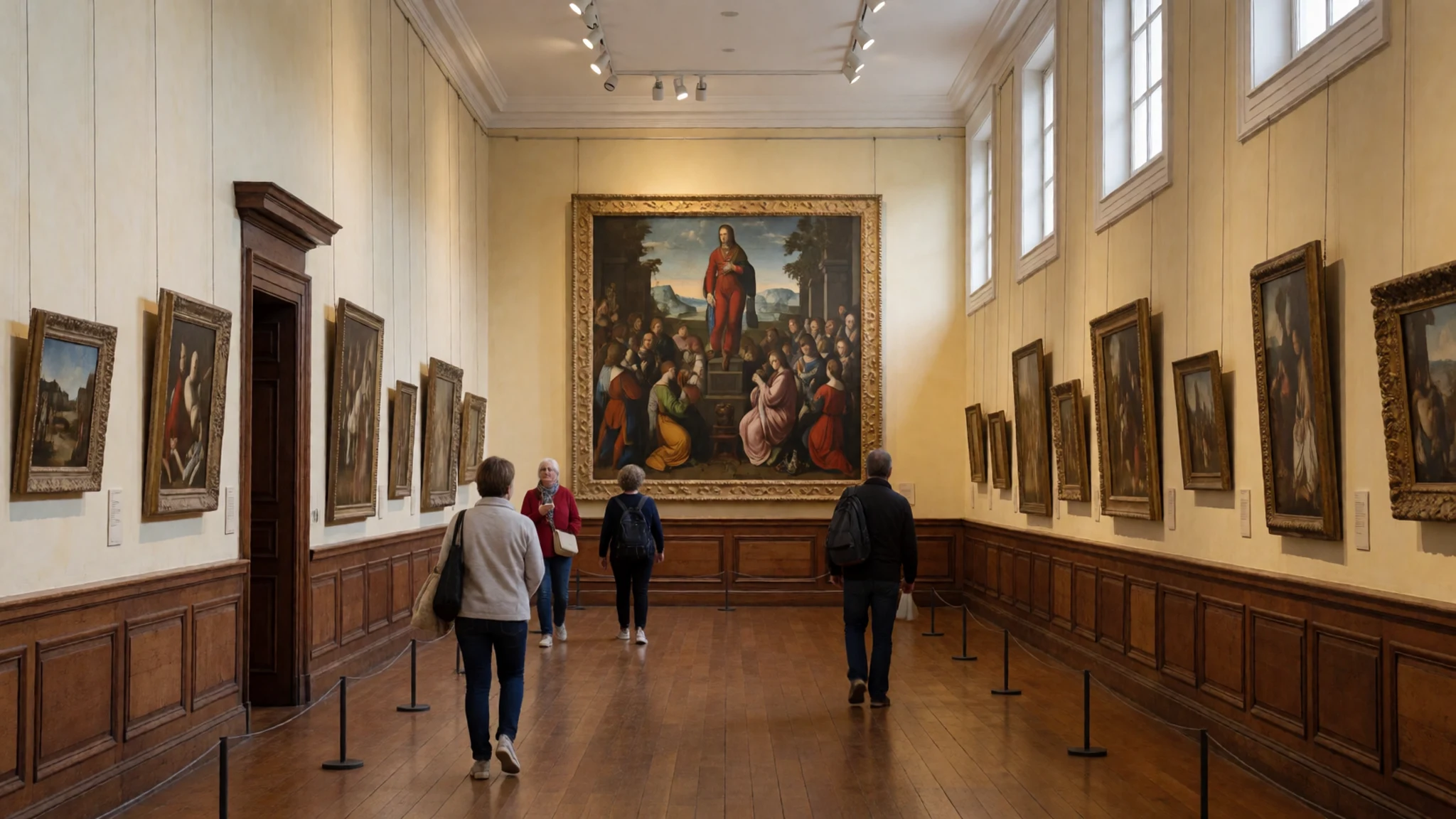
- Musée d'Aquitaine — Centre
The museum covers the region from the Old Stone Age through Roman times to the early modern period. It gives useful context for the city outside, especially the Roman material that explains how Bordeaux began. Set aside an unhurried hour, and read the labels slowly if you want the full story.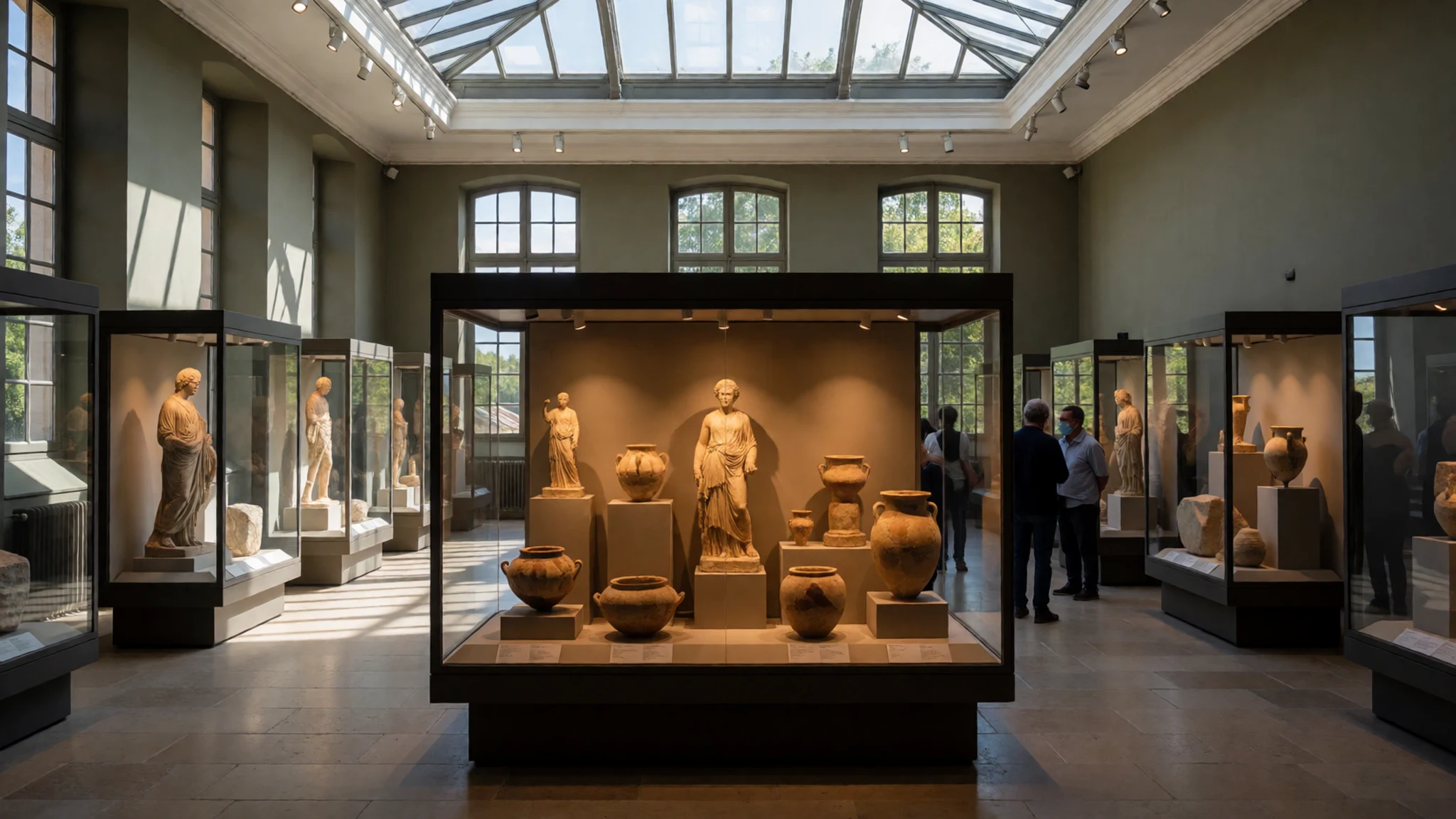
- MADD, the decorative arts and design museum — Centre
This museum of decorative arts and design holds furniture, objects and contemporary pieces across several periods. It is a calm place to spend an hour between the river and the old town. Check the official site for current opening times before you go, since exhibitions change.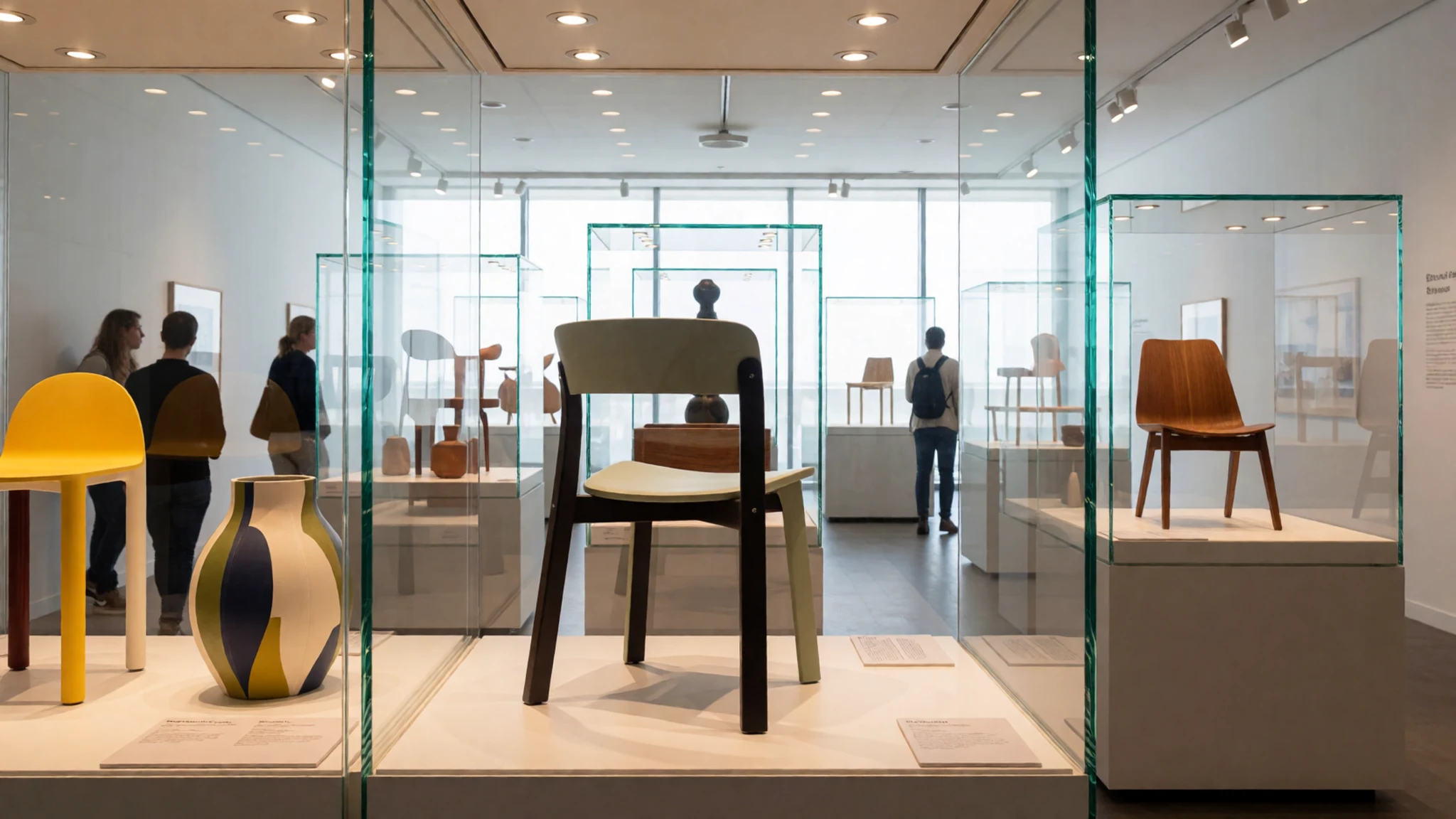
Culture
Bordeaux takes its culture seriously without making a show of it. The city has a large number of cinemas and theatres, and the Opéra national de Bordeaux anchors a busy programme of concerts and performances. Music venues range from small bars to larger halls, and festivals run through much of the year. Film is especially well served, with a European short film festival that has been running for years and an independent film festival alongside it. Architecture has its own place too, through Arc en Rêve, a centre for architecture exhibitions and research.
Daily life follows the rhythm of a provincial French city. Locals greet shopkeepers and waiters when they enter, cafés fill with lunchtime conversation, and evenings stretch late on warm nights along the quays. Festivals and concerts draw crowds that spill into the streets, so book ahead for popular shows.
When you enter a shop or café, say bonjour before anything else, and keep your voice down in churches and at the opera.
What to wear
Bordeaux has no costume that most visitors ever see on the street. The older working dress of the port and the vineyards was plain and practical, built around wool, linen and sturdy cotton for dock work, cellar work and market days. Some of that tradition survives in local festivals and museum displays rather than in everyday clothes.
What people wear now is close to what you would see in any French city of its size. Dark jeans, a fitted jacket, a scarf and leather shoes are common in the evening, and the cafés along the quays are full of people dressed for an unhurried meal. Trainers and comfortable flats are normal for daytime walking and tram rides.
For a visit, dress for walking on cobbles and uneven stone pavements, and bring a light layer for cool evenings by the river. Spring and autumn call for a jacket that packs small, while summer can be warm, so linen and breathable cotton work well. Bring shoes with good grip for the riverbank steps and the slick stone of the old streets. Churches such as the cathedral expect covered shoulders and no beachwear.
What to eat
- Entrecôte bordelaise — Any traditional bistro in the centre that serves only steak and frites
A steak served with a glossy red wine and shallot sauce, the classic dish of Bordeaux bistros. Look for a steak house in the centre with a short menu, where the steak comes with frites. Popular places often have queues and do not take reservations, so arrive early or expect to wait.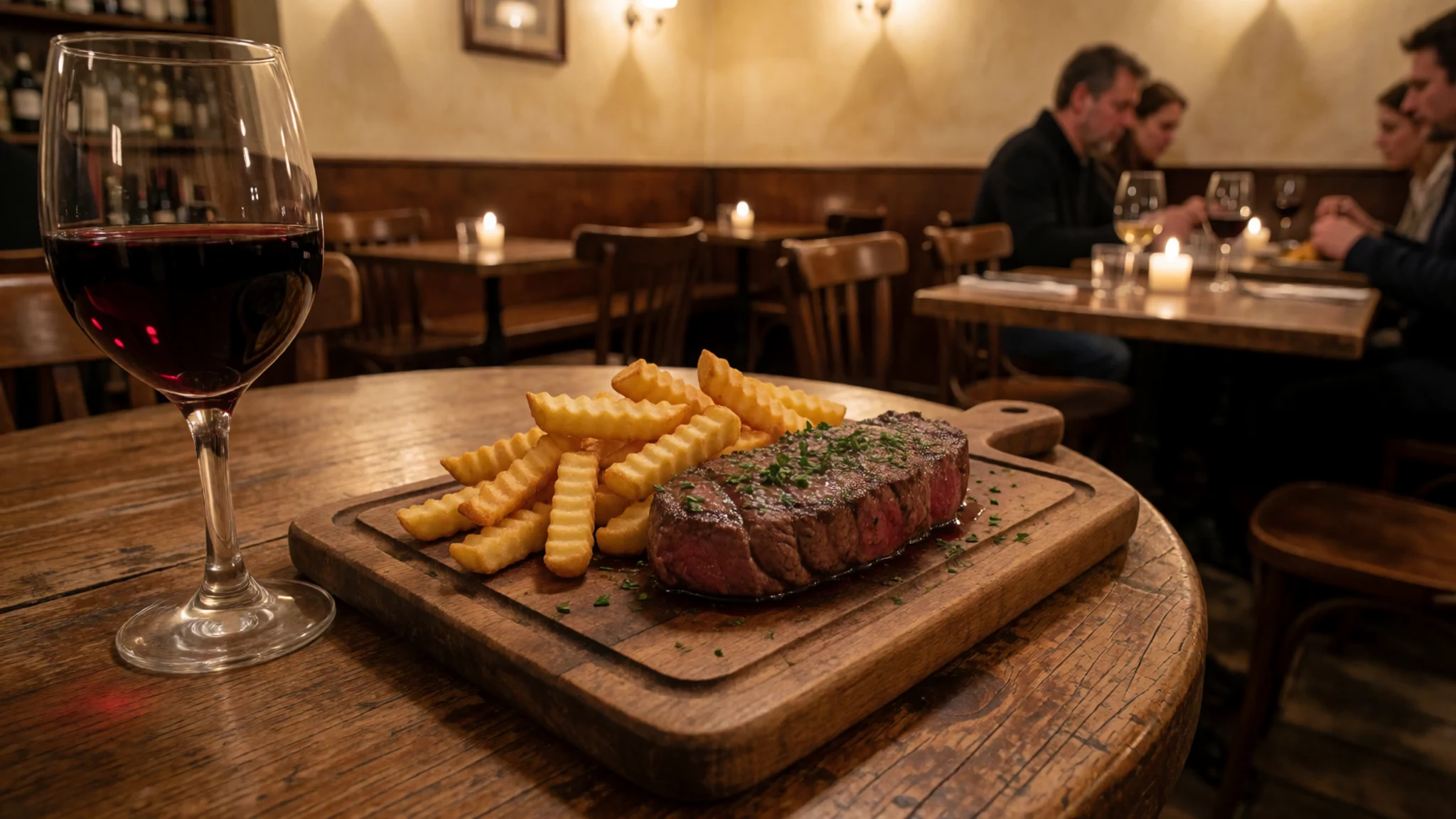
- Canelé — Any bakery or pâtisserie in the old centre
A small pastry flavoured with vanilla and rum, with a custardy centre and a dark, crisp crust. It is a local speciality, best eaten within a day of baking. Pick one up in the afternoon, when the batch is still fresh.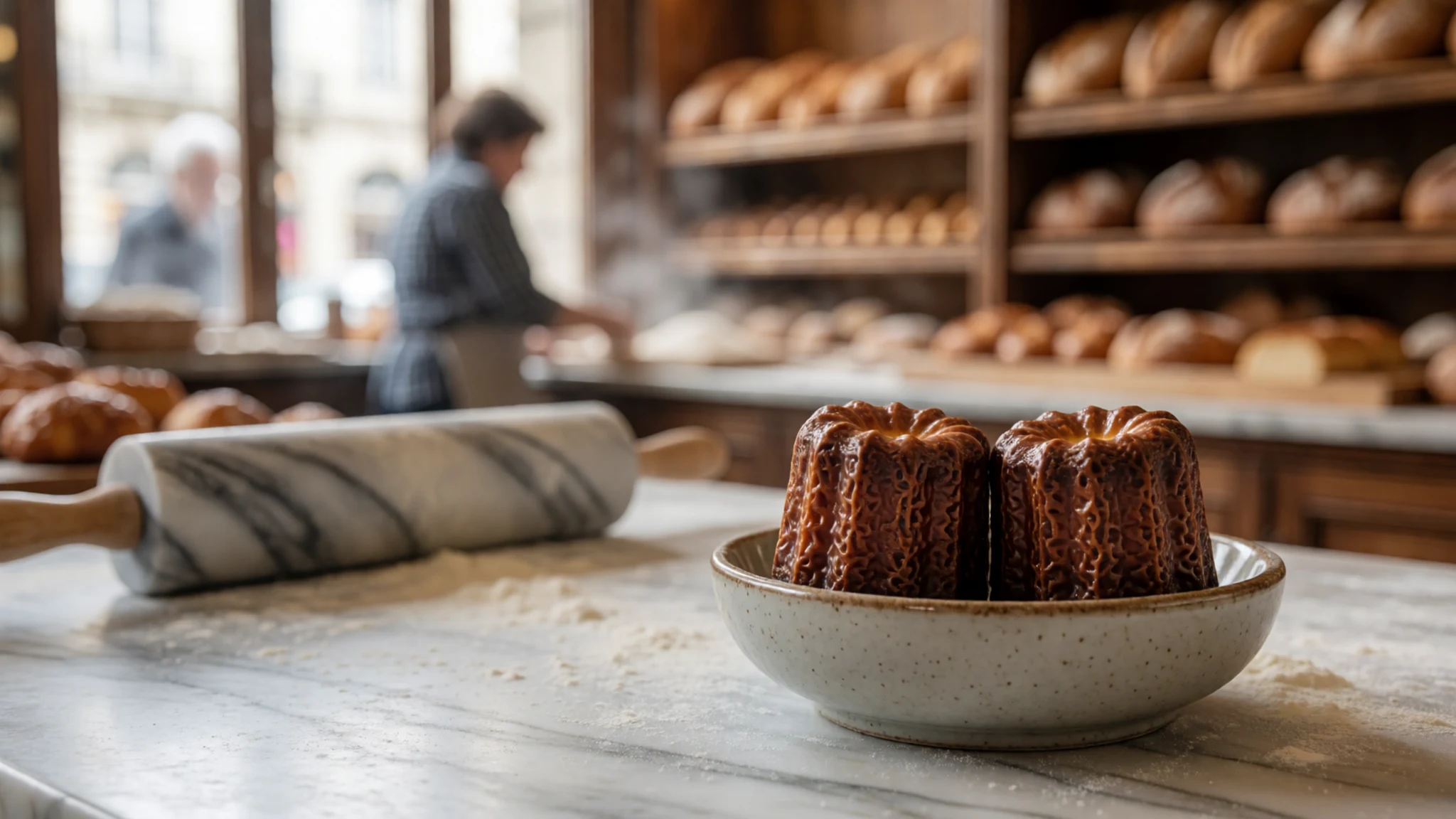
- Levantine mezze — A small restaurant in the centre, such as Beirut Kitchen
Bordeaux has a good Levantine scene, and a restaurant serving mezze suits a relaxed evening. Share a spread of hummus, grilled meats, salads and warm flatbreads. Order several small plates across the table rather than one main each. - Lunch by the port — A café on the port side of the river, near the Pont de Pierre
A simple café meal with a view across the water, with toasts, salads and sandwiches eaten at a terrace. It is the right choice for an afternoon before the evening crowds. Pick a café near the river that looks across towards the Pont de Pierre.
Plan it
Best time. May and June, or September and October, suit a visit best: the weather is mild, autumn brings the vineyards into their best colour, and the city is busy without being overwhelming. Summer can be hot, and some winter weeks are grey. Check Météo-France for current climate figures before you book.
How long. 2–3
Getting there. Fly into the regional airport, which has links from several European cities, then take the tram into town. Tram F runs to the city centre and calls at Gare Saint-Jean, taking about half an hour. By train, TGV services from Paris Montparnasse take just over two hours non-stop.
Budget. mid
Tips
- Book TGV seats early for weekend travel, when trains fill quickly
- Visit the cathedral and museums in the morning, when queues are shorter
- Carry some cash for small cafés and markets, and use a card for most other things
- Check the official site at bordeaux.fr for museum opening times and tram timetables
Etiquette
- Greet shopkeepers with bonjour before asking for anything
- Ask before photographing people at markets
- Keep voices low in churches and during performances
Nearby
Sources
- Wikidata Q1479 (CC0)
- Wikipedia, Bordeaux (rev 1382384452) (CC BY-SA 4.0)
- Wikivoyage, Bordeaux (rev 5395633) (CC BY-SA 4.0)
- Place de la Bourse et le miroir d'eau, Patrick Despoix (CC BY-SA 4.0)
- Bordeaux place de la bourse with tram, Nikopol (CC BY 3.0)
- Pey-Berland Tower, Zairon (CC BY-SA 4.0)
- Grosse Horloge north side, Zairon (CC BY-SA 4.0)
- Grand Théâtre, MJJR (CC BY 3.0)
- Cathédrale Saint-André de Bordeaux, Chabe01 (CC BY-SA 4.0)
- Pont de Pierre, Bert Kaufmann (CC BY 2.5)
- Bordeaux Pilliers de Tutelle, anonymous print (Public domain)


