Barranquilla
Barranquilla, Colombia
Colombia's northern port city vibrates with Caribbean rhythms, coastal cuisine, and the grand spectacle of its legendary annual carnival.
The place
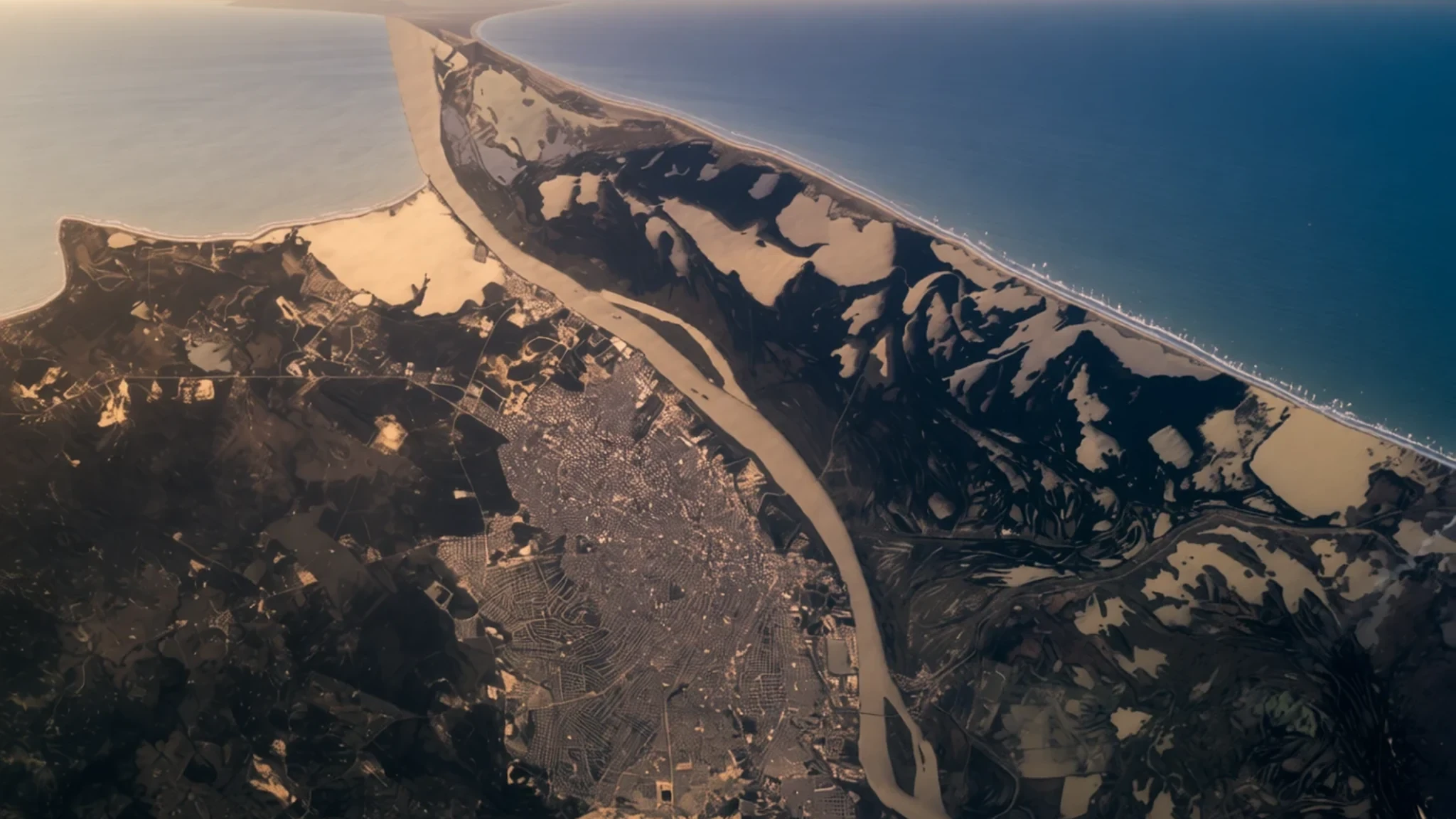
Barranquilla sits on the northern edge of Colombia, set along the banks of the mighty Magdalena River where it flows into the Caribbean Sea. Positioned at an elevation of 18 metres above sea level, the city spreads across low hills and flat coastal plains, drawing its vitality from its position as Colombia's premier river port. Home to a population of 1,326,588 people, it functions as the vibrant industrial and economic motor of the country's Caribbean coastline.
The character of Barranquilla is fundamentally shaped by water and movement. The great river carries the trade of the interior down to the coast, creating a bustling urban environment defined by docks, commercial avenues, and expanding waterfront promenades. Unlike older colonial settlements nearby, the city features wide boulevards, mid-century commercial districts, and leafy residential neighbourhoods that reflect its modern commercial expansion. Tropical sunshine bathes the urban sprawl throughout the year, framed by breezes blowing off the sea.
Life here centers on public gathering places, particularly along the riverfront where residents assemble during warm evenings. The urban landscape reflects waves of migration from Europe, Asia, and the Middle East, visible in local architecture and commercial districts. It is a city of energetic industry, tropical heat, and open-air socialising, serving as a gateway between Colombia's inland valleys and the broader Caribbean world.
Its story
Barranquilla developed under very different conditions from the older Spanish colonial capitals along the Caribbean coast. While surrounding regions were formally planned by Spanish conquerors, this site began as a settlement for indigenous Kamash people who traded dried fish and salt along the delta of the Magdalena River. Early records note Indigenous fishermen landing their canoes here in 1533, long before any formal town plan was laid down.
Settlers gradually formed a permanent village in 1629, though the town was not officially established until 1813. The location proved ideal for trade, allowing goods from the interior of South America to meet maritime shipping. Throughout the nineteenth and twentieth centuries, European, Middle Eastern, and Asian immigrants arrived through its harbour, transforming the small port into an industrial hub known nationally as Colombia's Golden Gate.
Innovation quickly followed commercial growth. In 1919, South America's pioneer commercial airline, SCADTA—which later became Avianca—was established in the city, making Barranquilla a birthplace of South American aviation history. The river delta was continuously modified to accommodate larger vessels, culminating in massive breakwater engineering works designed to stabilize the river mouth. Today, the settlement stands as a testament to riverine commerce, indigenous trading routes, and wave upon wave of international migration that built a modern Colombian metropolis.
What to see
- Gran Malecón — Riverfront
This expansive riverfront promenade along the Magdalena River offers wide paths for walking and cycling, lined with public plazas, gardens, and outdoor eateries. Locals gather here during late afternoons to catch breezes off the water, enjoy views of passing river traffic, and watch live music performances along the open-air terraces.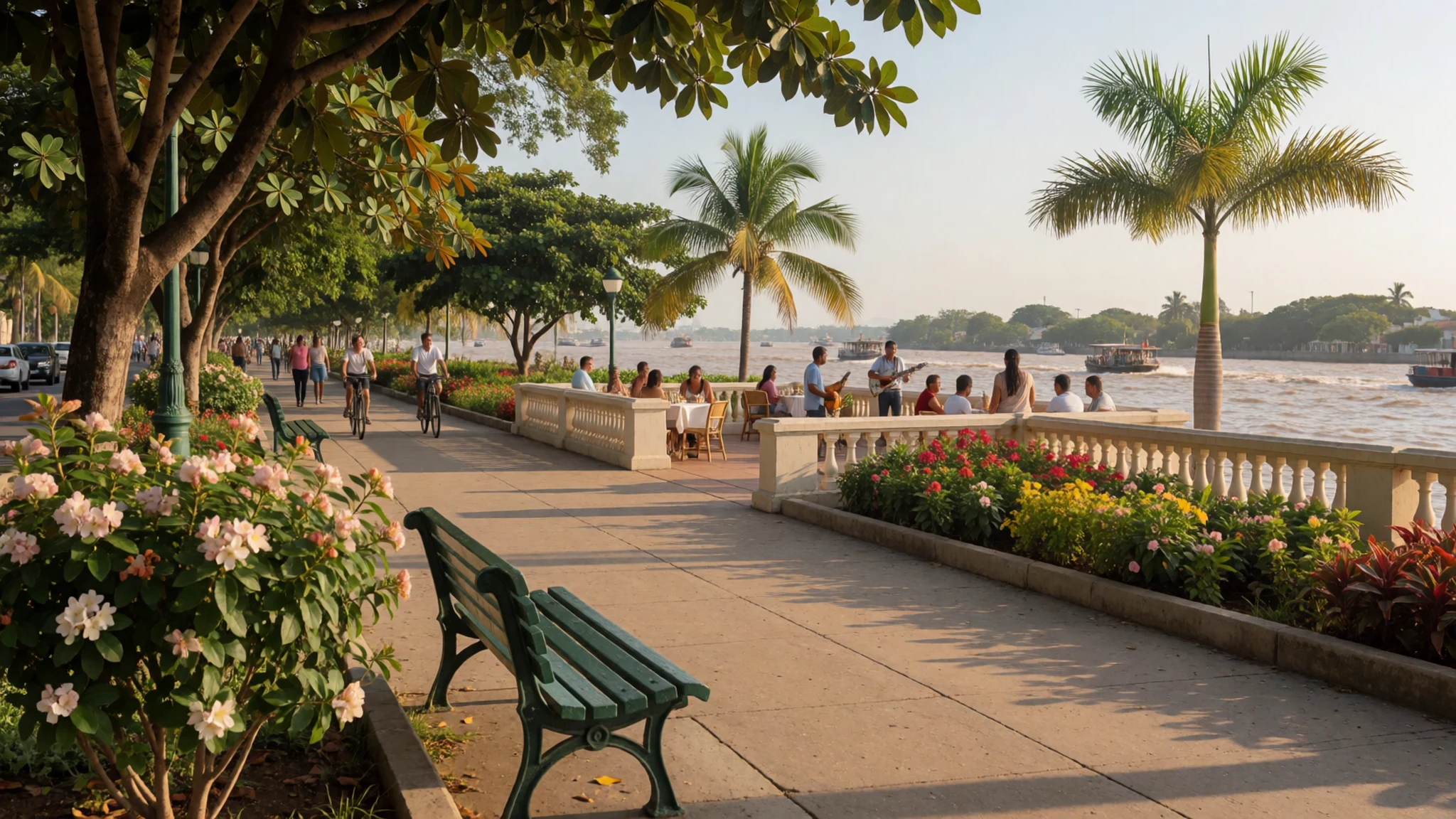
- Castillo de Salgar — Salgar
Perched on a rocky cliff overlooking the ocean outside the main city, this restored nineteenth-century fortress offers quiet panoramic vistas over the sea. The stone structure provides a peaceful escape from urban traffic, where visitors can walk along stone ramparts and watch waves crashing against the headland.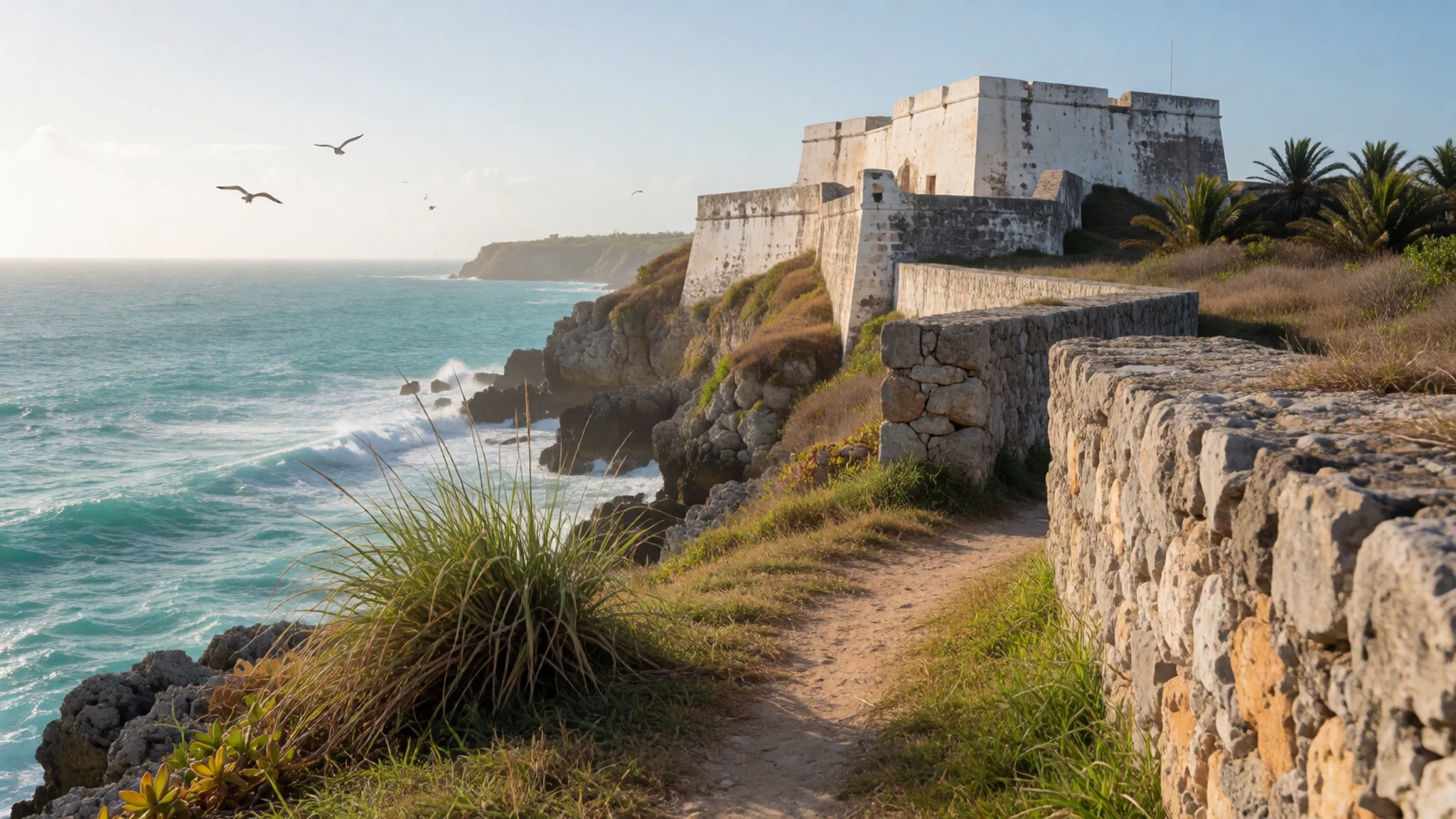
- Bocas de Ceniza — Magdalena River Delta
Located at the dramatic point where the muddy brown Magdalena River pours into the deep blue Caribbean Sea, this long breakwater marks the gateway to Colombia's river trade. Visitors can travel along the narrow spit of land to watch freight ships navigate the churning waters where river and ocean meet.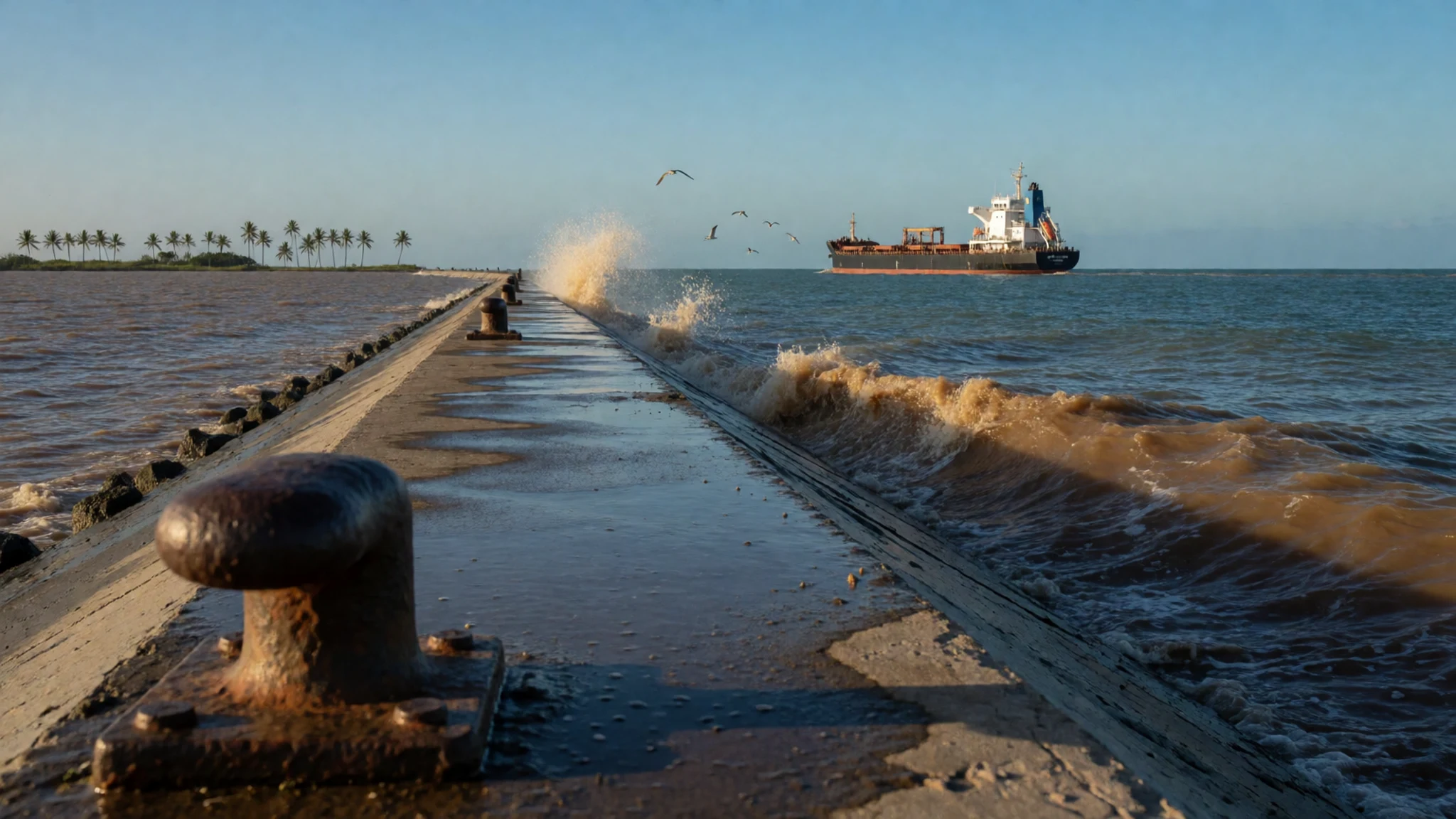
- Museo Mapuka — Universidad del Norte
Situated on the university campus, this archaeology museum displays artifacts from the pre-Columbian Karib peoples who inhabited the northern coast. Interactive displays showcase ancient pottery, stone tools, and gold ornaments, tracing thousands of years of indigenous settlement, trade routes, and craftsmanship long before the modern port was built.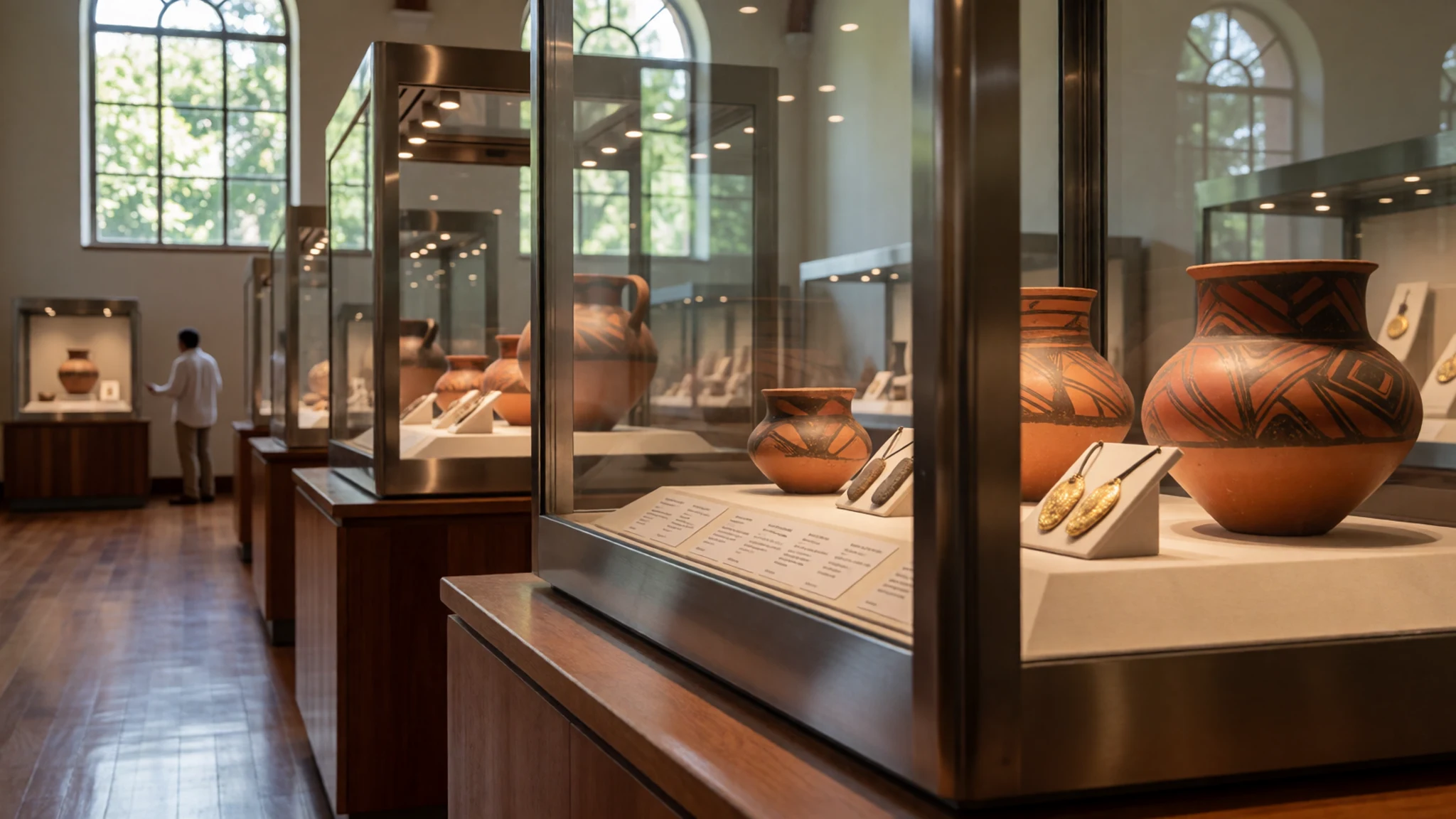
- Zoológico de Barranquilla — El Prado
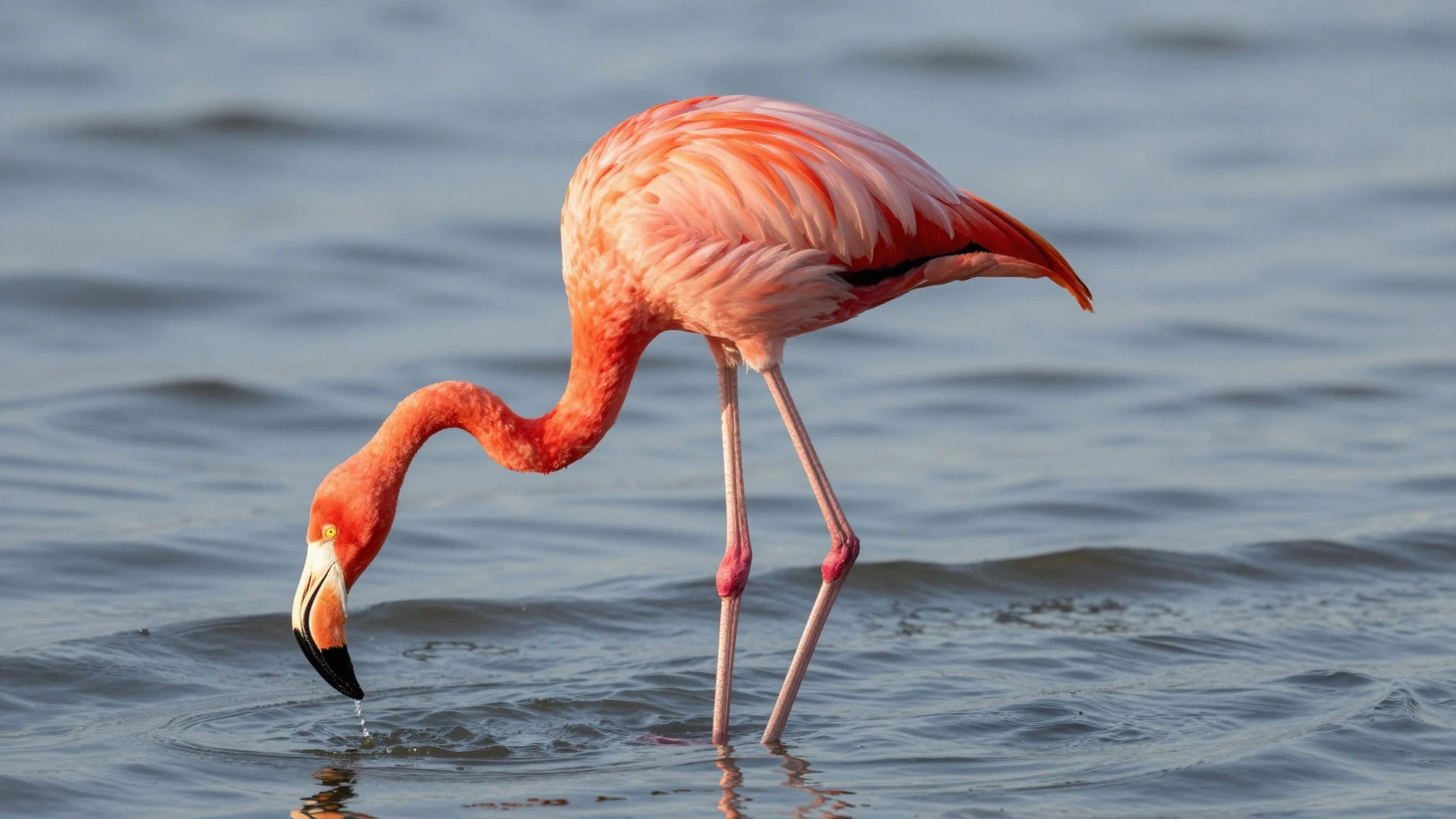
Nestled in a shaded green space within the city, this compact zoological park houses native Colombian wildlife alongside exotic species. Visitors can walk beneath tall tropical trees while observing tapirs, jaguars, flamingos, and native river fauna, offering an educational look at biodiversity across northern South America.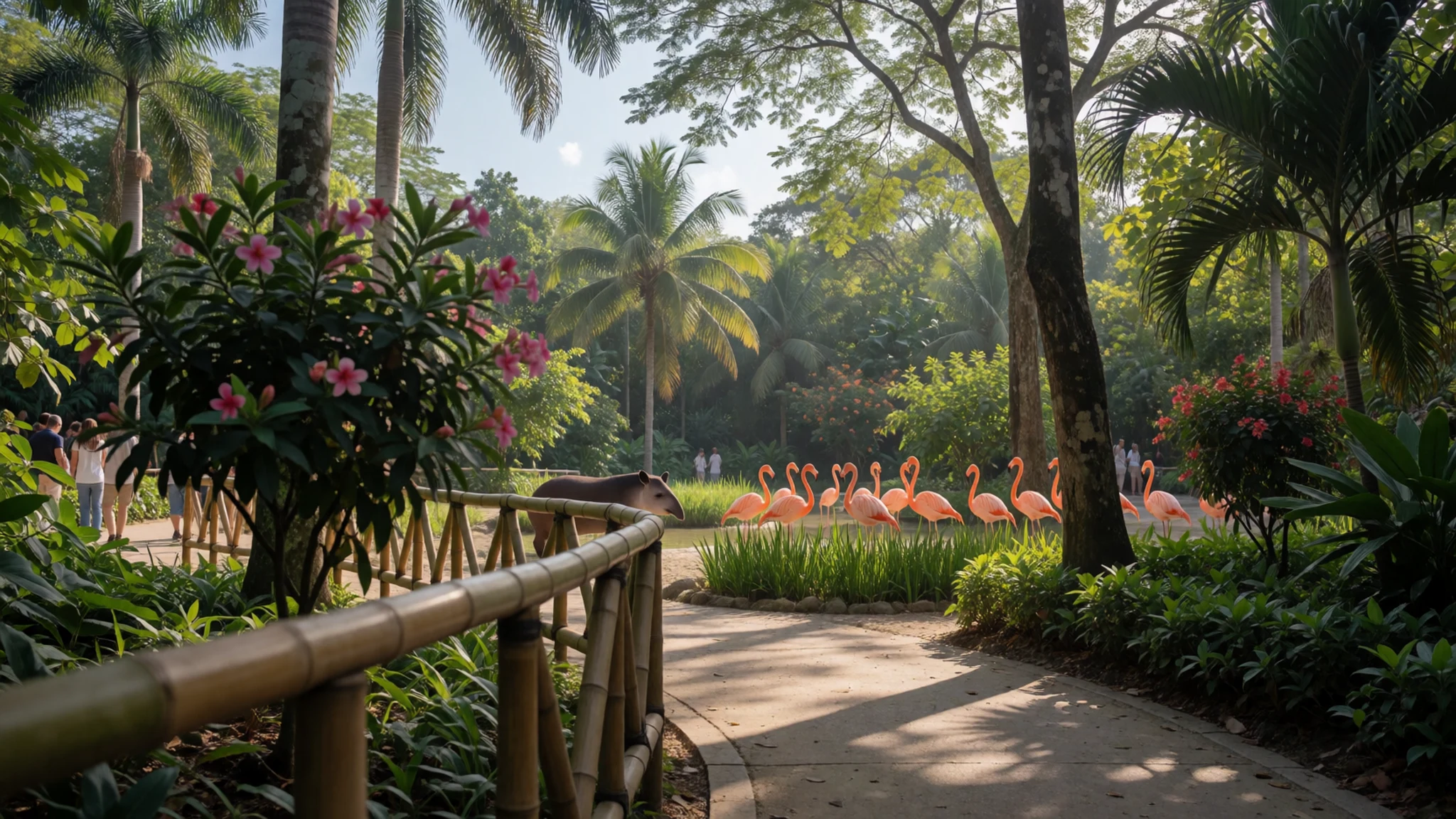
Culture
Barranquilla possesses a unique cultural identity built upon folk traditions, Caribbean music, and an exuberant street life. The defining moment of the city's calendar is its famous Carnival, held every year in the days preceding Ash Wednesday. During this four-day celebration, the streets fill with masked dancers, vibrant parades, and traditional costumed figures like the Marimonda and the Son de Negro, celebrating African, Indigenous, and Spanish heritage through rhythm and dance.
Throughout the rest of the year, music remains central to daily existence. Salsa, cumbia, and champeta echo from neighbourhood corner stores and open-air plazas, reflecting a community that lives outdoors. Social life revolves around extended family gatherings, neighbourhood sporting events, and evening strolls along public spaces.
When visiting during festival season or interacting with residents in daily life, respect local space by asking before taking close-up portraits of parade performers or artisans at work.
What to wear
Barranquilla's traditional attire reflects its warm Caribbean climate and festive heritage. During carnival celebrations, dancers wear brilliant costumes crafted from lightweight satins, sequins, and hand-woven cottons, adorned with elaborate masks and headpieces made from paper-mâché and bright feathers. Traditional coastal attire for men includes light linen shirts and trousers paired with the iconic sombrero vueltiao, a finely hand-woven cane hat featuring intricate black-and-white geometric patterns from the region's indigenous artisans.
In everyday modern life, local residents dress for extreme heat and humidity while maintaining a neat, pulled-together appearance. Men typically wear short-sleeved cotton shirts, tailored shorts, or lightweight trousers, while women favour bright sundresses, linen tops, and breathable skirts. Casual beachwear is reserved strictly for seaside resorts rather than city streets or restaurants.
For visitors, light, breathable fabrics like linen and loose cotton are essential to cope with year-round tropical heat. Sun protection—including a wide-brimmed hat, sunglasses, and high-factor sunscreen—is mandatory during daytime sightseeing. Comfortable, breathable flat shoes or sturdy sandals are ideal for walking on paved streets, while lightweight smart-casual clothing is recommended for evening dining.
What to eat
- Sancocho de guandul — Traditional eateries in Centro Histórico
A hearty, fragrant coastal soup prepared with green pigeon peas, salted beef or pork, cassava, plantains, and tropical spices. Slow-cooked in large pots, this classic dish is traditionally served with a side of white rice and fresh lime.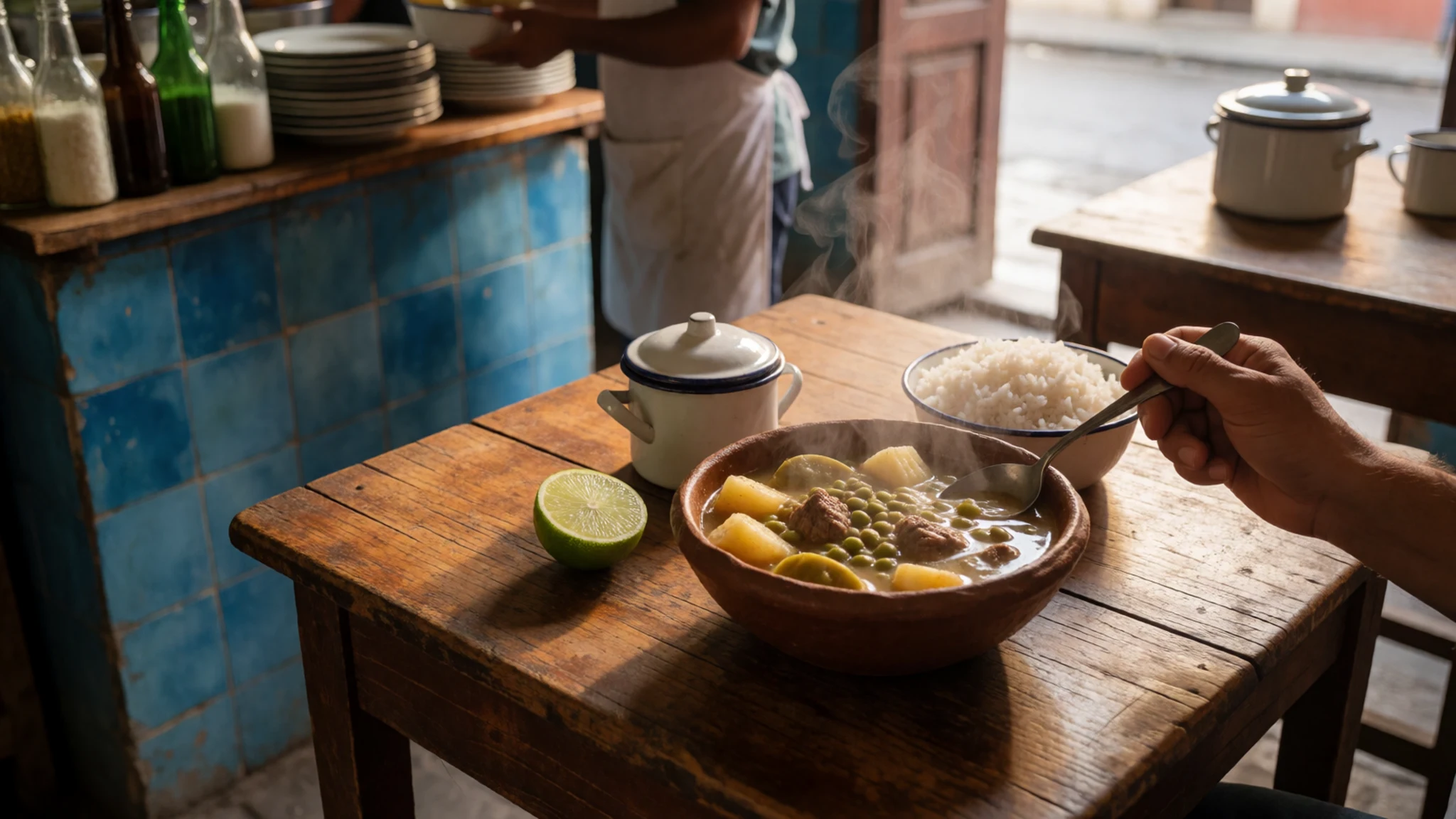
- Arroz con coco — Seafood restaurants along the Magdalena River
Rich, aromatic rice cooked in freshly pressed coconut milk and caramelized with a hint of panela sugar. Often mixed with raisins, this sweet and savoury staple accompanies fried fish and green plantains across coastal dining spots.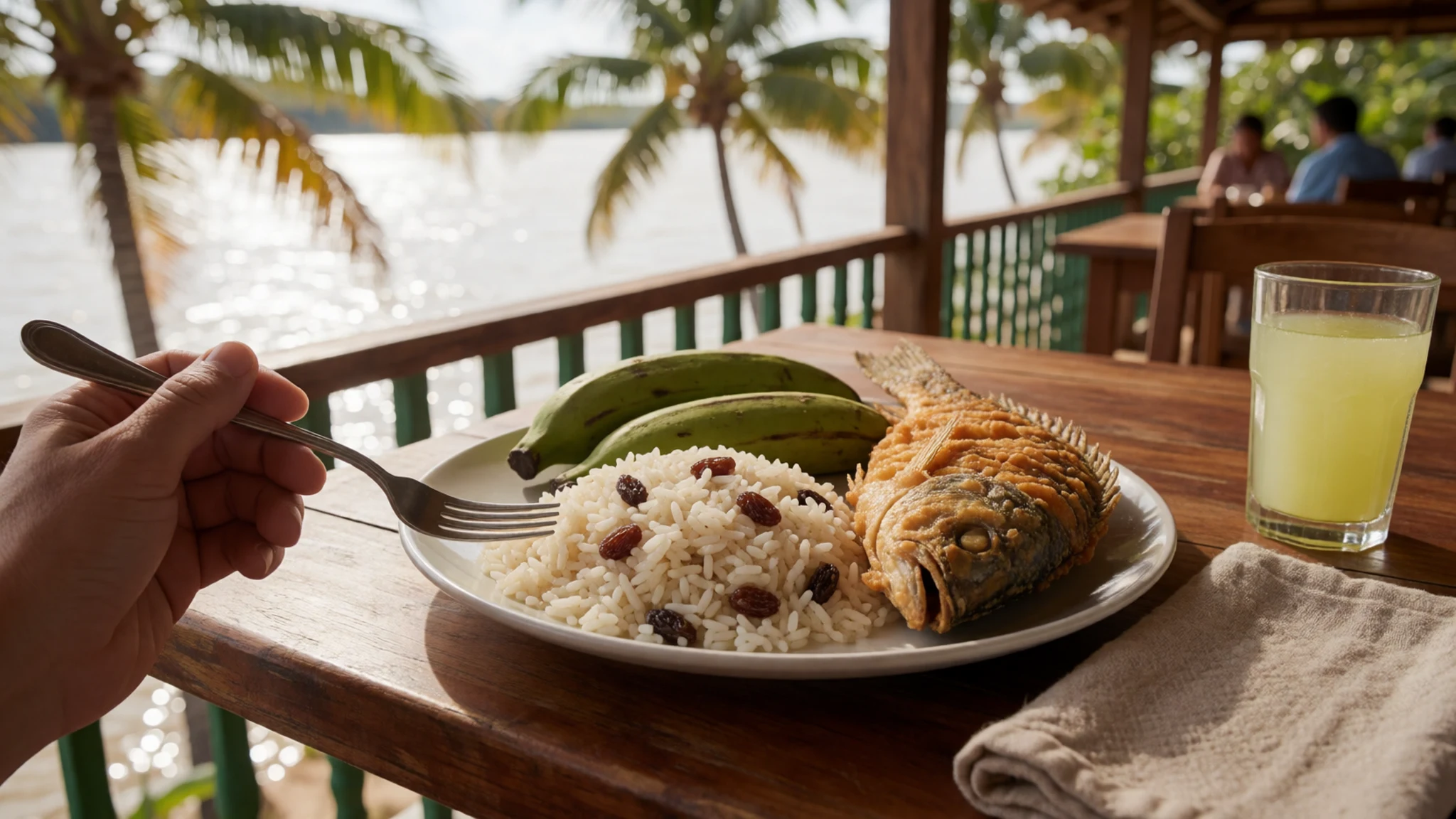
- Bocas de Ceniza river fish — Riverbank eateries in Las Flores
Fresh river fish harvested from the Magdalena, scored, seasoned with garlic and salt, and deep-fried until crisp. Served whole alongside coconut rice, patacones (fried green plantains), and fresh avocado, it is a quintessential riverfront lunch. - Fritos costeños — Street stalls and neighbourhood bakeries
A staple array of deep-fried cornmeal snacks, including egg-filled arepas (arepa de huevo) and savory beef empanadas. Served hot with spicy costeño cheese or homemade chili sauce, these crispy snacks are popular for breakfast or afternoon bites.
Plan it
Best time. December to March brings dry, sunny weather with refreshing ocean breezes; late February or early March is prime time for Carnival, though accommodation prices surge.
How long. 2–3
Getting there. Ernesto Cortissoz International Airport located in neighbouring Soledad, with direct domestic flights from Bogotá and Medellín as well as international connections from Miami and Panama; official taxis connect to central neighbourhoods.
Budget. mid
Tips
- Book accommodation months ahead if visiting during the February Carnival
- Carry small cash notes in Colombian pesos for street snacks and local transport
- Drink bottled water and stay hydrated in the intense tropical heat
- Use registered taxi apps or official airport stands rather than hailing cabs on the street
Etiquette
- Greet shopkeepers and service staff with a friendly 'buenas' before making requests
- Dress neatly when visiting restaurants and cultural venues, avoiding pure beachwear in the city
- Ask permission before photographing performers or locals in public markets
Nearby
Sources
- Wikidata Q62823 (CC0)
- Wikipedia (rev 1383696089) (CC BY-SA 4.0)
- Wikivoyage (rev 5348641) (CC BY-SA 4.0)
- Photo photos/01-barranquilla-montage.jpg (CC BY 3.0)
- Photo photos/02-barranquilla-panoramica.jpg (CC0 1.0)
- Photo photos/03-antigua-aduana-de-barranquilla.jpg (CC BY 3.0)
- Photo photos/04-barranquilla-catedral.jpg (Public domain)


Wildlife
- Jaguar (animal)
The jaguar is the biggest wild cat in the Americas, a muscular, spotted animal whose golden coat is patterned with rings called rosettes along its sides. A few are born almost black. In Barranquilla, the reading says you may see jaguars while walking beneath tall tropical trees, alongside tapirs, flamingos and river creatures. No season or hour is given, so ask locally. Keep a respectful distance, stay quiet, follow your guide, and never feed it; this is a powerful hunter.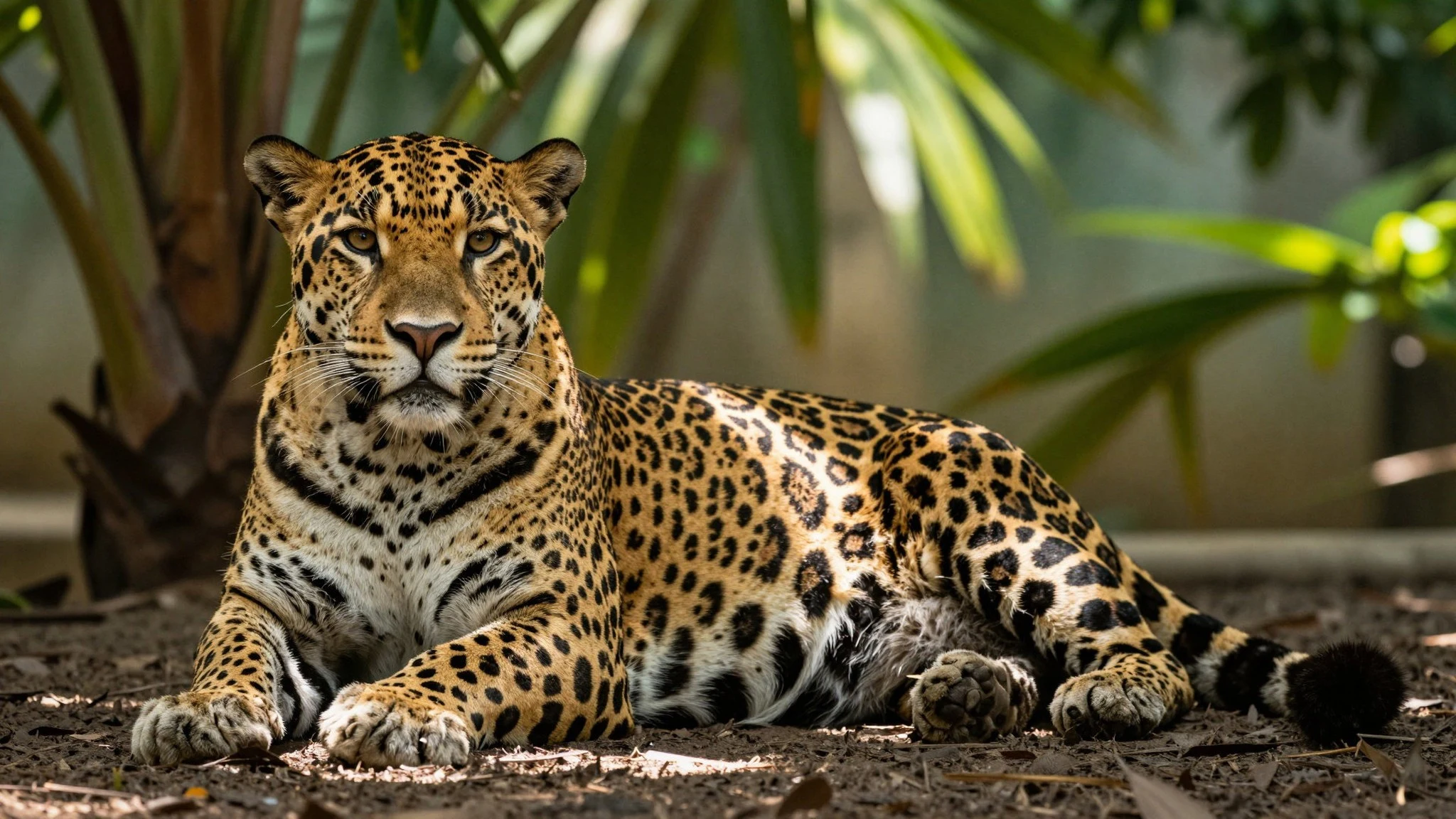
- Flamingo (animal)
The American flamingo is a large flamingo, also called the Caribbean flamingo, and it is a cousin of the Chilean and greater flamingos. In Barranquilla you can look for flamingos while strolling beneath tall tropical trees, among tapirs, jaguars and river wildlife. The notes do not say which season or hour suits best, so ask a local guide. Stay back, keep your voice low, let the birds go about their day, and never offer them food.