Chingaza National Natural Park
Chingaza National Natural Park, Colombia
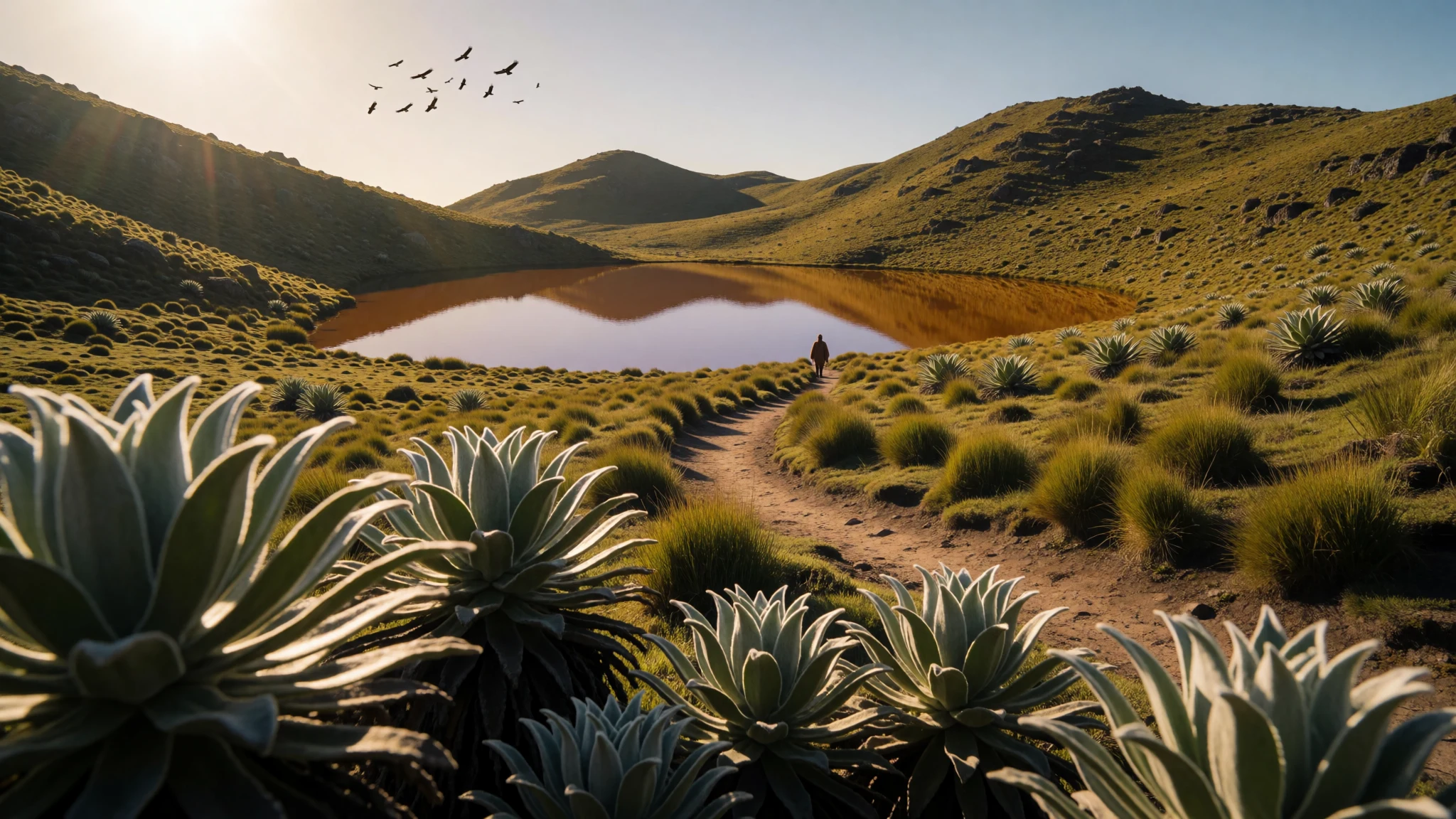
Chingaza offers Andean páramo, glacial lakes and silver-leaved frailejón plants, all within reach of Bogotá but feeling a world away.
The place
Chingaza National Natural Park sits in the Eastern Ranges of the Colombian Andes, north-east of Bogotá, across the departments of Cundinamarca and Meta. Altitude runs from about 800 to 4,020 metres, so a single day can pass from damp, warm cloud forest to cold, open highland. The upper ground is páramo: a treeless landscape of tussock grass, peaty bog and small glacial lakes, around 40 of them in total. The protected area covers about 76,000 hectares and touches the municipalities of La Calera, Fómeque, Guasca and San Juanito. Rivers rise here and flow east into the Orinoco basin.
The mood is usually quiet and grey-green rather than bright. Mist can swallow a ridge in minutes, rain is common in almost any month, and the wind on the high ground is sharp. That weather is part of the character, and it suits the park's best-known plant, the frailejón, a furry, silver-leaved rosette that grows slowly on tall stems and catches moisture from the cloud.
Wildlife is the other draw, though sightings are never guaranteed. Spectacled bears, Andean tapirs, culpeo foxes and Andean condors live here, and birdwatchers also come for torrent ducks, Andean teal and toucans. Over 2,000 species have been recorded in all. There are no shops and no mobile signal inside, so a visit here is self-contained and unhurried.
Its story
Chingaza National Natural Park carries a history that is half sacred and half practical. For the Muisca people, who lived on the high plateau around today's Bogotá, mountain lakes were places of offering. Gold and emeralds were reportedly given to the water, and the Lagunas de Siecha, a cluster of three lakes in the park, are still regarded as sacred by Muisca communities.
That reputation brought trouble. After the Spanish arrived, rumours of treasure sunk in the lakes led conquistadors to drain some of them in search of gold. The lakes are small and cold, and the effort left scars on a landscape that had been treated with reverence for centuries.
The modern chapter is about water. The park was declared in 1977, and its value to the capital is hard to overstate: rivers born in these highlands supply roughly 80% of Bogotá's drinking water, much of it stored in the Chuza Reservoir inside the boundary. Millions of people who never visit depend on the páramo sponge, where moss, peat and frailejón soak up cloud and release it slowly.
So the protection here serves two causes at once. It guards a fragile ecosystem and the wildlife in it, and it guards the taps of a city of several million. Walking the trails, it is easy to see why the place matters more than its modest visitor numbers suggest.
What to see
- Lagunas de Siecha — Guasca side of the park
Reached through the Guasca entrance, the Lagunas de Siecha are three linked lakes set in open páramo. The largest, Laguna de Siecha, is the one the Muisca hold sacred. The walk is exposed, often misty and sometimes boggy, so go early, keep voices low and stay on the marked path.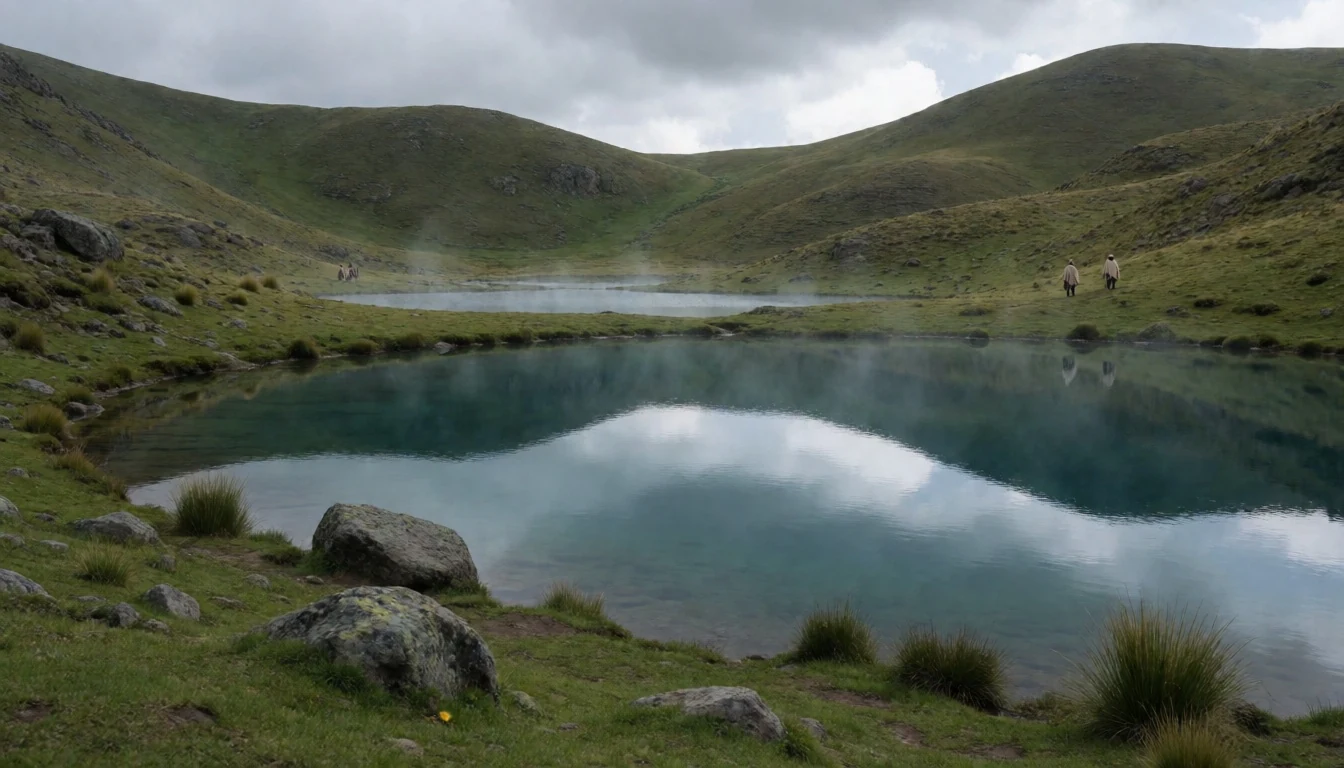
- Laguna de Chingaza — La Paila entrance, eastern sector
The trail from Las Plantas to Laguna de Chingaza climbs through forest edge into páramo, ending at the lake that gives the park its name. Frailejones crowd the shoreline and the light changes quickly as cloud moves through. It is a steady rather than technical walk, but altitude slows the pace.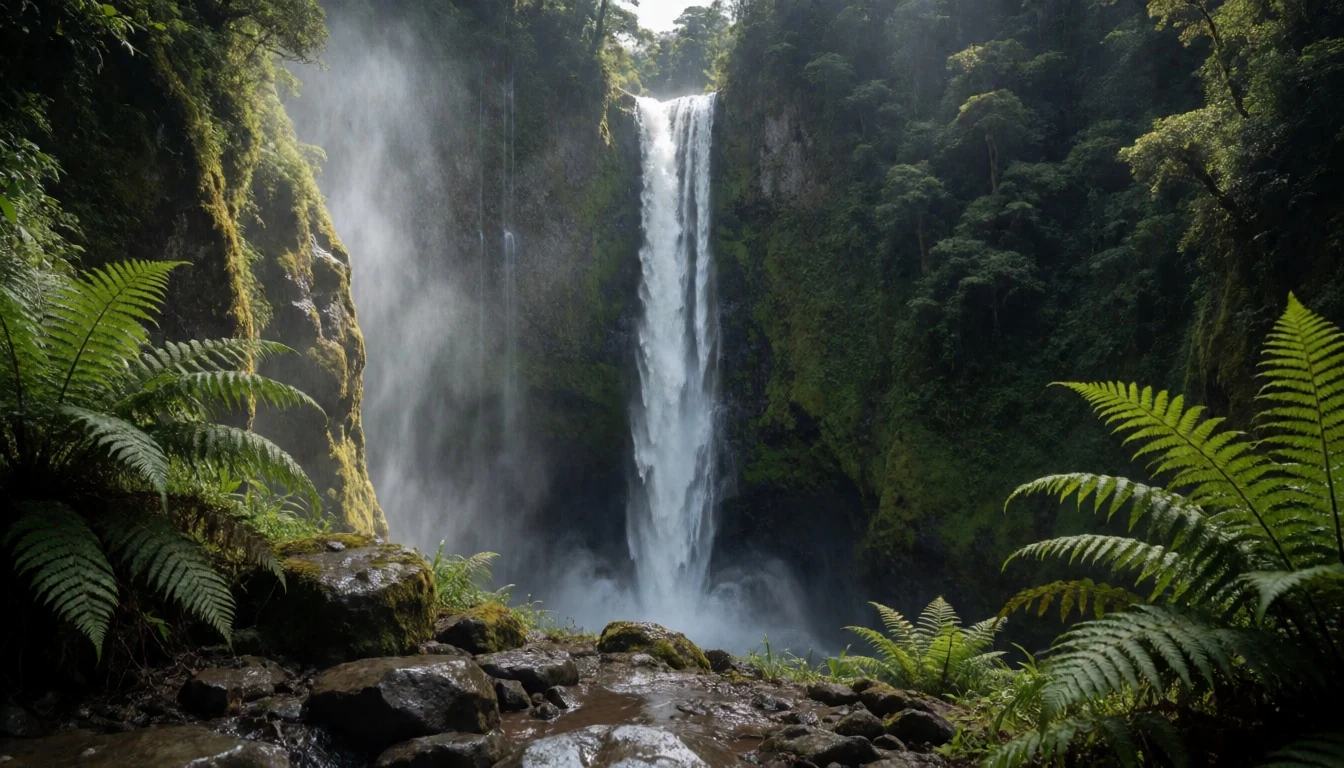
- La Chorrera waterfall — Southern slopes of the park
La Chorrera is a waterfall that drops about 600 metres down a forested cliff, thin and ribboned rather than thunderous. Cloud often hides the top, so the view depends on luck and season. After rain the flow is stronger and the surrounding forest smells of wet earth and moss.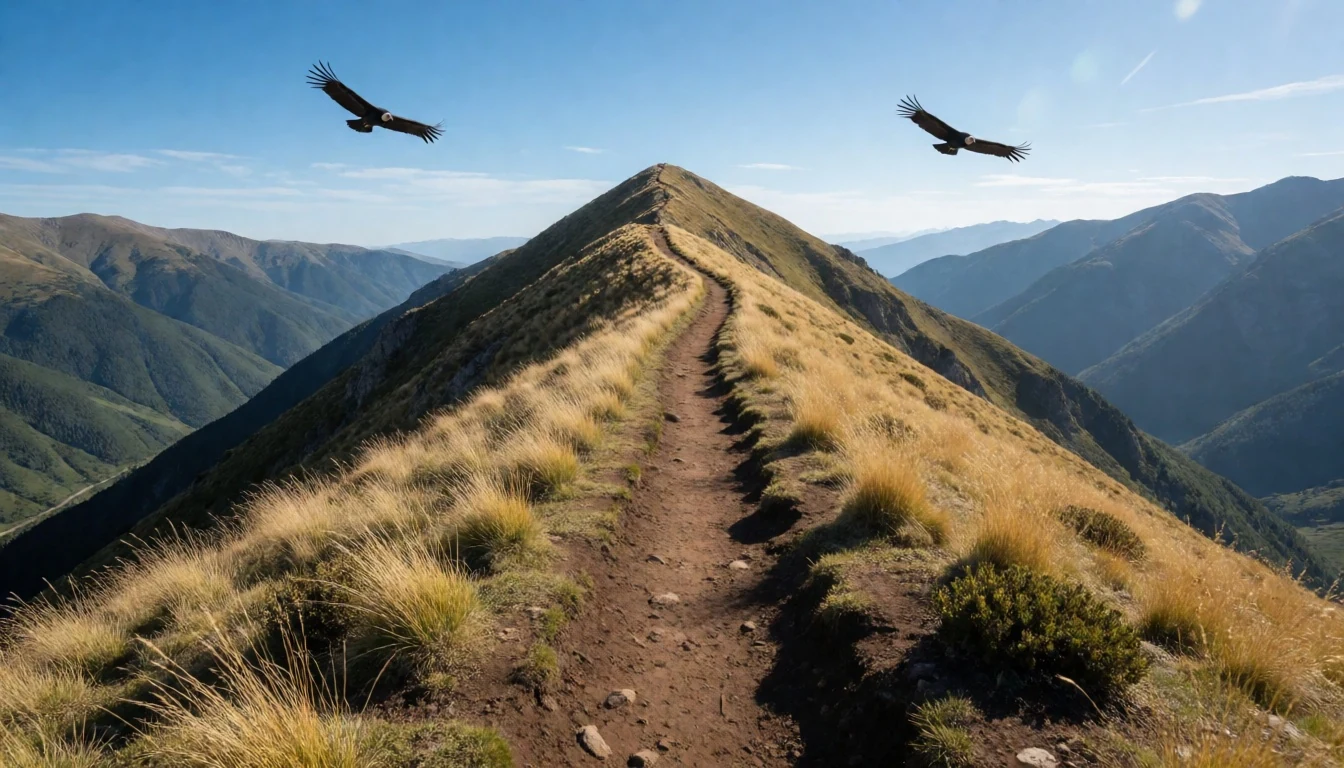
- Chuza Reservoir and the road in — Piedras Gordas sector
The Chuza Reservoir is Bogotá's biggest water source, a dark sheet of water held in a high valley. The unpaved road from the Piedras Gordas entrance passes it, with stops for birds and views over folded ridges. Driving is slow, and the road itself is part of the experience.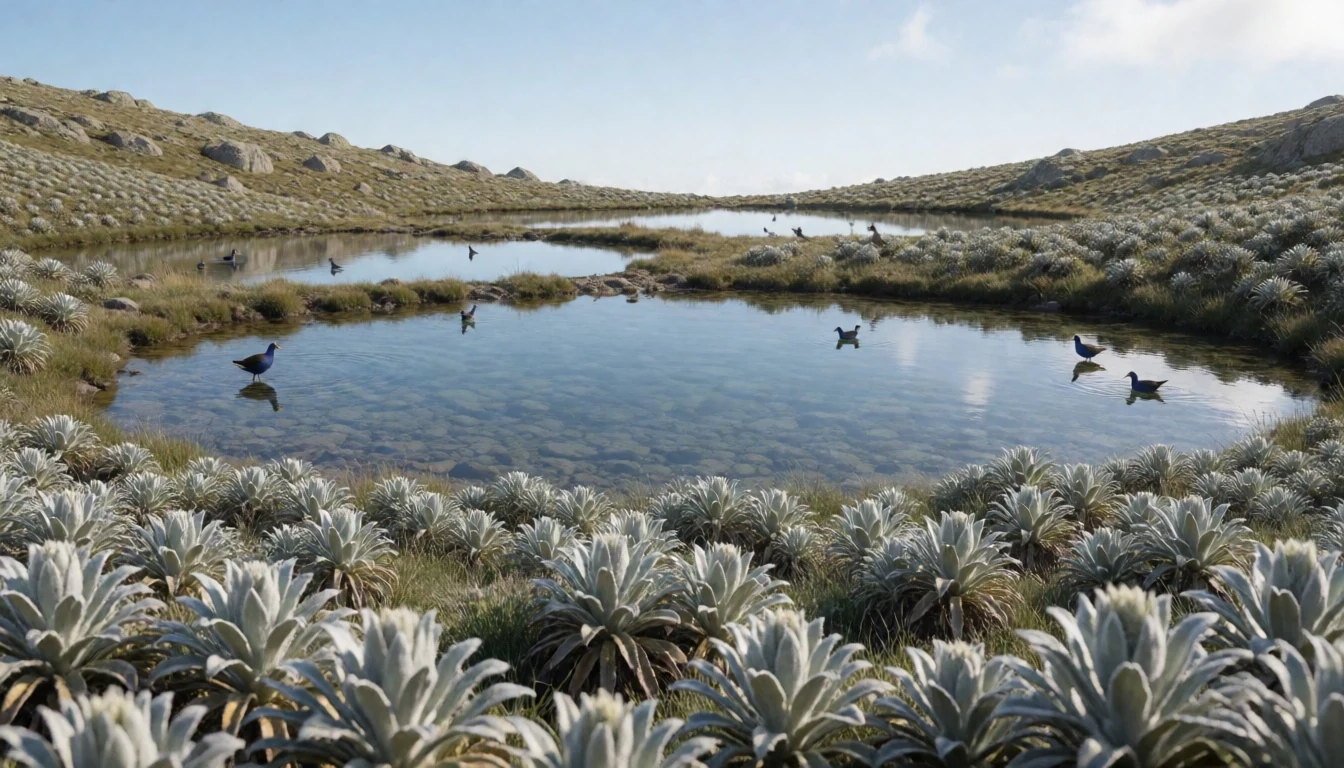
- Frailejón páramo trails — Several sectors
Several marked trails, including Lagunas de Buitrago, Laguna Seca and Cuchillas de Siecha, cross open páramo thick with frailejones. The silver, felt-like leaves are softer than they look and the plants are fragile, so photograph them from the path. Spectacled bears and condors are occasional rewards for patient walkers.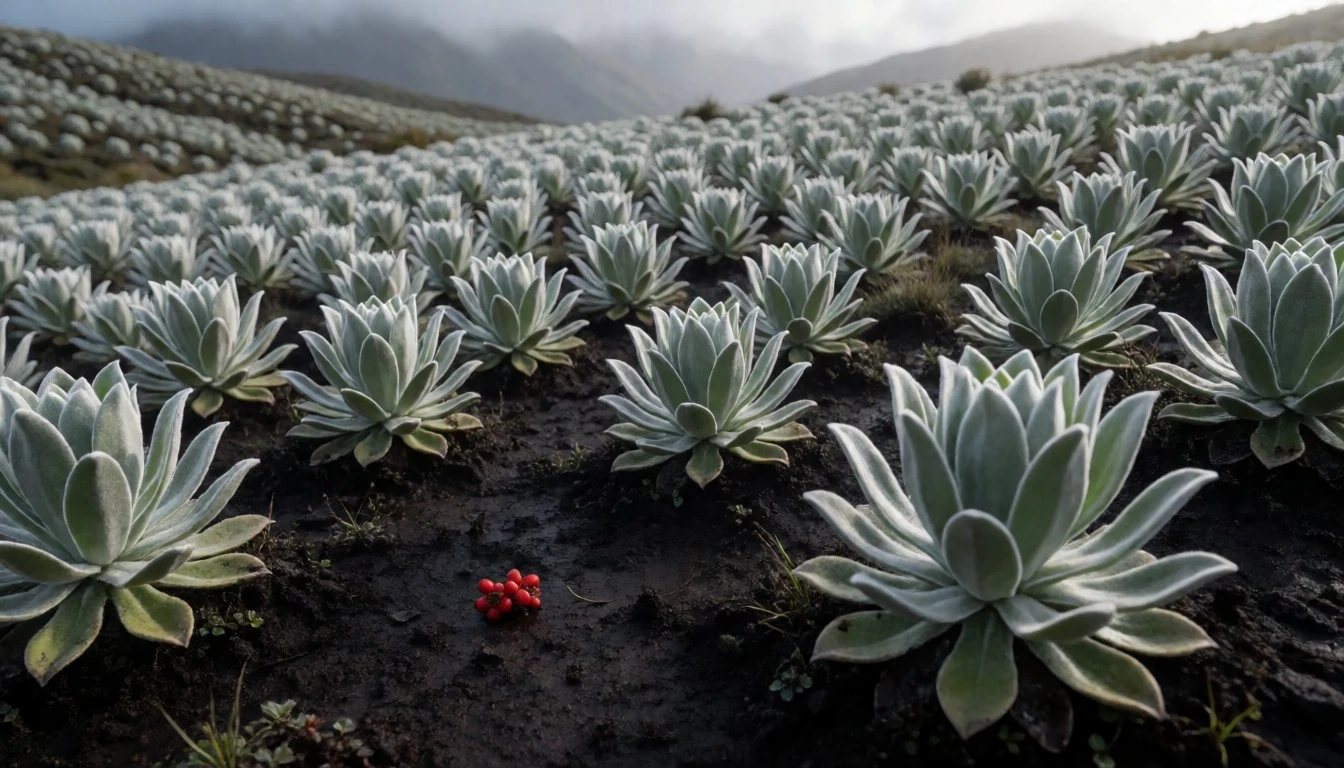
Culture
Chingaza National Natural Park sits in country shaped by the Muisca, whose world was organised around water, mountains and the exchange between people and the sacred. Lakes were not scenery but thresholds, places for offerings and ceremony. The Lagunas de Siecha remain meaningful to Muisca communities today, and some groups still make pilgrimages and hold ceremonies at high lakes. The idea that gold was given to water, rather than kept, still defines how many Colombians talk about the Muisca past.
The farming villages on the park's edge, such as Guasca and La Calera, carry a different layer: Andean campesino life built around potatoes, dairy cattle and small plots on steep slopes. Weekends bring visitors from Bogotá, and local families run small eateries, guesthouses and guiding services. Community-led ecotourism groups manage some overnight stays, and booking through them keeps money in the area.
Spanish is the working language. Even basic greetings land well, and guides and rangers are generally patient with hesitant Spanish. Conversation is usually polite and a little formal at first, warming as it goes. Colombians are proud of their national parks and tend to be curious about visitors from India and the UK, so expect questions about home.
On the trails, the unspoken code is simple: stay quiet near the lakes, carry rubbish out and leave plants and stones where they are. Please keep to the marked paths and stay away from the water's edge at the Lagunas de Siecha, as the Muisca regard those lakes as sacred.
What to wear
Chingaza National Natural Park lies in a region where traditional highland dress is the ruana, a square or rectangular wool poncho worn over the shoulders, often with a felt or straw hat and rope-soled alpargata sandals. Wool from local sheep was spun and woven in villages across the Andean plateau, and the ruana is still worn by older farmers and at festivals. Before the Spanish arrived, the Muisca wove cotton mantles and were known for fine textile work, though little of that tradition survives in everyday use.
What people wear now is practical and layered. In Guasca and La Calera, that means jeans, fleeces, rubber boots for the mud and a waterproof jacket. Bogotá weekenders arrive in outdoor gear, and many keep a ruana or wool scarf in the car for the cold.
Visitors should dress for cool, wet, changeable highland weather even if Bogotá feels mild. Pack a thin base layer, a warm fleece, a waterproof shell, a hat and gloves for exposed ground and sun protection, as ultraviolet light is strong at altitude. Boots with grip and ankle support are best, because the páramo is boggy and trails can be slick. Quick-dry trousers beat jeans, which stay wet. No special modesty rules apply on the trails, though covered shoulders and knees are sensible for the wind and for visits to the villages.
What to eat
- Ajiaco santafereño — Family restaurants in La Calera and Bogotá
A thick Bogotá soup of chicken and three kinds of potato, with corn on the cob, served with cream, capers and avocado. It is a perfect meal after a cold day in the páramo. Look for it in family restaurants in La Calera and Bogotá.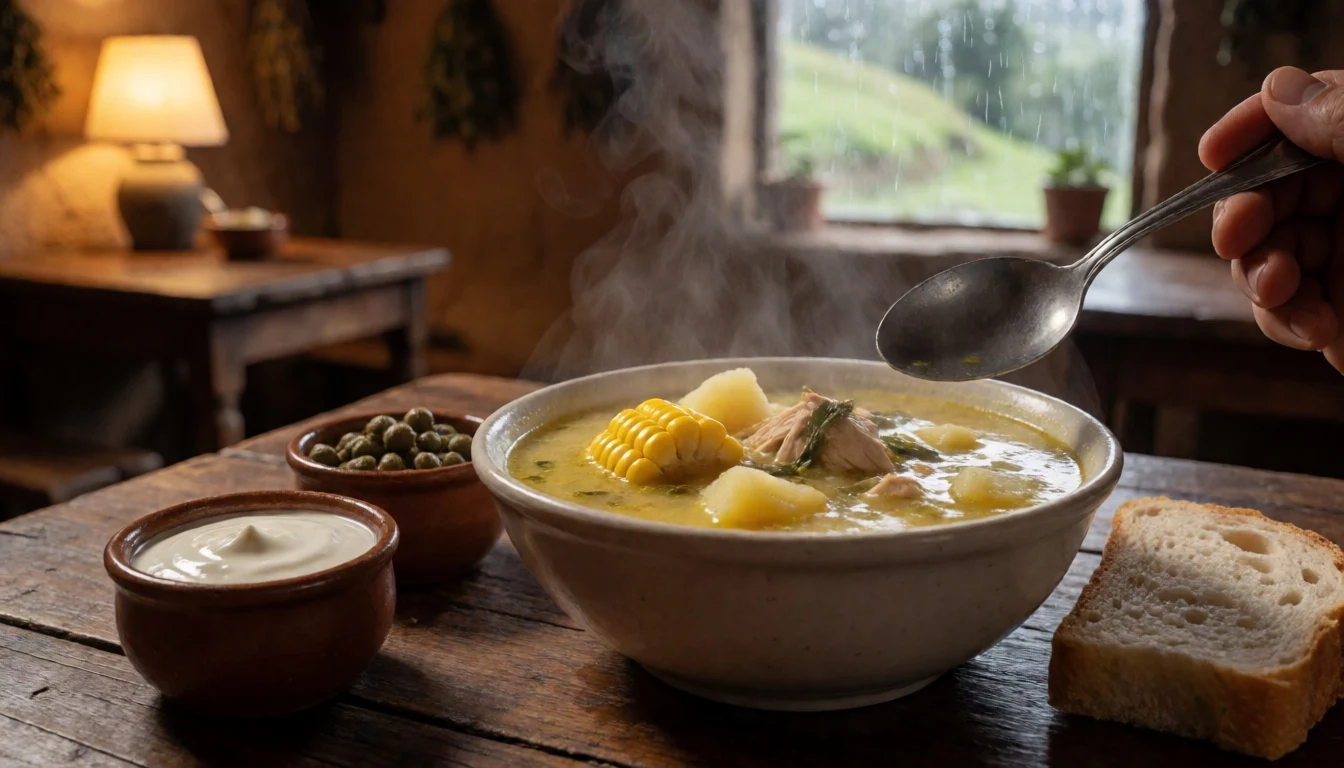
- Trucha (trout) — Roadside eateries on the approach roads
Trout from cold highland streams is fried or grilled and served with potatoes and a squeeze of lime. The park is known for trout fishing, and farmed fish are sold along the roads around the edge. Ask for it at roadside restaurants on the way in.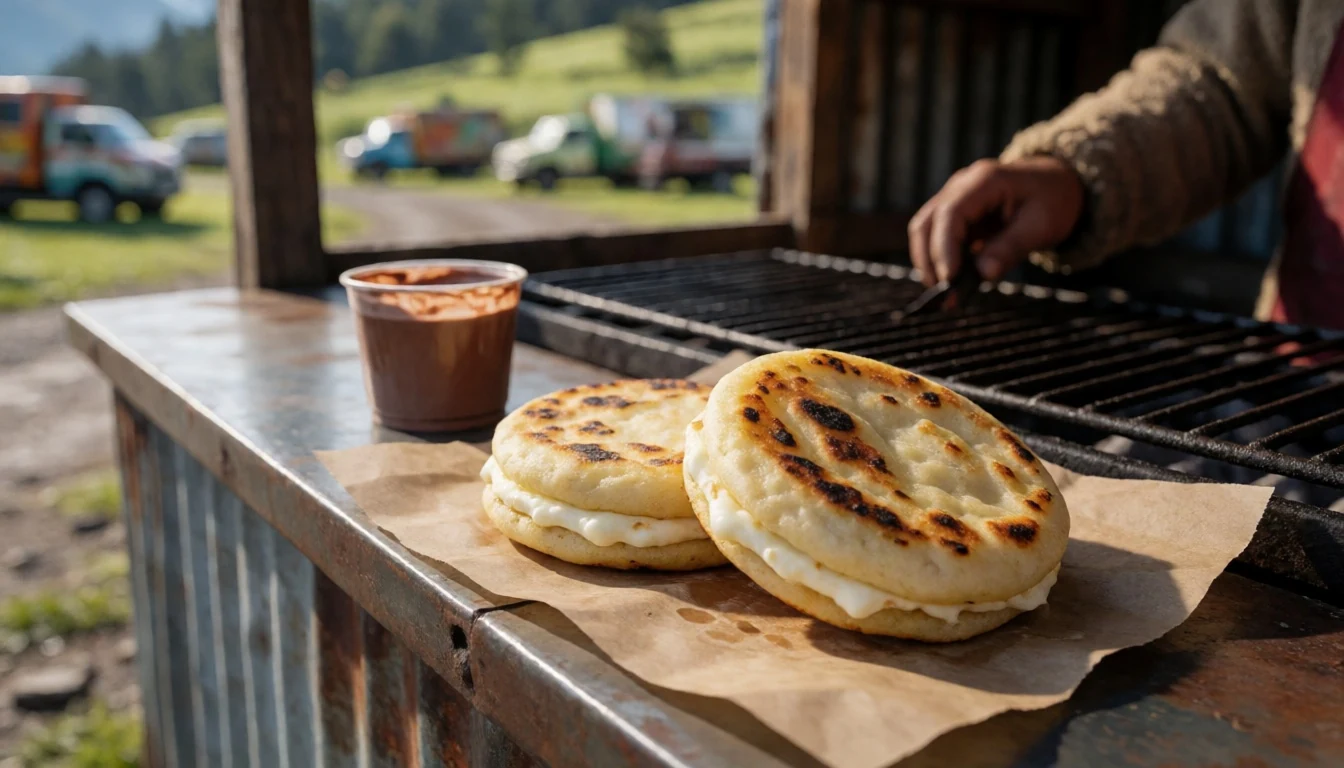
- Chocolate santafereño con queso — Bakeries and cafés in Guasca and La Calera
A cup of hot chocolate served with a slab of fresh cheese, which is dropped in and left to soften. It sounds odd but is warming, salty and sweet together. Bakeries and cafés in Guasca and La Calera serve it with bread. - Changua — Village breakfast counters near the park
A milk-and-egg breakfast soup with spring onion and coriander, usually with day-old bread. It is simple and filling before an early start. Small breakfast counters and village cafés in the highlands often have it on the morning menu. - Arepa boyacense and fresh cheese — Bakeries and stalls in village squares
A soft, slightly sweet corn arepa stuffed or topped with local cheese, eaten warm. It is common at weekend food stalls and bakeries in the villages near the park, and easy to pack for a trail lunch, since the park itself has no shops.
Plan it
Best time. December to March is generally the drier stretch in this part of the Andes, with better odds of clear views. The park is cool and damp year-round, with rain possible at any time and mist on most mornings, so plan for changing weather whatever the month.
How long. 1–2
Getting there. Fly into El Dorado International Airport in Bogotá. From there the last leg is by road, either with a tour operator or a hired car, to one of the three entrances: Piedras Gordas, Siecha or La Paila–Laguna de Chingaza. Final stretches can be unpaved and slow.
Budget. mid
Tips
- Advance permits are required, and the brief advises getting them at least 15 days before the visit; check the official site at https://www.colparques.net/CHINGAZA for current rules, entry times and fees
- Bring everything you need, including food, water and cash: there are no shops or services inside and no mobile signal
- Allow time to acclimatise, as the higher ground is cold and the altitude slows walking
- Pack waterproofs, warm layers and sturdy boots, since weather changes within minutes
- For overnight stays, arrange shelter or camping in advance through the community ecotourism organisation rather than turning up
Etiquette
- Keep to marked trails to protect the fragile frailejón and peat
- Carry all rubbish out and leave plants, stones and water as you found them
- Be quiet and respectful at the Lagunas de Siecha, which are sacred to the Muisca
Nearby
Sources
- Wikidata Q1127981 (CC0)
- Wikipedia: Chingaza National Natural Park (rev 1362712742) (CC BY-SA 4.0)
- Wikivoyage: Chingaza National Natural Park (rev 4948705) (CC BY-SA 4.0)
- Photo: Presencia sagrada en las alturas, Luis Alejandro Bernal Romero (CC BY-SA 2.0)
- Photo: Chingaza road, Mama (CC BY-SA 4.0)
- Photo: Colombia relief location map, Milenioscuro and Alexrk2 (CC BY 3.0)
- Photo: Map of National Park Chingaza, Alexrk2 (CC BY 3.0)
- Photo: Parque Chingaza, Philipp Weigell (CC BY 3.0)
- Photo: Lagunas de Siecha, Philipp Weigell (CC BY 3.0)
- Photo: Chingaza por RMS, Maxisimo (Public domain)
- Photo: Eryngium humboldtii, Supertita (CC BY-SA 4.0)


Wildlife
- Spectacled bear (animal)
The spectacled bear, also called the Andean bear, is South America's only bear, and it mostly eats plants rather than meat. In Chingaza it is counted among the park's special native species, but it is elusive, so a sighting is a rare gift. I can't say which season or hour suits it best, so ask a park guide. Keep well back, stay quiet, and never offer food. Habitat loss makes this bear vulnerable, so give it space.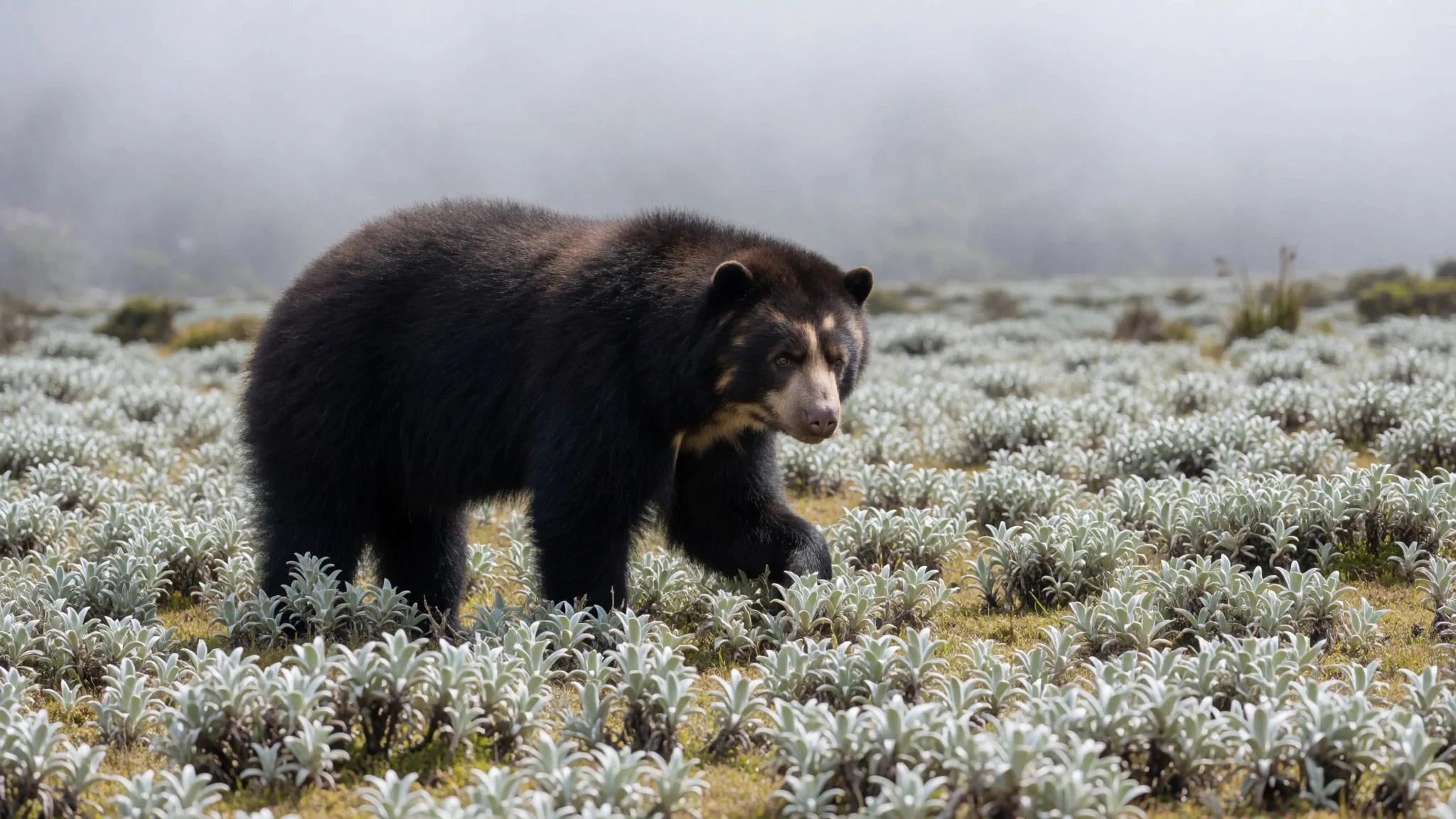
- Andean condor (animal)
Imagine a vulture with wings so wide it ranks among the largest flying birds anywhere: that is the Andean condor. Travellers to Chingaza hope to spot it riding warm rising air above the valley, along the route of the sharp ridges called cuchillas. No season or time of day is recorded, so ask a local guide. Enjoy it from afar with binoculars, stay calm and quiet, and never feed it.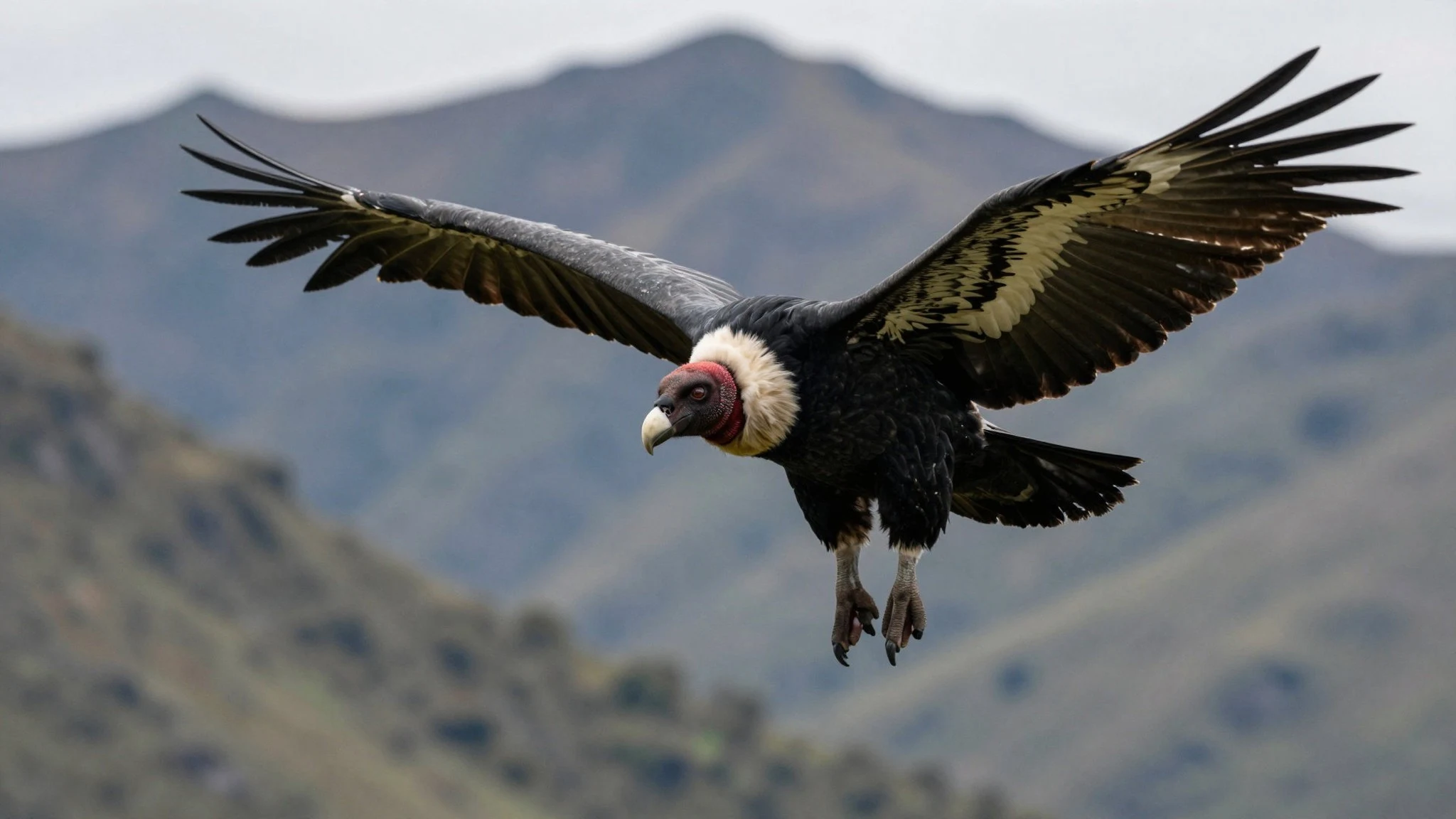
- Andean condor (bird)
Imagine a vulture with wings so wide it ranks among the largest flying birds anywhere: that is the Andean condor. Travellers to Chingaza hope to spot it riding warm rising air above the valley, along the route of the sharp ridges called cuchillas. No season or time of day is recorded, so ask a local guide. Enjoy it from afar with binoculars, stay calm and quiet, and never feed it.