Gorgona Island
Gorgona Island, Colombia
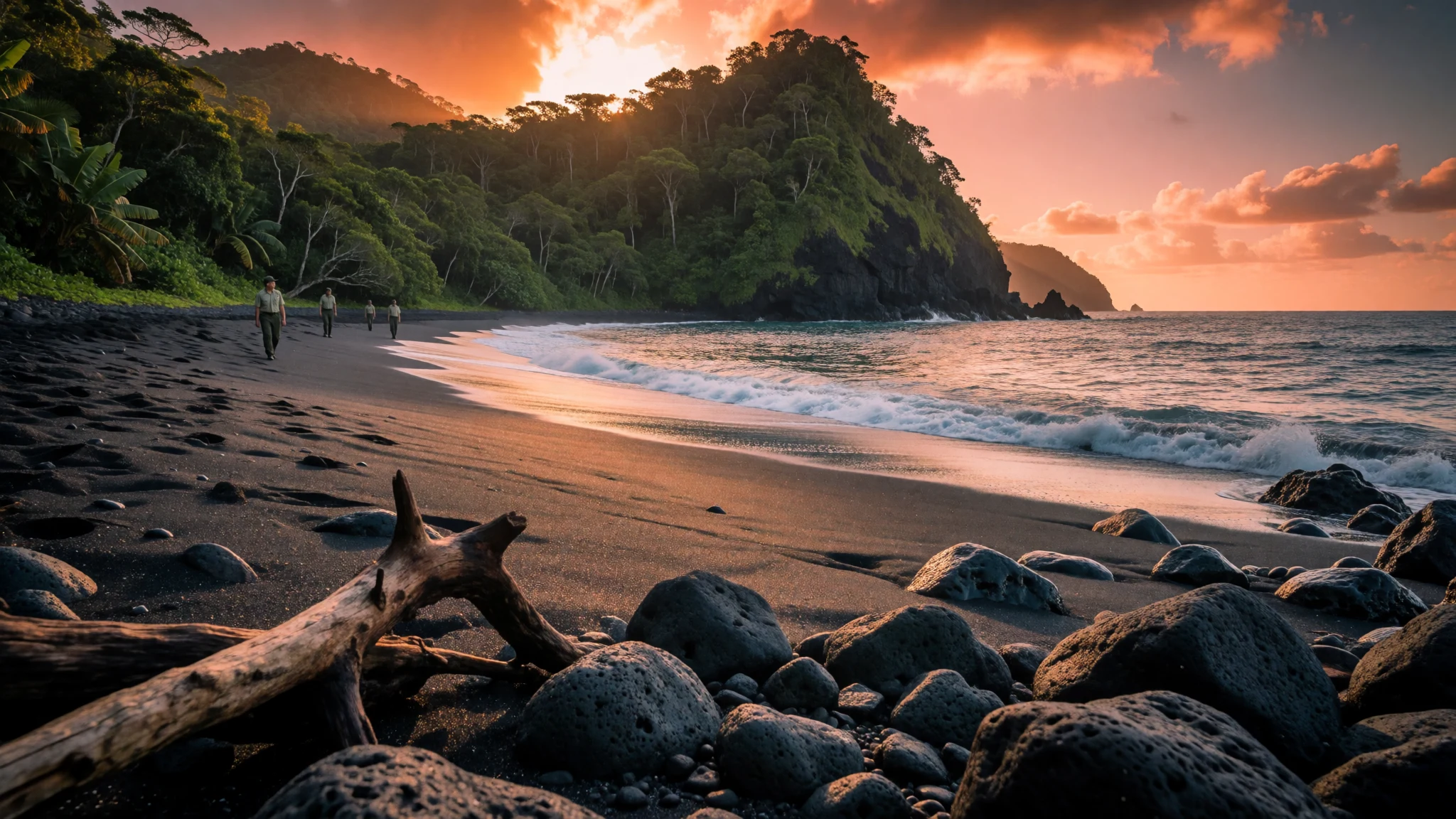
Gorgona Island is a wet, forested Pacific national park where whales, turtles and reef life matter more than sunbeds, and visits are tightly managed.
The place
Gorgona Island is a forested island national park in the Pacific, off the coast of Colombia's Cauca department, and it is run as a protected area rather than a resort. Most visitors arrive by boat from the mainland coast, and the numbers allowed are controlled through the national parks authority, so a stay feels closer to a field station than a beach holiday. The island rises steeply from the sea, wrapped in wet forest, with rocky shores, a few small sandy coves and reefs close to the shoreline. Rain is frequent in every month, the air is humid and warm, and the crossing can be rough. Wildlife is the reason to come: monkeys in the trees, lizards and snakes on the forest floor, seabirds overhead, and turtles, sharks and rays in the water. In the second half of the year humpback whales pass through the surrounding sea. Lodging, meals and walking routes are arranged through the park, and wandering off alone is not on offer. Shops and reliable mobile signal should not be expected. Anyone wanting nightlife, big resorts or long open beaches will be disappointed; anyone happy with forest walks, snorkelling or diving, and early nights tends to find the island rewarding. Booking runs through the official parks site, colparques.net/GORGONA, and it pays to start well before the planned dates because places are limited.
Its story
Gorgona Island carries a harder history than its green slopes suggest. For many years it served as a prison island for mainland Colombia, chosen because the sea and the forest did most of the guarding. Inmates lived in cell blocks built in a clearing, and the isolation, heat and rain were part of the sentence. Stories from that era still shape how the island is talked about on the coast. When the prison closed, the land passed to conservation, and the forest began to take back the paths and walls. The old buildings were not cleared away; they stand as ruins and reminders. The name is usually explained by early Spanish sailors, who found snakes here and thought of the Gorgons of Greek myth, snake-haired monsters of the classical tradition. Whether or not that account is exact, snakes are still part of the island's life today, and rangers treat them with respect. The shift from penal colony to national park is the island's defining story: a place built to keep people in became a place where visits are rationed to protect what lives there. Researchers, divers and small groups of visitors now come for the wildlife, and the coast around Guapi and Timbiquí supplies much of the boat and guiding knowledge that makes those trips possible.
What to see
- The approach by sea — Open water between the mainland coast and the island
The boat crossing to Gorgona Island is part of the experience. The island appears as a dark, steep green shape, and in the second half of the year whales may surface near the boat. Sea conditions vary, so a seasickness remedy and a waterproof bag for cameras are sensible.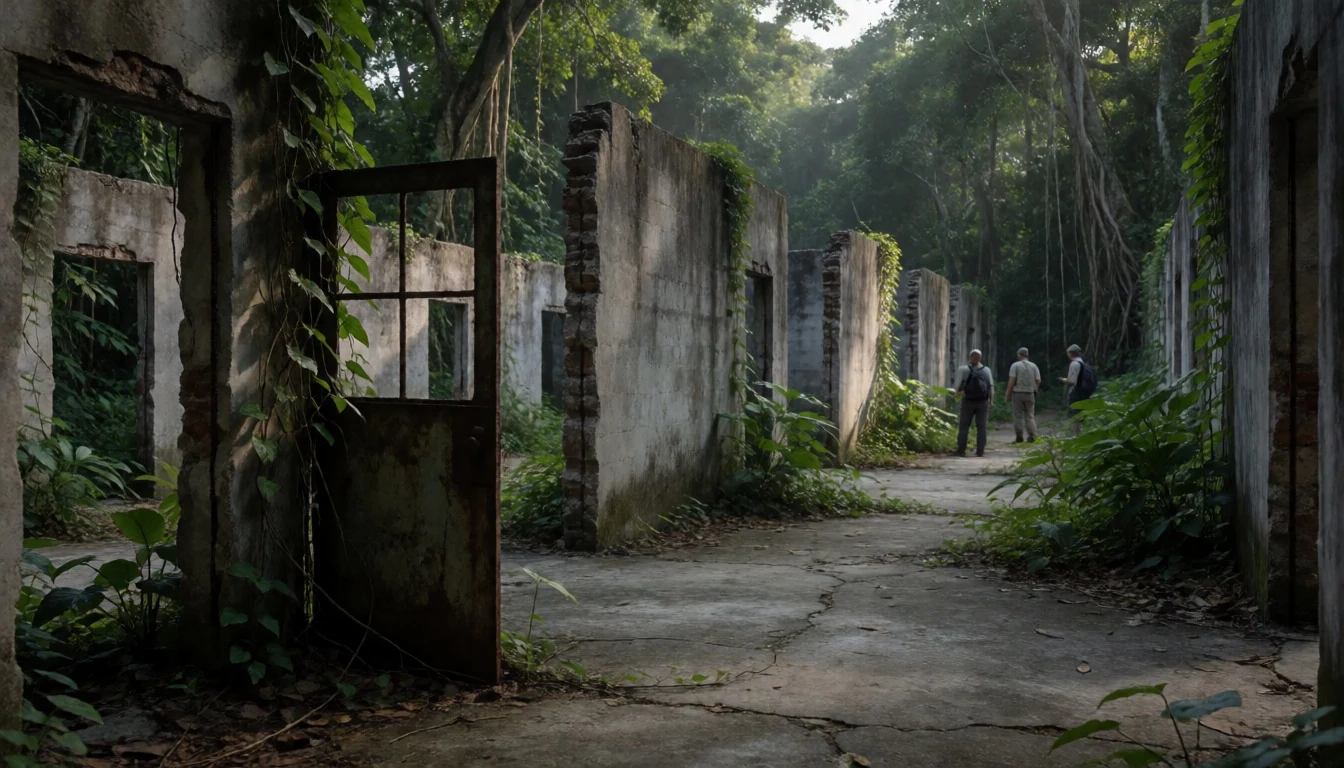
- The former prison buildings — Cleared ground on the island's landward side
Ruined cell blocks and service buildings stand among the trees, slowly being covered by moss, roots and vines. Guided visits explain how the penal colony worked and why it closed. The site is sobering rather than picturesque, and the damp air makes the stonework feel heavy and cold.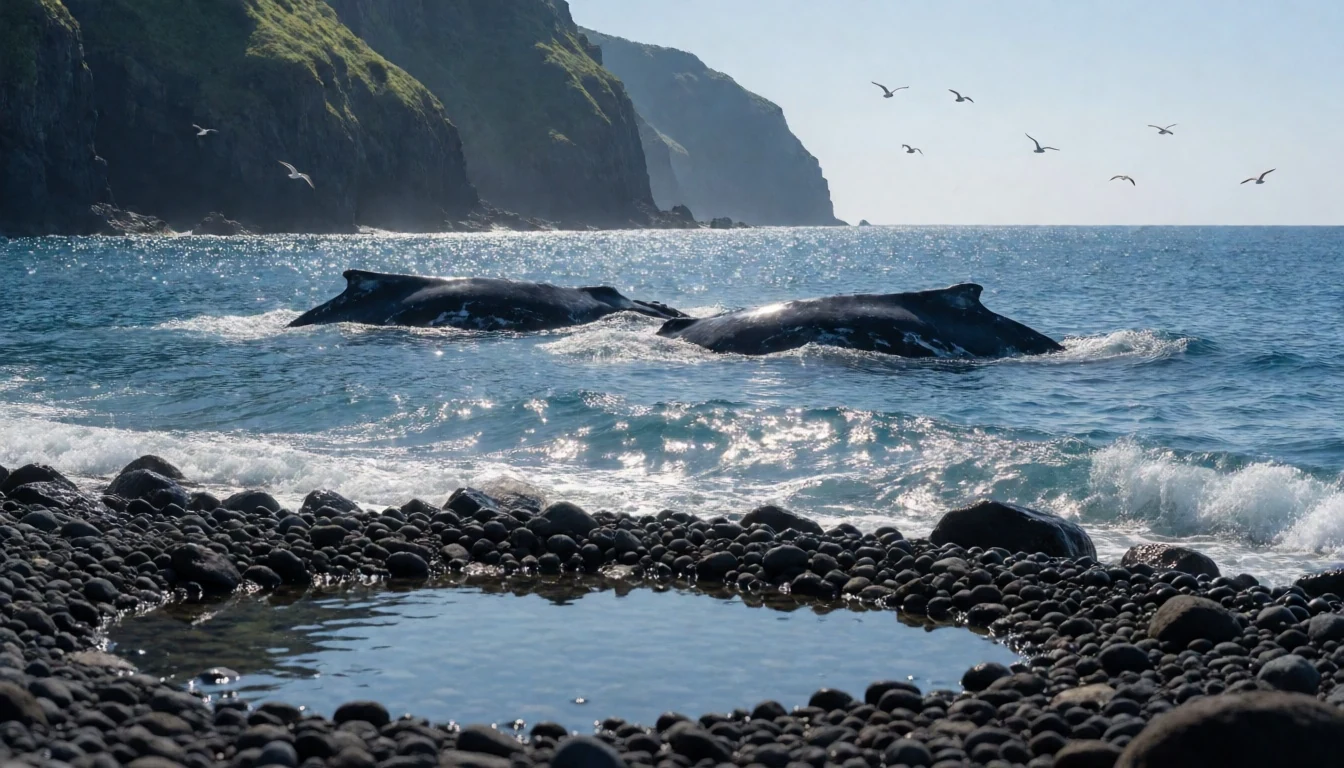
- Forest trails — The forested interior of the island
Walking routes through the wet forest are led by park guides, and the pace is slow because there is so much to look at: monkeys in the canopy, lizards on trunks, frogs after rain and many birds. Sturdy shoes matter, since the paths are muddy and roots make footing awkward.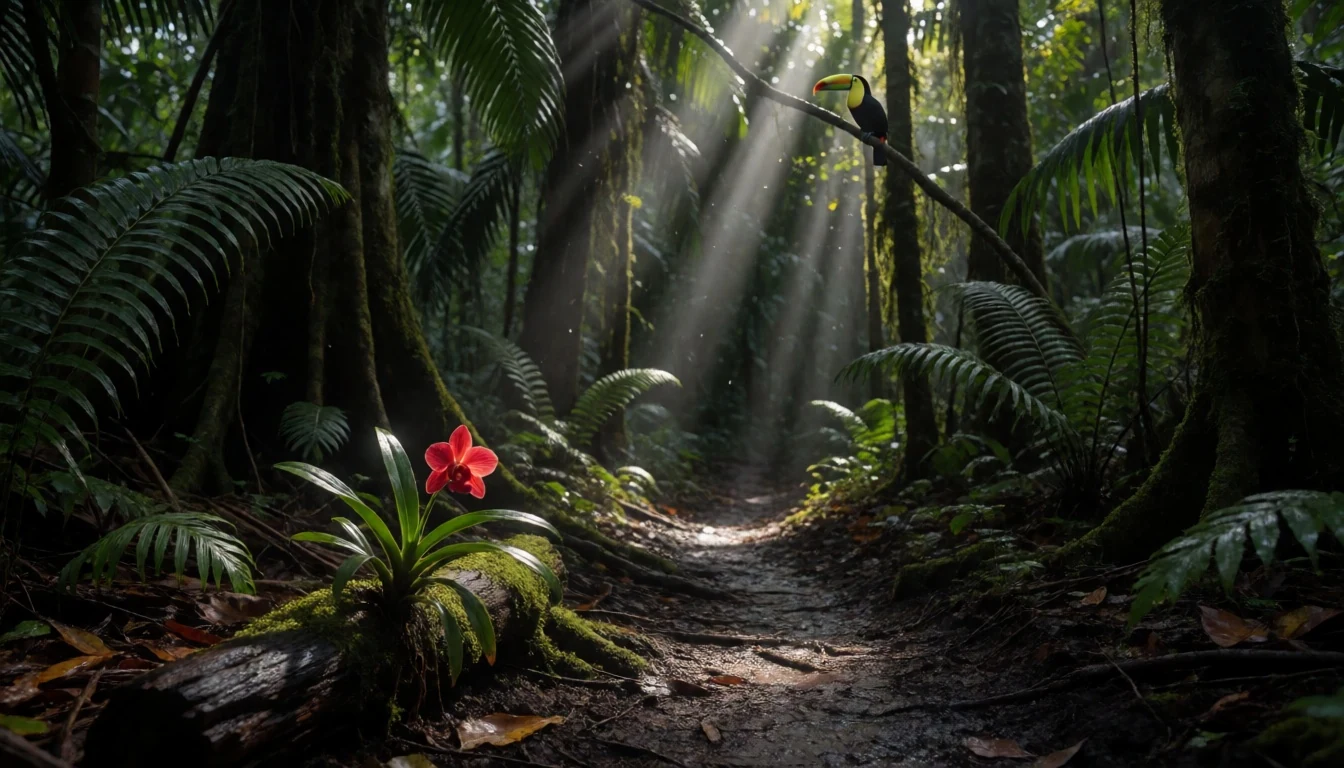
- Reef snorkelling and diving — Shallow waters just off the island's coast
Reefs lie close to the shore, and the water holds turtles, rays, reef sharks and shoals of colourful fish. Visibility changes with plankton and rain, so expectations should stay flexible. Diving and snorkelling are done with park-approved operators, and touching coral or wildlife is not allowed.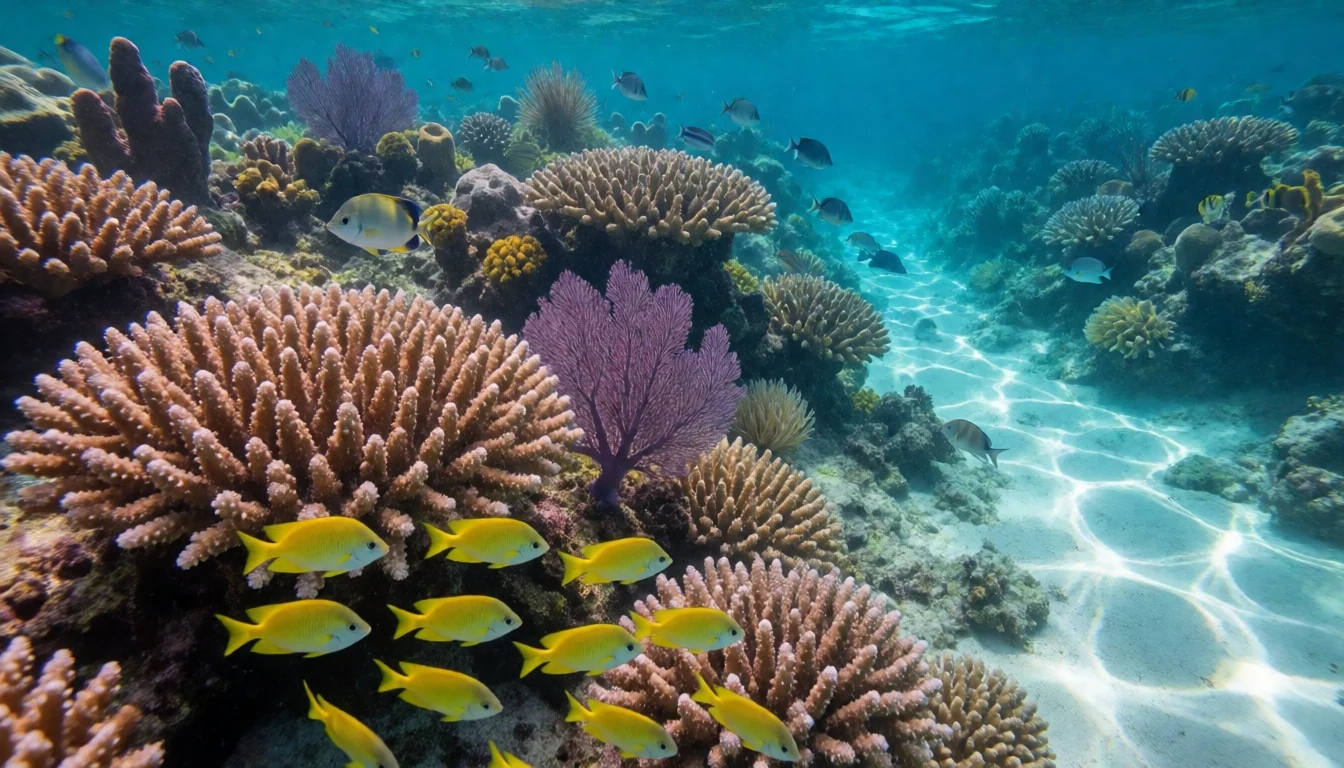
- Whale watching — The open sea around the island
Humpback whales pass through the sea around Gorgona Island in the second half of the year. Sightings come from the boat or from viewpoints on the shore, and nothing is guaranteed. Binoculars help, and patience pays off more than speed when scanning for blows on the horizon.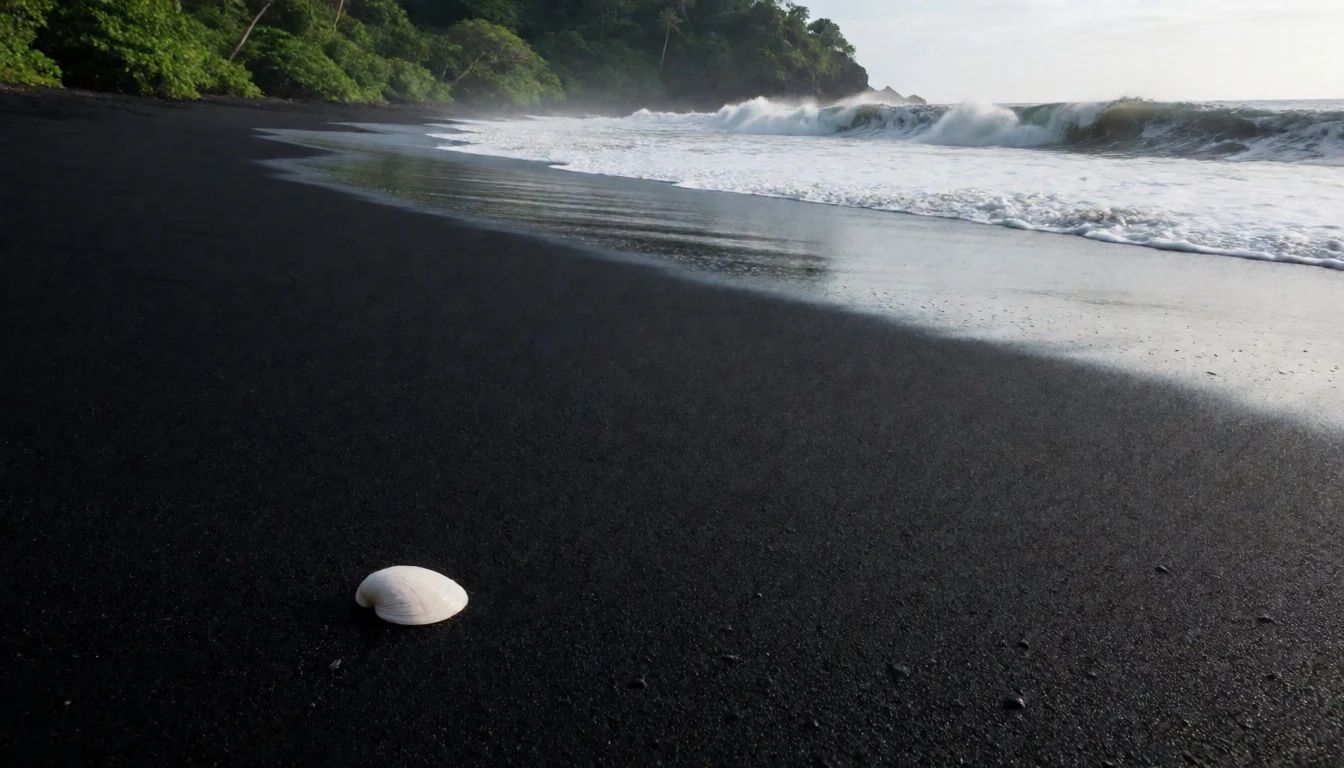
Culture
Gorgona Island sits off a stretch of Colombia's Pacific coast whose culture is strongly Afro-Colombian, and that influence comes through in the boat crews, guides and cooks who connect the island to towns such as Guapi and Timbiquí. Music is central to that coastal identity: the marimba, hand drums and call-and-response singing of the currulao tradition are heard at festivals and family gatherings, and many songs carry stories of rivers, mangroves and the sea. Food, storytelling and religious celebration are tied to community and extended family. On the island itself the culture is mostly that of conservation. Park rangers, biologists and guides run daily life on a tight routine, with early meals, shared spaces and a strong expectation that visitors follow the rules. Many people on the coast also know the island through its history as a prison, and some have relatives with memories of it, so jokes about the penal colony can land badly. Conversation tends to be warm and unhurried once people feel respected, and a few words of Spanish go a long way. Weather and sea conditions dictate plans, and schedules shift without much fuss. Visitors do best when they treat guides as local experts, ask before photographing people, and stick to the briefing given on arrival. On Gorgona Island, follow your guide's instructions on every trail and in the water, and never feed, touch or take anything from the wildlife, shells and coral.
What to wear
Gorgona Island has no dress code of its own, but the surrounding Pacific coast has a clear textile tradition. Afro-Colombian women in towns such as Guapi and Timbiquí wear long, full skirts in bright cotton, often with white blouses and a headwrap tied in a distinctive knot, especially for festivals, music events and religious celebrations. Men may wear white shirts and light trousers with a straw hat on the same occasions. For everyday life, people now dress as they do across much of Colombia: T-shirts, shorts, football shirts, flip-flops and rubber boots for rain and mud. Park staff wear practical uniforms made for heat and wet weather. Visitors should pack for humidity and sudden downpours. Lightweight, quick-drying clothes in long sleeves and trousers protect against sun, insects and scratches on forest paths, while a light rain jacket is more useful than an umbrella. Shoes need grip for slippery trails, and water shoes or reef boots help on rocky shores. A hat, sunglasses and reef-safe sun protection are sensible for boat trips and snorkelling. There are no religious sites with modesty rules on the island, but swimwear belongs on the beach or boat, and covering up in mainland towns is the polite choice.
What to eat
- Encocado de pescado — Family eateries in Guapi and other Pacific coast towns
Fish simmered in a coconut sauce with onion, tomato and local herbs, a signature of Colombia's Pacific coast. The sauce is rich and gently sweet, and it is usually served with rice and fried plantain. Order it from coastal eateries in towns on the mainland.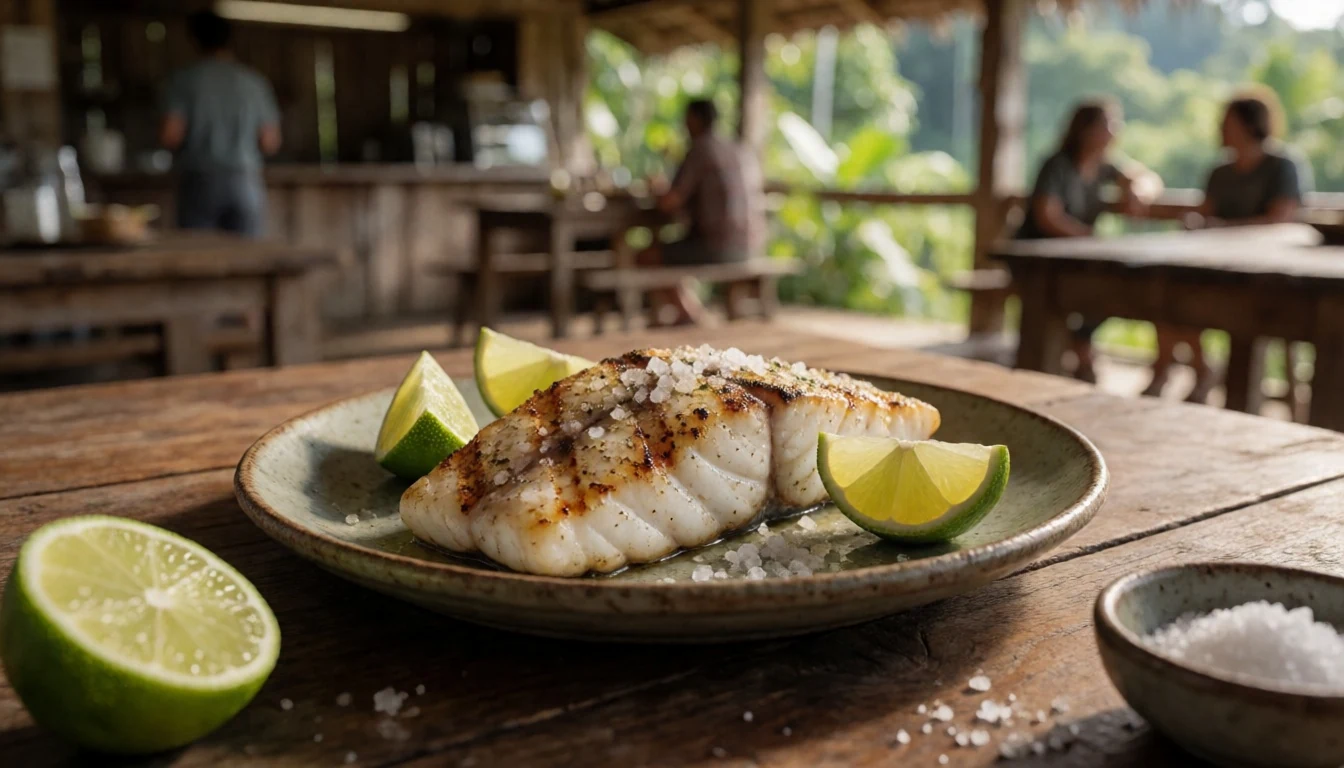
- Arroz con coco — Beachside eateries and home-style restaurants on the coast
Rice cooked in coconut milk until tender and slightly sweet, often with a few toasted coconut curds on top. It accompanies fish, prawns or plantain, and shows how central coconut is to the coastal kitchen. Portions are generous and filling.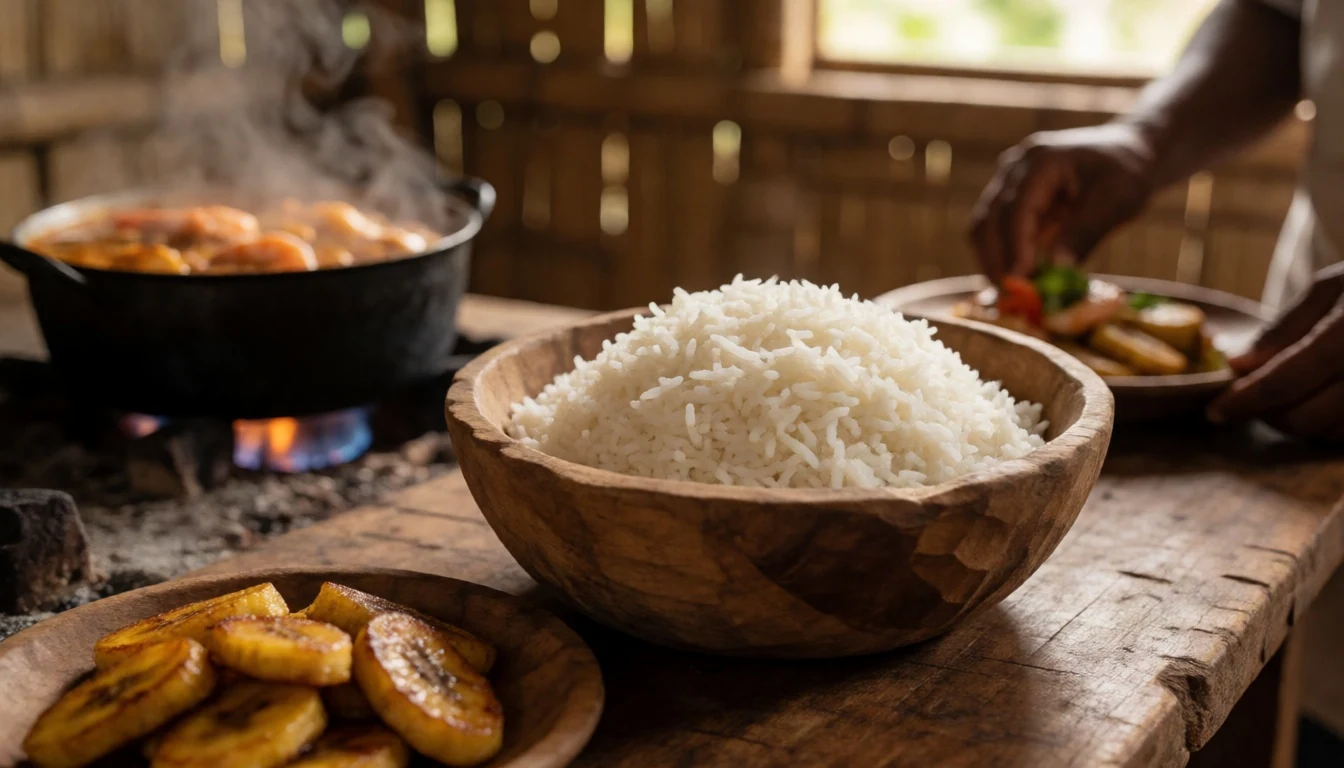
- Tapao de pescado — Community kitchens and riverside eateries on the mainland coast
A slow-cooked fish dish wrapped in banana leaves with plantain, cassava and herbs, so everything steams in its own juices. The leaf adds a grassy aroma. It is a dish for sharing and takes time, so ordering ahead is common. - Jugo de borojó — Juice stalls and small cafés in Pacific coast towns
A thick juice from the borojó fruit, a Pacific rainforest crop with a tart, earthy flavour. It is usually blended with milk or water and sugar, and locals often describe it as an energising drink. It is an acquired taste but worth trying once. - Cocadas — Street vendors and market stalls in coastal towns
Chewy sweets made from grated coconut cooked with sugar, sometimes tinted or flavoured with fruit. They are sold in small squares or rounds and travel well in a daypack. A good snack for the boat before the crossing.
Plan it
Best time. July to October, when humpback whales pass through the sea around the island. Rain and humidity are likely in any month, so waterproof kit matters whenever you go, and sea conditions can change quickly.
How long. 2–3
Getting there. Fly to Cali or to a coastal airstrip such as Guapi, or to Popayán and continue by road, then take the boat crossing to Gorgona Island arranged through the park. Check the official site, colparques.net/GORGONA, for current routes, permits and departure points.
Budget. high
Tips
- Book through the official parks site well ahead, as visitor numbers are limited
- Pack for rain in every month, with dry bags for phones and cameras
- Bring any medication, cash and snacks from the mainland, as the island has no shops
- Take a seasickness remedy for the crossing, since the sea can be rough
- Use reef-safe sun protection and avoid single-use plastics
Etiquette
- Follow park guides on trails and in the water, and keep to marked routes
- Never feed, touch or collect wildlife, shells or coral
- Ask before photographing local people, and be thoughtful when discussing the prison history
Nearby
Sources
- Wikidata Q33054552 (CC0)
- Wikipedia: Gorgona Island (CC BY-SA 4.0)
- Wikivoyage: Cauca (CC BY-SA 4.0)
- Gorgona2006_MatthewGable.JPG, Mateo.gable (CC BY 3.0)

Wildlife
- Humpback whale (animal)
The humpback whale is a gentle giant of the sea, with very long flippers and bumps on its head, and it is famous for leaping clear of the water. From July to October, the sea off Gorgona Island serves as a nursery where mothers raise their young. To watch well, go out with a guide on a boat, keep a respectful distance, stay quiet so the whales are not disturbed, and never try to feed or touch them.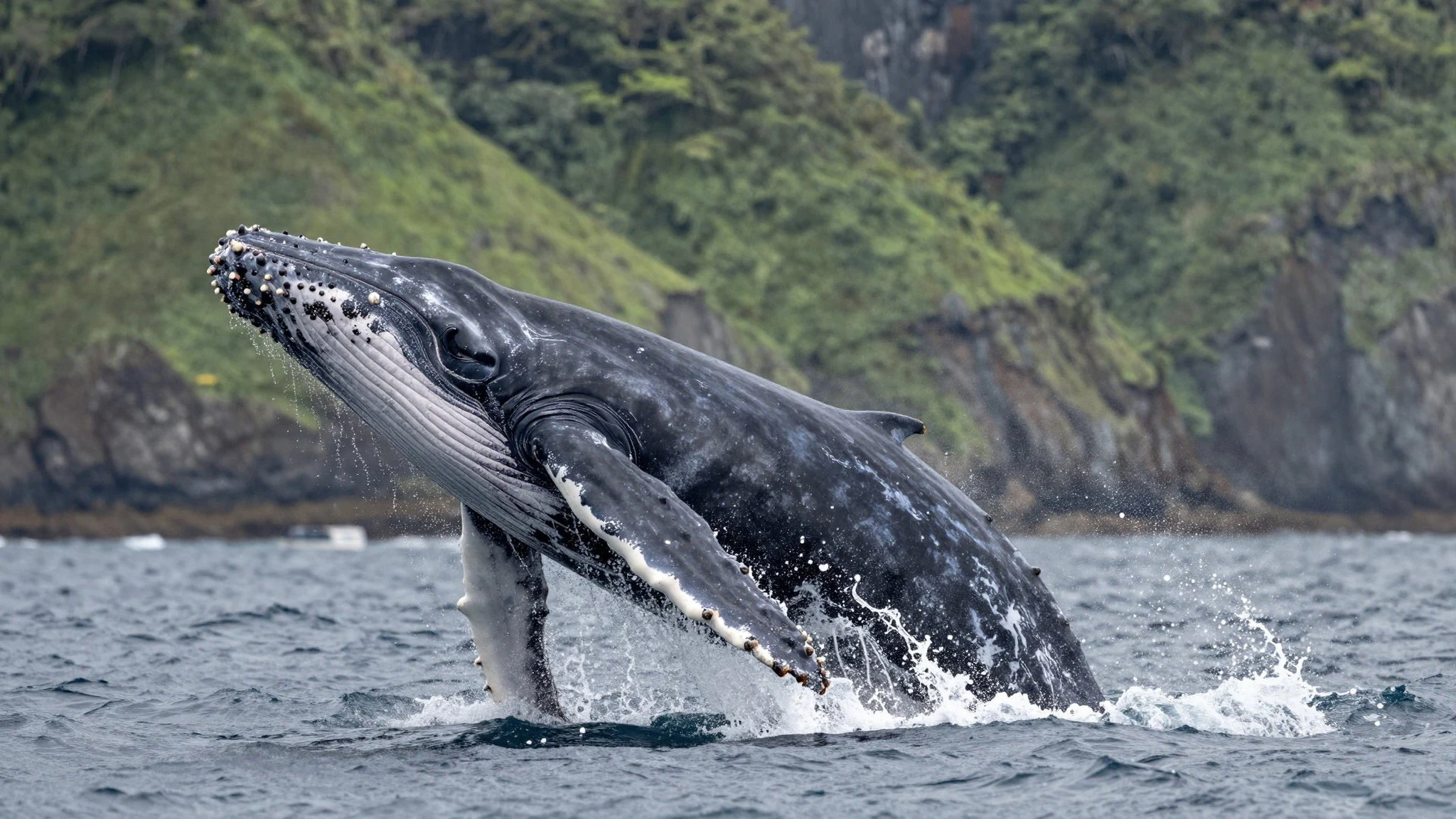
- Colorful toucans (bird)
The chestnut-mandibled toucan, also called Swainson's toucan, is a brightly coloured forest bird and a close cousin of the yellow-throated toucan. On Gorgona Island, look for it along the dense jungle paths that wind through the interior, where monkeys and rare orchids share the trees. Walk slowly with a guide, speak softly, stay well back so it feels safe, and never offer it food.