Cabo de la Vela
Cabo de la Vela, Colombia
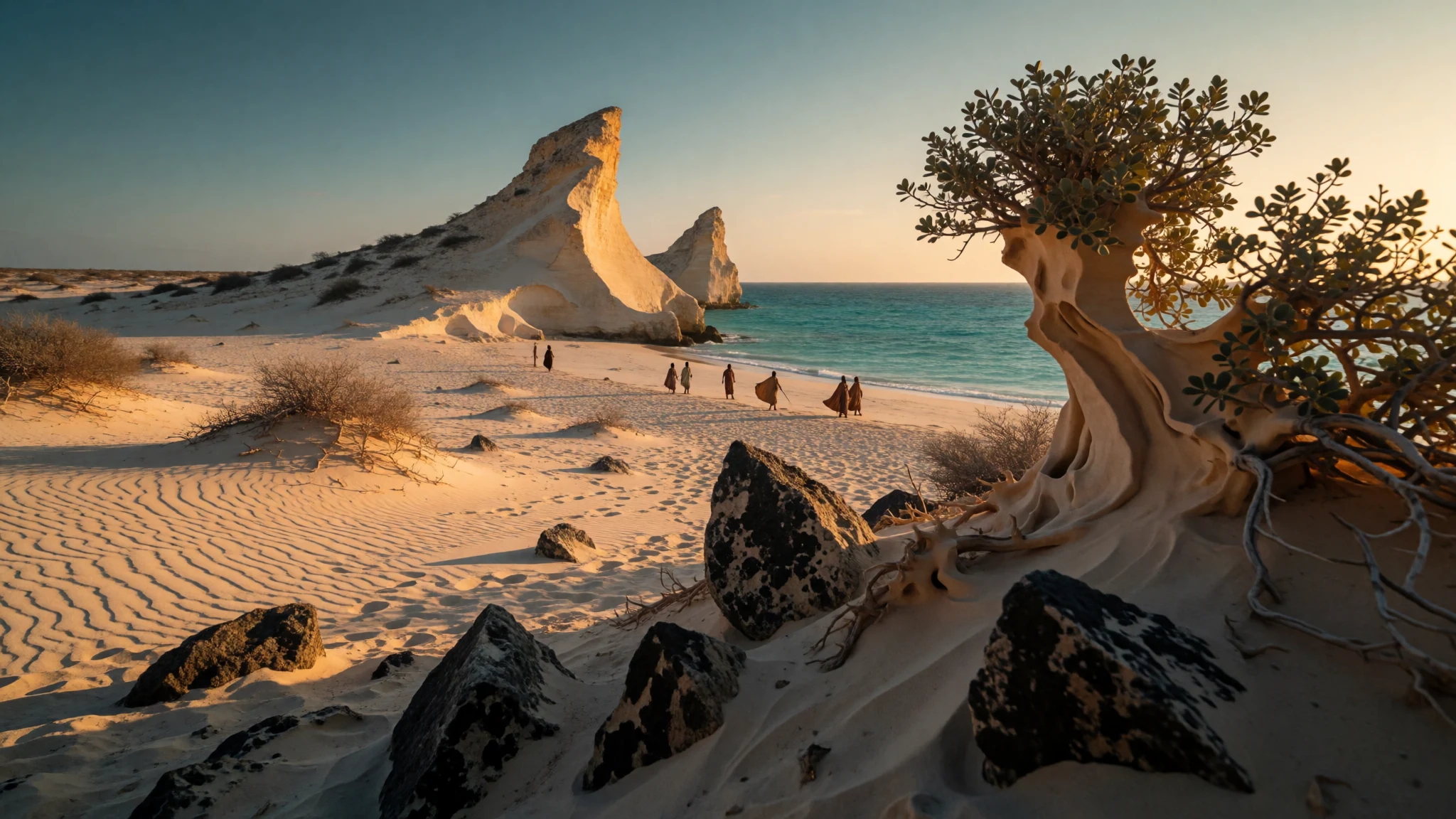
Cabo de la Vela is a pale desert headland on Colombia's Caribbean edge, where Wayuu fishing life, flamingo lagoons and long sunsets meet.
The place
Cabo de la Vela sits at the tip of the Guajira Peninsula in northern Colombia, a rocky headland with a small fishing village tucked beside it. Its Spanish name means cape of the sail, and the land around it is desert: low scrub, pale earth and a flat horizon broken only by a few stony hills. The Caribbean here is shallow and wind-ruffled, and the contrast between dry land and turquoise water is what most visitors remember first.
The village is simple. Hostels line the beach and offer hammocks, dorms and private rooms, and many look much alike. Electricity comes from individual generators and may run for only a few hours a day, and in cheaper places running water for washing or toilets can fail. Old power lines still stand as a reminder of a busier past. Travellers expecting a resort tend to be disappointed; those who like sandy lanes, sea breezes and early nights usually settle in happily.
Inland, salty lagoons and mudflats draw large flocks of American flamingos, and the Manaure salt fields lie a long drive to the south. The cape is a recognised stop for ecotourism on Colombia's Caribbean coast, and kiteboarders come for the sheltered bay and offshore wind. Colombian families holiday here at Christmas, so December can be busy, while other months are quieter. The elevation is about 1 m, so everything sits at sea level, and the heat is a constant companion.
Its story
Cabo de la Vela entered European records in 1499, when the pilot Juan de la Cosa passed it on an expedition led by Alonso de Ojeda. Pale, curving headlands rising from a flat desert reportedly looked to the crew like a sailing boat, and that impression gave the cape its name. Together with the Gulf of Paria, it is counted among the first places on the South American mainland that Europeans visited.
Settlement followed quickly. In 1535 Nikolaus Federmann founded a village nearby, the first in La Guajira, named for Our Lady of Remedies. Pearl beds made the site valuable and dangerous at once: the Wayuu attacked repeatedly, and rival Spanish groups from the Santa Marta area pressed in as well. By 1544 the settlers had left the cape, and the town was moved to the present Riohacha.
The Wayuu, descendants of an Arawak people, were never conquered, and they still live across the peninsula. In Wayuunaiki the cape is Jepirra, a sacred place and the gateway to the afterlife, where the souls of the dead are believed to travel to rest with their ancestors. That belief changes how the headland reads. It is not only scenery for sunsets but a destination for the dead, and the walkers who climb its slopes are on ground that carries heavy meaning for the people who have held it longest.
What to see
- Pilón de Azúcar — North of the village
Pilón de Azúcar is a stony hill north of the village. A hike of about 15 minutes brings views along the northern coastline, and at its foot lies a gold-sand beach that many visitors rate as the best nearby. There is little shade, so go early or late and carry water.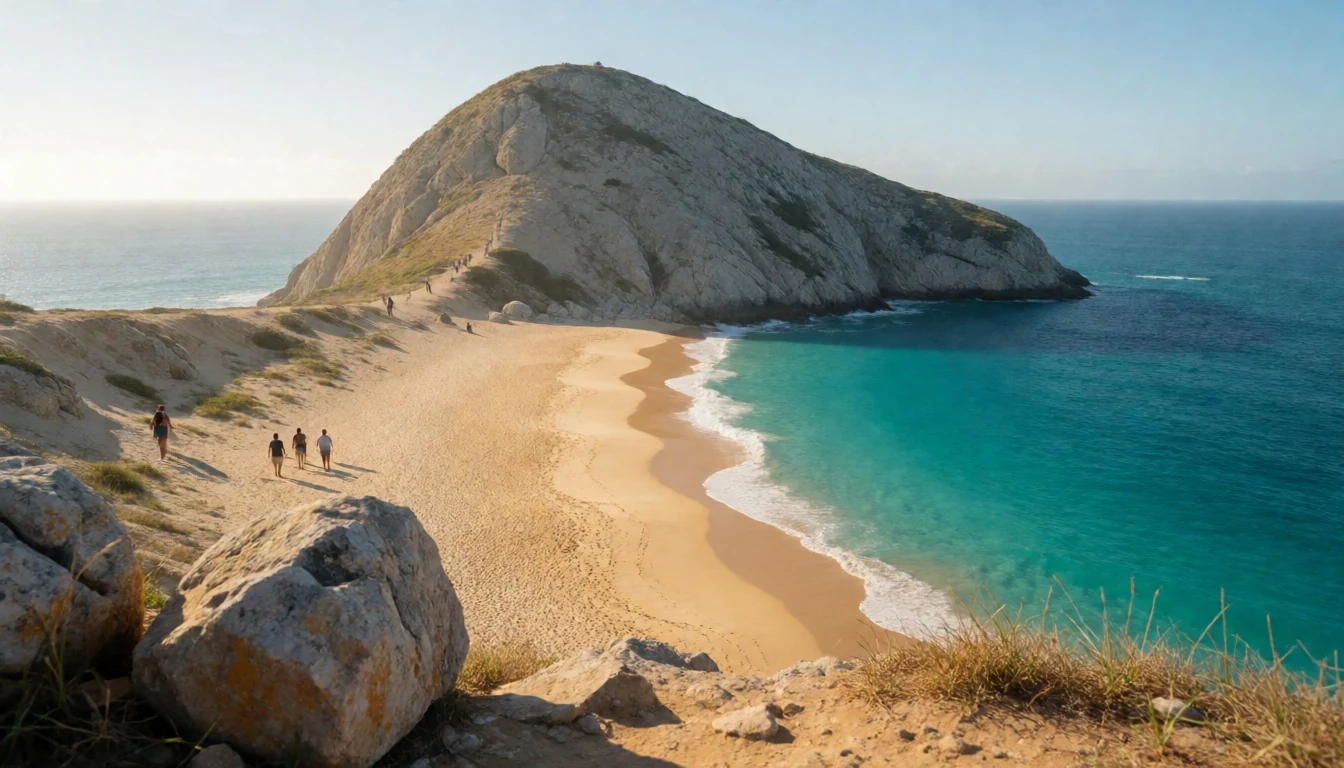
- Faro (lighthouse) — Headland north of the village
The lighthouse stands on the headland north of town, about an hour's walk from the village. It is the usual place to watch the sun go down, when the sky over the sea turns orange and the desert falls quiet. Carry water and a torch for the walk back in the dark.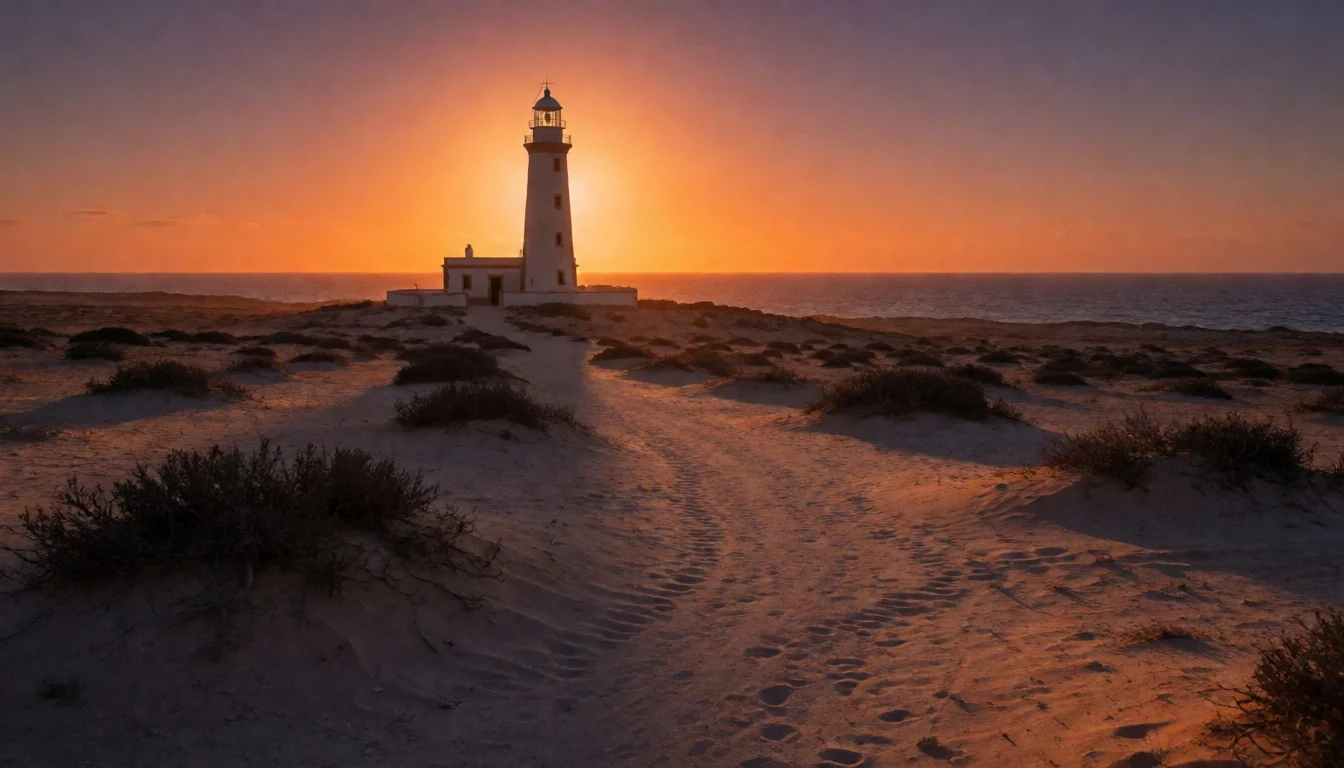
- Ojo del Agua — Coast north-west of the village
Ojo del Agua is a half-moon beach backed by cliffs about 5 m high. The name refers to a small freshwater pool that is holy to the Wayuu. It is a good spot for a quiet swim or a picnic, but keep voices low near the water and ask before photographing anything.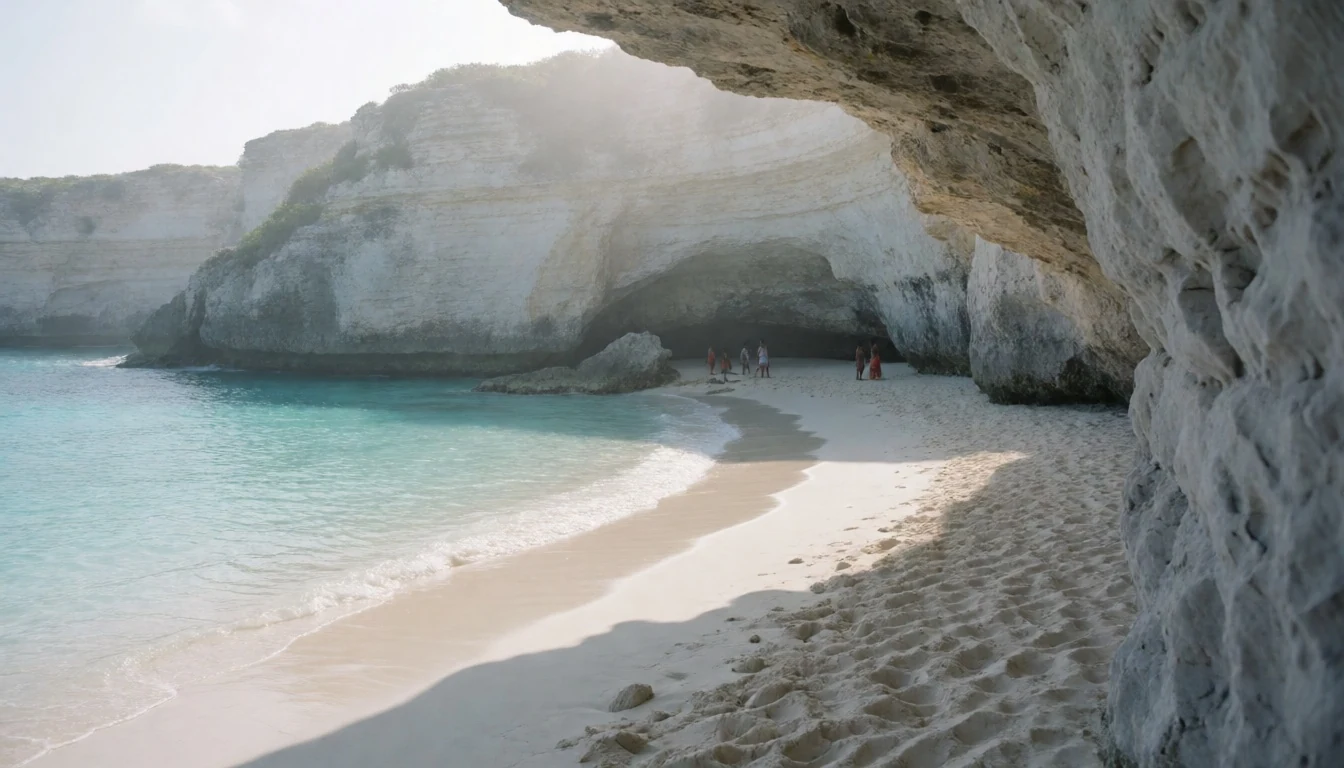
- Manaure salt flats — Near Manaure, south of the cape
The Manaure salt flats lie to the south, beside the town of Manaure, where white salt fields spread across the coastal plain. Most people see them on a Guajira tour from Riohacha or Santa Marta, or on a day trip arranged locally. The scene is flat and glaring, so sunglasses and a hat help.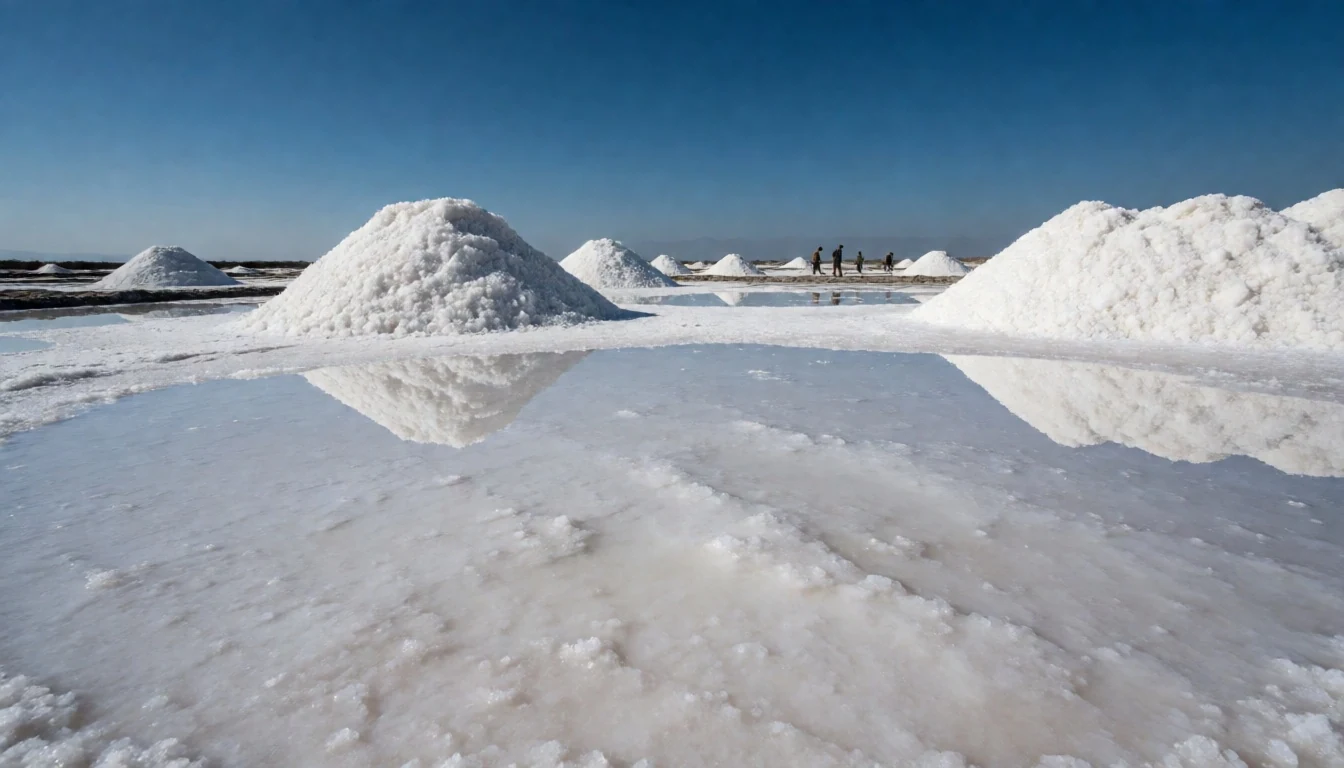
- Kiteboarding — North end of the village
Kiteboarding is the main active pastime at Cabo de la Vela. Around half a dozen shops towards the north end of town rent equipment and give lessons. The sheltered bay and offshore wind suit beginners and experienced riders alike, though conditions change daily, so ask the shops what to expect.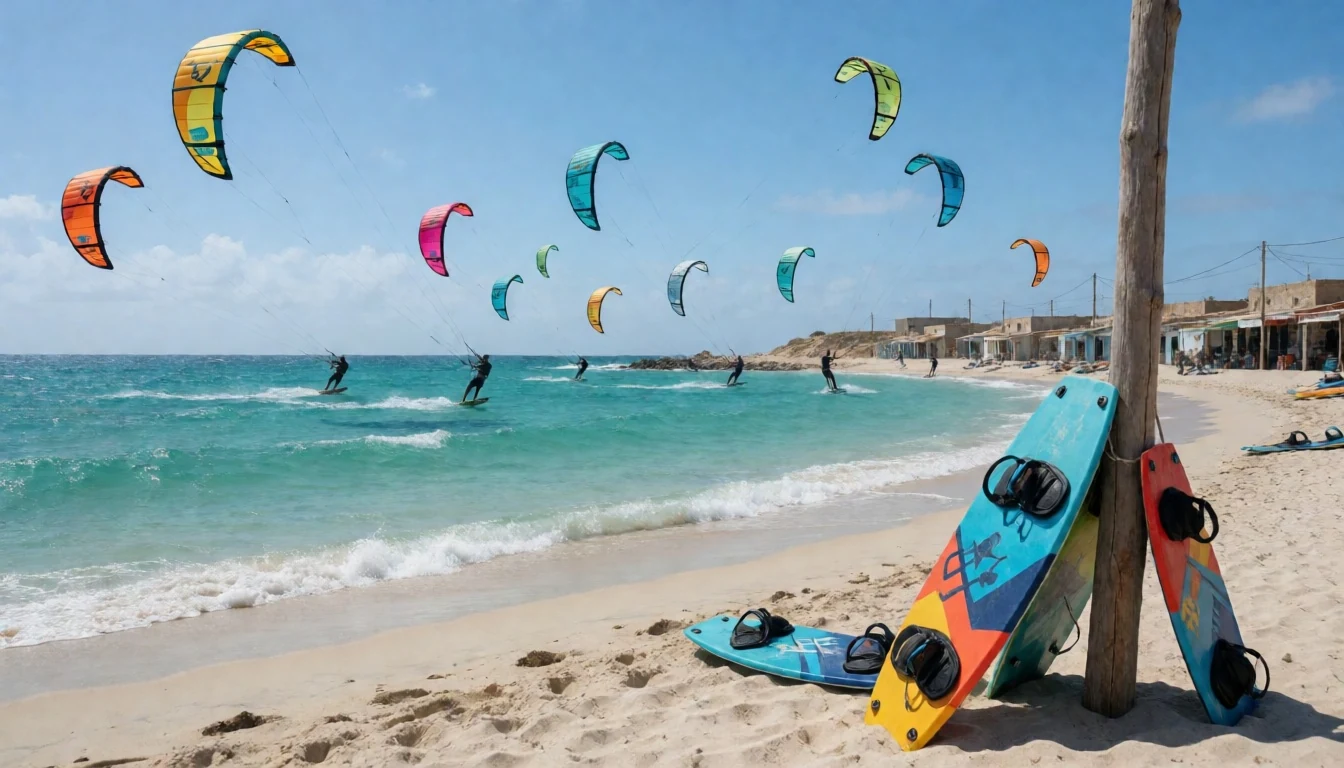
Culture
Cabo de la Vela is Wayuu territory, and the people who run its hostels, boats and small shops are mostly Wayuu. Their language is Wayuunaiki, and their society is organised around matrilineal clans, in which family ties pass through the mother's line. Weaving is central to daily life; women make the bags and hammocks sold along the beach, and the patterns often carry meanings learned from relatives.
The headland itself is Jepirra, the gate of the afterlife, and the freshwater pool at Ojo del Agua is also sacred. These are living places, not stage sets. Life here runs on generators, fishing boats and the early shared vehicles that carry workers to Uribia, so the rhythm is set by residents rather than by visitors. Evenings are quiet, with little in the way of nightlife.
Colombian families also come in numbers around Christmas, and there is a police post on the beach. Spanish is widely used for business, and a few words of greeting go a long way. Bargaining is normal for lobster bought straight from the boats and for crafts, but it should stay good-humoured, since these sales are often a family's main income. Rubbish is a real problem where services are thin, so carry out what you bring.
Ask before photographing any Wayuu person or home, and follow local guidance near the sacred freshwater pool at Ojo del Agua.
What to wear
Cabo de la Vela is the home of Wayuu dress, and the garment most associated with it is the manta, a long, loose gown worn by women in bright, bold colours. Cotton is the usual fabric, the cut suits the heat, and many women wear it every day rather than only for festivals. Wayuu women also crochet and weave the colourful bags known as mochilas, as well as hammocks, and these are the textiles most visitors take home.
What people wear now is a mix. Many Wayuu women still wear the manta, often with sandals and sometimes with a painted face as sun protection. Men and younger people commonly wear shirts, shorts or trousers and caps. On the beach, visitors and holidaymakers wear swimwear and light clothing, and kiteboarders turn up in wetsuits or rash vests.
For a visitor, the climate decides everything. Pack light, loose cotton clothes with long sleeves for the sun, a wide-brimmed hat, sunglasses and plenty of sun cream. Sandals suit the sand, but bring closed shoes for the stony paths up Pilón de Azúcar and the walk to the lighthouse. Wind and dust are constant, so a scarf or buff is useful. Swimwear belongs on the beach; pull on a shirt and shorts or a wrap when walking through the village or near family homes.
What to eat
- Langosta (lobster) — The beach when boats come in, and beach eateries
Langosta is the signature meal at Cabo de la Vela. Many visitors buy it straight from fishermen as the boats land on the beach, ask them to boil it, and eat it with lemon. Bargaining is accepted, though it is best done politely.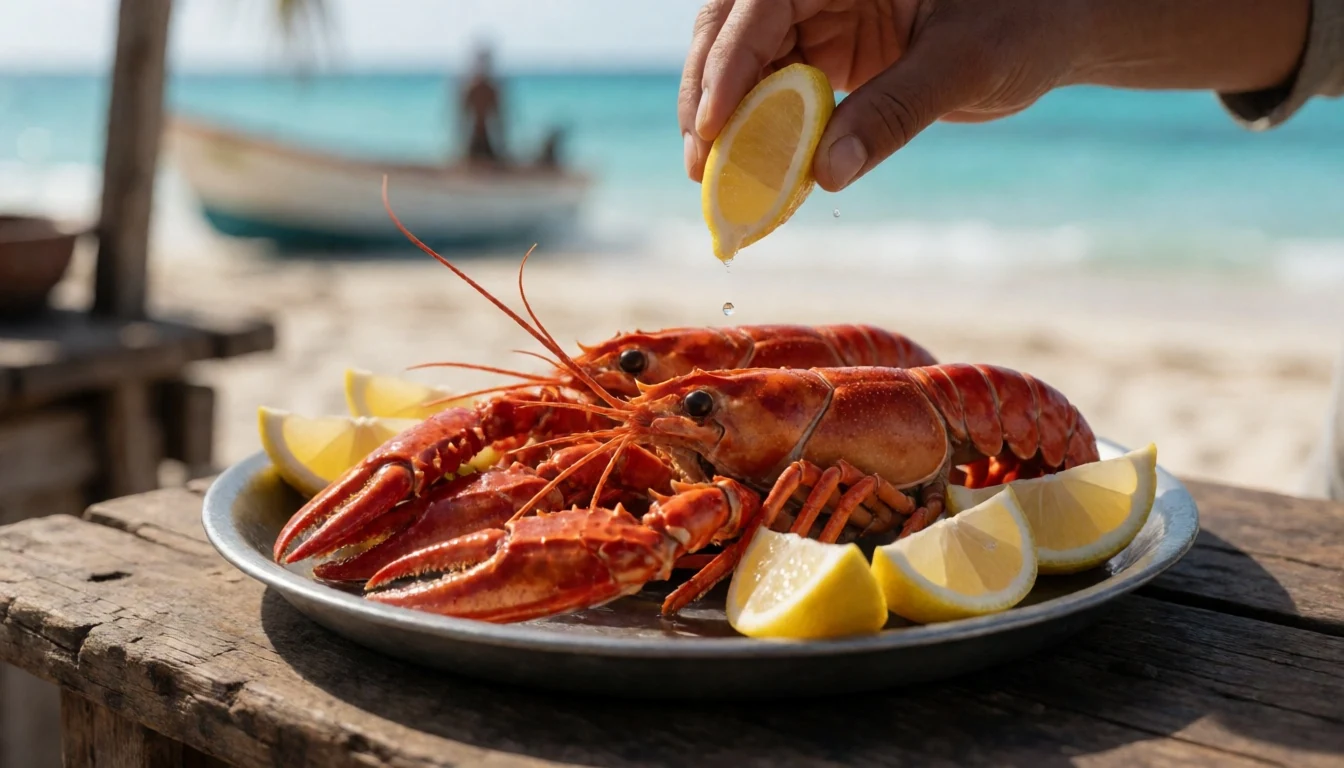
- Fried or grilled fish — Beach restaurants and family-run eateries along the shore
Whole fish, caught nearby, is served fried or grilled with rice, coconut rice or plantain. Seafood is the main choice here, so menus change with the catch. Ask what came in that morning and choose accordingly.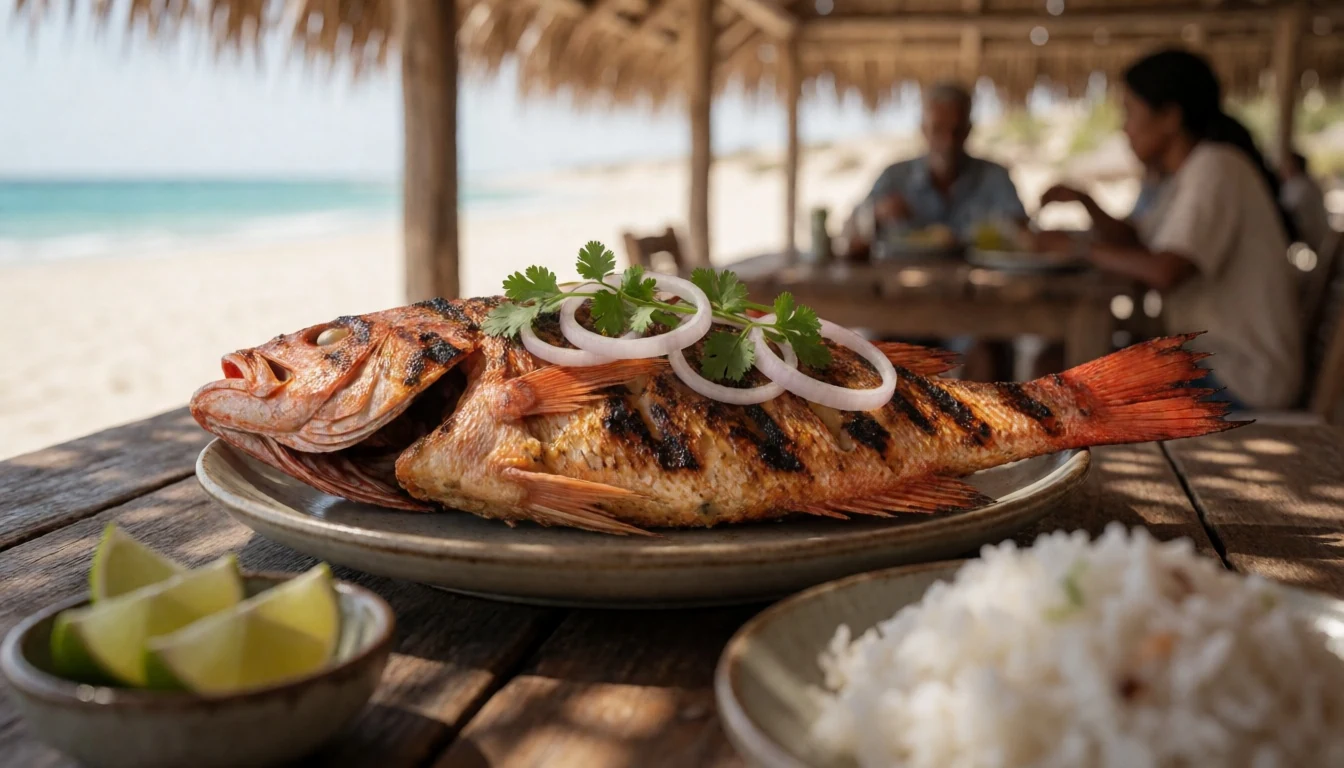
- Chivo (goat) — Wayuu family kitchens and simple eateries in the village
Goat is a staple across La Guajira and is cooked in stews, roasted or stewed with a rich sauce. It is the usual choice for travellers who want something other than seafood. Ask in advance, as portions may be prepared in batches. - Fresh juices and fruit salads — Fruit stand on the village's main street
After a day in the heat, juices and fruit salads are the best way to cool down. A fruit stand on the main street makes blended juices and generous salads from whatever fruit is in season. Fresh, cold and inexpensive.
Plan it
Best time. December to March is the safest window: the desert climate is hot and dry all year, and the rain that does fall comes in October and November. Christmas week brings Colombian families, so book ahead or choose January onwards for quieter beaches.
How long. 2–3
Getting there. The nearest city with an airport is Riohacha, with Santa Marta and Valledupar as other bases. Independent travellers take a bus towards Riohacha to Cuatro Vías, a shared taxi north to Uribia, then a four-wheel-drive collectivo to Cabo de la Vela. Tours from Riohacha or Santa Marta are easier but cost more and spend a lot of time on the road.
Budget. low
Tips
- Reach Uribia by early afternoon to catch the last collectivo to the cape
- Collectivos back to Uribia leave very early, around 05:00, and do not run on Sundays; on Sundays, ask about a ride with a returning tour
- Bring cash, as cards and cash machines are unreliable in the village
- Expect generator power for only a few hours a day and carry a torch, a power bank and drinking water
- Go to the lighthouse and Pilón de Azúcar early or late to avoid the midday heat
Etiquette
- Ask before photographing Wayuu people, homes or crafts
- Treat the pool at Ojo del Agua as sacred and keep your voice down
- Bargain gently and carry your rubbish out
Nearby
Sources
- Wikidata Q1024910 (CC0)
- Wikipedia: Cabo de la Vela (rev 1308148580) (CC BY-SA 4.0)
- Wikivoyage: Cabo de la Vela (rev 5396300) (CC BY-SA 4.0)
- Photo: CABO DE LA VELA.JPG (Wicho 2) (CC BY-SA 2.5)
- Photo: Cabo de la Vela, Colombia (Tanenhaus) (CC BY 2.5)
- Photo: Admiralty Chart No 1966, Tortuga to Cabo le Vela (UK Hydrographic Office) (Public domain)
- Photo: Admiralty Chart No 396, Cabo La Vela to Chagres (UK Hydrographic Office) (Public domain)
- Photo: Atardecer en el Cabo de la Vela (aPreciosdeRemate) (CC BY 3.0)
- Photo: Cabo de la Vela 2014-09-21 (2) (Jorge Mahecha) (CC BY 3.0)
- Photo: Cabo de la Vela 2014-09-21 (3) (Jorge Mahecha) (CC BY 3.0)
- Photo: Cabo de la Vela 2014-09-21 (4) (Jorge Mahecha) (CC BY 3.0)


Wildlife
- American flamingo (animal)
Imagine a very large flamingo, cousin to the greater and Chilean flamingos, and the only one that lives naturally in North America: that is the American flamingo. Around Cabo de la Vela, in its stark and lovely landscape, big groups regularly come to settle in the briny water. I cannot say which months or hours suit best, so ask your guide. Watch from afar, speak softly, and never offer food.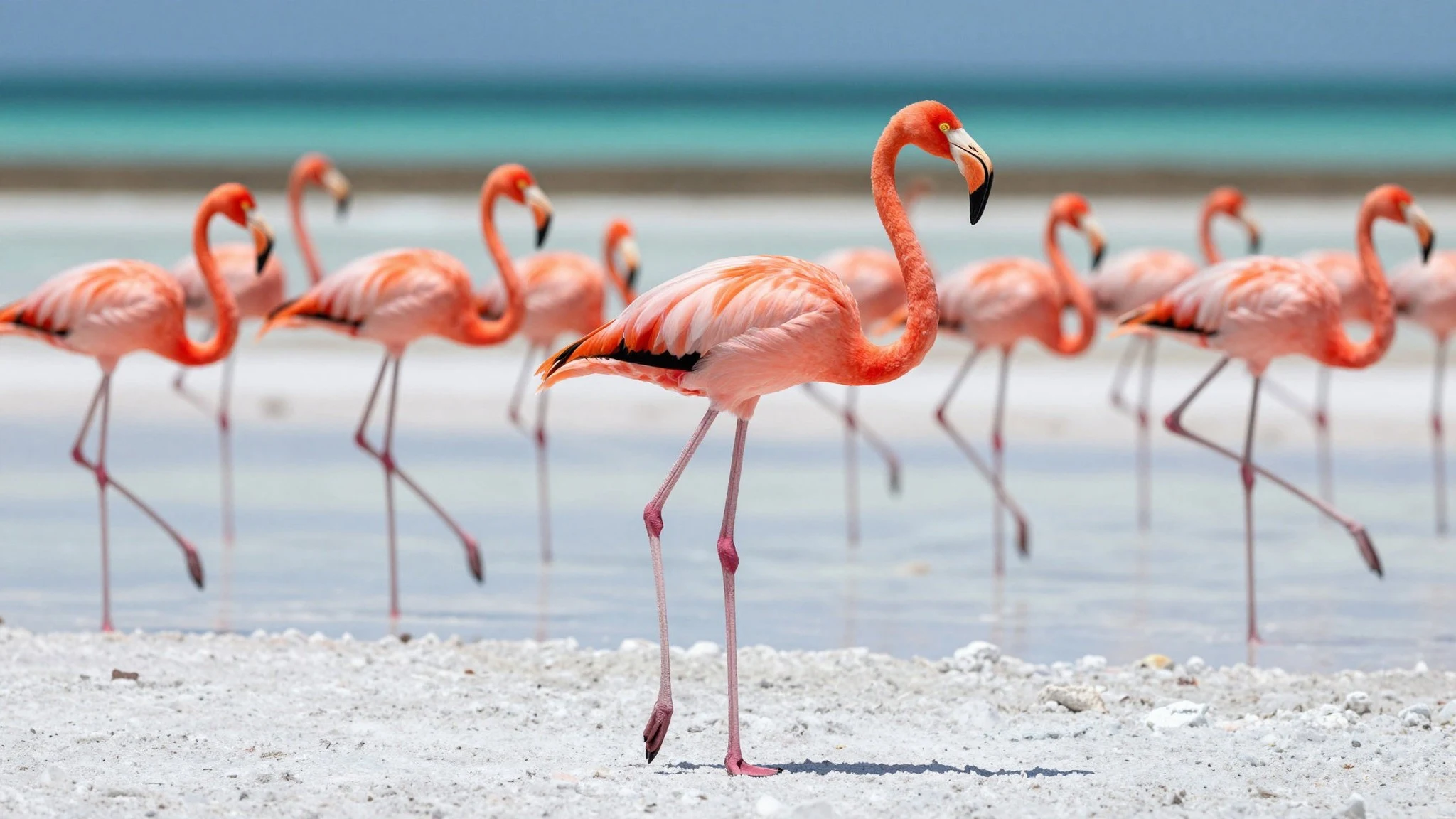
- American flamingo (bird)
Imagine a very large flamingo, cousin to the greater and Chilean flamingos, and the only one that lives naturally in North America: that is the American flamingo. Around Cabo de la Vela, in its stark and lovely landscape, big groups regularly come to settle in the briny water. I cannot say which months or hours suit best, so ask your guide. Watch from afar, speak softly, and never offer food.