Chicamocha Canyon
Chicamocha Canyon, Colombia
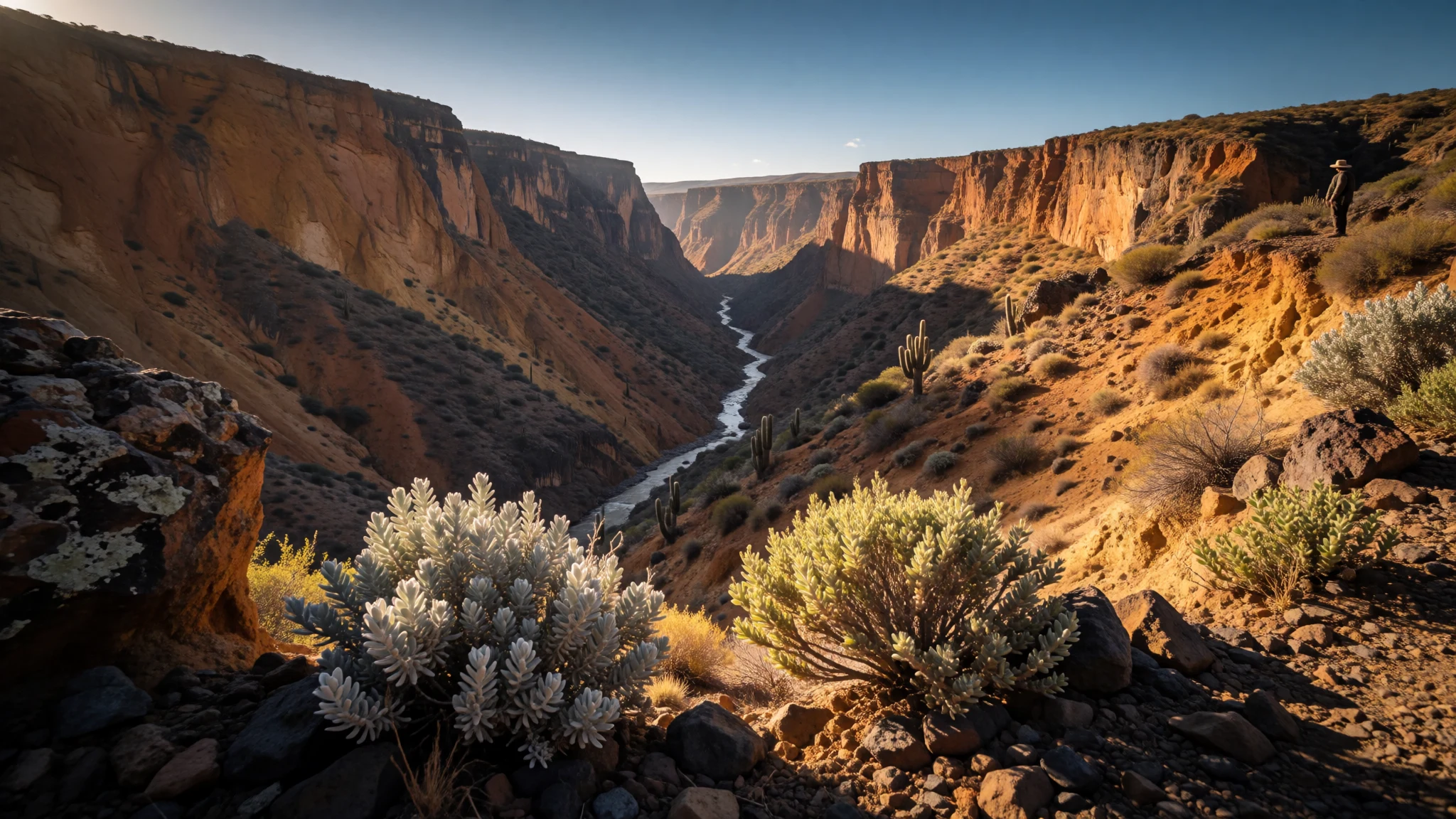
Experience one of the world's most dramatic river-carved gorges, blending arid landscapes with high-adrenaline adventure and unique Santander traditions.
The place
Chicamocha Canyon is a geological marvel in Colombia, defined by the deep, steep-sided gorge carved over millions of years by the Chicamocha River. Spanning the departments of Santander and Boyacá, the landscape is strikingly arid compared to the lush greenery usually associated with the Andes. The region is a hub for outdoor enthusiasts, offering a stark contrast between the high plateau and the riverbed far below. Much of the area is managed by the Chicamocha National Park (PANACHI), which provides structured access to the vistas. Visiting the canyon involves navigating National Route 45A, a road that connects Bogotá and Bucaramanga. While the views along this route are spectacular, the road is often congested with heavy truck traffic, and accidents can cause significant delays for travellers. For those seeking a slower pace, the nearby town of San Gil serves as a backpacker base, offering a gateway to the canyon's more rugged terrains. The environment is harsh and sun-drenched, creating a microclimate that feels more like a desert than a mountain range, making it a distinct geographical anomaly in the heart of Colombia.
Its story
The story of Chicamocha Canyon is written in the tectonic shifts of the Andean orogeny. It began forming during the Early Oligocene, a period of intense geological activity as the Caribbean and Coiba plates pushed against the land, forcing the Eastern Ranges upward. This uplift, combined with global cooling and shifting weather patterns, allowed the Chicamocha River to cut deeply into the rising earth. Over millions of years, the river acted as a saw, carving the steep walls that define the gorge today. By the Miocene, the drainage basin had expanded, further deepening the divide. The canyon also holds clues to a prehistoric world; in the southern reaches near Soatá, evidence of an ancient paleolake exists. This prehistoric lake was once home to the Notiomastodon, an elephant-like creature that roamed the valley long before humans arrived. Today, the canyon remains a living laboratory of evolution and erosion, where the interaction between water and stone continues to reshape the Colombian landscape. This deep history is reflected in the layers of rock exposed on the canyon walls, telling a story of ancient seas, volcanic activity, and the relentless power of water.
What to see
- Teleférico del Chicamocha
A cable car system that provides a dramatic aerial perspective of the gorge. Passengers can travel from La Mesa de los Santos or Panachi, gliding over the massive void to see the river winding far below.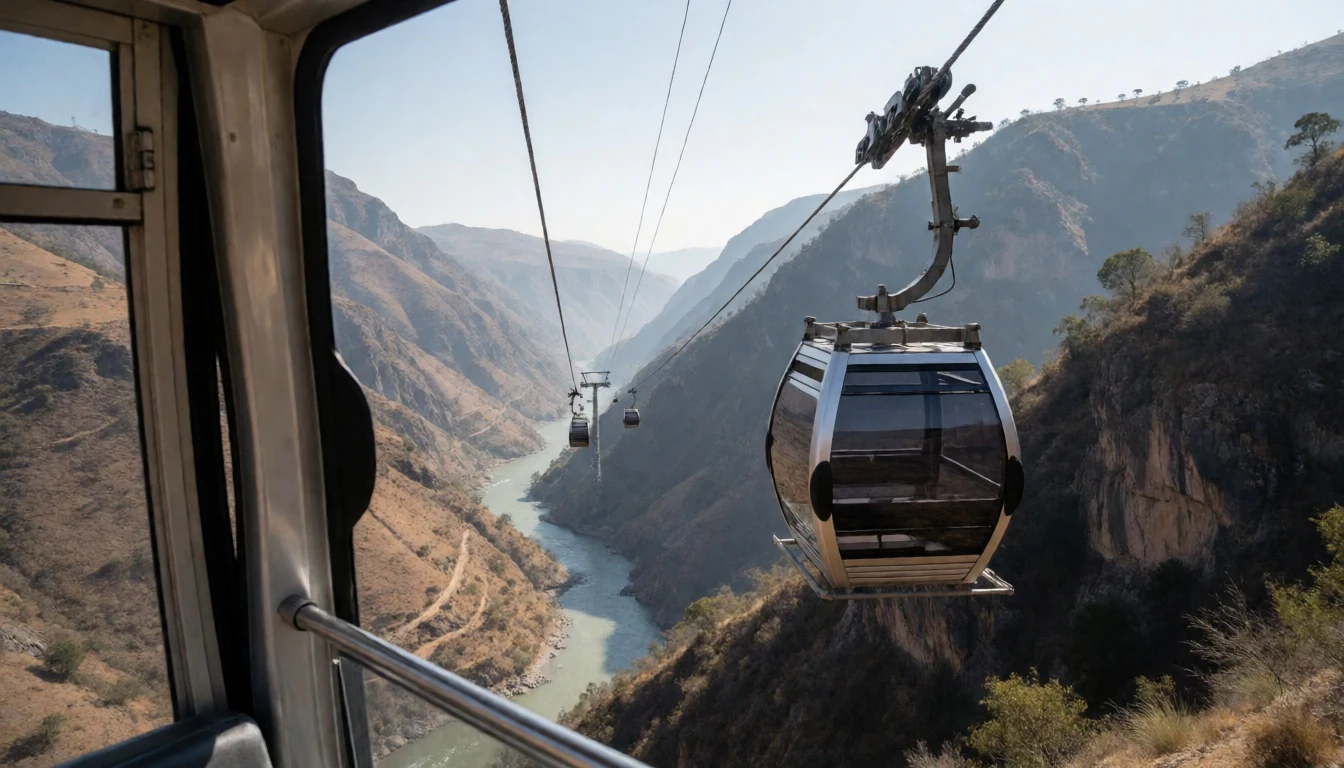
- Parque Nacional del Chicamocha (PANACHI)
The primary administrative and tourist hub for the canyon. It offers curated viewpoints, educational exhibits on the region's geology, and access to the cable car system.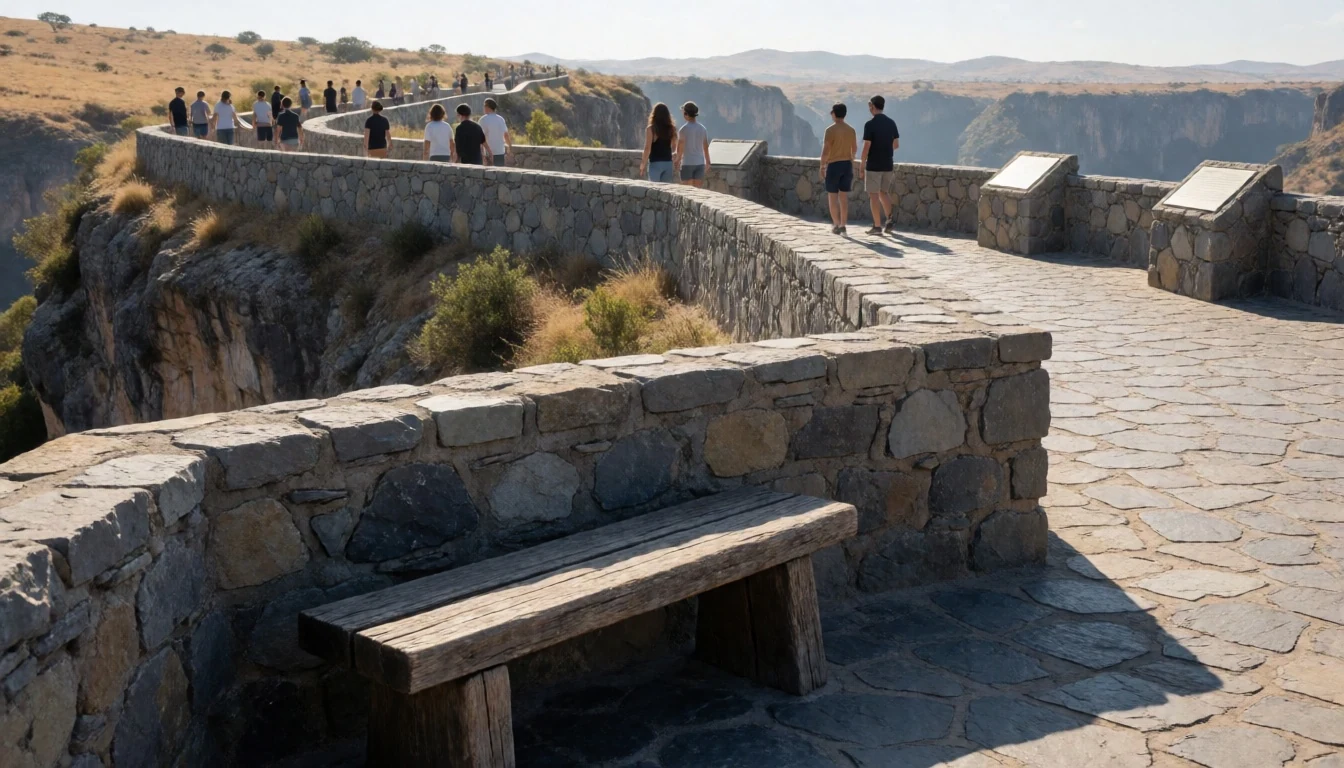
- San Gil
Known as the adventure capital of Colombia, this town is the ideal base for exploring the canyon. It is the primary spot for booking rafting trips on the fast-flowing rivers of the Eastern Andes.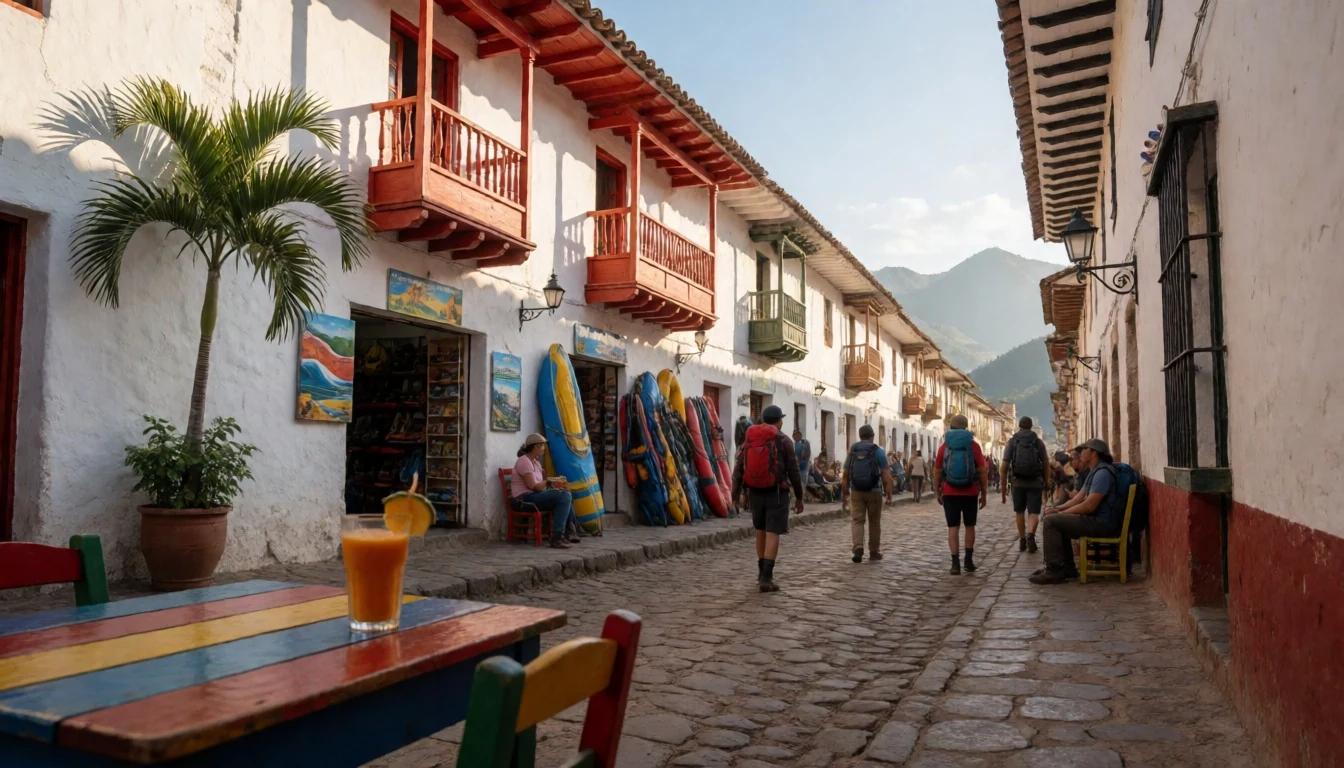
- National Route 45A
The scenic highway crossing the canyon. It offers some of the most accessible and stunning vistas of the river and the opposing cliffs, though it is often shared with heavy freight traffic.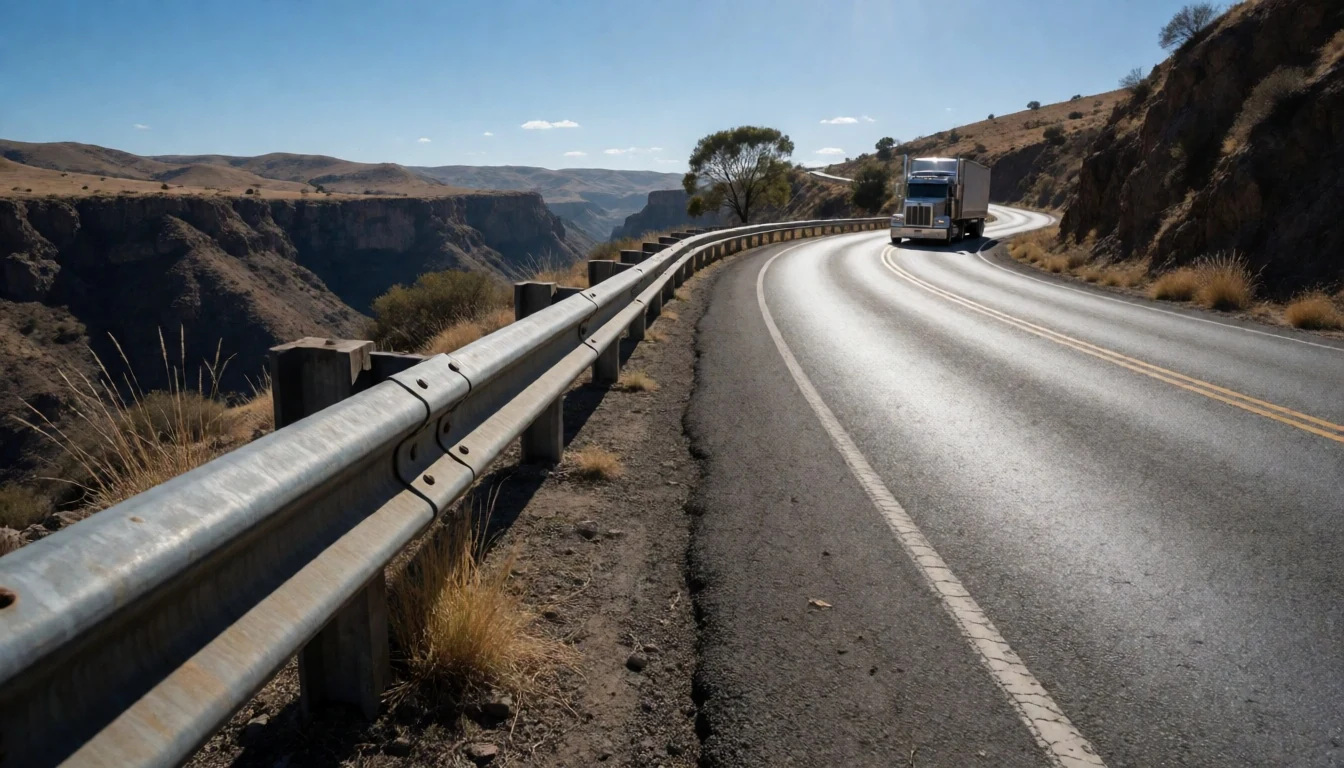
- Bucaramanga
The capital of Santander, located near the canyon. It provides a modern contrast to the wilderness, featuring the region's most vibrant nightlife and theatrical performances.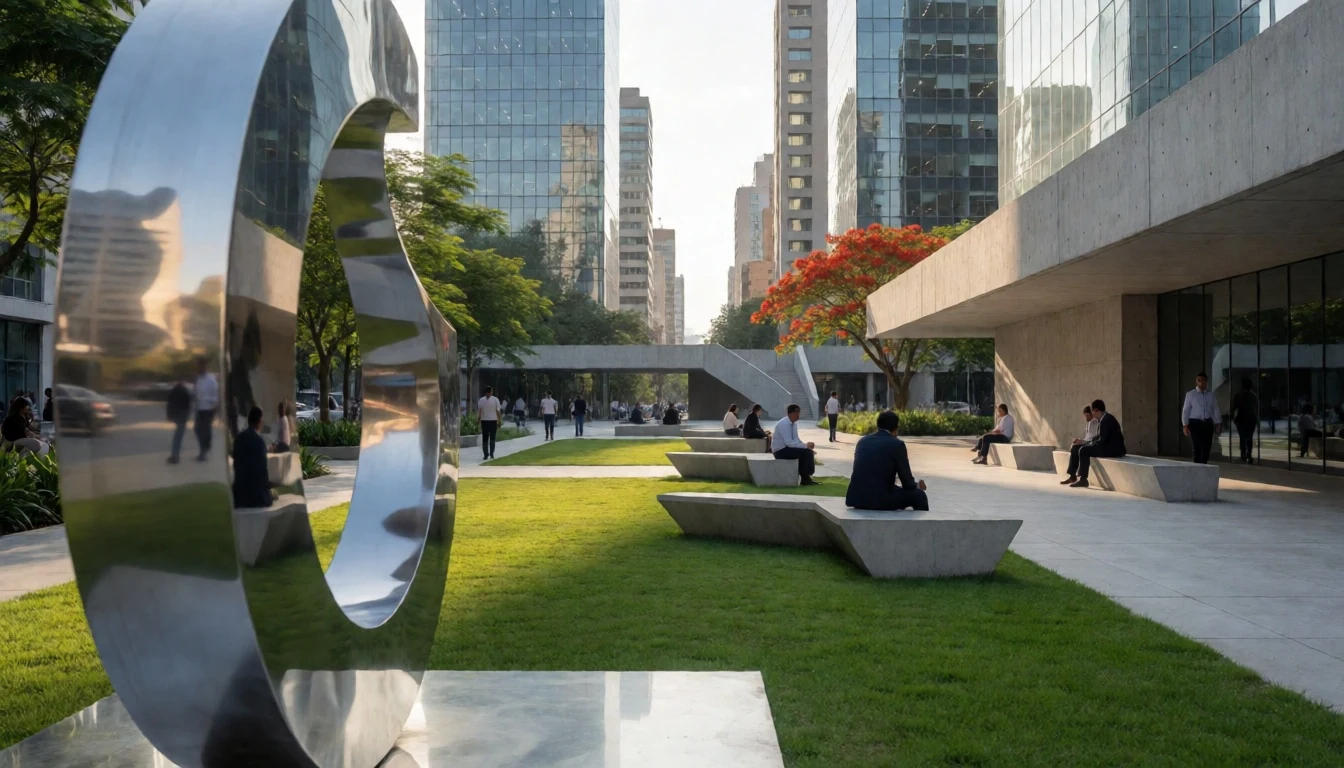
Culture
Culture in the Chicamocha Canyon region is deeply tied to the rugged identity of the Santander department. The people here are known for being straightforward and proud, with a heritage shaped by the challenging terrain of the Andes. Traditional life revolves around livestock and agriculture, with goat farming being particularly prominent due to the arid conditions of the canyon. This creates a culture of resilience and ingenuity, seen in the way locals have adapted their architecture and farming to the steep slopes. There is a strong tradition of folk music and dance that celebrates the rural life of the 'campesino'. In the towns surrounding the canyon, communal gatherings often center around the local plaza and the consumption of regional spirits. The influence of the Spanish colonial era remains visible in the white-walled towns and cobblestone streets of the hinterland. When visiting local markets or homes, a polite and formal greeting is highly valued. Always ask for permission before taking photographs of local residents in their villages.
What to wear
Traditional dress in the Santander region is designed for a life of outdoor labour. Men historically wore sturdy cotton trousers, button-down shirts, and the 'sombrero vueltiao' or other wide-brimmed straw hats to protect against the intense tropical sun. Textiles are often coarse and durable, suited for the brush and rocky soil. Today, most locals in towns like San Gil wear contemporary casual clothing—jeans and t-shirts are the norm. However, during regional festivals, you will see traditional attire featuring embroidered blouses and colourful skirts for women. For visitors, the fashion is dictated by the climate. The canyon is hot and dusty, so breathable, light-coloured linen or synthetic moisture-wicking fabrics are essential. Sturdy hiking boots or closed-toe walking shoes are a requirement for the rocky terrain of PANACHI. Because the sun is exceptionally strong at this altitude, a wide-brimmed hat, high-SPF sunscreen, and sunglasses are non-negotiable. A light jacket is recommended if you are staying overnight in the higher towns, as temperatures can drop once the sun sets.
What to eat
- Hormigas Culonas — local markets in Santander
Roasted 'big-bottomed' ants seasoned with salt. They have a nutty, popcorn-like flavour and are a prized local delicacy.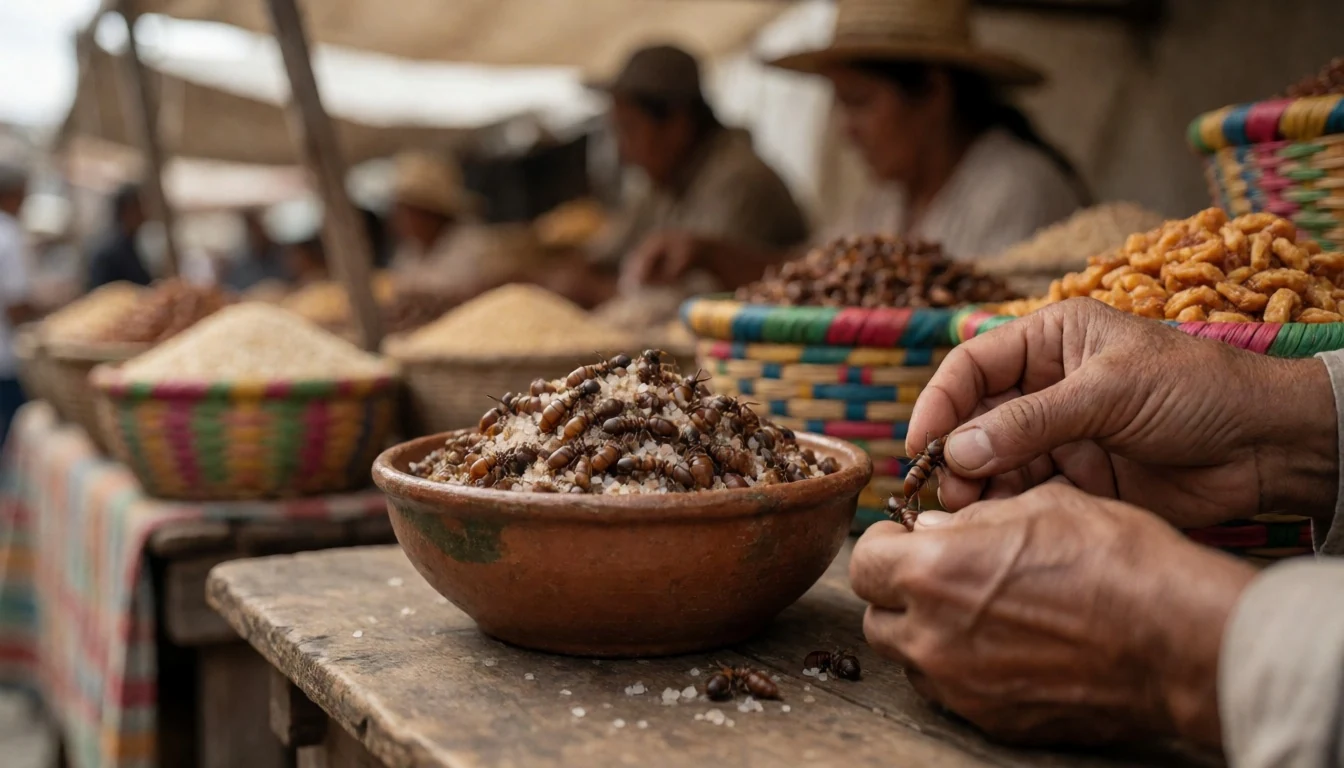
- Arepa Santandereana — street stalls in San Gil
A thick, hearty corn cake mixed with salt and pork, usually grilled until crisp.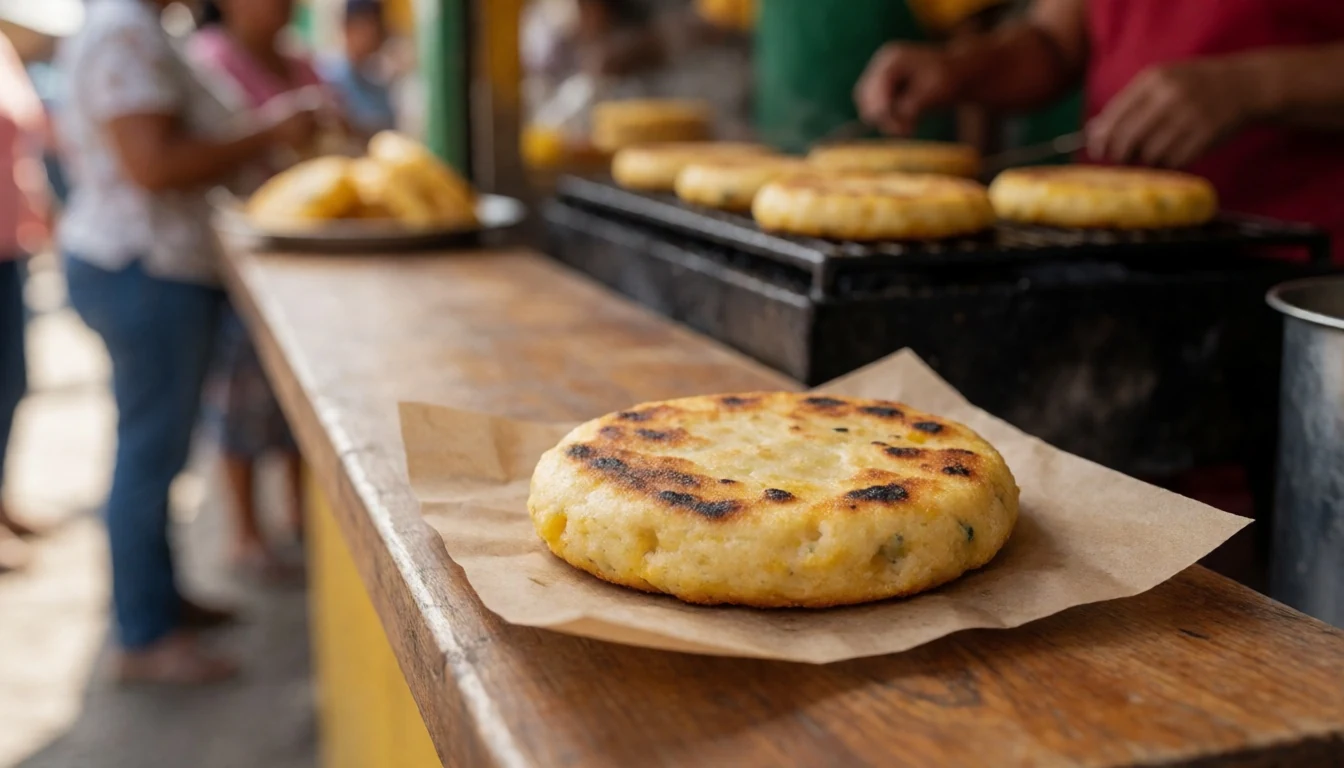
- Carne Oreada — traditional eateries (asaderos)
Thinly sliced steak that has been air-dried and then grilled, creating a concentrated savoury taste. - Mute — village restaurants
A thick, comforting soup made from pork, corn, and a variety of local vegetables. - Changua — local breakfast cafes
A traditional Andean milk soup with egg and scallions, typically eaten for breakfast. - Aguardiente — any local tavern or 'estanco'
The national anise-flavoured liquor, often shared among friends during social gatherings.
Plan it
Best time. December to February or July to August, when the weather is drier and the skies are clearer for viewing the canyon.
How long. 2–3
Getting there. Fly into Palonegro Airport (BGA) in Bucaramanga or Camilo Daza Airport (CUC) in Cúcuta, then take a bus or rental car to San Gil or the PANACHI entrance.
Budget. mid
Tips
- Carry plenty of water; the canyon heat is dehydrating
- Be prepared for traffic jams on Route 45A, especially on weekends
- Use cash for small vendors and local guides in the villages
- Start your visit to PANACHI early to avoid the midday heat
- Bring a high-quality sun hat and sunscreen
Etiquette
- Greet shopkeepers and locals with 'Buenos días' or 'Buenas tardes'
- Dress modestly when visiting small village churches
- Avoid discussing political sensitivities with strangers
Sources
- Wikidata Q2936924 (CC0)
- Wikipedia (CC BY-SA 4.0)
- Wikivoyage (CC BY-SA 4.0)
Wildlife
- Notiomastodon (animal)
Think of the Notiomastodon as a giant cousin of the elephant, about as heavy as an Asian elephant at three to four tonnes, with a short lower jaw and no lower tusks. It is extinct, so no one will meet it on a walk. Its home was this valley, beside an ancient lake, in ages before people arrived. There is no season or hour to look for it; instead, picture it as you gaze over the landscape, and keep a respectful distance from living wildlife.