Cartagena
Cartagena, Colombia
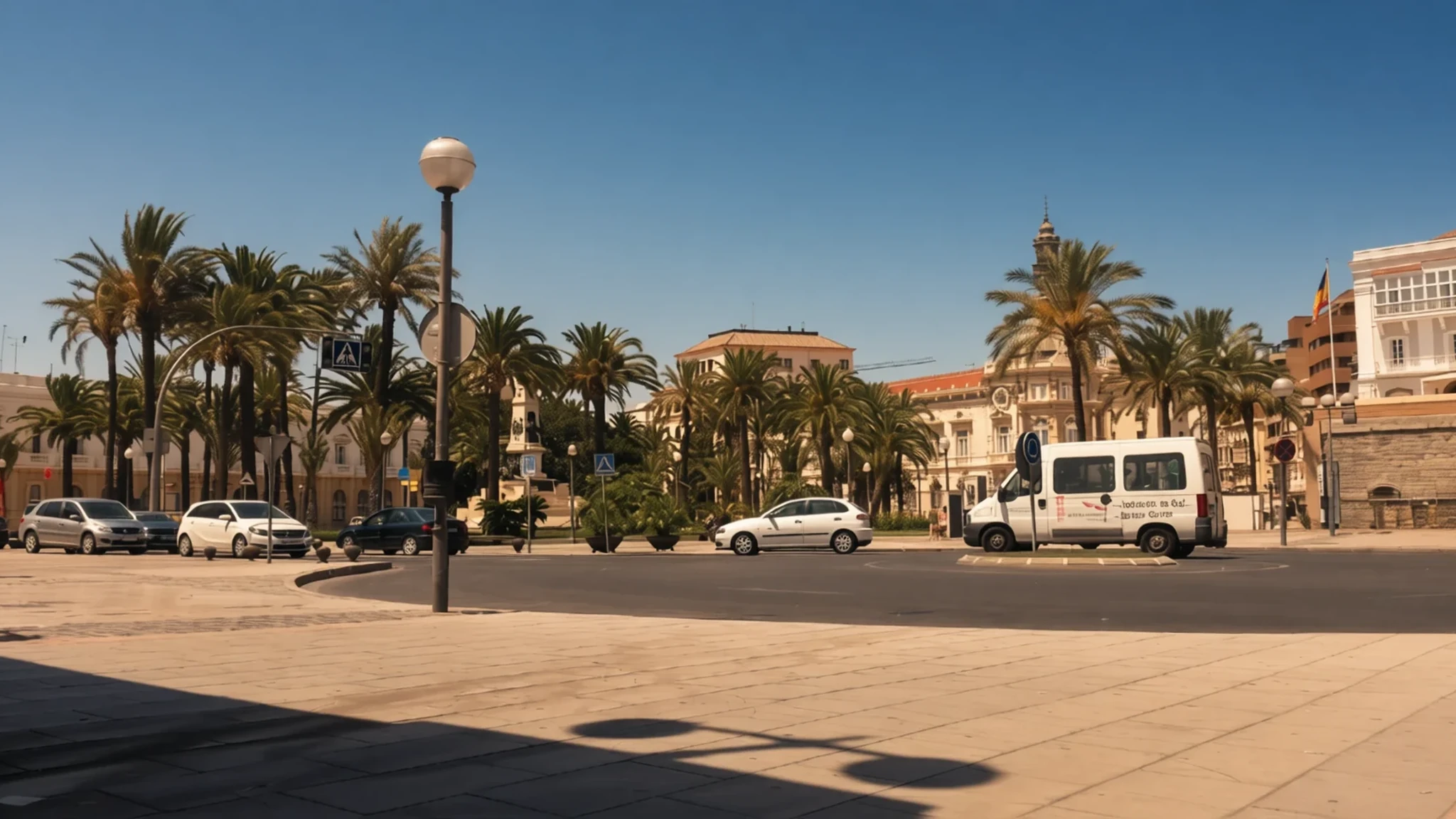
Cartagena offers a dramatic Caribbean coastline fused with preserved colonial fortifications, vibrant street life, and centuries of maritime history.
The place
Cartagena sits on the northern coast of Colombia, facing the Caribbean Sea with an elevation of just two metres above sea level. Founded in the sixteenth century, the settlement grew into one of the most vital ports in the Spanish colonial empire, serving as a gateway for silver exports and transatlantic trade. Today, the urban area is home to over a million residents, functioning as the capital of the Bolívar Department and standing as the fifth-largest city in the country.
The geography of Cartagena is defined by a complex network of bays, lagoons, and islands such as Barú, protected from the open sea by long spits of land. Within the historic centre, defensive stone walls enclose a dense maze of colonial plazas, brightly painted houses draped with bougainvillea, and heavy wooden balconies. Just beyond the colonial district, modern high-rise developments line the beachfront in areas like Bocagrande, creating a sharp architectural contrast between past and present. The tropical maritime climate brings year-round warmth, shaped by sea breezes that offer some relief from the equatorial humidity.
As a major maritime hub, Cartagena connects the interior river systems of Colombia through the Dique Canal to the wider Caribbean. The city's identity is deeply rooted in its coastal positioning, drawing travellers who come to walk the ramparts at sunset, explore the shaded arcades of public squares, and experience a distinct Afro-Caribbean culture that permeates the music, markets, and daily life of the port.
Its story
The history of Cartagena extends far beyond its colonial fortifications, beginning thousands of years before European arrival. Archaeological research in the surrounding Bolívar Department shows that the Puerto Hormiga culture inhabited the region around 4000 BC, leaving behind some of the earliest ceramic objects discovered in the Americas. These early coastal communities relied on the mild climate and abundant local wildlife for hunting and gathering.
By 3000 BC, earlier settlements gave way to the Monsú culture, which flourished near the Dique Canal on the northern edge of Barú Island. The Monsú people developed a more advanced economy, combining pottery production with basic agriculture and fishing. When Spanish expeditionary forces arrived in the sixteenth century, various indigenous groups populated the Caribbean coast of what is now Colombia.
Spanish colonisation transformed Cartagena into a heavily fortified stronghold. Because the port stored vast amounts of silver and goods destined for Europe, it became a frequent target for foreign corsairs and pirates, prompting the construction of massive stone walls and the imposing fortress of San Felipe de Barajas. The city also became a primary entry point for enslaved Africans under the asiento trade system. Figures like Pedro Claver dedicated decades to defending the rights and welfare of enslaved people within the port, leaving a profound moral legacy. Over succeeding centuries, Cartagena shifted from a colonial military outpost into a revolutionary centre that declared independence from Spain, eventually evolving into the vibrant coastal metropolis seen today.
What to see
- Puerta de la Torre del Reloj — Historic Centre
Serving as the grand historical entrance to the walled city, this iconic yellow clock tower connects the Camellón de los Mártires directly to the triangular Plaza de los Coches, where horse-drawn carriages wait for visitors.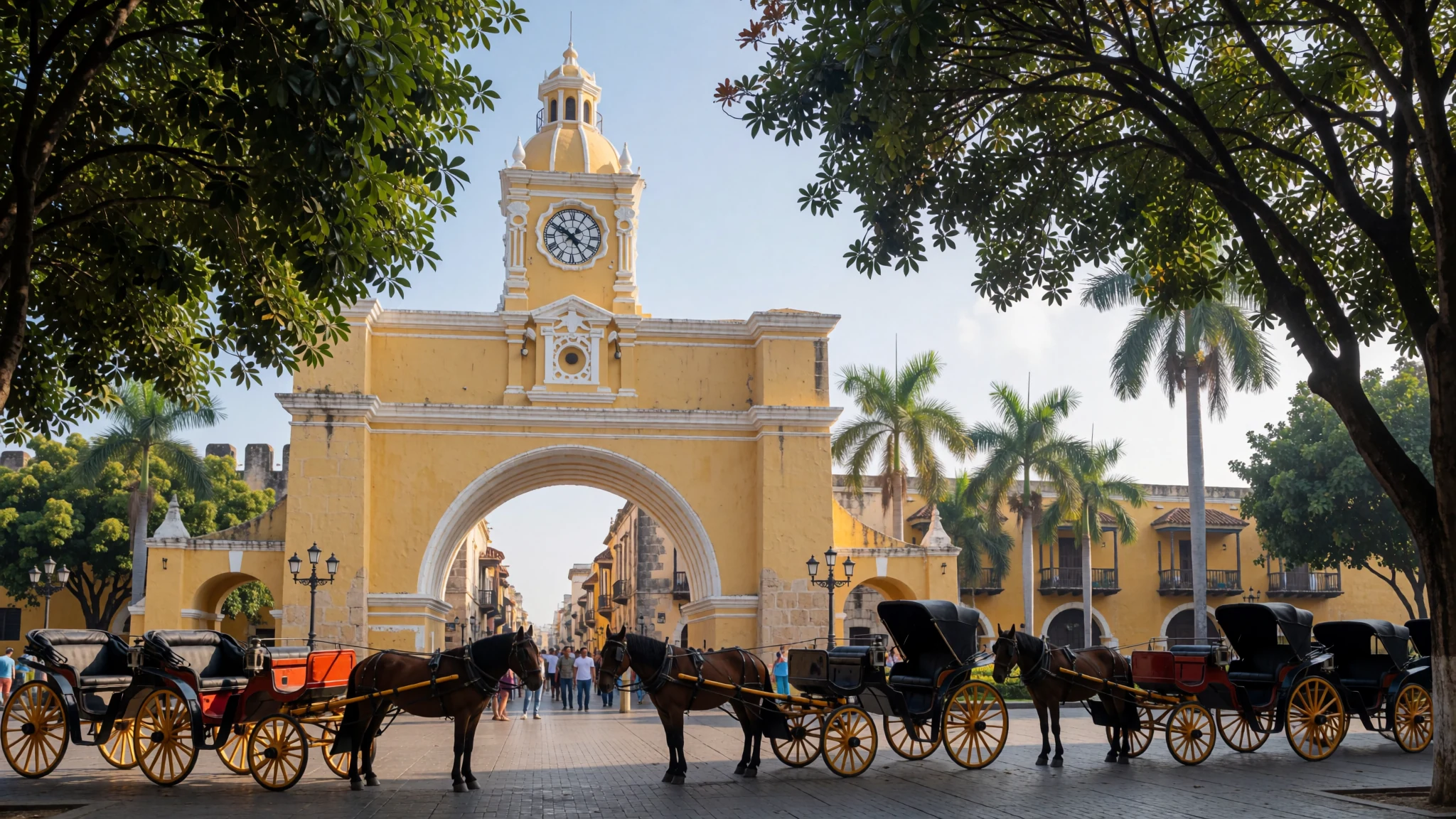
- Plaza de la Aduana — Historic Centre
Surrounded by grand arcaded colonial buildings, this spacious triangular square once served as the primary administrative hub for the Spanish colonial government. One notable structure on the plaza is the former home of the Spanish viceroy.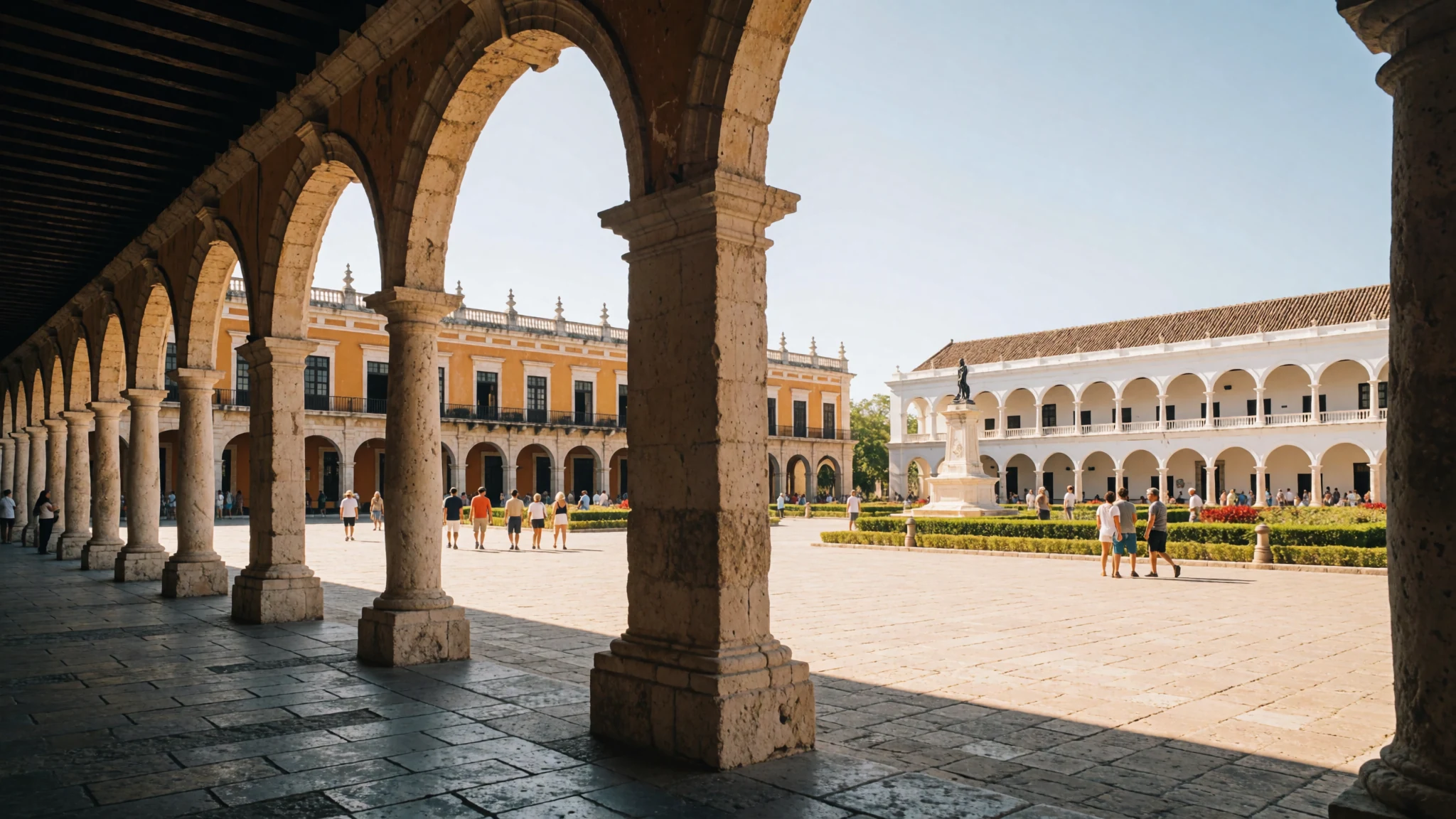
- Convento e Iglesia de San Pedro Claver — Historic Centre
This historic church and adjoining convent complex honour the Spanish Jesuit priest Pedro Claver, who spent decades defending the rights of enslaved people. His remains rest inside the altar within a peaceful, light-filled interior.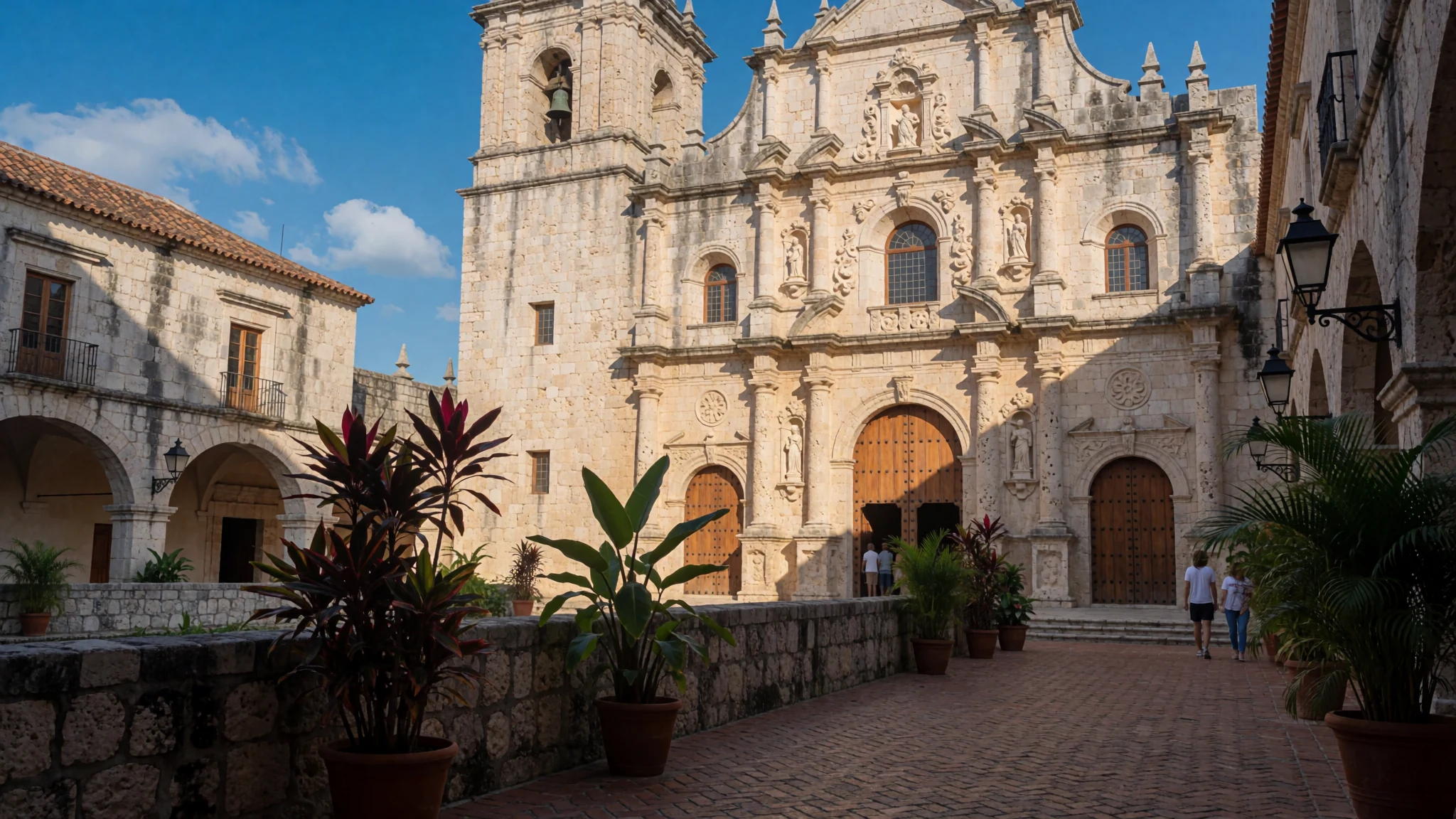
- Museo Naval del Caribe — Historic Centre
Housed inside a former Jesuit college directly behind the San Pedro Claver complex, this institution details the maritime military heritage of Cartagena through extensive model displays, historical exhibits, and naval artefacts.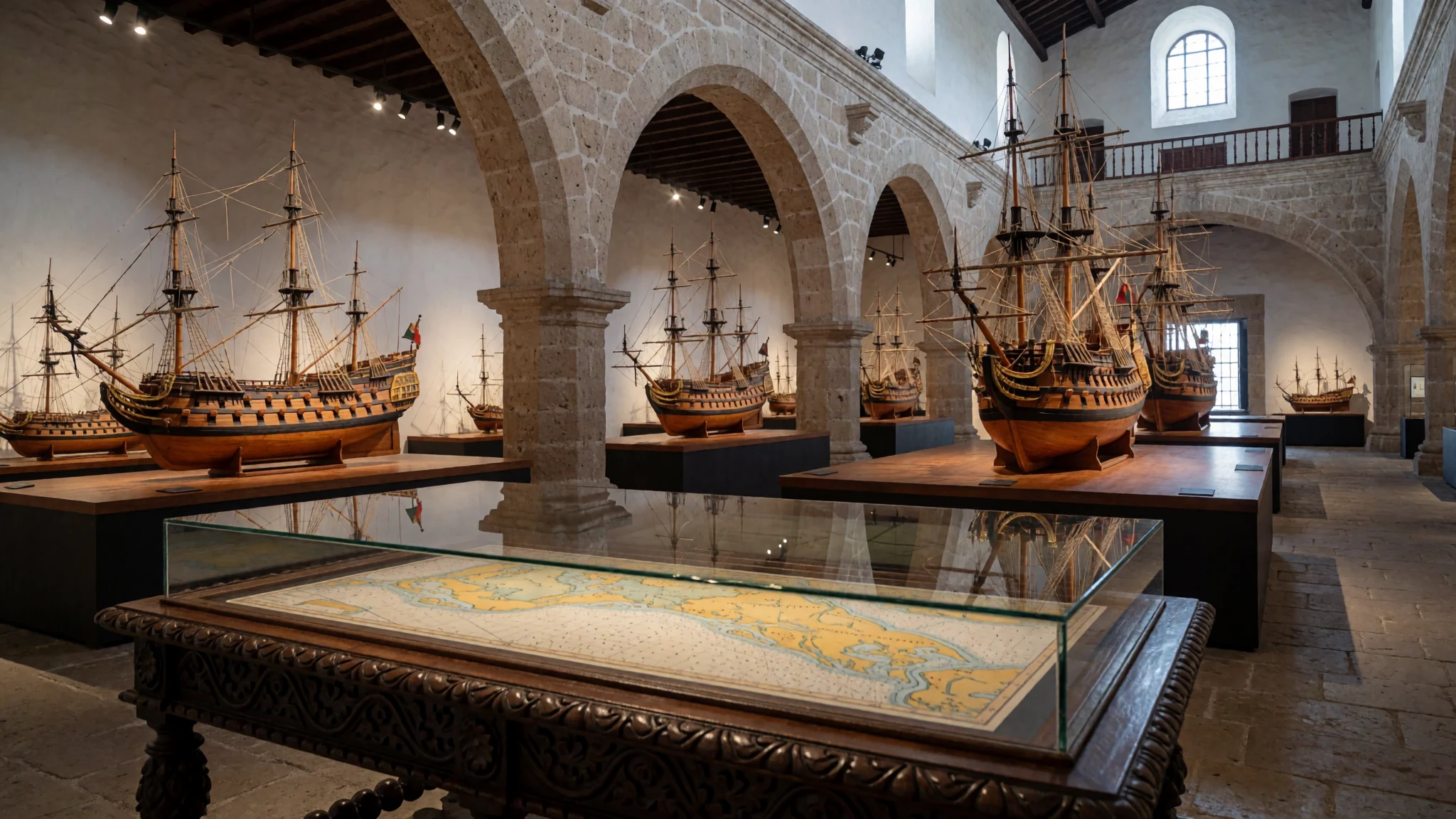
- Castillo de San Felipe de Barajas — Outside the Walled City
Perched on the Hill of San Lázaro, this massive stone fortress represents the pinnacle of Spanish military engineering in the Americas. Visitors can explore the intricate network of dark tunnels and defensive ramps designed to protect Cartagena.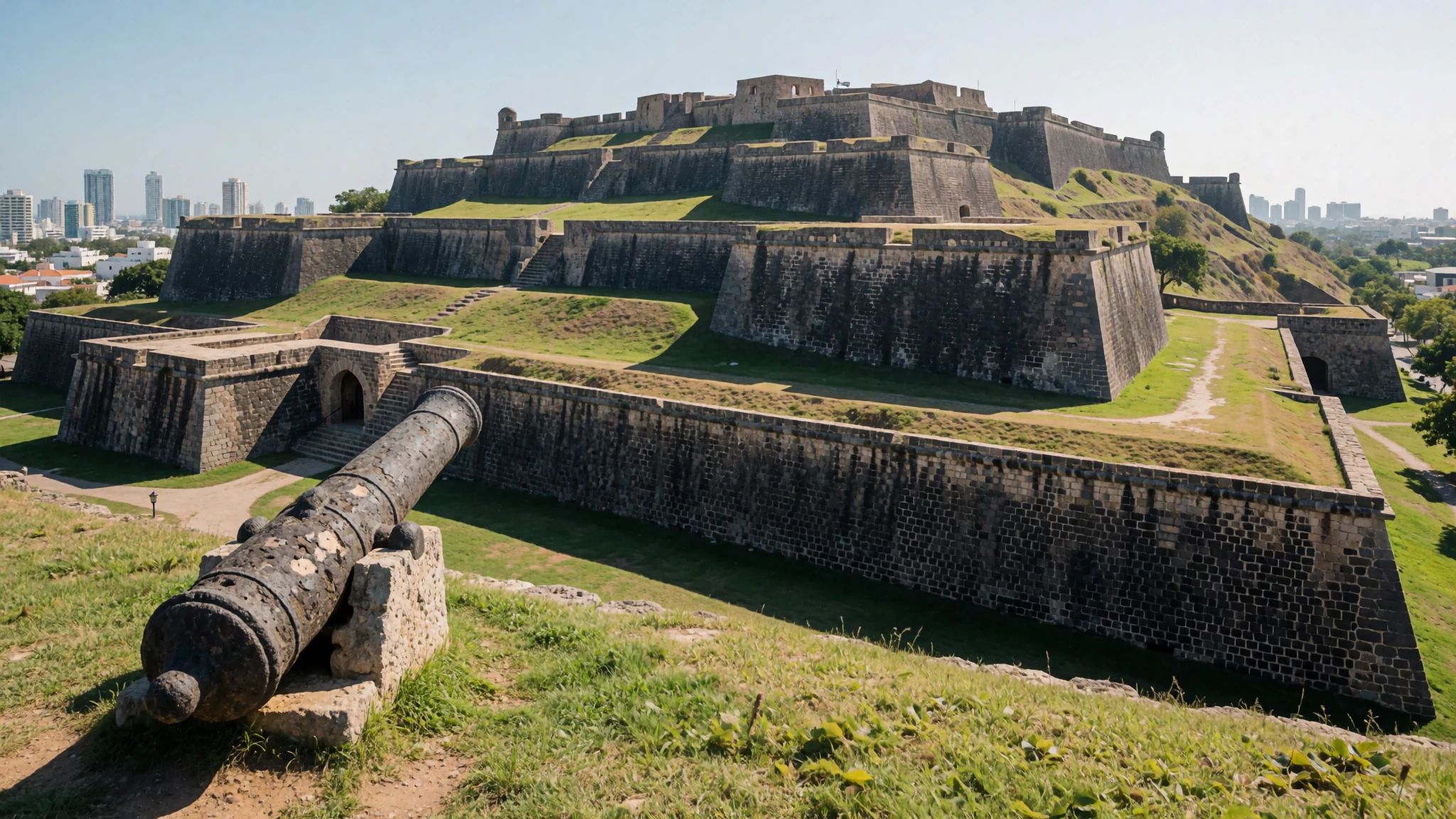
Culture
Cartagena possesses a rich cultural fabric born from the convergence of Spanish, indigenous, and African heritages. Music fills the humid evening air, with Champeta, cumbia, and salsa playing from neighbourhood street corners and neighbourhood venues. The city also holds a notable place in Latin American theatre history, having hosted some of the earliest theatrical performances in the region under colonial viceroys. Architectural landmarks like the restored Teatro Adolfo Mejía demonstrate a longstanding appreciation for the performing arts.
Sports play an important role in local community life, with baseball reigning as the most popular pastime in Cartagena. The local team, Tigres de Cartagena, represents the city in the Colombian Professional Baseball League at the Estadio Once de Noviembre, drawing passionate crowds during the season. Throughout the streets, vendors, artisans, and musicians share space with residents in public squares, maintaining a warm and expressive social rhythm that characterises the Caribbean coast of Colombia. Always ask permission before photographing local street vendors or performers in traditional dress.
What to wear
Cartagena fashion is entirely dictated by the tropical climate, favouring lightweight, breathable fabrics such as linen and fine cotton to cope with the high heat and coastal humidity. Traditional attire often features bright, vibrant colours reflecting Caribbean influences, with women occasionally wearing the iconic colorful dresses of the Palenqueras, complemented by fruit baskets balanced on their heads.
For everyday wear, residents in Cartagena opt for casual, cool garments like loose shirts, shorts, and comfortable sandals suited for walking on uneven cobblestones. Visitors should pack lightweight clothing, a wide-brimmed hat, sunglasses, and high-factor sun protection. While casual wear is appropriate throughout most of the city, dressing with modest neatness is appreciated when visiting churches or attending formal cultural events in historic venues.
What to eat
- Arepa de Huevo — Historic Centre street corners
A classic Caribbean Colombian street snack consisting of a thick corn dough pocket fried with an egg inside. Look for local food carts operating around the plazas and busy neighbourhood street corners during the morning hours.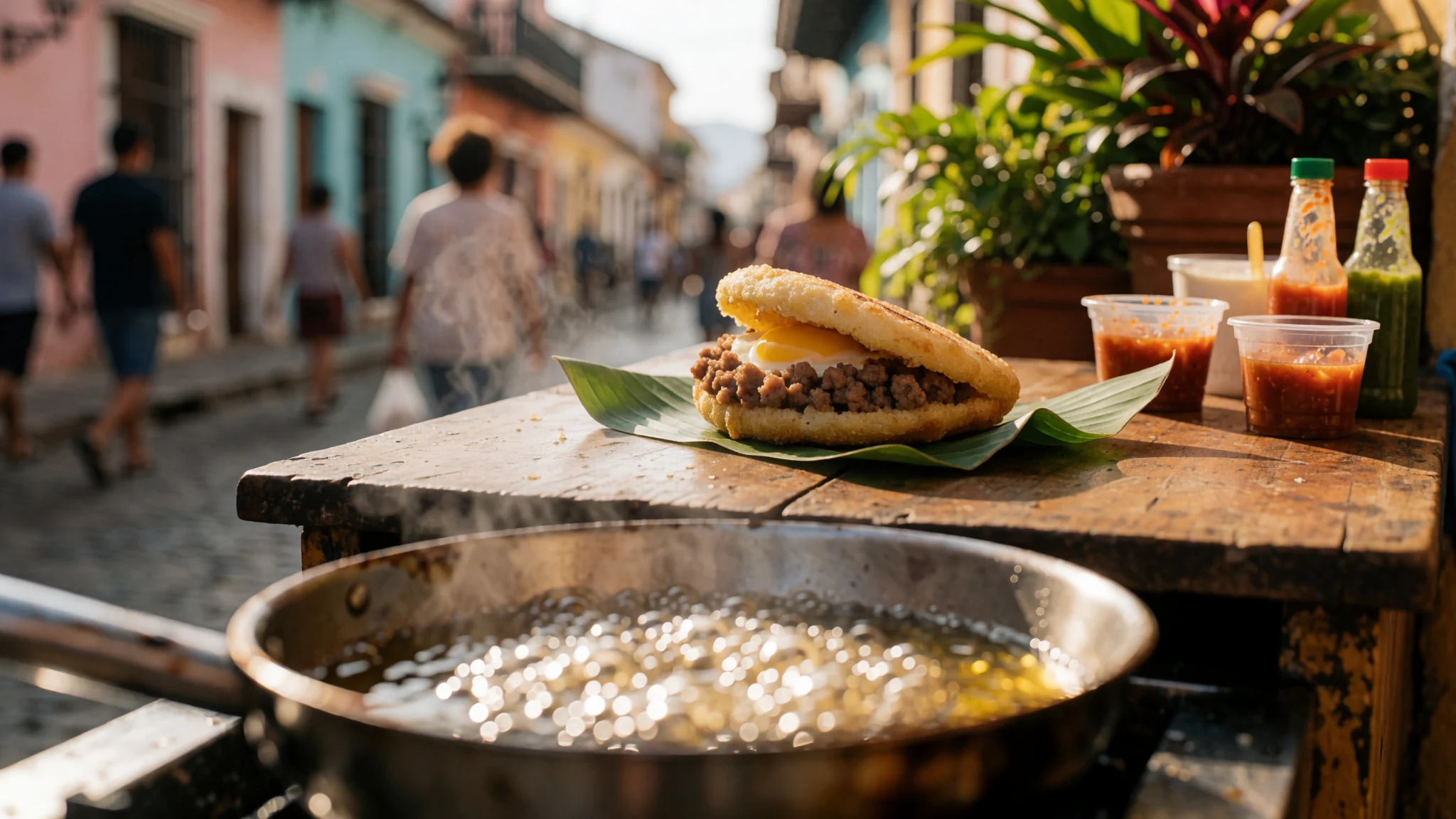
- Fresh Ceviche — Cartagena waterfront and walls
Locally caught shrimp, fish, or octopus cured in citrus juices with onions and chilli peppers, served cold in small plastic cups. Find vendors selling this refreshing seafood dish along the historic city walls and waterfront promenades.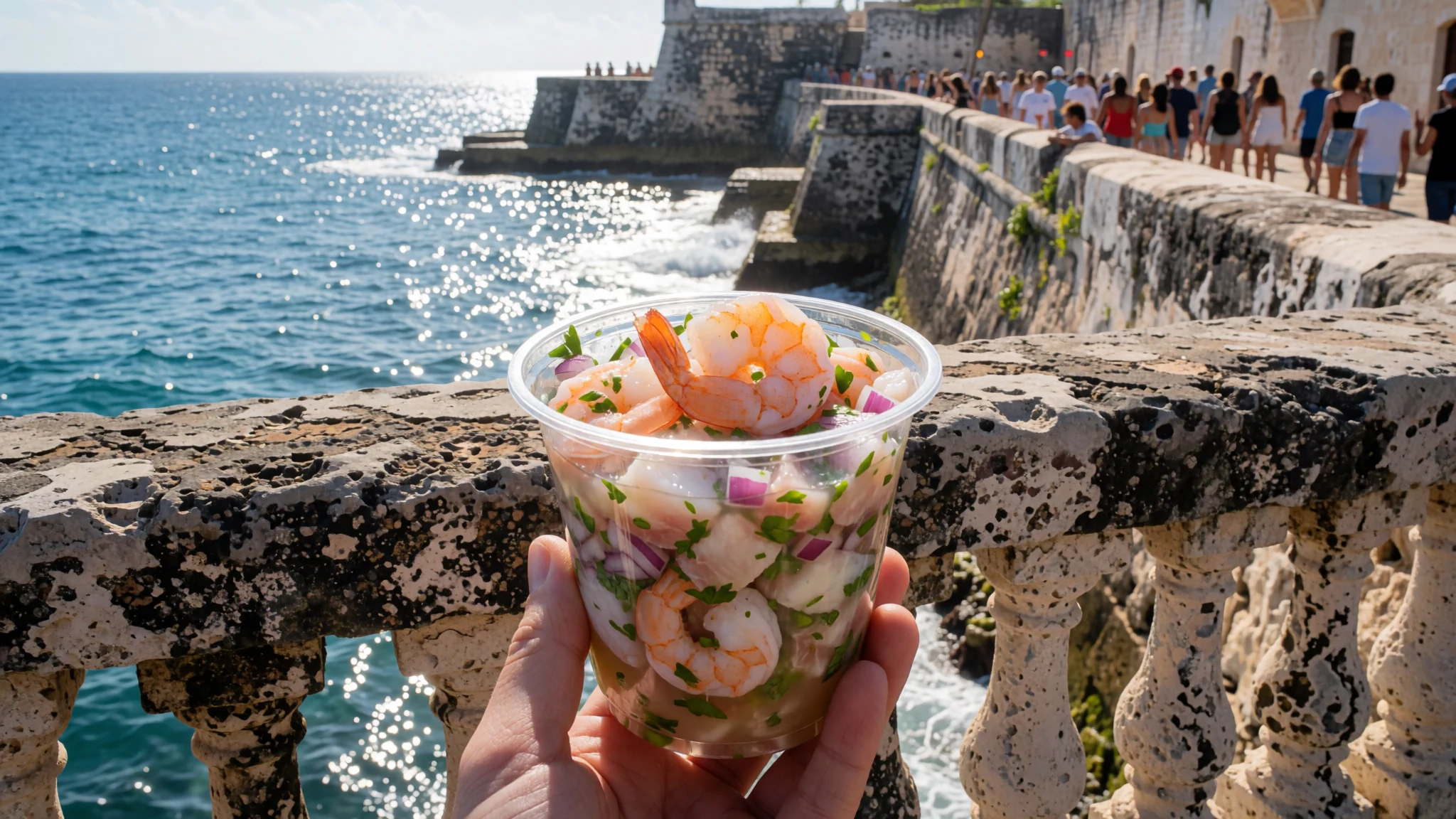
- Arroz con Coco — Traditional local restaurants
Traditional coconut rice cooked with grated coconut milk, raisins, and cane sugar, giving it a distinctive sweet and savoury profile. This dish accompanies almost every traditional fish lunch served in local eateries.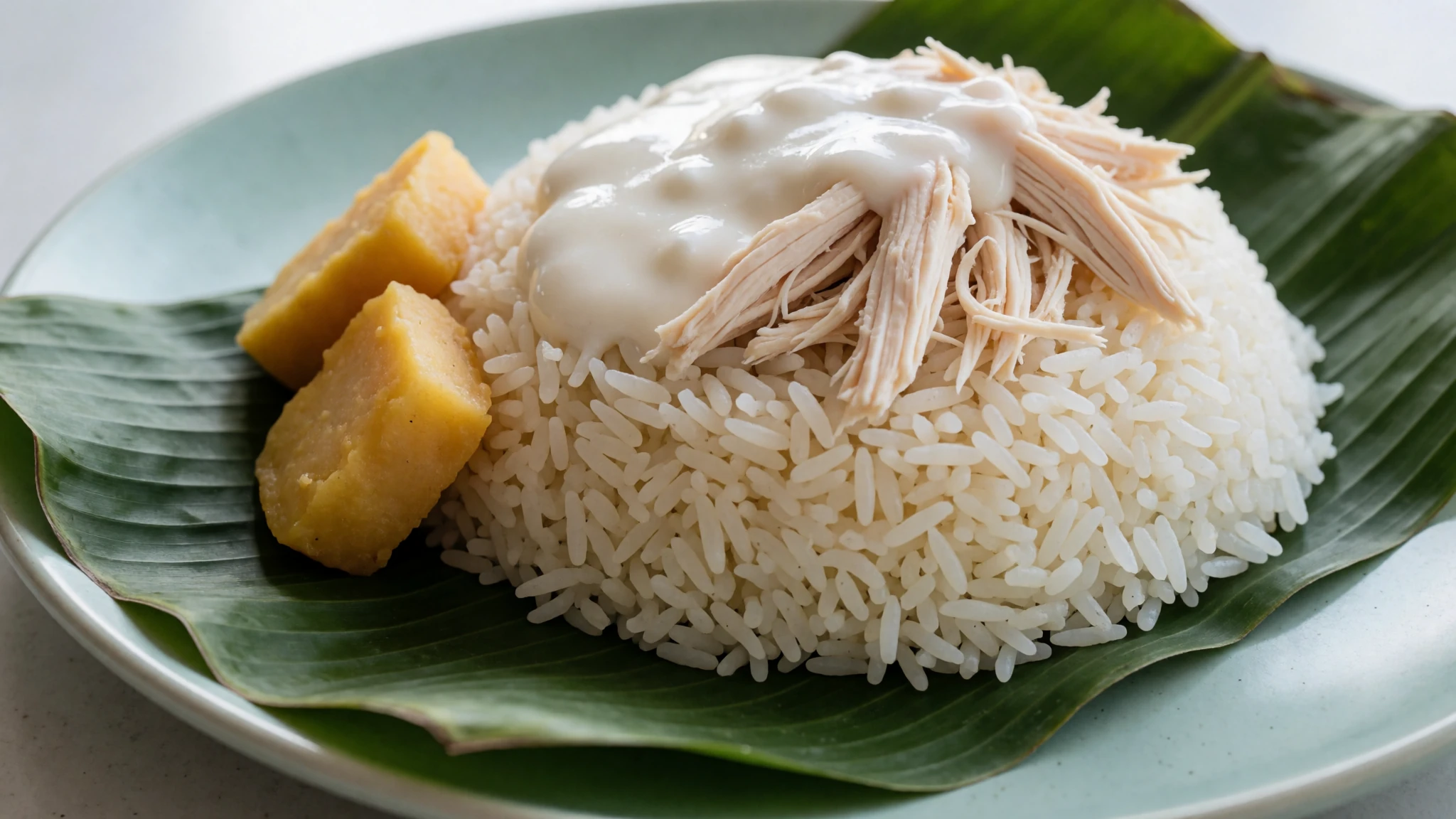
- Corriente Set Lunch — Local neighbourhood corrientes
A hearty set meal consisting of soup, meat or fish, rice, plantains, and a fresh fruit juice. These budget-friendly lunches are served in traditional neighbourhood dining rooms known locally as corrientes. - Sancocho de Pescado — Traditional municipal markets
A rich fish soup made with plantains, yuca, potatoes, and local herbs, simmered slowly in a large pot. This comforting dish is widely available in traditional markets and neighbourhood family-run eateries.
Plan it
Best time. December to March offers the driest weather and pleasant trade winds, whereas September and October bring heavier tropical rainfall and high humidity.
How long. 3–4
Getting there. Fly into Rafael Núñez International Airport, then take an official authorised taxi from the terminal desk or walk out to the main road to hail a yellow cab into the historic centre.
Budget. mid
Tips
- Explore the walled city early in the morning before the midday heat and cruise ship crowds arrive.
- Carry small denomination cash notes for street food vendors, bus fares, and local markets.
- Stay hydrated by drinking bottled water and avoiding unsealed ice in smaller establishments.
- Wear sturdy walking shoes to navigate uneven colonial cobblestones inside the old town.
Etiquette
- Always greet shopkeepers and service workers politely with a warm 'Buenos días' or 'Buenas tardes'.
- Ask permission before taking photographs of local residents and street performers.
- Dress modestly when entering churches or religious sites within the historic centre.
Nearby
Sources
- Wikidata Q657461 (CC0)
- Wikipedia (CC-BY-SA 4.0)
- Wikivoyage (CC-BY-SA 4.0)