Mexico City
Mexico City, Mexico
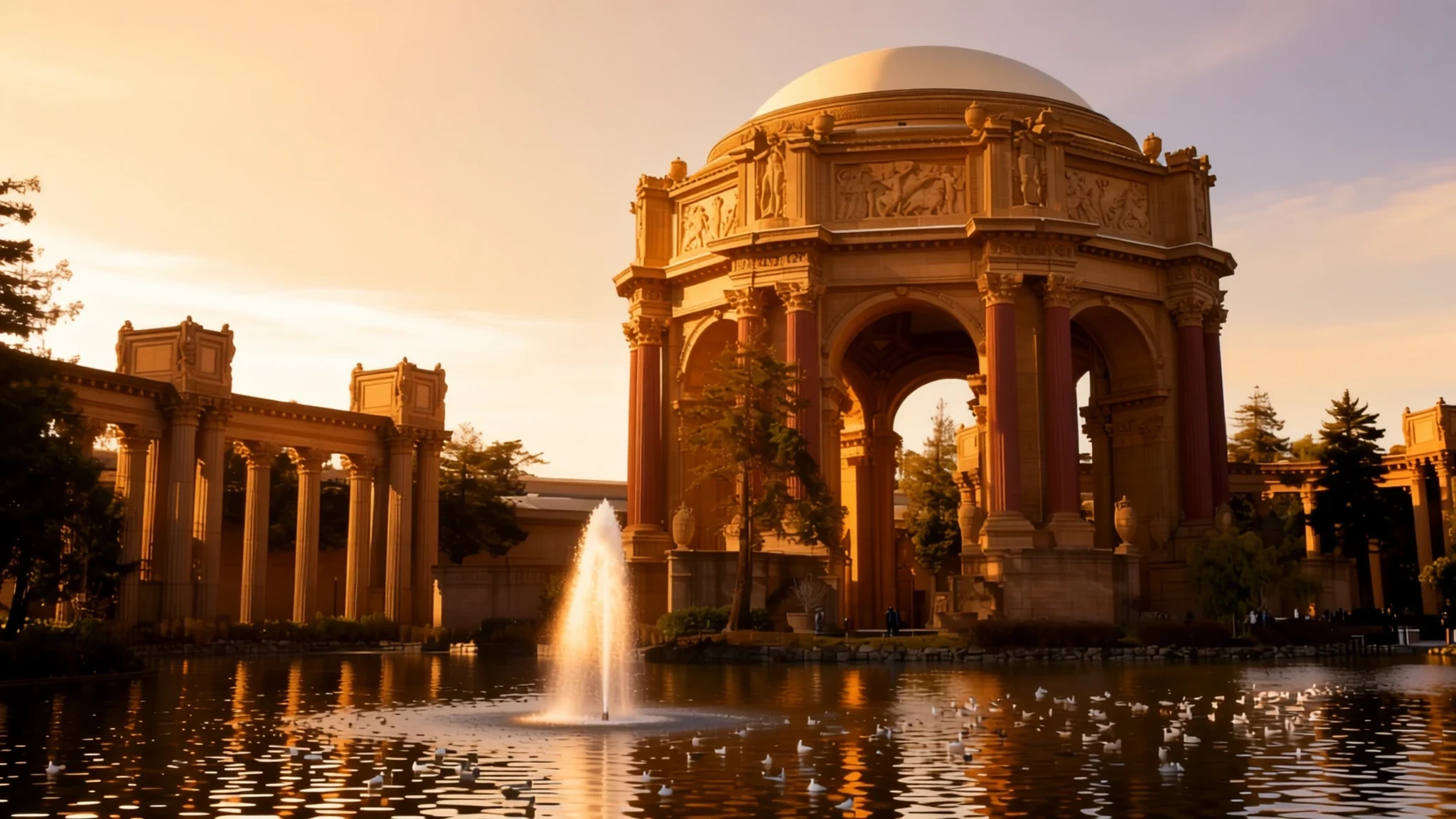
Mexico City pulses with ancient layers, monumental architecture, and a world-class culinary scene set high on the central plateau.
The place
Mexico City fills a wide valley high upon the Mexican Central Plateau, enclosed by mountain ridges that cup the basin. The urban sprawl climbs and stretches across sixteen territorial boroughs, known as alcaldías, which break down further into distinct colonias. At this altitude, the air carries a crispness that tempers the tropical latitude, though the sun beats down fiercely through the high-altitude atmosphere. Life in the capital moves at an intense, relentless pace. Millions of residents navigate grand boulevards, shady parklands, and congested arteries every single day. The urban fabric shifts constantly between quiet residential streets shaded by jacaranda trees and roaring multi-lane thoroughfares lined with sleek glass towers. Pedestrians dodge street vendors selling roasted corn and fresh fruit, while the distant hum of traffic forms a permanent background soundtrack. The city acts as the beating heart of the nation, drawing migrants, artists, financiers, and dreamers from every corner of the country. Despite its immense scale, individual neighbourhoods retain distinct, village-like identities where local markets anchor daily routines and corner bakeries perfume the morning air with fresh pastries. It is a place that demands patience and energy, rewarding curiosity with endless layers of neighborhood charm, striking contrasts, and profound cultural depth at every turn.
Its story
Long before European ships crossed the Atlantic, human footprints marked the marshy shores of the valley's ancient lake system. Archaeological finds, such as ancient skeletal remains uncovered in the northern zones, reveal a human presence stretching back thousands of years across the high plateau. During the eighth and thirteenth centuries, successive migration waves brought migrating peoples down from the arid north into the fertile valley basin. Among these groups were the Mexica, who established their great island capital upon the lake in the fourteenth century. They engineered a miraculous city of canals, causeways, and towering stone pyramids known as Tenochtitlan. When Spanish conquistadors arrived in the sixteenth century, they marvelled at the scale of the indigenous metropolis before tearing it down stone by stone. Upon the ruins of the defeated Aztec capital, the new colonial seat of power arose. Canals were gradually drained, churches replaced temples, and grand baroque plazas took shape under Spanish rule. Independence brought new struggles, monumental architecture along grand avenues, and a twentieth-century artistic renaissance that transformed public walls into canvases for social revolution. Today's metropolis stands directly upon the buried foundations of its predecessors, where digging anywhere in the historic core reveals fragments of ancient volcanic stone, colonial masonry, and modern steel tangled together in the rich, dark soil.
What to see
- Zócalo — Centro Histórico
One of the largest public squares on Earth, the Plaza de la Constitución anchors the historic centre. It hums with political protests, cultural gatherings, and indigenous dancers in feathered regalia. Massive historic structures press in from all sides, creating a vast open arena of national life.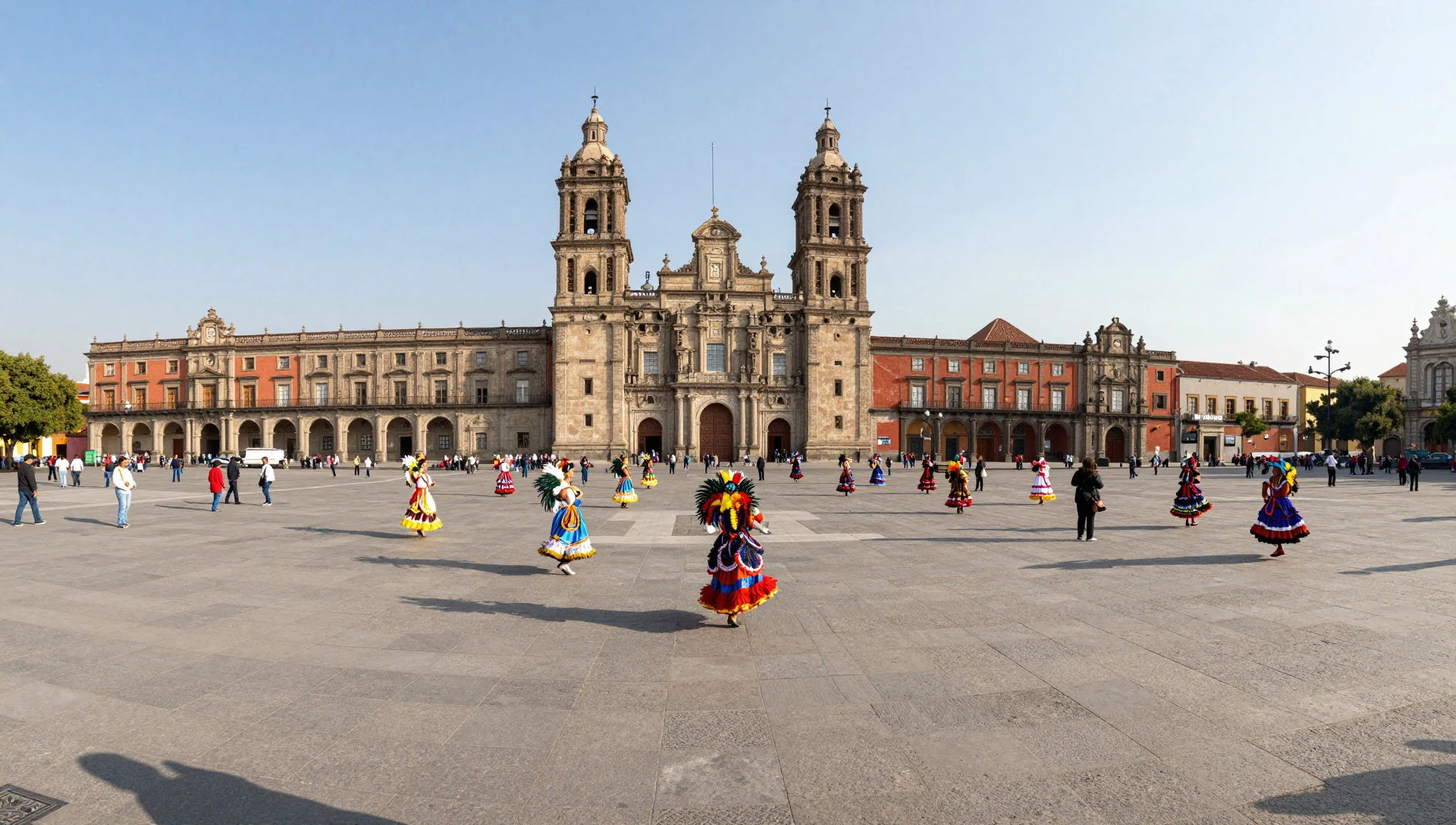
- Palacio de Bellas Artes — Centro Histórico
This gleaming marble palace serves as the capital's premier venue for fine arts and performance. Inside, monumental murals by legendary Mexican painters cover the curved walls, depicting dramatic scenes of industry, revolution, and human progress. The striking art nouveau and art deco architecture glows under the city lights.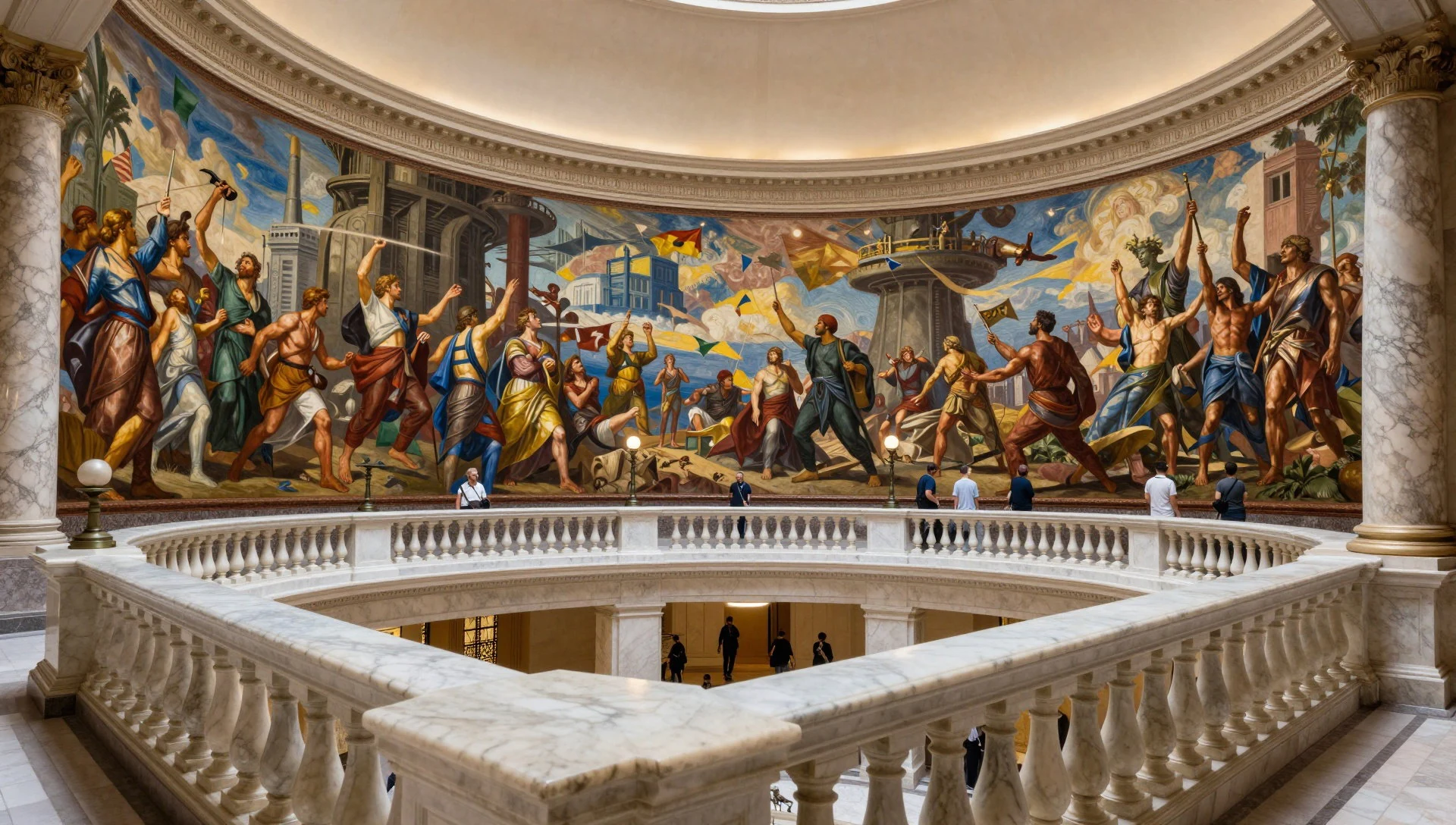
- Metropolitan Cathedral — Centro Histórico
Rising beside the main plaza, this colossal cathedral took centuries to complete, resulting in a fascinating blend of architectural styles from baroque to neoclassical. Its cavernous interior houses ornate altars, including a principal altar crafted from solid gold, while the heavy stone exterior slowly settles into the soft lakebed below.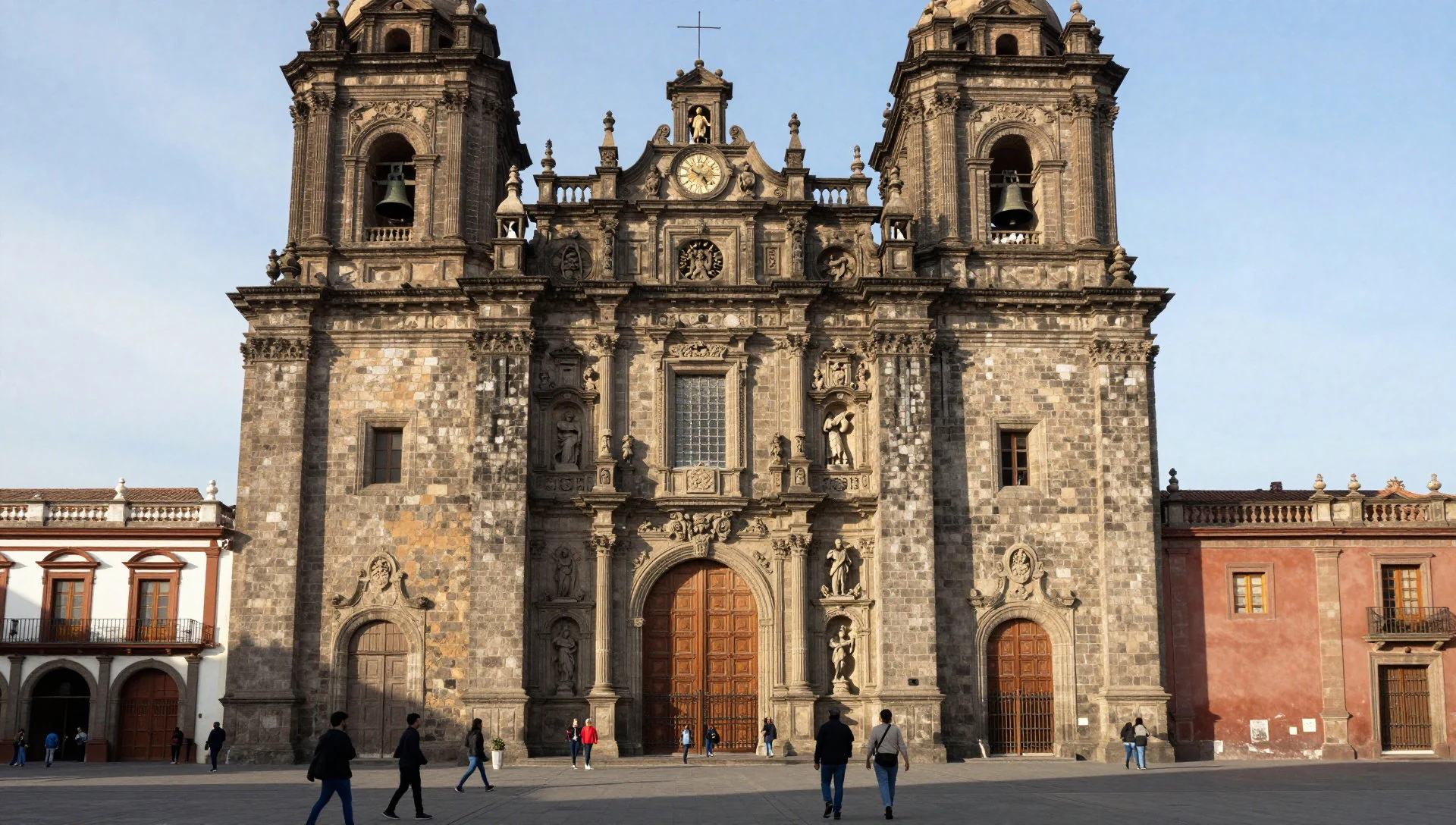
- Angel of Independence — Paseo de la Reforma
A soaring gilded victory figure perches atop a grand column on a bustling roundabout along Reforma Avenue. Built to commemorate the anniversary of the nation's independence struggles, the monument acts as the symbolic backdrop for civic celebrations, parades, and public gatherings throughout the year.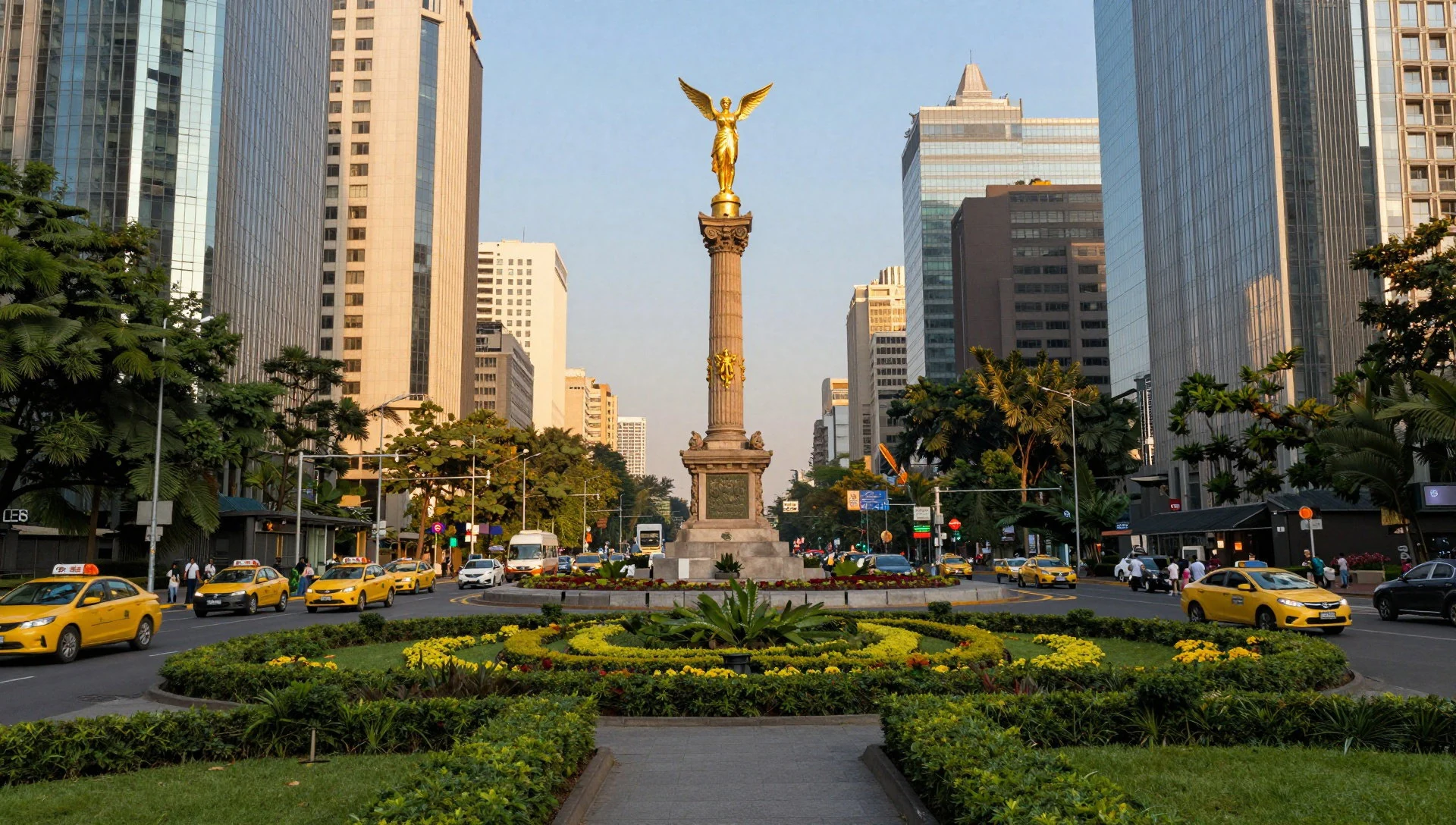
- Basílica de Guadalupe — Gustavo A. Madero
As the holiest Catholic sanctuary in the Americas, this sprawling religious complex draws millions of devoted pilgrims from across the globe. Visitors gather to pay respects to the miraculous image of the Virgin, filling the modern basilica and surrounding courtyards with deep devotion, particularly during major December festivities.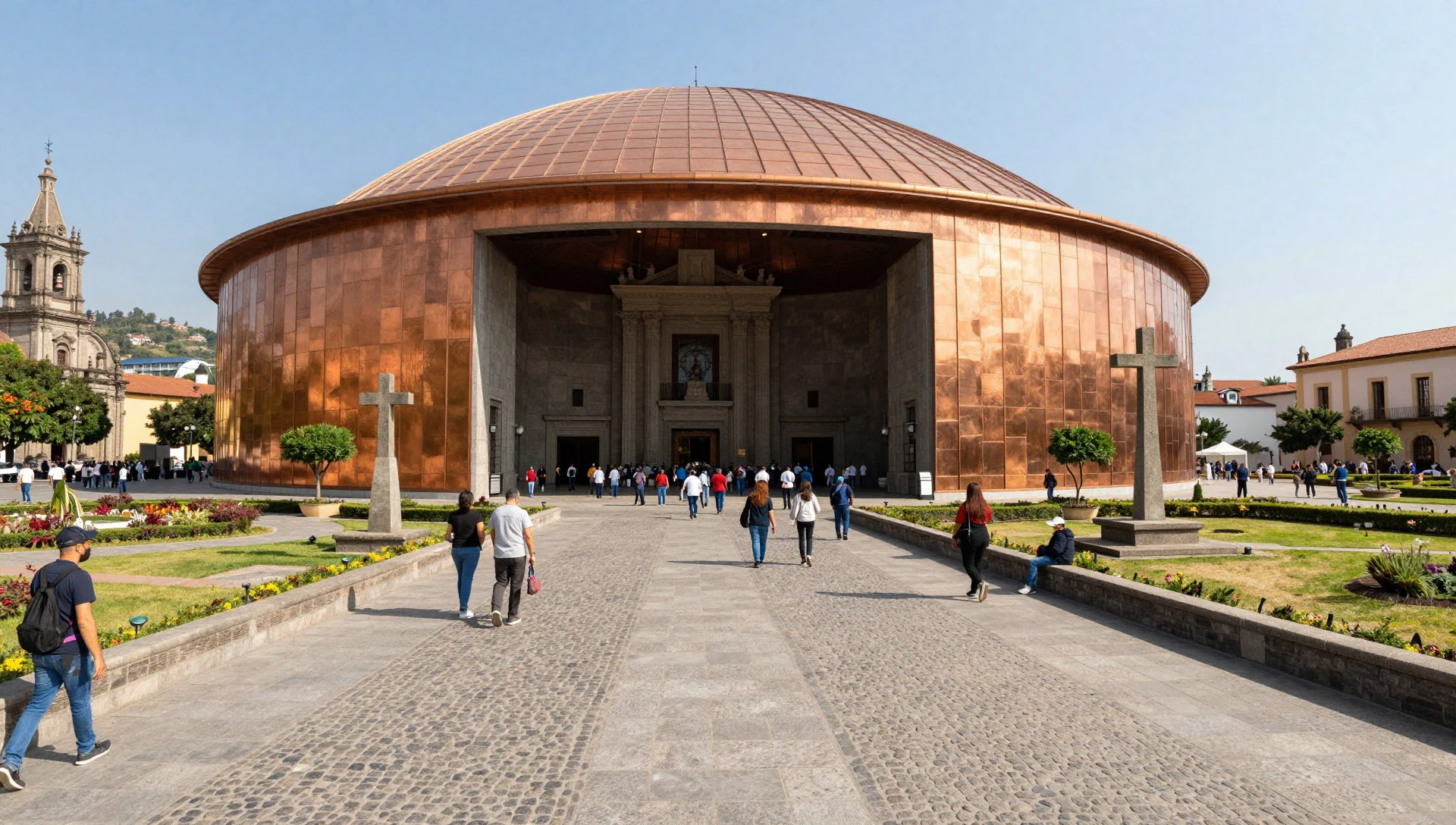
- Ciudad Universitaria — Coyoacán
The sprawling main campus of the national university showcases mid-century modernist architecture integrated with vast exterior mosaic murals created by renowned Mexican artists. Stone and tile murals depict the history of science, culture, and national identity across building facades surrounded by volcanic rock gardens.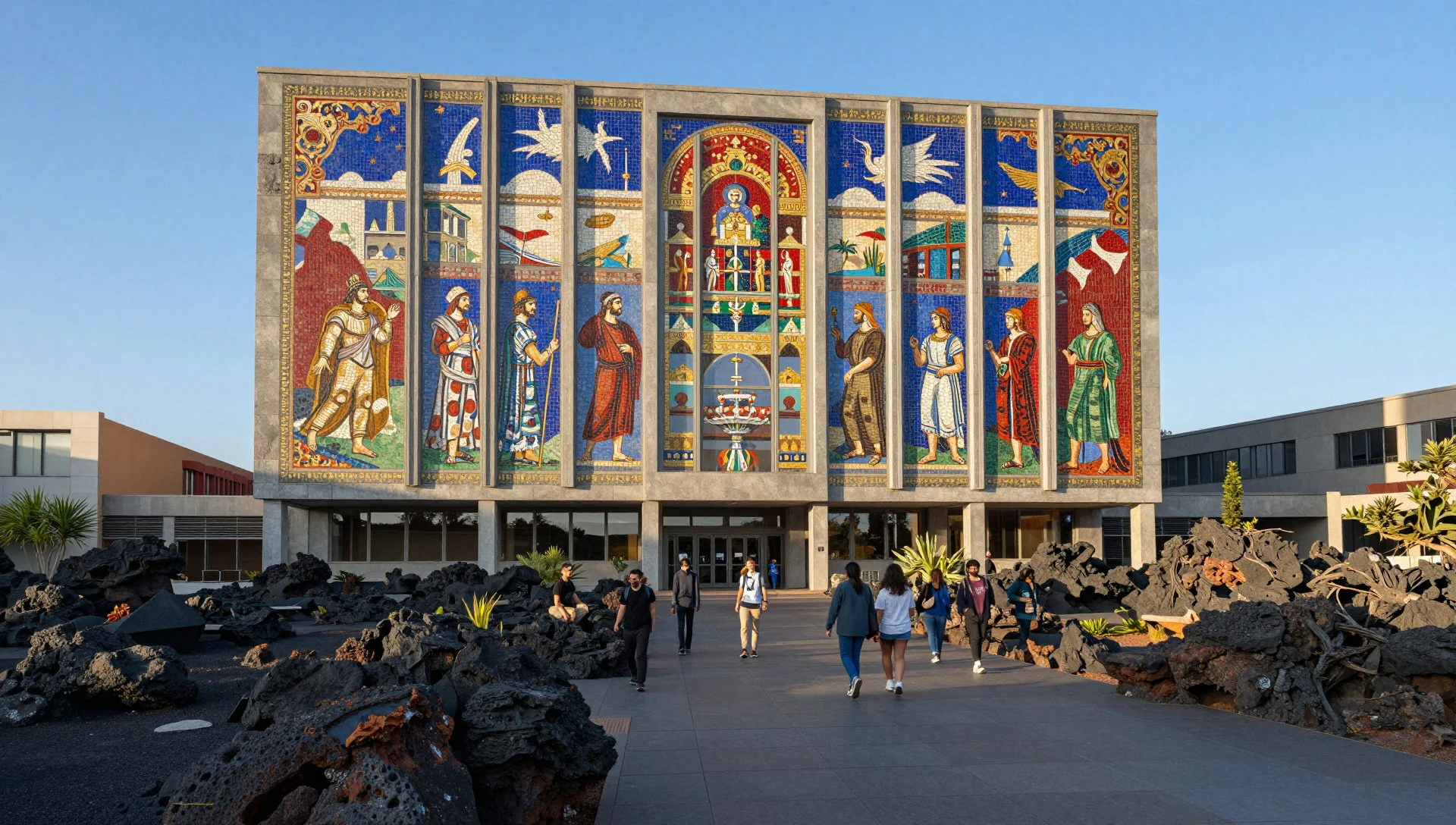
Culture
Art, community, and historical memory weave tightly into the daily rhythm of the capital. From the colonial-era San Carlos Art Academy to bronze public monuments like El Caballito gracing historic plazas, creative expression is treated as a fundamental public good rather than a private luxury. Neighbourhoods hum with neighbourhood markets, community festivals, and an open, warm social etiquette that values polite greetings before any business is transacted. People take immense pride in their local heritage, language, and culinary traditions, viewing hospitality as a point of honour. When entering local churches, markets, or family homes, always greet those around you with a polite 'buenos días' or 'buenas tardes' before asking for assistance.
What to wear
Traditional Mexican dress varies wildly across regions, often featuring embroidered cotton huipiles, wool rebozos, and intricate indigenous textiles that preserve centuries of weaving heritage. In the capital, however, everyday street style leans sleek, urban, and modern. Local residents in fashionable colonias like Condesa and Roma favour tailored trousers, minimalist leather jackets, comfortable trainers, and smart layers that adapt easily to fluctuating daily temperatures. Visitors should pack versatile layers, as the high altitude means bright afternoon sunshine can give way to brisk evening air quite suddenly. Bring comfortable, broken-in walking shoes with good grip to handle uneven stone pavements, historic cobblestones, and steep metro staircases. While casual wear is widely accepted in cafes and museums, modest attire is appreciated when visiting churches and traditional neighbourhood sanctuaries.
What to eat
- Tacos al Pastor — Any neighbourhood street corner taquería
Thin strips of pork marinated in dried chillies and spices, roasted on a vertical spit topped with a pineapple wedge, then shaved fresh into a warm corn tortilla with onions and cilantro. - Antojitos at Local Markets — Mercado de San Juan or Mercado Roma
Handmade corn masa pockets stuffed with squash blossoms, cheese, or epazote, fried or griddled on hot comals at bustling communal food stalls. - Traditional Mexican Chocolate and Pan Dulce — Traditional cafes across Centro Histórico
Warm, frothy hot chocolate prepared with water or milk using a wooden molinillo, paired with sweet, flaky pastries from historic bakeries. - Comida Corrida — Traditional fondas in neighbourhoods like Juárez
A hearty multi-course set lunch featuring homemade soup, rice or pasta, a main guisado meat dish, fresh tortillas, and flavoured water. - Churros with Cajeta — Historic churrerías near the city centre
Crisp, star-extruded fried dough dusted in cinnamon sugar, served piping hot alongside thick Mexican hot chocolate or dulce de leche for dipping.
Plan it
Best time. March to April brings warm spring weather and blooming jacarandas, while November to February offers clear, dry skies after the rainy season ends and vibrant Day of the Dead celebrations.
How long. 4–5
Getting there. Arrive at Benito Juárez International Airport (MEX), located in the eastern part of the city, then take an authorized airport taxi or metro connection to your accommodation.
Budget. mid
Tips
- Drink only bottled or filtered water and avoid ice cubes at street stalls.
- Acclimatise slowly to the high elevation by keeping physical exertion moderate on your first couple of days.
- Use official authorised taxi stands or ride-hailing apps rather than hailing cabs off the street at night.
- Carry cash in small denominations for bus fares, market stalls, and tip jars.
- Book entry tickets online in advance for major cultural sights like museum houses.
Etiquette
- Always greet shopkeepers and service workers politely before making requests.
- Ask permission before photographing indigenous people or traditional dancers in public squares.
Nearby
Sources
- Wikidata Q1489 (CC0)
- Wikipedia (rev 1382209639) (CC BY-SA 4.0)
- Wikivoyage (rev 5398238) (CC BY-SA 4.0)