Lake Guatavita
Lake Guatavita, Colombia
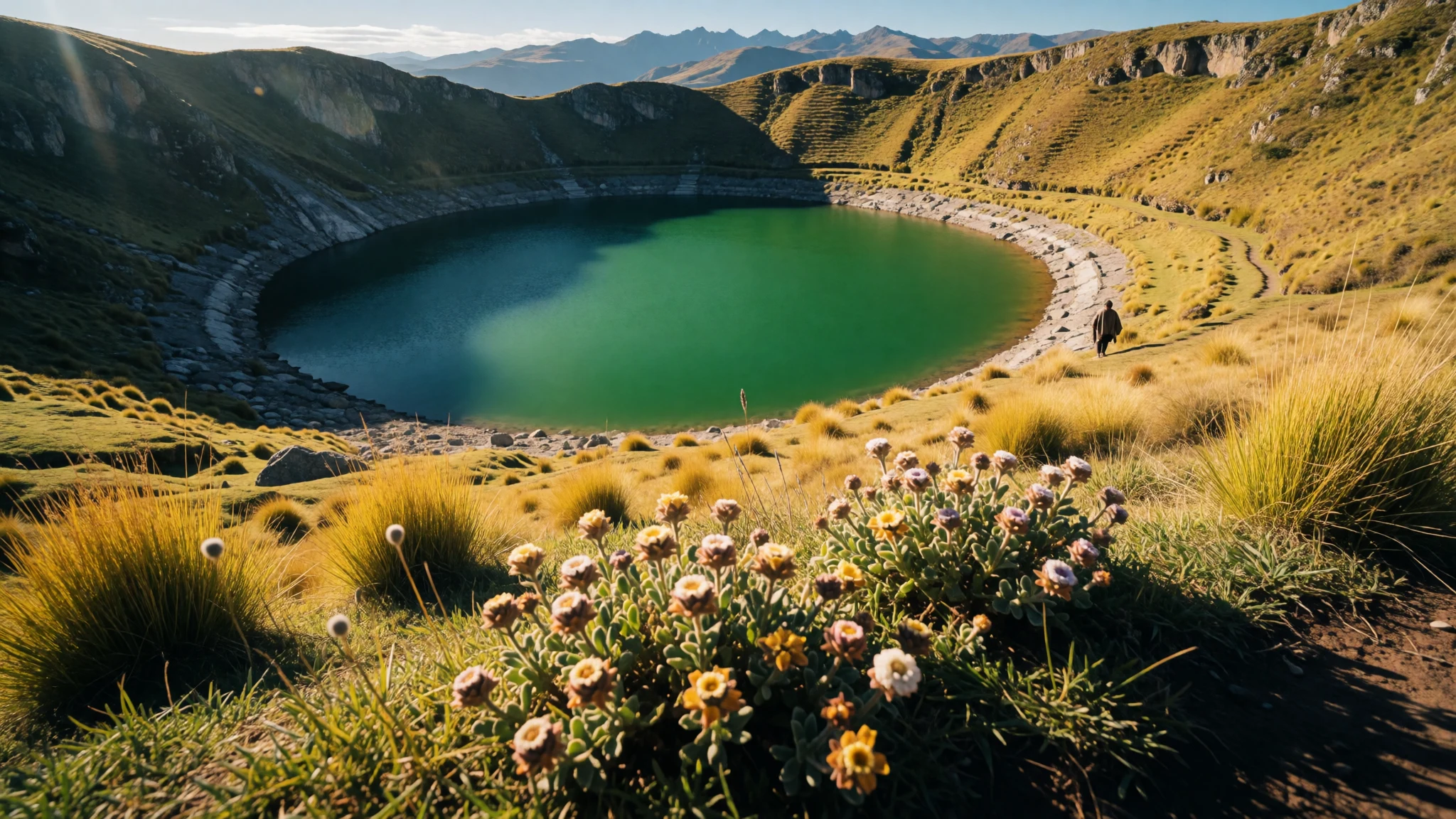
Lake Guatavita is a small, quiet Andean crater lake where the legend of El Dorado began, an easy half-day from Bogotá.
The place
Lake Guatavita lies in the cold highlands of Cundinamarca, north-east of Bogotá, in a nearly circular bowl ringed by steep slopes of scrub and planted forest. The water is dark and still, and the rim is high enough that mist often drifts across it. A notch on one side of the bowl is the scar of a colonial-era attempt to drain the lake, and from above it gives the shape an odd, unfinished look. This is not a place for swimming, boating or picnicking. Access is controlled, visits are normally made with a guide, and the route to the viewpoints is a modest walk along the rim through vegetation that changes as the ground rises. Nearby, the town of Guatavita is a tidy, whitewashed settlement built as a replacement when its predecessor was flooded by a reservoir, and it makes a natural lunch stop. The area is popular with Bogotá families at weekends, so a weekday morning feels very different from a busy Sunday. Weather is the main variable: the sun can be strong, and cold wind and sudden rain can arrive within the hour. The lake is small in scale, and the experience is more about atmosphere and story than spectacle, so it suits people who enjoy a guided walk, a good tale and fresh mountain air more than dramatic scenery.
Its story
Lake Guatavita was sacred to the Muisca, the highland people who lived across this part of the Andes before the Spanish arrived. According to accounts passed on by colonial chroniclers, a new ruler was made at the lake in a ceremony of gold. His body was covered in gold dust, he was taken out on a raft loaded with offerings, and he washed the dust off in the water while emeralds and golden objects were thrown in for the gods. Rumours of this rite reached Spanish ears and fed the legend of El Dorado, the gilded man, which later grew into a story of a whole golden kingdom that explorers chased for generations. Treasure hunters turned to the lake itself. They tried bucket chains, cut channels and dug a notch in the rim to drain it, and a few gold pieces turned up, but never the fortune they imagined. Historians still debate how closely the chroniclers' tales match real Muisca practice, and other lakes in the region were also used for offerings. What is solid is the gold craftsmanship: the Muisca made fine votive figures, and the best-known raft model, found in a cave elsewhere in the region, is kept in Bogotá. Today the lake is protected, and the legend is its main draw.
What to see
- The lake viewpoints — Lake Guatavita reserve, near Sesquilé
The main walk climbs to points on the rim that look straight down into the round, dark bowl. The notch cut by treasure hunters is easy to spot from here. Go slowly on the path, as the effort is noticeable at this altitude, and bring a layer for the wind.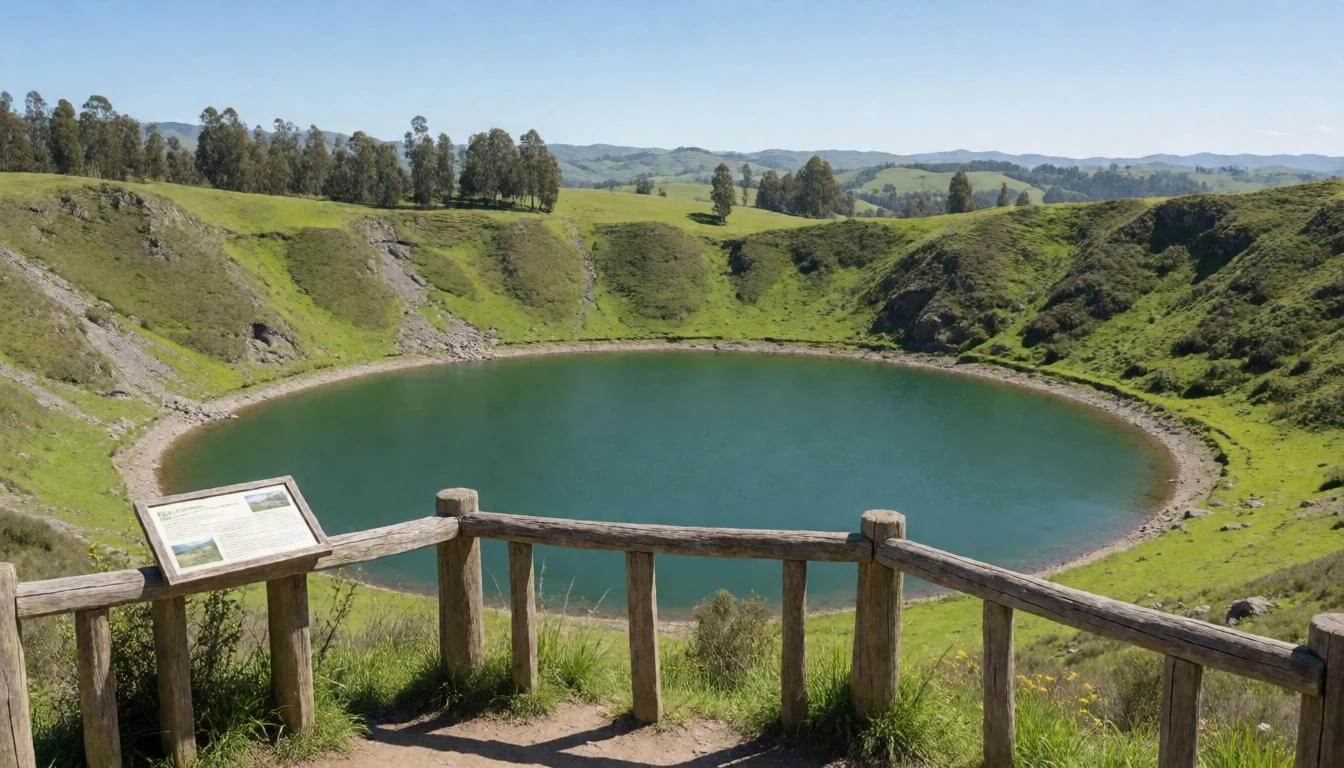
- Guided interpretive walk — Lake Guatavita reserve
Guides explain the Muisca ceremony, the ecology of the surrounding highland plants and the history of the failed drainage schemes. The walk is short but information-rich, and a good guide separates what is documented from what is legend. Check the reserve's current rules and tour arrangements before travelling.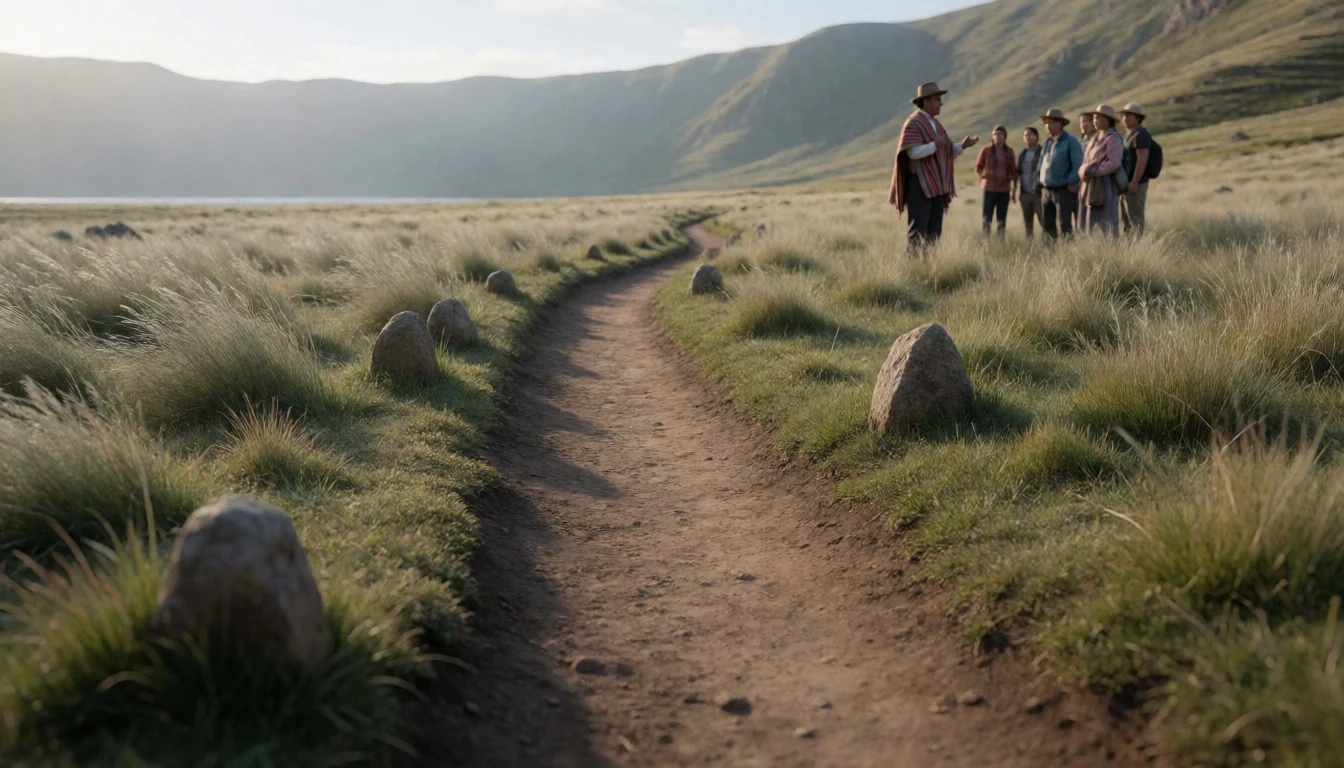
- Guatavita town plaza — Guatavita town
The replacement town has a neat main square with white-painted buildings, balconies, a church and craft shops. It is a calm place for coffee after the lake. On weekends it fills with visitors from Bogotá, so arrive earlier if a quiet bench matters.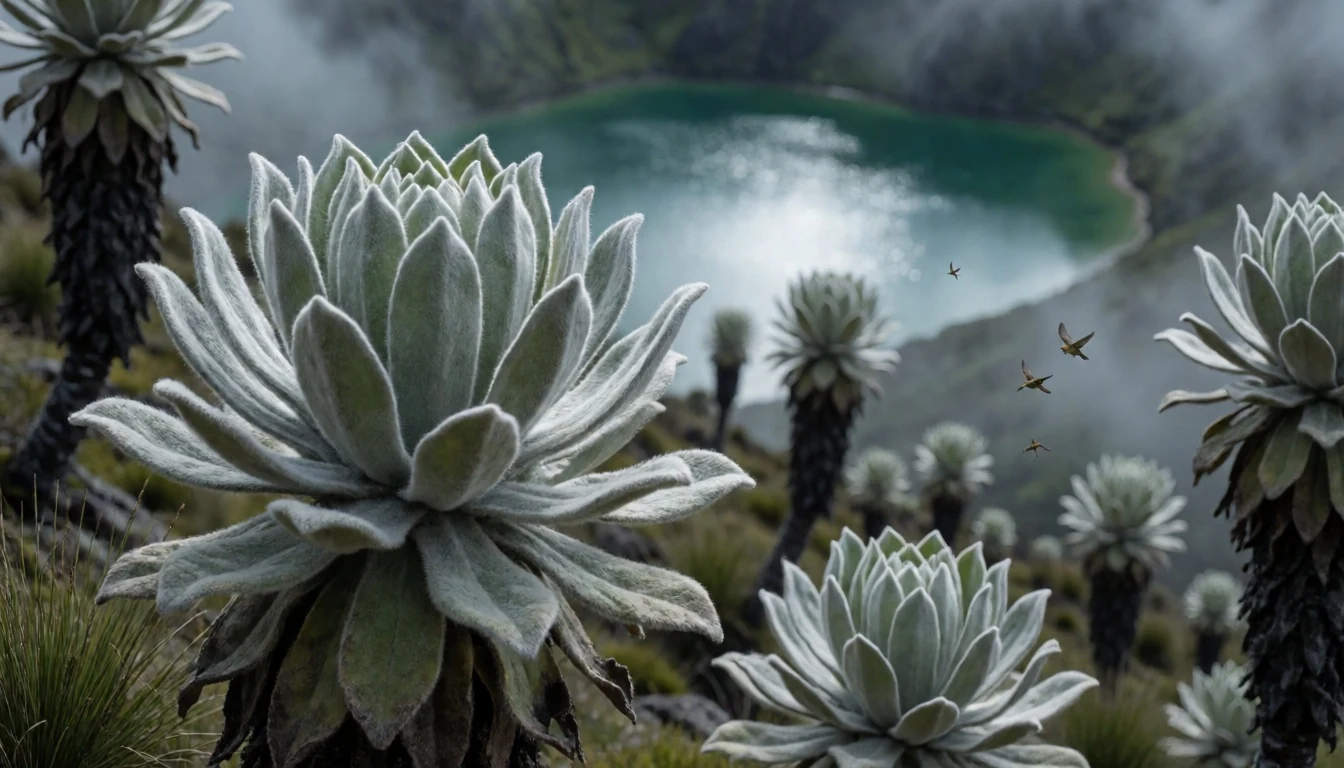
- Tominé reservoir shore — Between Guatavita and Sesquilé
The large reservoir that drowned the old town spreads out below the hills nearby, with lookouts along the roads. Wind sports and picnics are popular at weekends. The water is a useful reminder that the landscape here was reshaped within living memory.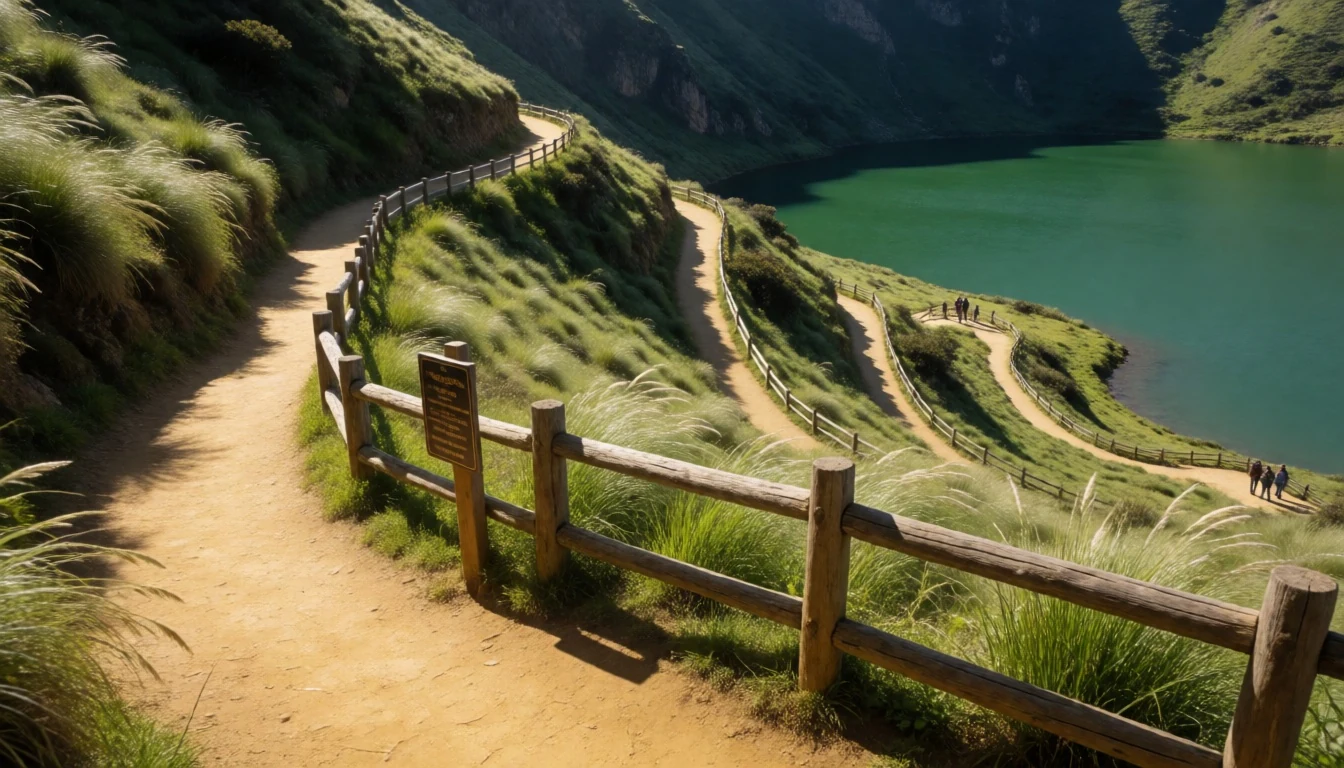
- Museo del Oro, Bogotá — Central Bogotá
For a look at the actual Muisca gold, the gold museum in the capital holds votive figures and the famous raft model. Visiting it before or after the lake gives the legend a physical shape. Check the museum's official site for opening arrangements.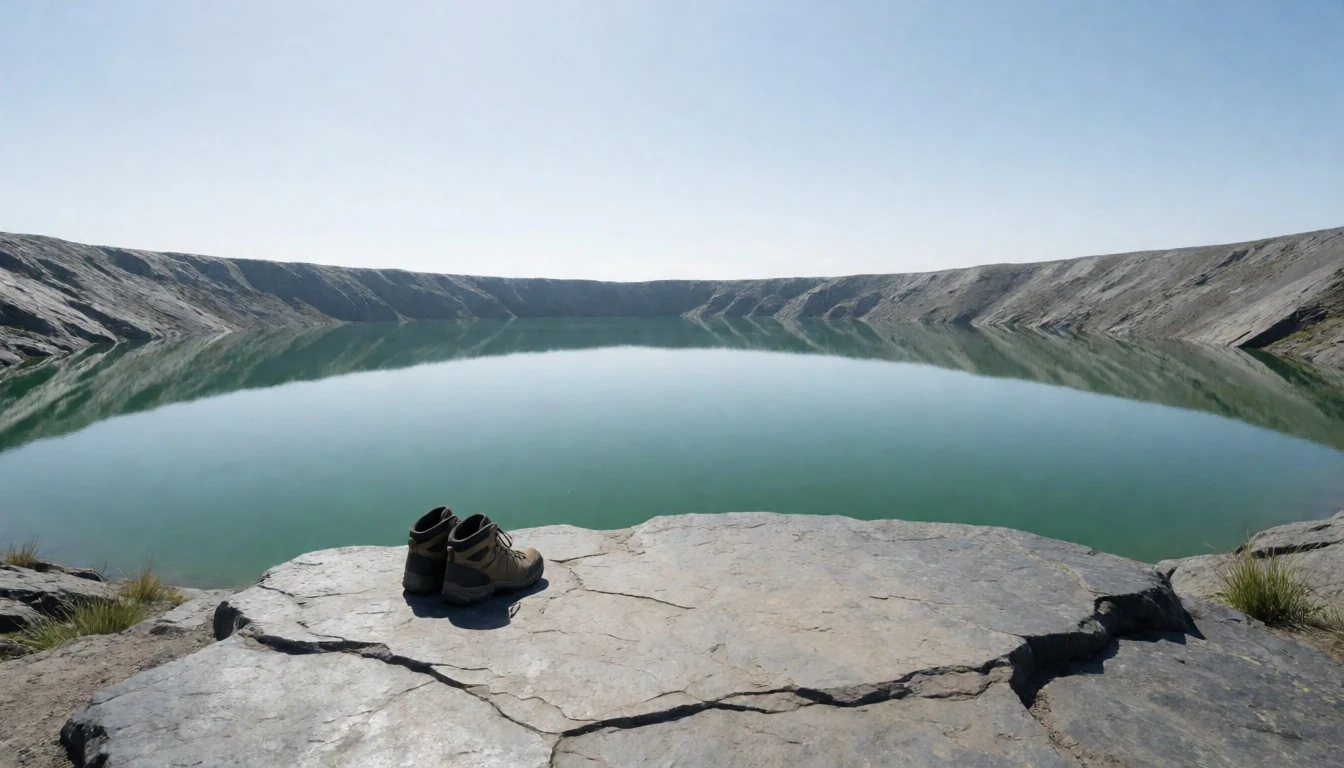
Culture
Lake Guatavita sits where Muisca belief, Spanish colonial greed and modern Colombian identity meet. For the Muisca, lakes were sacred places where the human and spirit worlds touched, and offerings of gold, emeralds and cloth were given to the water rather than buried or hoarded. The people who still claim Muisca descent, around Bogotá and in nearby towns, have worked in recent decades to revive language, ceremony and community governance, and the lake is often spoken of with respect rather than as a tourist attraction. Colombians know the El Dorado story well, and the gold museum in Bogotá makes it part of national education. Local guides tend to tell it carefully, mixing the chroniclers' accounts with archaeology and a little humour about the treasure hunters. In the town of Guatavita, craft shops sell woven goods, ceramics and gold-style replicas, and weekend visitors from the capital bring a relaxed, family atmosphere. Spanish is the working language, and a few polite phrases, such as buenos días and gracias, go a long way with guides and shopkeepers. Colombian hospitality is warm, but conversation tends to start slowly and politely. Respect for the reserve's rules is part of the local pride in the place. Stay on the marked path, listen to your guide, and do not throw coins or other objects into the lake or take anything from its shores.
What to wear
Around Lake Guatavita, the traditional dress of the Muisca and later highland communities centred on woven cotton and wool. Muisca mantas, large rectangular cloths, were wrapped and pinned at the shoulder, often dyed in earth tones, and gold ornaments such as nose rings, pectorals and diadems marked rank. Later colonial and rural dress added the ruana, a wool poncho-like wrap that is still the emblem of the Colombian highlands, along with felt hats and rope-soled alpargata shoes. Handwoven ruanas are worn today mostly at festivals, in rural villages and by older people, though they also appear as fashion items. Day to day, people in Guatavita and Bogotá dress in layers: jeans, sweaters, light jackets and sturdy shoes, with a bright, neat look for weekend outings. Visitors should dress for a cool, changeable mountain climate. A warm mid-layer, a waterproof jacket and a hat for strong highland sun are all useful, along with trainers or light boots with a good grip for damp paths. The reserve is not a religious site in the formal sense, but modest, practical clothing suits it. Leave heavy jewellery and showy gold-style accessories at home, as they sit oddly with the story of the place. A scarf or ruana bought in town is both a good souvenir and a genuinely useful layer.
What to eat
- Ajiaco santafereño — Family restaurants in Guatavita town and along the road from Bogotá
The classic Bogotá chicken and potato soup, thickened with several kinds of potato and flavoured with a local herb called guascas. It is usually served with corn, capers and cream, and suits a cold highland day.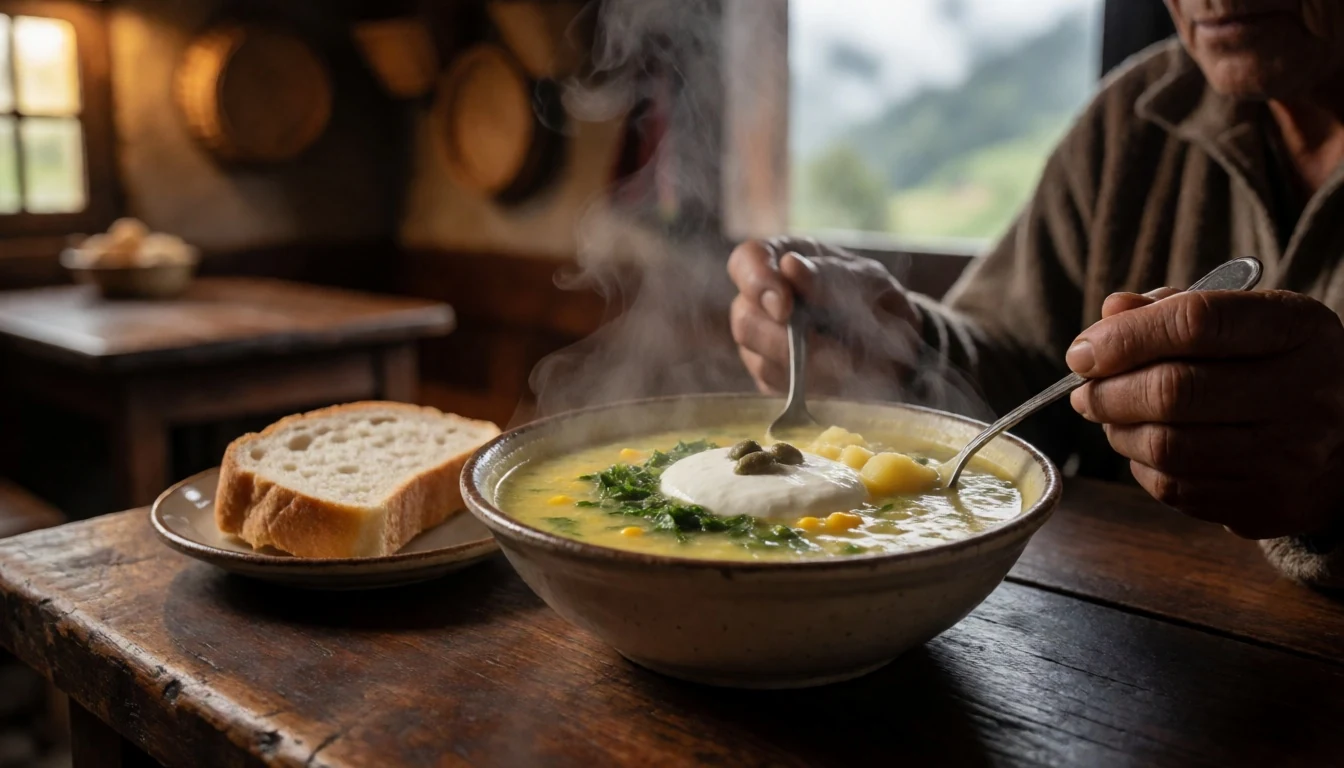
- Trucha (trout) — Lakeside and roadside eateries near Tominé
Fresh trout is farmed in cold Andean waters and often served fried or grilled with patacones and a simple salad. It is a regular weekend lunch around the reservoir.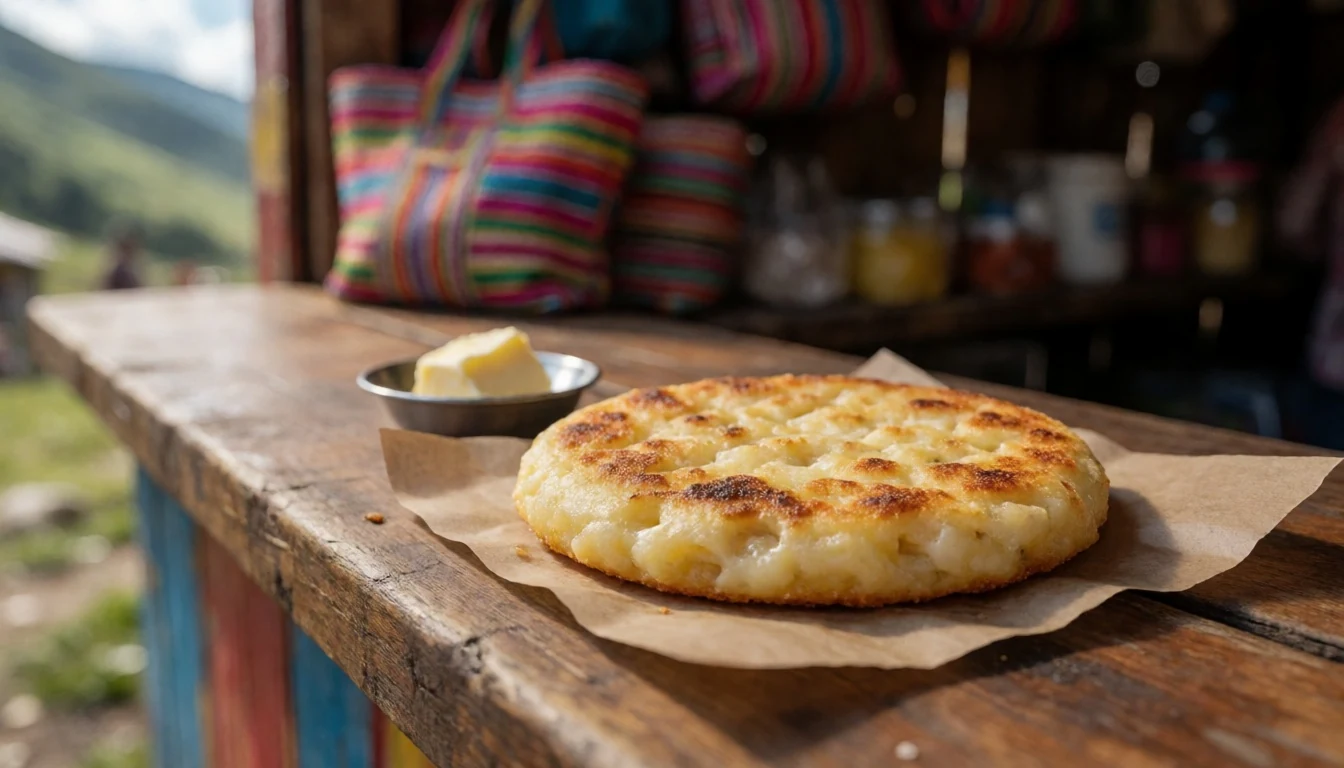
- Arepa boyacense and cheese — Street stalls and bakeries around the town plaza
A sweet, soft corn arepa filled or topped with local white cheese, common in the cooler highlands. It works as a quick snack on the walk or in the plaza. - Chocolate santafereño — Cafés on or near the main square
Hot chocolate served with a slice of fresh cheese dropped in to melt, a Bogotá habit that sounds odd but works well on a chilly afternoon. Bread or almojábana often comes alongside. - Obleas — Street carts near the plaza and reservoir viewpoints
Thin, crisp wafers spread with arequipe (milk caramel) and sometimes jam or cheese. They are cheap, sweet and sold by vendors at most weekend gathering spots.
Plan it
Best time. December to March is usually the drier stretch in the Bogotá highlands, with clearer views and firmer paths. Showers and mist can come at any time of year, and the mountain air is cool even on sunny days, so pack layers whatever the month.
How long. 1
Getting there. Fly into El Dorado International Airport in Bogotá. From the city, take a bus towards Sesquilé or Guatavita from the northern bus terminal, or go by car or organised tour. The last leg to the reserve is a short road or taxi trip from Sesquilé or Guatavita town.
Budget. low
Tips
- Check the reserve's official arrangements before travelling, as access is controlled and guided visits can be limited or need booking ahead
- Go on a weekday morning to avoid the weekend crowds from Bogotá
- Bring a waterproof layer, sun protection and water, as the altitude, wind and sun can be tiring
- Carry some cash for small town shops and snack stalls, as card use can be patchy
Etiquette
- Stay on marked paths and follow the guide's instructions
- Do not throw coins or objects into the lake or remove anything from its shores
- Greet people politely in Spanish before asking questions or taking photographs
Nearby
Sources
- Wikidata — Lake Guatavita (CC0)
- Wikipedia — Lake Guatavita (CC BY-SA 4.0)
- Wikivoyage — Guatavita (CC BY-SA 4.0)