Bogotá
Bogotá, Colombia
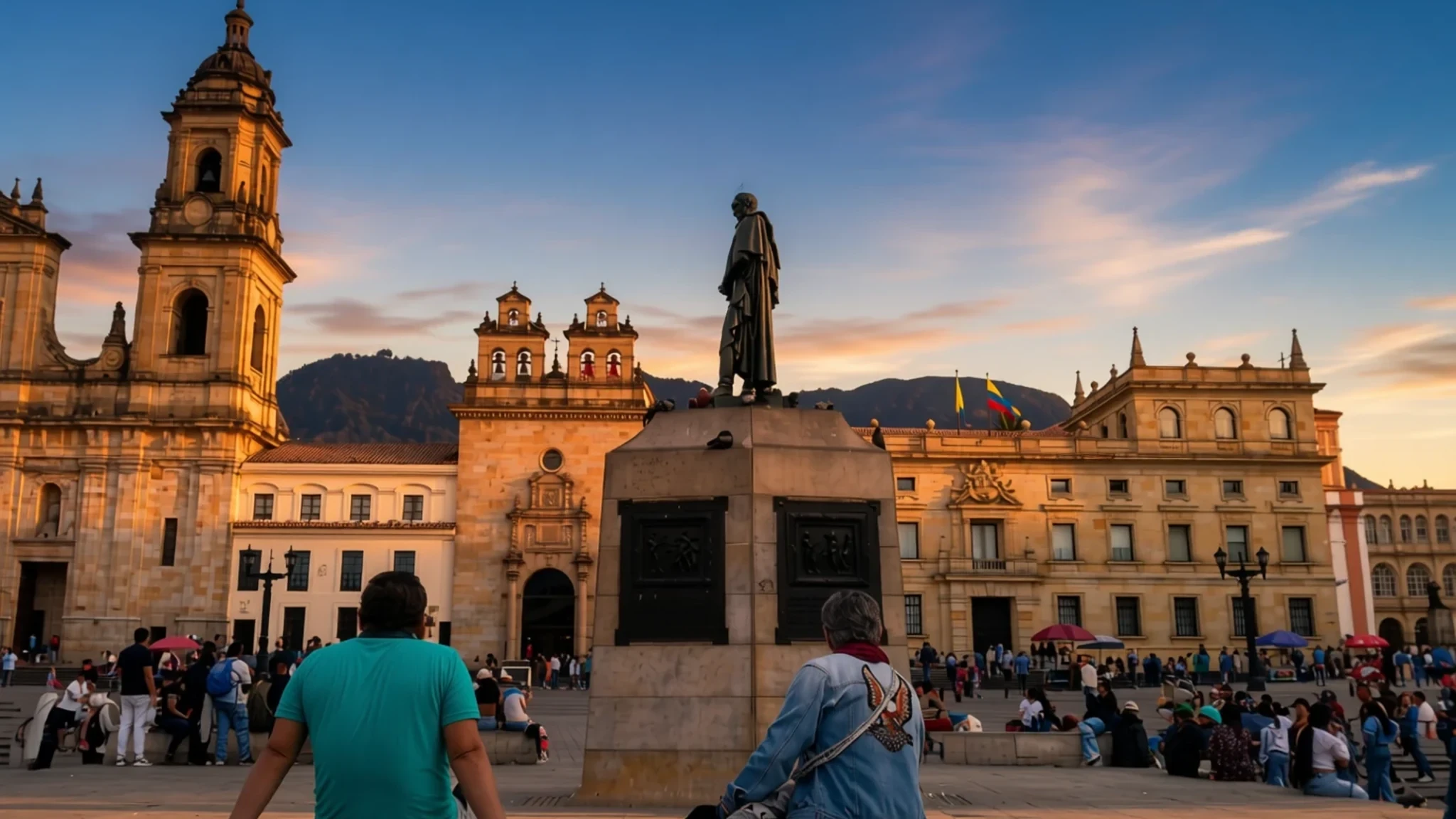
Bogotá offers colonial streets, strong museums and a car-free Sunday at 2,582 metres in the Andes.
The place
Bogotá is Colombia's capital and largest city, set on a high plateau at 2,582 metres in the Andes. It is run as its own Capital District, with the same administrative standing as Colombia's departments, though it sits within the surrounding department of Cundinamarca without being part of it. About 8 million people live here, and the city is the country's centre for government, business, education, medicine, technology and air travel.
Altitude shapes daily life. Evenings turn cool quickly, and rain can arrive in the afternoon with little warning, so a light jacket and a folding umbrella are the practical choices. Visitors who arrive from sea level often feel the thinness of the air during the first day or two, which is why a slow start suits most itineraries.
The city is spread wide rather than gathered around one centre. The historic core, La Candelaria, is compact and best covered on foot, with pedestrian-only streets and a cluster of museums and old churches. Newer restaurants, hotels and offices lie to the north. Traffic at peak hours is heavy, so journeys across town take longer than the distances suggest. On Sundays and public holidays, major avenues close to cars, and the streets fill with cyclists, skaters and walkers instead. That weekly habit says a lot about the city's mood: it is serious about work, but it also goes outside.
Its story
Bogotá began as a Spanish colonial capital, but the valley it occupies had people living in it long before 1538. Groups speaking Chibcha languages moved north into the area, and the savanna around the city was the southernmost place where Chibcha speech was found, stretching from Nicaragua into the Colombian Andes. The most developed of these societies was the Muisca, who settled the valleys and fertile highlands of the Altiplano Cundiboyacense. They lived in a loose, fairly egalitarian arrangement of chiefs, or caciques, in small villages. Their economy rested on farming and salt, and they were known for goldwork, trade and mummification.
The Spanish conquest came through a harsh expedition into the Andes led by Gonzalo Jiménez de Quesada, who founded the city as the capital of the New Kingdom of Granada in 1538. The settlement took the name Santafé, and it became the seat of the royal court that governed the kingdom, later the capital of the Viceroyalty of New Granada. Over the following centuries, the city's political status moved with the shifting states of the region.
Independence reshaped the city's identity. After the decisive battle that freed the territory, Bogotá became capital of Gran Colombia. Simón Bolívar gave the city its present name, honouring the Muisca and marking a break from the Spanish crown. The political name changed several times through the nineteenth century, through the Republic of New Granada, the Granadine Confederation and the United States of Colombia, before the Republic of Colombia took its present form. The old colonial centre in La Candelaria still carries those layers, as it was the setting for many early independence events.
What to see
- Ciclovía — Major avenues across the city
Ciclovía is the city's weekly street-closing programme. On Sundays and national holidays, major avenues are closed to cars, and thousands of people bike, skate, jog and walk along them. It is the easiest way to see Bogotá at a relaxed pace. The streets are busiest in the late morning, when families, dog walkers and runners share the same lanes, so arriving early gives more room.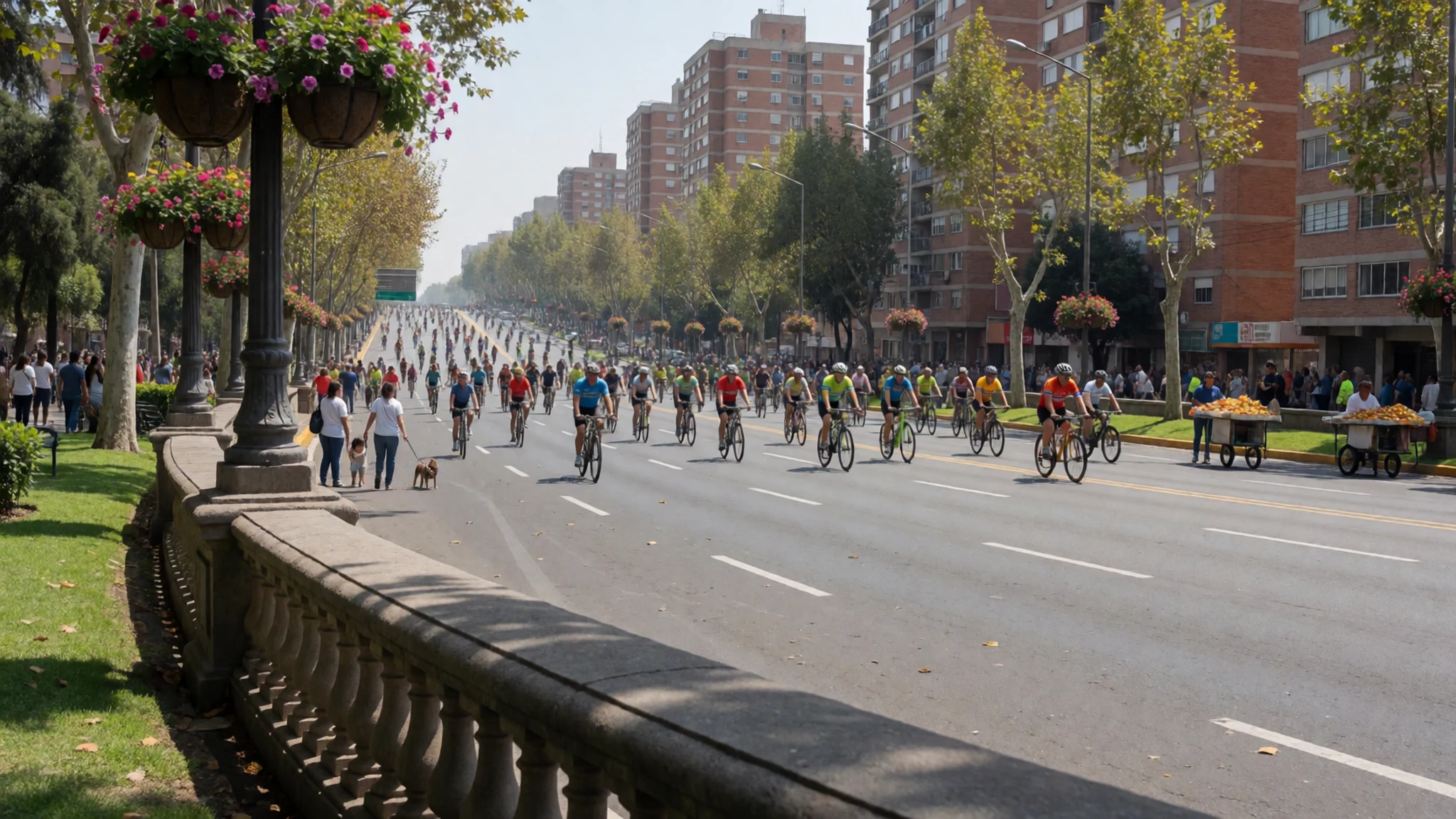
- Sabana de Bogotá wetlands — The savanna around the city
The savanna wetlands on the edge of the plateau are where the rivers around the city slow down and spread out across the flat ground. It is a different Bogotá from the towers and traffic, with reeds, open water and birdlife in place of streets. Access and guided visits can change, so check the official site before planning a trip out of the centre.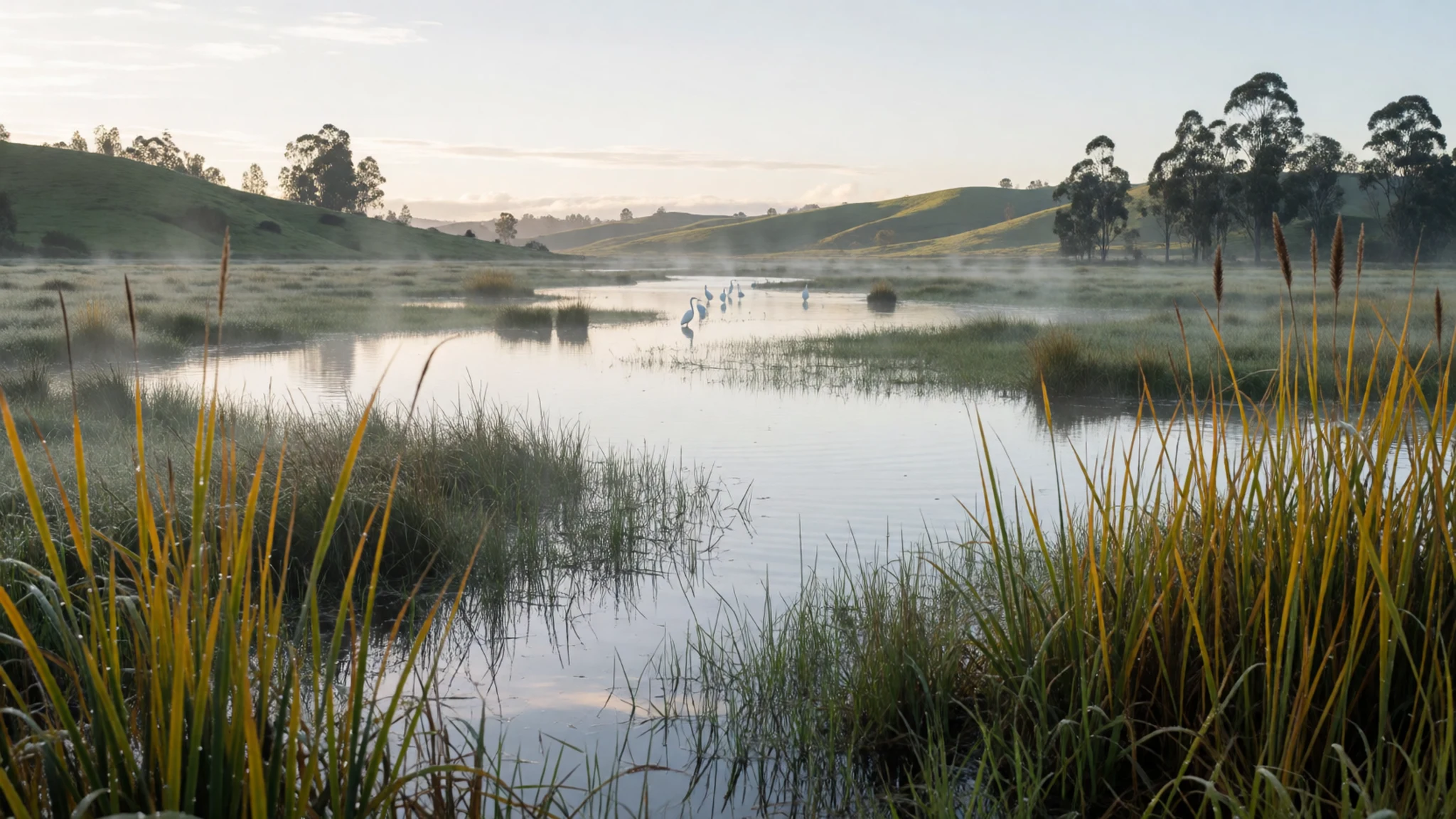
- La Candelaria — The historic centre, La Candelaria
La Candelaria is the colonial neighbourhood that holds the national government and many of the city's oldest churches. Several landmark events in independence history happened here, including a narrow escape by Simón Bolívar and the execution of the heroine Policarpa Salavarrieta, known as La Pola. Some streets are pedestrian-only, and the plazas and old churches repay a slow walk on foot.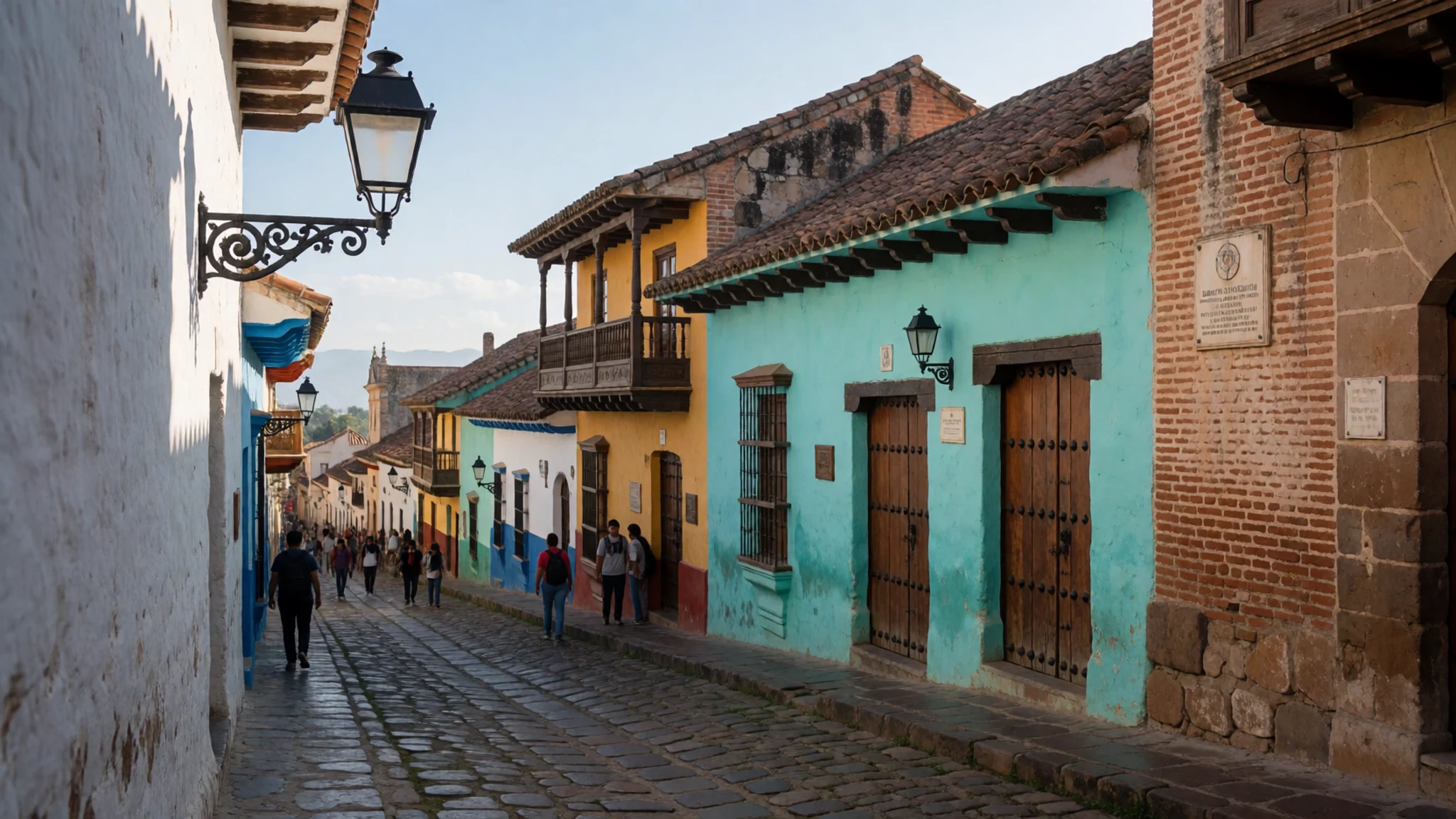
- Gold Museum — La Candelaria
The Gold Museum is often picked out as the city's standout museum. Its collection centres on pre-Hispanic goldwork from across the region, and the Muisca pieces make the earlier history of the highlands concrete. Allow a few hours, and check the official site for opening days and entry arrangements before you go.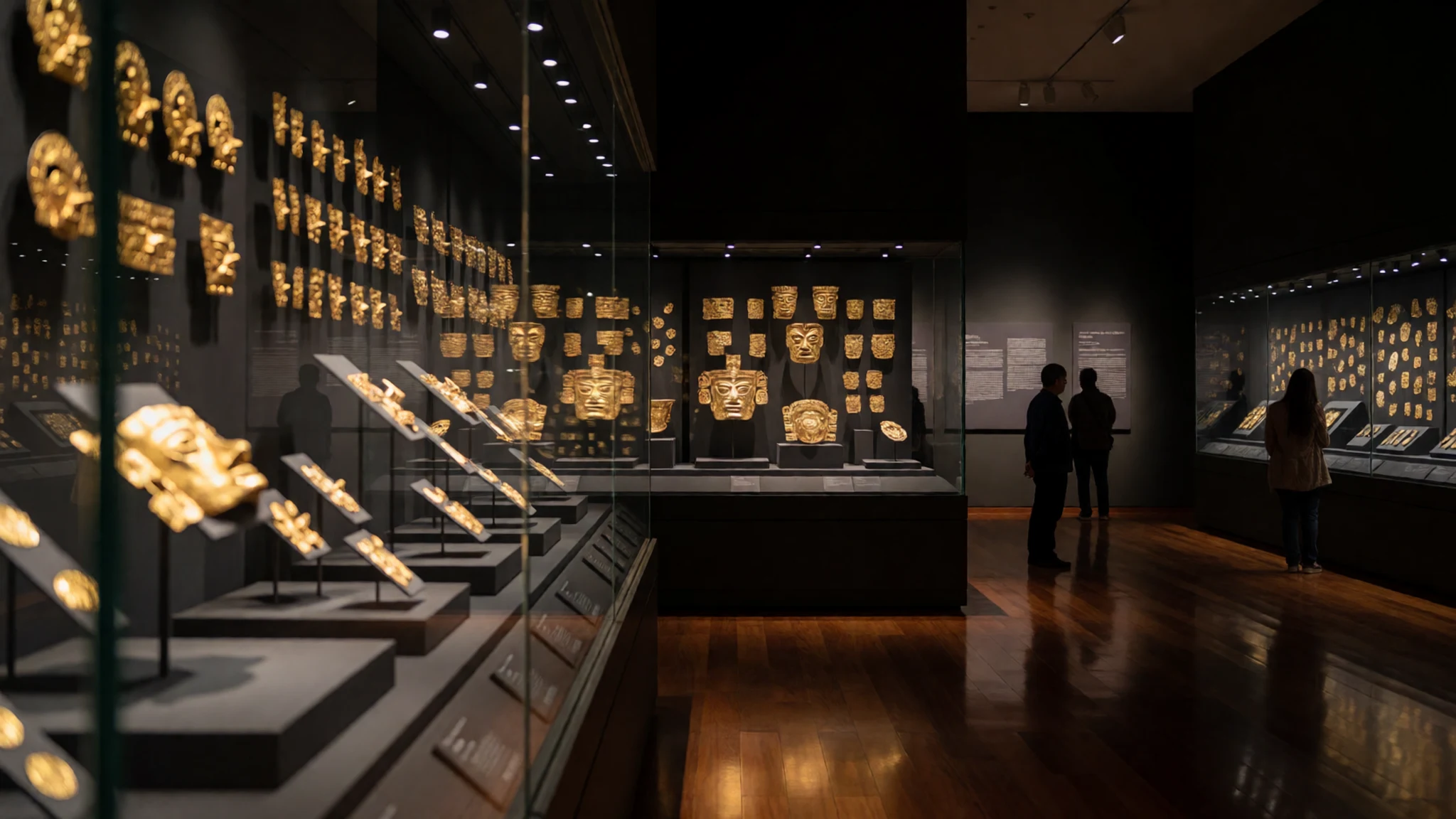
- Colombian National Museum — The centre, near La Candelaria
The Colombian National Museum is among the oldest museums in the Americas, dating from the early nineteenth century. Its building has been restored in recent years, and the galleries trace the country's history from early peoples through colonial rule to the republic. It makes a good half-day stop for anyone who wants the wider story behind the city's streets.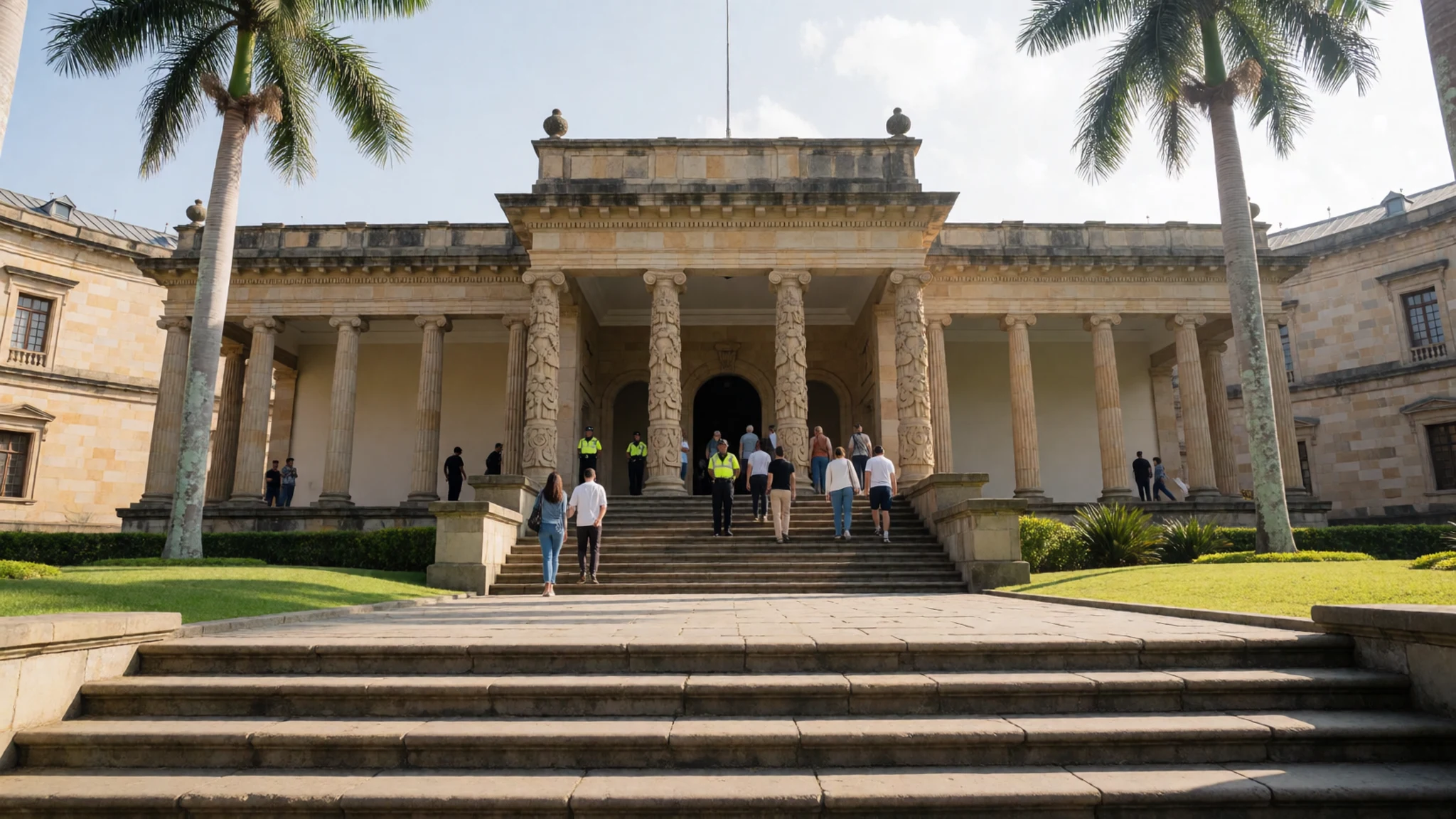
Culture
Bogotá presents itself as a city of ideas and performance. It has dozens of museums and art galleries, a large public library network and a busy theatre calendar, most notably the Ibero-American Theatre Festival, which draws audiences from far beyond the city. The Luis Ángel Arango Library is among the most visited libraries in the region. The Bogotá Philharmonic is the leading symphony orchestra in Colombia, and the city has been part of the UNESCO Creative Cities Network for music since 2012.
Everyday manners lean warm but formal at first. A greeting matters, so a handshake or a polite 'buenos días' is normal when entering a shop, a lift or a small restaurant. Conversation tends to be direct and friendly, and a few words of Spanish are welcomed. Sunday mornings belong to the Ciclovía, when families, cyclists and runners take over the avenues, and that shared outdoor habit says something about the city's mood. Its historic churches are working places of worship, so behaviour inside them should be quiet and respectful. In churches and museums, lower your voice, switch off flash, and ask before photographing anyone at work.
What to wear
Bogotá's traditional dress grew out of the highland cold rather than the coast. The best-known garment is the ruana, a thick woven wool cloak with a central opening for the head, worn across the shoulders on cold mornings and at folk events. Wool is the main material in the highlands, and knitted jumpers and shawls follow the same practical logic. Older people in the countryside still wear these pieces, and craft markets in the city sell them, often in the bright patterns associated with the Andes.
What people wear now is largely everyday Western clothing, adjusted for altitude and weather. Office workers in the centre and the north favour dark tailored jackets and trousers, while students and younger people wear jeans, sneakers and waterproof jackets. Layering is the local habit, because the temperature can swing across a single afternoon.
For visitors, the practical answer is layers and waterproofs. Pack a light down jacket for the evenings, a compact umbrella, and sunglasses and sunscreen, since the sun is strong at altitude even when the air is cool. Footwear needs grip for steep streets and cobbles, and comfortable closed shoes suit the Candelaria walk and any climb up the hills. Churches expect covered shoulders and knees, and a simple shirt with trousers or a skirt will be fine. There is no need for formal dress anywhere in the city.
What to eat
- Arepa — Corner stalls and breakfast counters across the centre
A round, flat cake of ground maize, cooked on a griddle or grill. Some are plain and lightly salted, others have cheese inside or on top. Eaten warm with butter or alongside soup or eggs. Find them at the corner stalls and breakfast counters of the centre.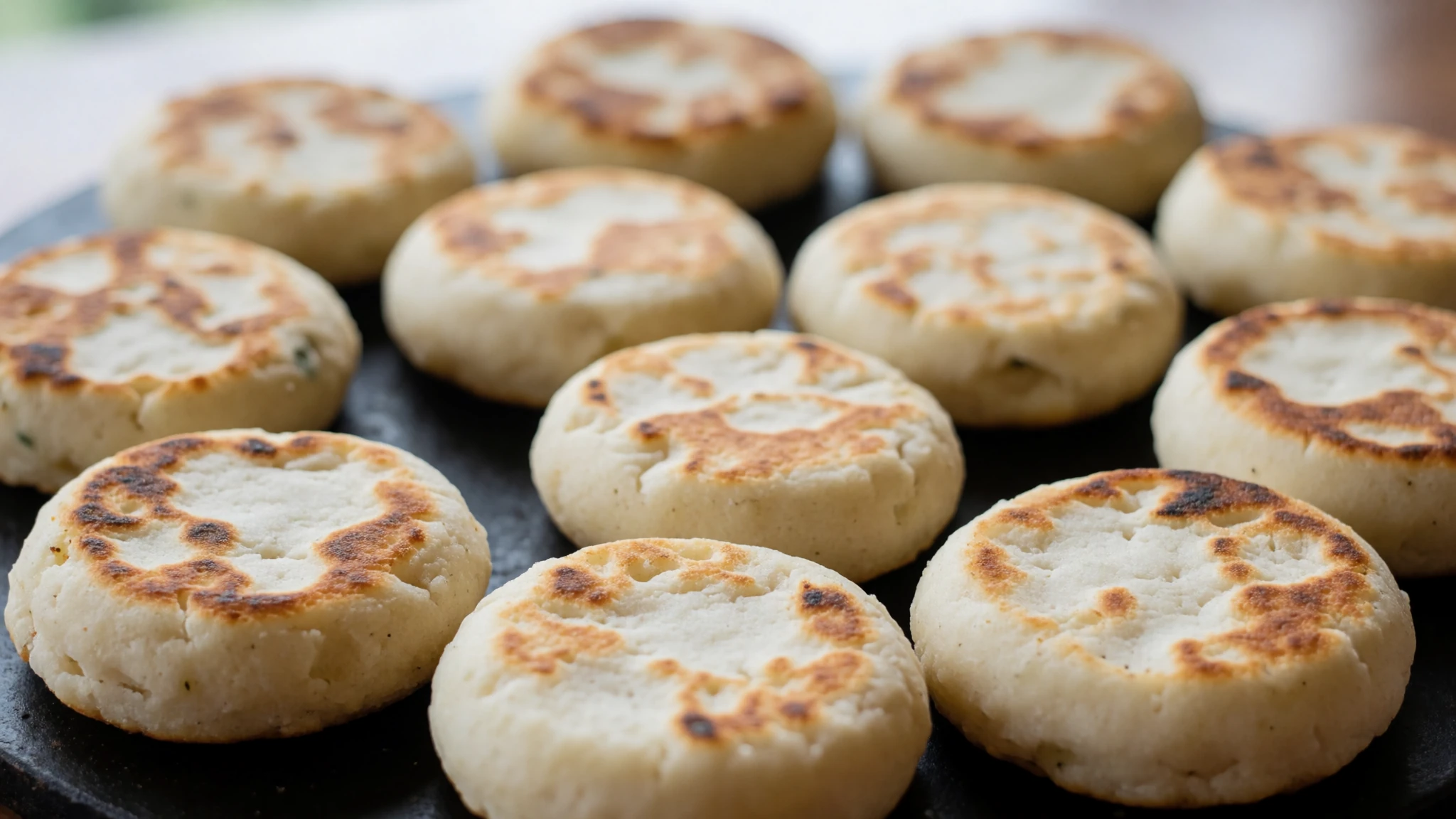
- Empanada — Bakeries and street counters near bus stops
Fried or baked pastries with a corn-flour shell, usually filled with seasoned meat or potato, sometimes with rice. They make a quick snack at any hour and are a staple of street counters. Look for them at bakeries and stalls near busy bus stops in the centre.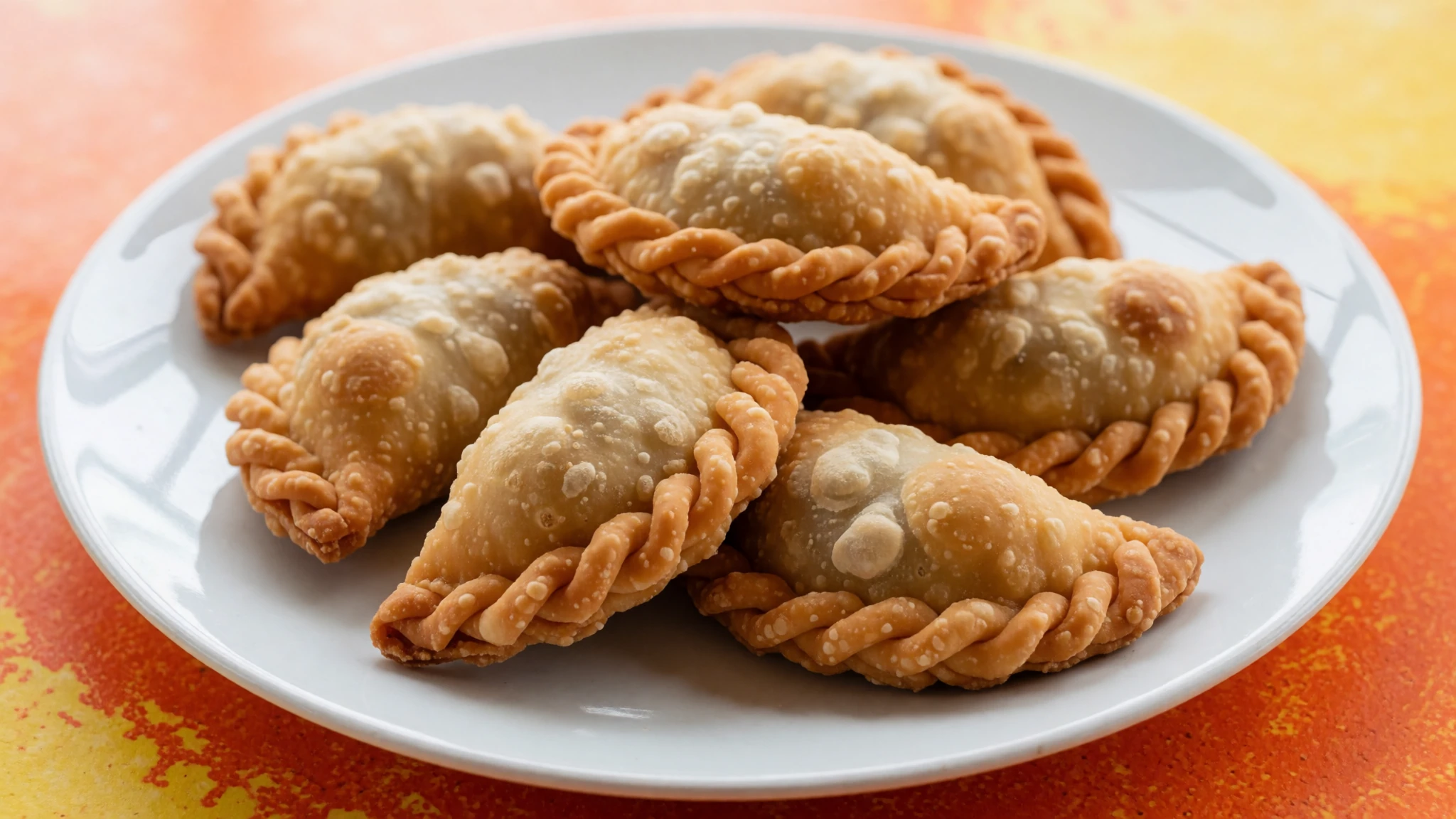
- Tamal — Breakfast stalls, especially on weekend mornings
A breakfast favourite of maize dough, typically with meat or chicken, wrapped in plantain leaves and boiled until set. Unwrap it at the table and eat it with hot sauce or alongside a cup of hot chocolate. Look for it at breakfast stalls, especially on weekend mornings.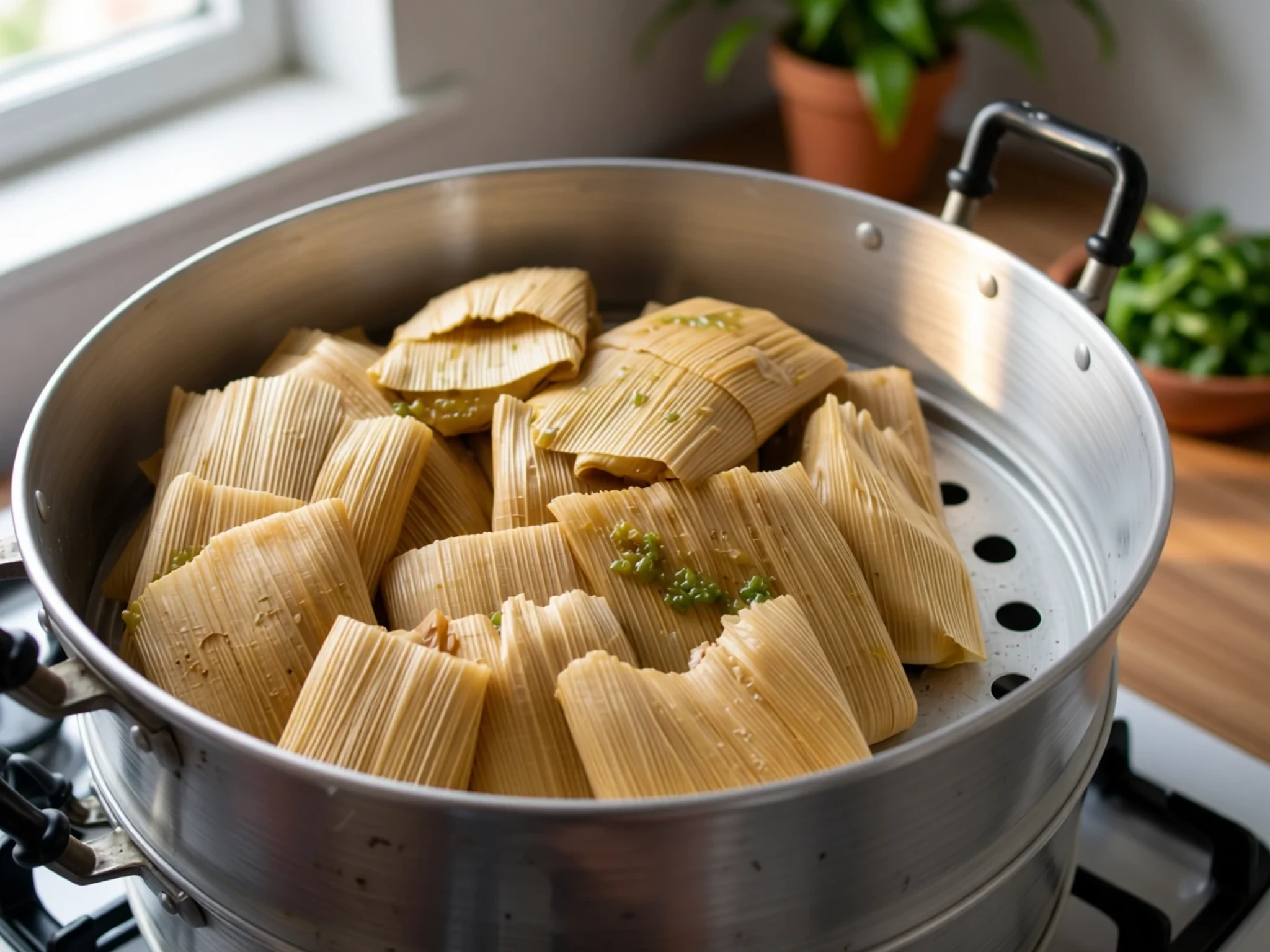
- Ajiaco — Traditional lunch restaurants in La Candelaria and the centre
A thick chicken soup with several kinds of potato, corn on the cob and the herb guascas, served with capers, cream and avocado to add at the table. It is a Bogotá staple, usually eaten at lunch in a traditional restaurant in the centre.
Plan it
Best time. Bogotá's altitude keeps temperatures mild all year, so the choice is mostly about rain. The drier spells run from January to February and again in August and September, which suit walking and the Sunday cycling streets. April to May and October to November bring heavier rain.
How long. 2–3
Getting there. El Dorado International Airport is the main gateway, a short taxi ride from downtown. Use the regulated taxi stands, where you state your destination and pay for a printed ticket before boarding. Domestic flights from Medellín, Cali and Cartagena are frequent.
Budget. mid
Tips
- Go out early for clearer skies and quieter streets
- Use regulated taxis and ask your hotel or restaurant to call one
- Carry some cash for small restaurants and market stalls; cards work in larger places
- Arrive early for Ciclovía, before the avenues fill
- Take the first day easy and drink plenty of water while acclimatising to the altitude
- Check the official site for museum opening days and entry arrangements
Etiquette
- Lower your voice in churches and museums
- Ask before photographing people, especially market vendors
- Cover shoulders and knees when visiting churches
Nearby
Sources
- Wikidata Q2841 (CC0)
- Wikipedia: Bogotá (rev 1382893023) (CC BY-SA 4.0)
- Wikivoyage: Bogotá (rev 5395474) (CC BY-SA 4.0)
- Photo: Una hermosa vista de Bogotá en la noche (Felipe Restrepo Acosta) (CC BY 3.0)
- Photo: BOGOTA CITY (cropped) (Kevin Castañeda Villamil) (CC BY-SA 4.0)
- Photo: Bogota, Colombia (Pedro Szekely) (CC BY-SA 2.0)
- Photo: Museo del Oro fachada (Actividad Cultural Banco de la República) (CC BY-SA 2.0)
- Photo: Fachada del Museo Nacional de Bogotá (Felipe Restrepo Acosta) (CC BY 3.0)
- Photo: Monserrate Church in Bogota (Marco Cardenas) (CC BY 2.5)
- Photo: Monumento a Rafael Uribe Uribe (Felipe Restrepo Acosta) (CC BY 3.0)
- Photo: Bolivar Square panorama in Bogota (S23678) (CC BY 3.0)


