Zao Fox Village
Zao Fox Village, Japan
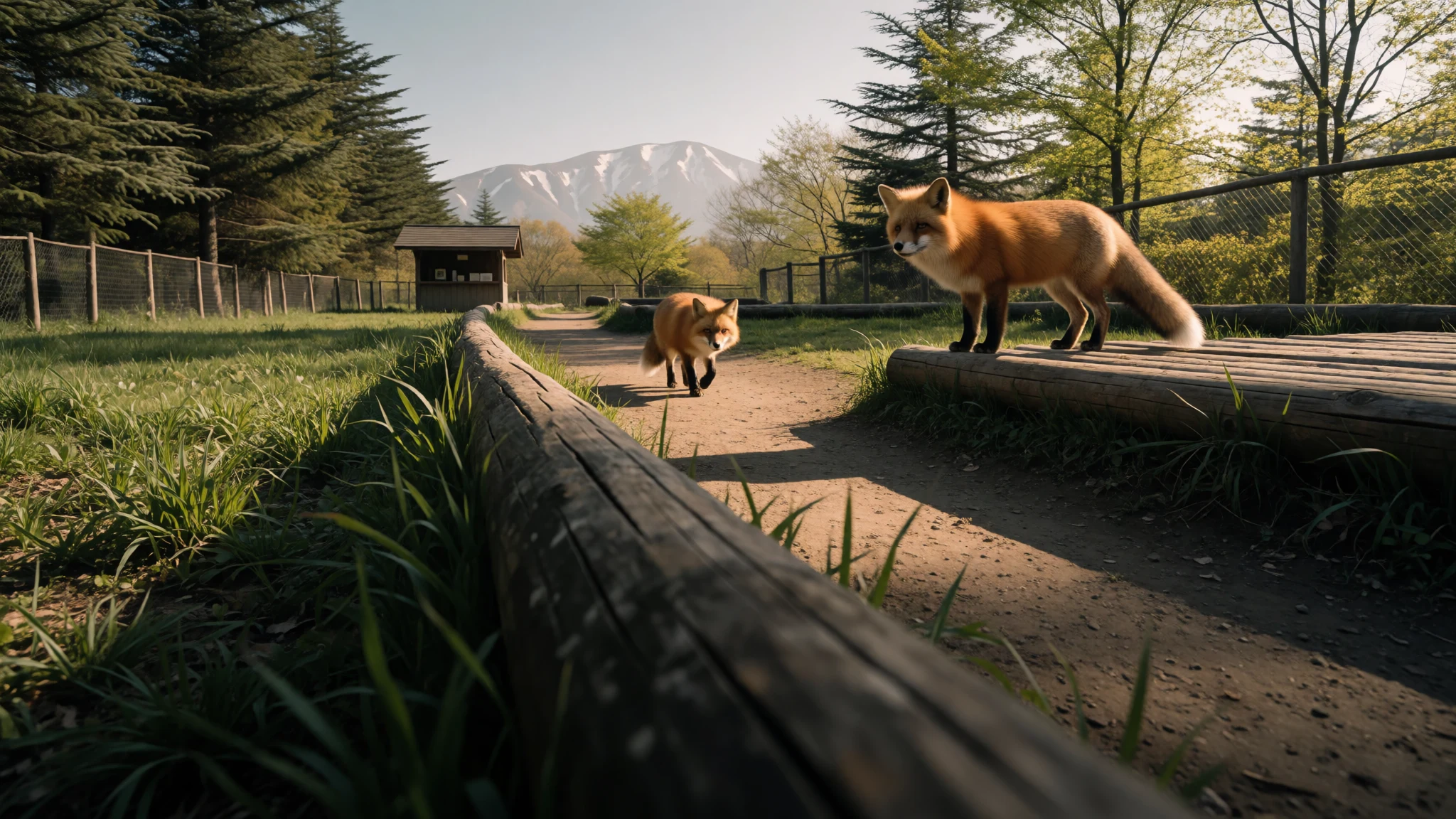
Zao Fox Village in Miyagi lets visitors walk among a free-roaming colony of foxes, from familiar red ones to rare coat colours.
The place
Zao Fox Village, called Kitsune Mura in Japanese, is a fox sanctuary and visitor attraction in Shiroishi, in the south of Miyagi Prefecture, north-eastern Japan. At its centre is a large open enclosure where foxes roam loose and people walk among them along the paths. The colony numbers over 100 animals, and the variety surprises first-time visitors. Familiar red foxes live alongside arctic foxes, silver and platinum foxes with unusual coats, and red-arctic hybrids. Around the main enclosure are smaller corners with rabbits, miniature horses, goats and guinea pigs, along with shops for gifts and snacks. The mood is closer to a quiet farm park than a zoo: foxes doze on platforms, curl up inside pipes, dig in the soil or trot after anyone who looks like a source of food. They remain animals with teeth, though, and bites are a real risk, so touching and hand-feeding are discouraged. Spring is the season for kit events, when visitors can hold young foxes; dates vary, so the official site, zao-fox-village.com, is the place to check before travelling. Because Shiroishi lies within reach of Sendai, the regional transport hub, most people treat the village as a half-day or full-day outing rather than a base. Winter turns the enclosure white and the foxes grow thick coats, which photographers like; in warmer months the animals tend to spend more time resting in shade. Crowds are heaviest at weekends and in holiday periods, so a weekday morning is the calmer choice.
Its story
Zao Fox Village was founded in 1990 in Shiroishi, a town in southern Miyagi Prefecture, and has drawn fox-lovers ever since. Wikidata classes it as both a zoo and a theme park, which describes the balance well: part sanctuary for foxes, part outing for families. Today the colony is a mixed one, from common red foxes to rare silvers and hybrids, and spring brings the kit events. The setting has deeper roots than the 1990s. Miyagi was once part of Mutsu province, a long strip of land along the Pacific coast reaching as far as Aomori. The warlord Date Masamune had taken control of the region by 1589, and in 1600 he made Sendai his seat of power, a role the city still plays for the whole of Tohoku. The fox itself has a long history in Japanese belief. As kitsune, foxes appear in folk tales as tricksters and messengers, and Inari shrines have kept stone foxes at their gates for centuries. A fox park in Tohoku therefore plays on something familiar to almost every Japanese visitor, even those who have never met a live fox. A small footnote for film fans: Miyagi has no connection with the karate teacher in the Karate Kid films. The prefecture's name is tied to Tagajo, while the film character supposedly comes from Okinawa.
What to see
- The main fox enclosure — Zao Fox Village, Shiroishi
The central enclosure at Zao Fox Village is where most visits are spent. Foxes wander the paths, sprawl on raised platforms and squeeze into tubes, ignoring people until food appears. Walk slowly, keep hands and bags close, and let the animals approach on their own terms. Early in the day they tend to be livelier.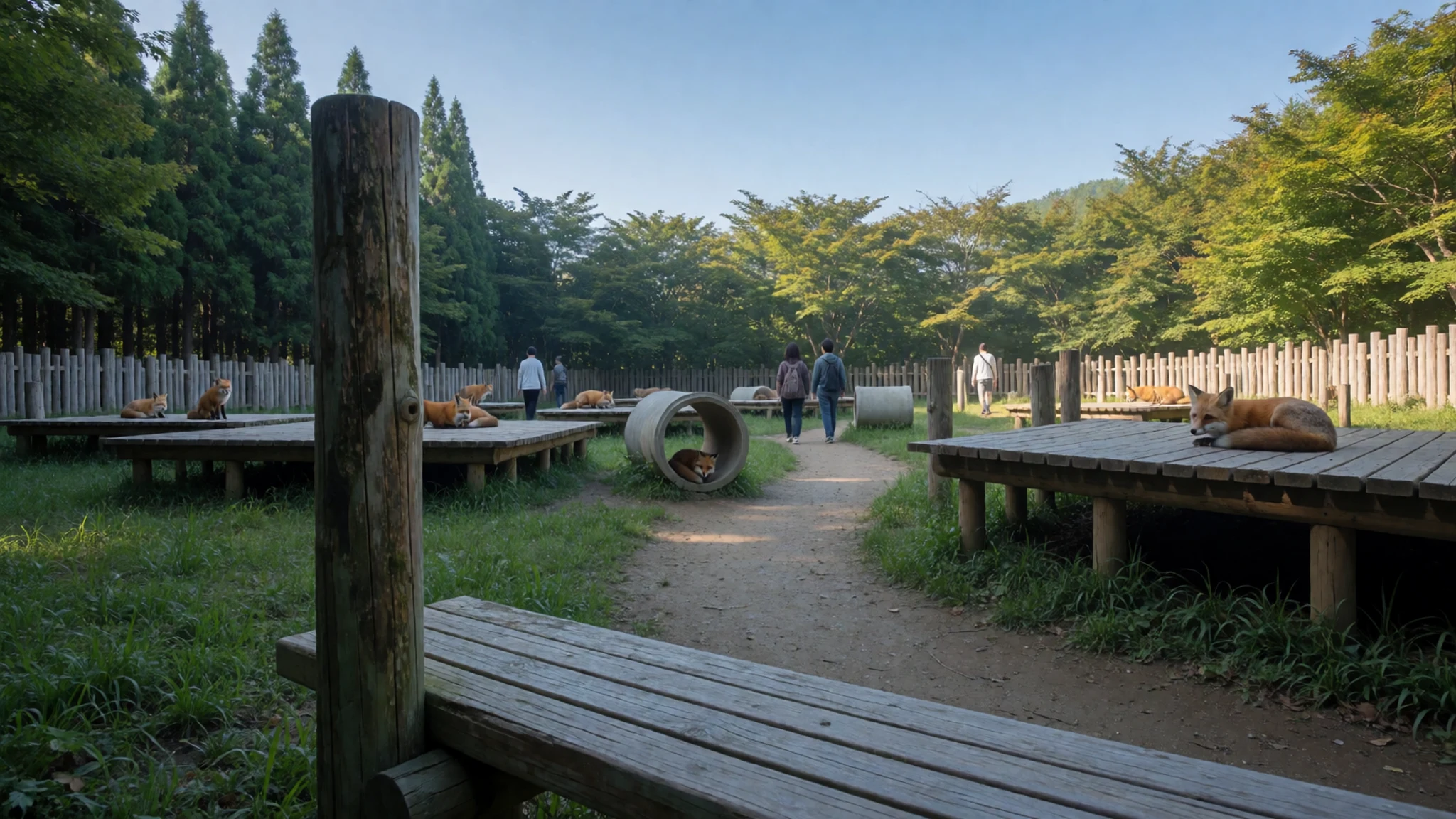
- Rare coat colours — Zao Fox Village, Shiroishi
Black, silver and platinum foxes sit beside ordinary red ones, and the contrast shows how varied the colony is. Look for the arctic foxes and red-arctic hybrids too, whose paler fur stands out against soil and snow. A zoom lens helps with shy individuals that keep their distance.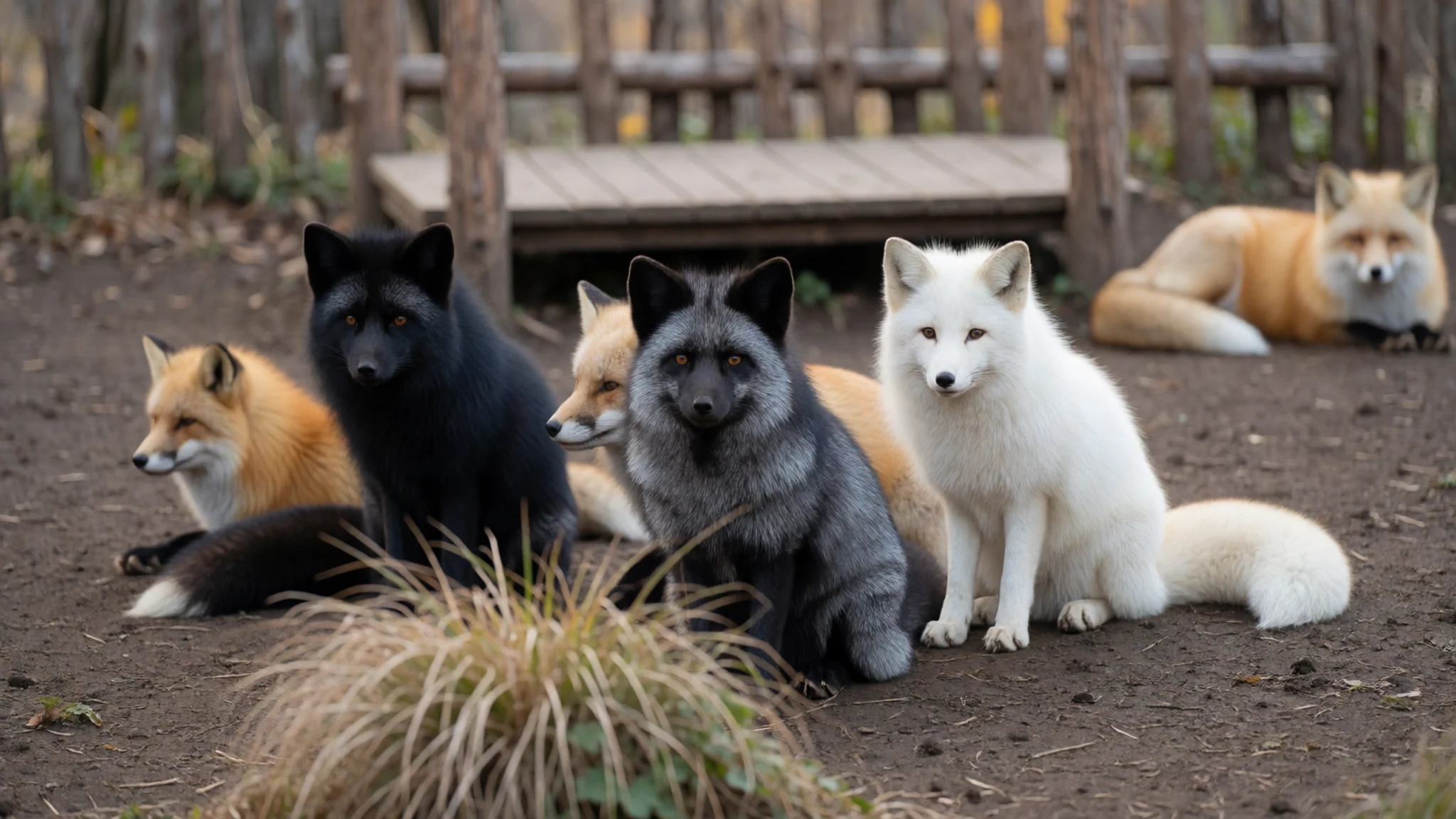
- The village in snow — Zao Fox Village, Shiroishi
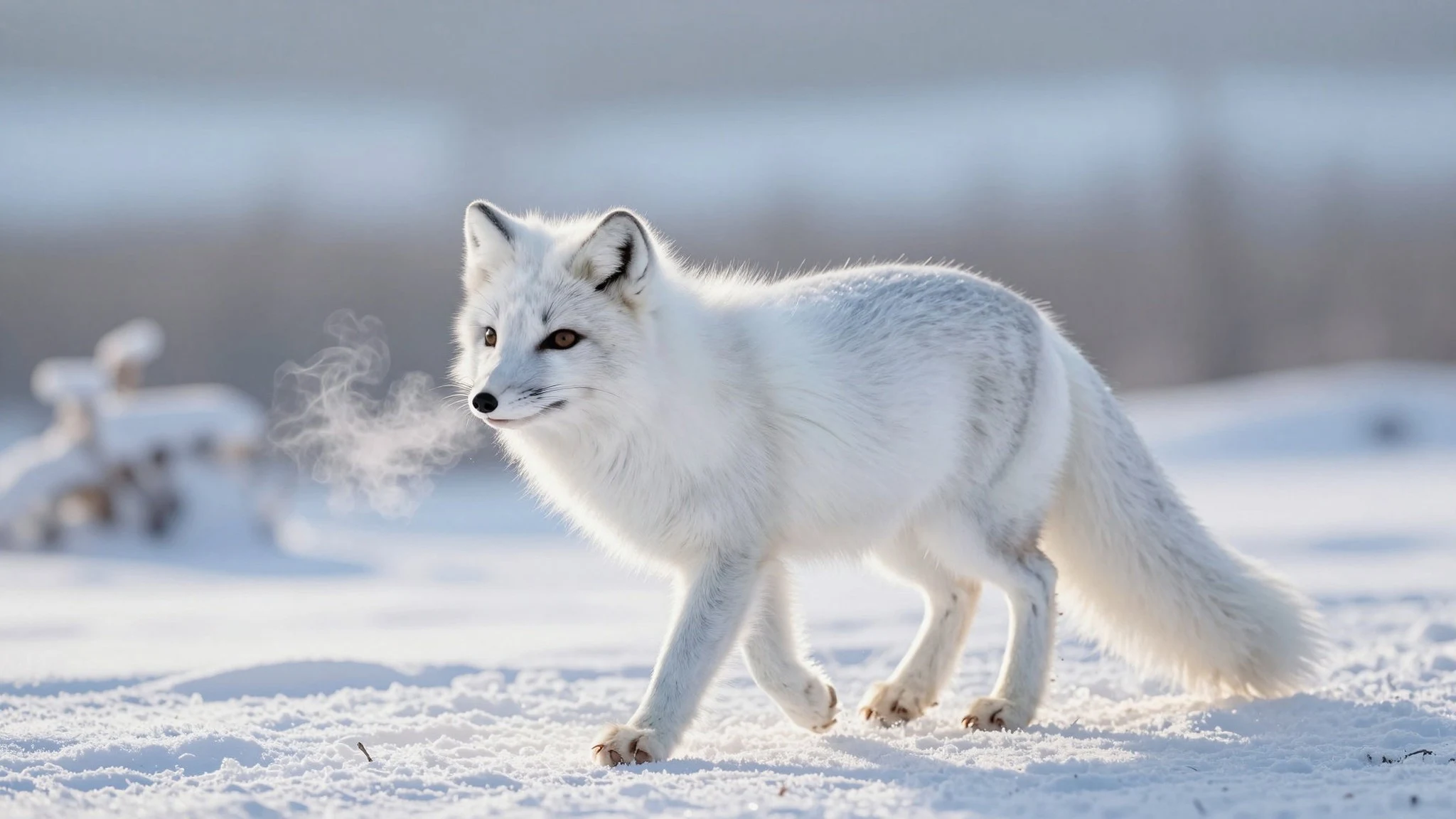
In snowy months Zao Fox Village looks very different: foxes in thick coats stand out on white ground, and some seem to play in the drifts. It is cold and paths can be slippery, but this is when many visitors take their favourite photographs. Check the official site for winter arrangements.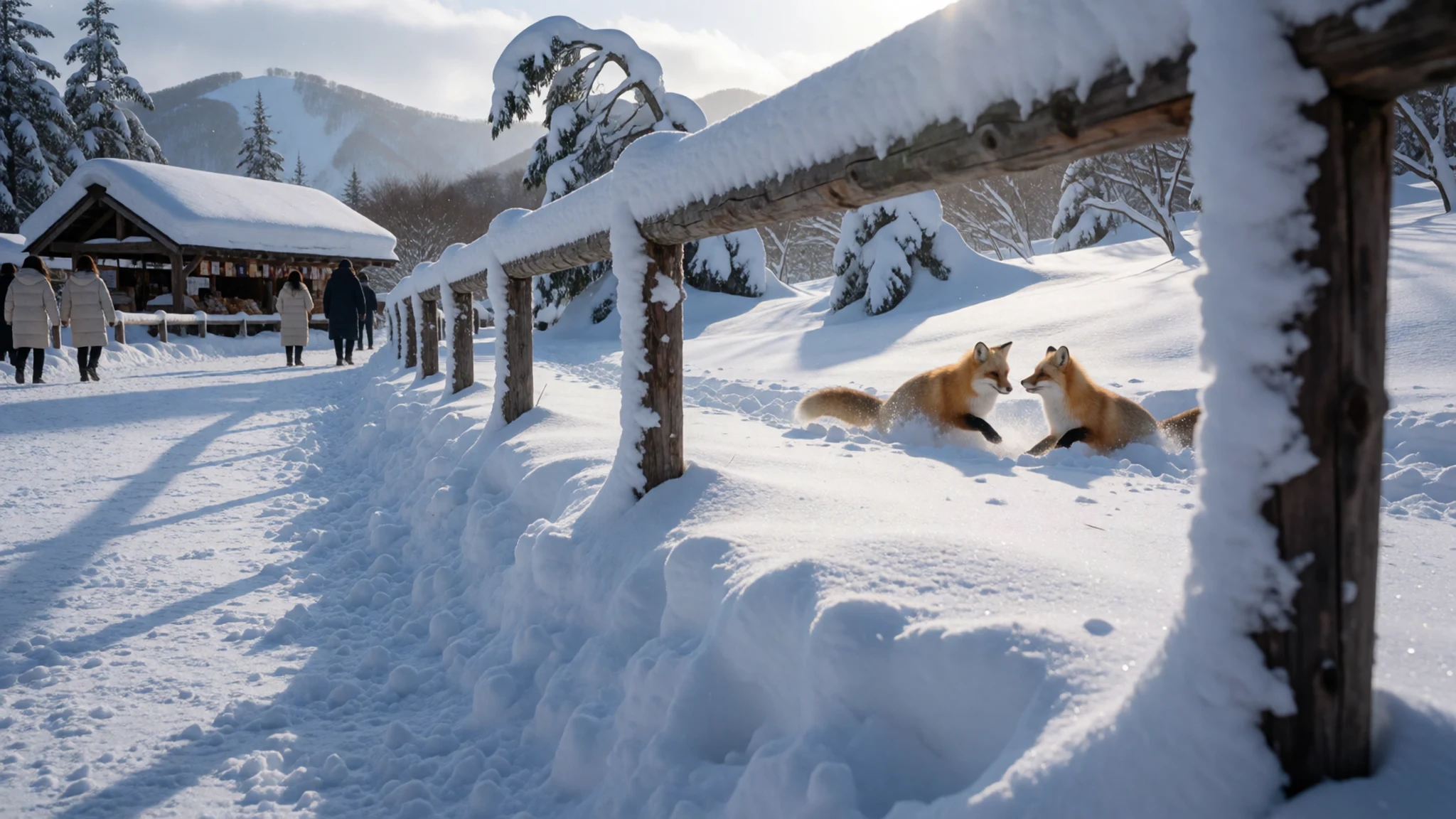
- Rabbits, goats and miniature horses — Zao Fox Village, Shiroishi
Beyond the foxes, the village keeps rabbits, miniature horses, goats and guinea pigs in separate areas, which suits families with small children. The gift and snack shops are nearby, selling fox-themed souvenirs. Entry is through a modest gate, so it is easy to find on arrival.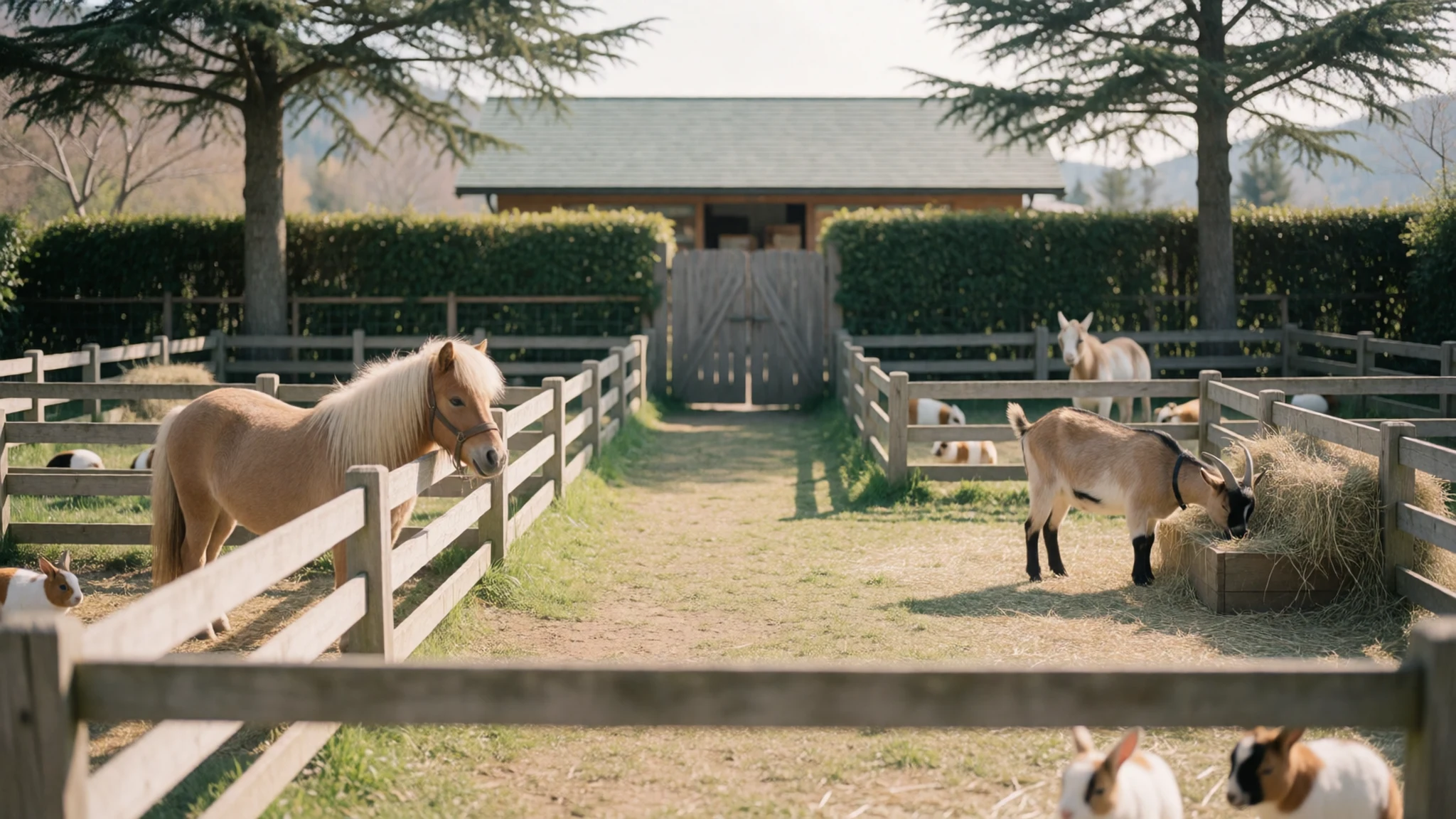
- Spring fox-kit events — Zao Fox Village, Shiroishi
Each spring the village runs events where visitors can hold fox kits. They are likely to be busy, and dates and booking rules change from year to year, so read the official site before building a trip around them. Kits are small and easily startled, so follow staff instructions closely.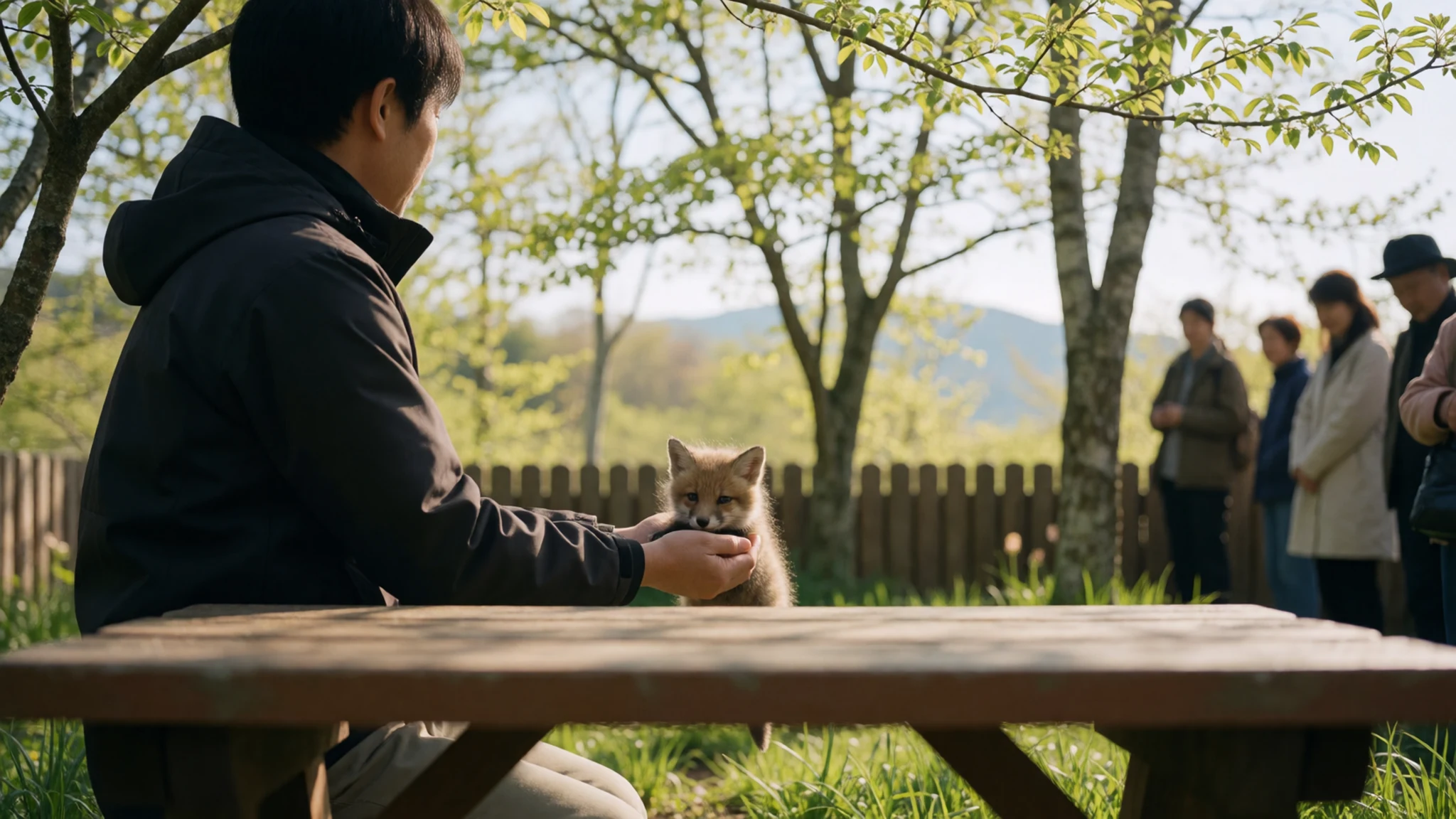
- Akiu Great Falls — Akiu, near Sendai
Akiu Great Falls is a waterfall about 55 m high in a forested valley south-west of Sendai. It is a separate outing from the fox village, but it pairs well with a Sendai-based itinerary if there is time to spare, especially in autumn colour or after rain.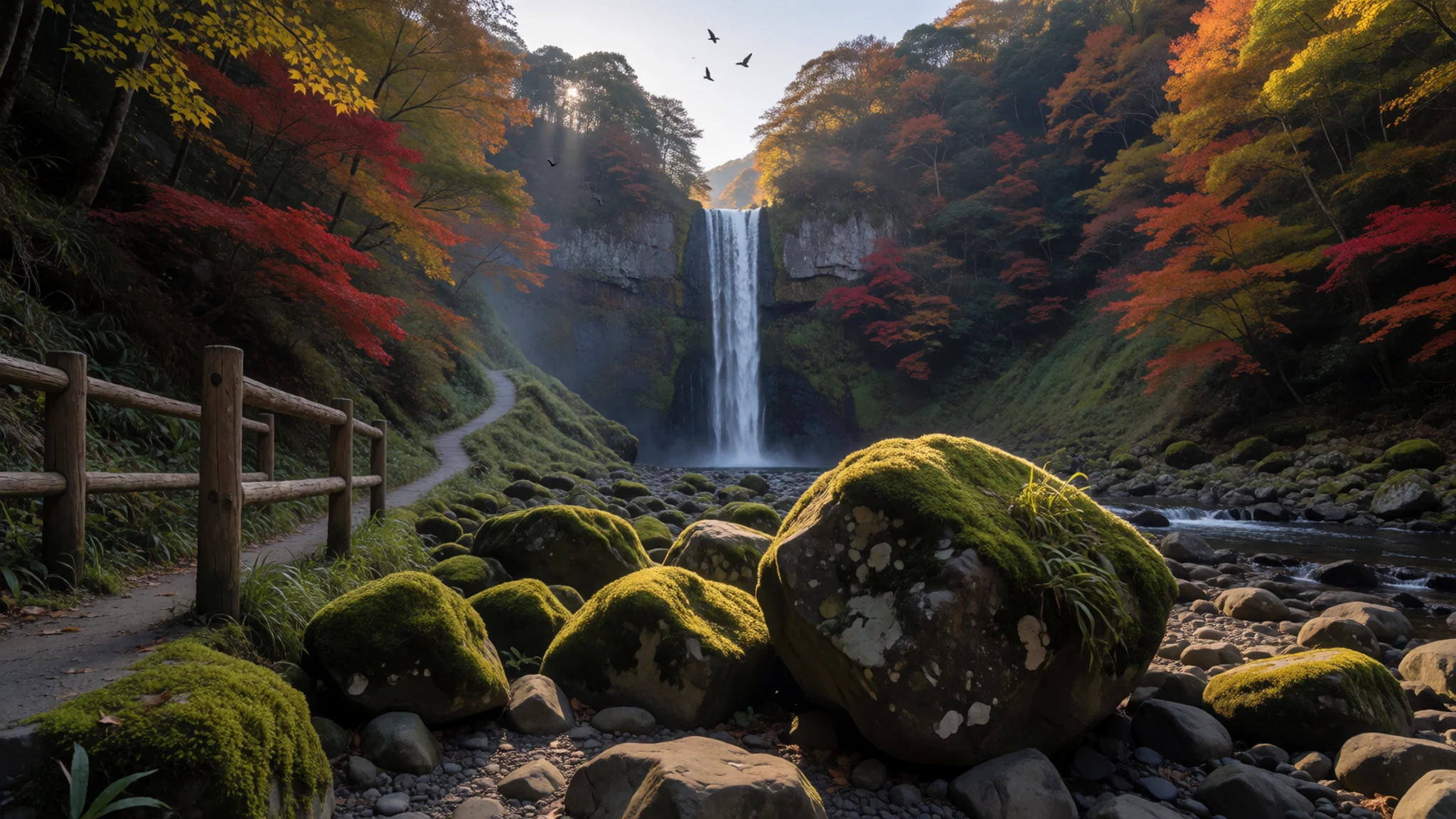
Culture
Zao Fox Village sits inside a culture where the fox is never just an animal. In Japanese folklore the kitsune is a clever spirit able to change shape, sometimes mischievous, sometimes protective. Foxes are also tied to Inari, the deity associated with rice and commerce, and stone foxes stand guard at Inari shrines throughout the country, often wearing red cloth bibs. Many Japanese visitors arrive with this folklore in the back of their minds, which is why fox charms, plush toys and illustrated souvenirs feature so heavily around the village. Tohoku, the wider region, has a reputation for reserved politeness and for pride in its own history, especially the legacy of the warlord Date Masamune, whose name is everywhere in Sendai. At the village itself, behaviour follows the simple logic of sharing space with animals: families wait patiently, voices stay soft, and staff instructions are followed without argument. Photography is a central part of the visit and people generally take turns at good spots instead of crowding. Out of respect for the foxes and the other guests, follow the staff's rules on feeding and touching, keep your voice low and never chase or grab an animal for a photograph.
What to wear
Zao Fox Village is a casual outdoor visit, but Miyagi's clothing traditions are worth knowing before going. Traditional Japanese dress is the kimono, made from silk for formal occasions and from cotton or linen for everyday and summer wear, with the lighter yukata worn at summer festivals. Tohoku has its own craft heritage in indigo-dyed cotton and in sashiko and kogin, white thread stitched in geometric patterns on dark cloth to strengthen and warm farm clothing. Such garments now appear mostly at festivals, weddings, tea ceremonies and in craft shops. Day to day, people around Shiroishi wear what any Japanese town dresses in: jeans, fleeces, down jackets in winter, practical shoes and neat, understated colours. Visitors to the village should dress for the animals and the weather. Choose closed, sturdy, washable shoes, since paths can be muddy, dusty or snowy, and avoid sandals. Trousers are easier than skirts for crouching down. Leave dangling scarves, loose straps, keyrings and jewellery at home or tucked away, because foxes grab at anything swinging. In winter bring layers, a hat and gloves; in summer, sun protection and a light layer. No special modesty rules apply at the village, though modest dress is wise if you add a shrine to the day.
What to eat
- Gyutan (grilled beef tongue) — Specialist restaurants around Sendai Station
Grilled beef tongue, cut thick and seasoned with salt or miso, is Sendai's signature dish. Expect a chewy, smoky bite, usually served with rice and soup. It makes a sensible lunch stop before or after the village.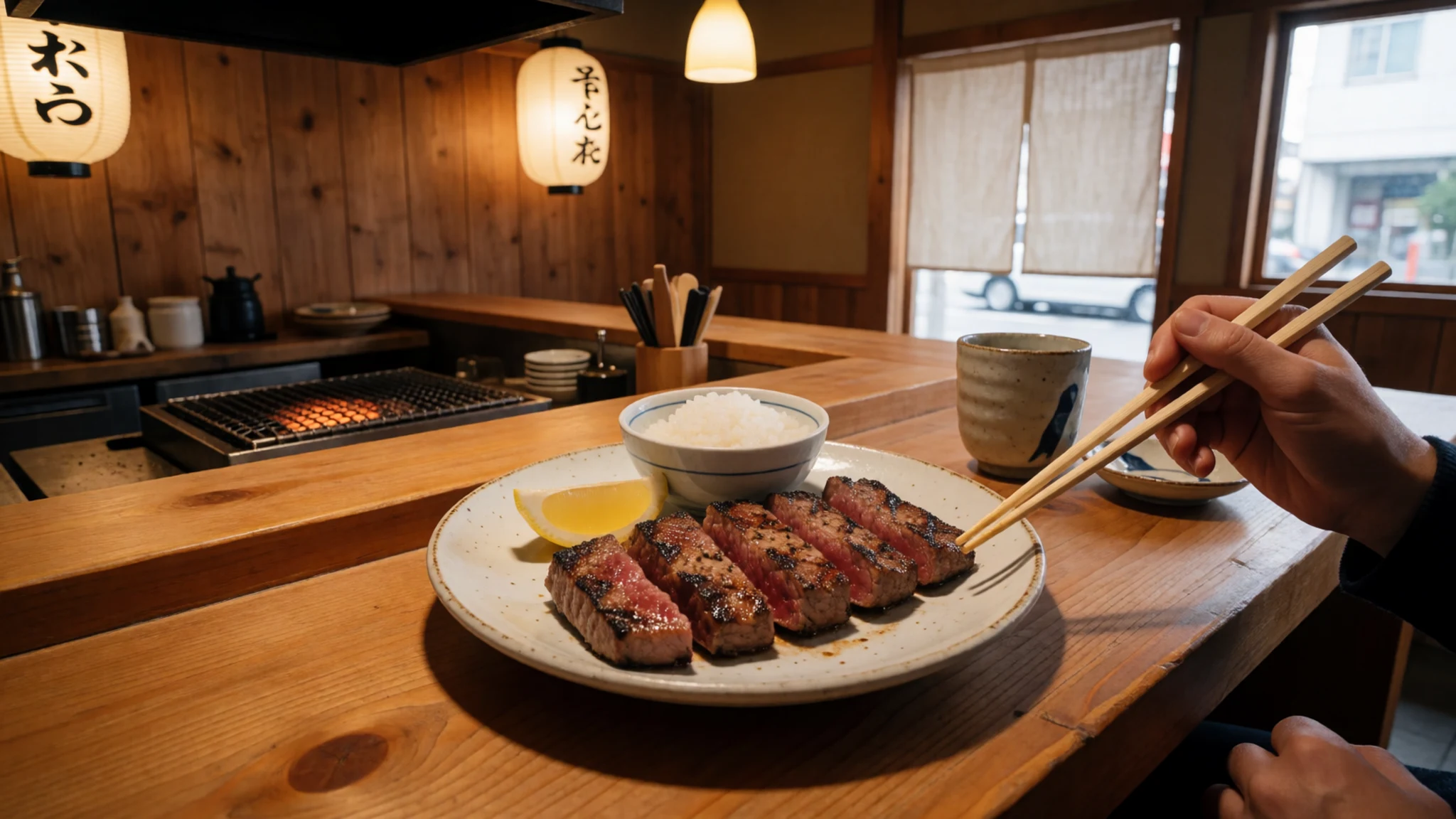
- Sushi — Sendai and the coastal towns
Sushi is easy to find in Sendai and along the Pacific coast of Miyagi, where fish arrives from nearby ports. Counter restaurants serve set meals, while conveyor-belt places suit families and anyone wary of ordering in Japanese. Ask what is in season.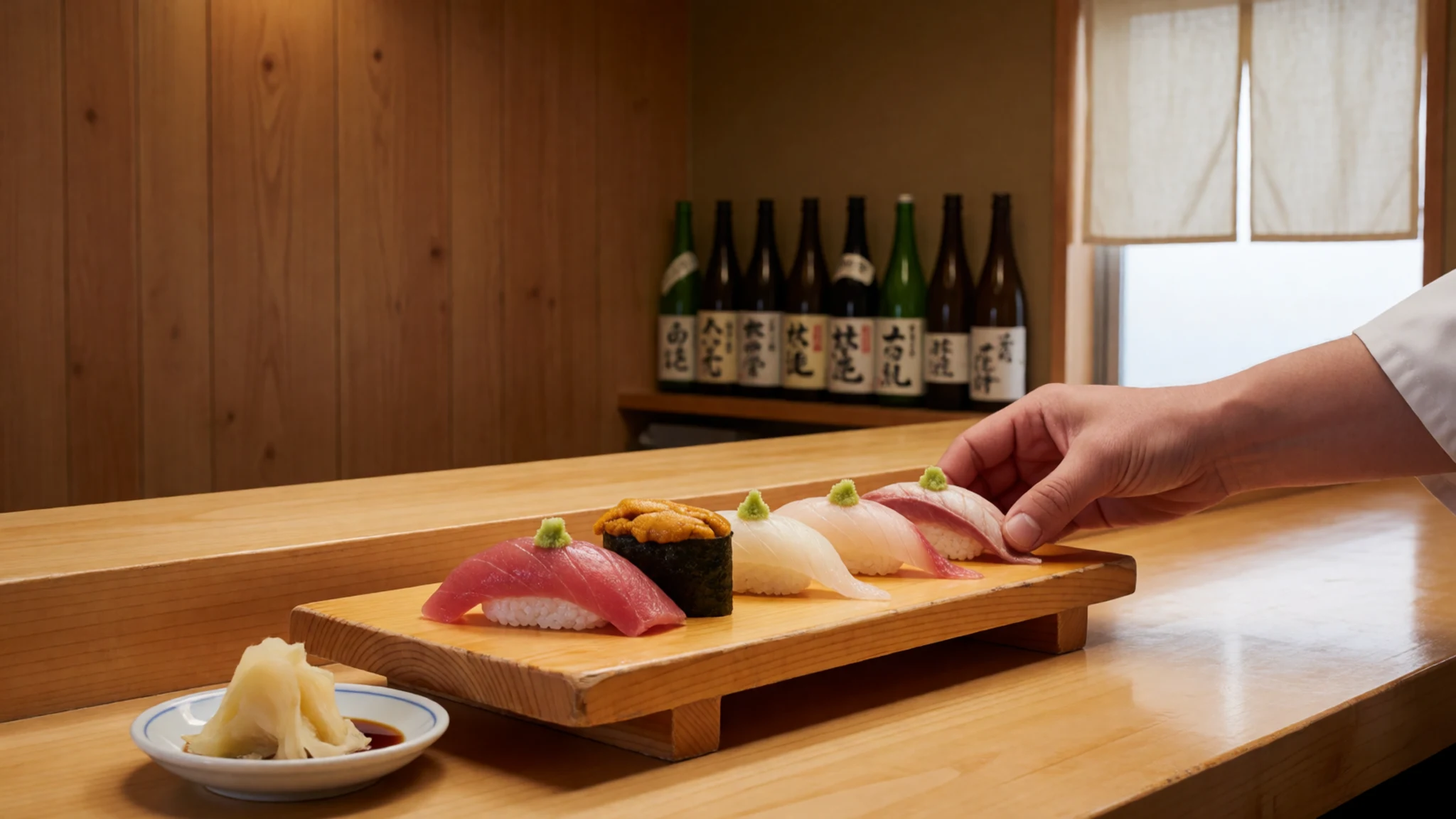
- Zunda mochi — Sweet shops and station stalls in Sendai
Zunda mochi is soft rice cake coated in a sweet, bright green paste of mashed edamame, a Miyagi favourite. It is eaten as a snack or dessert, best fresh, and is often sold in small sweet shops and at station stands. - Shiroishi umen — Noodle eateries in Shiroishi town
Shiroishi umen are short, thin wheat noodles, served hot in broth or cold in summer. They are a local speciality of the town where the fox village stands, light enough for a quick lunch between visits with the animals. - Miyagi sake — Izakaya, sake shops and Sendai Station shops
Urakasumi and Ichinokura are two of the Miyagi sake brands worth looking for, and plenty of others are made across the prefecture. Try a small tasting set or a chilled cup with grilled food, and do not drink if you are driving.
Plan it
Best time. April–May for the spring fox-kit events (check dates on the official site) and December–February for foxes in snow. Winters are cold, so dress warmly; in summer the animals tend to rest more in the heat.
How long. 1
Getting there. Fly to Sendai Airport, which handles domestic and some international flights, or take the Tohoku Shinkansen from Tokyo to Sendai, the regional hub. From Sendai go south to Shiroishi by train, then cover the last leg to the village by bus or taxi; check http://zao-fox-village.com/ for current directions.
Budget. mid
Tips
- Check the official site, http://zao-fox-village.com/, for opening days, entry fees and the dates of spring kit events
- Go on a weekday morning, as weekends and holidays are busier
- Carry some cash as well as a card, since acceptance in smaller places varies
- Wear sturdy closed shoes and bring layers in winter
- Combine the village with a meal in Sendai, such as gyutan, on the same day
Etiquette
- Do not chase, grab or try to hand-feed the foxes; follow staff instructions
- Keep your voice low and take turns at popular photo spots
- Wash or sanitise your hands after leaving the enclosure
Nearby
Sources
- Wikidata Q11454001 (CC0)
- Wikipedia: Miyagi Zao Fox Village (rev 1361799310) (CC BY-SA 4.0)
- Wikivoyage: Miyagi (rev 5383273) (CC BY-SA 4.0)
- Photo: Kitsune Mura entrance (Piccolist) (CC BY-SA 4.0)
- Photo: Zao Fox Village, Shiroishi-shi (CloudVisual) (CC0 1.0)
- Photo: Foxes fighting (Raita Futo) (CC BY 2.5)
- Photo: Black fox (Raita Futo) (CC BY 2.5)
- Photo: Red fox digging a burrow (Cp9asngf) (CC BY-SA 4.0)
- Photo: Fox in a tube (Raita Futo) (CC BY 2.5)
- Photo: Fox in the snow (Raita Futo) (CC BY 2.5)
- Photo: Fox sleeping (Raita) (CC BY 2.5)


Wildlife
- Red fox (animal)
The red fox is the biggest of the true foxes, the large cousin in the fox family. At Zao Fox Village, these familiar animals share their home with arctic foxes, silver and platinum foxes in unusual coats, and red-arctic hybrids, so look closely and see how many kinds you can tell apart. Watch from a respectful distance, keep your voice low and your movements slow, listen to any guidance from the staff, and never feed them, however charming they look.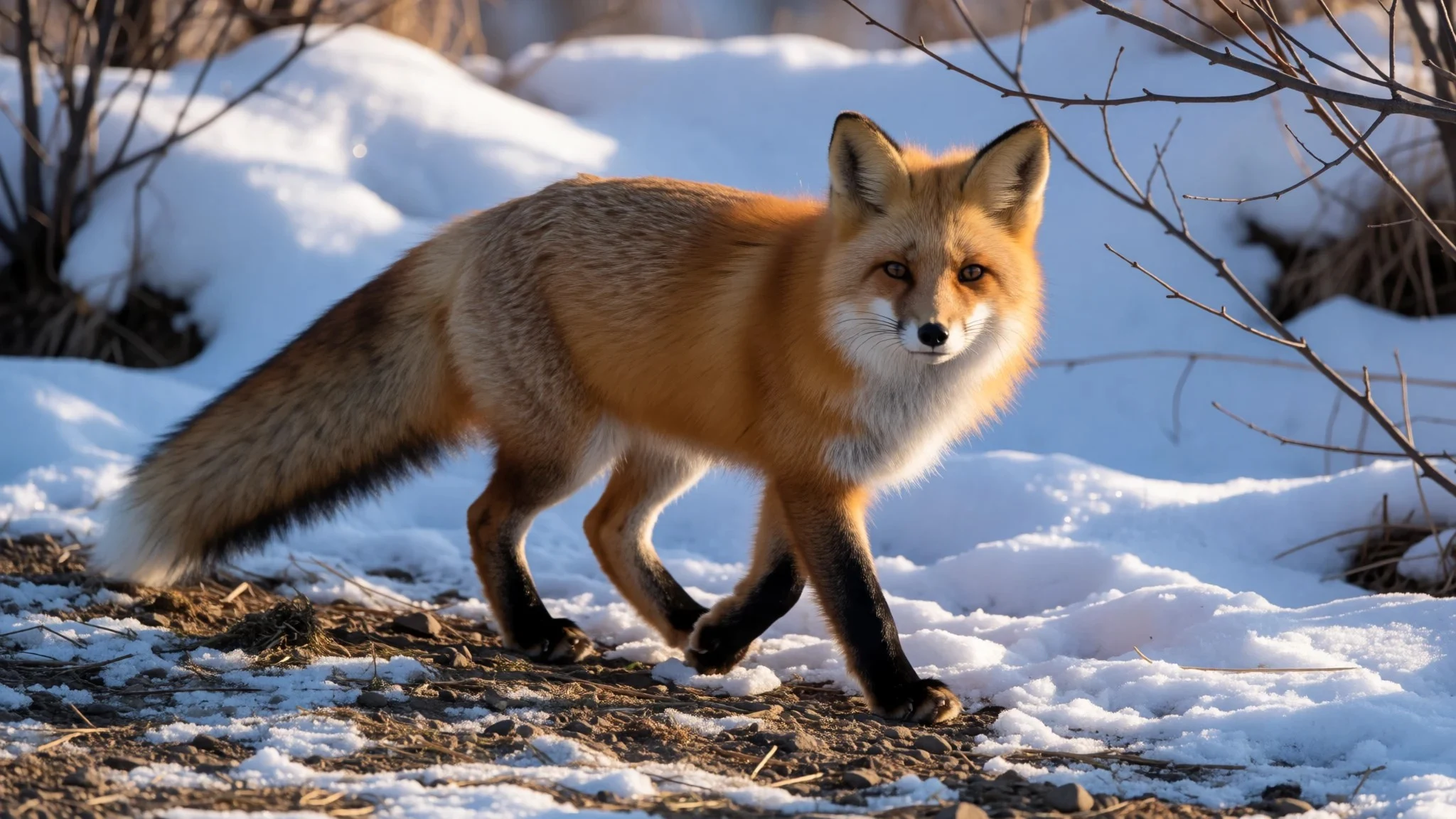
- Arctic fox (animal)
The Arctic fox is a small snow fox with thick, warm fur and a big fluffy tail, like a cuddly cloud from the far north. At Zao Fox Village it lives alongside the red foxes, so look for the smaller one with a rounded, snug-looking body built to hold in warmth. Its coat can blend into snow in winter. Watch from a respectful distance, stay quiet and calm, heed any staff guidance, and never feed it.