Yulong Shan
Yulong Shan, People's Republic of China
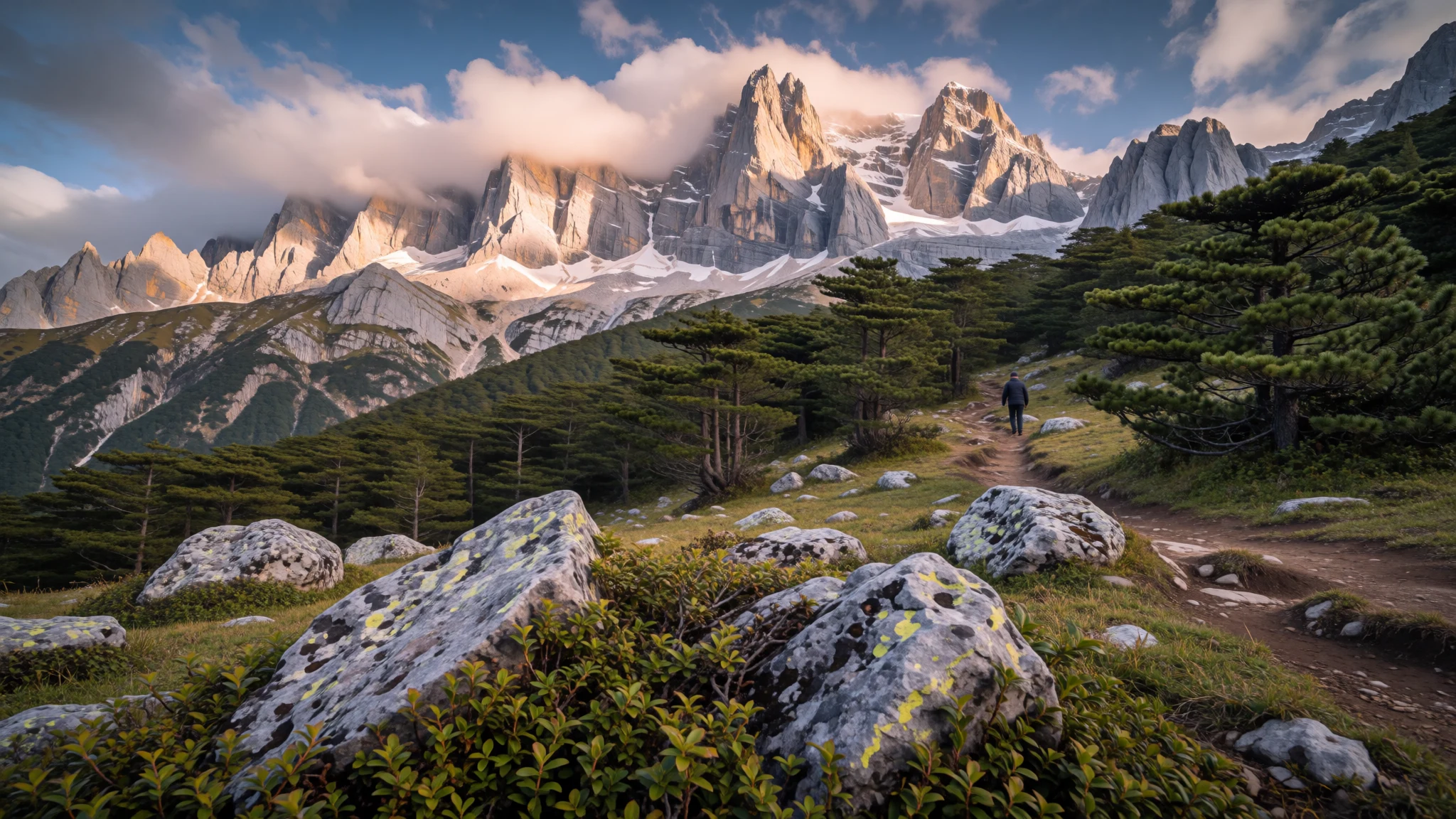
Yulong Shan is a snow-streaked limestone range above Lijiang, where alpine meadows, forest and Naxi culture sit within a short drive of an old town.
The place
Yulong Shan, often rendered in English as Jade Dragon Snow Mountain, is a mountain massif in northern Yunnan, in the People's Republic of China, a little north of the old town of Lijiang. Seen from a distance it reads as a single long ridge, pale grey rock with snow lying in its gullies, set against a sky that is often startlingly clear. Up close it breaks into a series of jagged summits, glacial hollows and steep forested flanks.
The massif sits where the Tibetan plateau begins to fold down towards the river valleys of south-west China, so the scenery changes quickly with height. Farmland and villages occupy the lower ground, then come pine and oak woods, then open meadows that fill with wildflowers in the warmer months, and finally bare rock and ice. Because the climate shifts so sharply between valley and ridge, a day trip can pass from mild sunshine to wind and sleet.
Most visitors meet the mountain through a handful of developed areas with paths, viewing platforms and cable cars, which means it is busy at peak holiday times and quieter on weekdays and early mornings. Those who want more solitude head for the valleys on the far side or take a guided trek. The air is thin at the higher viewpoints, and the sun is strong even when it is cold. Lijiang, a short transfer away, works as the base for almost everyone.
Its story
The story of Yulong Shan is largely the story of the people who live beneath it. The Naxi, who have long farmed and traded in the Lijiang area, regard the range as sacred, and it features in their ritual life and in the pictographic Dongba tradition, in which priests recorded ceremonies and myths. In Naxi belief the mountain is the dwelling of a protective deity, and it has been honoured with seasonal offerings.
The region also sat on the caravan routes that carried tea and other goods between Yunnan and Tibet, and Lijiang grew prosperous as a trading stop. Mule trains and merchants shaped the town's streets and its mix of Naxi, Tibetan and Han influences. The mountain was the constant backdrop to that traffic, a landmark visible from many days' travel away.
In the twentieth century the area drew the attention of Western botanists and explorers, who were struck by the richness of its plants and sent seeds and specimens home. Several well-known garden rhododendrons and primulas trace back to this part of Yunnan. Later, tourism transformed the local economy, and the mountain now draws large domestic crowds as well as overseas visitors. That growth has brought roads, ticketed parks and conservation rules, and an ongoing argument over how much access the fragile alpine ground can take. Glacier retreat, visible to locals over a generation, adds urgency to that debate.
What to see
- Blue Moon Valley — Foothills, Yulong Snow Mountain scenic area
Blue Moon Valley lies on the approach to the range, where meltwater collects in pale turquoise pools and streams threaded between boulders. Wooden boardwalks make it an easy, mostly flat outing. The colour is best on bright days, and the pools photograph well against the rock wall behind.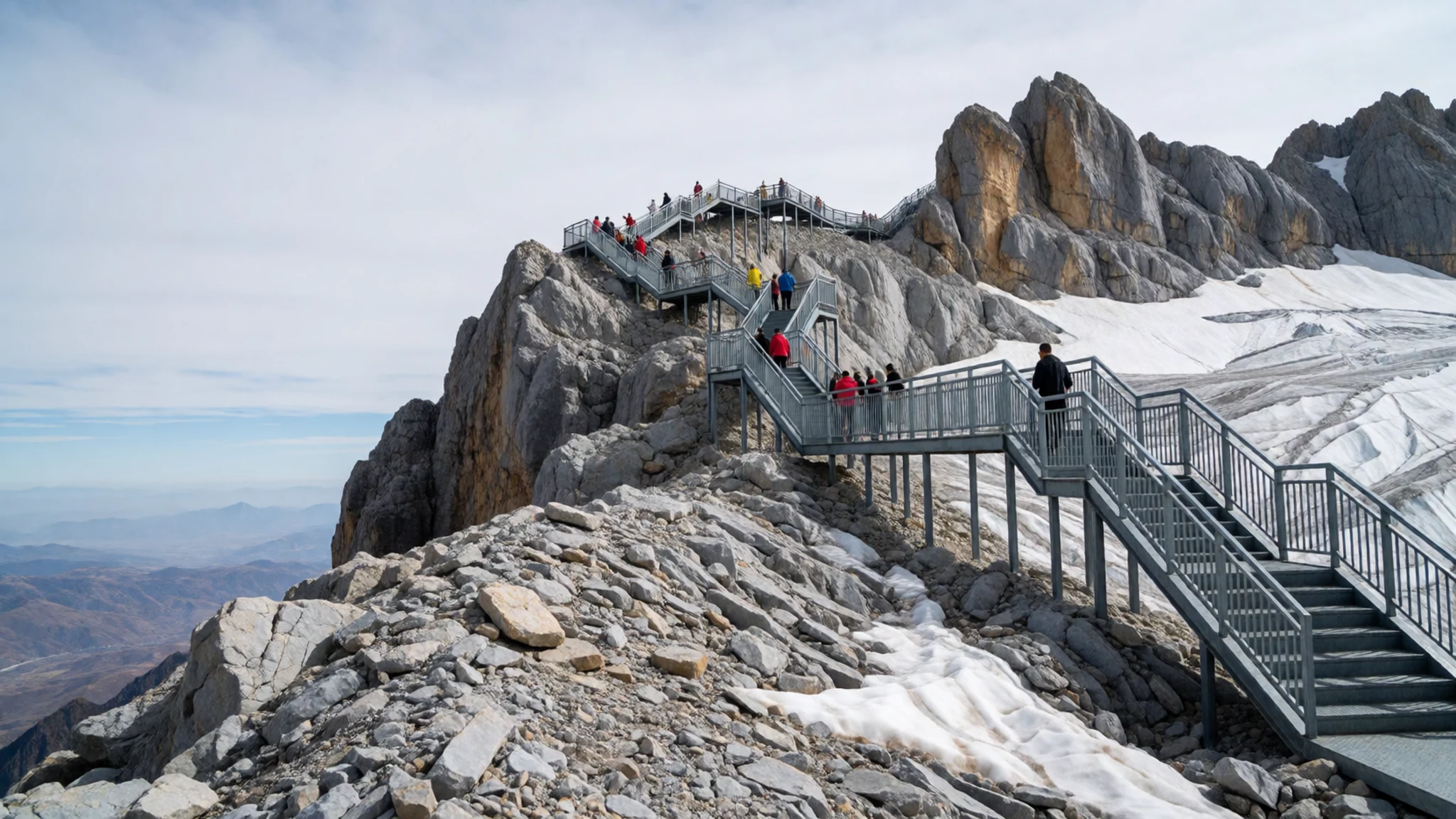
- Spruce Meadow — Mid-slopes of the massif
Spruce Meadow is a broad clearing ringed by conifers, with the main ridge filling the skyline above. Cattle and horses sometimes graze there. Paths cross the grass and lead into the forest edge, and the open view makes it a good place to rest before heading further up.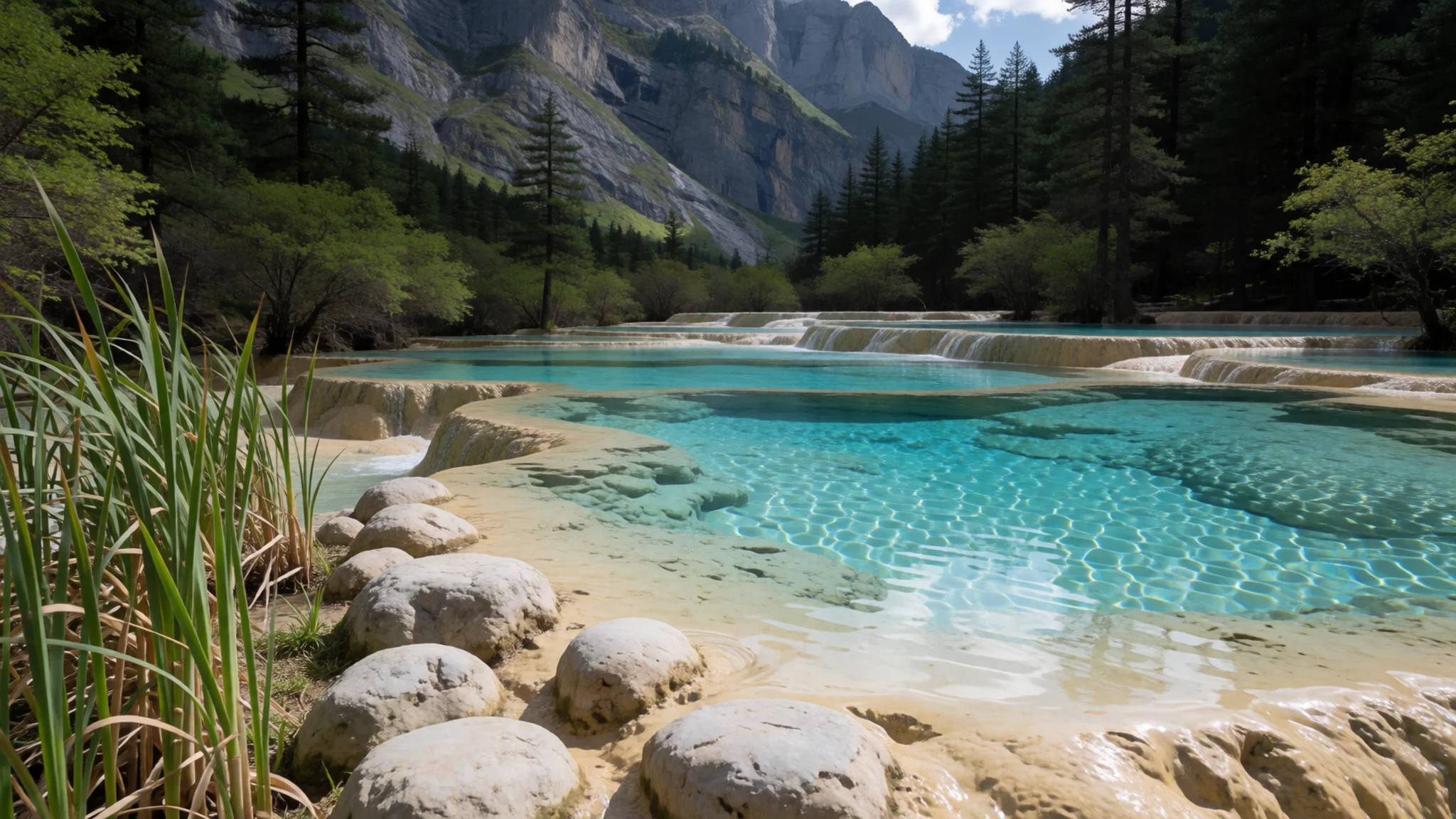
- Cable car to the glacier park — Glacier Park, upper massif
A cable car lifts visitors to a high viewing zone near the ice, with boardwalks and platforms for looking across the glacier and summits. The altitude is the main challenge, so move slowly, carry layers and consider portable oxygen. Queues can be long in holiday seasons; check the official operator for tickets and timings.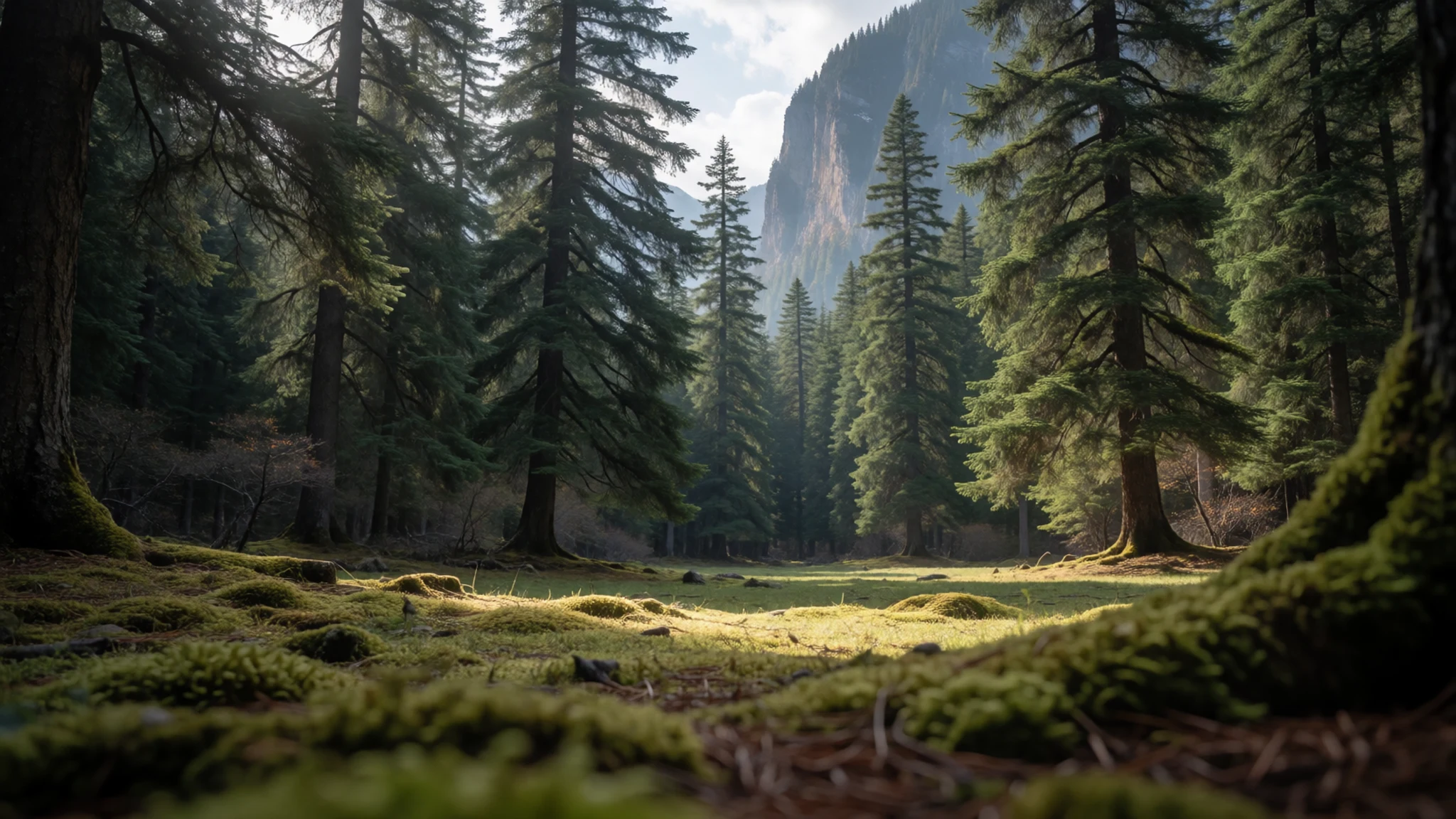
- Baisha village — North of Lijiang old town
Baisha is a small Naxi settlement on the lower ground, with a quieter feel than Lijiang. It is known for old temple murals and for local healers and craft workshops. With the mountain rising behind the roofs, it is a gentle way to see how the range sits within daily life.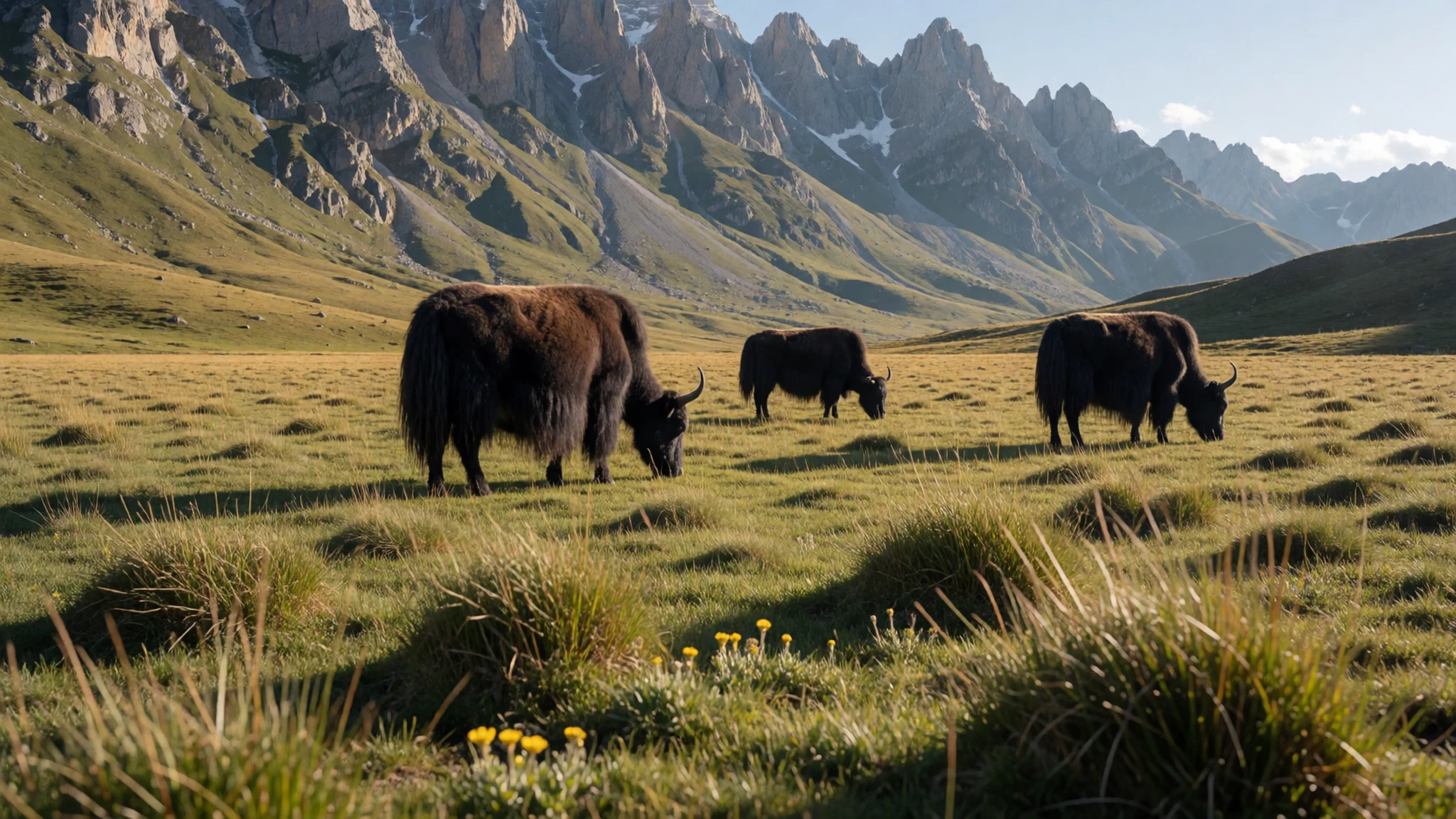
- Lijiang old town — Lijiang, Yunnan
Lijiang old town is the usual base, a maze of stone lanes, canals and timber houses with tiled roofs. It is crowded by day and calmer early and late. Wander the side streets away from the main shopping lanes, and look back north on clear mornings for the snowy ridge.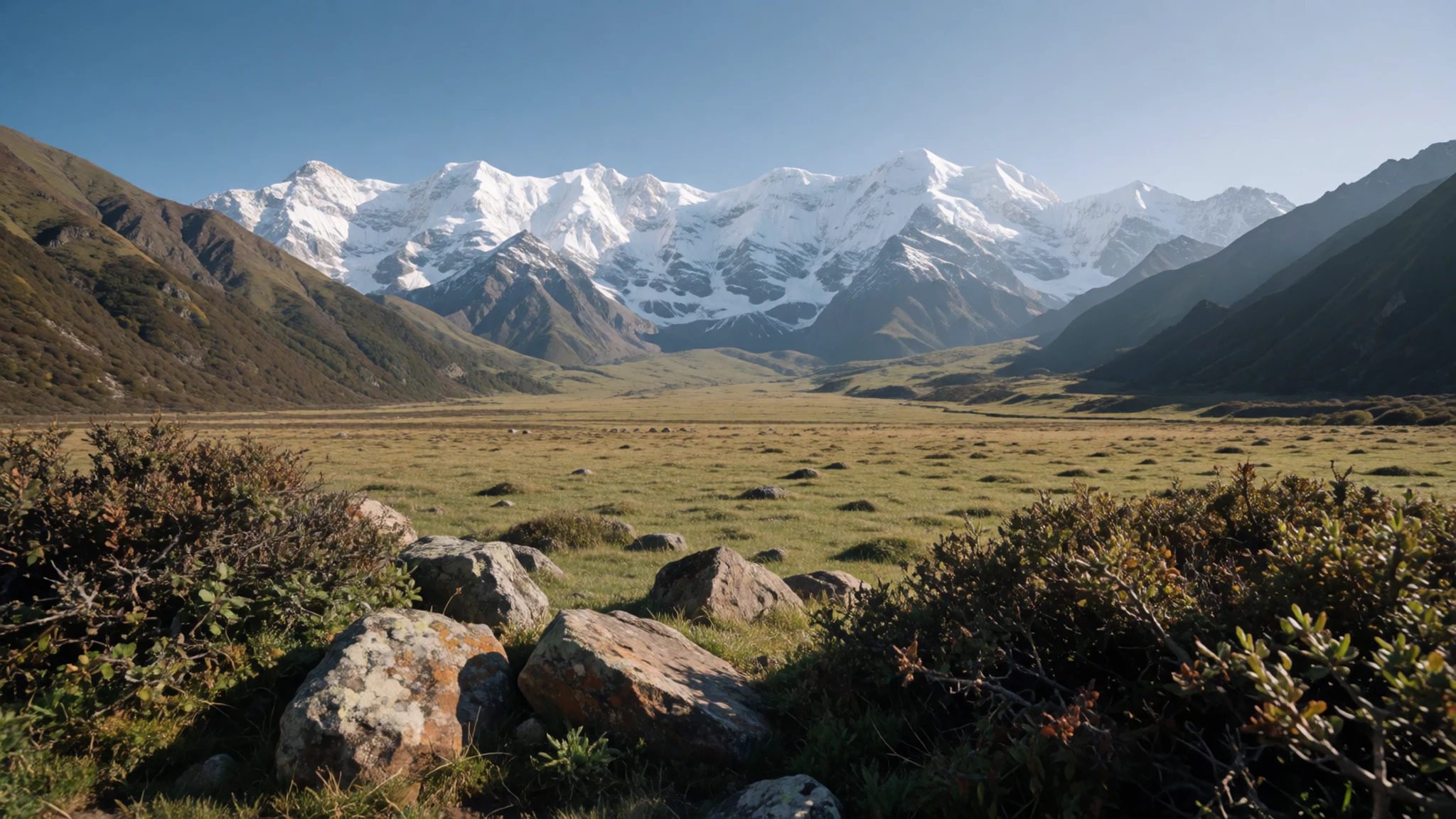
Culture
Yulong Shan belongs first to the Naxi people, whose culture blends Tibetan, Han and local strands and has its own language and a living tradition of Dongba ritual. The mountain is spoken of as a guardian, and families and priests have long made offerings to it at set times of year. Dongba script, a pictographic system used to record ceremonies, is still taught and painted on paper, wood and cloth, and appears on signs across Lijiang.
Music is part of everyday life too. Evening gatherings in Lijiang's squares often include group dances, and ensembles perform old Naxi pieces that locals regard with pride. Tibetan Buddhist monasteries lie further north and west, and their influence shows in prayer flags and shrines in the high country. Many Naxi women remain central to family trade and farm work, a point locals often mention with some pride.
Tourism has made Naxi imagery a commercial brand, so it is worth asking who made a craft item and where. Small family workshops in the villages tend to give a fuller picture than the busiest shopping streets. Respect for the mountain's sacred status also shapes which peaks may be climbed, and rules change, so listen to local guides. Never climb, camp or leave litter at ritual sites or shrines on the slopes, and ask before photographing people at prayer or in their homes.
What to wear
Around Yulong Shan, traditional dress belongs to the Naxi, and the best-known piece is the women's cape of sheepskin or heavy cloth, decorated with embroidered discs that stand for stars. It is worn over a blue or indigo jacket and trousers, with an apron and a cloth headdress, and it was made for carrying loads and keeping off wind on the slopes. Wool, hemp and cotton, dyed with local indigo, were the old materials. Full costume now appears at festivals, weddings and for tourist performances in Lijiang.
Everyday clothing in town is modern and practical: jeans, fleeces, down jackets in winter and cheerful hats against the sun. Older women in villages are more likely to wear the traditional blue and a headcloth in daily life. Young people dress much as in any Chinese city.
Visitors to Yulong Shan should dress in layers, because valley warmth gives way to cold wind on the ridge. Bring a windproof jacket, a warm hat, gloves for the high viewpoints and sunglasses and sun cream, as the light at altitude is fierce. Sturdy shoes with grip suit wet boardwalks and loose gravel. Clothing needs no special modesty, though covering shoulders and knees is polite in villages and temples.
What to eat
- Baba flatbread — Bakery stalls in Lijiang's back lanes
Baba is a round, pan-baked Naxi flatbread, sometimes stuffed with sweet filling or savoury meat. It is a sturdy breakfast or snack for a day on the trails. Bakers sell it fresh in the side lanes of Lijiang old town. - Crossing-the-bridge noodles — Noodle eateries in Lijiang and the surrounding towns
A Yunnan classic: a bowl of hot broth arrives with raw ingredients and noodles added at the table to cook in the heat. It is warming after cold air on the mountain and suits slower, longer meals. - Naxi chicken hotpot — Family restaurants in Lijiang old town
Hotpot with local chicken simmered with herbs and mountain vegetables is a favourite in cold weather. Dishes come to the table in a steaming pot to share, making it a good option for groups after a trek. - Yunnan ham and cured meats — Morning markets in Lijiang
Cured pork is a regional speciality, sliced thin and eaten with rice or cooked with vegetables. The flavour is deep and salty. Local markets display whole legs hanging from hooks. - Yak butter tea and local dairy — Tibetan-style tea houses and village homes
Towards the Tibetan-influenced north and west, salty butter tea and dairy snacks are offered. The taste surprises many first-timers, but it is calorific and suits cold altitude days.
Plan it
Best time. April–May and October–November, when skies are usually clearer and the weather is mild enough for walking; winter is cold and bright with snow on the ridge, and the summer rains bring cloud that can hide the peaks.
How long. 2–3
Getting there. Fly to Lijiang's airport, then take a taxi or bus to the foothills (usually under two hours); Lijiang is also reachable by train from Kunming and Dali, with local buses or tours for the last leg.
Budget. mid
Tips
- Start early, since cloud tends to build later in the day and queues are shorter
- Take it slowly on arrival at altitude and drink plenty of water
- Check the official park and cable-car sites for tickets, timings and any visitor caps
- Carry some cash for village stalls, though cards and mobile payments are widely used
- Pack layers, sun protection and waterproofs, as the weather changes fast
Etiquette
- Stay on marked paths and keep clear of sacred sites and shrines on the slopes
- Ask before photographing people, especially in villages and at prayer
- Take all litter back down with you
Nearby
Sources
- Wikidata Q28844563 (CC0)
- Wikipedia — Jade Dragon Snow Mountain (CC BY-SA 4.0)
- Wikivoyage — Lijiang (CC BY-SA 4.0)