Yoron Island
Yoron Island, Japan
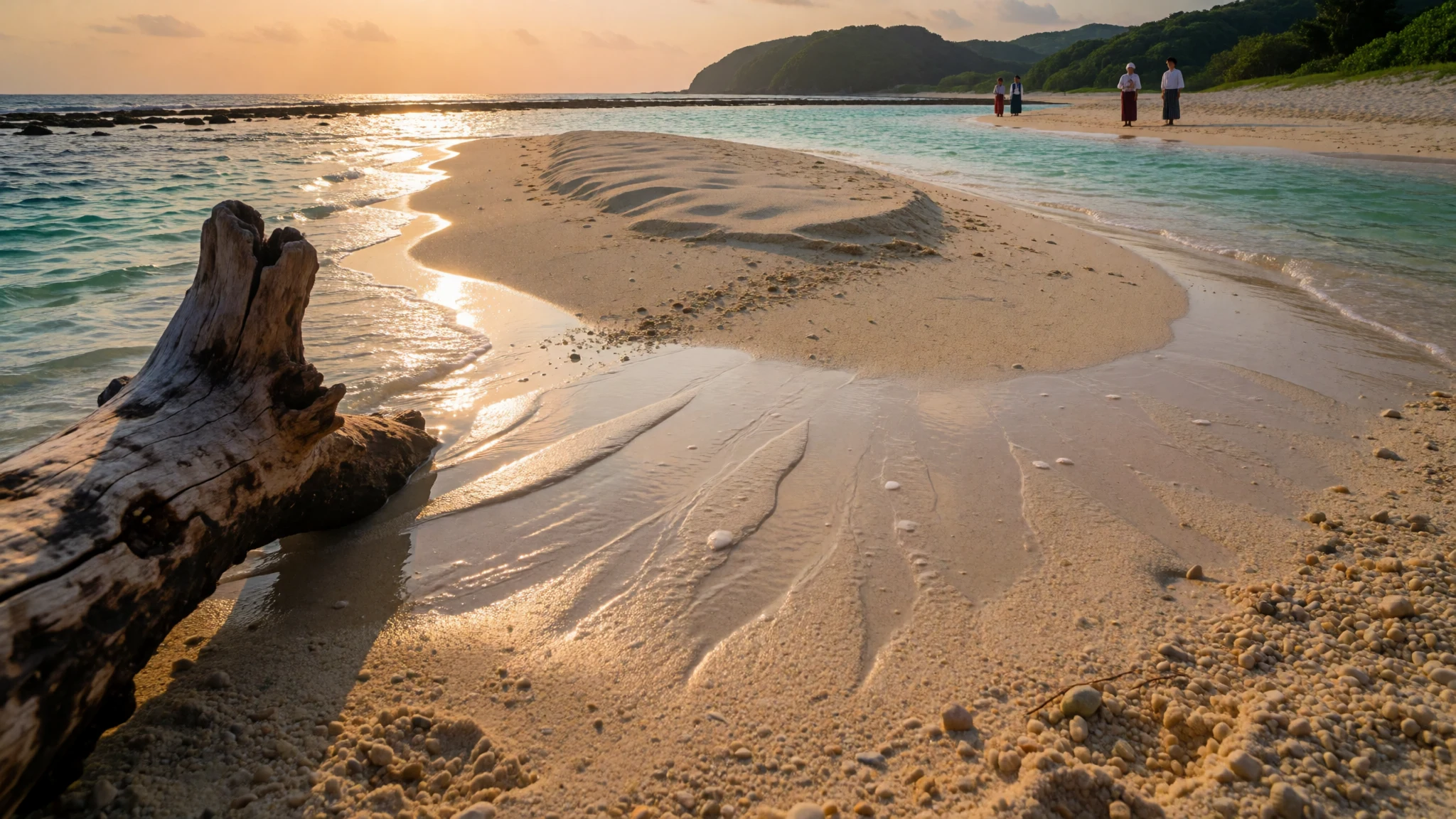
Yoron Island is a quiet coral island at Japan's southern edge, with small uncrowded beaches, a tidal sandbar and an Okinawa-leaning culture.
The place
Yoron Island (Yoronjima, 与論島) is the southernmost of the Amami Islands, in Kagoshima Prefecture, yet it sits far nearer Okinawa than the Japanese mainland. About 22 km of sea separates it from the northern tip of Okinawa Island, while the southern tip of Kyushu lies 563 km away. Around 6,000 people live here, and the whole island is run as a single town, Yoron. Geologically it is a raised coral platform whose highest point reaches only 98 m, with a reef ringing the coast. The result is gently rolling land, pale sand and shallow lagoon water rather than mountains or cliffs. Much of the island falls inside Amami Guntō National Park. The climate is humid subtropical: summers are very warm, winters mild, and rain falls in every season, though a little less in winter. Typhoons are frequent, and they shape travel plans more than any other factor. Chabana is the main settlement and port, and nearly all the island's restaurants and food shops are clustered there. Away from the harbour the mood is that of a rural village set in the ocean rather than a resort strip, with farm fields, quiet lanes and small beaches reached on foot or by a short ride. In the island's own language the name is Yunnu, and the word turns up on signs and in the names of local attractions. Visitors come mainly for swimming, snorkelling and diving, and for the slow pace.
Its story
Nobody can say for certain when people first settled Yoron Island. What is clearer is that local lords known as Aji ruled it from the 8th century, and that its allegiance followed the wider politics of the Ryukyu world. It came under the Hokuzan Kingdom in 1266, then was absorbed into the Ryukyu Kingdom in 1416. The turning point came in 1609, when a samurai force from the Satsuma domain passed Yoron on its way to invade Okinawa. Satsuma's claim to the island was later accepted by the Tokugawa shogunate, in 1624. Life under Satsuma was hard. Islanders were tied to the land as serfs and made to grow sugar cane to meet heavy taxes, an arrangement that often ended in famine. Cane fields and a sugar mill are still part of the island's landscape today. After the Meiji Restoration, Yoron was placed within Ōsumi Province and eventually became part of Kagoshima Prefecture. Following the Second World War it was held by the United States together with the other Amami Islands, and it returned to Japanese control in 1953. Its customs, festivals and dress still lean toward Okinawa, a legacy of the long centuries when the island belonged to the Ryukyu sphere rather than to the mainland.
What to see
- Beaches and reef lagoon — Coast around the island
Yoron Island's beaches are small, the longest only a few hundred metres, and the reef that rings the coast keeps the water shallow and calm close to shore. That modest scale is the appeal: most stretches stay quiet even in season. Snorkelling and diving are the main activities, and the reef edge deserves care.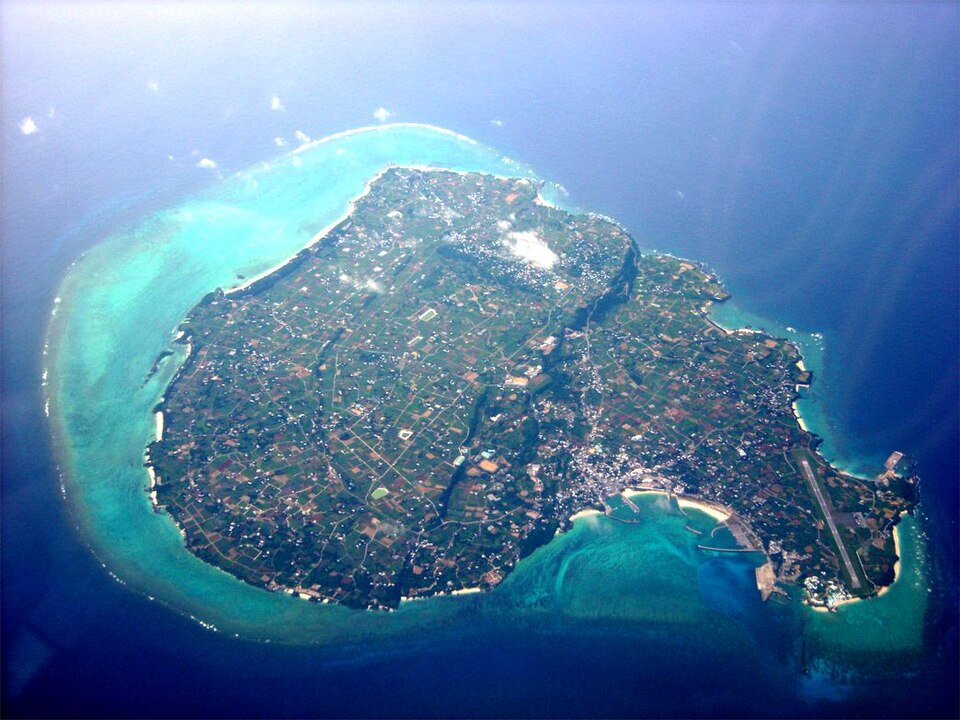
- Yurigahama sandbar — Beach beside the campground, away from Chabana
Yurigahama (百合ヶ浜) is a sandbar that rises offshore when the tide is right, seen from a beach beside a campground far from the main town. Boats run out to it, and very strong swimmers can snorkel across. Because it depends on the tide, ask locally before building a day around it. - Southern Cross Centre — The island's hill
The Southern Cross Centre stands on the island's hill and combines a small cultural museum with a shrine. It suits a spare hour, giving background on Yoron's history and customs before or after a beach day. Opening hours and entry charges can change, so check locally rather than trusting old guidebook figures. - Yunnu Rakuen garden — Inland, reached by road
Yunnu Rakuen (ユンヌ楽園) takes its name from Yunnu, the island's own word for itself, plus the Japanese word for paradise. It is a modest garden with traditional huts of the kind people once lived in, set among plants that look quite tropical. It works as a short introduction to older island life. - Chabana harbour and sightseeing centre — Chabana
Chabana is the main settlement and port, where ferries arrive and where almost all restaurants and shops sit. The fishing harbour is good for a slow walk. The sightseeing centre near the bus stop hands out a free map marking smaller sights, including a cave shrine and a folk village.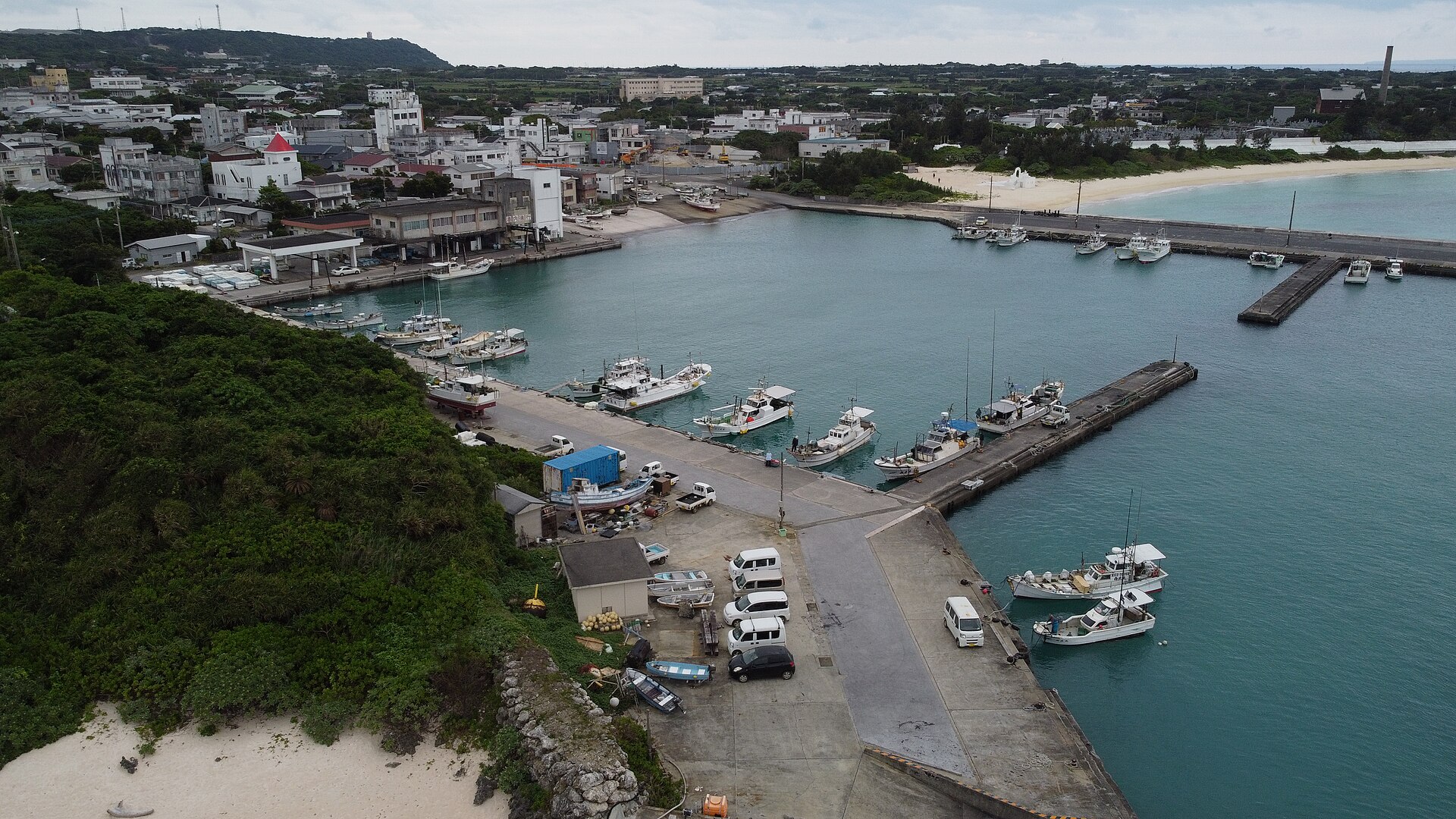
Culture
Yoron Island keeps close cultural ties with Okinawa rather than with mainland Japan. The clearest sign is Eisa, the Okinawan style of drumming and dancing, which anchors festivals such as the Sango Matsuri, the Coral Festival, held each August. Clothing and decorative designs on the island also lean toward Okinawan taste. Religious practice differs too. On the mainland, Shinto and Buddhism sit side by side in daily life, but Yoron's native tradition includes far fewer Buddhist elements, and weddings and funerals follow older Shinto-style customs. The island's own language, Yunnu, is the root of the name and still appears in place names and signs, even though Japanese is what visitors will hear in shops and offices. With only about 6,000 residents, Yoron works like a large village. Neighbours know one another, the pace is unhurried, and festivals are community events more than performances laid on for tourists. That is part of the charm, but it also means a visitor is a guest in a small place. Greeting people in shops, keeping noise down in the evenings and leaving beaches as clean as they were found go a long way. Ask before photographing people at festivals or ceremonies, and keep to the paths around the island's small cave shrine.
What to wear
Yoron Island's traditional dress follows Okinawan, or Ryukyuan, models more than mainland ones. Textiles linked to that tradition include bingata, a stencil-dyed cloth in bright pigments, and bashōfu, a light cloth woven from banana-plant fibre, both well suited to hot, humid weather. Detail specific to Yoron is thinly documented, so these are best read as regional traditions rather than island inventions. Traditional clothing is most visible at festivals, especially for Eisa drumming and dancing around the August Coral Festival. Everyday wear now is plain and practical: cotton T-shirts, shorts, sandals, sun hats and rash vests for the water. Nobody dresses up for dinner. Visitors should pack light, breathable clothes and quick-drying swimwear, plus a long-sleeved sun-protective top and a hat, since the sun is strong and shade on the beaches is limited. Water shoes help on rocky reef edges, and walking sandals suit the lanes. Rain falls through the year, so a light waterproof is sensible, and a thin layer is useful for mild winter evenings. There is no strict dress code, but swimwear belongs on the beach, so cover up in Chabana and dress modestly when visiting the shrine at the Southern Cross Centre or the cave shrine.
What to eat
- Curry rice — Casual eateries in Chabana, near the pier
Basic Japanese comfort food is easy to find on Yoron Island, and curry rice is the standard order. It is filling and quick after a morning in the water. Look for it in the small eateries around Chabana, including those near the pier. - Pizza and hamburgers — Seaside Avenue (海岸通り), Chabana
Western favourites sit alongside the Japanese basics on some menus, which suits families and anyone tired of rice. Portions are modest and the setting is relaxed. One upstairs eatery by the pier is known for this mix, with a comfortable, unfussy atmosphere. - Italian lunch plates — A small lunchtime restaurant in Chabana
A small Italian restaurant, run by a couple, serves lunch on certain days only, so it pays to check which days it opens before walking over. Pasta and similar plates make a change from island Japanese cooking. - Café lunch with a sea view — Yoron Seaside Garden café, east side of the island
A garden café overlooking the water keeps its menu short, and the setting is the point: sea views, an easy pace and English spoken. It suits a late morning stop between beach visits, with coffee, a light dish and a long look at the reef. - Brown sugar sweets — Food shops in Chabana
Sugar cane has shaped Yoron's farming and history, so brown sugar and sweets made from it are a sensible souvenir to look for. Ask in Chabana's food shops what is made locally and what is brought in from nearby islands.
Plan it
Best time. May to July for warm swimming weather, and October as a milder alternative. Summers are very warm, rain falls year-round (a little less in winter), and typhoons are frequent, so keep a spare day or two in the schedule whenever the sea matters.
How long. 2–3
Getting there. Ferries run from Kagoshima City's south port, calling at the Amami Islands including Yoron and continuing to Okinawa; the operators are Marix and A-Line Ferry. The crossing runs overnight and into the next day, and sailings change, so check the operators' current timetables. Airline options are also worth checking. The last leg is a walk from the port in Chabana to most places to stay, which is manageable and rural, or arrange a pick-up if carrying heavy luggage.
Budget. mid
Tips
- Book the ferry and accommodation early if travelling around the August Coral Festival
- Pick up the free island map at the sightseeing centre near the bus stop in Chabana
- Do most food shopping and eating in Chabana, where almost all restaurants and shops are, and carry some cash in case small places do not take cards
- Time sandbar trips with the tide and leave slack in the schedule for typhoon disruption
Etiquette
- Ask before photographing people at festivals or ceremonies
- Treat the cave shrine as a place of worship and keep to the paths
- Do not walk on or take coral from the reef, and carry litter away from the beaches
Nearby
Sources
- Wikidata Q94762 (CC0)
- Wikipedia: Yoronjima (rev 1381687132) (CC BY-SA 4.0)
- Wikivoyage: Yoron (rev 5422950) (CC BY-SA 4.0)
- Photo: Yoronjima-seito (松岡明芳) (CC BY-SA 4.0)
- Photo: Yoronjima (Goki) (CC BY-SA 2.0)
- Photo: Map of the Satsunan Islands of Kagoshima, Japan (CC0 1.0)
- Photo: Beach Minata, Amami, Kagoshima (松岡明芳) (CC BY-SA 4.0)
- Photo: Chabana-gyoko 茶花漁港 (松岡明芳) (CC BY-SA 4.0)
- Photo: Beach Minata, Amami, Kagoshima (松岡明芳) (CC BY-SA 4.0)
- Photo: Beach Minata, Amami, Kagoshima (松岡明芳) (CC BY-SA 4.0)
- Photo: Chabana, Yoron (松岡明芳) (CC BY-SA 4.0)


