Xishuangbanna
Xishuangbanna, People's Republic of China
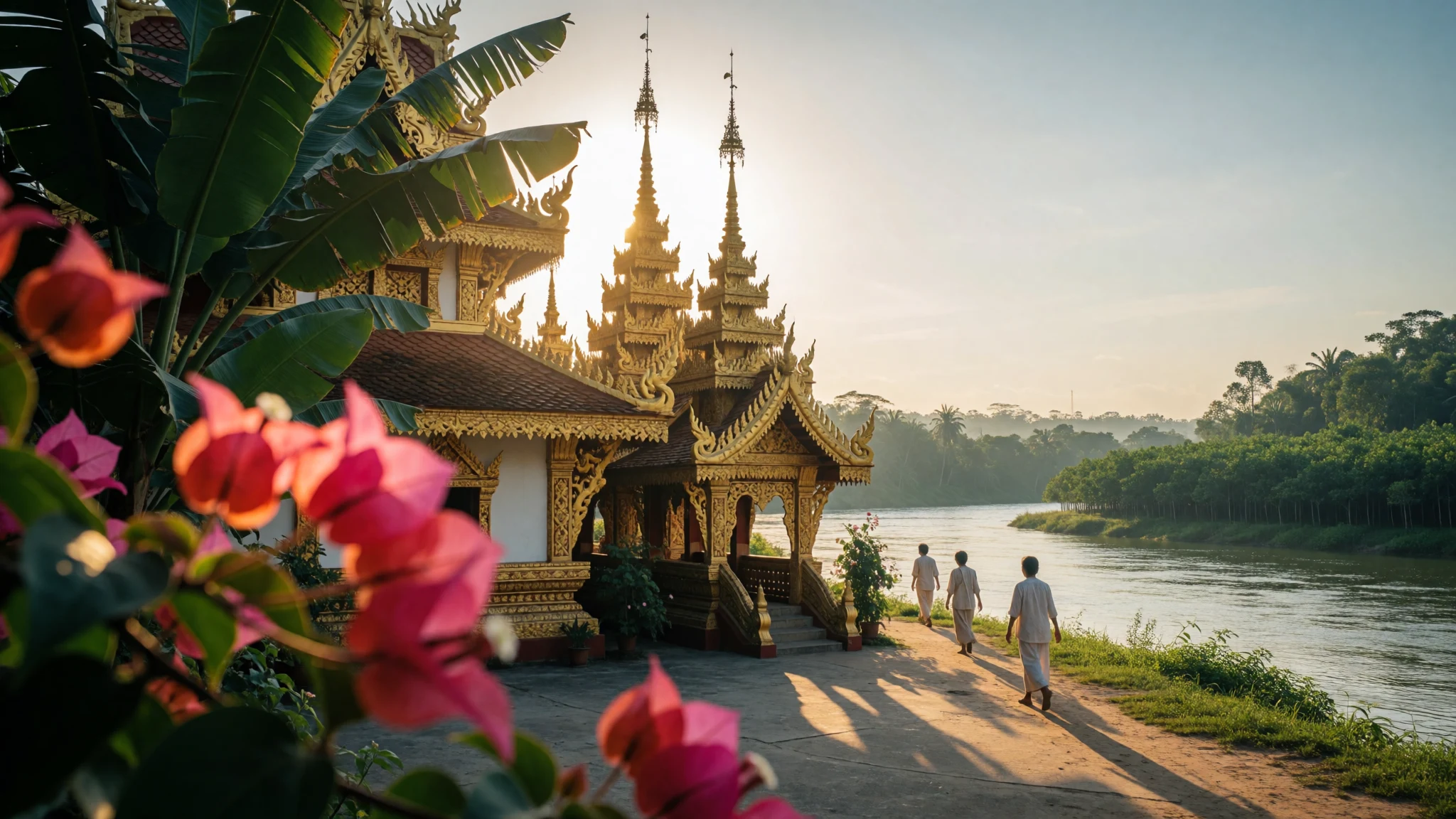
Xishuangbanna offers rainforest, Dai Buddhist temples and tea hills in China's tropical far south, right beside the Laos and Myanmar borders.
The place
Xishuangbanna sits in the extreme south of Yunnan, on the northern edge of the tropics, where China meets both Myanmar and Laos. The prefecture is home to about 1.3 million people, and its seat, Jinghong, straddles the Mekong, which Chinese maps call the Lancang. Locals and guidebooks often shorten the name to Banna.
The name comes from the Dai language: xishuang means twelve, and banna was an old administrative unit that owed taxes to the ruler. So the name recalls twelve districts of a former Dai realm.
Altitude is lower here than across most of Yunnan, and the climate is tropical savanna, hot for much of the year, with a wet season and a drier one. That warmth feeds what is described as the best-preserved tropical ecosystem in China. The prefecture is a nature reserve, and it holds roughly a sixth of the country's plant species and a quarter of its animal species.
The people matter as much as the forest. Dai language, architecture and religion lean towards the Shan, Tai, Thai and Lao worlds rather than Han China. Wooden stilt houses, gilded temple roofs and sarongs make the region feel closer to northern Thailand than to Kunming. Jinghong is the practical base: flights, trains, night markets and the widest choice of places to eat all gather there, with villages, gardens and forest reserves reached by road from it.
Its story
Xishuangbanna was once Chiang Hung, a Tai Lue kingdom pulled between powers. Chinese emperors, the Lanna kingdom and Burmese dynasties all claimed a share of its loyalty. After the Mongol conquest, the Ming and Qing courts recognised the Tai Lue rulers as native governors, known as tusi. In 1563 the Burmese king Bayinnaung captured Chiang Hung, and the two sides settled on shared overlordship. The ruler was even enthroned in a ceremony presided over jointly by Burmese and Chinese envoys.
The nineteenth century brought more shifting. During the Burmese–Siamese war the region briefly paid tribute to Luang Prabang and to the Siamese court. When Britain took Upper Burma in 1886, Chiang Hung fell under the British Raj, and in 1892 the British handed it to the Qing dynasty.
After the 1911 revolution that ended the Qing, a local leader, the Chao Maha of Meng Jie, rose against the remaining imperial officials. The new republican government in Yunnan sent troops in 1913 to remove the rebels. An official named Ke Shuxun stayed on to govern under his Thirteen Principles of Governing the Frontier. They stressed equality between Han and Dai over land and taxes, allowed intermarriage, and favoured secular and technical schooling over monastic teaching in the Burmese tradition.
The Second Sino-Japanese War then brought heavy bombing by Japanese forces, along with propaganda arriving from Thailand. The borderland has long been a place where several states have tried to claim the same people.
What to see
- Dai Buddhist temples of Jinghong — Jinghong
Most Dai people follow Theravada Buddhism, so the temples resemble those in Thailand and Laos, with tiered roofs and gilded detail. Xishuangbanna Zongfo Temple, Mange Temple and Manjinlan Temple can all be visited in Jinghong. Dress modestly, and go early before the heat builds.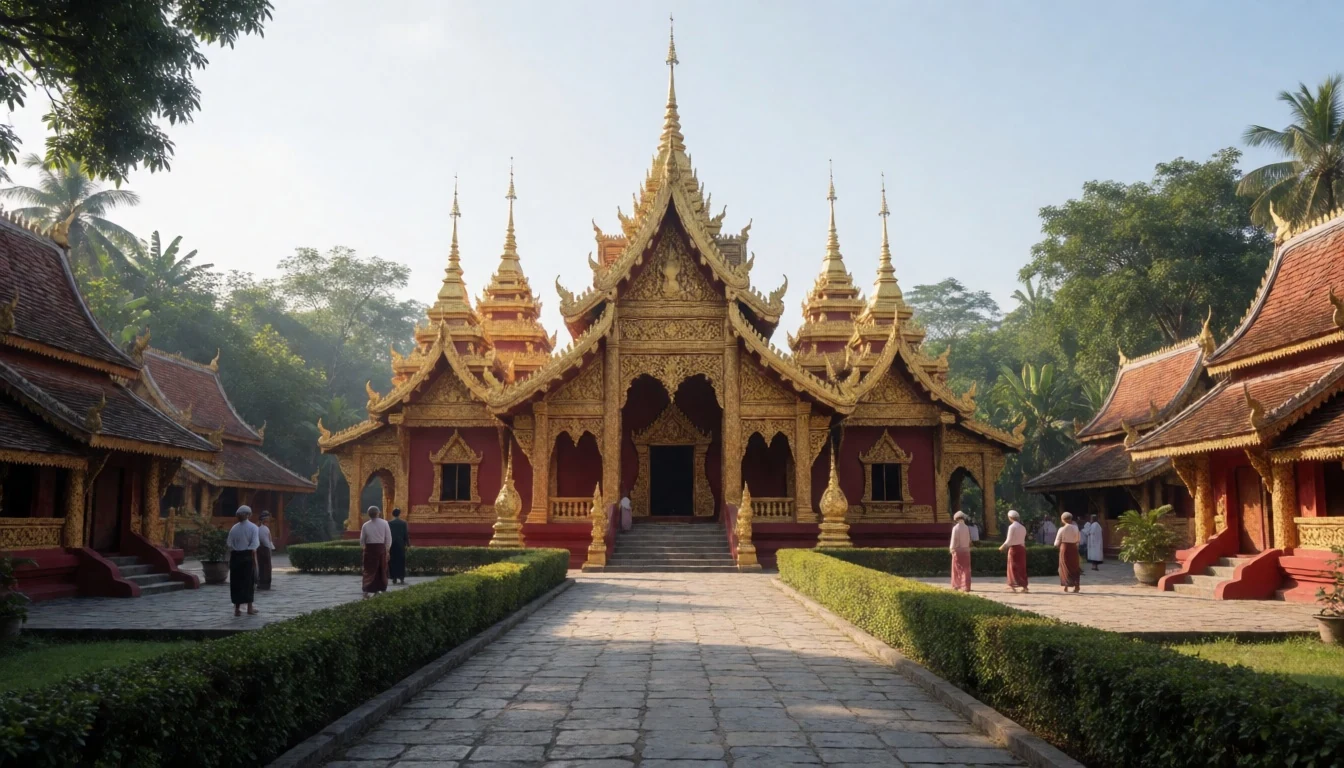
- Xishuangbanna Tropical Botanical Garden — Menglun, Mengla County
Run by the Chinese Academy of Sciences, this is described as China's largest tropical botanical garden. It lies at Menglun in Mengla County and shows the range of tropical plants well. Plan a half day at least, wear light clothes and carry water, as paths are long and shade is uneven.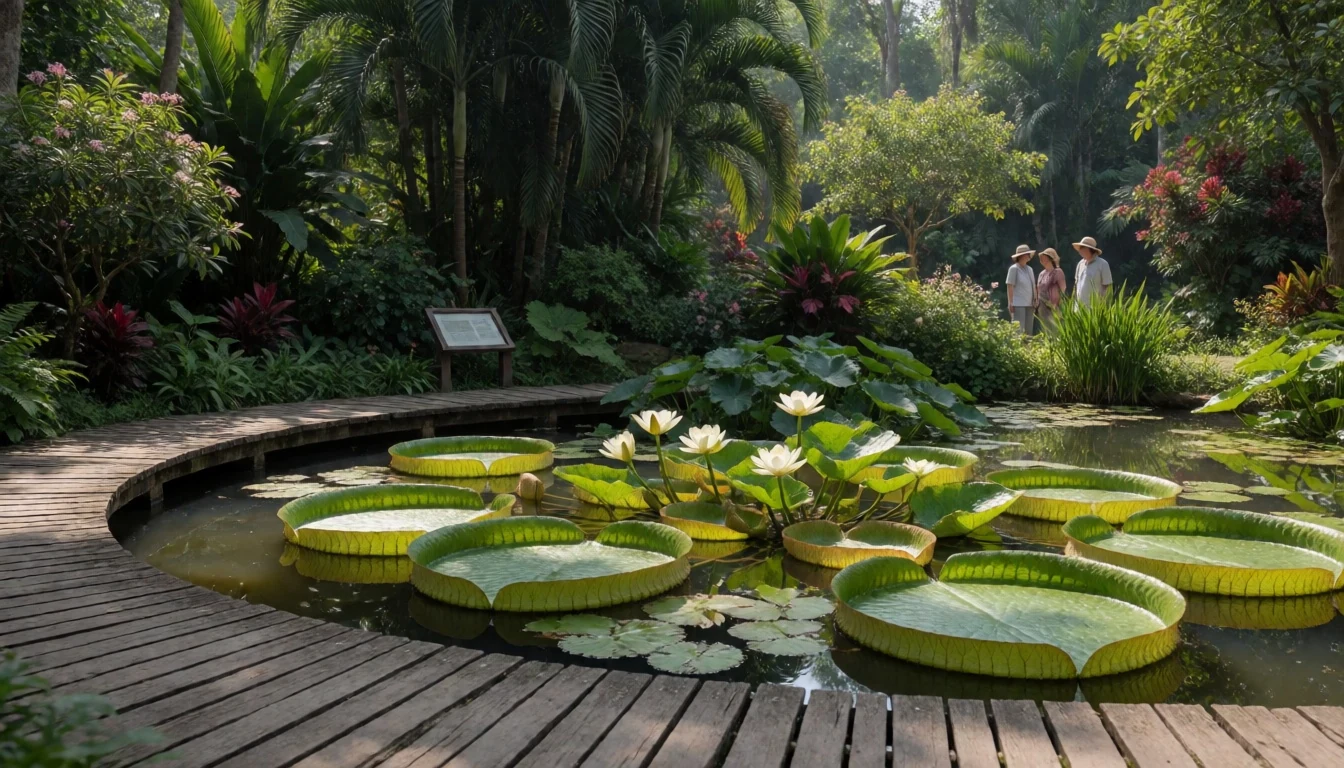
- Manting Imperial Garden — Jinghong
This historic tropical garden in Jinghong is tied to the former Dai royal court. It brings together Buddhist architecture, tropical planting and displays of ethnic culture. It suits a slow visit, with plenty of shade for escaping the midday sun, and works well alongside the temples of the town.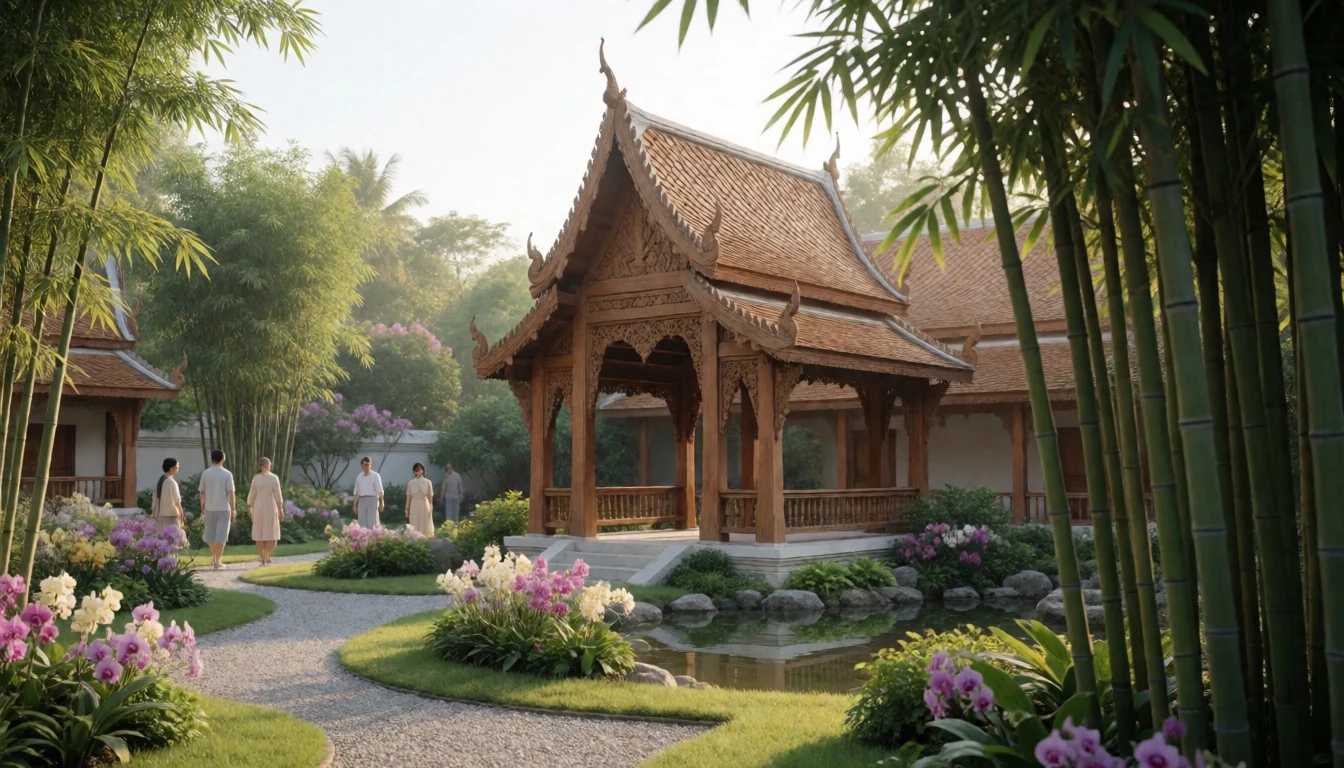
- Wangtianshu Scenic Area — Mengla County
This rainforest area in Mengla County lies about 60 km from the Mohan border crossing. It is known for very tall wangtianshu trees, towering to 70–80 m, and for a canopy walkway that lifts visitors into the treetops. It suits rainforest walks and gives a good feel for the forest structure.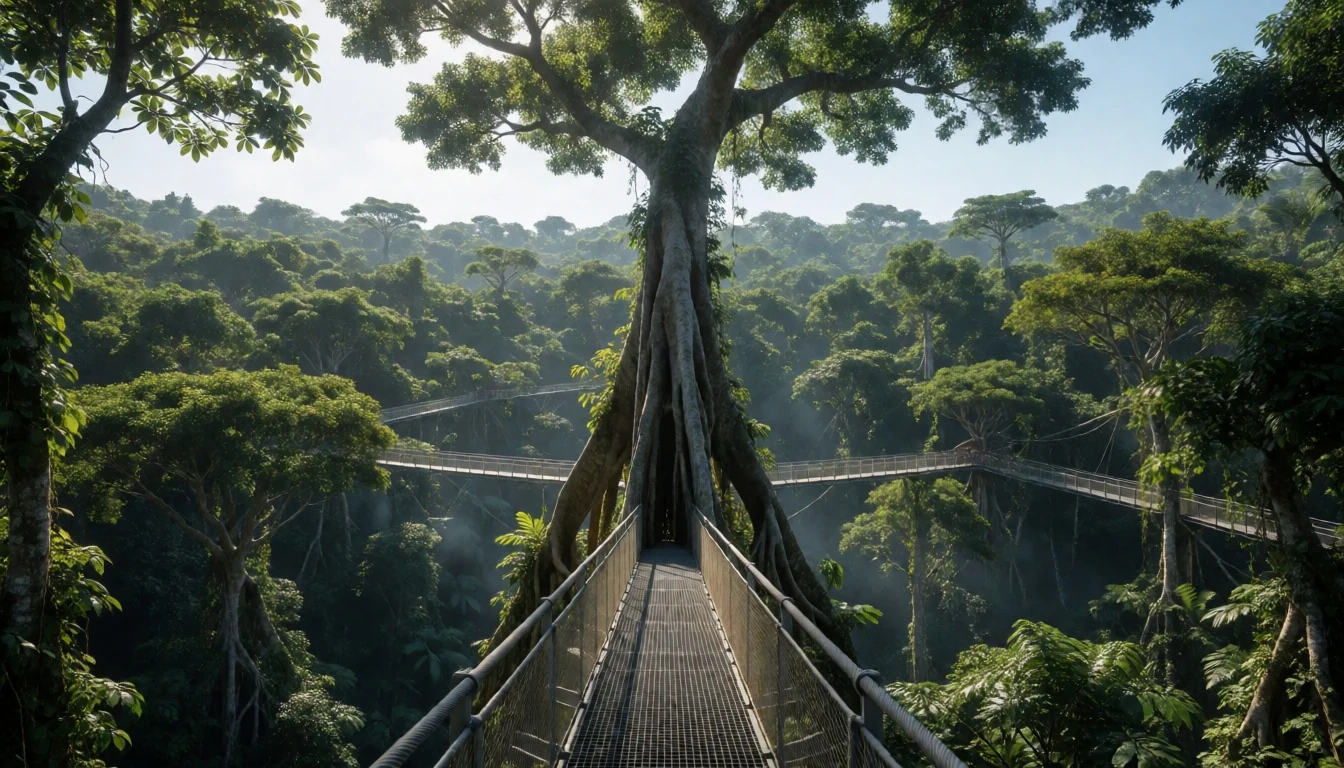
- Wild Elephant Valley — Jinghong
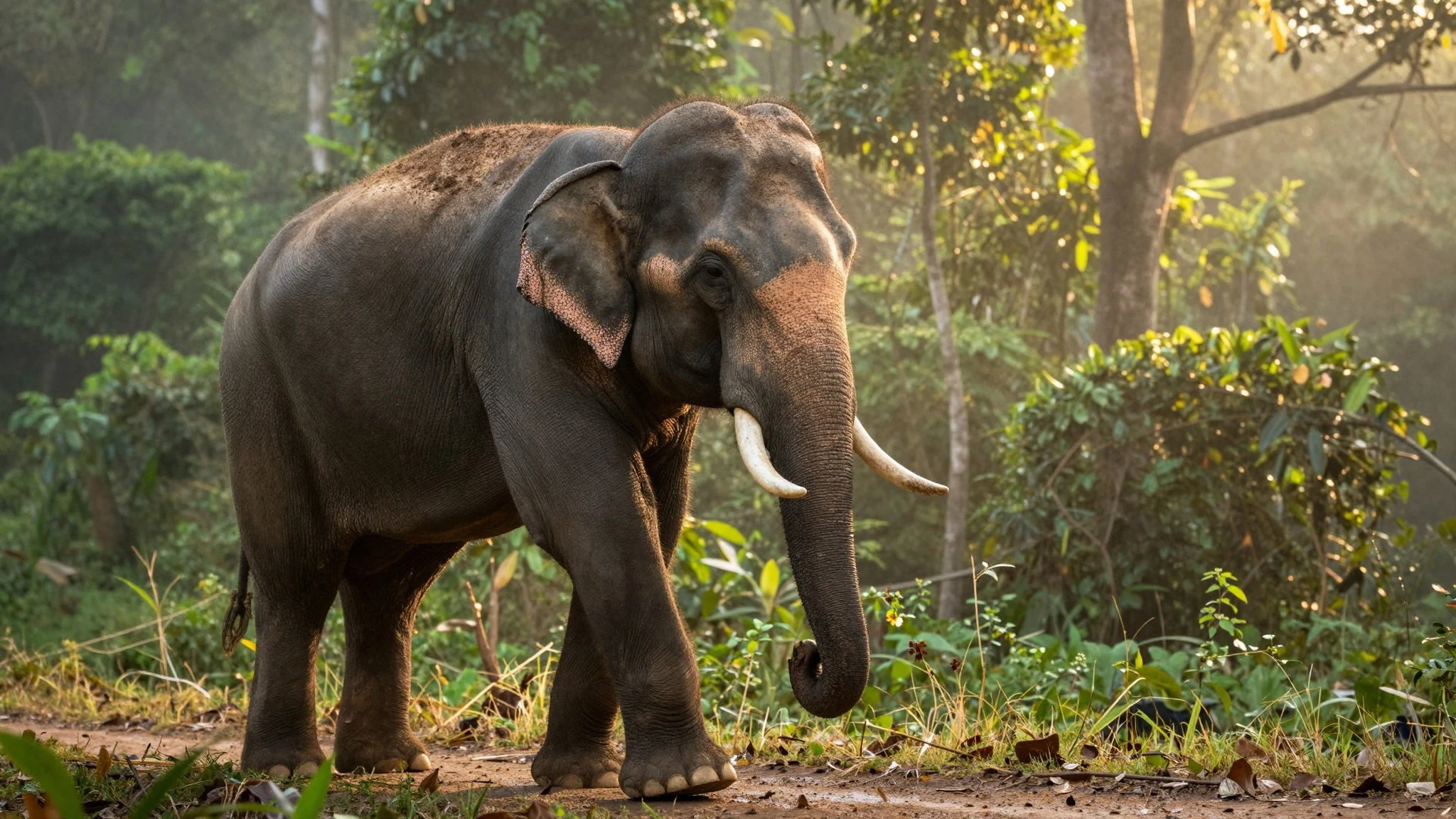
This conservation-focused park in Jinghong centres on Asian elephants. Sightings of truly wild elephants are rare, but visitors can see rescued animals up close and learn about rainforest ecology. It is popular with families, and a reasonable choice for travellers wanting to understand local wildlife issues.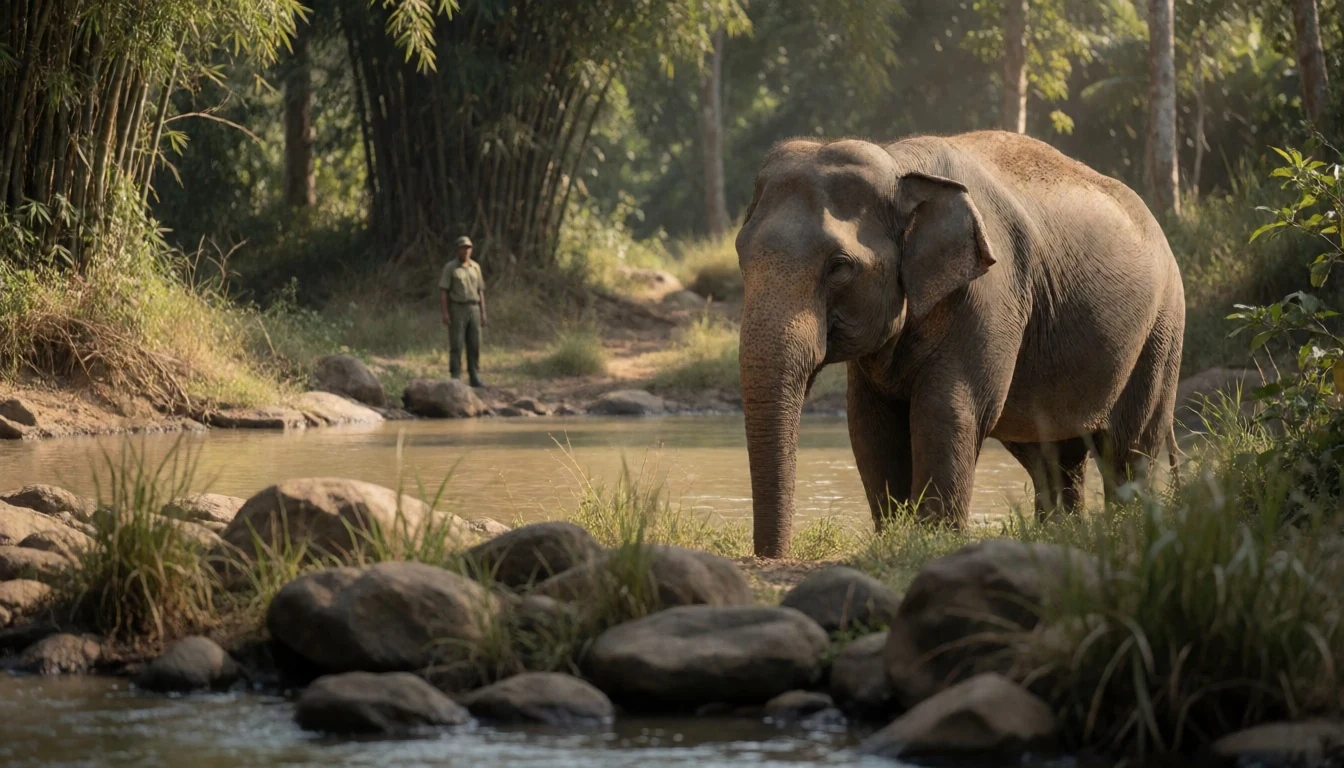
Culture
Xishuangbanna's culture is mainly Dai, and most Dai people are Theravada Buddhists. The temple is the centre of village life, and monks, novices and festivals shape the calendar. Southeast Asian Buddhist pilgrims, from Sri Lanka, Thailand, Myanmar and Laos, visit the Manchunman temple, which is more than 1400 years old and has a main hall, a sutra pavilion, a gold pagoda and a drum tower.
The best-known festival is the Dai New Year, the Water-Splashing Festival, held over three days from April 13 to 15. Besides the splashing, there are dragon boat races, flying Kongming lamps and the firing of homemade rockets. Expect to get soaked, and expect crowds and high prices for rooms in Jinghong at that time.
Tea is the other thread. Six celebrated tea mountains in the prefecture gave rise to many of the top-rated pu-erh teas of the twentieth century, and the Hani and other hill peoples continue to cultivate and process it. Staying in a Hani village homestay, visiting plantations and trying local food is a good way to see this side of the region.
Around a temple, remove your shoes before entering any hall, dress with covered shoulders and knees, and never touch a monk's robe or point your feet towards a Buddha image.
What to wear
Xishuangbanna's traditional Dai dress is light and fitted for the heat. Women wear a long, narrow wrapped skirt, the tubular sarong style, with a short, close-fitting jacket in bright cotton or silk, often with a silver belt and flowers pinned in upswept hair. Men traditionally wear loose jackets and trousers, sometimes with a head cloth. These clothes appear at festivals, weddings and temple days, above all at the Water-Splashing Festival in April. Other groups, such as the Hani, wear their own embroidered and indigo-dyed clothing, often with silver ornaments.
In daily life people dress much as elsewhere in China, in T-shirts, light trousers and sandals, with sun hats and umbrellas against the strong sun. Traditional clothes are more common among older women in villages, and staff at tourist sites may wear them as uniforms.
For visitors, the climate comes first. Choose breathable cotton or linen, a hat, sunglasses and high-SPF sunscreen, since ultraviolet radiation is strong even on cloudy days. Long sleeves and trousers in light fabric help against mosquitoes. For temples, carry a scarf or shirt that covers shoulders and knees, and wear shoes that slip off easily. Trainers or sturdy sandals suit forest paths and garden walks, and a light rain jacket is useful in the wet season.
What to eat
- Sour fish — Local eateries in Jinghong
A signature Dai dish, with fish cooked in a sharp, sour, herb-laden broth. Sourness is central to local flavour. Look for it in small local eateries in Jinghong, where it is usually shared among a table and eaten with rice.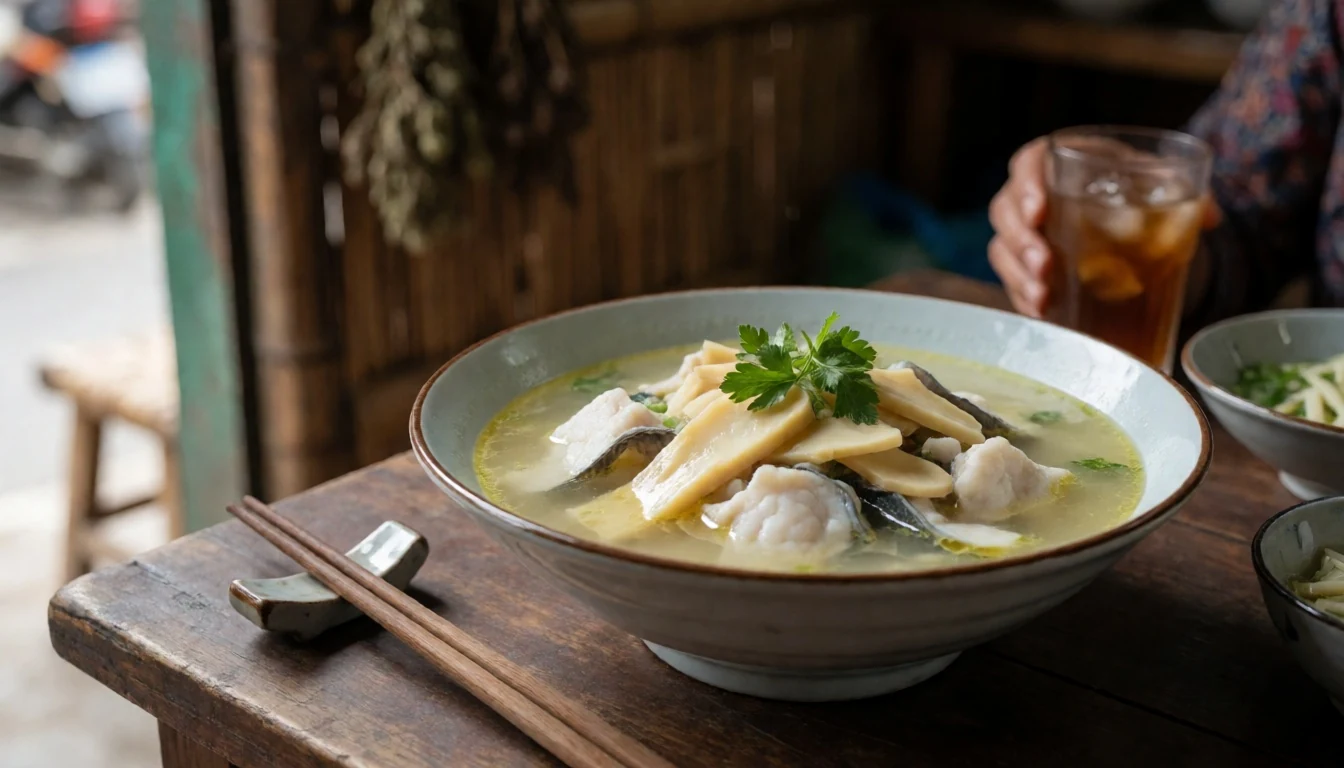
- Grilled meats and fish — Night-market stalls in Jinghong
Grilling is a basic Dai technique, and fish, pork and chicken are often wrapped in herbs or leaves and cooked over charcoal. The smoky, aromatic results are best eaten hot, straight from the grill with sticky rice.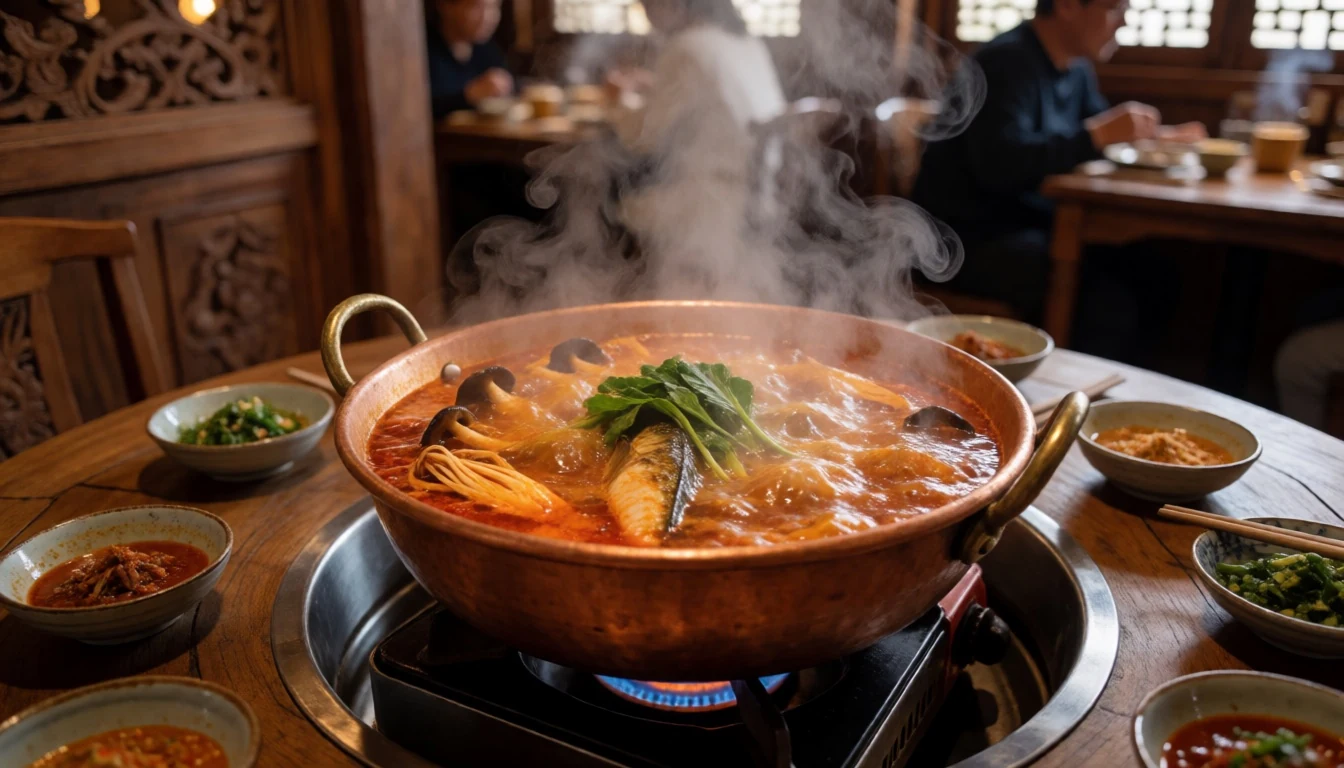
- Rice noodles — Small noodle shops and morning markets
Rice noodles are an everyday meal, served in broth or with toppings and chilli. They are filling, cheap and quick, and a good way to eat like a local at breakfast or lunch before the day gets hot. - Hot pot — Mid-range restaurants in Jinghong
Hot pot is widely popular across the prefecture, with a simmering pot at the table and vegetables, meats and wild plants cooked in it. It suits groups and long evenings, once the day's heat has eased. - Pickled and herb salads — Local restaurants and street food stalls
Sour, spicy and fresh flavours come together in pickled vegetables and herb-heavy salads. Wild plants and seasonal greens feature often. They cut through rich grilled food nicely, so order one alongside meat or fish to balance a meal.
Plan it
Best time. November to April is the most comfortable stretch, with the drier season and less rain on forest walks; the Water-Splashing Festival falls in mid-April and is lively but crowded. The summer and autumn rains bring heat, humidity and more mosquitoes.
How long. 3–5
Getting there. Fly to Xishuangbanna Gasa International Airport in Jinghong, with the most frequent flights from Kunming and a few from Bangkok. Alternatively, take the train from Kunming to Xishuangbanna Railway Station in Jinghong, which takes about three to four hours; there is also a highway south via Pu'er. Reach sights by taxi or hired car.
Budget. low
Tips
- Use high-SPF sunscreen, a hat and sunglasses, even on cloudy days
- Carry mosquito repellent, especially in summer and autumn
- Visit gardens and temples early, before the midday heat
- Book rooms well ahead for the April water festival
- Eat at small local eateries and stalls for better value than tourist restaurants
Etiquette
- Remove shoes before entering temple halls and dress modestly
- Do not touch monks or point your feet at Buddha images
- Ask before photographing people, especially monks and villagers
Nearby
Sources
- Wikidata Q868046 (CC0)
- Wikipedia: Xishuangbanna Dai Autonomous Prefecture (rev 1384014994) (CC BY-SA 4.0)
- Wikivoyage: Xishuangbanna (rev 5179502) (CC BY-SA 4.0)
Wildlife
- Asian elephant (animal)
The Asian elephant is the biggest land animal in Asia, a grey giant whose long trunk works like a hand with a single fingertip. It is clever, too, and shows signs of grief and greeting. Seeing wild elephants in Xishuangbanna's bush is rare, so guests may instead meet rescued elephants, and learn how fragile the rainforest is and why people and wildlife clash. Keep a respectful distance, stay quiet, go with a guide, and never feed them.