Xilitla
Xilitla, Mexico
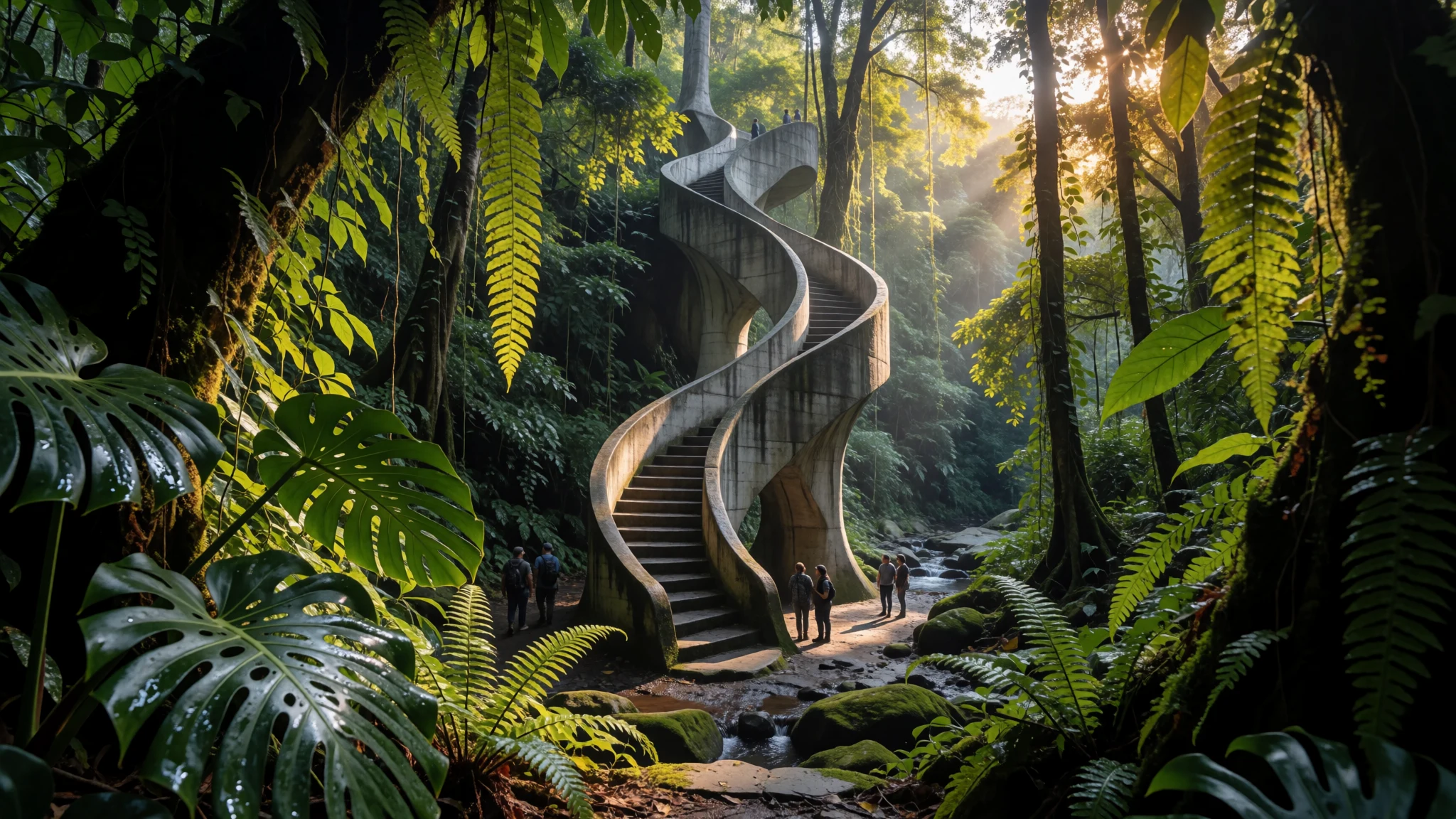
Xilitla is a small cloud-forest town in the Huasteca, where a surrealist's concrete follies rise out of the jungle and coffee grows on the slopes.
The place
Xilitla sits in the Huasteca region of San Luis Potosí, on the eastern slopes of the Sierra Gorda, which belongs to the Sierra Madre Oriental. The town stands at about 654 metres and had a population of 6,644 in the facts record, though the wider municipality is far larger and spread across many rural villages. The ground falls and rises steeply here. Narrow valleys drop low, while to the west a thumb-shaped peak called La Silleta towers over the district and can only be climbed with proper mountaineering gear. Springs, caves and waterfalls are everywhere, and the sedimentary rock shows its layers in cliffs and road cuttings.
The climate is humid subtropical, edging towards tropical monsoon. In practice that means green, damp, warm and often cloudy, with mist drifting through the streets. Houses and small hotels climb the hillsides in tiers, and the lanes are steep enough to keep calves busy. The town is compact: the main square, the former convent, a few galleries and most eateries are within a short walk of each other.
The best-known attraction is Las Pozas, the sculpture garden made by Edward James, but the surrounding country deserves time too. Parakeet Cave, a short walk from town, fills with green parrots at dawn and dusk. Roads in and out are winding and slow, which is partly why the place has stayed quiet, farming-minded and more Huastec than touristy.
Its story
Xilitla's rugged terrain has kept industry at a distance and helped Huastec and Nahuatl ways of life survive. Most residents live not in the town but in over a hundred small villages, some with only a few dozen people. Around 30,000 residents of the municipality belong to indigenous households, and some 20,000 of them use an indigenous tongue, chiefly Huastec, usually alongside Spanish.
The Spanish arrived in the sixteenth century. Augustinian missionaries began work around Xilitla in the 1530s, and a convent started going up in the 1550s. It was designed as both church and fortress, because the Chichimeca War was under way and the Pame, one of the hostile groups, lived to the north-west. Local people attacked and burned the convent twice in the later sixteenth century, and the Augustinians largely left. The Dominicans tried again in the seventeenth century and failed to win the region over. A lasting mission only took hold in the middle of the eighteenth century, when Franciscans led by Junípero Serra settled.
The economy today rests on farming, chiefly coffee and citrus, and the town holds a coffee fair in August. The twentieth century added another layer: the English poet and patron Edward James settled in the area and began building the concrete fantasy that now draws visitors from across Mexico and abroad. That odd arrival sits comfortably beside a much older, agricultural Huasteca.
What to see
- Las Pozas, Edward James's sculpture garden — Edge of Xilitla
A jungle garden of concrete stairways, arches, towers and flower-shaped canopies, many leading nowhere, spread over a wet hillside with pools and streams. Paths are steep and slippery, so allow a long visit and good shoes. Check the official site or ask locally for opening details.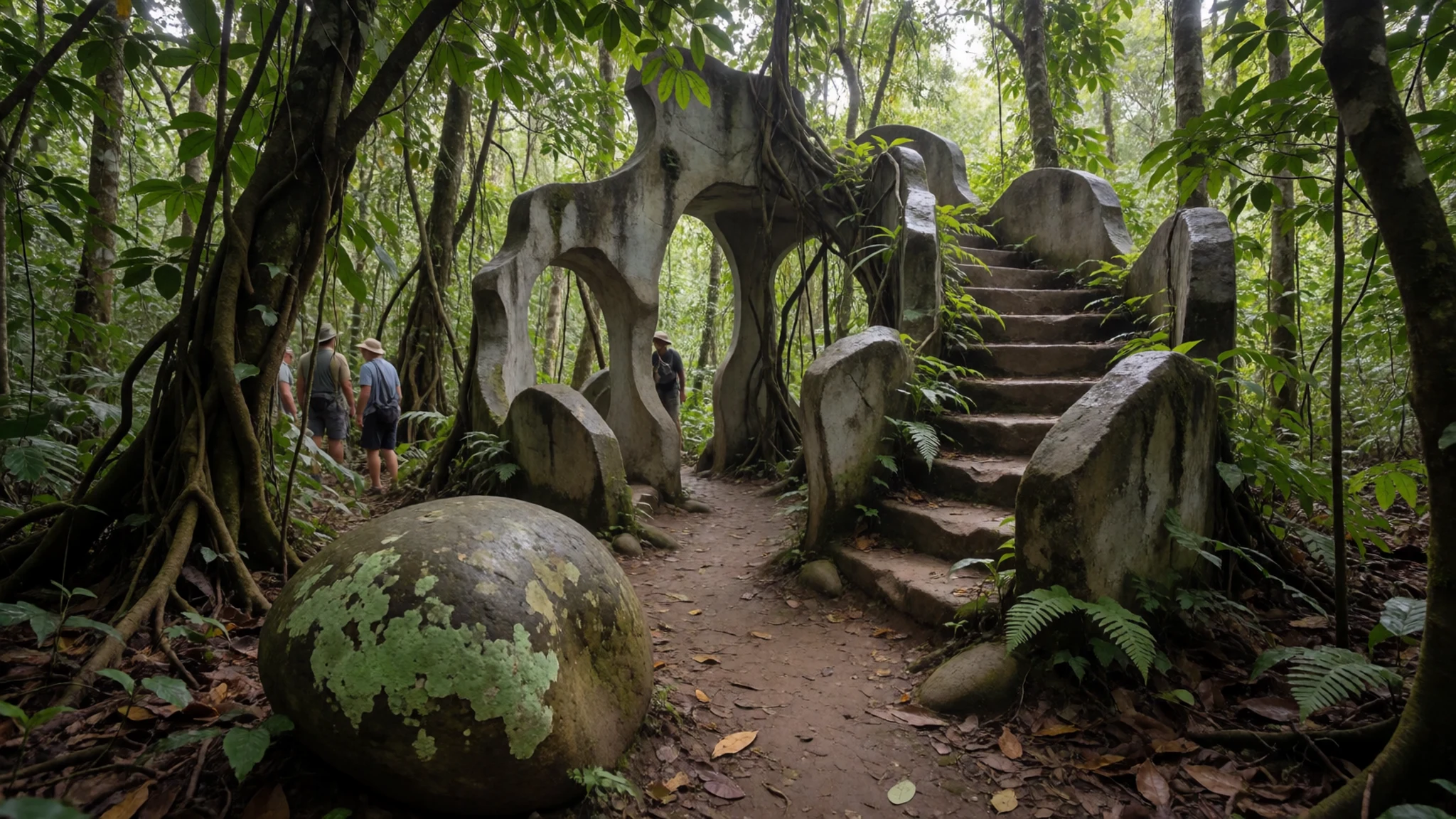
- Museo Leonora Carrington — Town centre
A small museum in town devoted to sculptures by Leonora Carrington, a Surrealist artist of the twentieth century. It makes a good companion to Las Pozas, since both come from the same strange, dreamlike tradition. It is easy to fit in on foot between meals.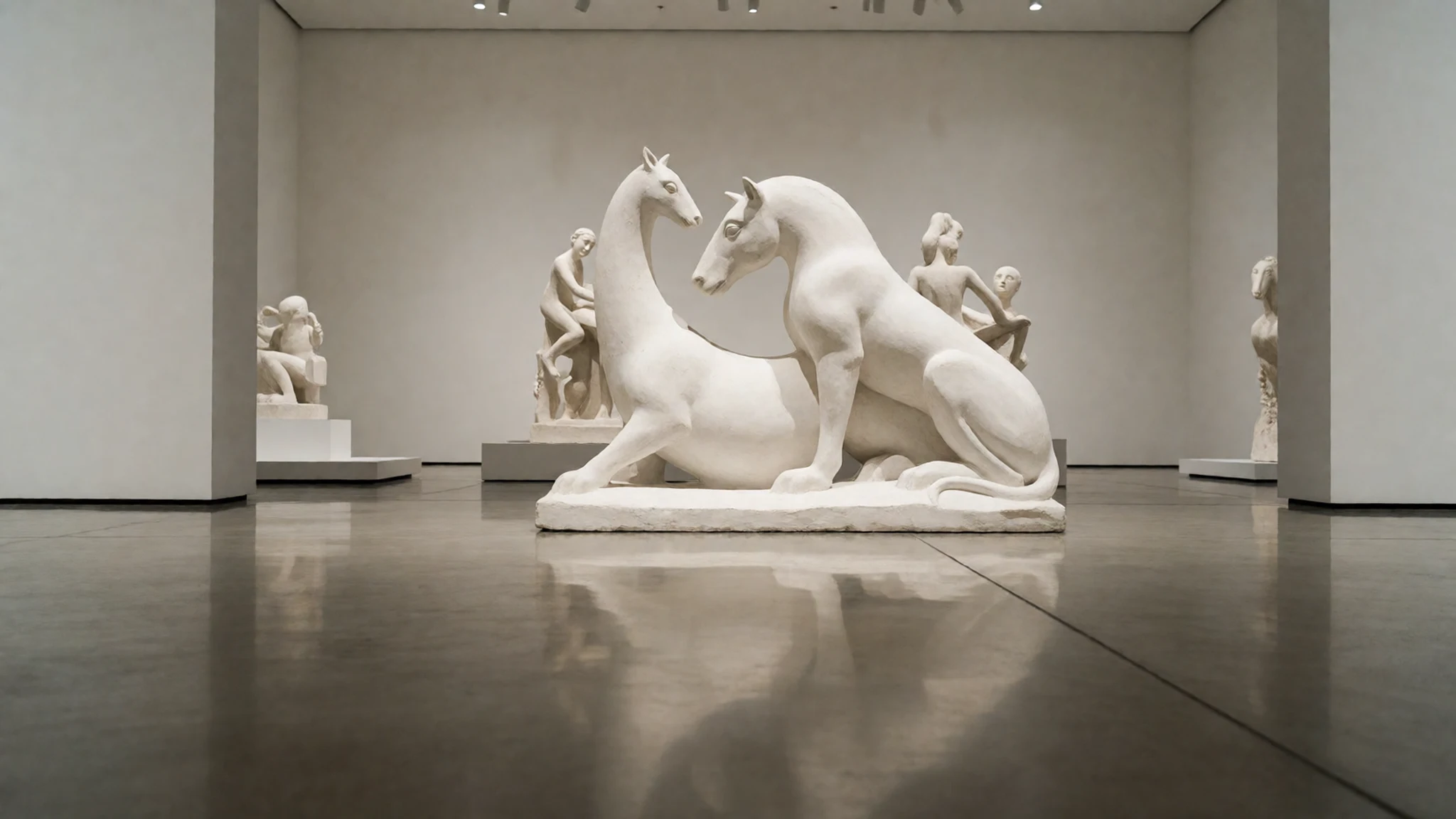
- Ex Convento San Agustín — Town centre
The former Augustinian convent is the oldest monument in town, built in the Plateresque style with a long, low arched nave. It was both a place of worship and a defensive building. It stands right by the centre, so it is an easy first stop for getting your bearings.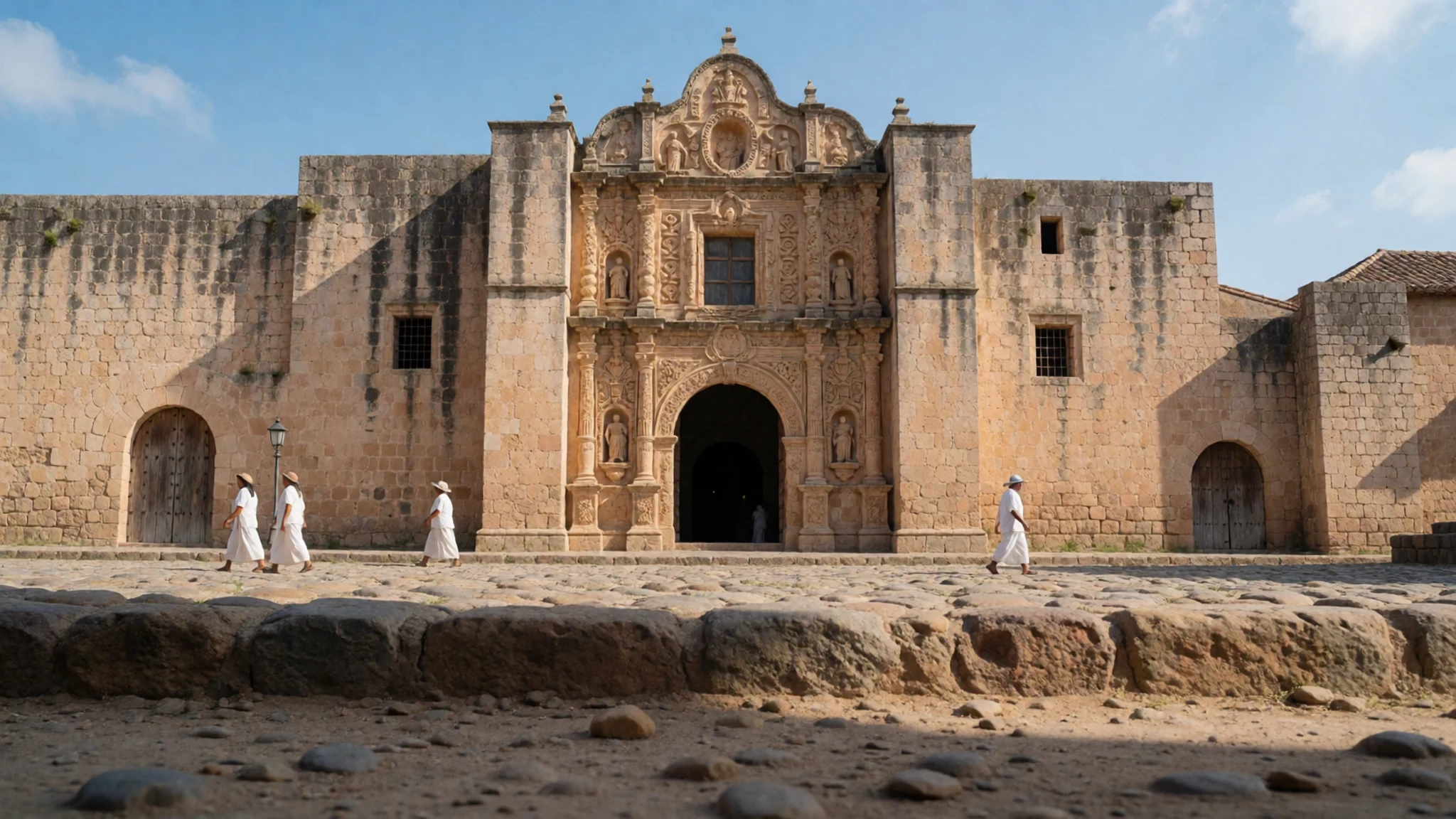
- Parakeet Cave — Just outside town
A cave a short walk from town where many green parrots leave at dawn and return at dusk. Go early or late and wait quietly at the edge; the noise and the flurry of wings are the draw. Ask at your lodging for the easiest route.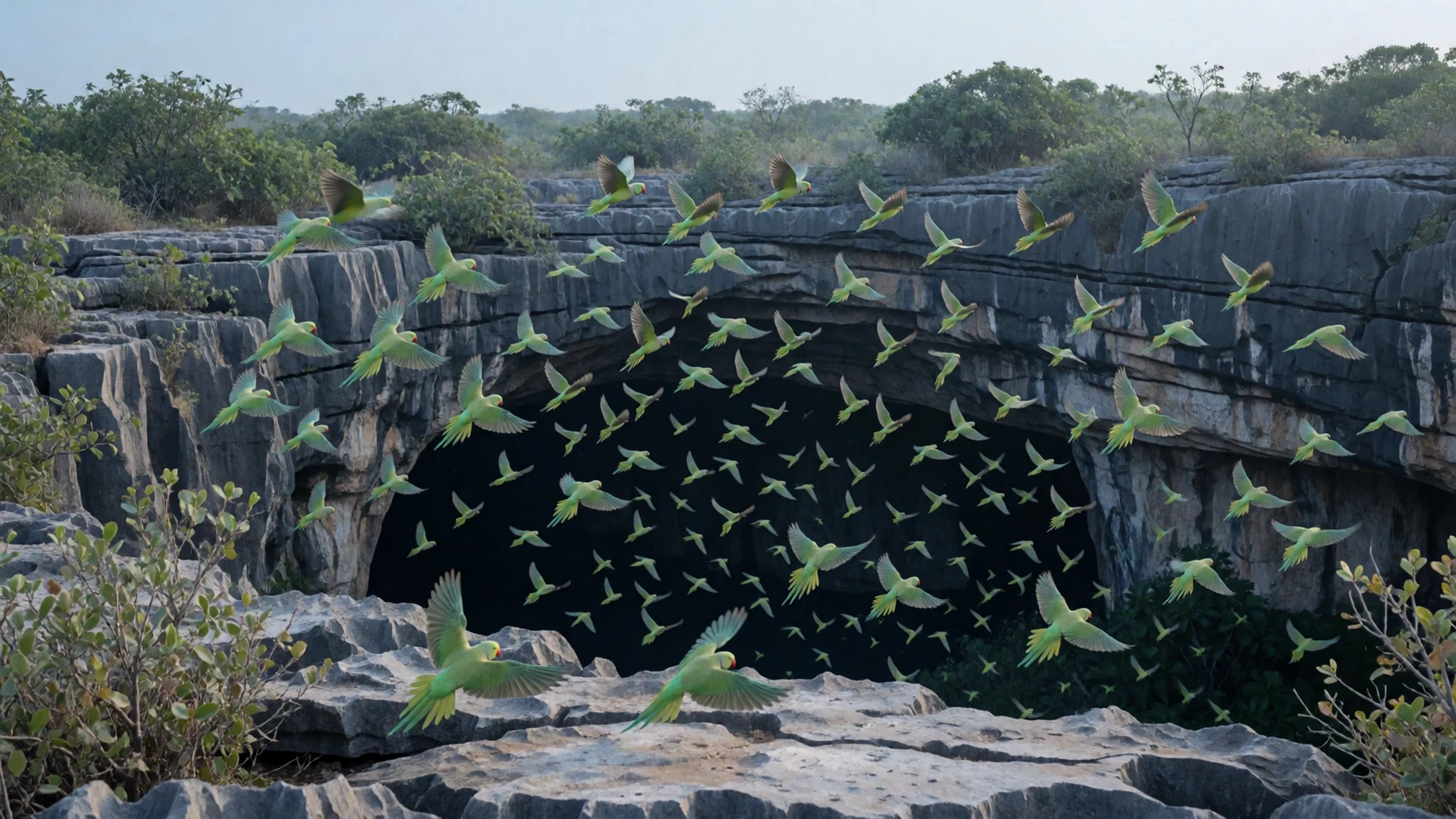
- Caves, springs and village lanes — Around Xilitla
The municipality is full of springs, caverns and viewpoints, and the lanes of the town itself reward wandering, with stepped streets, bright walls and jacaranda in bloom in season. A local guide can link the waterholes and viewpoints that are hard to reach without a car.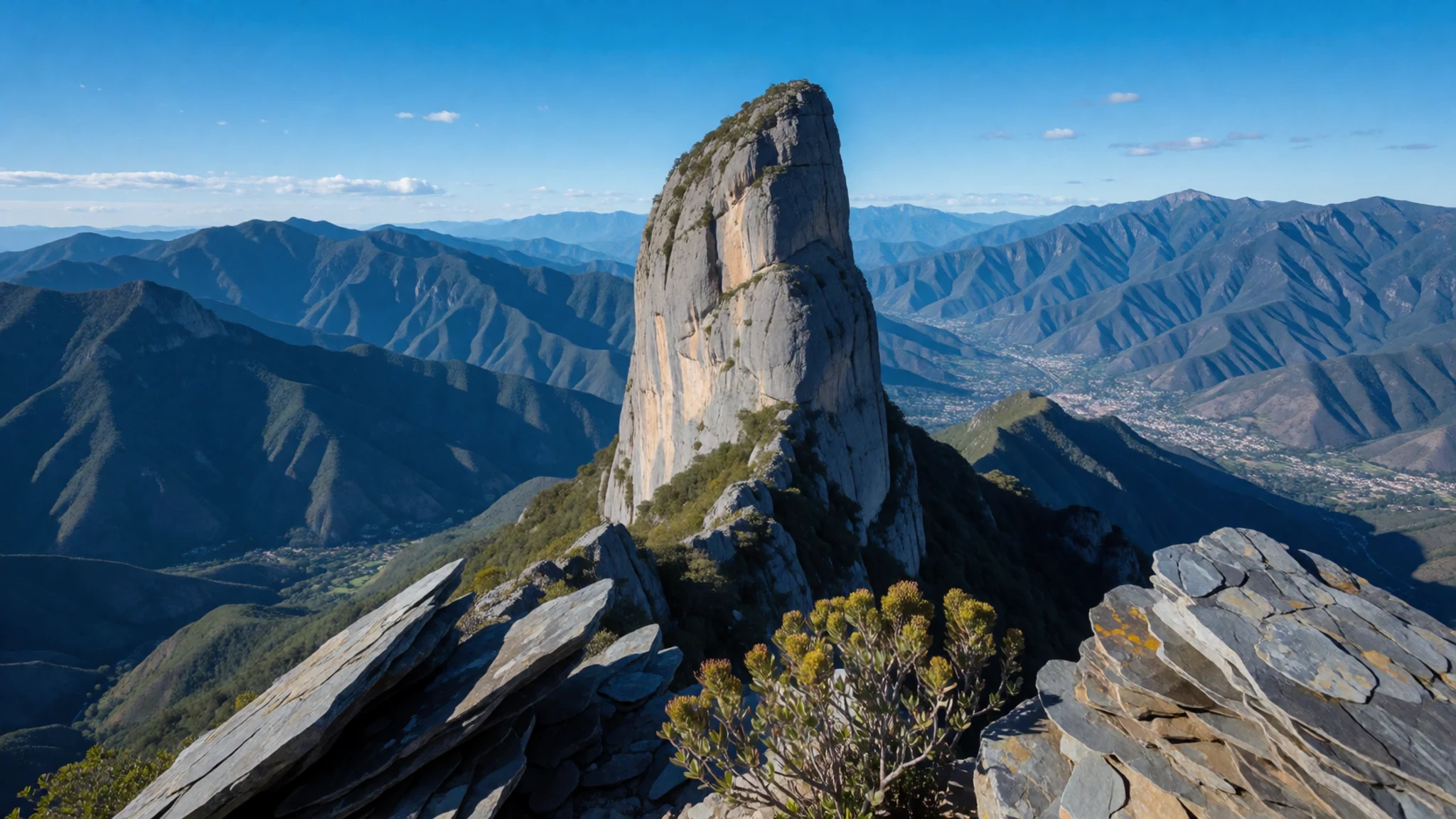
Culture
Xilitla is a meeting of several worlds. The Huastec, or Teenek, and Nahua communities of the surrounding villages keep their languages, farming calendars and festivals, while Spanish colonial religion left its mark in the old convent and in the town's patron festivities. Many people in the hills speak Huastec at home and Spanish in town, and you will hear both in markets.
The town's main celebration is the feast of San Agustín, held in late August and running into early September. Dances such as Soledad, Wands and Rebozo are performed during it, and a second round of festivities begins in mid-November. The coffee fair in August celebrates the crop that sustains many families on the slopes.
On top of this sits the surrealist layer. Edward James, an English poet and patron of artists, made his home here, and Leonora Carrington's sculpture has its own museum. Art and local life mix easily: guides at Las Pozas are often from nearby villages, and stalls near the garden sell coffee, crafts and snacks. Pace is slow, and people tend to be friendly to visitors who greet them first.
When you photograph villagers, market sellers or dancers at a festival, ask permission first and accept a no with a smile.
What to wear
Xilitla's traditional dress belongs mostly to the Huastec and Nahua villages around it. Women's clothing typically includes embroidered blouses and woven or embroidered sashes and shawls, often made of cotton and wool, with colourful stitched patterns, and these are most likely to be seen at festivals, in church and on market days rather than every day. Men's older dress of white cotton shirt and trousers with a hat is still seen among farmers in the hills. Details differ from village to village, so ask before assuming a pattern's meaning.
Day to day, most people in town wear what you would see across small-town Mexico: jeans or light trousers, T-shirts, practical shoes, and a straw hat or cap against the sun. Rain jackets and light cardigans appear when mist rolls in. Festival days bring out the best embroidery and pressed shirts.
For a visitor, the climate and the terrain decide. Pack light, quick-drying clothes, a rain layer, a hat and sun protection. Shoes matter most: Las Pozas and the lanes of town are steep, wet and slippery, so choose sturdy trainers or walking sandals with real grip. Shorts are fine in town, but cover shoulders and knees when stepping into a church or visiting a village.
What to eat
- Zacahuil — Local eateries and market stalls in town
A very large Huastec tamale, steamed in banana leaves with pork in one half and chicken in the other, usually cooked for sharing. It is seldom found outside the Huasteca, so it is the dish to seek. Order it on weekends or at family-run eateries.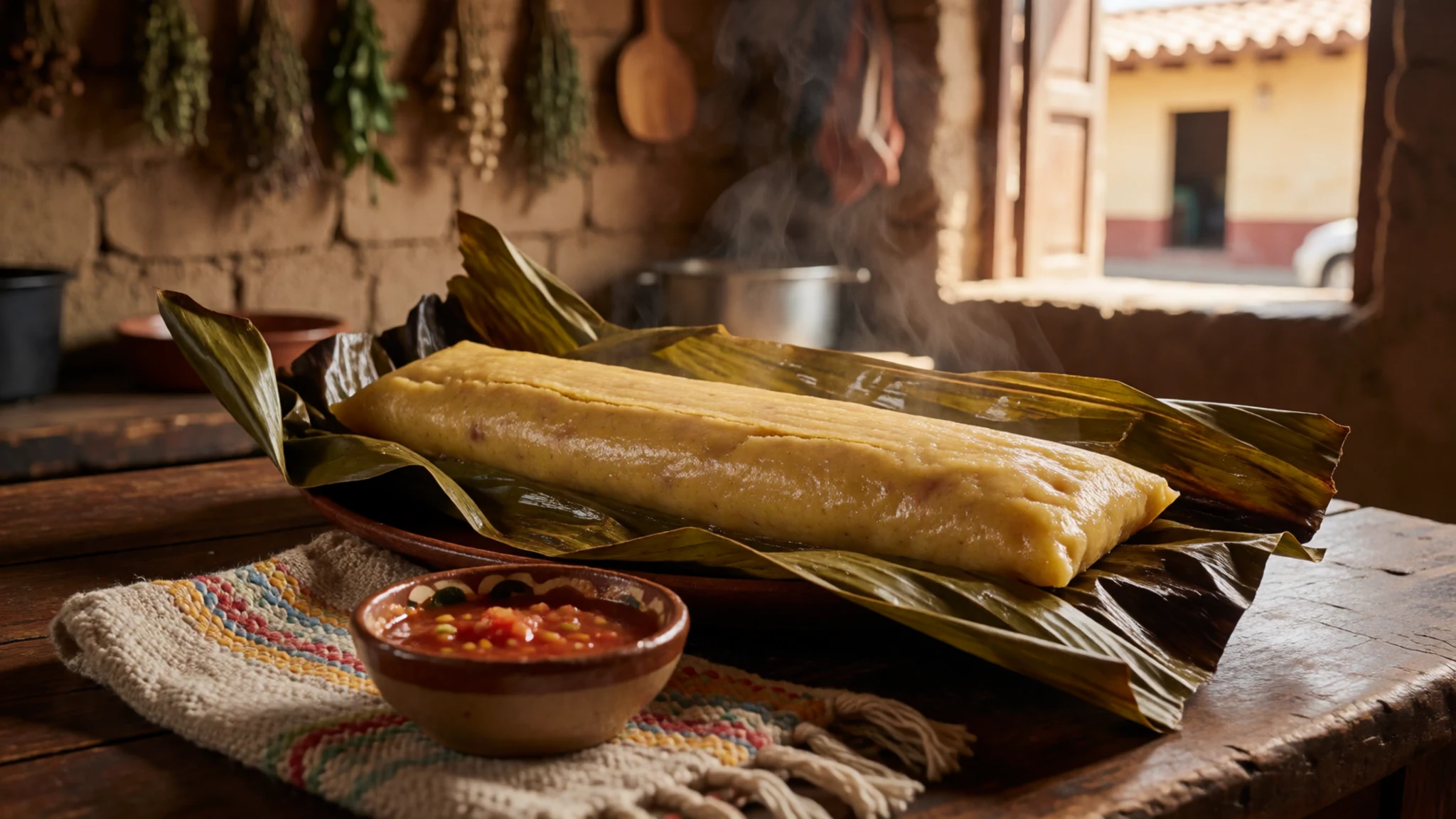
- Enchiladas huastecas — Small restaurants around the main square
Soft corn tortillas dipped in a red chilli sauce, folded and served with cheese, onion and often a slice of meat. They are a regional breakfast and lunch staple, simple but filling, and a good test of how a kitchen handles its salsa.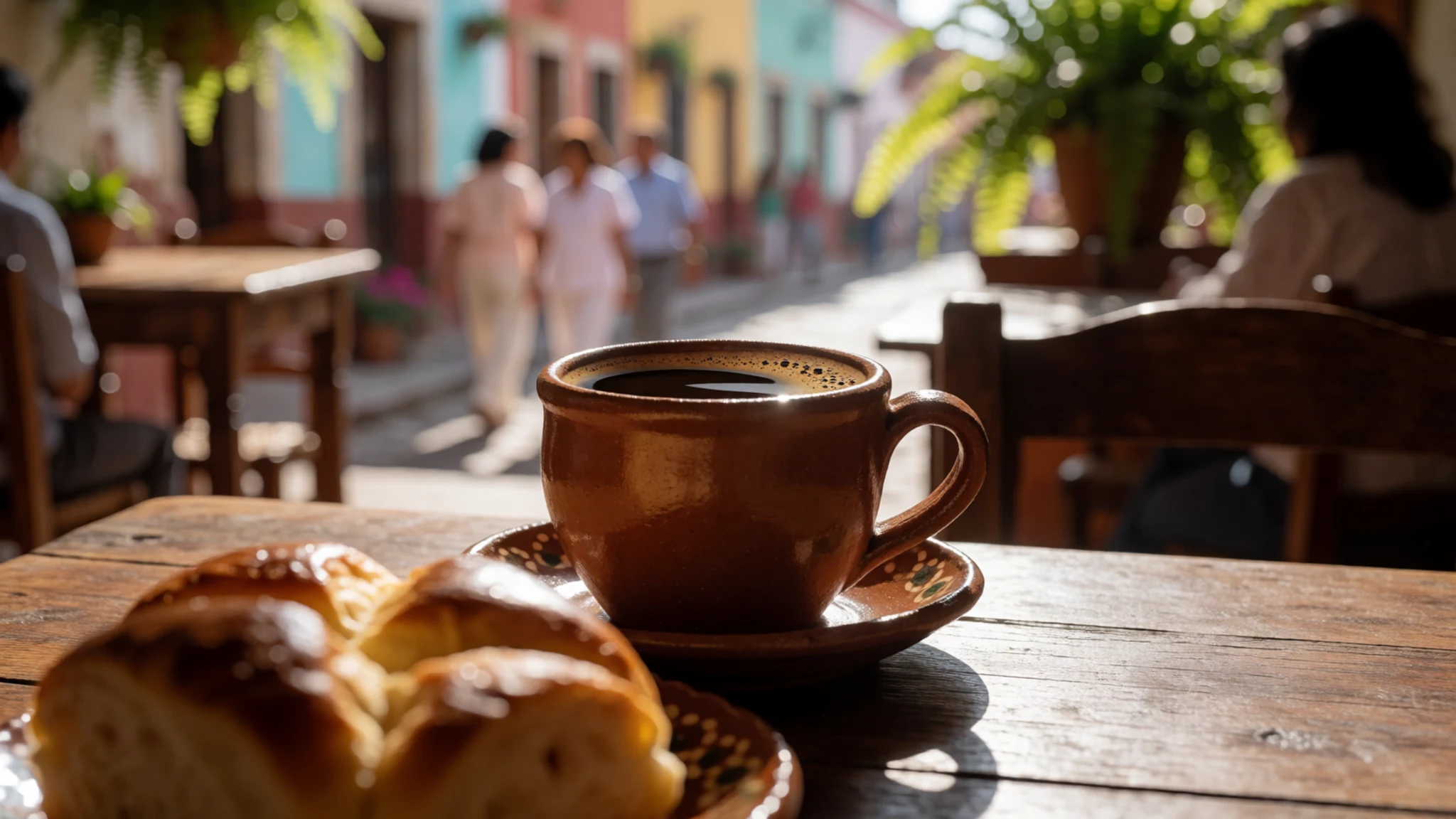
- Coffee from the slopes — Cafés in the town centre and stalls by the garden
Coffee is one of the main crops of the municipality, and cafés and stalls serve it freshly brewed, often with local sweets. A cup after a damp morning at Las Pozas is the right reward. In August the town celebrates the harvest with a coffee fair. - Citrus and fresh fruit — Market stalls and roadside stands
Oranges and other citrus grow on the hillsides, and sellers offer fresh juice, peeled fruit with chilli and lime, and bags of fruit for the road. It is cheap, cooling and a good way to cope with the heat and humidity on long walks. - Cocina huasteca — Family restaurants on the streets near the square
Look for eateries that describe their food as Huasteca cooking, with tamales, bean dishes, grilled meats, salsas and handmade tortillas. Menus are short and seasonal, and the best choice is often whatever the kitchen is already proud of that day.
Plan it
Best time. March to May and October to November are the most comfortable, with warm days and fewer downpours. Summer is hot, humid and rainy, though everything is at its greenest. August brings the coffee fair and the San Agustín feast begins at the end of the month.
How long. 2–3
Getting there. Fly to Mexico City, or to a nearer regional airport such as San Luis Potosí, then continue by long-distance bus or car. Direct buses link Xilitla with Mexico City and other big cities, and more frequent options open up if you change to a minibus at the junction known as La Y Griega. From Ciudad Valles, regional buses run to town. Drive in daylight only.
Budget. mid
Tips
- Book lodging ahead for weekends, holidays and the late-August feast, when the town fills up
- Start at Las Pozas early, before the crowds and the heat build
- Carry cash for small eateries, stalls and entry fees; check the official site for current details
- Bring a rain layer and shoes with proper grip, as paths turn slippery
- Allow extra time for mountain roads, speed bumps and slow traffic
Etiquette
- Greet people before asking for anything or taking photographs
- Stay on marked paths at Las Pozas and never climb on the structures
- Dress modestly when entering a church
Nearby
Sources
- Wikidata Q2313212 (CC0)
- Wikipedia: Xilitla (rev 1380208807) (CC BY-SA 4.0)
- Wikivoyage: Xilitla (rev 5422815) (CC BY-SA 4.0)
- Photo: XilitlaSLP.jpg (L8stbefore) (CC BY-SA 4.0)
- Photo: La libertad interior (Carlos Adampol Galindo) (CC BY-SA 2.0)
- Photo: Callejon en xilitla (Emigdio Hernández) (CC BY 2.5)
- Photo: Caminante de la selva (Carlos Adampol Galindo) (CC BY-SA 2.0)
- Photo: Camper, Mexico (Rod Waddington) (CC BY-SA 2.0)
- Photo: Xilitla (Carlos Adampol Galindo) (CC BY-SA 2.0)
- Photo: Cielo de jacaranda, Xilitla (Carlos Adampol Galindo) (CC BY-SA 2.0)
- Photo: Color escalonado (JuanLara) (CC BY-SA 4.0)


Wildlife
- Green parakeet (animal)
The green parakeet is a small, bright parrot, a leaf-green chatterbox that calls Mexico home. In Xilitla, look for it at the cave, where at dawn and again at dusk great flocks swirl in and out of the stony mouth in a noisy, colourful tumble. Stand well back from the entrance, keep your voice low and your movements slow, and consider going with a local guide who knows a good viewing spot. Never offer food; let the birds stay wild. - Mexican parakeet (bird)
The Mexican parakeet is a green parrot, like a scrap of jungle leaf that learned to fly. Visitors to Xilitla can see huge crowds of these birds at the cave, arriving and leaving in a lively, colourful rush each morning and evening. Give them plenty of space, stay quiet so they are not startled, and think about joining a local guide who can show you a good place to stand. Never feed them; watching from afar keeps the spectacle wild.