Casas Grandes
Casas Grandes, Mexico
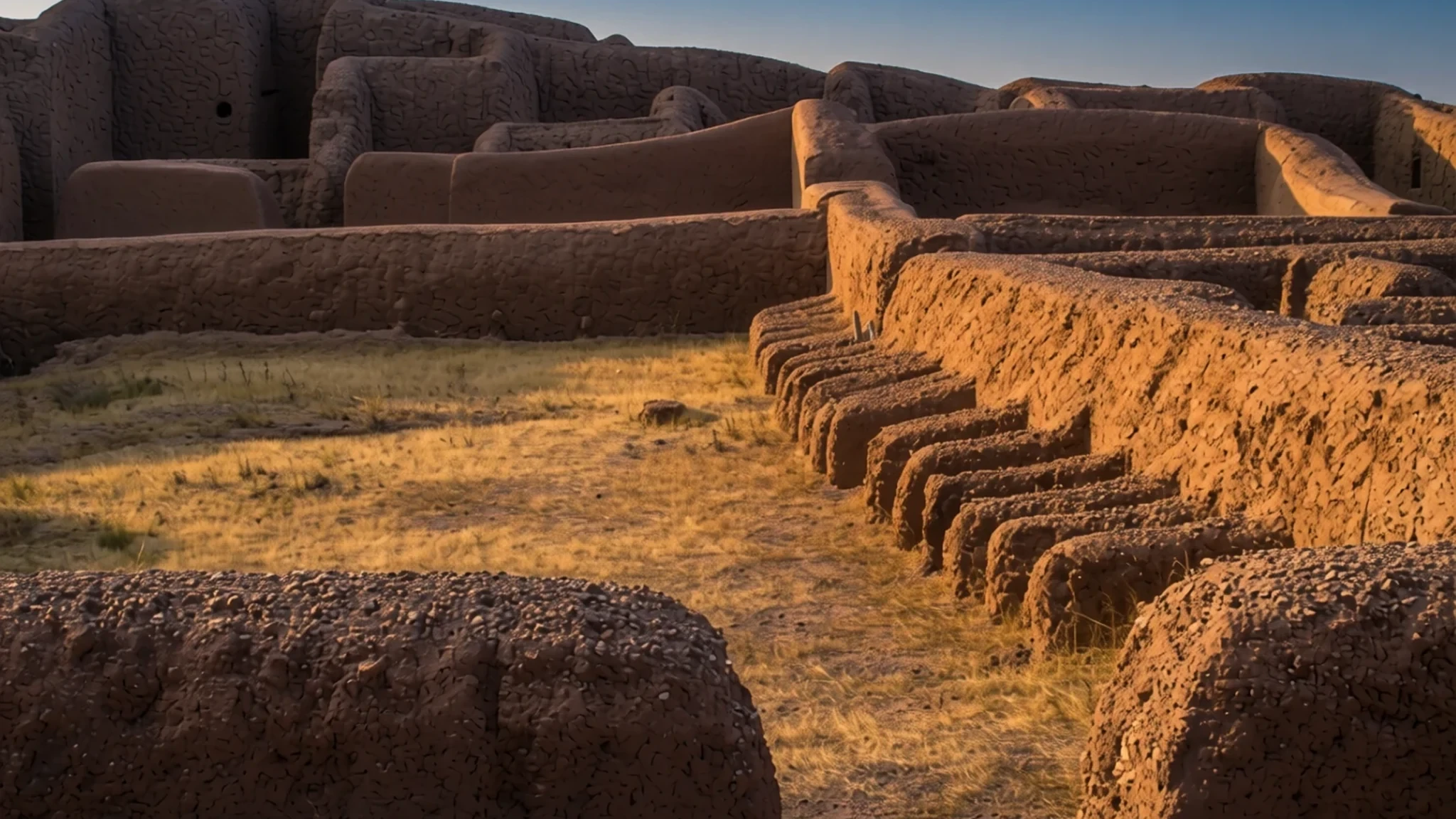
A rare, low-protected desert metropolis that reveals the vast trade networks moving through northern Mexico.
The place
Casas Grandes, known locally as Paquimé, sits in a broad, irrigated valley in the northern Mexican state of Chihuahua. This prehistoric site occupies a significant area at an elevation of 1476 meters, far from the coastal heat of the mainland. The landscape is defined by adobe construction, a material that resonates with the architectural traditions of the Pueblo peoples to the north. The complex includes multi-storied dwellings, some reaching five stories, alongside a distinct ballcourt that connects the site to the urban styles of Mesoamerica. The architecture favours open spaces, rounded curves, and gentle arches rather than the sharp, stepped pyramids found in central Mexico.
The town is situated roughly 240 kilometres from the state capital. The site was part of a vast commercial network linking the Pueblo civilizations of the south-western United States with the more settled regions of central Mexico. Much of the archaeological zone remains unexcavated, preserving the subtle textures of its abandonment. The surrounding region has been inhabited for millennia, and the modern municipality follows the outline of this ancient settlement. The environment is arid, with the site historically dependent on water management to support its agricultural output. It offers a quiet, sun-bleached contrast to the more famous, densely crowded ruins of the south, presenting a landscape that feels directly connected to its desert surroundings.
Its story
Settlement at Casas Grandes began around 1130 AD, when the Mogollon culture began establishing a permanent presence in the valley. By the mid-14th century, the community had grown into a large urban centre, with residential areas expanding into multi-story apartment blocks. Archaeological evidence suggests that the dead were often buried within these domestic spaces, indicating a close spiritual connection between the living and their ancestors.
The site’s decline is a subject of ongoing historical debate. Factors such as prolonged drought, shifting political alliances, or even conflict with groups like the Tarascans may have contributed to its disappearance. Signs of a massive fire have been found in the residential structures, dating to the period around 1350 AD. By the mid-15th century, the population had vanished, leaving behind a quiet marker of a once-thriving trade hub. Today, it is managed by the Mexican Institute of Anthropology and History and holds UNESCO World Heritage status. The site is also a 'Pueblo Mágico', a designation given to Mexican towns with a unique cultural or historical story, though the town itself is distinct from the protected archaeological zone. The ruins stand as a testament to the complex exchange of goods and ideas between the north and south of the Americas.
What to see
- The Main Residential Complex
The heart of the Paquimé site is the large residential platform. Visitors can walk through the ruins of multi-storied adobe structures that once housed the community's elite. The T-shaped doorways are a distinct architectural feature that sets the Mogollon style apart from its Mesoamerican counterparts. The walls are covered in brightly painted murals, though the desert heat and time have faded many of these pigments. It is a quiet area with very few crowds, allowing for a slow, contemplative walk through the floors of the ancient apartment blocks. The site provides a clear view of how domestic and administrative life was organised in the pre-Hispanic north.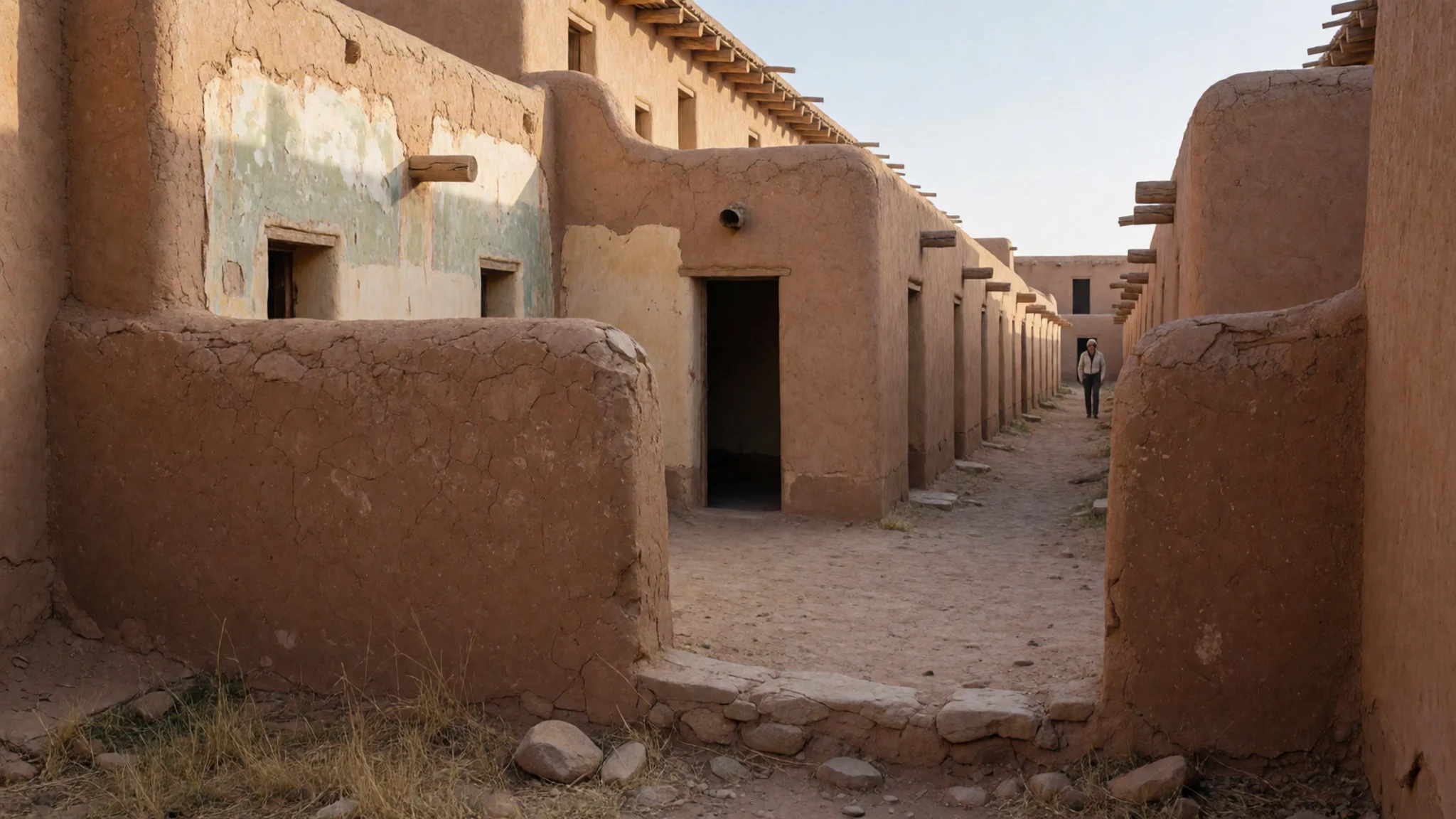
- The Ballcourt
A rare find in northern Mexico, the ballcourt at Casas Grandes links the site to the broader Mesoamerican tradition of the Mesoamerican ball game. The structure is a long, sunken alley with sloping walls. Unlike the grand ceremonial centres of the south, this court appears to have been used for a local version of the game, potentially with different rules. The presence of this feature at a Mogollon site highlights the cultural boundaries and fluid exchanges that occurred in the region during the 13th and 14th centuries. It is a singular structure in its vicinity, standing out among the flat adobe and the open desert landscape.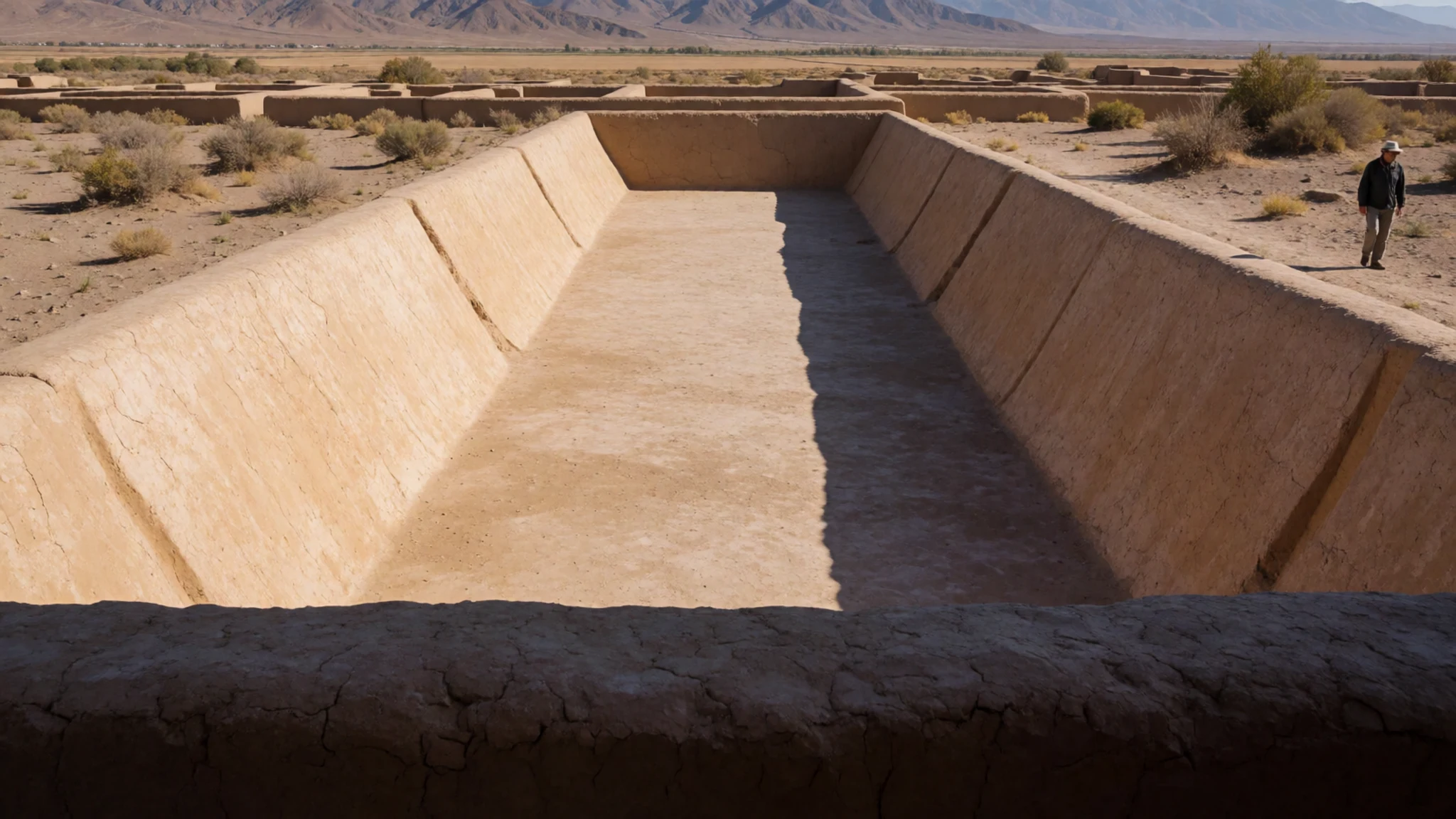
- The Macaw Pens
These small, circular enclosures are among the most fascinating features of the archaeological zone. It is believed they were used to house macaws, birds prized for their vibrant feathers which were used in ceremonies and as a status symbol. The scale of these pens suggests a significant trade network and a high level of specialised husbandry for the area. The pens are simple in design but reveal a sophisticated understanding of animal care and resource management in a harsh, arid environment. They offer a glimpse into the non-structural aspects of daily life at the site.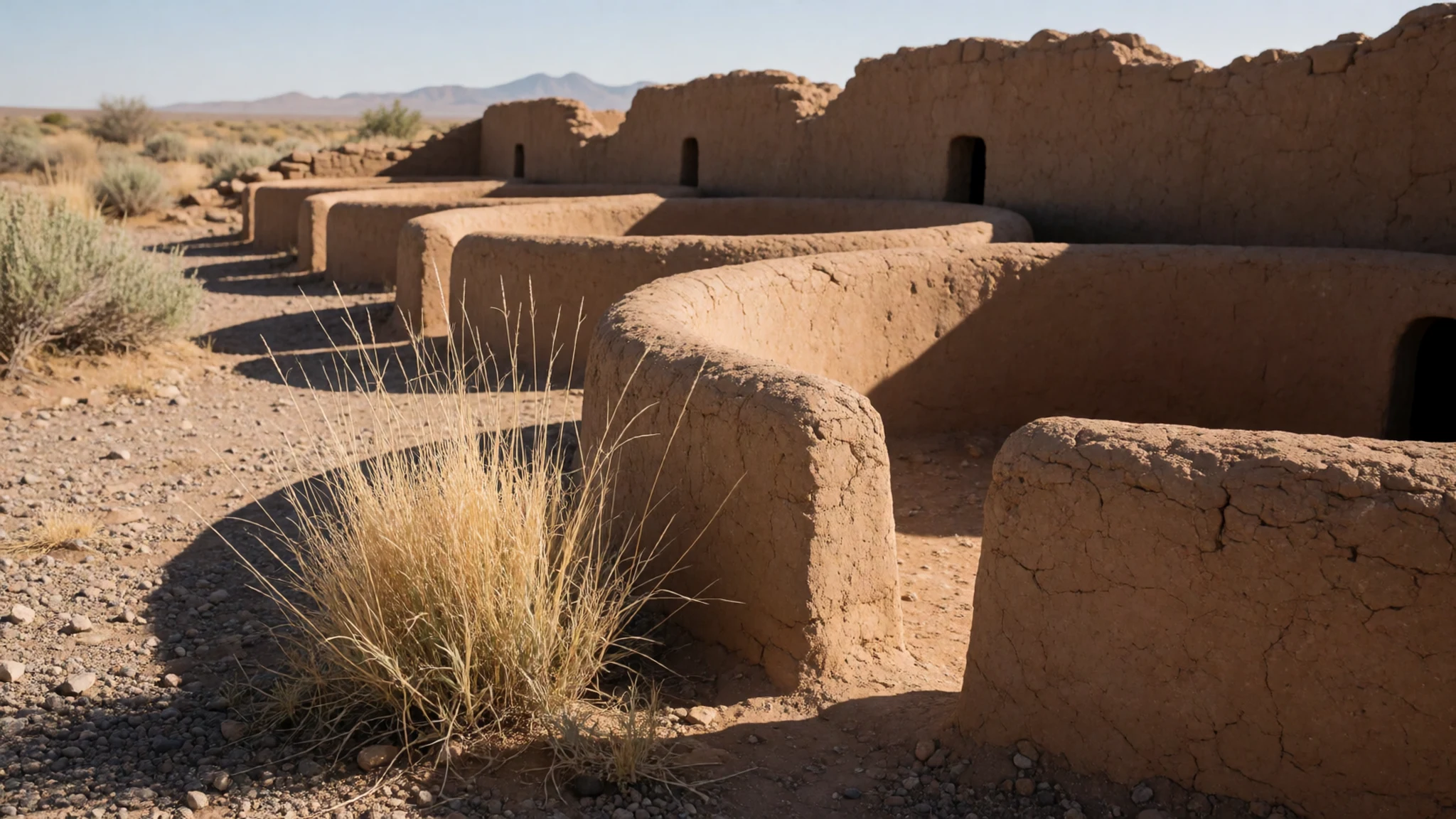
- The T-shaped Doorways
The specific notation of the doorway at Paquimé is a key architectural marker. The T-shape is a hallmark of the architectural lineage that reached into the south-western United States. At these sites, the doorway was not just an entrance but a threshold that marked the transition from the outside world to the domestic interior. The geometry of the doorways is precise and symbolic, representing a window to the spirit world or a simple aesthetic preference that has now become a point of identification for the entire region.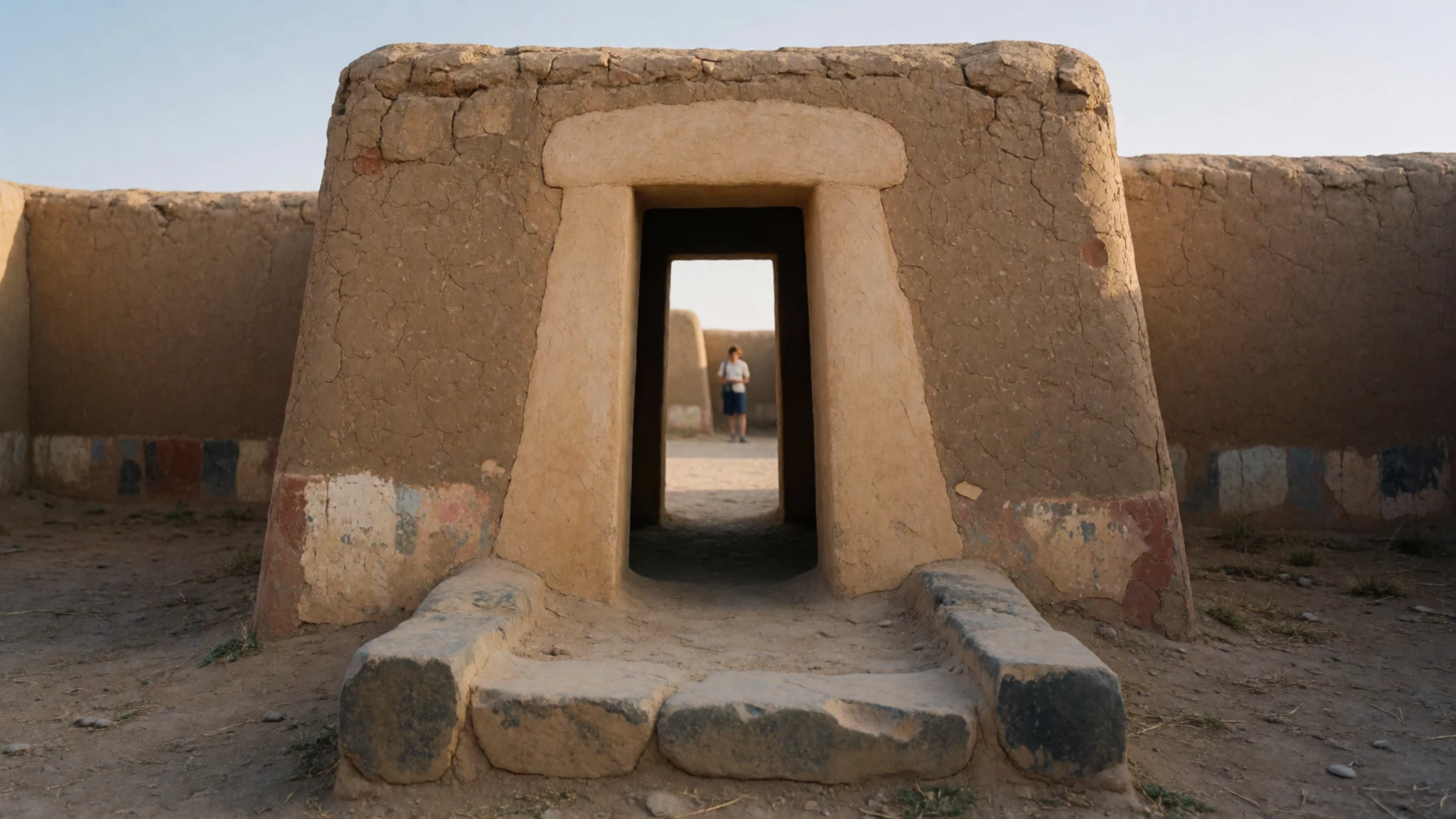
Culture
The culture of Casas Grandes is rooted in the specific geography of the northern desert. The tradition of adobe construction reflects the limited availability of stone and the need for materials that could regulate the extreme temperature swings between day and night. The site’s legacy is one of a centre of exchange, where motifs and technologies from the north and south met and mixed. This cross-cultural unity is visible in the archaeological record, from the presence of turkeys and macaws to the ceramic styles that show clear influence from Mesoamerica.
Modern visitors find a place that is not heavily commercialised, which is both a treat and a challenge. The interpretive information is available, but the site relies on the visitor to bring their own historical context. The 'Pueblo Mágico' status recognises the town's heritage but visitors should be aware that the archaeological zone is a protected area. You must stay on the marked paths and not move any artifacts, even small fragments of pottery that are common in the sandy ground. Please respect the site by not touching the adobe walls, as the oils from human skin can cause the material to crumble over time. Respect the silence of the site by using lower voices and checking the local guidelines for photography.
What to wear
Traditional dress in this northern region of Mexico often features heavy woolens and blankets (saltillo style) suited to the cool desert nights, though the specific traditional attire of the Paquimé era is lost to history. Modern visitors often see contemporary Mexican styles in the nearby town of Nuevo Casas Grandes, where practical clothing is the standard. However, the climate at Casas Grandes is characterised by extreme sun and a high elevation of 1476 meters, which leads to cooler evenings.
For a visitor, the most important aspect of fashion is environmental protection. A wide-brimmed hat is essential to protect against the intense midday sun. Lightweight, light-coloured cotton or linen clothing is recommended to keep cool during the day, but a warm jacket is necessary for the early mornings and late evenings. Footwear should be sturdy and breathable, as the terrain consists of uneven adobe paths and loose gravel. Modesty is generally appreciated in rural Mexican towns, particularly in places of worship, but for the archaeological site, focused on desert exploration. Avoid dark colours during the day as they absorb heat. Remember that the site is outdoors, so comfortable walking shoes are a necessity.
What to eat
- Chilaquiles — Local restaurants in Nuevo Casas Grandes
A traditional breakfast of corn tortillas simmered in a light tomato or green salsa, topped with cream and cheese. It is a staple of northern Mexican cuisine and is widely available in the local restaurants of the town centre. It provides the necessary energy for a morning excursions into the desert.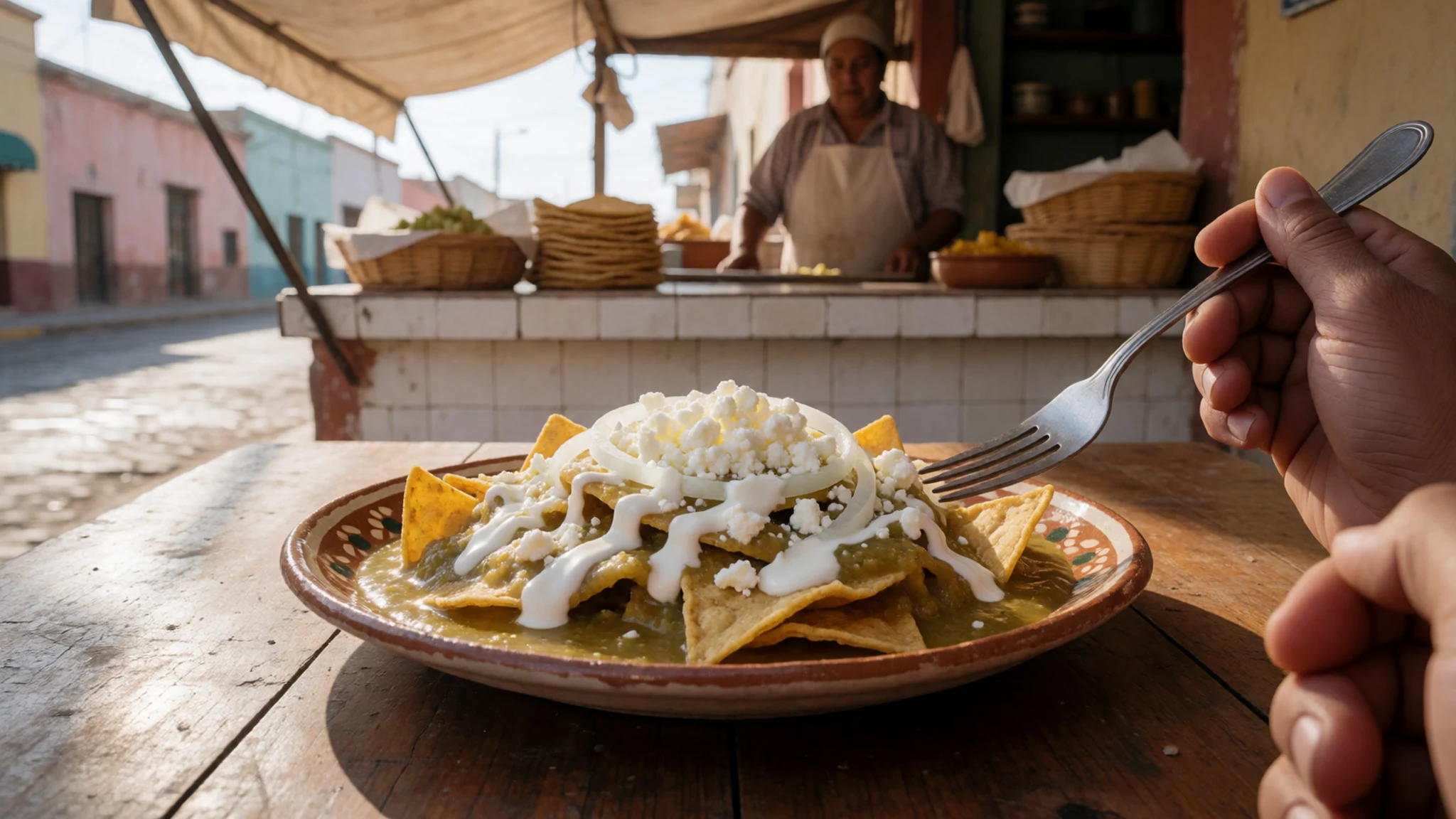
- Tacos de Queso Fresco — Market stalls in Nuevo Casas Grandes
Fresh corn tortillas filled with soft, mild cheese and often a simple tomato and onion salsa. These are a common street food, particularly in the market area. They are light and easy to eat while walking through the town or before heading to the site.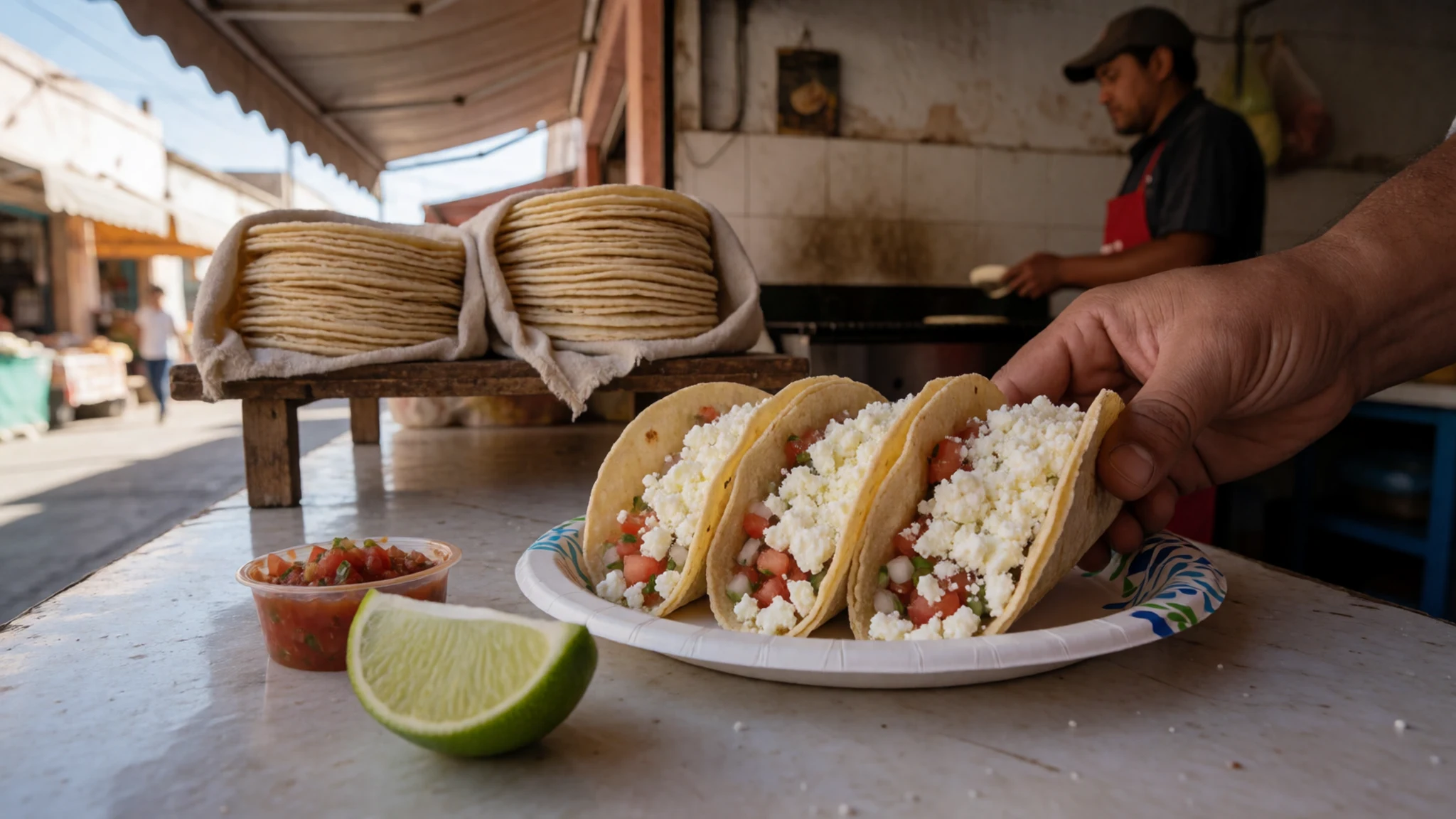
- Café de Olla — Local cafés and coffee houses
A spiced coffee brewed in a clay pot with piloncillo (unrefined cane sugar) and canela. This is a traditional Mexican treat, especially popular in the morning and during the cooler hours of the day. It provides a natural source of sugar and a sense of local comfort. - Enchiladas — Restaurants in the downtown area
Corn tortillas stuffed with various fillings and covered in a rich, spiced sauce. In the north, these are often served with a side of roasted beans and a simple salad. They are a hearty, filling meal that reflects the broader regional influences of the area.
Plan it
Best time. January through April and Autumn for stable weather; summer is very hot and the site is exposed.
How long. 1
Getting there. Cross the border at Columbus, New Mexico and take Highway 2 south for about two hours to Nuevo Casas Grandes, the base for the site.
Budget. mid
Tips
- Book accommodation in the town of Nuevo Casas Grandes, as there is no lodging near the ruins.
- Carry significant amounts of water, as there are no reliable vendors within the archaeological zone itself.
- Buy entrance tickets at the site's information centre before entering the grounds.
- Hire a car or arrange a local taxi, as public transport between the town and the ruins is limited and unreliable.
Etiquette
- Stay on the designated paths to protect the fragile adobe structures and the surrounding vegetation.
- Ask permission before taking photos of local guides or shop owners, as formal photography rules apply throughout Mexico.
- Speak quietly to maintain the respectful atmosphere of the archaeological site.
Nearby
Sources
- Wikidata Q853265 (CC0)
- Wikipedia (rev 1365233641) (CC BY-SA 4.0)
- Wikivoyage (rev 5360416) (CC BY-SA 4.0)