Calakmul
Calakmul, Mexico
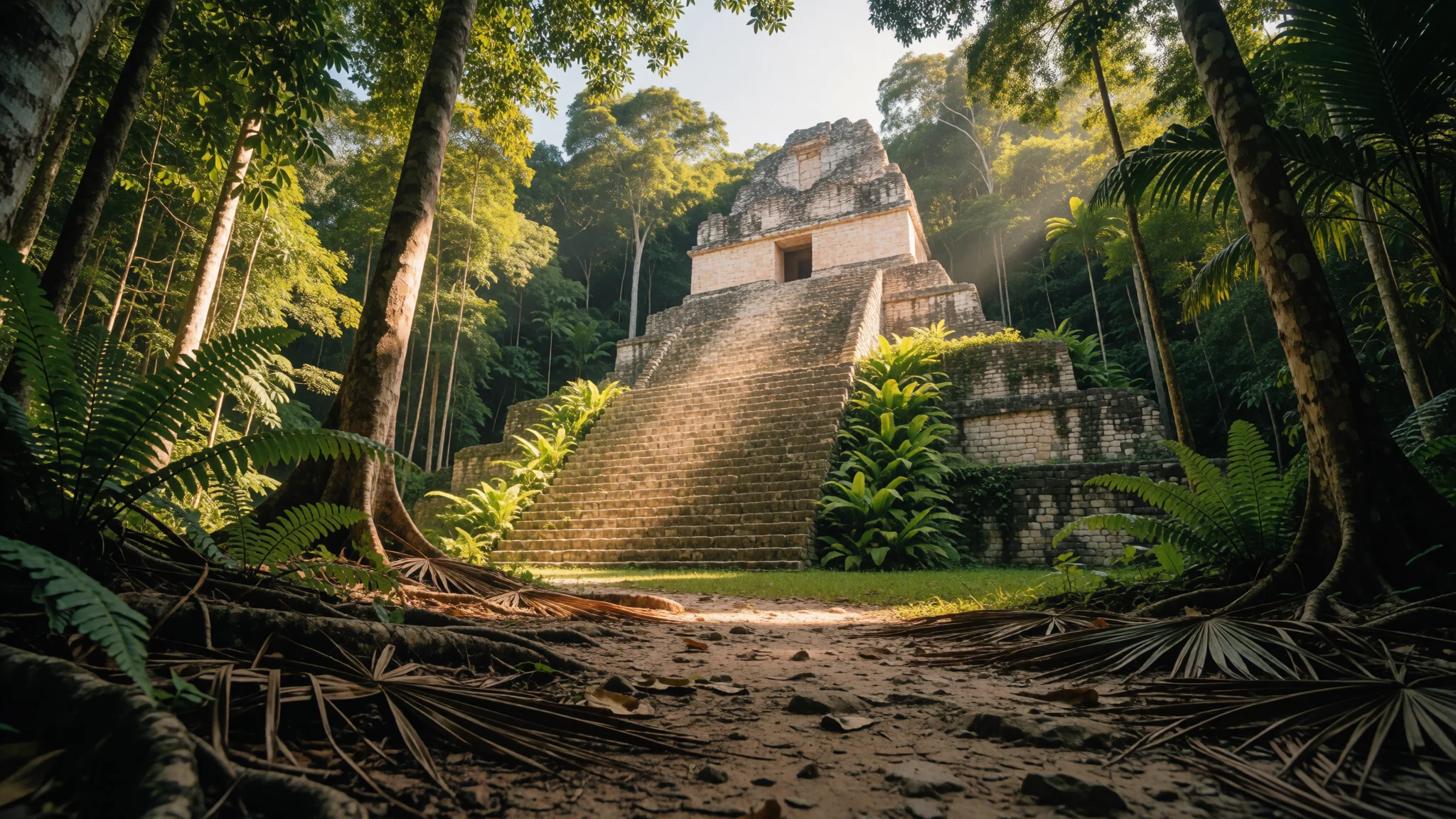
Calakmul is a deep-jungle Maya city where big pyramid forms, glyphs and long histories sit right inside the forest canopy.
The place
Calakmul is a Maya archaeological site in Mexico’s Campeche state, set deep in jungle away from the main tourist routes. It sits roughly 35 kilometres from the Guatemalan border, in the wider Petén Basin area. Visiting feels different from the more developed ruin circuit: the landscape is a constant backdrop, and the ruins are partly “revealed” rather than presented.
The site is famous for how extensive it is and for the political importance it held in the Classic period. In the broader Maya world, Calakmul functioned as a major power and governed a wide domain. A distinctive clue to that reach is the emblem glyph associated with Calakmul—often discussed as the “snake head” sign that reads as Kaan in scholarship. Even if a visitor doesn’t read glyphs, you can still sense the city’s influence when you move between monuments and plazas.
The built core centres on temple–pyramid complexes and ceremonial areas. One of the highlights is the main pyramid at the site (Structure 2), notable for its height compared with other Mesoamerican pyramids, and for how later builders expanded the structure by adding layers on top of earlier ones. Calakmul’s history also comes through in the way archaeologists have traced occupation across long stretches of time, from early phases through later periods.
Practical note: the jungle setting can make the visit feel hot, humid and muddy, and there’s less “queueing culture” than at bigger, busier sites—so you’ll often be navigating the walkways and viewpoints at your own pace.
Its story
Calakmul’s story is written in occupation layers, shifting alliances, and a long rivalry with Tikal that shaped Maya politics in the Classic period. Archaeological work shows evidence stretching from the Middle Preclassic into the Postclassic, which helps explain why the city’s architecture feels like it keeps growing in meaning as time passes.
A key theme is regional connection. Calakmul’s causeway network linked it with major cities such as El Mirador, Nakbé and El Tintal. That pattern points to strong political ties that may have started earlier and then persisted into later centuries, when Calakmul itself rose to challenge other powers.
In the Classic period, narratives often set Calakmul against Tikal. Instead of a simple one-vs-one, the rivalry is described through strategies: Calakmul is portrayed as surrounding Tikal with allies while holding comparable resources. For a stretch of time—starting in the second half of the sixth century and continuing until the late seventh century—Calakmul gained the upper hand.
That momentum didn’t last unchanged. A decisive battle is dated to AD 695, after which Tikal eventually rebalanced the relationship and won major victories over Calakmul’s most important allies. Even with that reversal, Calakmul remained part of the Maya lowland story, with its monumental building campaigns—such as the way temple pyramids were expanded by building over earlier structures—reflecting both continuity and changing priorities.
For a visitor, that history is tangible: you’re not just looking at stone steps, but at a city repeatedly remade as political fortunes rose and fell.
What to see
- Calakmul’s main pyramid (Structure 2)
Calakmul’s central focus includes Structure 2, a towering pyramid that rises over 45 metres, with later construction added in stages on top of earlier work. Standing here gives a sense of scale against the surrounding jungle.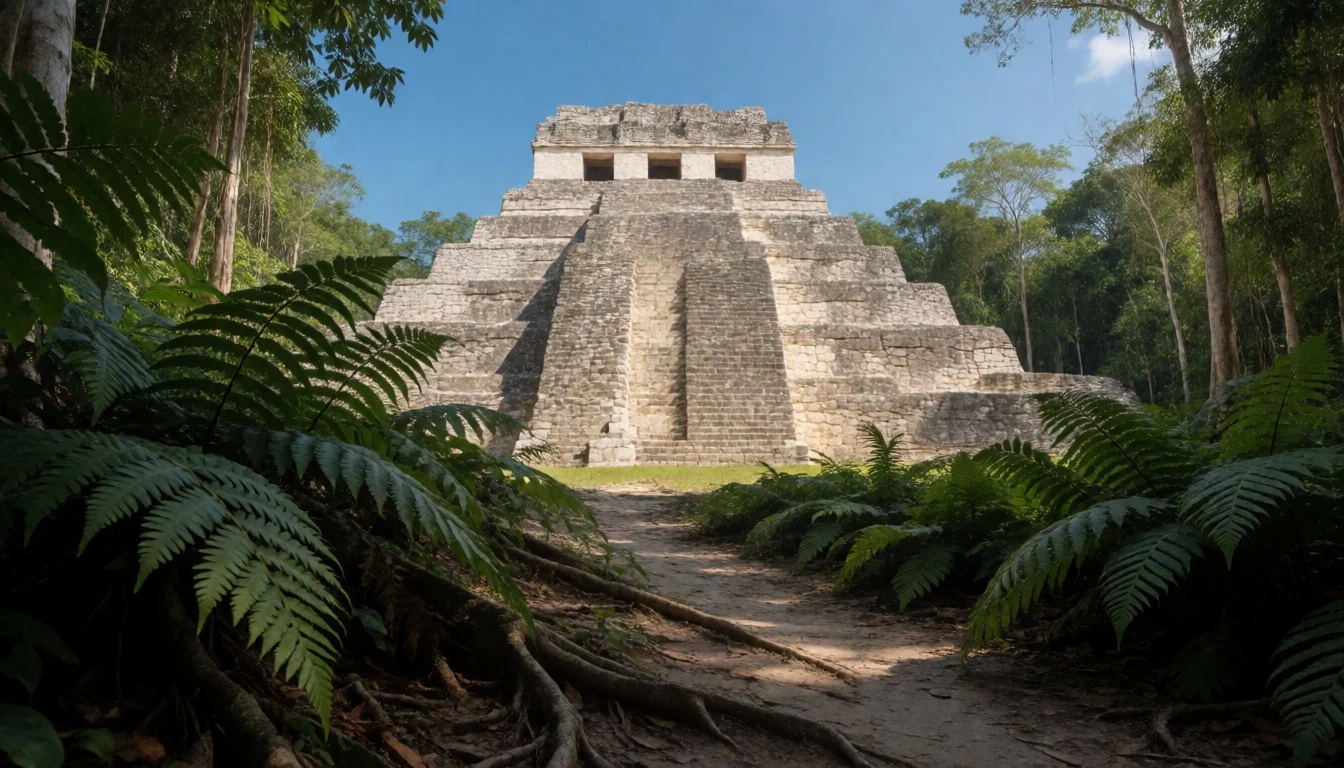
- The emblem glyph area (Kaan / snake head sign)
Calakmul’s sphere of influence is often linked to its emblem glyph—described as the snake head sign read as Kaan. Look for carved references and bases where rulers’ messages were set, and connect the icon to the idea of a wider domain.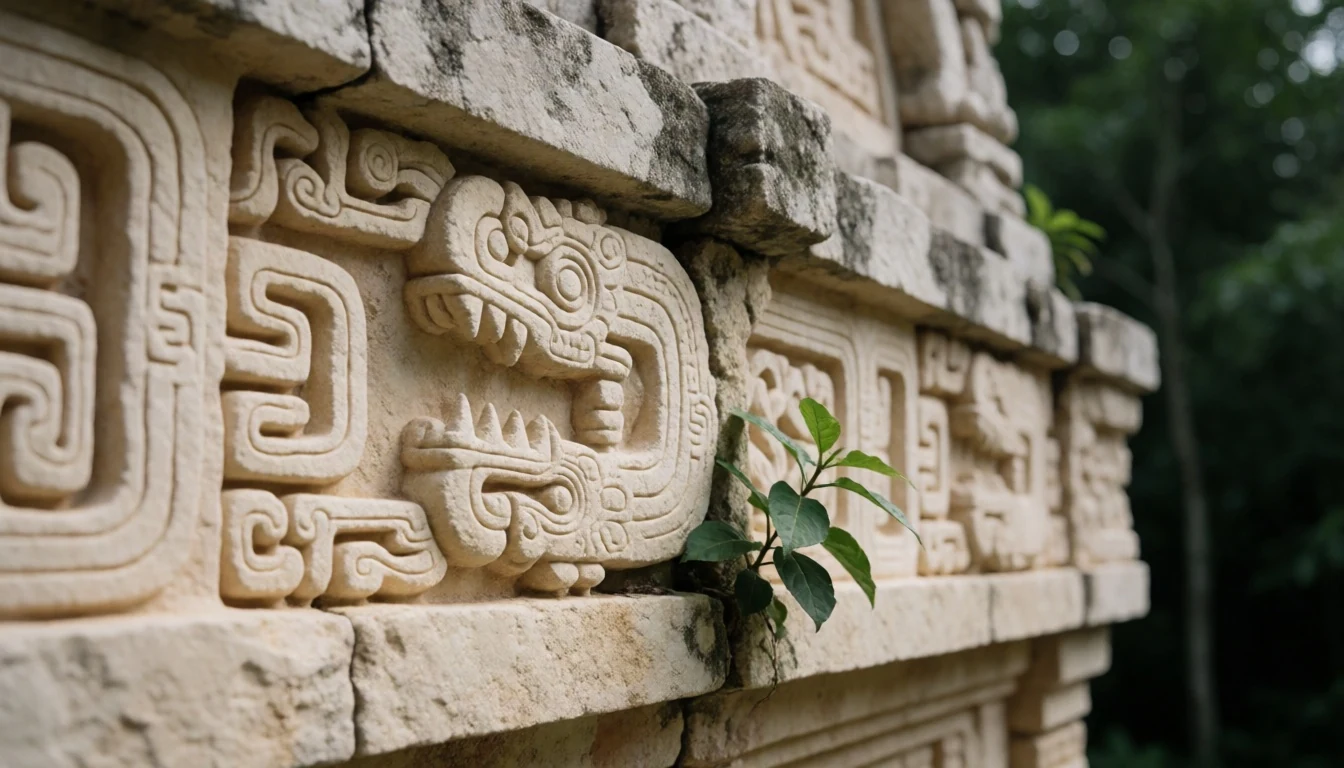
- Stele 43 on Base of Structure II
On the base of Structure II, Stele 43 sits as an anchor point for the city’s commemorative traditions. It’s the kind of monument that helps you move from “big pyramid” impressions to the written, named, dynastic story carved in stone.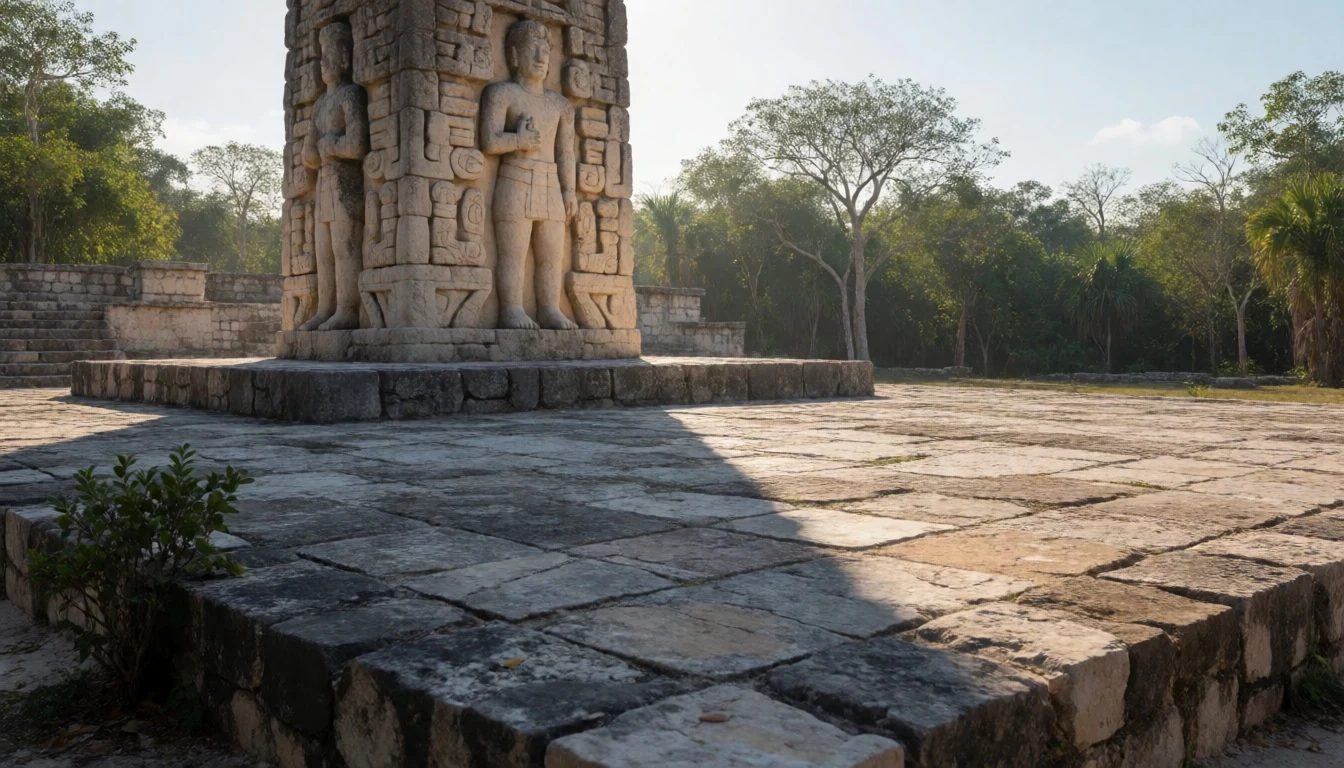
- Temple construction layers across time
Many Calakmul temples and pyramids grew through sequential rebuilding: later phases expanded earlier structures by building upon them. This layered construction approach means the same spot can feel like multiple eras, stacked into one climbable form.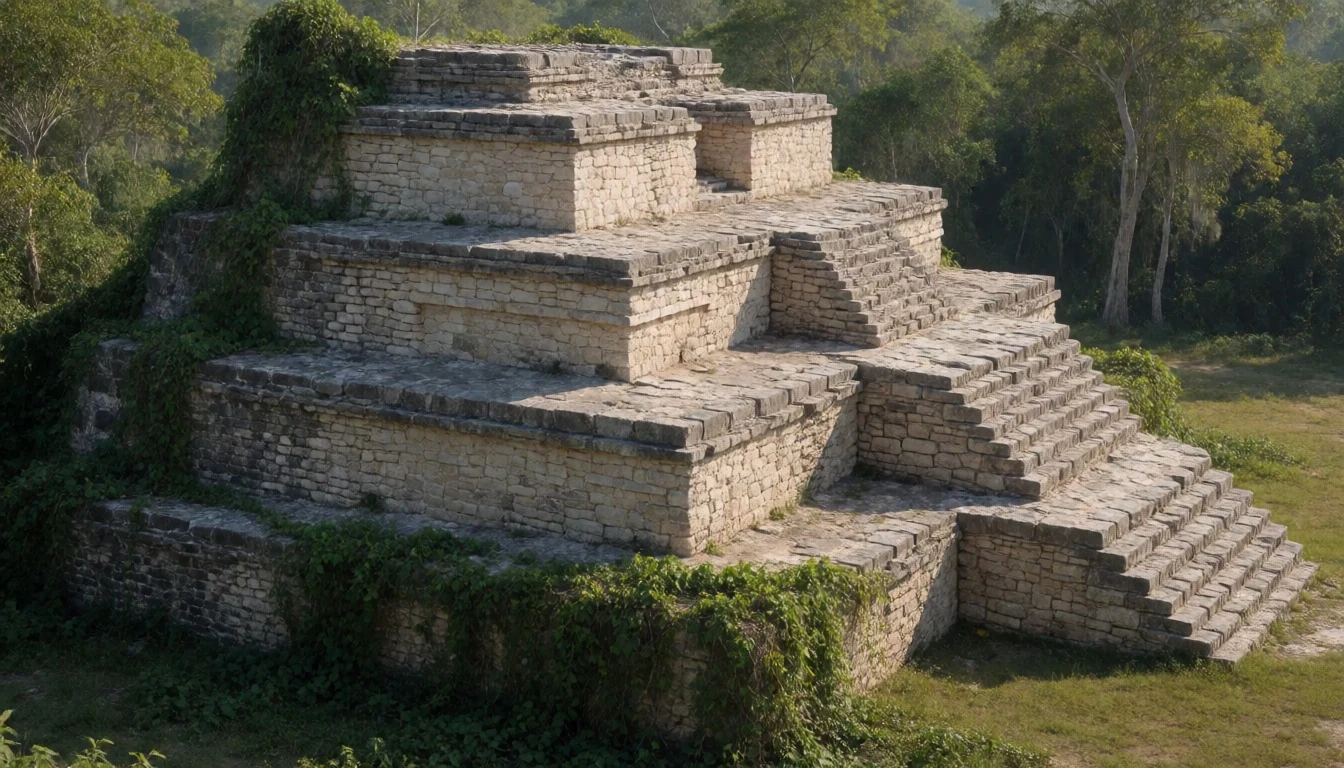
Culture
Calakmul is in a jungle setting, so its “culture” is partly about how the place asks you to behave: slow down for uneven ground, expect damp patches, and bring an attitude that values quiet looking over quick photo stops. The site also carries the atmosphere of a working archaeological landscape rather than a fully finished theme-park ruin.
Local and visitor norms around Mayan heritage commonly revolve around respect for structures, carvings and marker stones. Where ropes or defined walkways exist, they’re there because archaeology is delicate—leaning, climbing where you shouldn’t, or getting too close to carvings risks damage and can interrupt restoration work.
Crowd levels tend to be lighter than at the biggest headline ruins in Mexico, which changes the rhythm: you may have more space to stand and read details, but you’ll also be more exposed to heat and insects, especially if you arrive later in the day. Plan around that, and treat each monument as part of a wider map rather than a checklist.
Visitor etiquette: stay on marked paths, don’t climb carvings or steps beyond permitted areas, and keep voices low while others are observing.
What to wear
At Calakmul, the right outfit is about jungle comfort and respectful coverage. Traditional dress in the wider region can include textiles and woven patterns, but at the ruins themselves there isn’t a “traditional dress required” expectation; most visitors dress for the weather and for walking on uneven stone and soil.
In practice, people now wear lightweight, breathable clothes—think T-shirts or long-sleeve tops, shorts or lightweight trousers, and comfortable tops for sun exposure. Footwear matters because the ground can be irregular and damp. A visitor should wear trainers with grip or sturdy walking shoes, carry a hat or cap, and use insect repellent.
For modesty at heritage sites, choose clothes that cover shoulders and avoid overly revealing outfits, especially in areas with religious-style architecture. If you plan to spend time reading details near stonework, bring a light layer for cooler mornings and keep a small towel or wipes handy for heat-and-dust moments.
What to eat
- Pan de cazon — Local eateries across Campeche city and nearby towns
Pan de cazon is a local Campeche signature: dogfish (cazon) tucked between corn tortillas with beans and a tomato-based salsa. It’s filling, savoury, and very much a “regional comfort” dish to try once.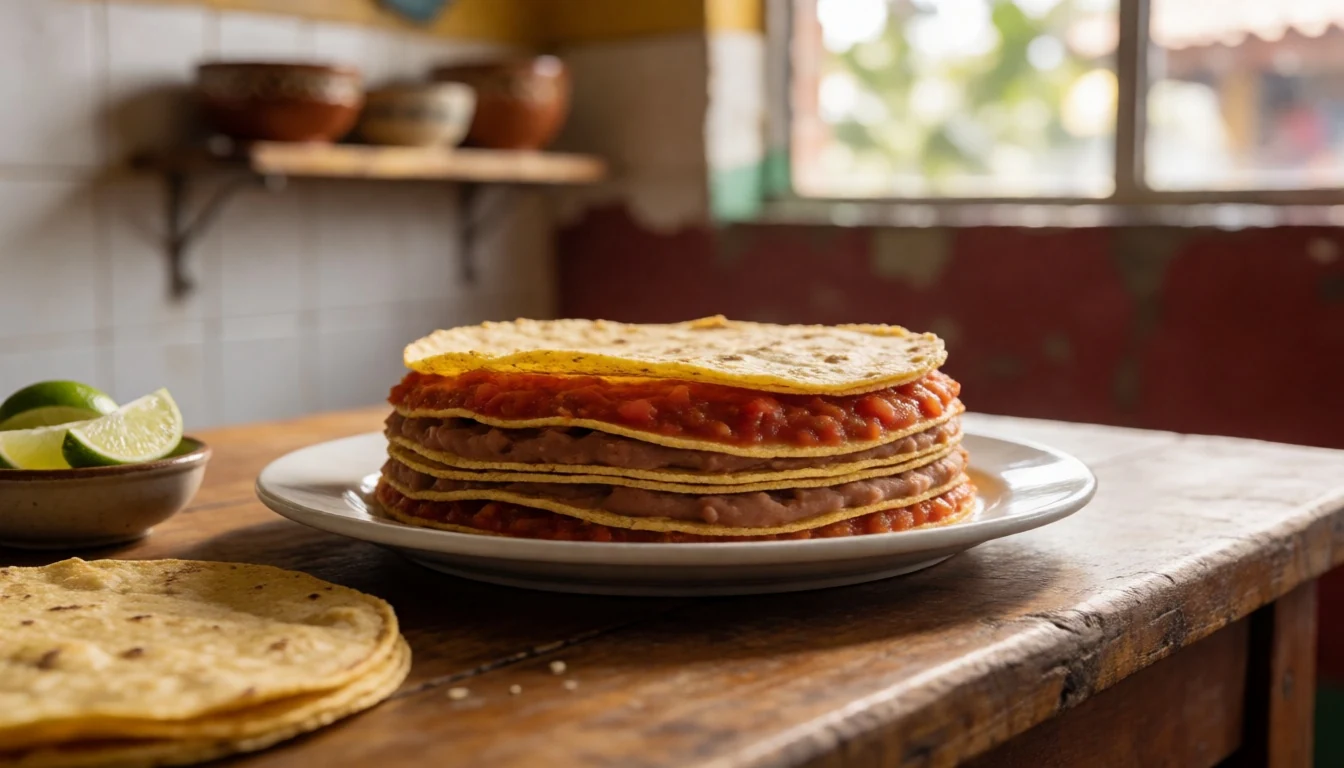
- Ceviche with seafood — Seaside restaurants and coastal community eatery counters in Campeche
Ceviche is widely available in Campeche, usually built on fresh fish and citrus-style seasoning. It’s a good option when the jungle heat makes heavier meals feel too much.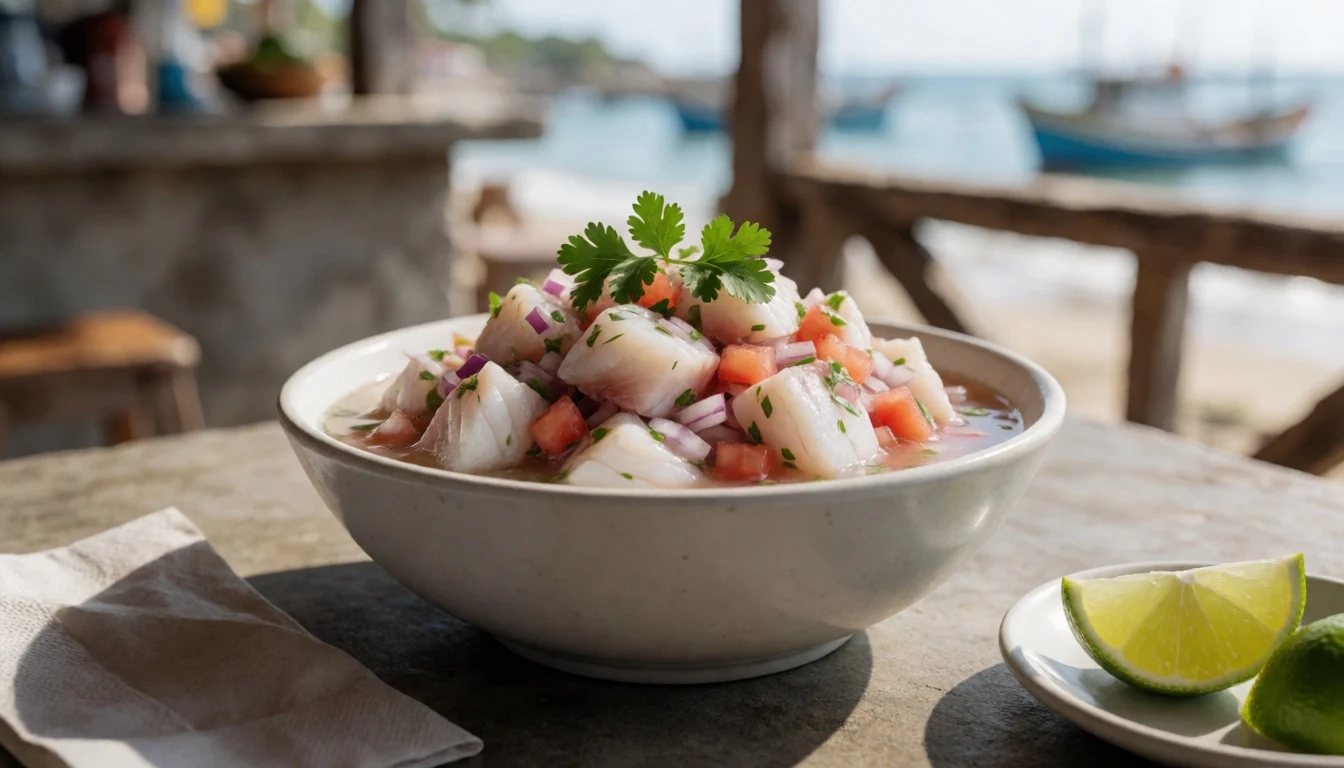
- Camarones dishes (shrimp) — Menus in Campeche’s seafood-focused restaurants
Shrimp—camarones—show up throughout Campeche, often in simple grilled or sauced preparations that let the freshness shine. Order it when you see it on the menu as part of the local seafood lineup. - Grilled pulpo (octopus) — Campeche restaurants that offer day specials
Octopus (pulpo) is a recurring favourite, sometimes served grilled over mesquite and sometimes in other styles like ceviche. If octopus appears as a special, it’s usually the freshest route to try it. - Chile x’catic and habanero sauces — Tortilla-based meals and sauce stations in local restaurants
Campeche food often leans on spicy character, with habanero and the milder chile x’catic showing up in sauces and accompaniments. Ask how hot it is, and use the chilli sauces to dial the heat to your tolerance.
Plan it
Best time. March–April and October–November are the best bets because they sit outside peak rainy and heat periods; June is the rainy season and August is hot and humid.
How long. 3–4
Getting there. Fly into Mérida (Yucatán) and take a bus to Campeche; from Campeche, continue by road toward Calakmul. Alternative entry points into the state include Campeche and Ciudad del Carmen airports, or flying to Cancún and then heading to Mérida before continuing by bus.
Budget. mid
Tips
- Start early to make the jungle walk feel easier and avoid the worst heat.
- Build in time for longer road legs once you leave the coast—this isn’t a quick in-and-out ruin day.
- Carry water and some snacks; the interior setting can make “easy detours” harder.
- Keep cash ready for small purchases, even if larger places take cards.
- Consider a guide/driver arrangement so navigation through the interior is straightforward.
Etiquette
- Stay on marked paths and avoid climbing or scrambling on monuments.
- Keep noise down while others are observing carvings and temple details.
- Don’t touch exposed stonework or glyphs.
Nearby
Sources
- Wikidata Q272771 (CC0)
- Wikipedia (Calakmul, rev 1376248496) (CC BY-SA 4.0)
- Wikivoyage (Campeche state, rev 5329627) (CC BY-SA 4.0)