Cancún
Cancún, Mexico
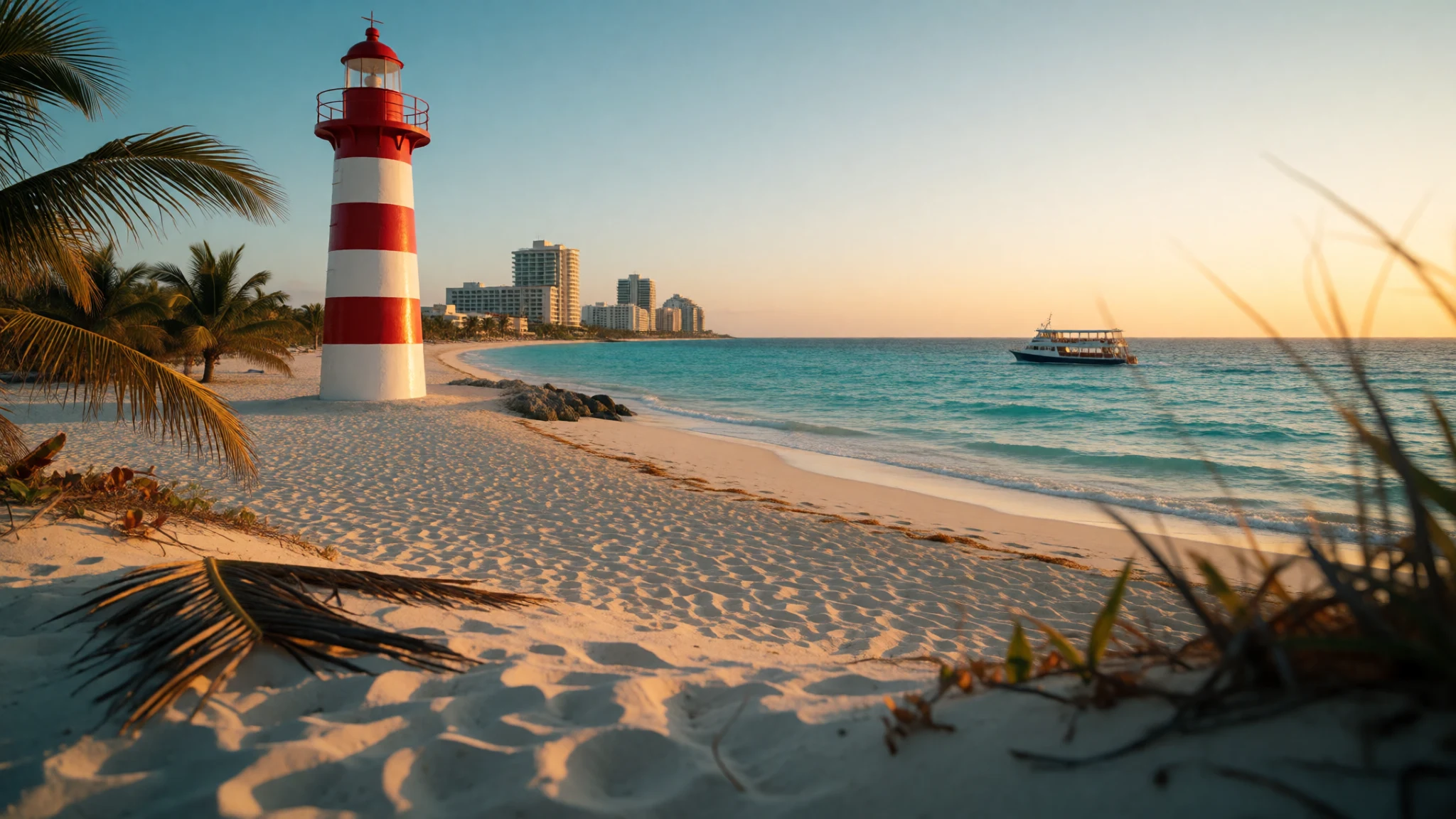
Visit Cancún for its iconic turquoise Caribbean waters, white sands, and as a gateway to ancient Maya ruins.
The place
Cancún is a city of two distinct worlds, situated on the northeast coast of the Yucatán Peninsula in southeast Mexico. The most famous part is the Hotel Zone, a slender island strip of white sand and turquoise water that forms part of the Mesoamerican Barrier Reef System. This area is dominated by high-rise resorts and leisure hubs. In contrast, the mainland city, known as El Centro, is where the local population lives and works. Originally designed around a rigid master plan of large trapezoidal blocks called supermanzanas, the downtown area has since grown more organically and sporadically.
Beyond the tourist corridor, the city is expanding into areas like Puerto Cancún and the northern reaches of Punta Sam. The climate remains hot throughout the year, though it is moderated by the onshore trade winds that blow across the Caribbean. This tropical environment means a constant cycle of heat and humidity, with a very distinct divide between the dry season and the rainy season. While the Hotel Zone is designed for convenience and luxury, the mainland offers a more authentic glimpse into the daily rhythm of Quintana Roo. The transition from the manicured beaches to the residential superblocks highlights the city's rapid evolution from a quiet coast to a global hub of tourism.
Its story
The history of Cancún is a tale of deliberate creation. While the wider Yucatán Peninsula was once the heart of the Maya civilisation, the specific area of Cancún was largely unsettled after the Spanish conquest, as disease and war drove populations toward the interior or to islands like Cozumel. For centuries, the coast remained a wilderness of coconut groves and small fishing villages. In the late 1960s, the Mexican government decided to change this by creating a planned city specifically designed to attract international tourism. This was a strategic move to boost the national economy by developing a region where few other viable alternatives existed.
Development began in 1970 on an island that had only three permanent residents, all of whom worked for a local coconut plantation. Because private investors were initially hesitant to put money into such an unknown and remote stretch of coast, the federal government took a significant risk and financed the construction of the first nine hotels. This state-led initiative, managed by agencies like FONATUR, transformed a remote fisherman's outpost into a metropolitan centre in just a few decades. The growth of Cancún far surpassed the rest of the state of Quintana Roo during the latter half of the 20th century, turning a government blueprint into one of the most recognisable resort destinations in the world.
What to see
- Museo Maya de Cancún — Hotel Zone
This museum provides a deep dive into the Maya civilisation of the Yucatán Peninsula. It houses a significant collection of artefacts found in the surrounding region, helping visitors understand the complex social and spiritual life of the people who lived here long before the city was built.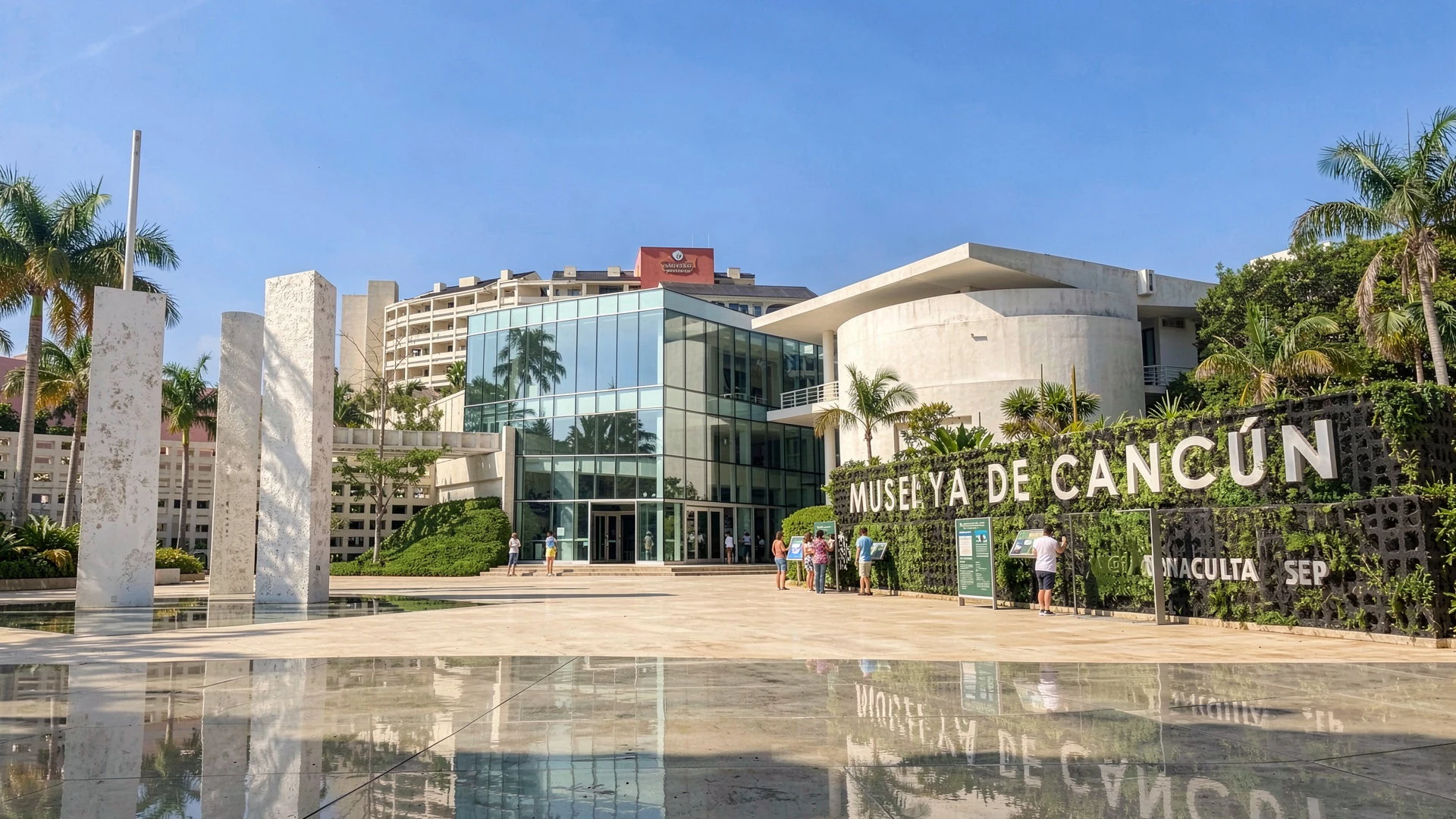
- San Miguelito Ruins — Hotel Zone
Located right next to the Maya Museum, these ruins offer a quiet look at an ancient settlement. The site allows visitors to walk among the remnants of Maya structures, providing a physical connection to the region's pre-colonial history amidst the modern luxury of the surrounding area.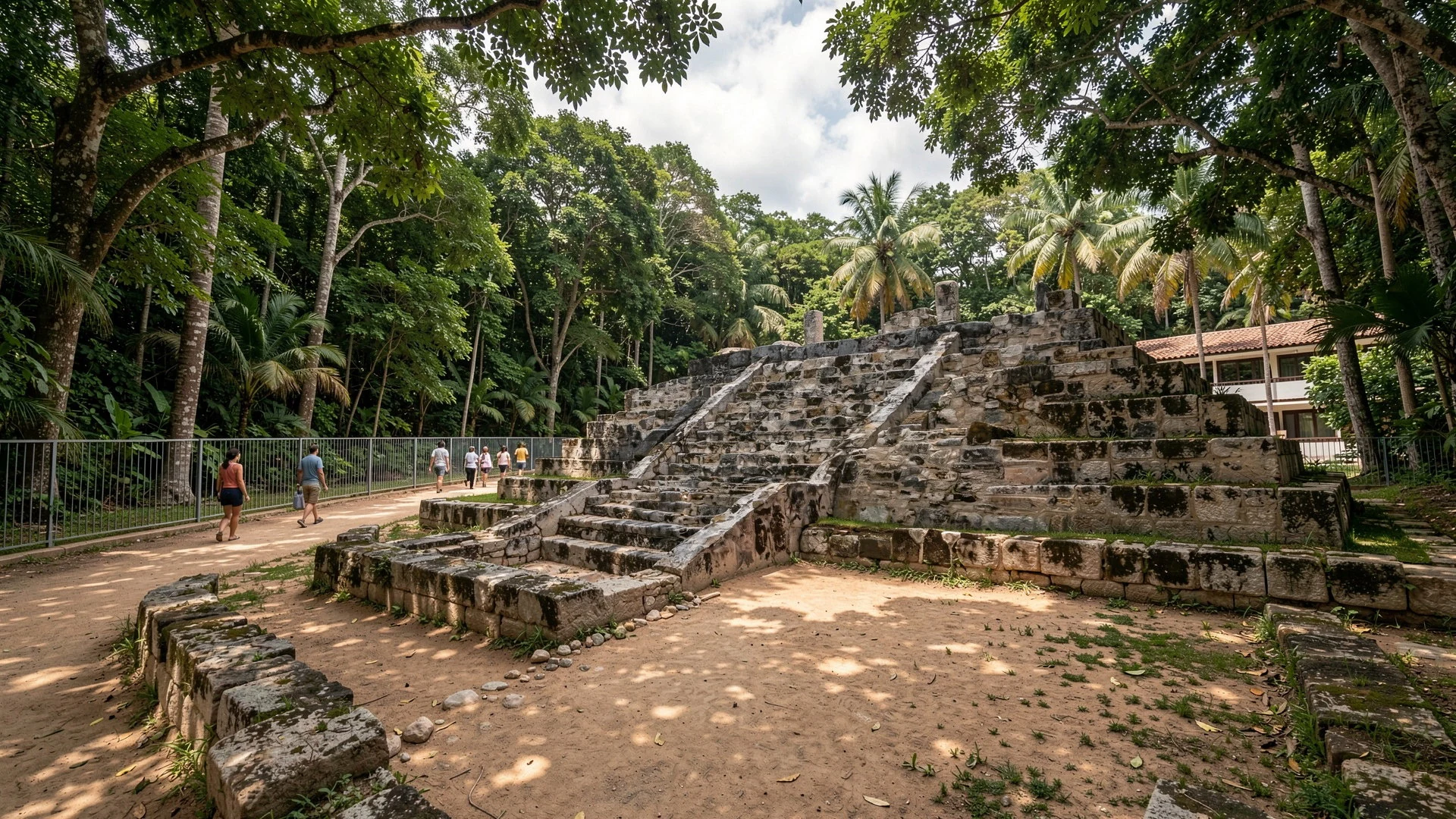
- El Meco Archaeological Site — North of the city
This site features the ruins of an ancient Maya port. The standout structure is El Castillo, a five-level pyramid that reaches a height of 12.5 metres. It serves as a reminder of the maritime importance of the coast during the classical period of Maya influence.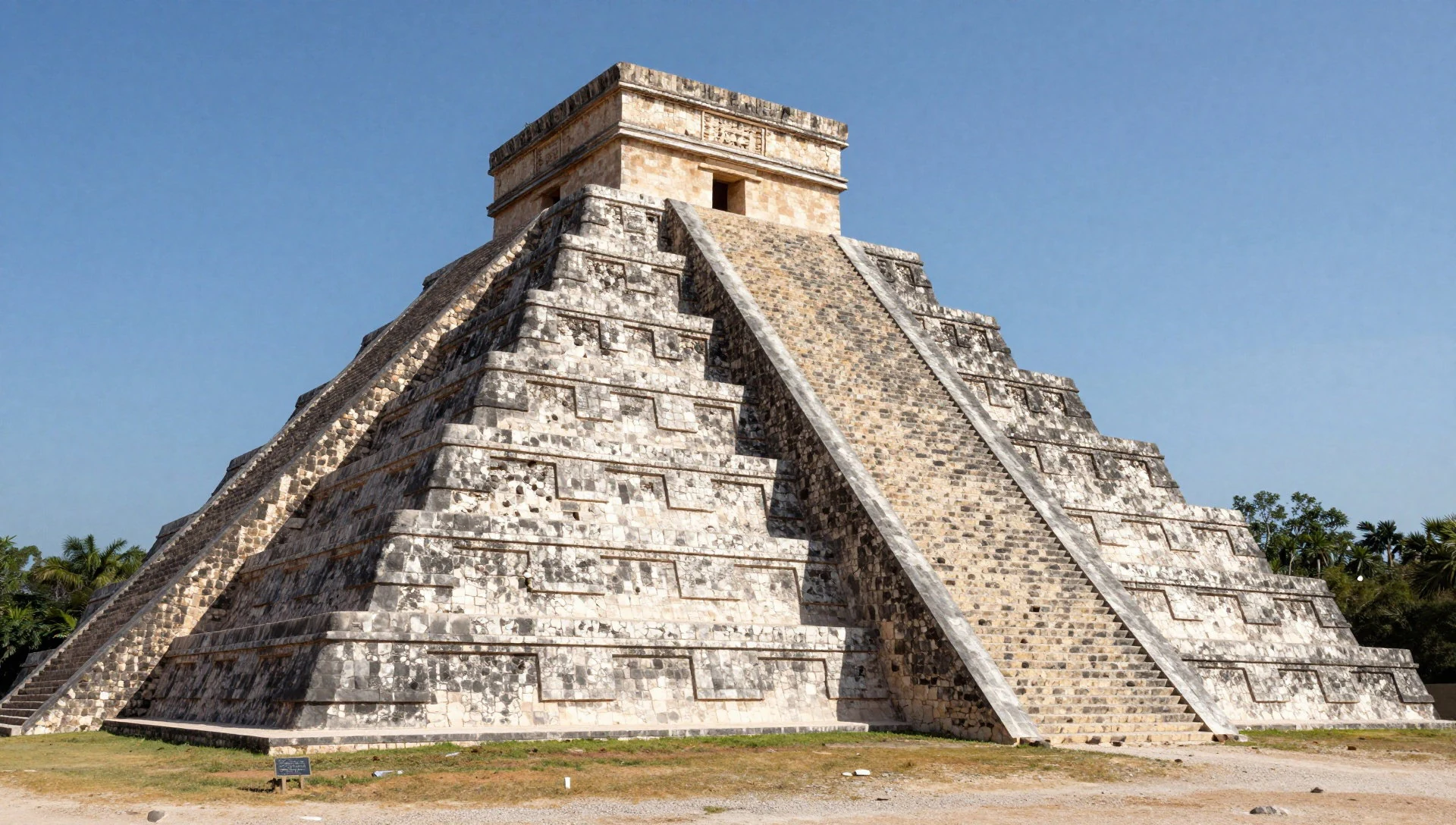
- El Rey Archaeological Zone — Hotel Zone
A smaller Maya site located at the southern end of the Hotel Zone, this area contains 47 different structures. It is a convenient spot to see ancient architecture, though visitors are strongly advised to bring mosquito repellent to ward off the local insects.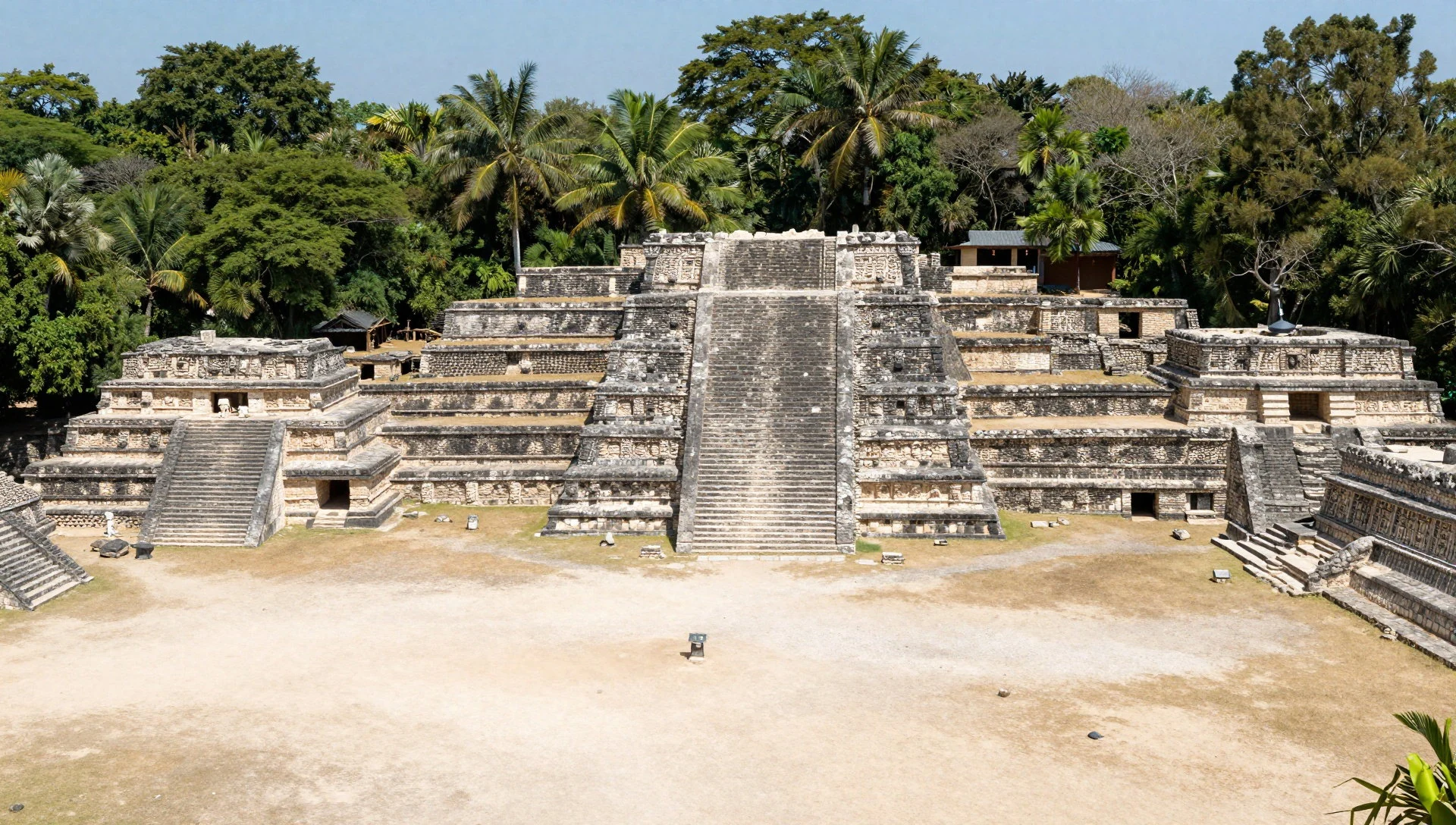
- Punta Cancún Lighthouse — Hotel Zone
Standing at the northernmost tip of the Hotel Zone, this classic red and white striped tubular lighthouse is a landmark for ships entering the area. It provides a great vantage point for viewing the meeting of the lagoon and the open Caribbean Sea.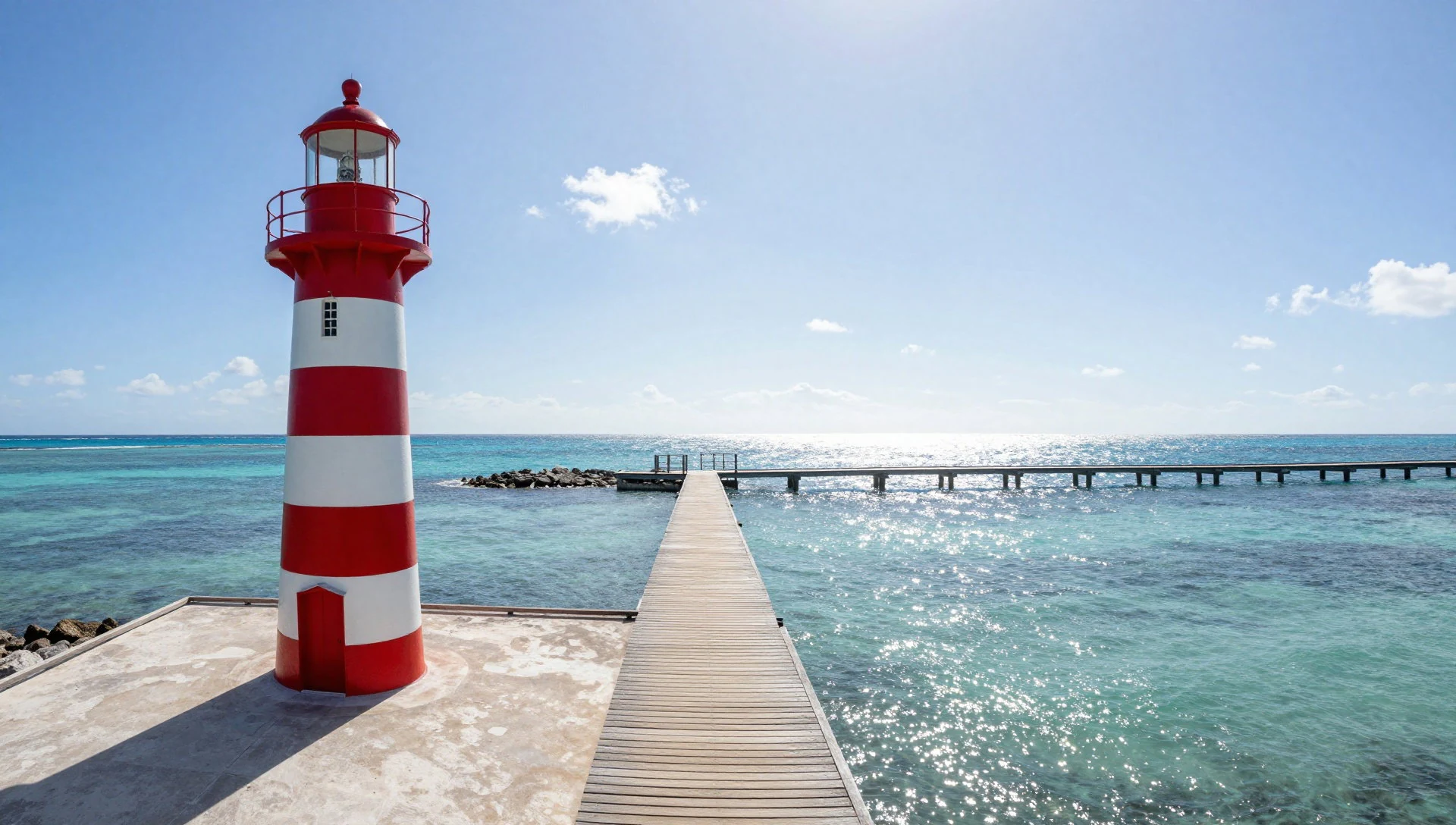
Culture
Culture in Cancún is a blend of modern global tourism and deep-rooted Mexican traditions. While the Hotel Zone is an international bubble of luxury and leisure, the mainland city pulses with the energy of the Yucatán. You will find a strong pride in Maya heritage, which manifests in the local crafts, museum exhibits, and the enduring influence of indigenous languages and customs. The local atmosphere is generally warm and welcoming, shaped by a service-oriented economy that caters to millions of visitors. Music and colour are everywhere, from the vibrant street art in El Centro to the rhythmic sounds of Caribbean beats playing in the plazas. Life here moves at a slower pace on the mainland, where the focus is on family, community, and the daily markets. Understanding the distinction between the tourist-centric 'resort' culture and the authentic 'Cancunense' identity is key to experiencing the city properly. When visiting local shops or markets, it is polite to greet the vendor before asking for prices.
What to wear
Fashion in Cancún is heavily dictated by the intense tropical heat and the city's dual nature. Traditionally, the region is influenced by Maya textiles, featuring intricate embroidery and bright, colourful cotton fabrics often worn in traditional huipils by older generations or during cultural festivals. In the modern day, residents of the mainland typically wear lightweight, breathable clothing suited for the humidity, such as cotton shirts and trousers.
In the Hotel Zone, the attire shifts toward international resort wear: swimwear, linen shirts, and sandals are the standard for daytime activities. Evenings often see a move toward 'smart casual' for dinner at high-end eateries. For visitors, the primary rule is comfort and sun protection. Lightweight fabrics like linen or moisture-wicking synthetics are essential. Sturdy sandals or flip-flops are perfect for the beach, but comfortable walking shoes are needed for archaeological sites. Given the strong sun, wide-brimmed hats and sunglasses are practical necessities rather than fashion statements. Modest dress is not strictly required in public, but it is appreciated when visiting local neighbourhoods away from the beach.
What to eat
- Tacos de Pescado — Street stalls in El Centro
Fresh fish or shrimp tacos, often topped with cabbage and lime, are a coastal staple. Look for these at the various food stalls and taquerias found throughout El Centro.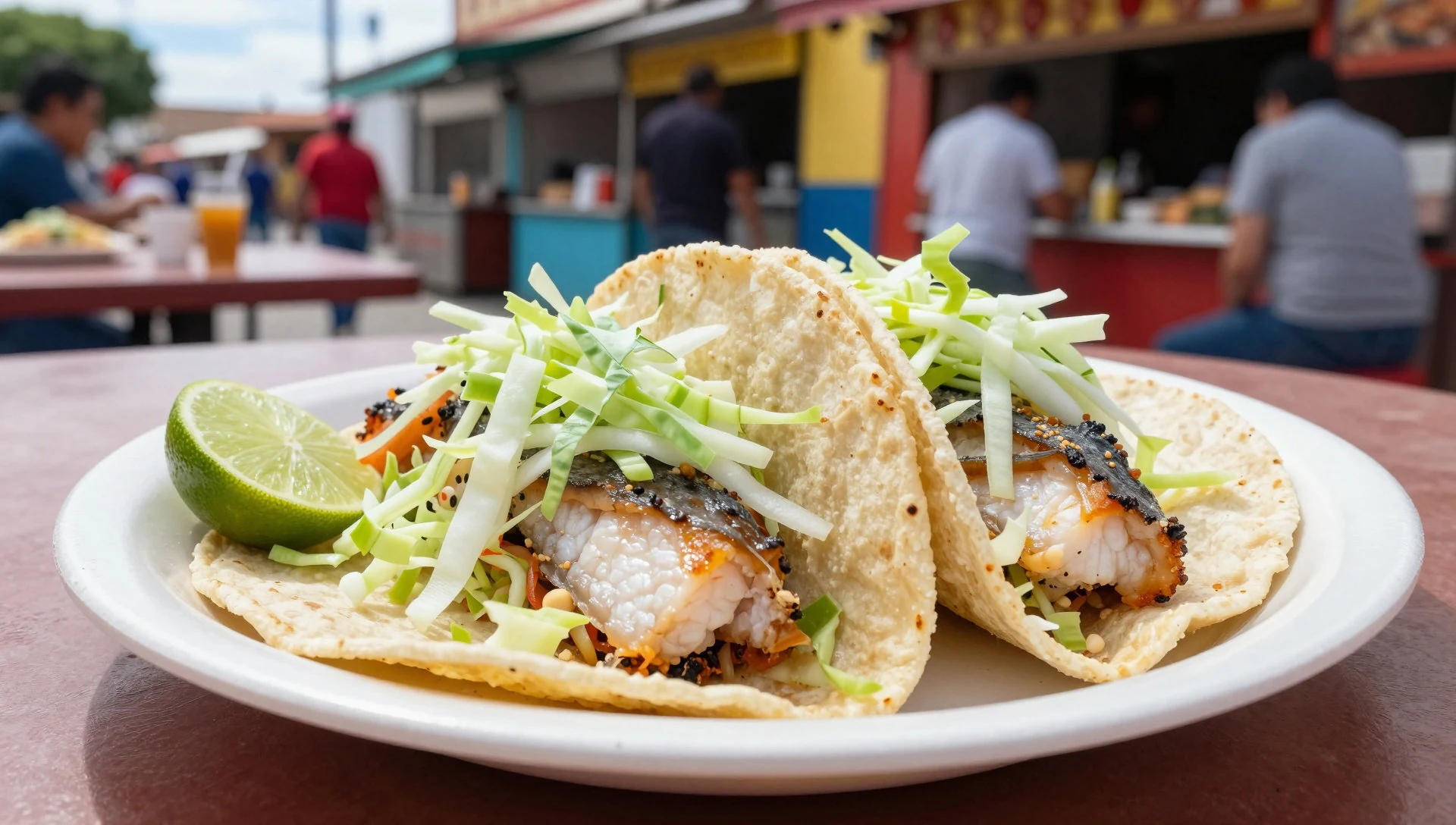
- Pozole Rojo — Traditional restaurants in El Centro
A hearty, traditional Mexican soup made with hominy and pork, seasoned with guajillo chillies. It is best found in traditional eateries in the downtown area.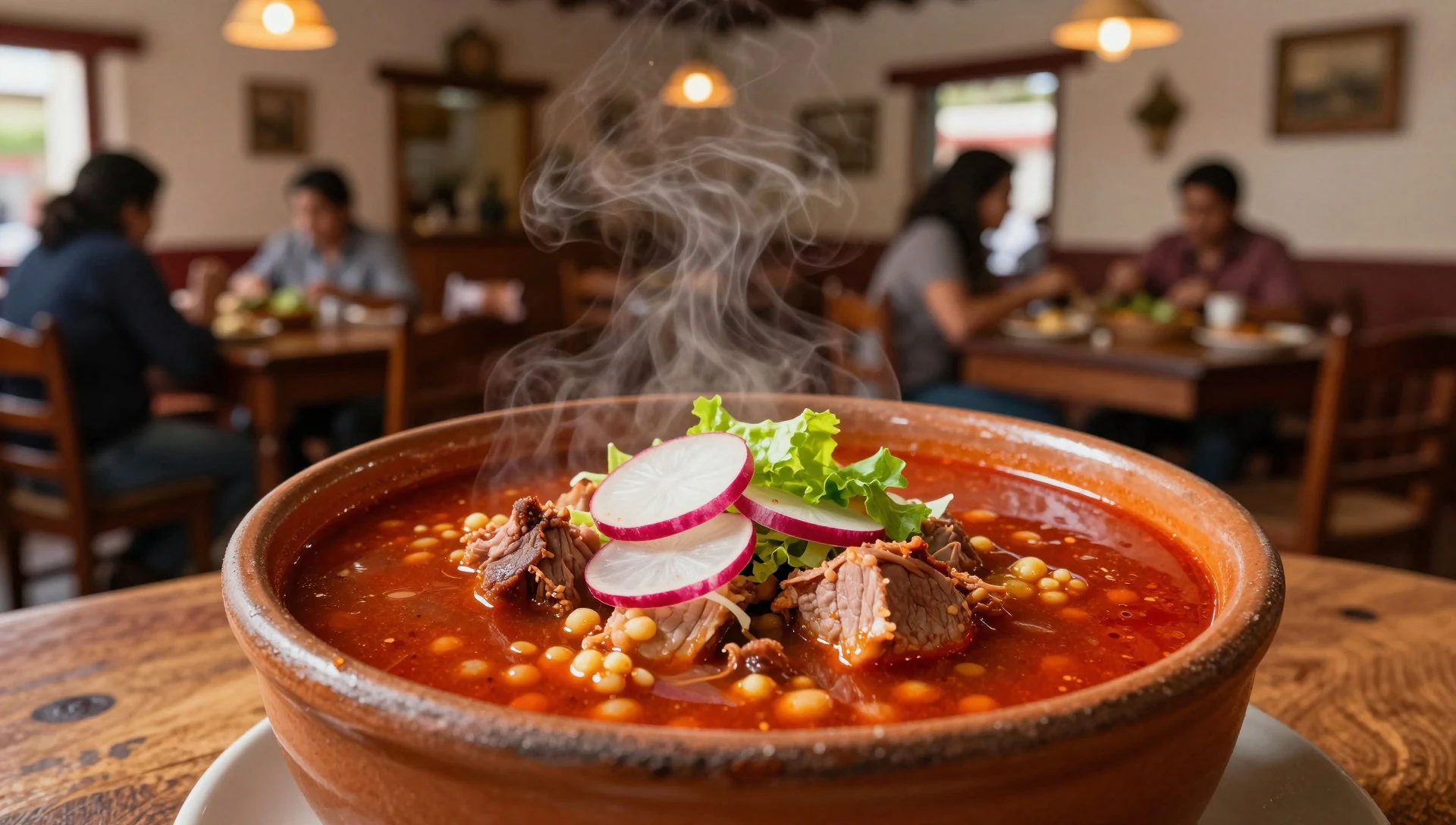
- Tamales — Morning markets and street corners
Steamed corn dough filled with savoury meats or cheeses and wrapped in corn husks. These are common morning snacks sold by street vendors across the city. - Tortas — Food stalls near the bus station
Mexican sandwiches served on a crusty bolillo roll with various fillings. They are a popular and filling option for those on the go near the transit hubs. - Cochinita Pibil — Authentic taquerias in El Centro
Slow-roasted pork marinated in citrus and achiote, a signature dish of the Yucatán Peninsula. It is widely available in authentic taquerias throughout the city.
Plan it
Best time. December to March is ideal as it avoids the peak humidity and the heaviest rainy season.
How long. 3–4
Getting there. Fly into Cancún International Airport (CUN). From there, take a taxi or shuttle to the Hotel Zone or a bus to El Centro.
Budget. high
Tips
- Use the R-1 or R-2 buses for affordable travel within the Hotel Zone
- Carry a reusable water bottle but only fill it with filtered water
- Book tours to Chichén Itzá well in advance during peak winter months
- Visit El Centro for more affordable dining and shopping than the resorts
- Apply sunscreen frequently as the Caribbean sun is exceptionally strong
Etiquette
- Tip service staff in restaurants and taxis as it is common practice
- Avoid using excessive plastic bags in natural protected areas
- Respect the boundaries and signage at Maya archaeological sites
Nearby
Sources
- Wikidata Q8969 (CC0)
- Wikipedia (CC BY-SA 4.0)
- Wikivoyage (CC BY-SA 4.0)