Cabo Pulmo
Cabo Pulmo, Mexico
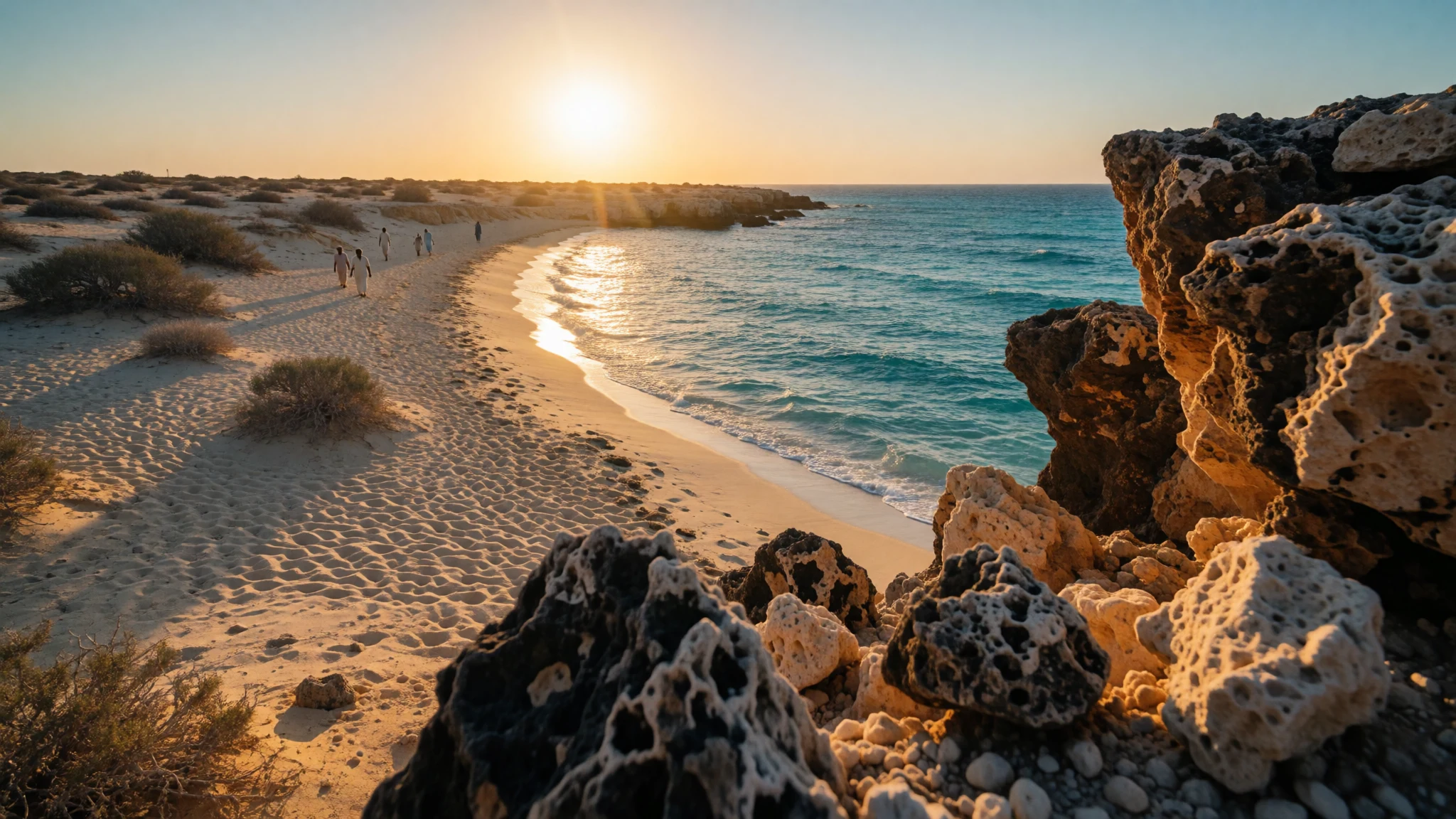
Visit Cabo Pulmo to explore the oldest coral reef in the eastern Pacific and witness a remarkable community-led marine recovery.
The place
Cabo Pulmo is a remote sanctuary on the east coast of Mexico's Baja California Peninsula, situated in the Gulf of California. It is defined by its National Marine Park, which protects a rare and ancient coral reef system that serves as the northernmost of its kind in the eastern Pacific. The area is a stark contrast of environments, where the arid, sun-scorched landscape of the peninsula meets a surge of aquatic biodiversity. The reef consists of various hard coral colonies perched on rock formations that descend into progressively deeper waters, creating a complex habitat for countless marine species. Because it is located on the east side of the peninsula, Cabo Pulmo experiences intense heat during the day and water temperatures that can reach 26 °C. This isolation has preserved the area from the heavy development seen in nearby resort towns, leaving a quiet, dusty settlement where the rhythms of life are dictated by the tides and the diving seasons. The park is now an international model for marine governance, demonstrating how a local community can transition from an economy based on extraction to one based on conservation and sustainable tourism.
Its story
The story of Cabo Pulmo is one of redemption and ecological resilience. For years, the waters were heavily overfished, pushing the local marine ecosystem to the brink of collapse. However, in June 1995, the Mexican government declared the area a federally protected National Marine Park. This shift was not merely a top-down mandate; it was supported by local community groups and research from the Universidad Autónoma de Baja California, who helped lobby for the protection of fish populations. To fill the gap in government funding, non-profit organisations like Patronato Cabo del Este and Amigos para la Conservación de Cabo Pulmo stepped in to provide necessary support. By 2002, the group Cabo Pulmo Vivo was formed to ensure that the residents themselves benefited from the park's success. The results were staggering: by 2010, the total abundance of fish had increased significantly, proving that the non-fishing strategy worked. While the area gained recognition as a World Heritage site in 2005, it has more recently been listed as World Heritage in Danger because of the critical state of the vaquita, a porpoise endemic to the gulf. This ongoing struggle highlights the fragile balance between human activity and the survival of the Gulf of California's unique species.
What to see
- The Coral Reefs
The primary draw of Cabo Pulmo is the ancient coral reef. Divers and snorkelers can explore eleven different species of coral and a dizzying array of tropical fish. The visibility is often exceptional, allowing visitors to see the intricate hard coral colonies that grow atop rocky outcroppings parallel to the shore.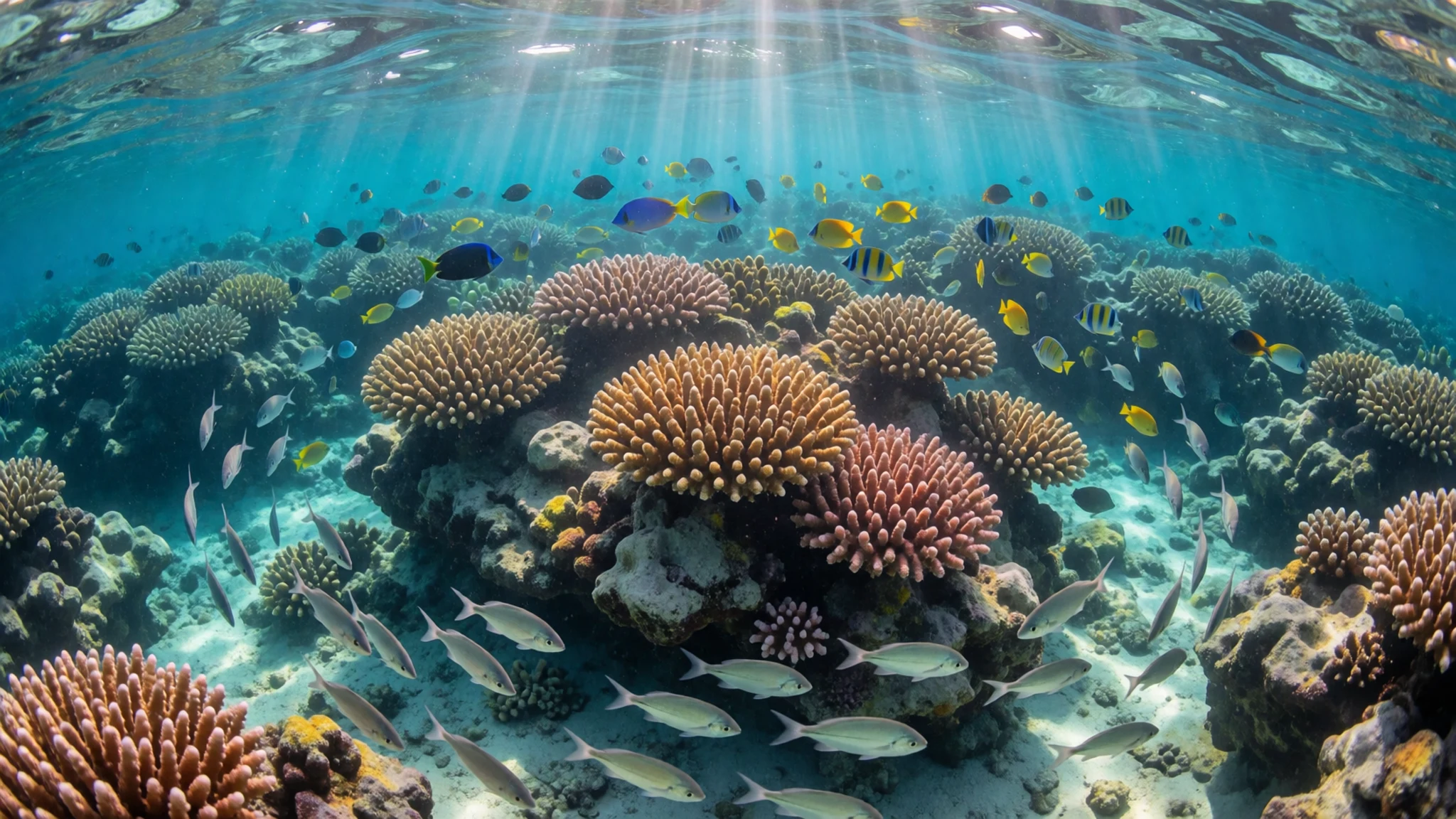
- Whale Watching
The waters around Cabo Pulmo are some of the most diverse in the world for cetaceans. Depending on the season, you can spot Blue, Fin, Humpback, and Sperm whales, as well as Orcas. Many visitors follow the Baja Whale Trail to experience these giants in their natural habitat.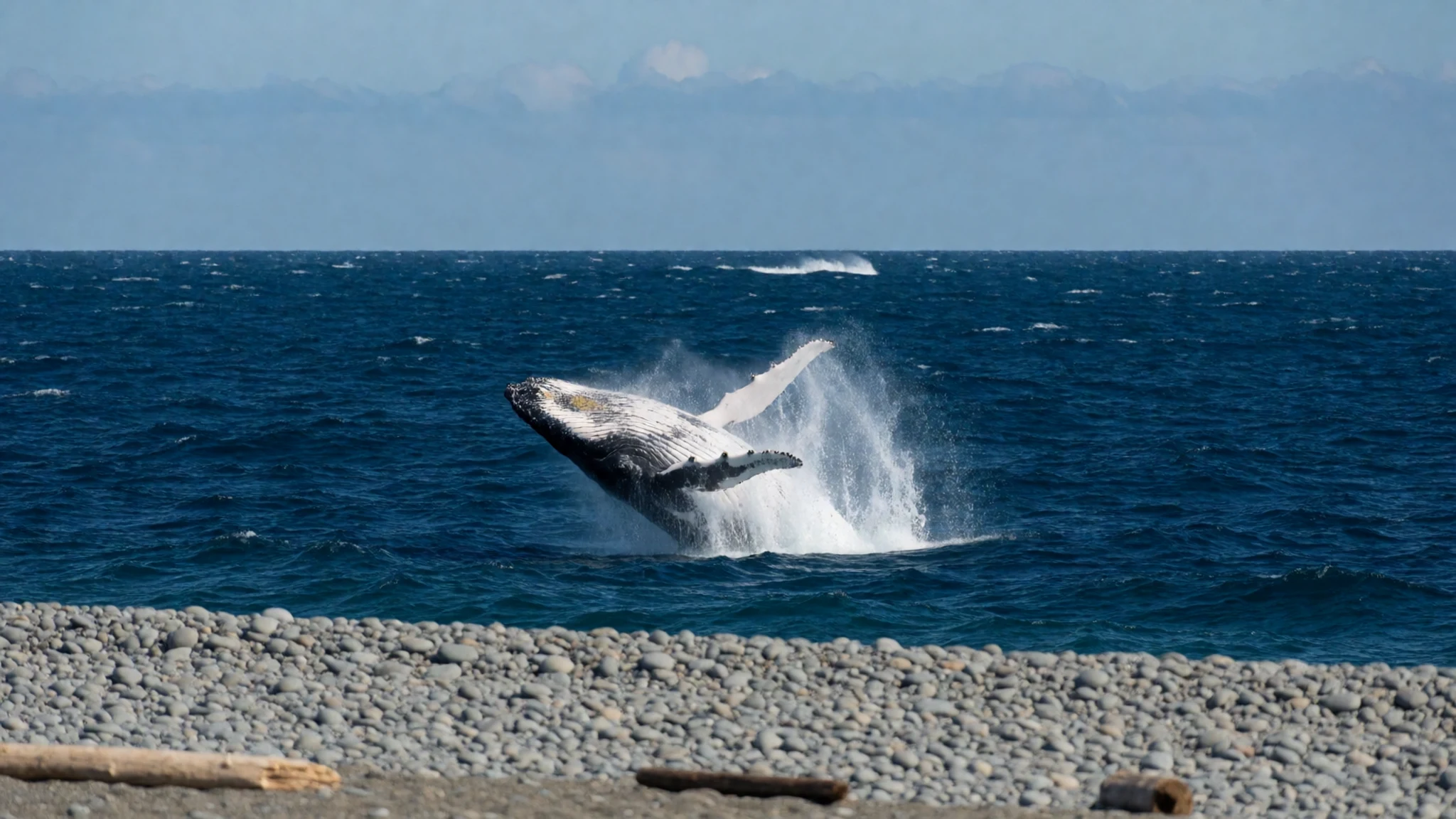
- Sierra de San Francisco
Further inland, the Sierra de San Francisco hosts an incredible collection of pre-Columbian cave paintings and petroglyphs. These murals, known for the Great Mural style, offer a glimpse into the prehistoric human settlement of the peninsula, where people gathered near rare water holes.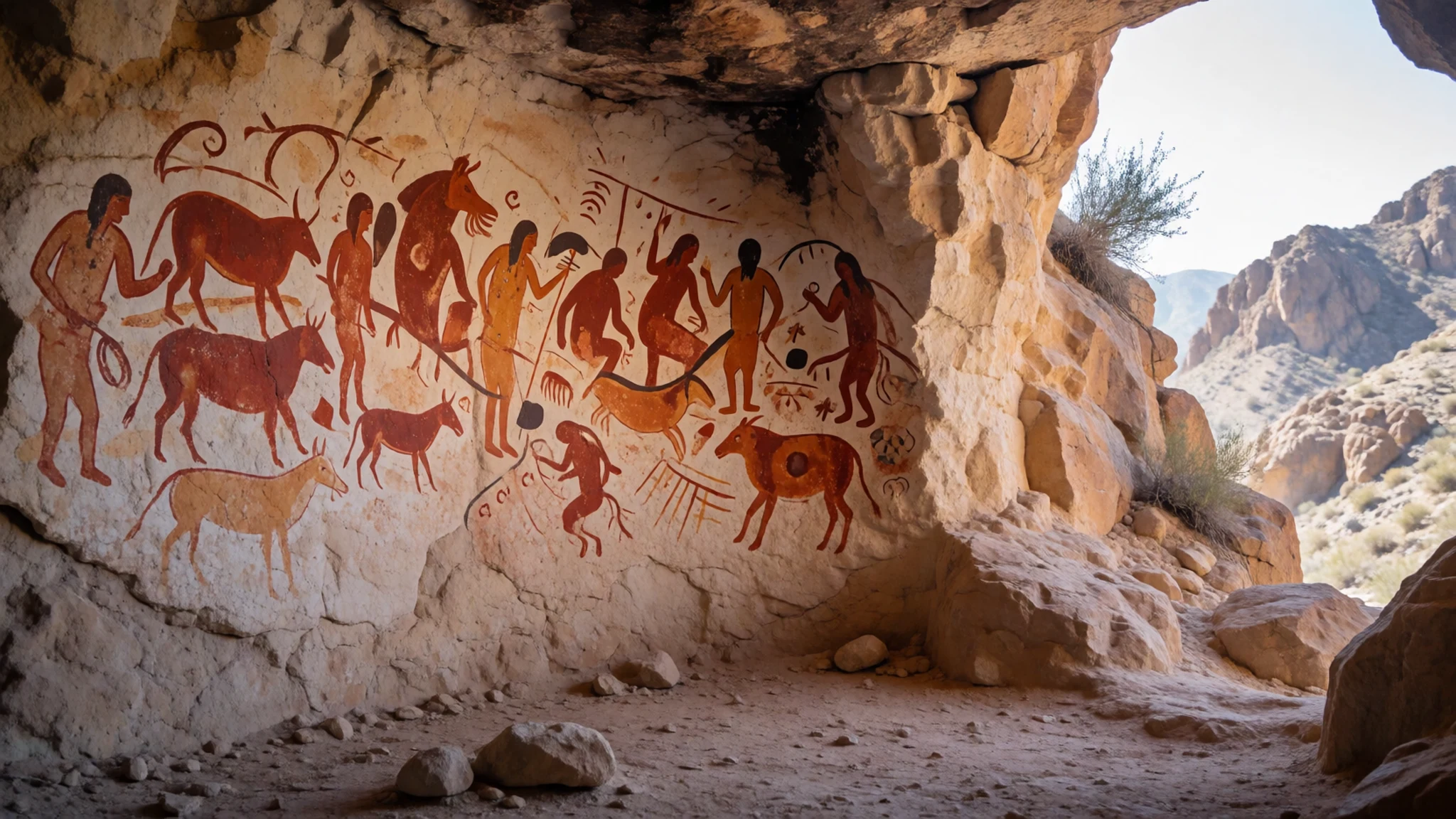
- Marine Wildlife Spots
Beyond the reef, the park is a haven for dolphins and sea lions. Kayaking tours often take visitors to the wilderness islands of the Loreto Marine National Park, providing intimate encounters with these playful mammals in the calm, crystalline waters of the gulf.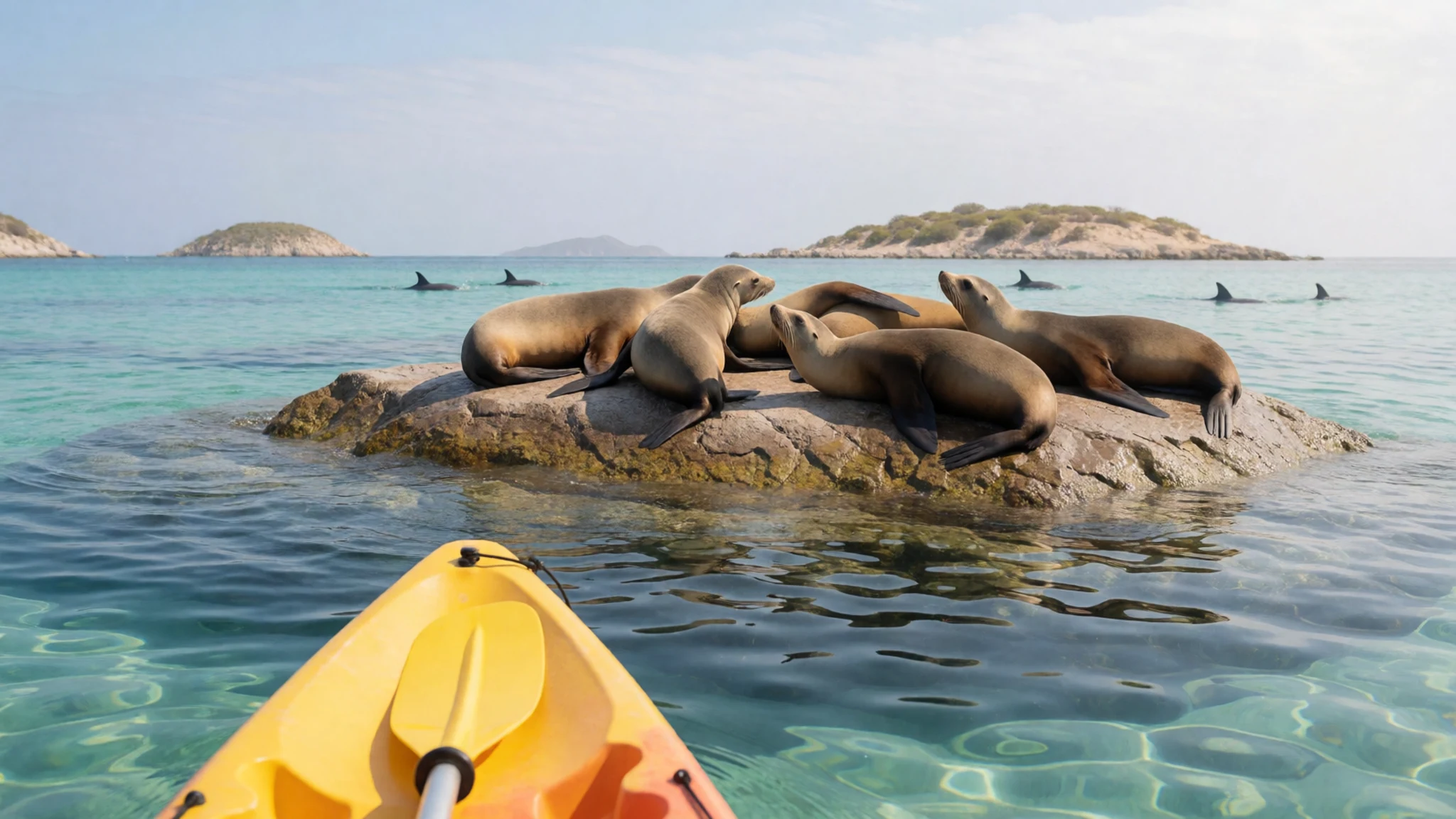
- Off-road Trails
For those with a 4WD vehicle, the surrounding desert offers rugged exploration. The landscape is dotted with dramatic sand dunes, hidden hot water springs, and mountainous parks that are otherwise inaccessible, providing a raw look at the peninsula's challenging geography.
Culture
Culture in Cabo Pulmo is deeply tied to the sea and a newfound pride in environmental stewardship. The community has transformed from a traditional fishing village into a hub for conservationists and eco-tourists. There is a strong sense of collective ownership over the National Marine Park, with local residents often acting as the primary guides and protectors of the reef. Life here is slow and unpretentious, far removed from the luxury of the Los Cabos resorts. Visitors will find a community that values sustainability over profit, often sharing stories of how the return of the fish has brought stability back to the village. This spirit of cooperation is evident in the local organisations that manage the park's boundaries and education programmes. Because the ecosystem is so sensitive, there is a shared cultural commitment to keeping the beaches clean and the waters pristine. When visiting, please ensure you use only reef-safe sunscreen to avoid damaging the fragile coral colonies.
What to wear
Fashion in Cabo Pulmo is entirely dictated by the scorching sun and the salt water. Traditionally, the region's dress was influenced by coastal fishing utility, using light cottons and durable fabrics to withstand the heat and the wind of the Gulf. Today, the local attire is overwhelmingly casual; you will see residents in t-shirts, shorts, and sandals, with wide-brimmed hats being a practical necessity for anyone spending time outdoors. For visitors, the dress code is similarly relaxed, but functional. Breathable, light-coloured linen or cotton clothing is essential for the daytime heat. Since much of the activity involves water, high-quality rash guards and swimwear are the standard uniform. For those heading into the desert or on off-road adventures, sturdy closed-toe hiking boots are recommended to handle the rocky terrain and cacti. At night, the desert air can cool down unexpectedly, so a light jacket or fleece is a wise addition to your bag.
What to eat
- Fish Tacos — beachside eateries
The quintessential Baja snack. Battered, fried fish fillets wrapped in warm corn tortillas and topped with fresh cabbage slaw and a creamy salsa, usually found at beachside eateries.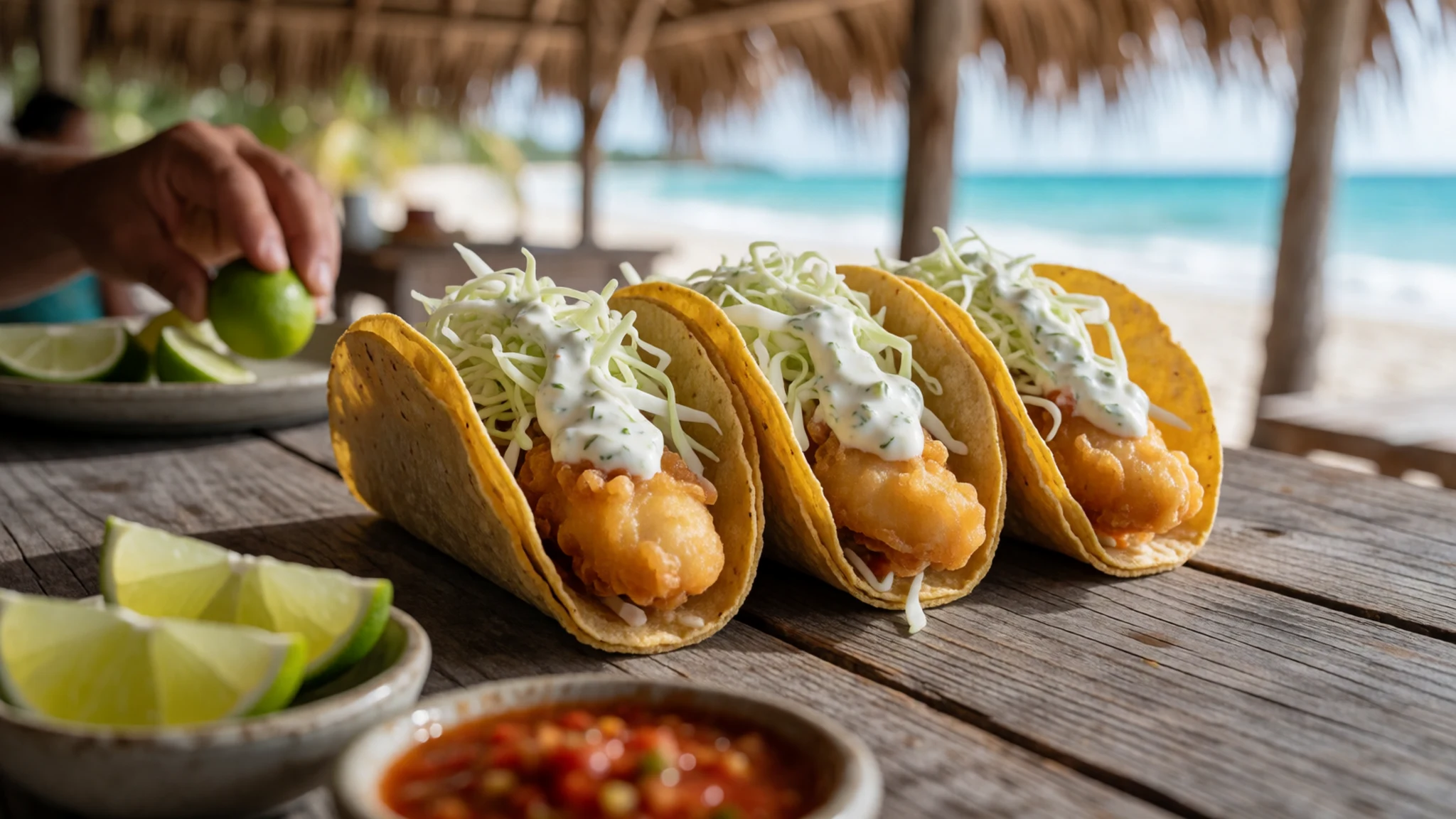
- Chocolate Clams — coastal seafood spots
A regional speciality where brown clams are baked in a traditional brick oven. They are prized for their rich flavour and are a staple at coastal seafood spots.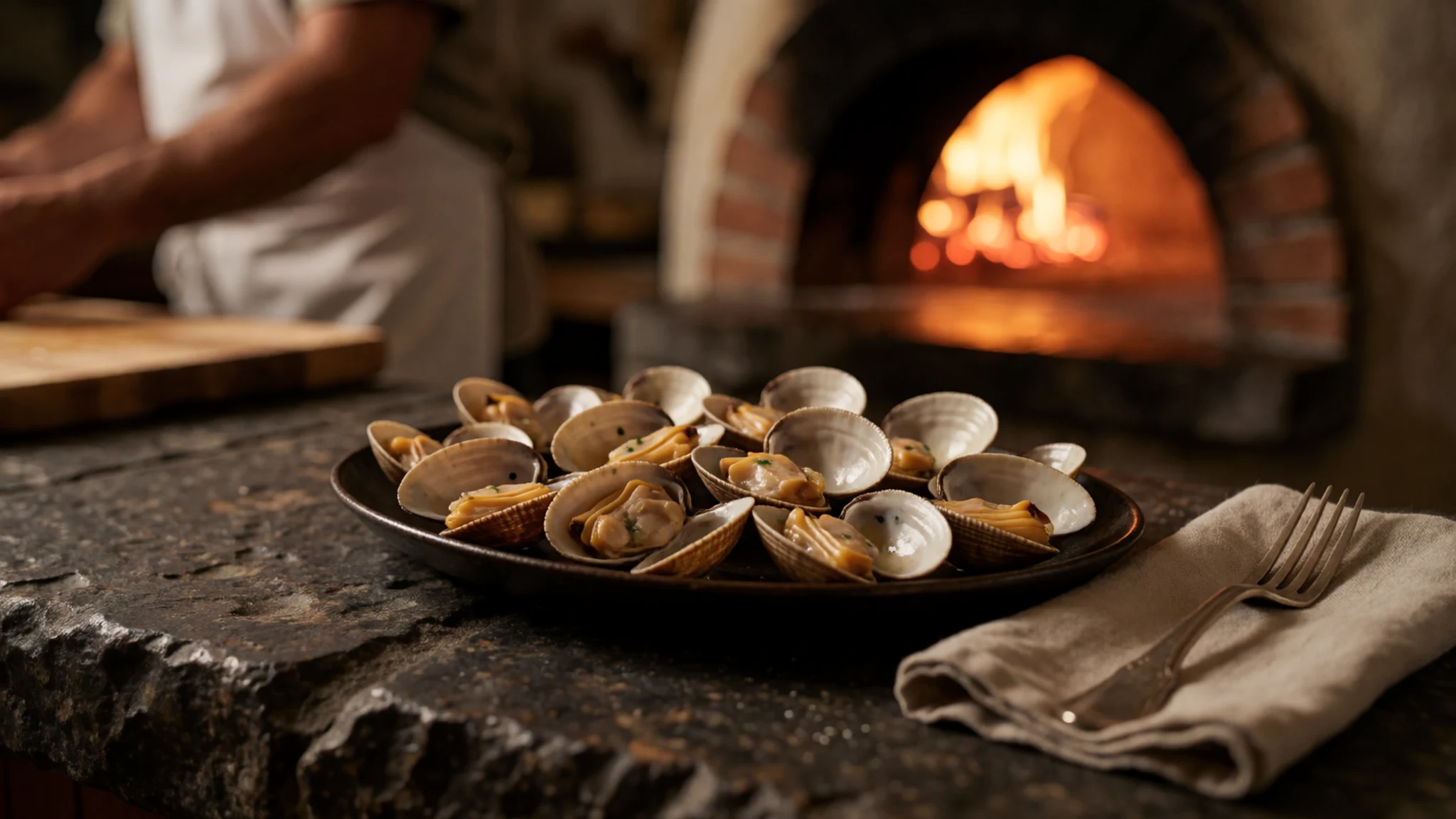
- Octopus Quesadillas — village cafes
A local twist on the classic quesadilla, featuring tender pulpo (octopus) and melted cheese, often served as a hearty snack in village cafes. - Fresh Grilled Fish — shorefront restaurants
Given the abundance of the gulf, simply grilled fresh-catch fish is ubiquitous. It is typically served with lime and local salsas at any shorefront restaurant. - Artisanal Mezcal — local artisanal distilleries
While not traditionally produced in the south, small-batch mezcal distilleries have appeared locally, offering smoky spirits that pair perfectly with spicy seafood.
Plan it
Best time. November to April is ideal. The east side of the peninsula is extremely hot during the summer, making the cooler winter months the only comfortable time to visit.
How long. 3–4
Getting there. Fly into San Jose del Cabo International Airport (SJD) or La Paz International Airport (LAP), then hire a 4WD vehicle for the drive north.
Budget. mid
Tips
- Bring plenty of cash as ATMs are scarce in the village
- Book your dive charters in advance during peak winter months
- Carry more water than you think you need for desert excursions
- Use only reef-safe sunscreen to protect the corals
- Prepare for dusty roads and basic accommodation
Etiquette
- Respect all 'no-fishing' zones within the National Park boundaries
- Keep noise levels low to avoid disturbing marine mammals
- Carry all your rubbish back out of the park
Nearby
Sources
- Wikidata Q49954197 (CC0)
- Wikipedia (CC BY-SA 4.0)
- Wikivoyage (CC BY-SA 4.0)
Wildlife
- Blue whale (animal)
The blue whale is the biggest animal that has ever lived, a gentle giant with a long, slim body in soft shades of greyish blue, paler on its belly. In the waters off Cabo Pulmo it can be spotted depending on the season, alongside several other kinds of whale. Watch from a respectful distance on a boat with a local guide, keep voices low and engines calm, and never feed or chase it.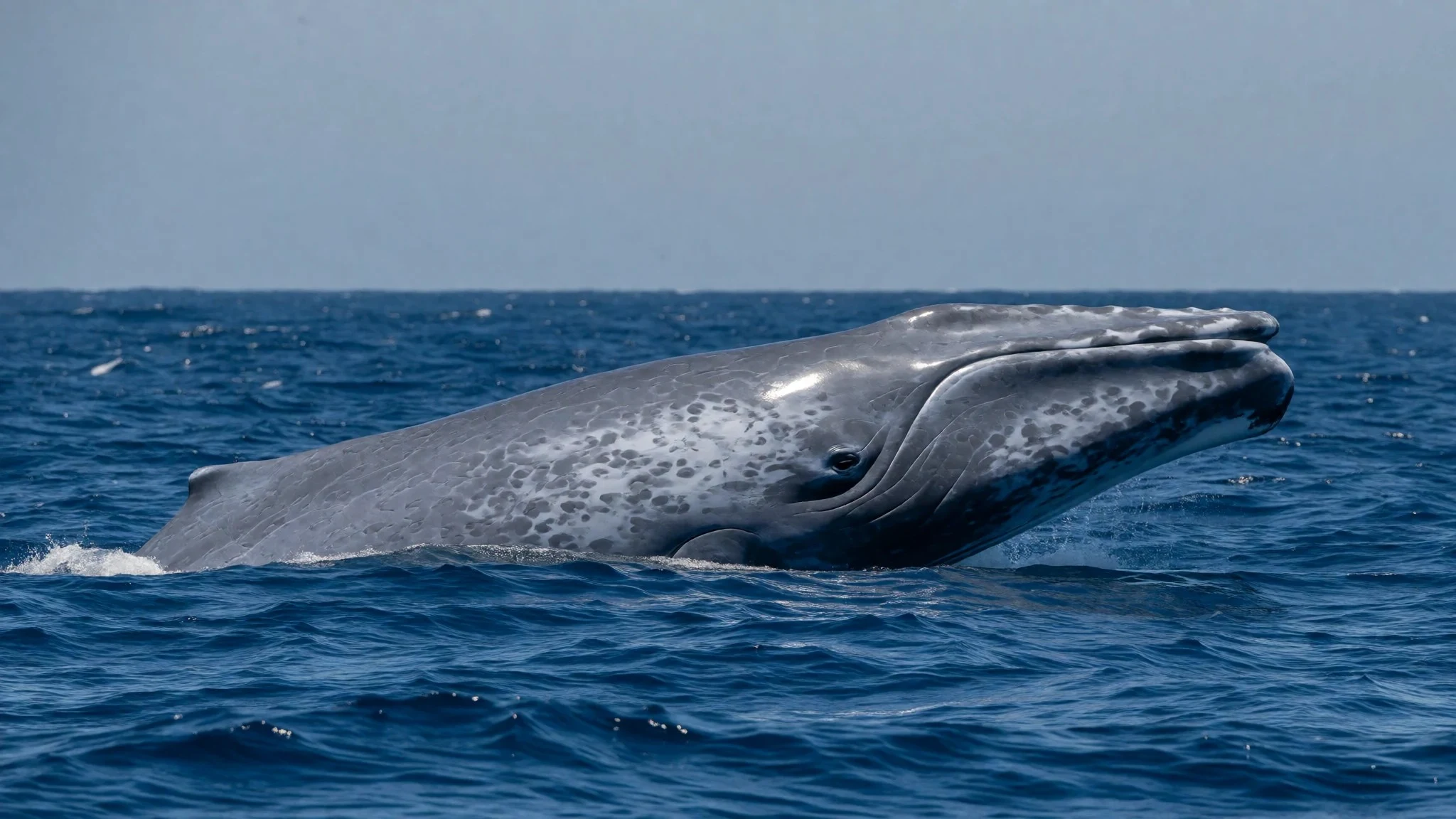
- Vaquita (animal)
The vaquita is a tiny porpoise, the smallest of all the whales, dolphins and porpoises, and it lives only at the top end of the Gulf of California. It is on the brink of extinction, mostly because it gets tangled in nets set illegally for another fish, the totoaba. Its plight is why the area is now listed as World Heritage in Danger. Sightings are not promised; if you are ever lucky, keep your distance, stay quiet, go with a guide and never feed it.