Celestún
Celestún, Mexico
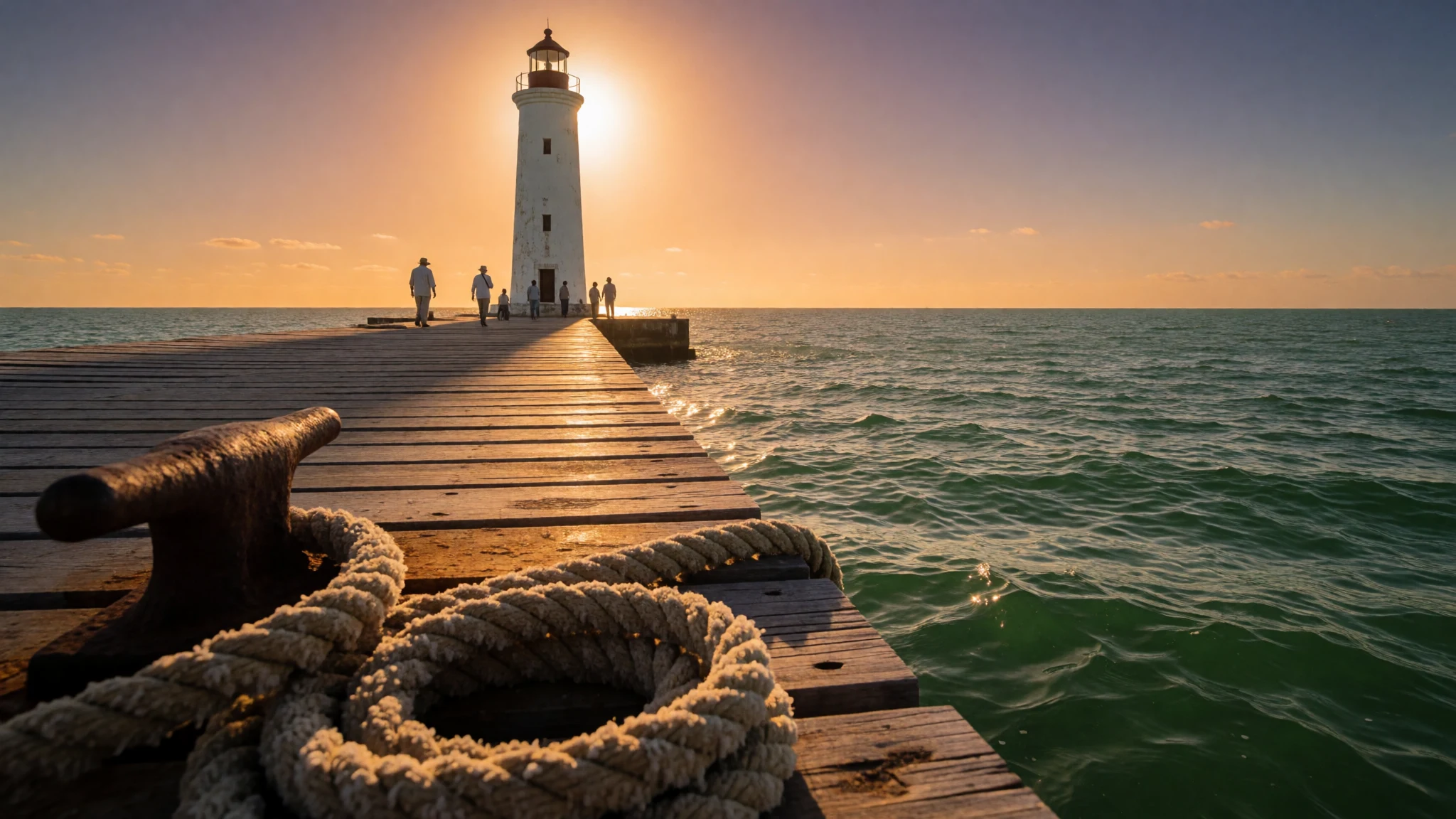
Celestún pairs a quiet Gulf beach town with a mangrove lagoon where flamingos gather each winter, far from the Caribbean crowds.
The place
Celestún sits on the Gulf of Mexico in the north-west corner of Yucatán state, a short way north of the Campeche border. It is a small fishing town of 8,366 people, strung along a thin strip of sand between the open sea and a long coastal lagoon. Most visitors come for what surrounds the town rather than the town itself: the Ría Celestún Biosphere Reserve, a wetland that wraps around the settlement and belongs to the Petenes mangrove ecoregion. Fresh water seeping up from the limestone land meets salt water from the Gulf here, and that mixture shapes everything that lives in the shallows. In winter the lagoon fills with flamingos, while herons, pelicans and many other birds feed along the channels or stop over on migration. Two kinds of pelican turn up, a large white one and a smaller grey one. Sea turtles also use the coast for nesting, and conservation groups work to protect them as building creeps closer. The town itself is plain and low-rise, with a main square and kiosk, a municipal palace, a lighthouse by the pier and a broad public beach. The sand is greyer and the water a darker green than on the Caribbean side of the peninsula, but the crowds are far thinner. Celestún works as a base for a night or two, or as a long day trip from Mérida, and suits birdwatchers and slow beach days better than anyone after nightlife.
Its story
Celestún is recorded as having been founded in 1718, and its story has always been tied to water rather than to grand monuments. The settlement grew around what the sea and lagoon could provide, and fishing remains the backbone of daily life. The calendar here follows the animals. Early autumn, roughly August to October, is octopus season, when the town fills with fishermen and boats go out at first light and return to a busy shoreline. Winter belongs to the flamingos, which arrive in the lagoon in large flocks and bring the visitors who now form the other main source of income. Along the beaches, turtle nesting adds a third rhythm, and local conservationists keep an ongoing effort to shield the nests from development and disturbance. That balance is the real tension in Celestún today. Tourism pays for guides, boat owners and small eateries, yet too many engines, too much litter or too little care would damage the very wetland people travel to see. Guide cooperatives and the biosphere reserve's rules are one answer, and they work best when visitors follow them. The town has little in the way of colonial grandeur, and it does not pretend otherwise. Its charm is in the working waterfront, the evening promenade along the sand, and the sense of a place that has not been entirely rearranged for outsiders.
What to see
- Ría Celestún boat tour — Ría Celestún Biosphere Reserve, just outside town
Boat trips run out onto the lagoon inside the biosphere reserve, where flamingos feed in the shallows in the cooler months. Boats keep a respectful distance, and the quiet stretches between sightings, with herons and pelicans overhead, are as memorable as the flocks. Go early, when the light is soft and the water calm.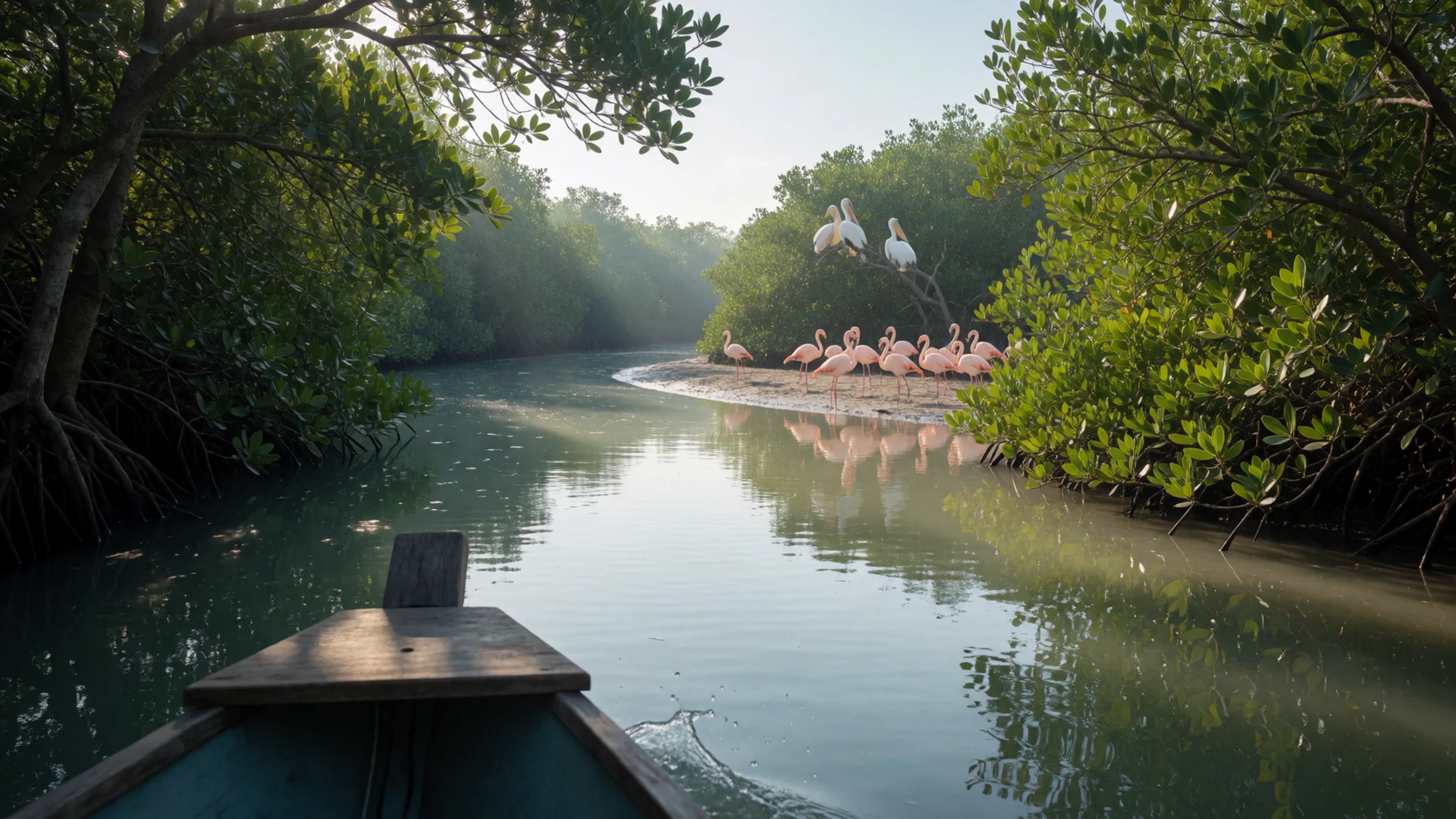
- Mangrove paddling with Guardianes de los Manglares — Mangrove channels near Celestún
Local nature guides lead canoe and kayak trips through the narrow mangrove channels. Moving under paddle power rather than an engine means birds stay put and the tunnels of roots can be heard as much as seen. It is a slower, quieter alternative to the motorboat tours and worth booking ahead.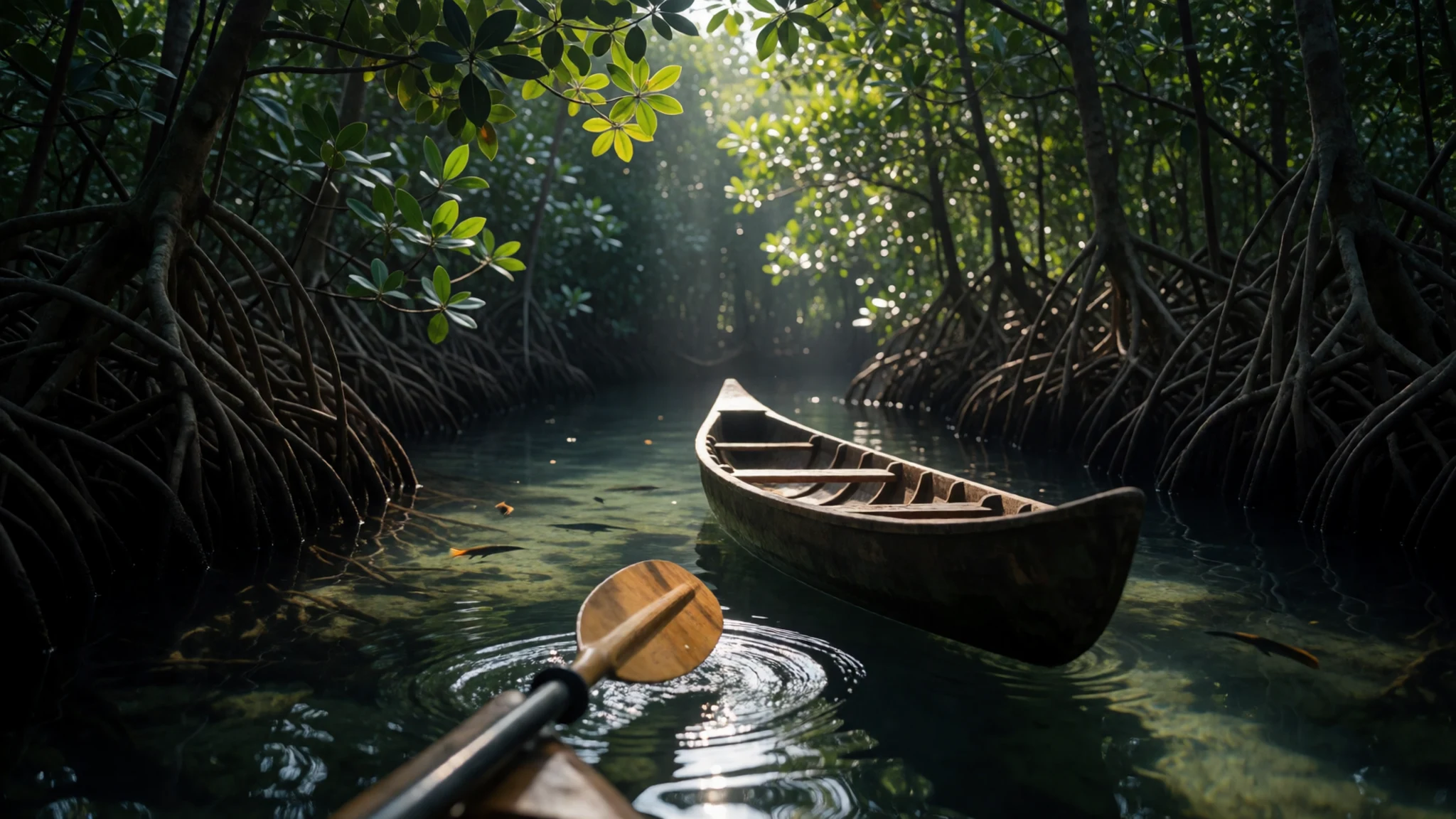
- Playa Sur and Playa Norte — Town waterfront
The town beach is split by the main cross street into a southern and a northern stretch. Both are wide, with grey sand, dark green water and shallow swimming. Evenings are the best time, when families come out, fishing boats rest on the sand and the sun drops straight into the Gulf.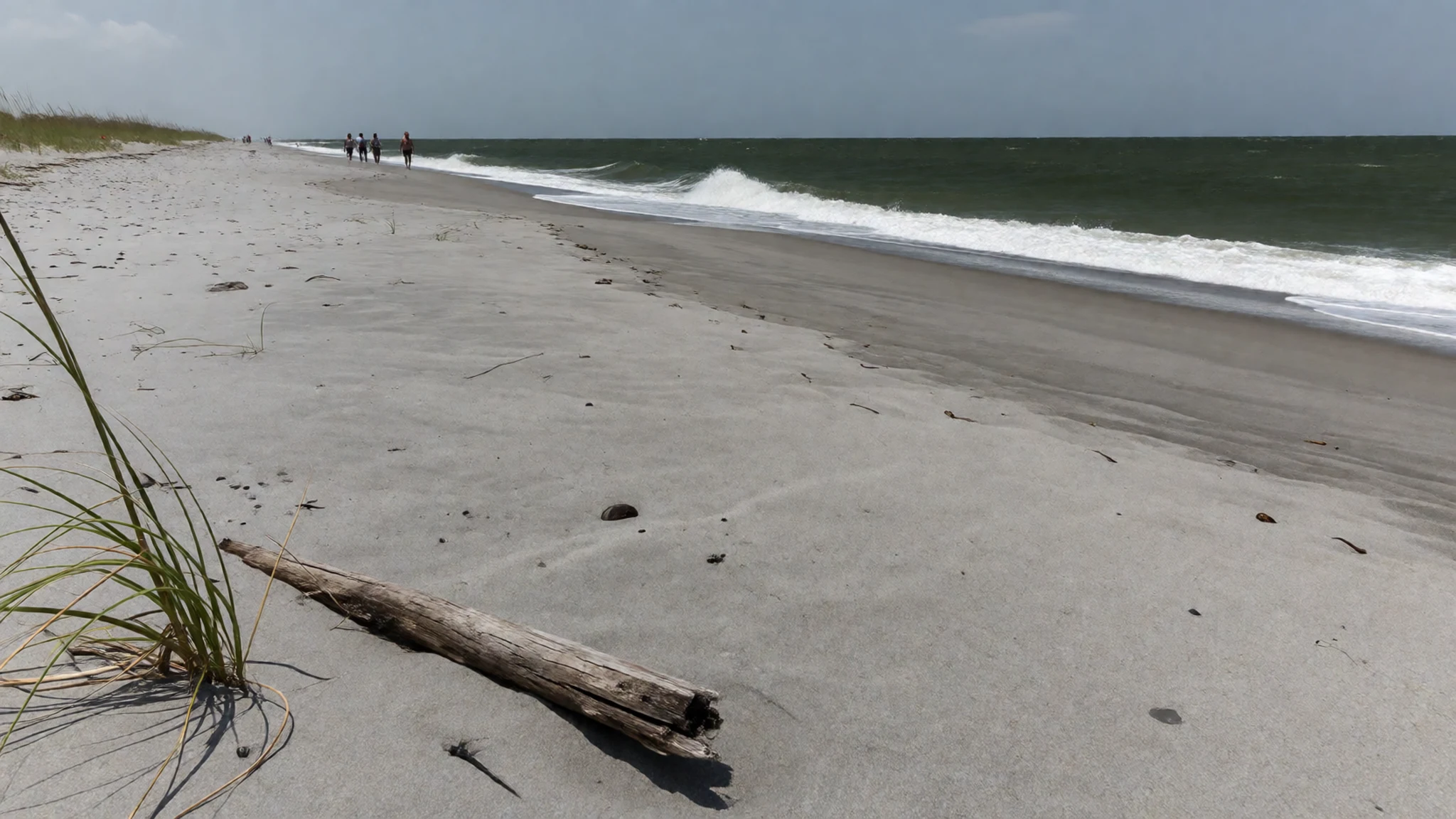
- Playa Agua — North of the town centre
A few minutes north of town, this beach is far from the crowds and has no vendors selling food or drink, so bring water, snacks and shade. It rewards anyone who wants space, shells and a long walk along an empty shoreline. Check conditions locally before swimming, as there are no facilities.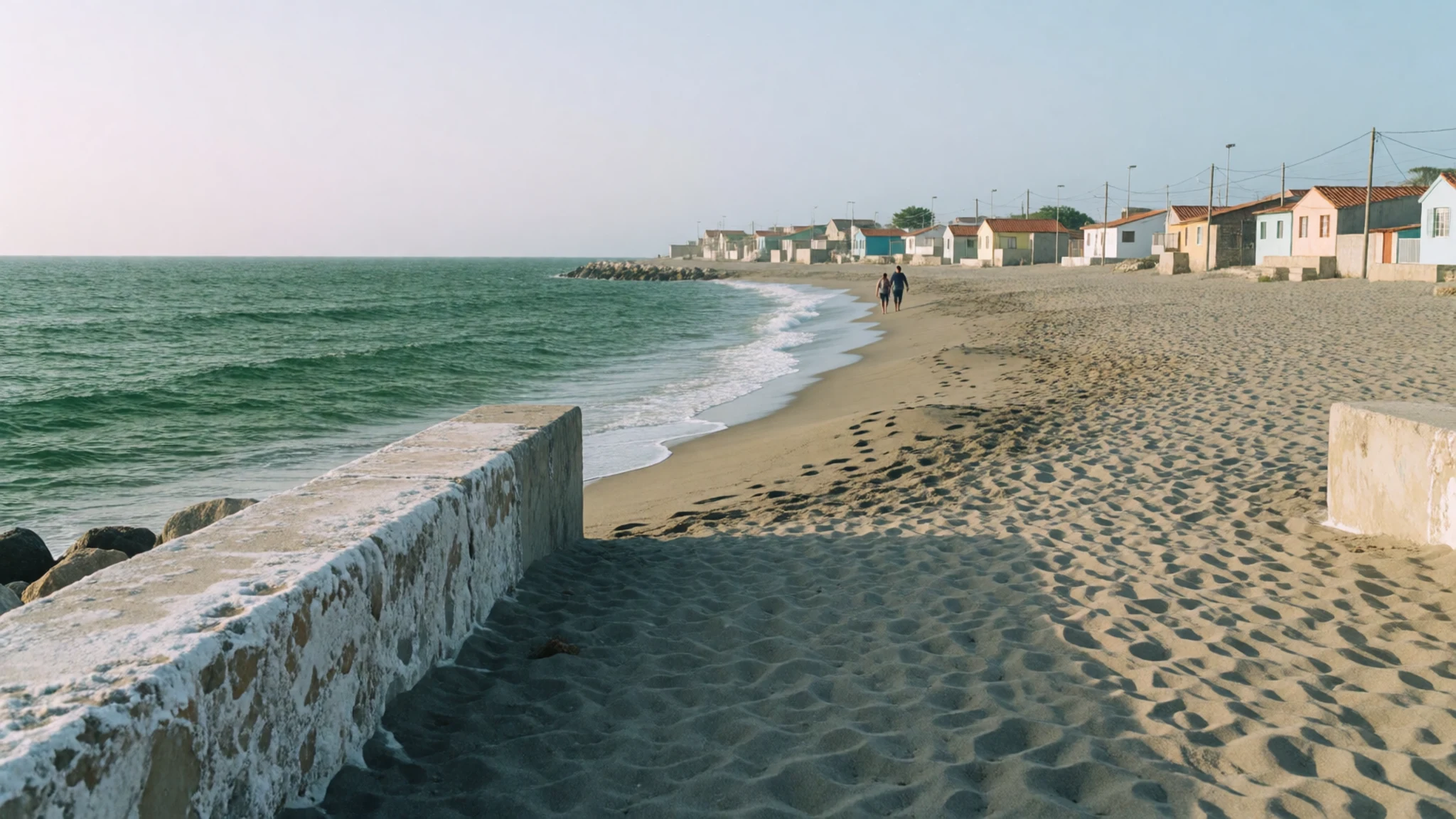
- Lighthouse, pier and town square — Town centre
A short wander covers the lighthouse seen from the pier, the kiosk in the central square, the municipal palace and the quiet side streets. It is an easy hour, best in the late afternoon. The church with its distinctive ladder-like structure is also worth a look for photographers.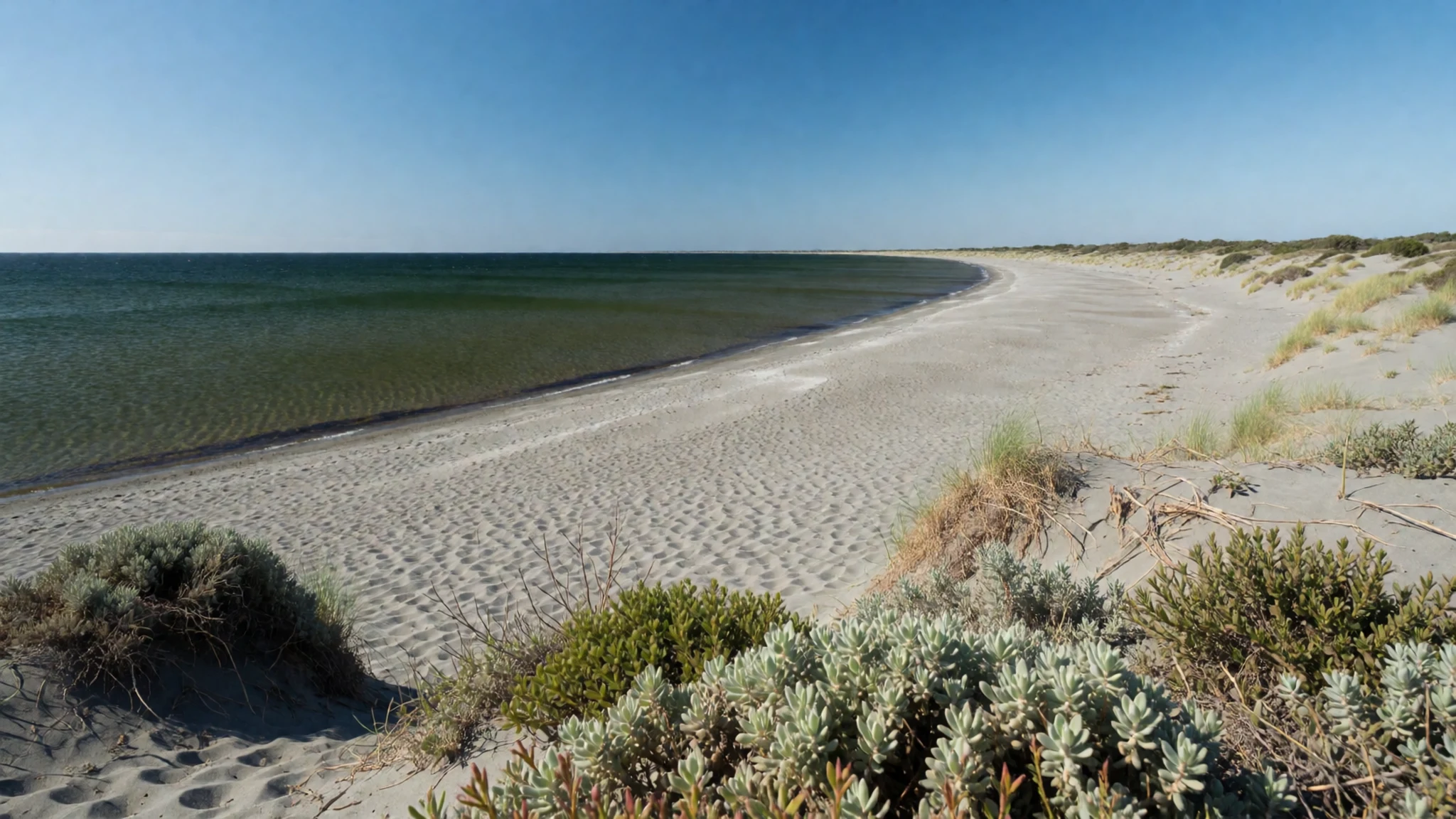
Culture
Celestún is a Yucatecan fishing town, and its culture is shaped by Maya heritage, Catholic traditions and a working relationship with the sea. Spanish is the common language, and many older residents also speak Yucatec Maya, which shows up in place names, family names and the food. Daily life moves with the tide and the heat: mornings are busy on the waterfront, afternoons are slow, and evenings bring people to the square and the beach to sit, talk and eat. Community festivals, saints' days and neighbourhood events are the main occasions for music, dancing and shared meals, and they are usually open to polite onlookers. The fishing economy gives the town a practical, unfussy character. Boats, nets and the octopus catch matter more here than souvenirs, and much of the visitor economy is run by local families and cooperatives, from boat owners to small eateries. Respect for the wetland is also part of local identity, since many residents depend on it for their income and take pride in its birds. Greetings matter: a simple buenos días on entering a shop or boarding a boat is expected and warmly returned. Tipping guides and boat crews is customary, as they often earn modest incomes shared between several people. Ask before photographing local people or their boats at work, and keep noise, litter and your distance from the flamingos to a minimum so the birds are not flushed from their feeding grounds.
What to wear
Traditional dress in Yucatán is built around light cotton. Women wear the huipil, a loose white dress with colourful floral cross-stitch embroidery at the neck and hem, sometimes under a lace-trimmed underskirt, and a fuller festive version called a terno appears at fiestas and dances. Men wear the guayabera, a pleated cotton shirt, often in white, and sometimes a woven palm-fibre hat. These outfits are mainly seen at festivals, saints' days and folkloric performances rather than on ordinary days. Day to day in Celestún, people dress for heat and water: shorts, T-shirts, sandals, caps and rubber boots for fishermen, with cotton dresses and loose shirts for errands. Smarter clothes appear for church and evening gatherings in the square. Visitors should pack lightweight, breathable cotton or linen, a wide-brimmed hat, sunglasses and plenty of sun protection, ideally reef-safe and applied well before boarding a boat. Water sandals or shoes with grip suit wet jetties, boat decks and muddy mangrove edges, and a thin long-sleeved layer helps against sun and insects. Swimwear is fine on the beach, but throw on a shirt or wrap when walking through town or visiting the church. A light rain jacket is useful in the wetter months, and a dry bag protects phones and cameras on the water.
What to eat
- Pulpo (octopus) — Beachfront palapa eateries
Octopus is the local pride, and it is freshest in early autumn when the season peaks. It appears grilled, in ceviche or in a garlicky sauce. Look for it at beachfront palapa eateries and family-run seafood places along the waterfront.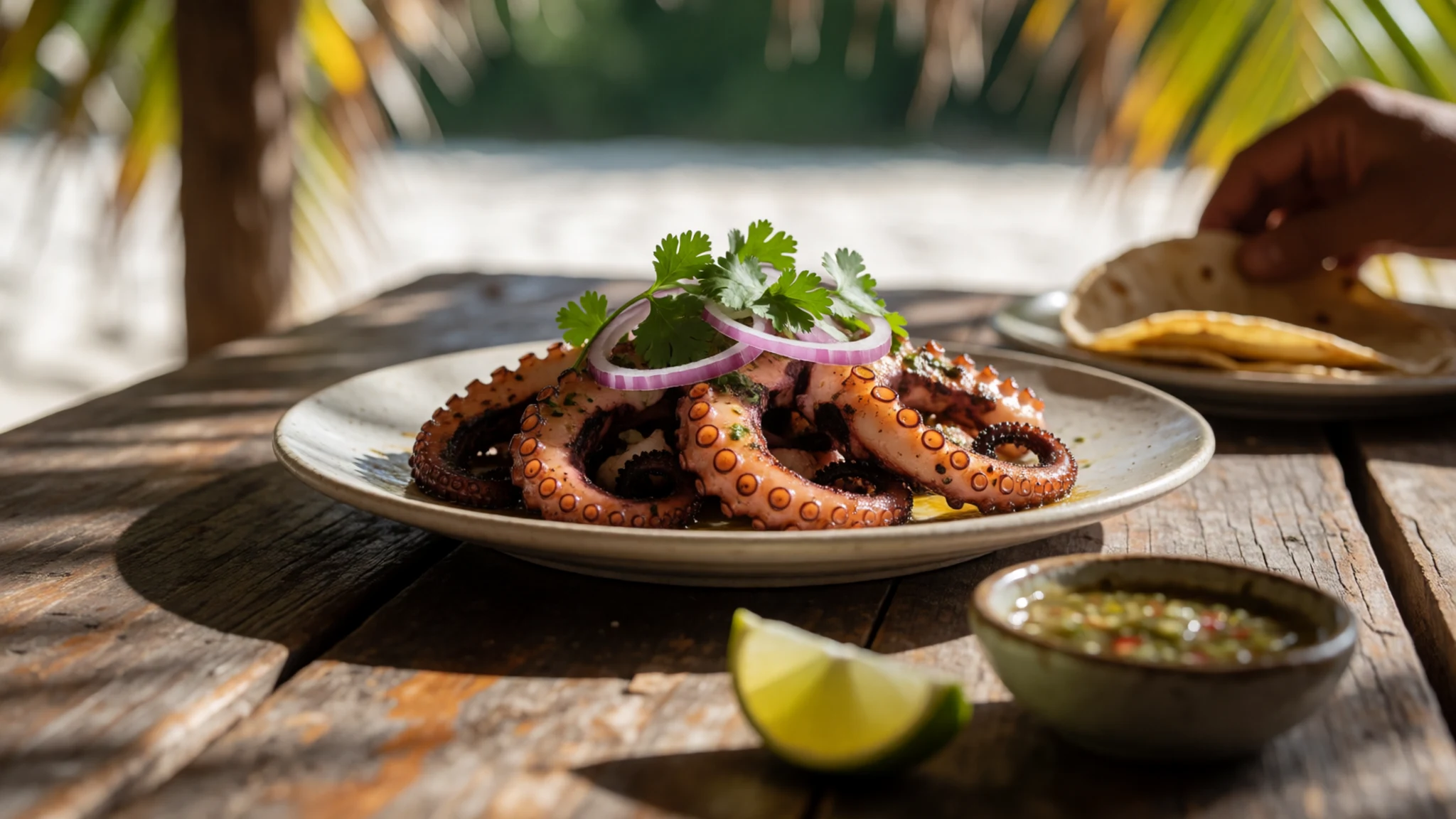
- Fresh grilled fish — Seafront eateries near the pier
Whole or filleted fish from the morning catch is cooked simply with lime, garlic or a chilli-based marinade and served with rice, tortillas and salad. Ask what came in that day and choose accordingly.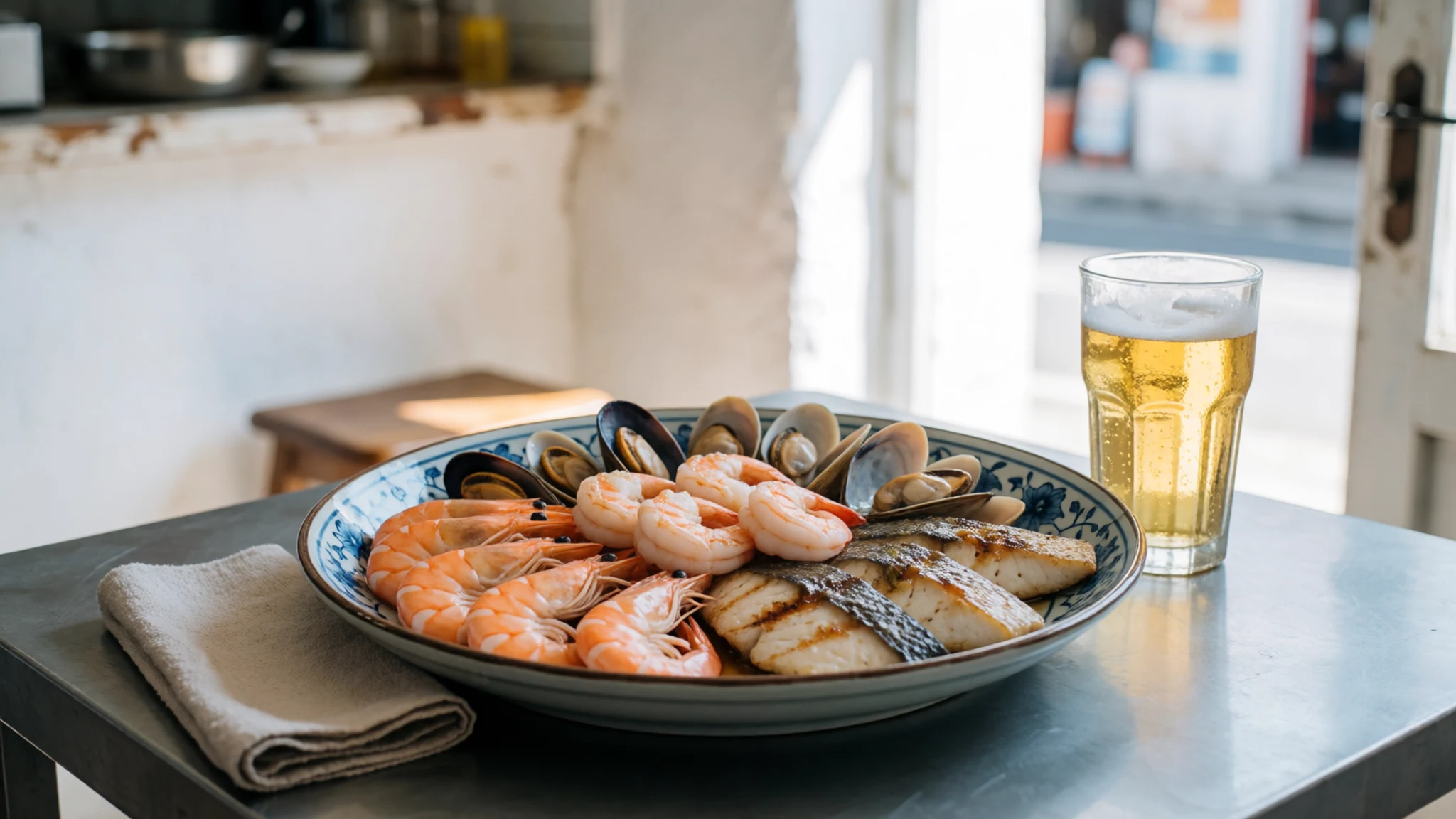
- Ceviche and shrimp cocktail — Small stands and beach eateries
Cold seafood cured in lime and mixed with onion, tomato, coriander and chilli is a staple of the Gulf coast. It makes a good light lunch in the heat, usually served with crisp tostadas or crackers. - Cochinita pibil — Local eateries and market stalls in town
Pork marinated in sour orange and achiote, wrapped and slow-cooked until tender, is the signature dish of Yucatán. It is served in tacos, tortas or on a plate with pickled red onion, and is often a breakfast or lunch favourite. - Panuchos and salbutes — Market area and family-run breakfast spots
These small fried tortillas are topped with shredded turkey or chicken, lettuce, tomato and pickled onion. Panuchos hide a layer of refried beans inside, while salbutes are puffier and plainer. They are cheap, filling snacks for any time of day.
Plan it
Best time. November to March, when flamingos are present in the lagoon and the heat is more bearable. Early autumn brings octopus season but also hot, humid weather and a risk of storms.
How long. 1–2
Getting there. Fly into Mérida, then take a bus from the city to Celestún, which takes about two hours with several stops along the way. Driving is simple too: take the westbound federal road out of Mérida to the coast.
Budget. low
Tips
- Book boat or kayak trips early in the day, when the water is calm and the birds most active
- Carry some cash, as small eateries, guides and boat crews may not take cards
- Bring drinking water, a hat and sun protection, as there is little shade on the lagoon or on quieter beaches
- Weekends and holidays can be busier, so midweek visits feel calmer
- Check the official municipal website for local notices and events
Etiquette
- Keep boats and people well back from the flamingos and never chase or feed wildlife
- Take litter with you, especially on quiet beaches without bins
- Agree the price and duration of any boat or guide trip before setting out
Nearby
Sources
- Wikidata Q1917547 (CC0)
- Wikipedia: Celestún (rev 1383847348) (CC BY-SA 4.0)
- Wikivoyage: Celestún (rev 5397198) (CC BY-SA 4.0)
- Photo: Kiosk in the center of Celestún (AlejandroLinaresGarcia) (CC BY-SA 4.0)
- Photo: Palacio municipal de Celestún (Inri) (CC0 1.0)
- Photo: Celestun, Yucatan, Mexique 2011 (Ros_K Photographie) (CC BY 2.5)
- Photo: Celestún flamingo (Elelicht) (CC BY 3.0)
- Photo: Calle 12 in Celestún (DaLoetz) (CC BY-SA 4.0)
- Photo: Lighthouse in Celestún (DaLoetz) (CC BY-SA 4.0)
- Photo: Beach at Celestun (k.d..did) (CC BY-SA 2.0)
- Photo: Church and ladder, Celestun (Mark McNestry) (CC BY 2.5)


Wildlife
- American flamingo (animal)
Imagine a big bird with bright feathers, standing in a flock: that is the American flamingo, the only flamingo that lives naturally in North America. Celestún welcomes great numbers of them in winter, among many other birds. To watch well, stay far enough back that they never feel crowded, keep quiet, let a local guide lead you, and resist feeding them, which could do them harm.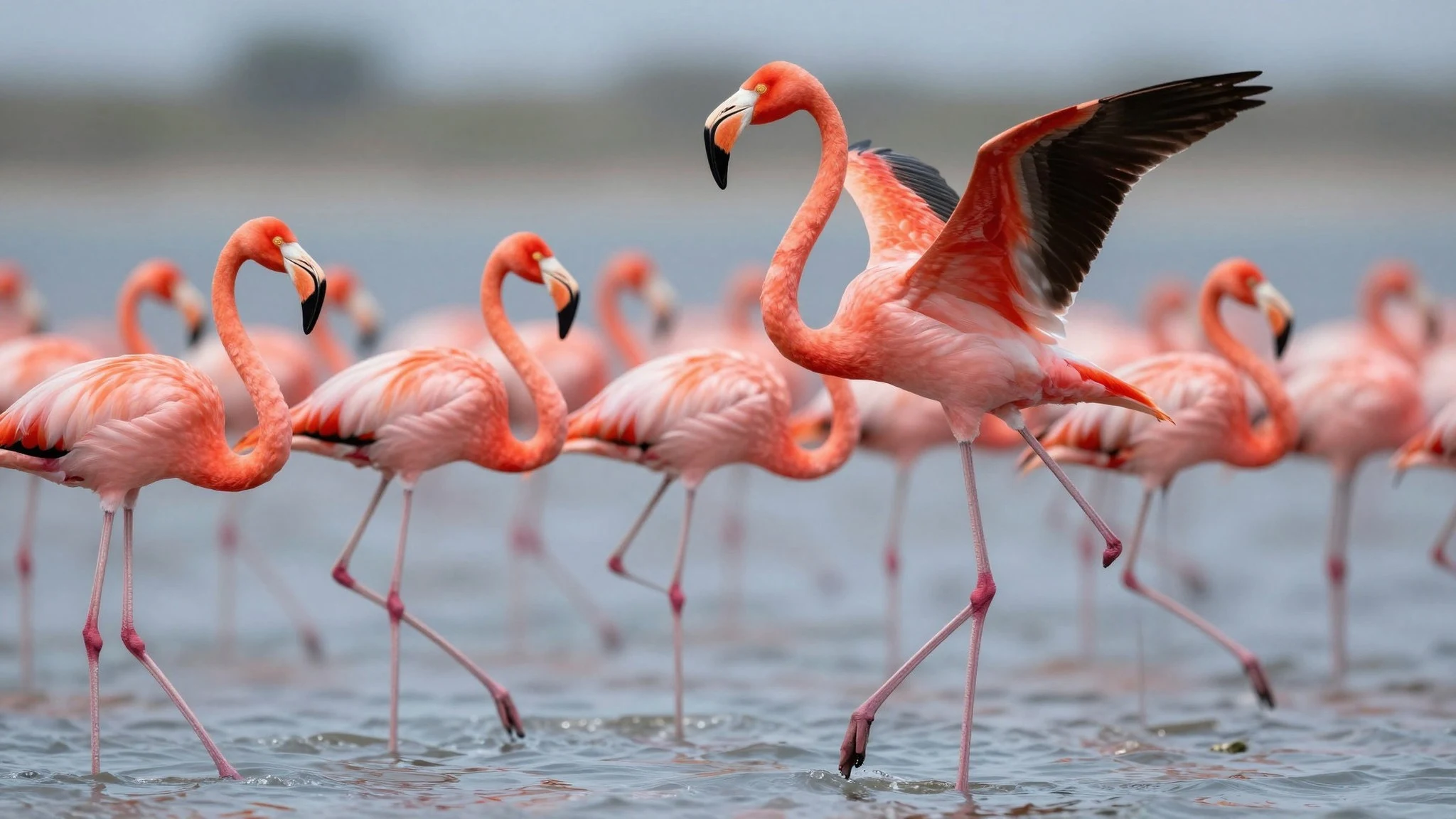
- American flamingo (bird)
Imagine a big bird with bright feathers, standing in a flock: that is the American flamingo, the only flamingo that lives naturally in North America. Celestún welcomes great numbers of them in winter, among many other birds. To watch well, stay far enough back that they never feel crowded, keep quiet, let a local guide lead you, and resist feeding them, which could do them harm. - Sea turtle (animal)
A sea turtle is a gentle, shelled reptile that lives in the sea and has been around for ages. Many are endangered, and in Celestún local conservationists work to protect these ancient creatures so their young can hatch safely on the shore. Join a conservation-led visit rather than wandering alone, keep your distance, stay quiet, and never touch, chase or feed them. Let them go about their business undisturbed.