Cabo San Lucas
Cabo San Lucas, Mexico
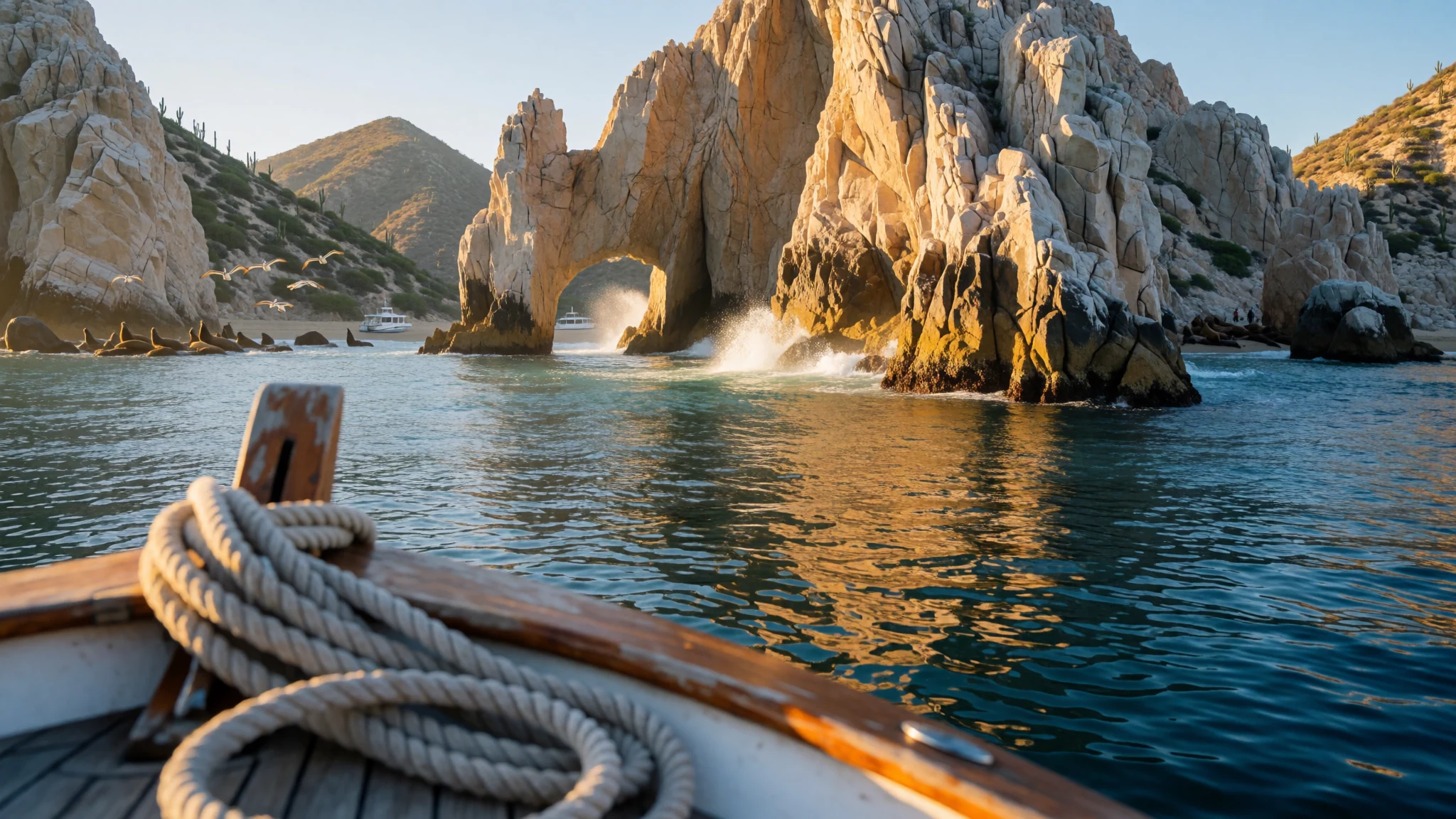
Cabo San Lucas offers dramatic desert meeting ocean scenery, world-class marine life, and lively coastal entertainment at the tip of the peninsula.
The place
Cabo San Lucas sits right at the southern tip of the Baja California peninsula in Mexico, where the desert landscapes of Baja California Sur drop steeply into the blue expanse of the Pacific Ocean and the Gulf of California. Together with neighbouring San José del Cabo, the municipality creates a thriving coastal region known simply as Los Cabos. The main town functions as the energetic entertainment hub of the peninsula, drawing travellers with its deep blue bays, sandy stretches, and lively nightlife districts. The coastline features the famous natural sea arch known as El Arco, carved by wind and waves where the two bodies of water meet at Land's End. Surrounding waters teem with marine life, making the area internationally celebrated for sport fishing and diving. Away from the water, the geography shifts quickly into arid terrain dotted with rugged hills and sweeping highway corridors lined with modern resorts and golf facilities. While the town centre provides walkable streets filled with eateries and shops, the wider area relies on well-travelled roads connecting the old settlement charm of the north with the vibrant marine atmosphere of the southern cape. Visitors navigating the area experience a distinct blend of desert climate and maritime culture that shapes every aspect of daily life in this coastal destination.
Its story
Cabo San Lucas holds a long history that stretches far beyond its modern resort towers and crowded marinas. Archaeological studies reveal that human communities inhabited the coastal shelters and arid lands of the cape for many generations before the arrival of outsiders. Early indigenous inhabitants, known as the Pericú people, lived off the land and sea by gathering seeds, roots, and marine resources, naming their home Yenecamú. European explorers eventually reached the cape, finding a quiet and sparsely populated shoreline. Archival records credit different figures with founding the modern settlement over the centuries, reflecting changing accounts from early mariners, castaways, and settlers who stopped along the southern coast. Over time, the isolated outpost transitioned into a modest fishing village where local families harvested the rich surrounding waters. By the twentieth century, commercial maritime ventures arrived, including floating platforms and coastal processing plants established to handle the abundant tuna and marine life found offshore. These early industrial steps laid the groundwork for the modern maritime economy, transforming the quiet cape into an accessible harbour that eventually attracted travellers from across the globe while retaining traces of its rugged coastal heritage.
What to see
- El Arco — Land's End
El Arco is the iconic natural granite rock formation marking Land's End, where the Pacific Ocean meets the Gulf of California. Accessible by water taxi from the marina, this dramatic geological arch is framed by sandy shores and playful sea lions basking on nearby rocks.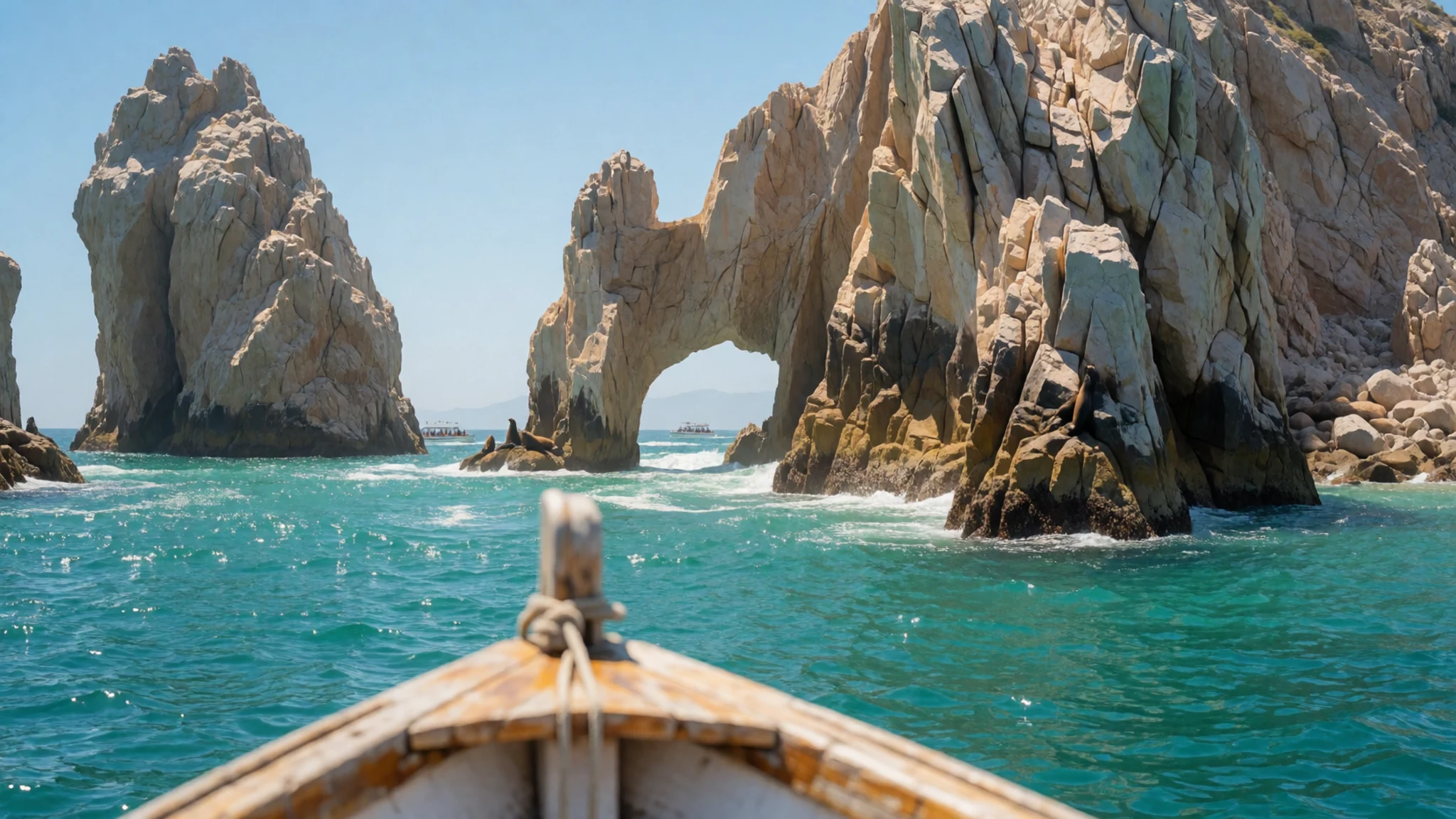
- Cabo San Lucas Marina — Marina district
The bustling marina serves as the nautical heartbeat of the town, filled with luxury yachts, sport fishing vessels, and charter boats. Lined with palm trees, open-air eateries, and shopping plazas, it is the primary departure point for boat tours out to the sea arch and marine reserves.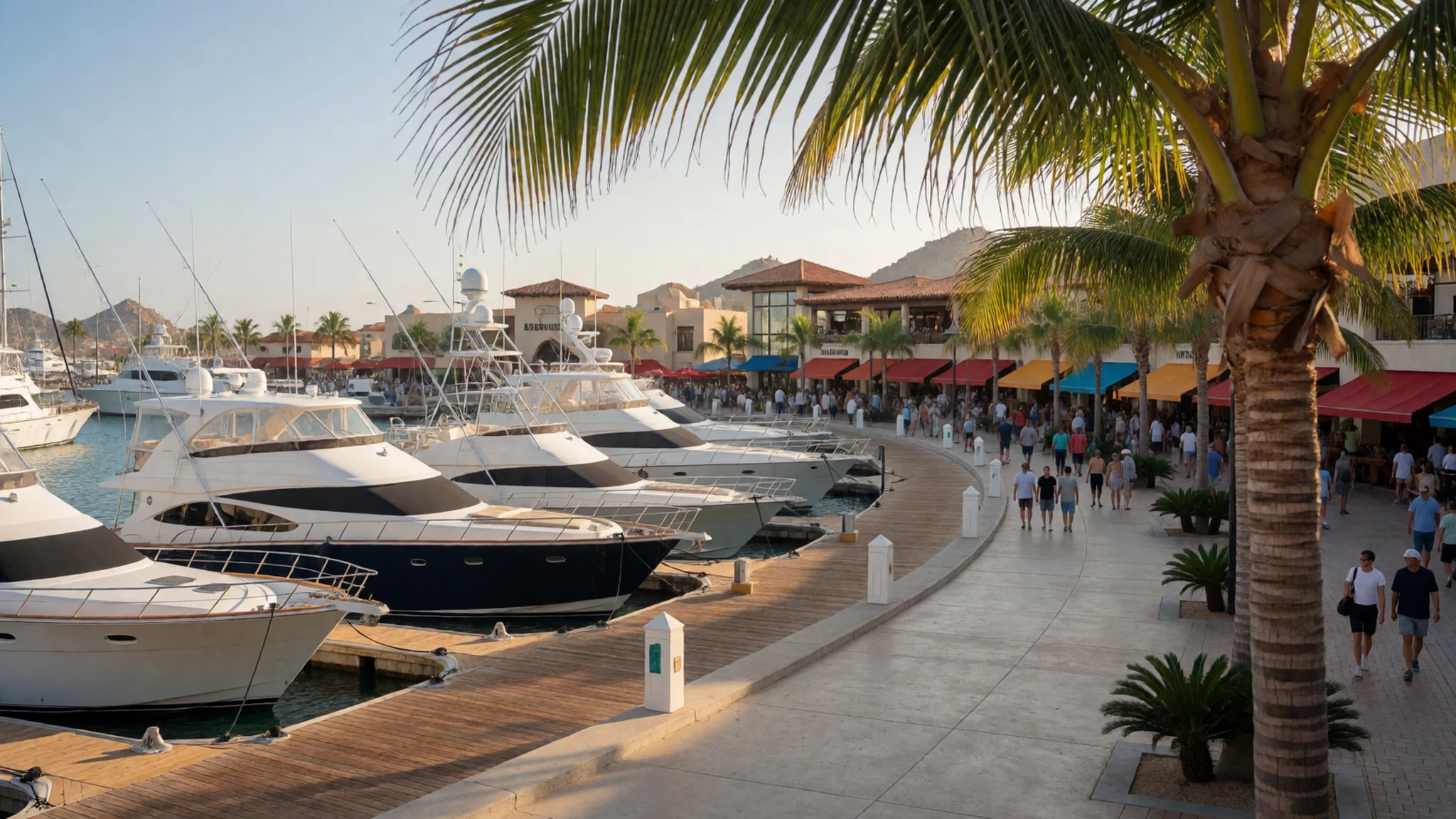
- Church of San Lucas — Town Centre
Standing quietly near the town centre, the historic Church of San Lucas preserves original architectural features from centuries past. This modest house of worship offers a peaceful sanctuary away from the energetic streets, reflecting the enduring local heritage of the cape community.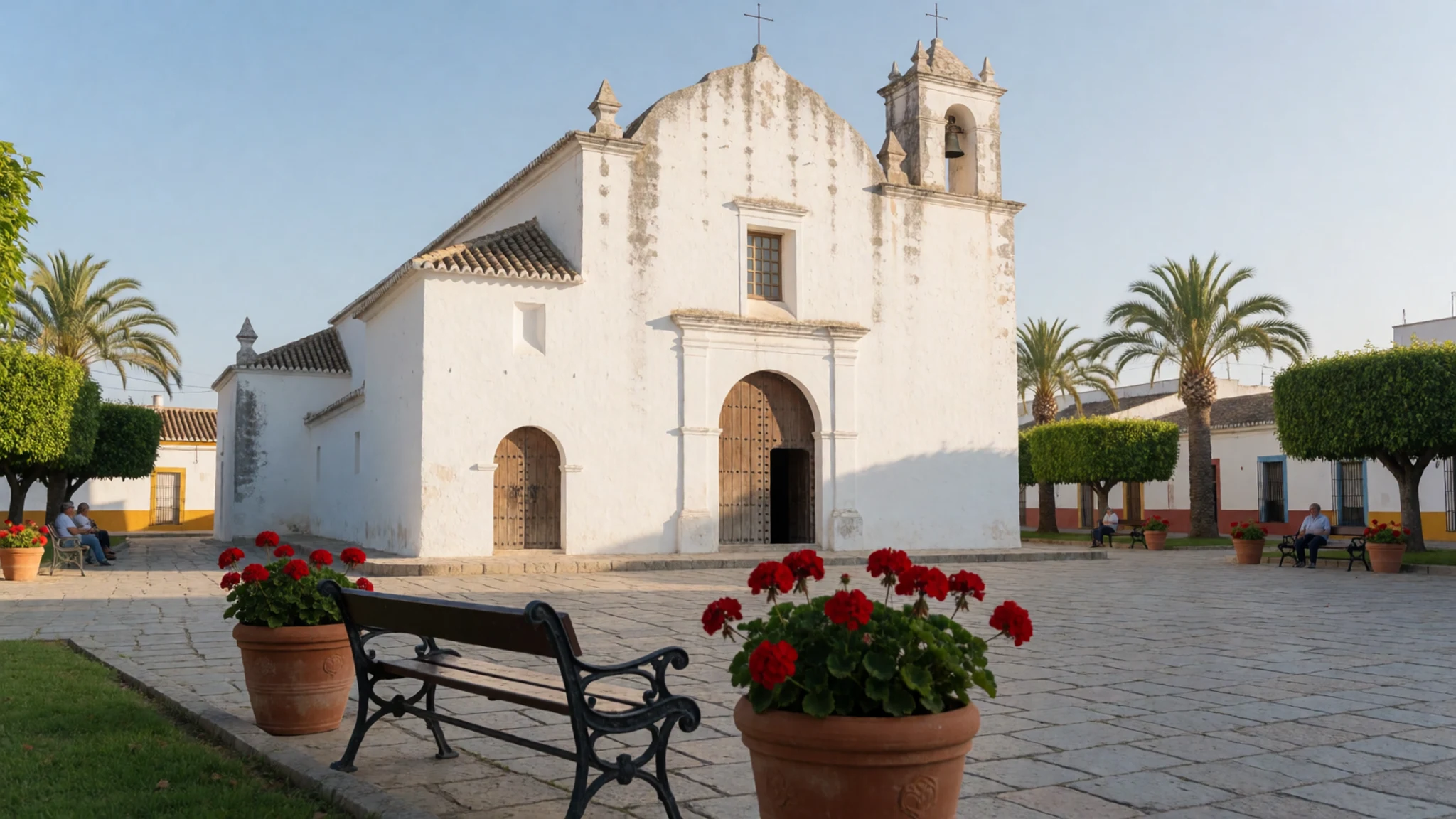
- Medano Beach — Bay front
Medano Beach is the primary stretch of golden sand in Cabo San Lucas, offering safe swimming waters and lively beach clubs. Visitors can rent water sports equipment, join parasailing excursions, or relax under thatched palapas while enjoying views across the bay towards Land's End.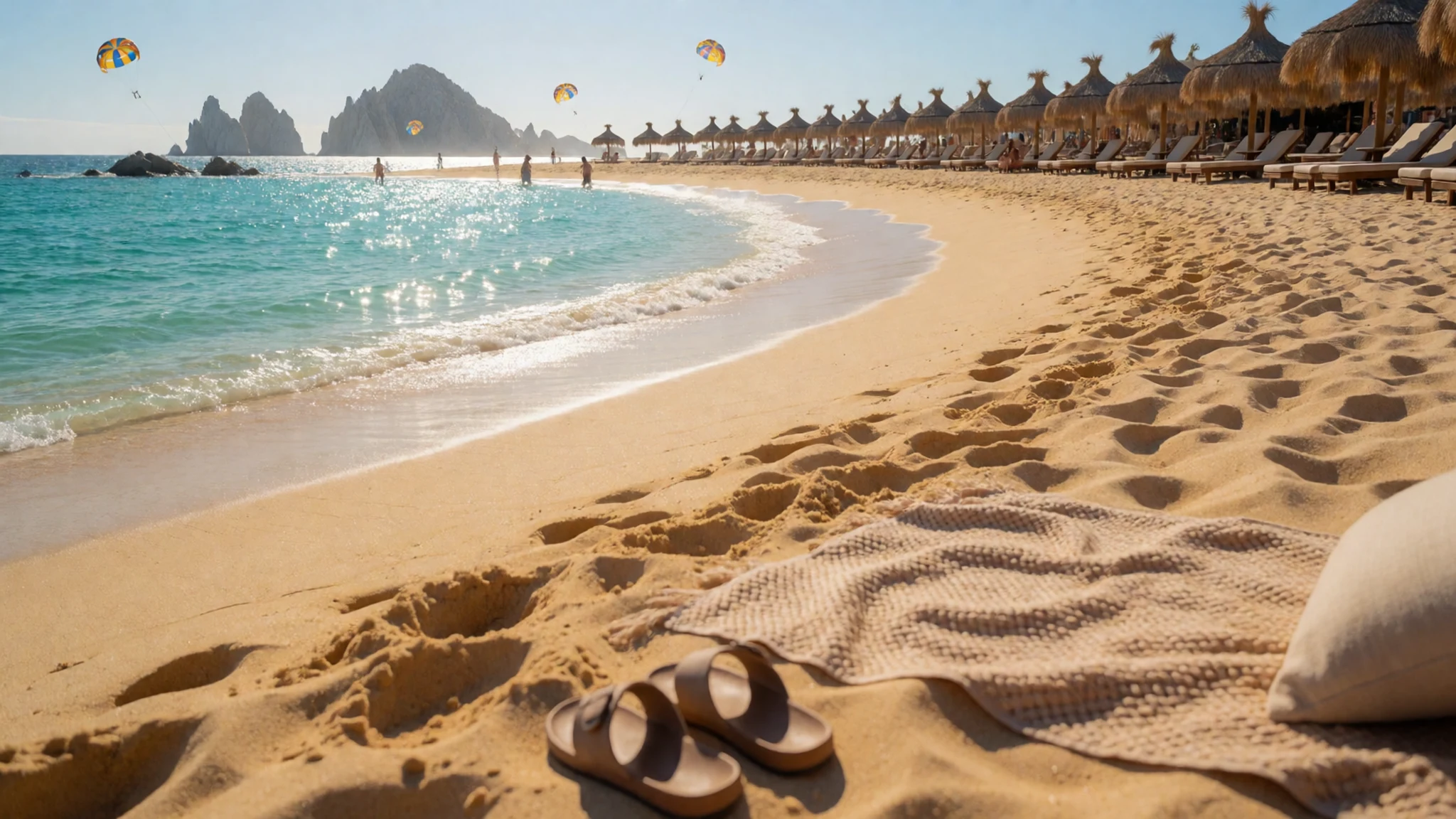
- Cabo del Sol Golf Course — The Corridor
Designed along a dramatic coastal stretch, this challenging golf course features sweeping elevation changes and ocean views from every hole. Integrated into the arid landscape, it showcases the unique combination of desert terrain and seaside fairways found throughout the regional corridor.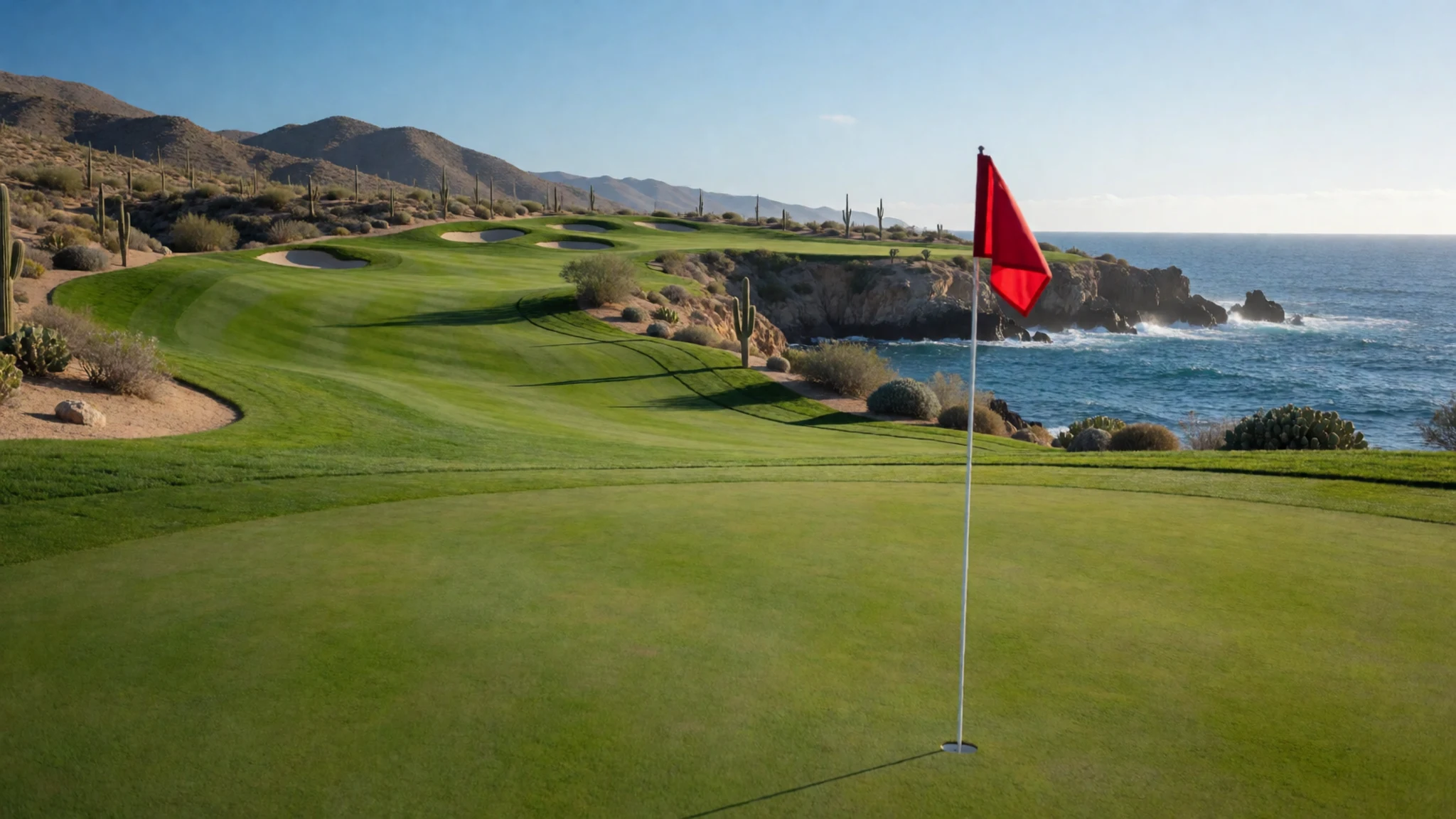
Culture
Cabo San Lucas blends traditional Mexican coastal warmth with a lively international resort atmosphere. Daily life moves to a relaxed pace influenced by the desert heat, shifting into vibrant energy as evening approaches along the marina and entertainment districts. Local communities maintain deep-rooted cultural ties through regional festivals, family gatherings, and traditional cuisine that highlights the bounty of the surrounding sea and arid farmlands. Spanish remains the primary language spoken throughout the area, though English is widely understood in tourist zones and hospitality venues. Respect for local customs is appreciated, particularly when visiting historic neighbourhood churches or interacting with neighbourhood residents outside the main resort corridors. When entering places of worship or residential areas away from the beachfront, dress modestly by covering shoulders and knees out of respect for local traditions.
What to wear
Fashion in Cabo San Lucas reflects its warm coastal climate and relaxed resort setting. Traditional dress in the wider region draws from Mexican heritage, featuring lightweight cotton garments, embroidered blouses, and wide-brimmed straw hats designed to protect against the intense sun. Residents and workers today generally wear casual, breathable clothing suited for warm weather, such as linen shirts, shorts, and sundresses. For visitors exploring Cabo San Lucas, a practical wardrobe includes comfortable swimwear, cover-ups for the beach, and breathable fabrics like cotton and linen for daytime wandering. Sturdy sandals or walking shoes are ideal for navigating the marina docks and sandy paths, while a light layer is useful for cooler desert evenings. When dining at upscale restaurants or visiting town establishments away from the sand, smart-casual attire is standard, ensuring comfort without sacrificing neatness.
What to eat
- Steak Tacos — Tacos Marissa, town centre
Tender grilled steak folded into warm corn tortillas, served with traditional condiments such as whole roasted jalapeños, caramelised onions, and fresh guacamole.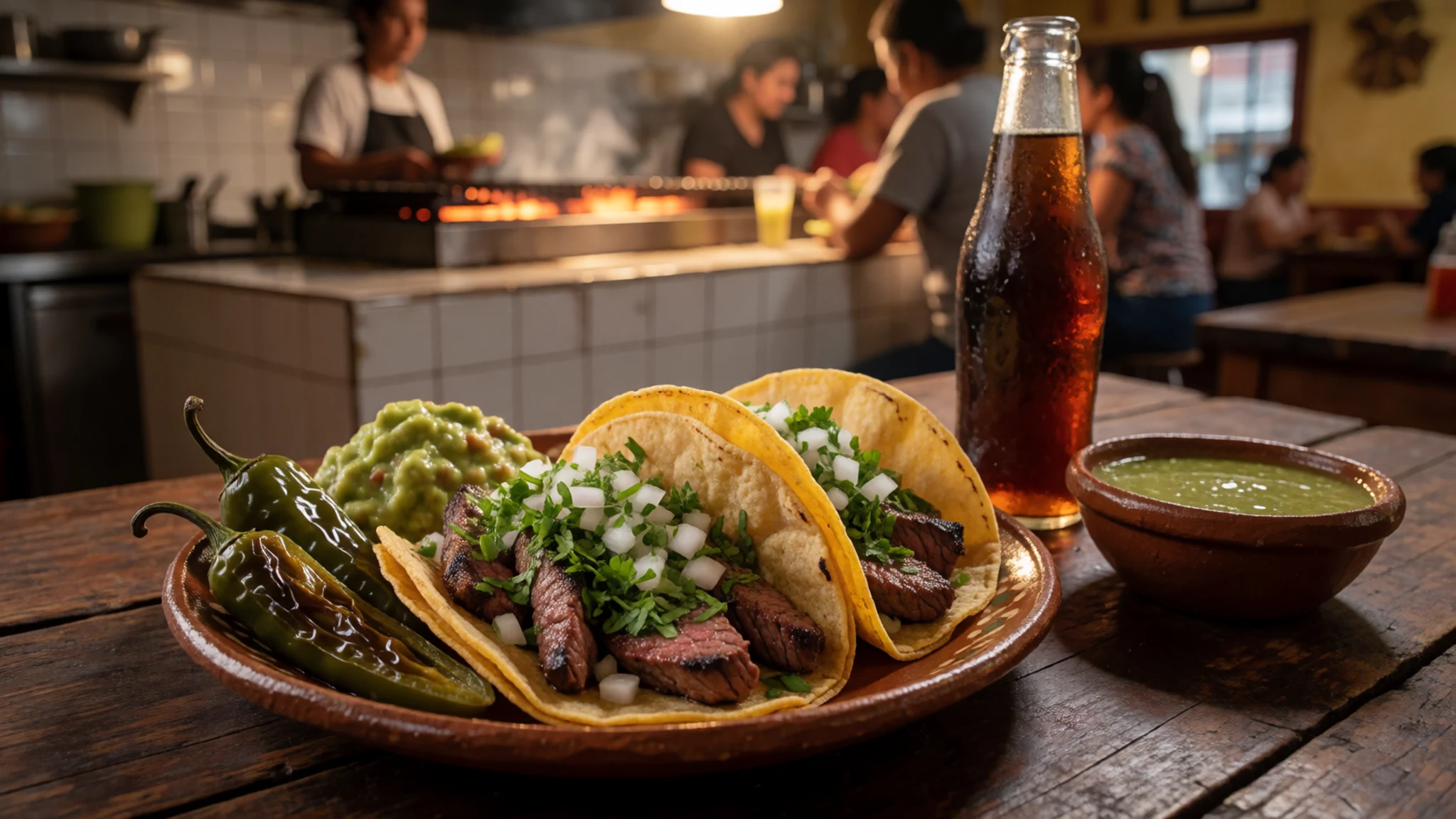
- Baja Fish Tacos — Guss Tacos, downtown
Crispy battered local fish served in soft corn tortillas with shredded cabbage, fresh pico de gallo, and creamy seasoned mayonnaise.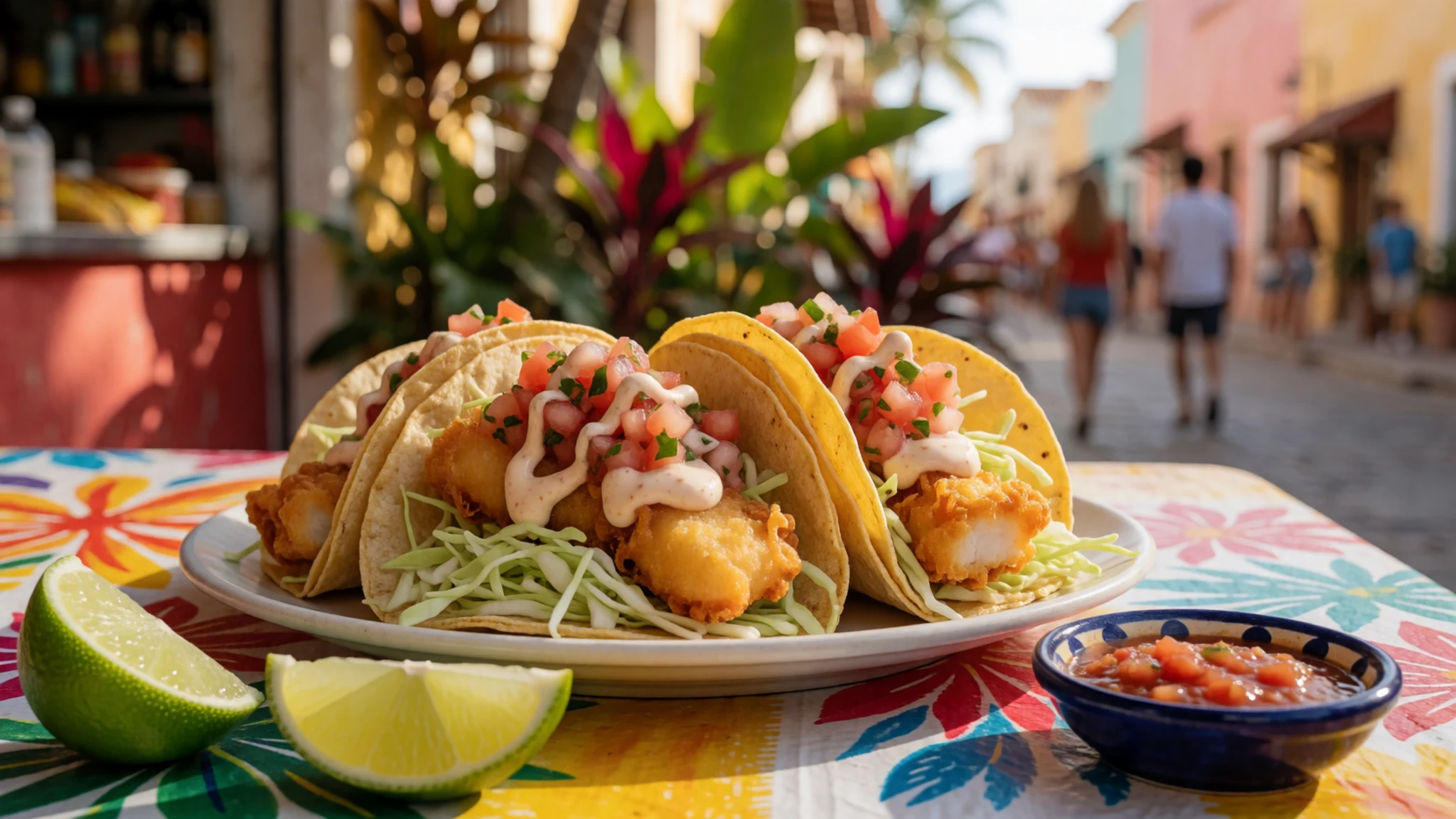
- Garlic Butter Shrimp — Maro Shrimp House, near the marina
Freshly caught local shrimp sautéed in aromatic garlic butter and regional spices, served alongside Mexican rice and warm tortillas. - Grilled Lobster — The Crazy Lobster, waterfront
Locally harvested lobster grilled over an open flame, basted with butter and lime, and served with traditional sides.
Plan it
Best time. November to April offers warm, dry weather and pleasant sea temperatures, whereas summer months bring high humidity and a risk of heavy rain.
How long. 3–4
Getting there. Fly into Los Cabos International Airport, then take the Ruta del Desierto bus, a shared shuttle, or a pre-arranged private transfer down the highway to Cabo San Lucas.
Budget. mid
Tips
- Book private airport transfers in advance to secure reliable transport to your accommodation.
- Avoid walking near the water's edge on Pacific-facing beaches due to dangerous undertows.
- Carry cash in local currency for small shops, markets, and tipping service staff.
- Stay hydrated and wear high-factor sun protection, as the desert sun is exceptionally strong.
Etiquette
- Dress modestly with covered shoulders and knees when visiting local neighbourhood churches.
- Tip service workers appropriately in local currency or US dollars for good service.
Nearby
Sources
- Wikidata Q1020776 (CC0)
- Wikipedia (rev 1381526490) (CC-BY-SA 4.0)
- Wikivoyage (rev 5396298) (CC-BY-SA 4.0)
- Photo 01-cabo-san-lucas-bay.jpg (CC BY-SA 2.5)
- Photo 03-cabo-san-lucas-los-arcos-3.jpg (CC BY-SA 2.5)
- Photo 04-cabo-marina-faro.jpg (CC BY-SA 4.0)
- Photo 06-medano-lands-end.jpg (CC BY-SA 4.0)


