Xanthos
Xanthos, Turkey
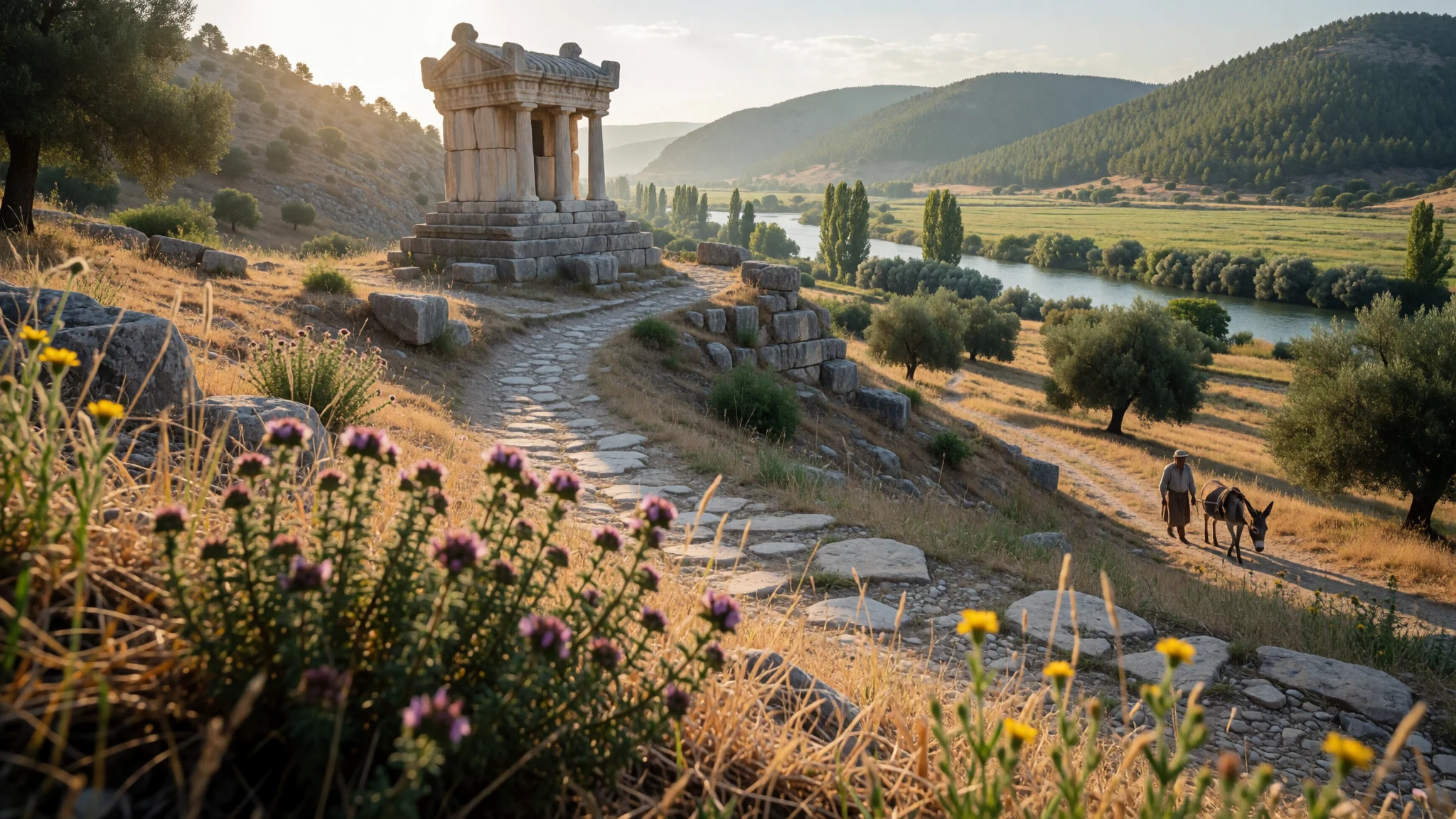
Xanthos is a quiet hilltop ruin of Lycian tombs and a Roman theatre, set in farmland above a river valley on Turkey's southwest coast.
The place
Xanthos is situated on a rise on the left-hand side of the same-named river, near the village of Kınık in Turkey's Antalya Province. The Lycians called the city Arñna, and the Greeks and Romans after them used the name Xanthos or Xanthus. Today it is an open archaeological site where stone tombs, a theatre and scattered foundations sit among scrub, pines and the odd goat track.
It was inscribed as a UNESCO World Heritage Site in 1988, together with the sanctuary of Letoon a few kilometres to the south. The two were linked in antiquity by a sacred road, and visiting both makes sense of each other: Xanthos was the city, Letoon its shrine.
The setting is rural rather than resort. Kınık is a farming village with a main street of small cafes, and the coast highway runs a short distance to the east. Most visitors arrive from the seaside towns of Kalkan, Patara or Fethiye, which means the ruins are rarely crowded outside the middle of the day in high season.
Xanthos grew into a hub for trade and learning among the Lycians, and later passed in turn to the Persians, Greeks and Romans, each of whom took over the region. Its tombs are the feature people remember: their number and quality are what set the site apart. Some of its finest carved pieces are now in the British Museum in London, so a visit here is partly a matter of seeing what remains in place and imagining the rest.
Its story
The acropolis at Xanthos dates from the 8th century BCE, and ancient writers knew the city well. The geographer Strabo described it as the largest city in Lycia. Its history is one of repeated conquest, and the most famous episode is also the bleakest.
Around 540 BC the Persian Empire sent the Median general Harpagus against the Lycians. According to Herodotus, a small Lycian army was beaten on the plain north of the city and fell back behind its walls. Under siege, the defenders destroyed their own acropolis, killed their families and slaves, and then rushed out to fight to the death. The story is told by the Greeks, so it carries a Greek storyteller's weight, but it has haunted the site ever since.
Xanthos recovered under Persian rule. Local rulers were put in charge, and by 520 BC the city had begun striking its own coins. By 516 BC it appeared in the tribute list of Darius I.
Alexander the Great's army later marched over the mountains from Telmessos to reach the city. Delegates from the cities of the Lycian League, Phaselis among them, came in person to offer submission, and it was accepted without a fight.
The Romans destroyed the city in 42 BC, and it was then rebuilt under Mark Antony. The Roman theatre that dominates the site today belongs to that later life. The settlement continued into the Byzantine era, long after its Lycian glory.
What to see
- The Roman theatre — Xanthos ruins, Kınık
Xanthos has a Roman theatre that makes the best first stop, since it gives a view over the valley and the layout of the site. Walk through the entrance passage and climb the seating for the outlook. It was part of the city's rebuilding after 42 BC, and the stonework is easy to read.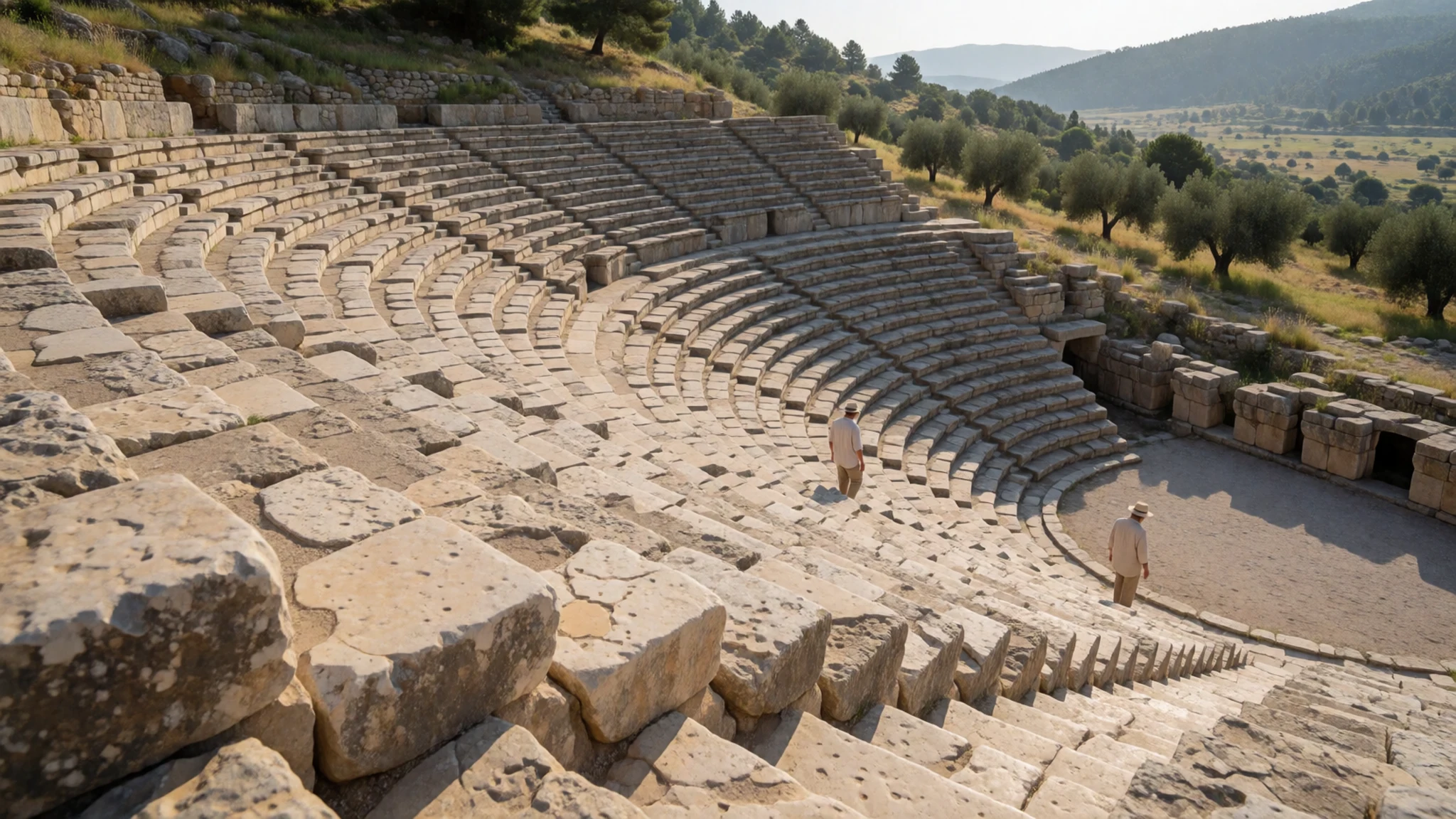
- The Harpy Tomb and pillared sarcophagus — Xanthos ruins, Kınık
Tall Lycian tombs stand close together near the theatre, among them the Harpy Tomb site and a pillared sarcophagus. The original Harpy Tomb reliefs, from about 480 BC, are in the British Museum, so what stands here is the monument's setting. It is worth lingering over the carved shapes and the odd lid profiles.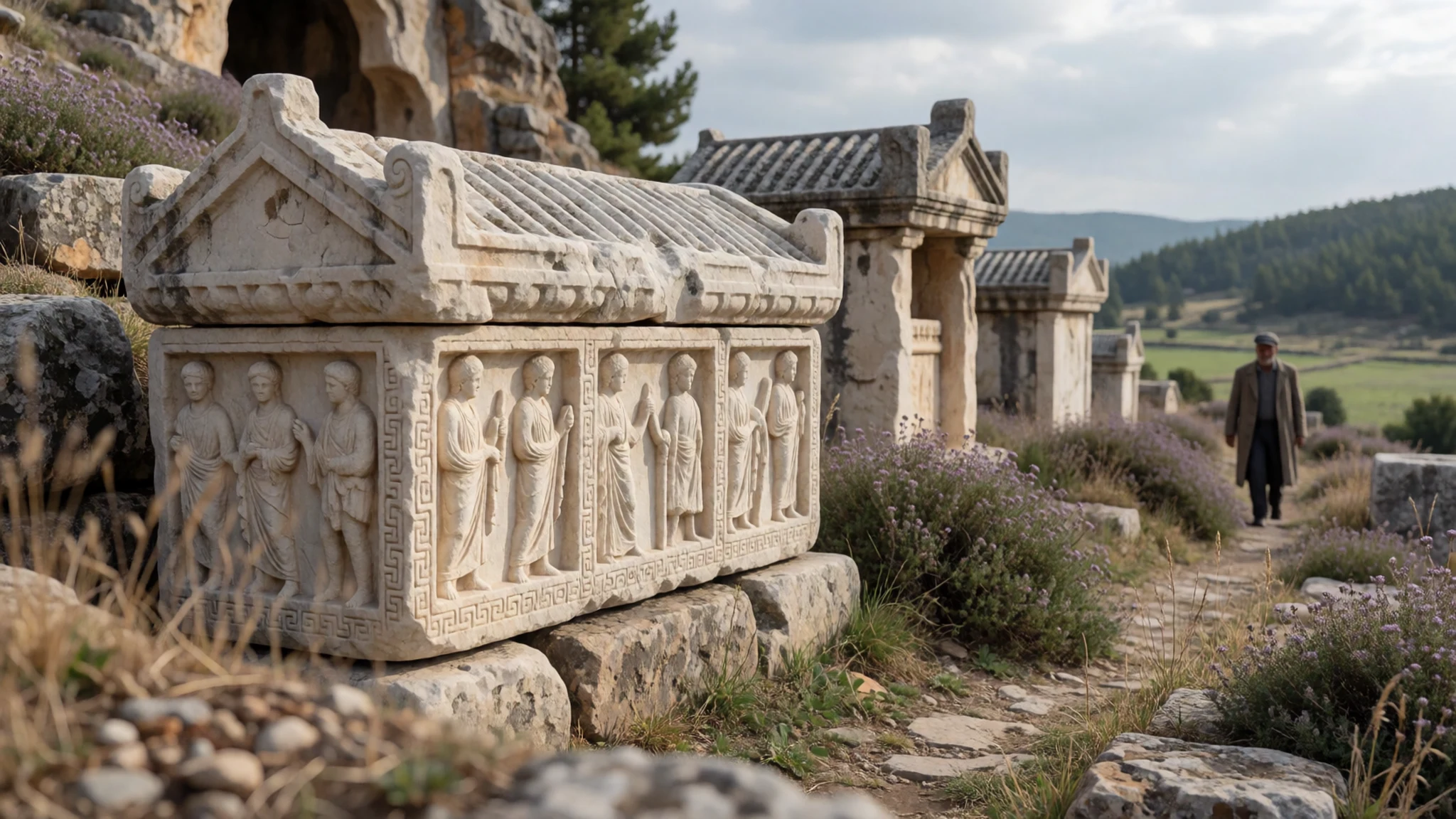
- Mosaic floors — Xanthos ruins, Kınık
Patches of mosaic flooring survive among the ruins, remnants of later Roman and Byzantine buildings. They are modest, often partly covered, and easy to walk past. Look down as you move between the main monuments, and keep to the marked routes so nobody treads on the tesserae.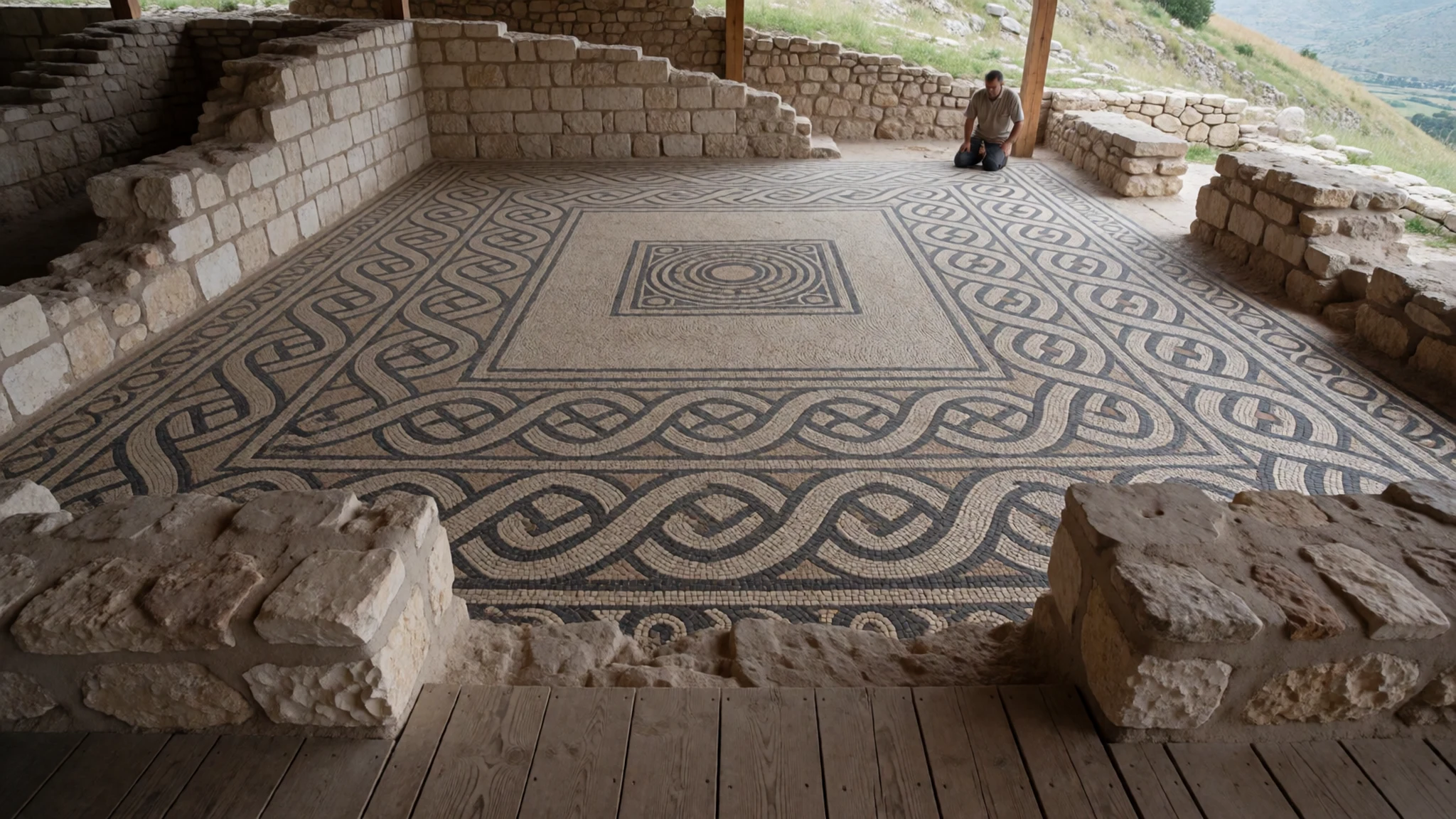
- The inscribed obelisk — Xanthos ruins, Kınık
An obelisk at Xanthos carries a funerary text in several languages, among them Ancient Greek and Lycian. It is a rare chance to see the Lycian script carved on a monument in the place where it was used. Reading it is a job for specialists, but the lettering alone is striking.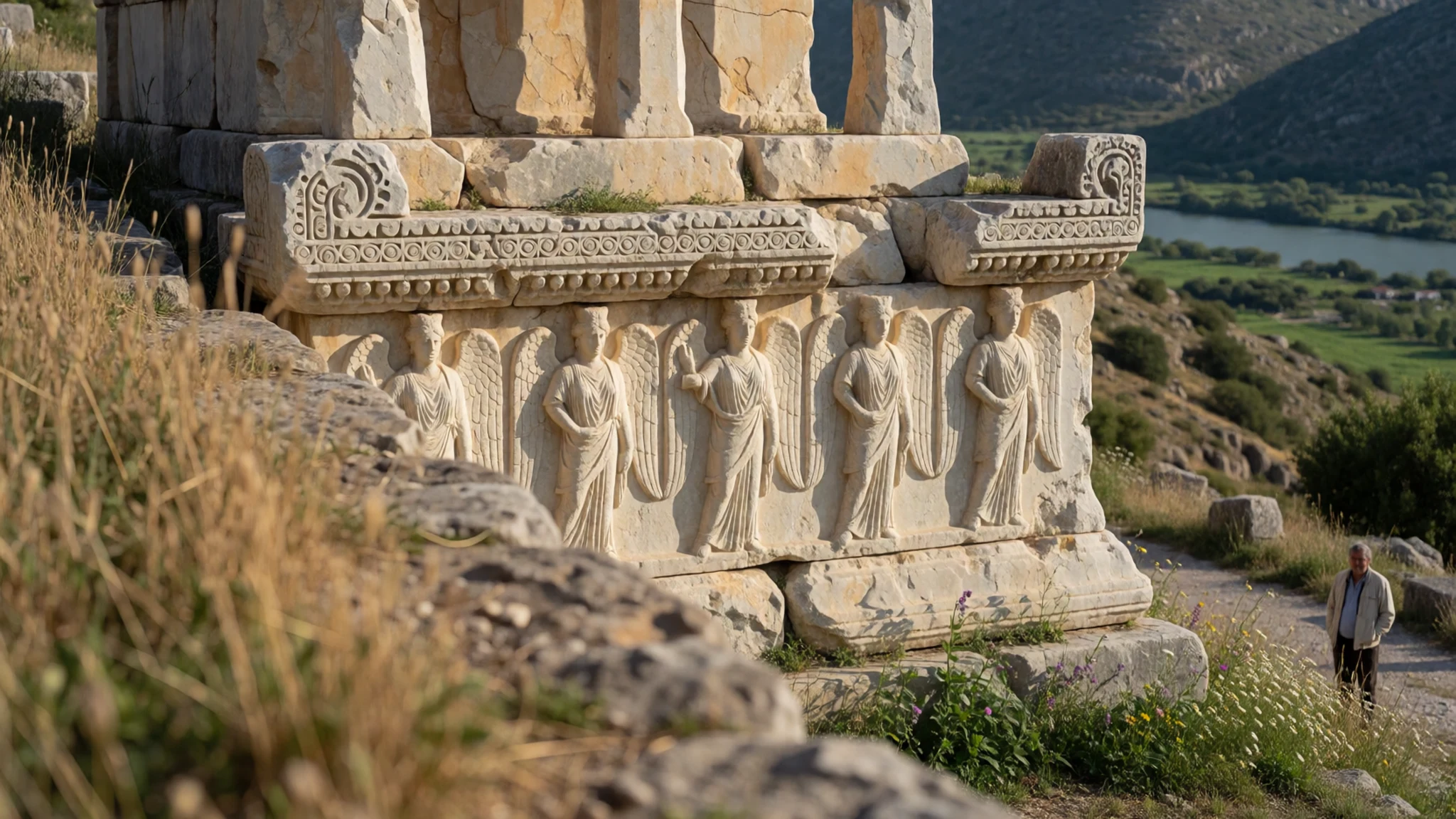
- Letoon — Near Kumluova, south of Kınık
The sanctuary of Leto lies a few kilometres south and was the religious partner of Xanthos. It has the ruins of three temples, one of them partly reconstructed, plus a theatre and a Christian basilica. The ground can be damp and green because the plain is fertile. Reach it by local bus or car.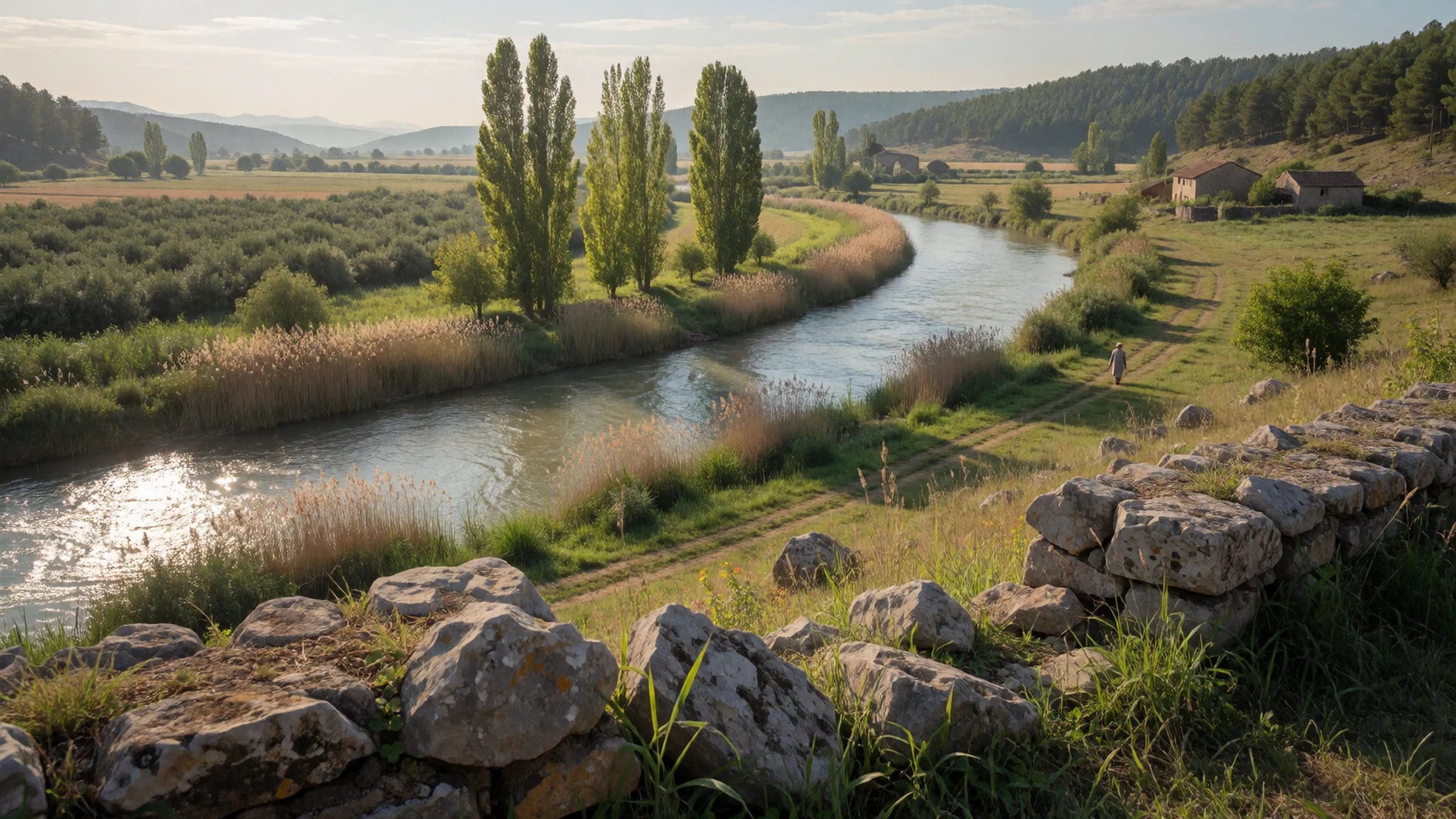
- The Lycian Way at Kınık — Kınık and surrounding fields
The waymarked Lycian Way passes through Letoon, Kınık and Xanthos on its route along the coast. Walking even a short stretch gives a feel for the farmland and hills between the sites. Check the current route and conditions locally before setting out, particularly in summer heat.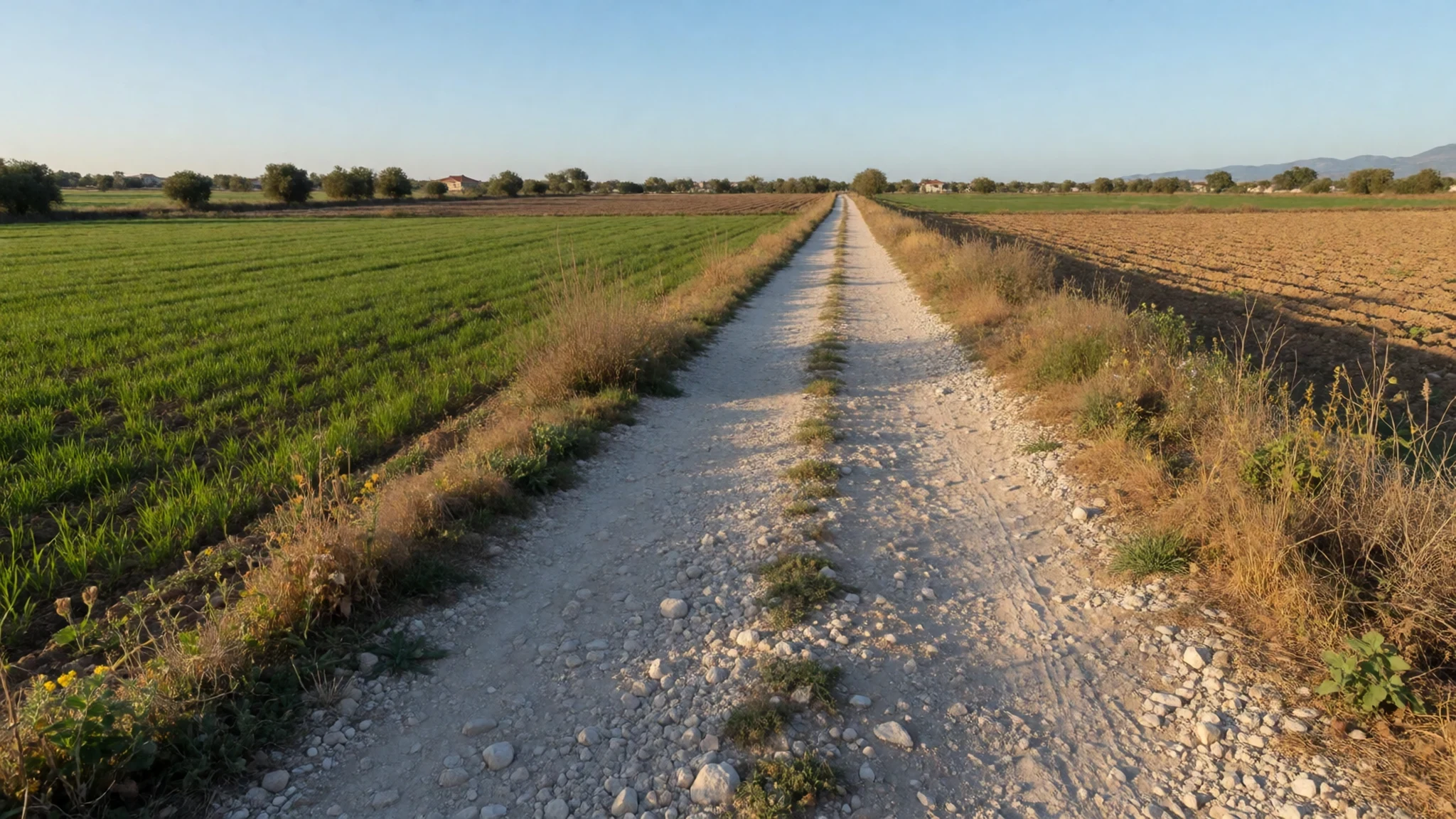
Culture
Xanthos belongs to Lycia, a mountainous coastal region whose people had their own language and script, written in an alphabet that scholars read today on stones like the Xanthos obelisk. Lycian culture was shaped by contact with Persians, Greeks and Romans, and it left its most distinctive mark in funerary architecture: tombs cut into rock or raised as tall pillar monuments, often carved to look like wooden houses.
The Nereid Monument from Xanthos influenced architecture in neighbouring Caria, where it inspired the Mausoleum at Halicarnassus. That tells you how far the city's ideas travelled.
Religion mattered here too. Leto, mother of Apollo and Artemis, was worshipped in the region before the fourth century BC, and her sanctuary at Letoon was tied to the city by a sacred road. Today the area is Turkish and mostly Muslim, with a quiet farming culture in Kınık: tea in small cafes, tractors on the lanes, and a relaxed pace compared with the nearby resorts. Many finds from the site are abroad, including in London, a fact local guides and museum labels sometimes mention with feeling.
Please stay on the marked paths, never climb on or sit on the tombs and carvings, and do not take any stone or pottery fragments, however small, as souvenirs.
What to wear
Lycia has no single famous costume that survives at Xanthos, so traditional dress here means the rural Turkish clothing of the Taurus coast. Village women have long worn loose cotton trousers called şalvar, patterned headscarves and layered tunics, often in printed cottons. Handwoven cotton and wool cloth, and embroidered edges, were part of household life, though they are now mostly seen at festivals or in craft shops.
Day to day in Kınık, people wear modern clothes: jeans, shirts, light dresses, and work wear for farming. Older women may still wear şalvar and headscarves, and men often wear flat caps or simple jackets in cooler months. Nearby resorts such as Kalkan and Fethiye are far more relaxed.
For a visitor, the site is exposed, with little shade, so wear light, breathable layers, a hat and sunglasses. Sturdy shoes with good grip matter more than style: paths are stony and uneven, and steps can be worn smooth. Shorts are fine at the ruins, but in the village itself, covering shoulders and knees is a courteous choice. If you plan to walk part of the Lycian Way, bring proper walking shoes.
What to eat
- Gözleme — Village cafes and roadside stalls around Kınık
Thin dough rolled out by hand, filled with cheese, spinach or potato and cooked on a griddle. It is the standard village snack and pairs well with tea after the ruins. Look for a woman at a griddle under a shaded awning.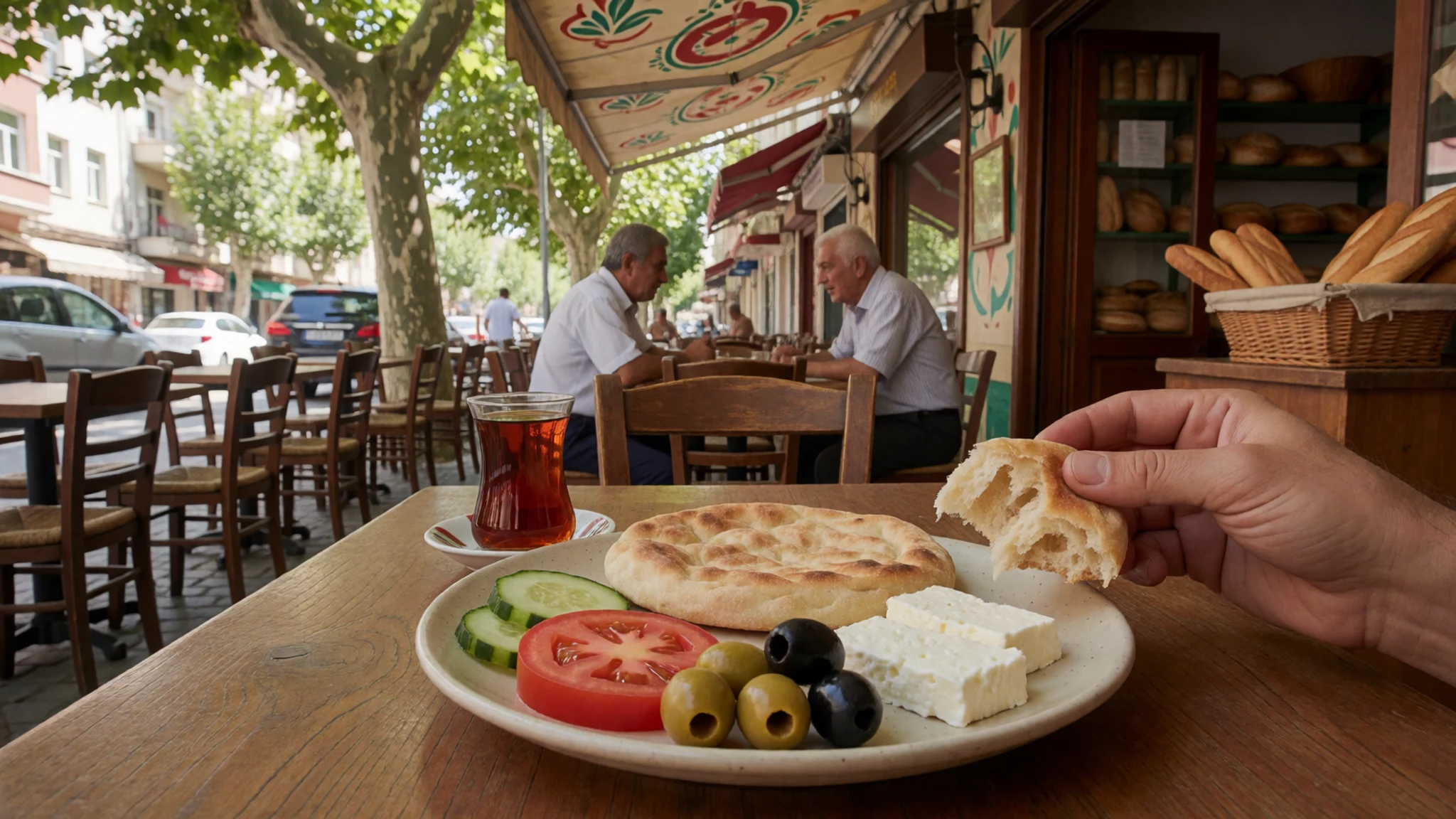
- Menemen — Cafes along the main street in Kınık
Eggs scrambled with tomatoes and peppers, usually served in the pan with bread for scooping. It is a good breakfast before an early start at the ruins and easy to find in any simple cafe.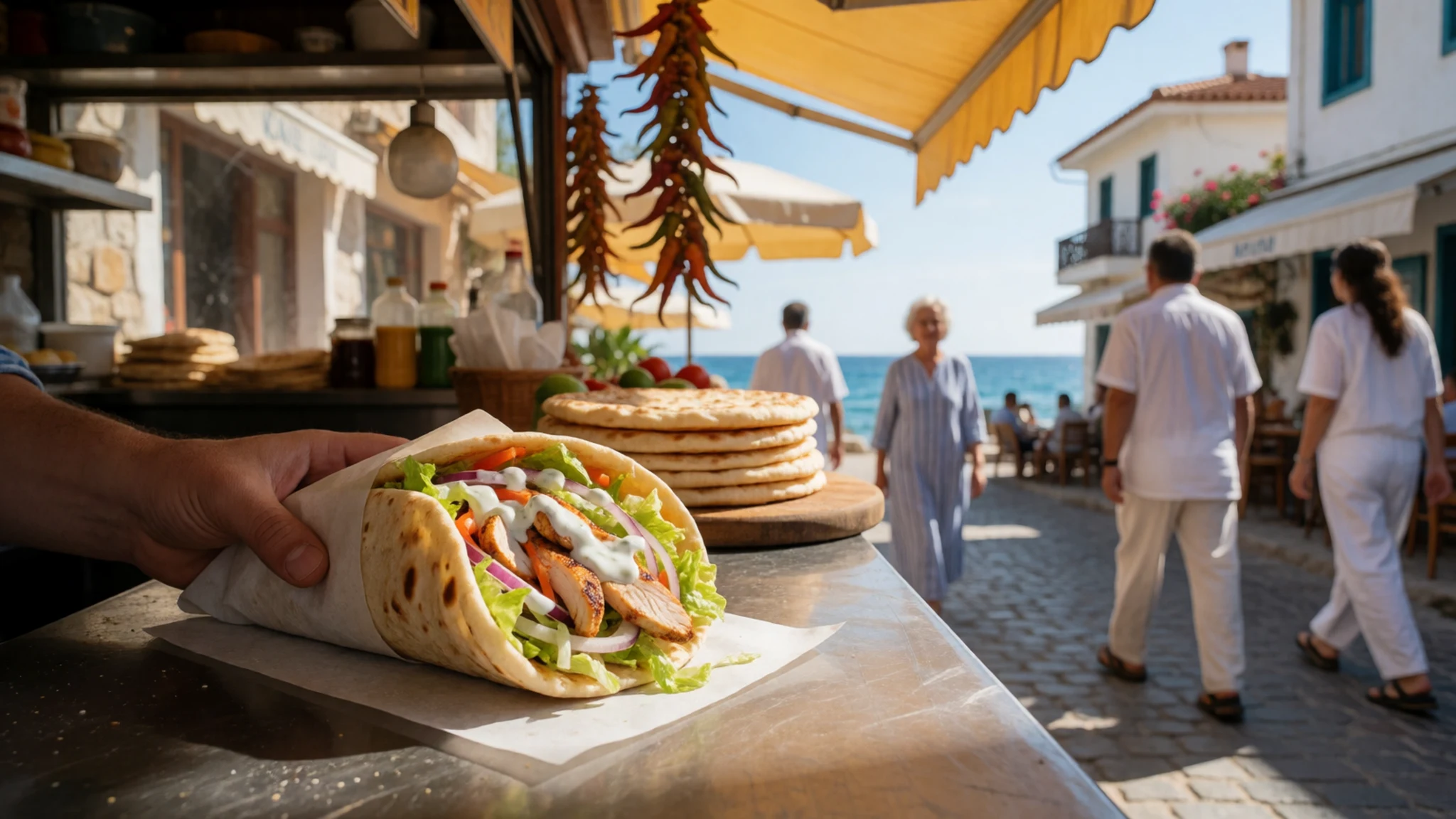
- Çay and Turkish tea — Any cafe in Kınık
Strong black tea in small tulip glasses, offered everywhere and usually the first thing you drink. It is the natural way to sit and watch village life for half an hour.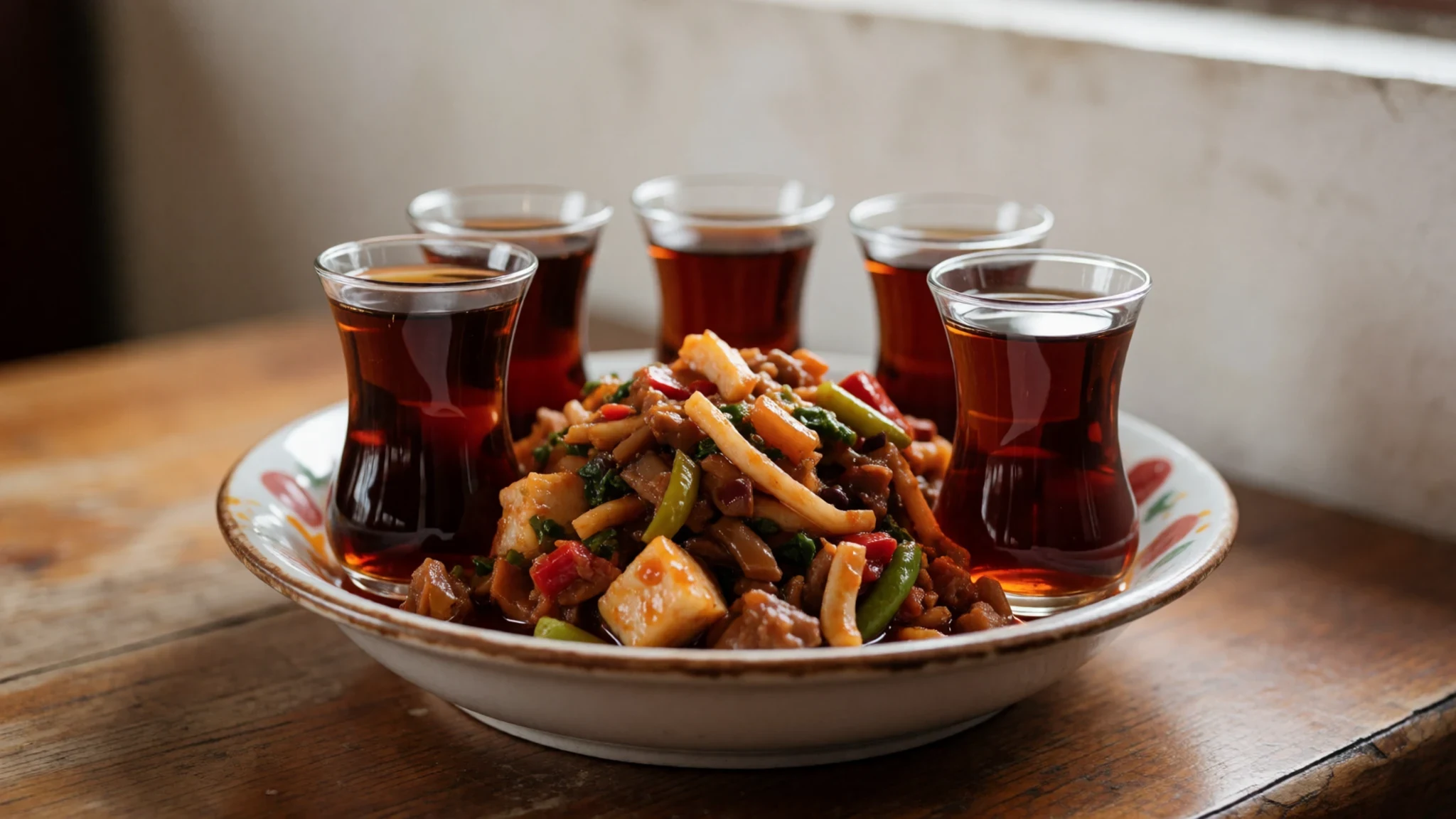
- Fresh fruit and farm produce — Roadside stalls and village markets near Kınık
The surrounding plain is fertile farmland, so seasonal fruit and vegetables are sold close to where they grow. Buy tomatoes, figs or citrus when in season and eat them in the shade near the ruins.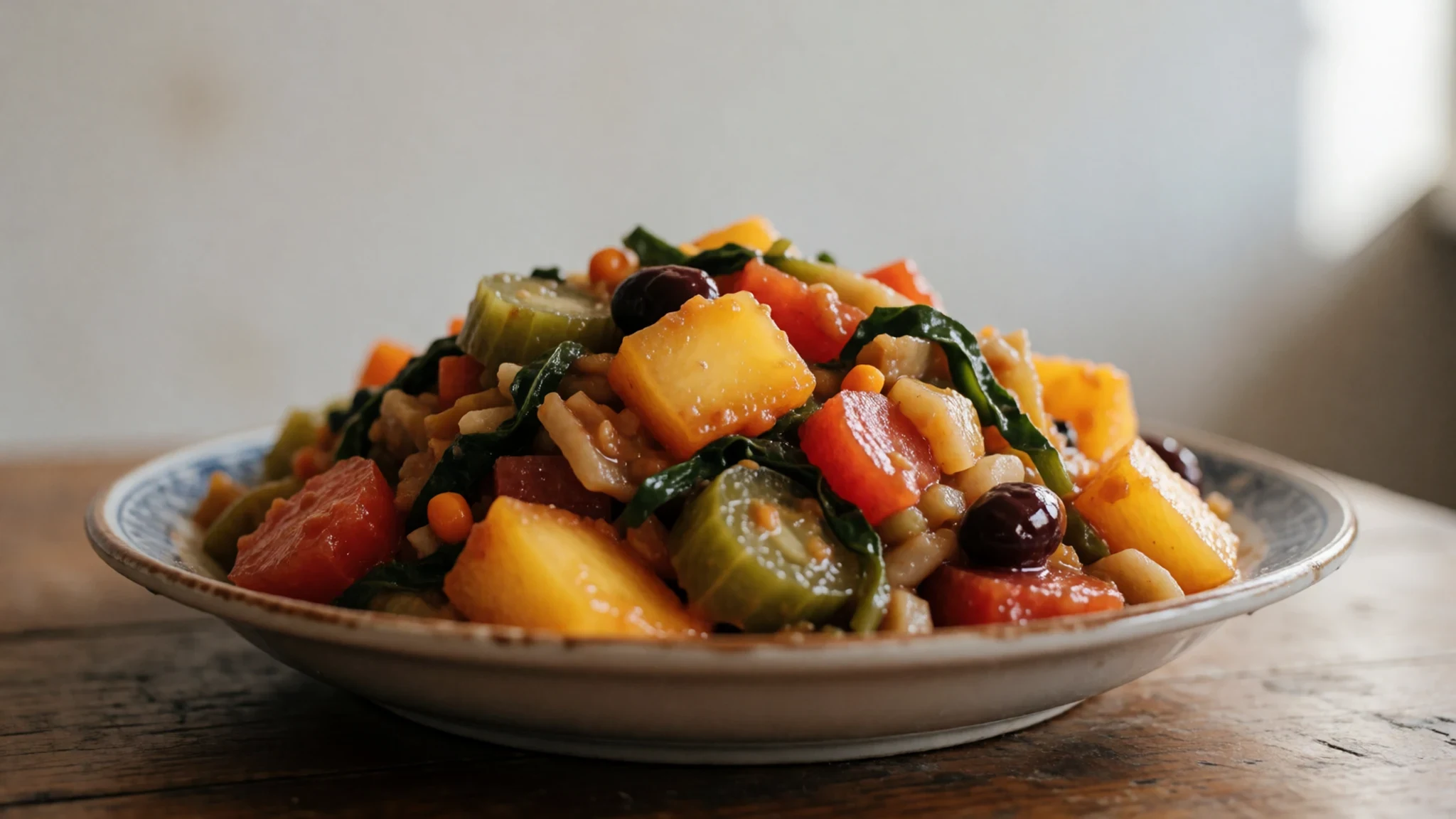
- Grilled fish and meze — Restaurants in Patara and Kalkan
For a bigger meal, head to the coast, where grilled fish, olive-oil vegetables and salads are the staples. Patara and Kalkan have many places to choose from, and evening is the better time.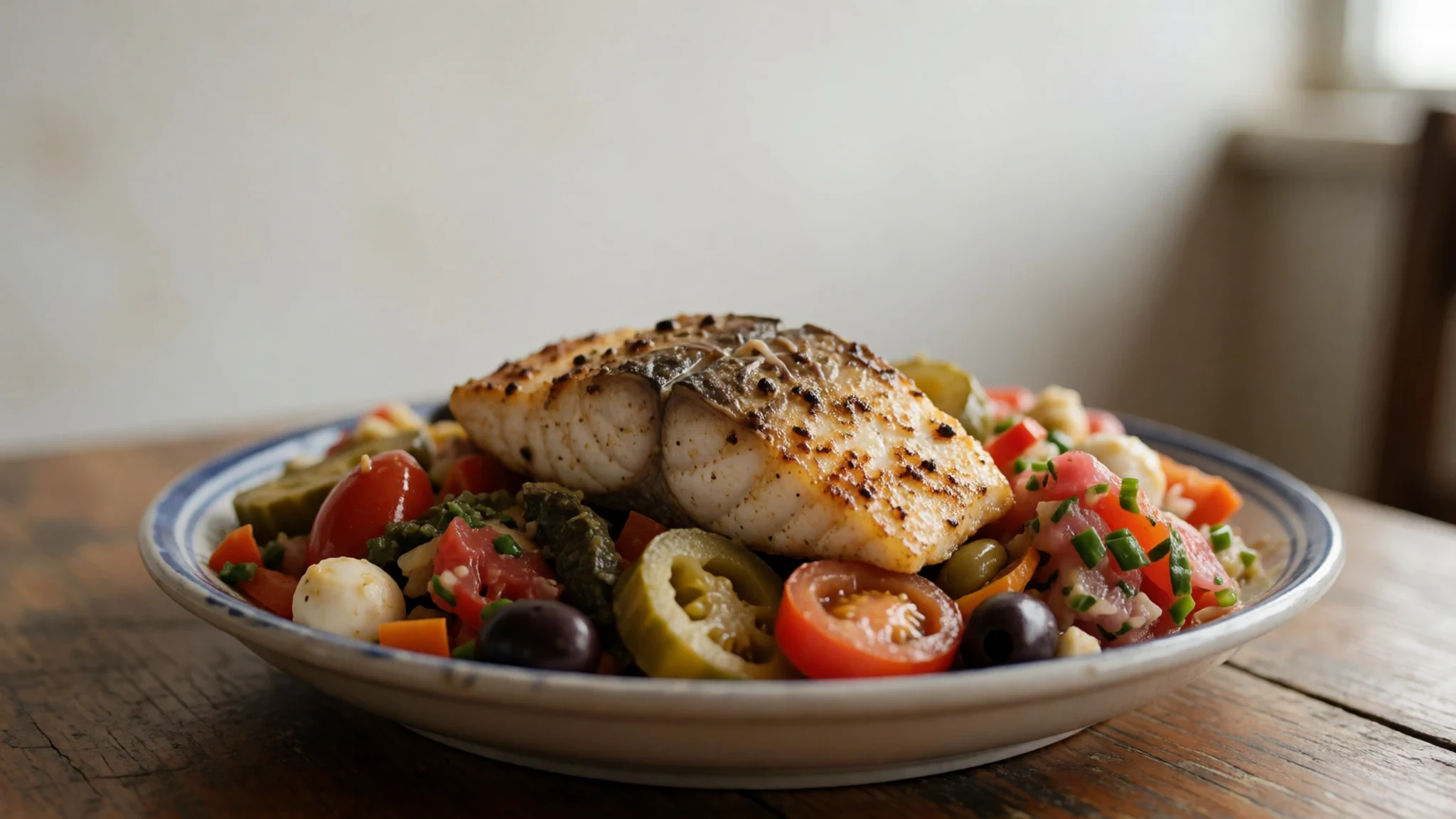
Plan it
Best time. April–May and October–November, when the weather is mild for walking an exposed site. Midsummer is hot with little shade at the ruins, so go early or late in the day.
How long. 1
Getting there. Fly to a regional airport such as Dalaman or Antalya, then travel by road to the coast. Kınık lies about 1 km west of the D400 coast highway, roughly 19 km north of Kalkan. A local bus from Fethiye runs towards Kumluova and Karadere and stops in Kınık near the street to Xanthos; check current times locally. Long-distance buses from Istanbul usually mean changing at Kalkan.
Budget. low
Tips
- Stay in Patara or Kalkan, as there is little accommodation in Kınık itself.
- Go early in summer, since the site has little shade.
- Carry water and a hat, and bring some cash for cafes in the village.
- Combine Xanthos with Letoon in a single day, using a car, taxi or local bus.
- Check the official ministry of culture listing for current opening times and fees before you go.
Etiquette
- Stay on marked paths and do not climb on tombs or carvings.
- Do not remove stones or pottery fragments from the site.
- Dress modestly in the village, covering shoulders and knees.
Nearby
Sources
- Wikidata Q464936 (CC0)
- Wikipedia: Xanthos (rev 1364723732) (CC BY-SA 4.0)
- Wikivoyage: Kınık (rev 5407828) (CC BY-SA 4.0)
- Photo: Entrance into theatre of Xanthos (CC BY 2.5)
- Photo: Mosaic of Xanthos (CC BY 2.5)
- Photo: Xanthos Roman Theatre 2019 (CC BY-SA 4.0)
- Photo: Xanthos Harpy tomb and the pillared sarcophagus (CC BY-SA 4.0)
- Photo: The Harpy Tomb reliefs, British Museum (CC BY-SA 2.0)
- Photo: Xanthos Fluss (CC BY 3.0)
- Photo: Miguel Discart, Lycie October 2023 (CC BY-SA 2.0)
- Photo: 340 BC Decree from Pixodaros to Lycian allies (CC BY 2.5)


