Wushe Reservoir
Wushe Reservoir, Taiwan
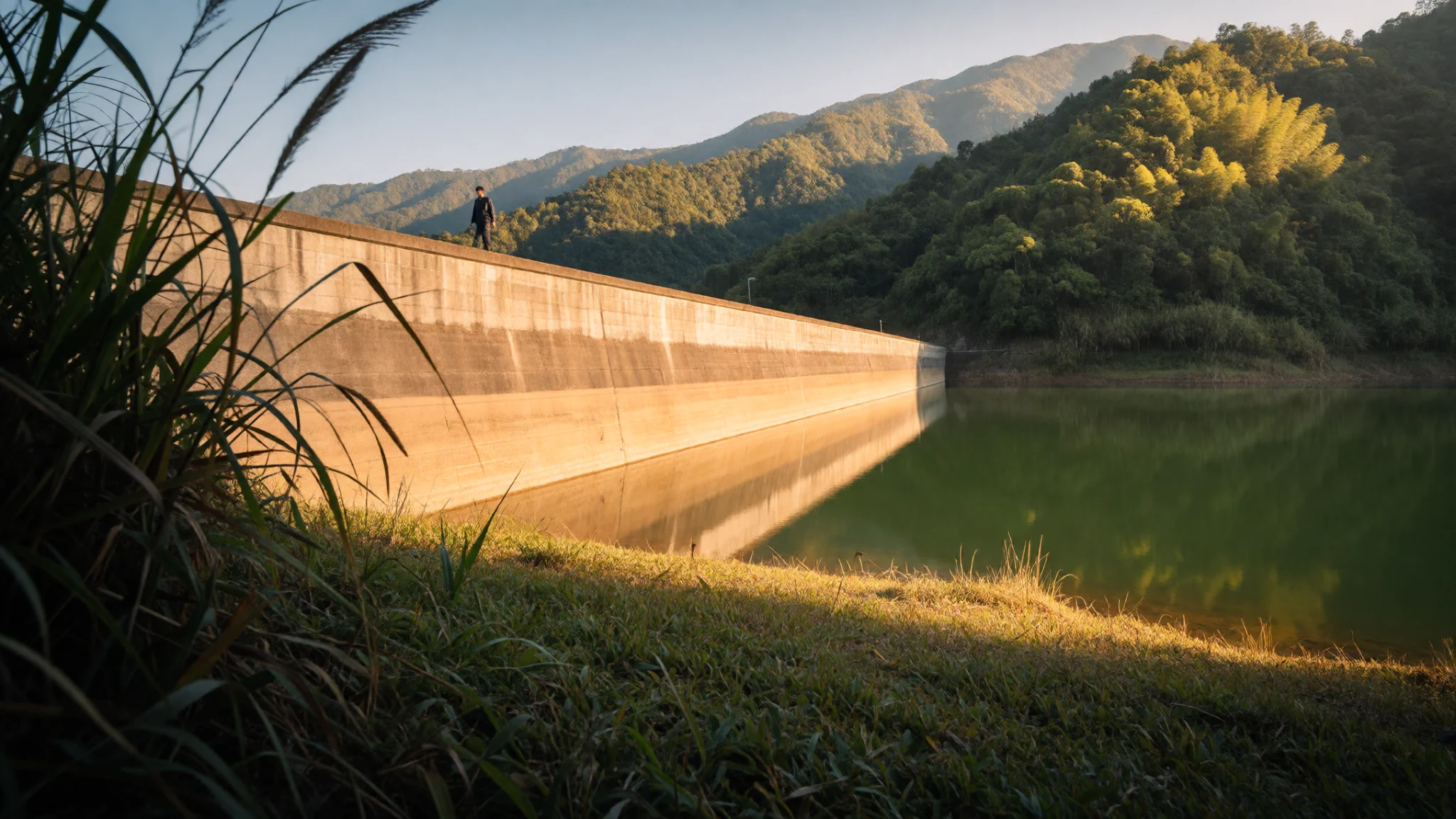
Wushe Reservoir is a working hydropower lake in Taiwan's central mountains, worth a quiet stop for its green water, cloud-wrapped ridges and dam engineering.
The place
Wushe Reservoir sits in Ren-ai Township, Nantou County, in the central mountains of Taiwan. Wushe Dam, a gravity dam on Wushe Creek, holds the water back, and the creek then runs on to the Zhuoshui River. The lake also goes by Wanda Reservoir (萬大水庫) and Bihu (碧湖), roughly 'green lake', so a first search can throw up three names for one place. The dam's job is hydroelectric power rather than tourism, so there is no resort promenade or ticketed attraction here. What a visitor gets is a working mountain reservoir: steep wooded slopes, water that changes colour with the weather and the silt coming in, a dam wall, and a power station downstream. Photographs show calm green water on clear days and a milky brown plume where the river enters after rain. Cloud often settles on the ridges. The mountain town of Wushe, which lends the lake one of its names, lies nearby, and the surrounding hills are Seediq country. Most people come as part of a longer drive through Nantou's uplands rather than for the lake alone, and that suits the place: an hour of looking, perhaps a picnic if conditions allow, then on to the better-known lakes and tea farms in the district. Phone signal can be patchy, and weather turns quickly at height. It is a short, thoughtful stop for people who like engineering and big views more than facilities.
Its story
Wushe Reservoir exists because Taiwan needed electricity, and the central mountains offered both steep fall and heavy rain. Engineers closed Wushe Creek with a gravity dam, a design that resists the water by its sheer weight rather than by arching against the valley walls. The job took seven years, and the dam entered service in 1960. Its purpose, then and now, is mainly generating hydroelectric power, with water sent down to the Wan Da power plants below. That industrial origin explains the lake's several names. Wanda belongs to the power scheme and has stuck to the water, Wushe comes from the nearby town and creek, and Bihu is the more poetic name for the colour of the lake. The valley's older story belongs to the Seediq, the Indigenous people of this part of Nantou, and the town of Wushe carries a hard history of colonial-era conflict that is worth reading about before a visit. Silt is the reservoir's permanent problem. Rivers in steep, earthquake-prone country carry a great deal of sediment, and photographs of the inflow show a brown plume spreading into the green. Managing that load is part of keeping the dam useful. The result is a lake that looks natural but is entirely made, and the tension between the two is what makes it interesting to stand beside.
What to see
- Wushe Dam wall — Dam site, Ren-ai Township
The dam itself is the obvious first stop. Seen from the shore, the gravity wall shows how a solid mass of concrete holds back a whole valley of water. Photographs from the dam foot show the scale against the forested slopes. Access to the wall and its surroundings can change, so check locally before planning around it.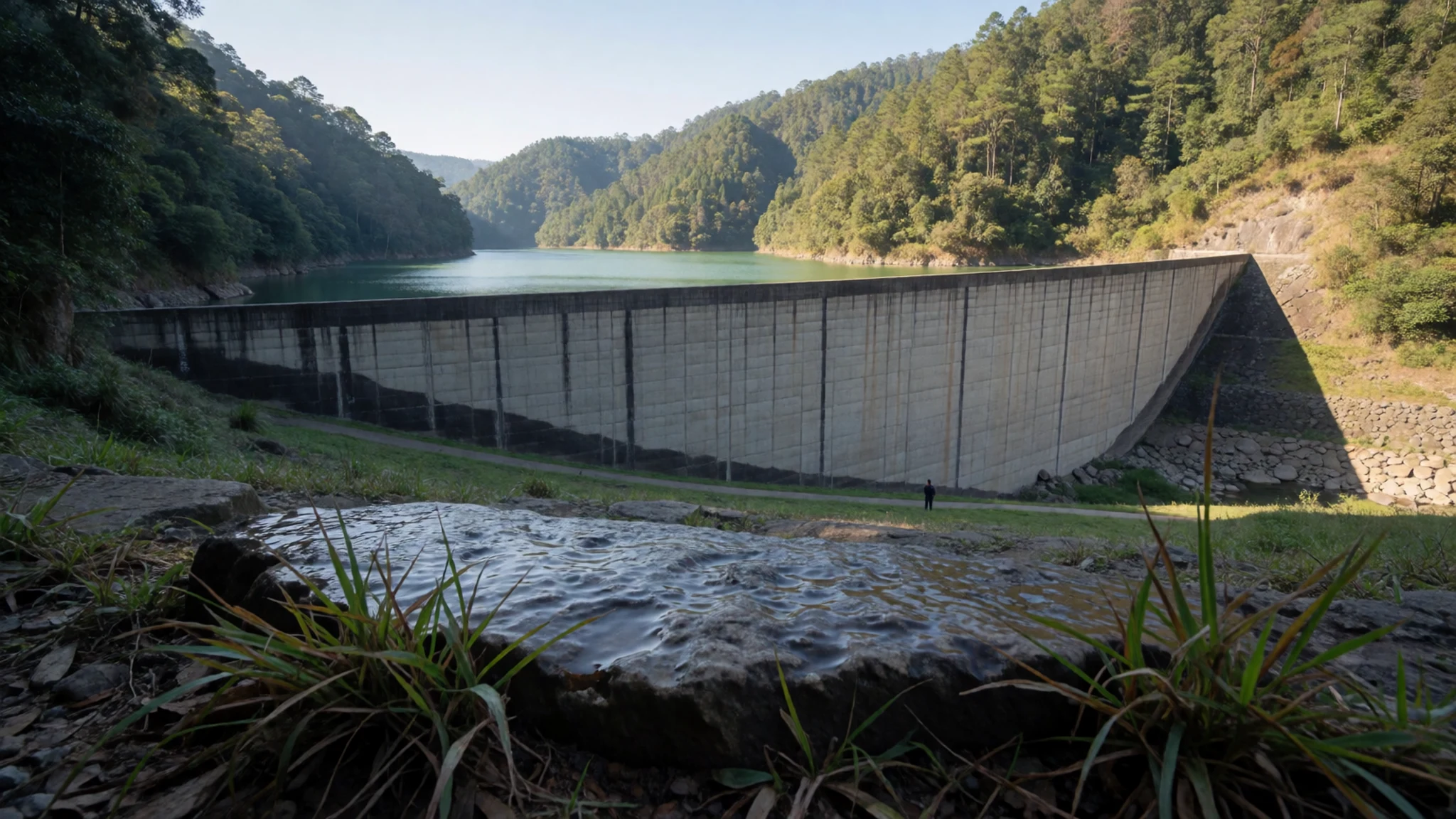
- Views across the water to Wushe — Lakeshore towards Wushe town
Looking across the reservoir towards the town of Wushe gives the classic picture: calm water in the foreground, buildings on the far slope, and layered mountains behind. Midday light flattens the colour, so early morning or late afternoon is kinder. When cloud drops, the ridges vanish and reappear within minutes.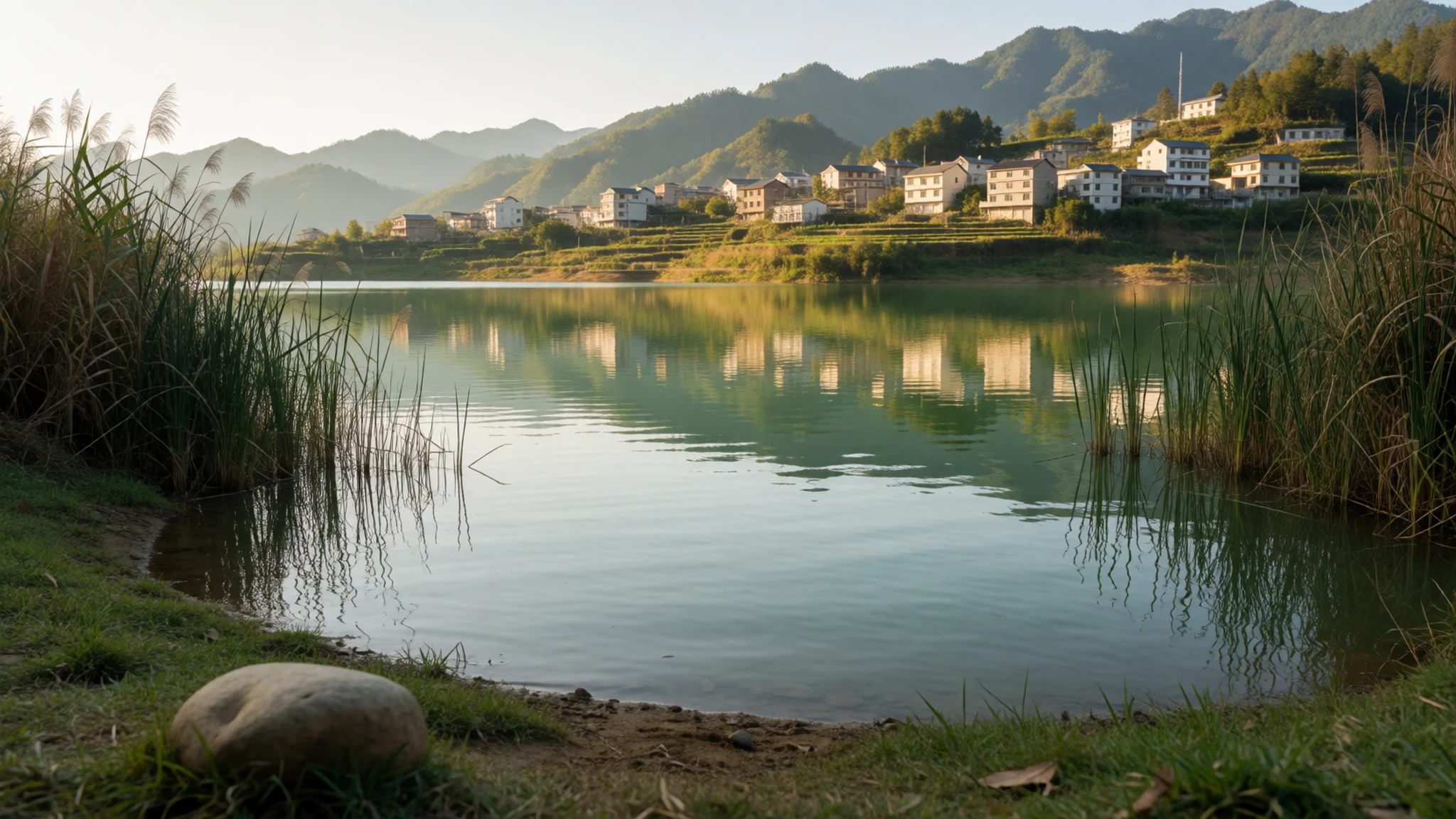
- The silt plume at the river inflow — Upper end of the reservoir
Where Wushe River enters the lake, suspended sediment spreads in a pale brown fan across the green water, most strongly after rain. It is a useful lesson in what mountain rivers carry and why reservoirs need managing. The contrast is best seen from a high vantage point on a cloudy day.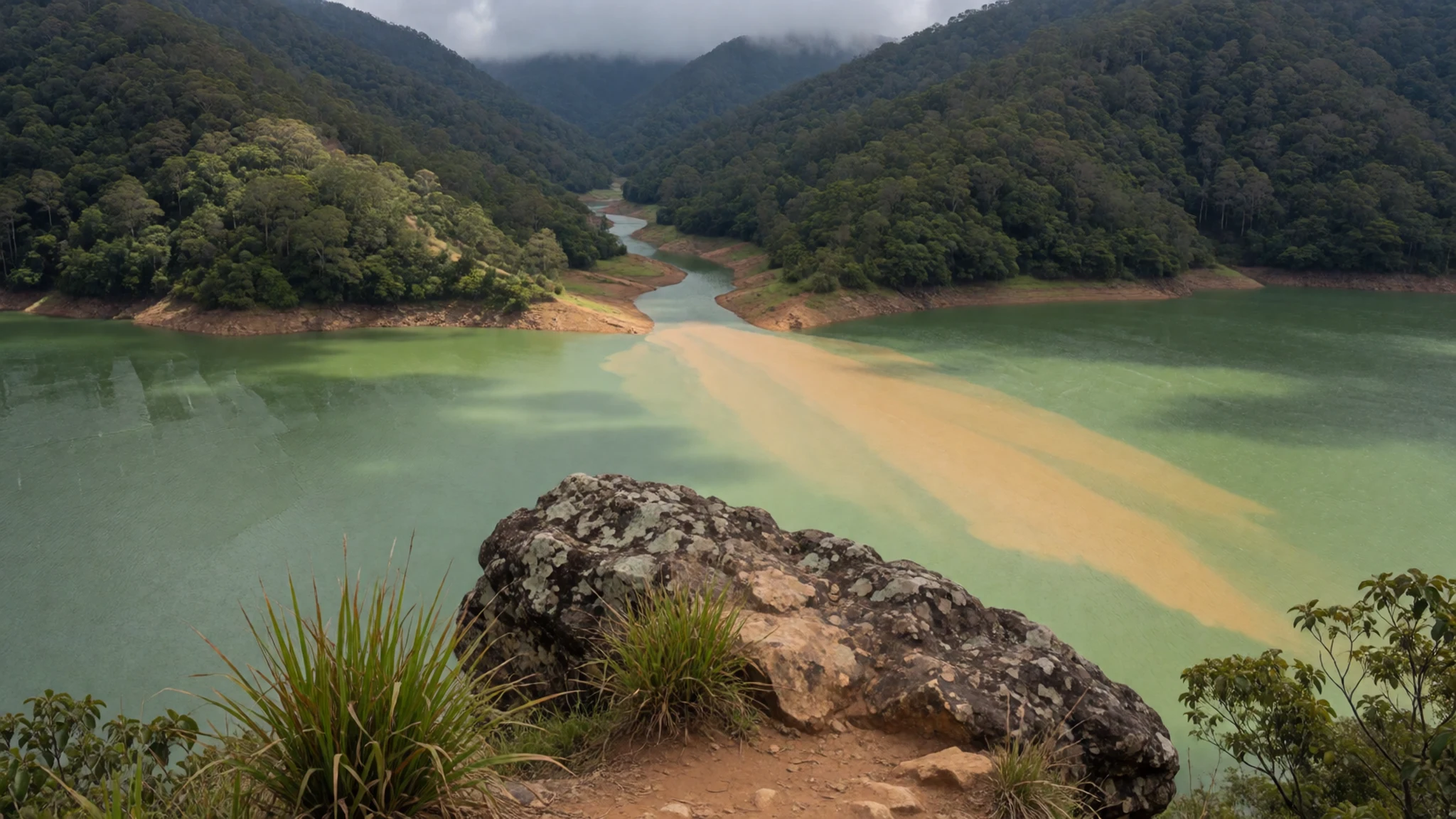
- Wan Da power plants — Downstream of the dam
Below the dam, the Wan Da power plants turn the stored water into electricity, which is the reason the whole structure exists. Visitors usually view the works from outside; this is operating infrastructure, not a museum. A glance at the pipework explains the lake better than any sign.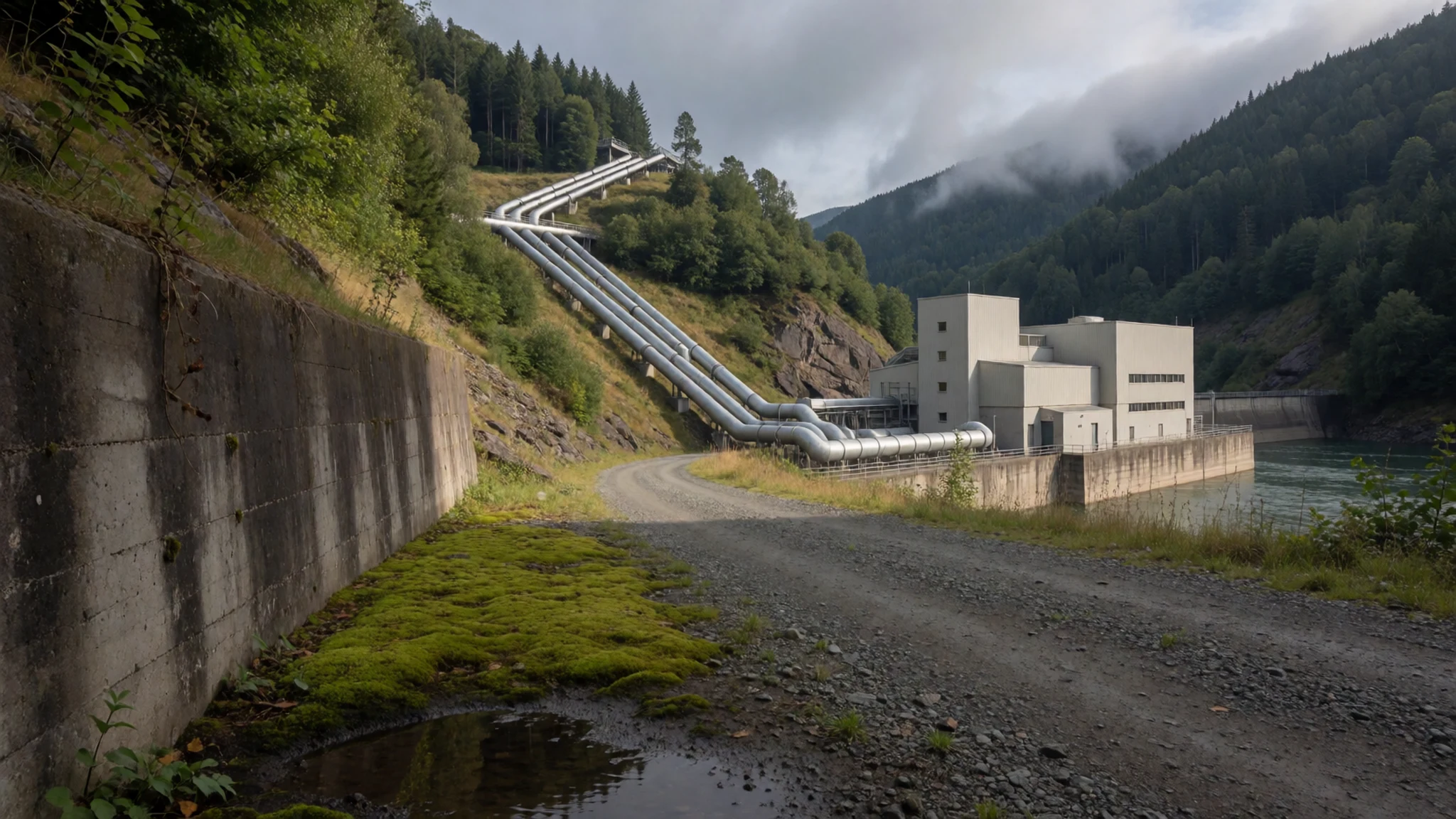
- Driftwood along the shore — Shoreline near the dam
Floods and storms push tree trunks and branches down the river, and they pile up against the dam and along the shoreline. The bleached heaps make a fair subject for photographers and show how much material the catchment sheds. Keep to firm ground, as slopes and banks can be slippery.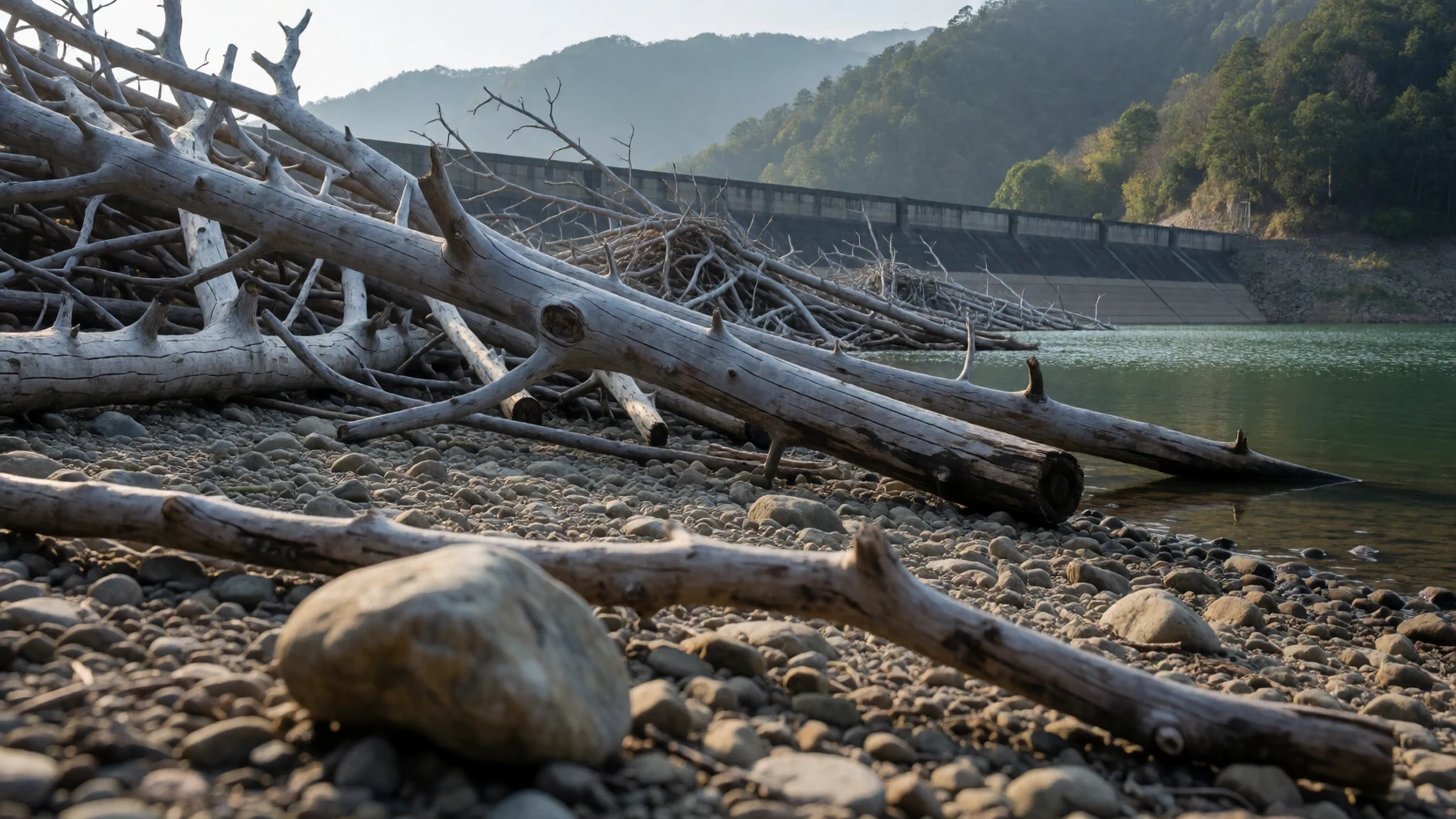
- Wushe town and the Seediq highlands — Wushe town, Ren-ai Township
The mountain town of Wushe, close to the lake, is the best place to understand the people of the valley. The Seediq are the Indigenous community here, and local displays and conversation add context the reservoir cannot. Come with time to walk and listen rather than only to photograph the view.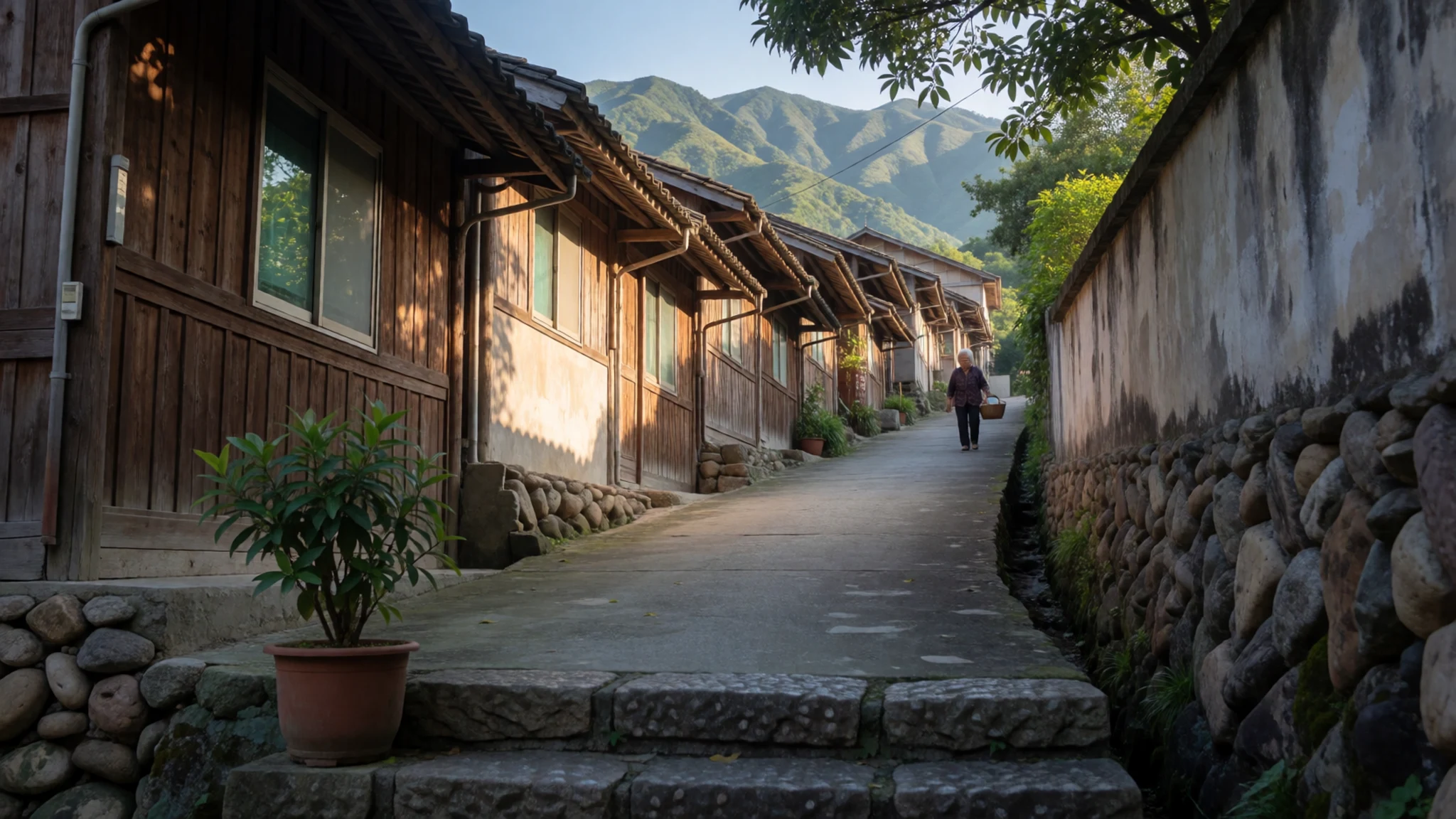
Culture
Wushe Reservoir lies in Seediq country, and the culture of the valley is Indigenous first and industrial second. The Seediq are one of Taiwan's Indigenous peoples, with their own language, weaving tradition, hunting customs and a long relationship with these mountains. The town of Wushe also carries a painful chapter of resistance to colonial rule, which local people remember with care, so the lake is not just a scenic backdrop. Alongside that sits the more recent identity of the area as a hydropower district, where the dam and power plants are everyday workplaces. Day-to-day life in Nantou's uplands is quiet and practical: farming, small shops, tea and fruit from the slopes, and a steady trickle of drivers heading for the bigger lakes and high passes. Taiwanese hospitality is easy and friendly, and shopkeepers are usually glad to help with directions even without a shared language. Mandarin is widely used, and a few words, such as a simple thanks, go down well. Festivals and community events are the best moments to see Seediq culture in public, but they follow their own calendar, so ask locally rather than assuming dates. At the lake, treat the dam and power buildings as working sites, obey any signs, and keep noise low. Ask before photographing local people or their homes, and never fly a drone near the dam or power plants without checking the rules.
What to wear
Around Wushe Reservoir, traditional dress belongs to the Seediq, whose weavers have long made cloth from ramie, a plant fibre, on backstrap looms. Classic pieces use red, white and dark tones in bold geometric bands, and the patterns carry meaning within the community. Such garments are worn today mainly at festivals, ceremonies and cultural events rather than on ordinary days. Everyday clothing in Nantou's mountain towns is much like the rest of Taiwan: practical jeans or trousers, T-shirts, light jackets, and rain gear hanging by the door. Farmers and workers favour long sleeves, hats and sturdy boots against sun and brush. Visitors should dress for the hills, not the plains. Layers work best, because mornings and cloudy spells feel noticeably cooler than the lowlands, while sunshine on the water can be strong. A thin waterproof is worth carrying in any season, as showers arrive quickly. Shoes with a good grip matter more than style, since shorelines, dam approaches and village lanes can be wet and uneven. Sun protection, a hat and sunglasses help on clear days. There are no strict modesty rules at the reservoir itself, but modest, tidy clothing is the safe choice when visiting Wushe town, community buildings or any event involving Indigenous ceremony.
What to eat
- Mountain vegetables stir-fried with garlic — Small family eateries in Wushe town and along the mountain road
Highland Nantou grows leafy greens and shoots that are simply stir-fried with garlic and served as a side. They taste fresh and slightly sweet. Look for them in family-run eateries along the mountain road and in Wushe town.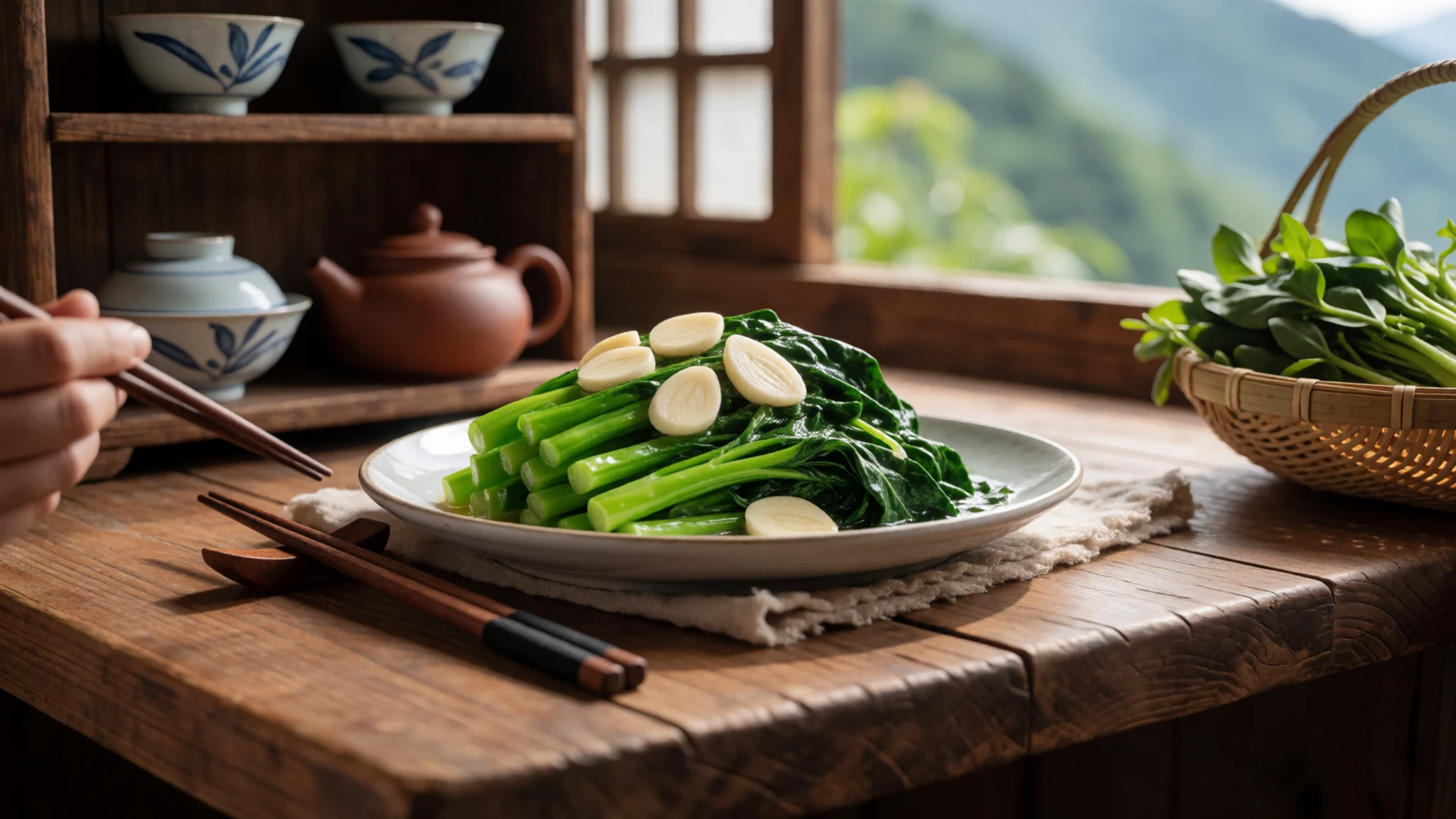
- Millet-based Indigenous dishes — Indigenous-run eateries in Wushe and Ren-ai Township
Millet is a traditional staple for Taiwan's Indigenous communities, and it turns up in dumplings, porridge and rice-like dishes. Menus vary, so ask what is made locally that day. Some places serve it as part of a set meal.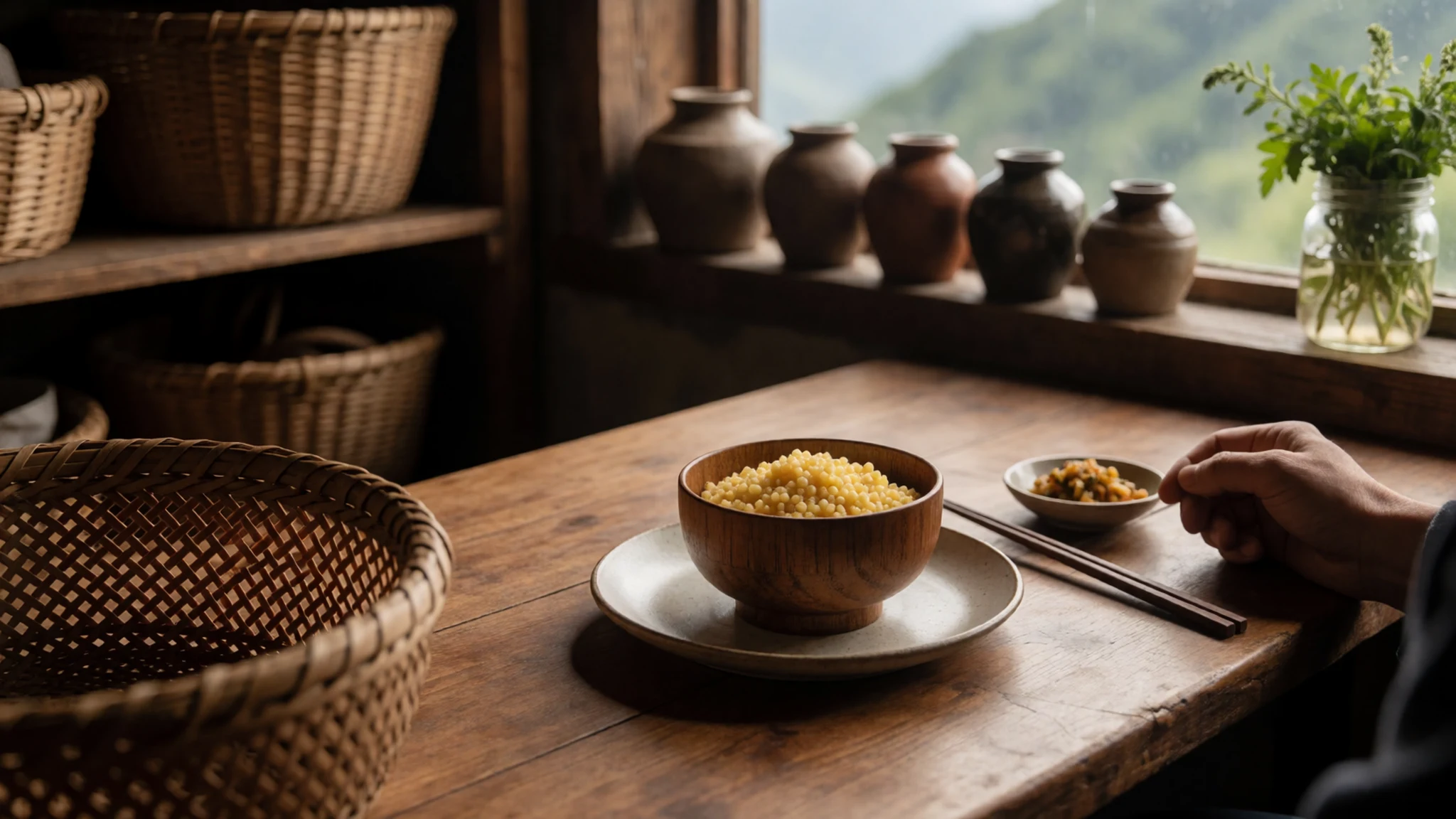
- Grilled mountain pork — Roadside grill stalls and village restaurants
Wild or free-range style pork, often grilled over charcoal with salt and pepper, is a common mountain-town dish. It is smoky, chewy and best shared. Ask what is on offer rather than expecting a fixed menu. - Highland tea — Tea shops and farm stalls on the roads around the reservoir
Nantou is a tea-growing county, and cups of cool-climate oolong are easy to find in the uplands. Many tea shops will let a visitor taste before buying. It is a gentle way to warm up on a damp, misty day. - Fruit from the slopes — Roadside fruit stalls and the small market in Wushe town
Mountain farms sell seasonal fruit, which changes with the time of year. Buying from a stall gives a cheap, fresh snack for the lakeside. Ask the seller what is in season rather than expecting any one fruit.
Plan it
Best time. October–November and March–April usually give the clearest and most comfortable days in Taiwan's central mountains; summer brings heat in the lowlands and afternoon cloud and showers in the hills, and typhoon season can disrupt mountain roads. Check the forecast before setting out.
How long. 1
Getting there. Fly into Taiwan Taoyuan International Airport near Taipei, take the high-speed rail to Taichung, then continue by bus, taxi or hire car through Puli and up the mountain road to Wushe; the last leg is by road, so check timetables and road conditions locally.
Budget. mid
Tips
- Go early, as morning light is clearest and mountain cloud tends to build later
- Check road and weather conditions before driving, since heavy rain can close mountain routes
- Carry cash for small stalls and village eateries, as cards are not accepted everywhere
- Bring water and a rain layer, because facilities near the lake are limited
- Combine the lake with other Nantou stops rather than making a special trip
Etiquette
- Treat the dam and power plants as working sites and follow any signs
- Ask before photographing local people or their homes
- Take your rubbish with you, especially on the shoreline
Nearby
Sources
- Wikidata Q34936192 (CC0)
- Wikipedia: Wushe Reservoir (rev 1365076284) (CC BY-SA 4.0)
- Wikivoyage: Nantou County (CC BY-SA 4.0)
- 萬大水庫 Wanda Reservoir — lienyuan lee (CC BY 3.0)
- View over Wushe Reservoir with cloudy sky — JianEn Yu (CC BY 2.5)
- Wu-Sheh Dam under construction — unknown author (CC BY 3.0)
- Wan Da power plants panorama — Alexchris (Public domain)
- Driftwood at the Wushoh Dam — Person Lin (CC BY-SA 2.0)
- Wushoh Dam — Person Lin (CC BY-SA 2.0)
- Noon view across Wanda reservoir to Wushe — xiangyang17 (CC BY 2.5)
- View across Wanda reservoir to Wushe with mountains in the background — xiangyang17 (CC BY 2.5)


