Dongsha Islands
Dongsha Islands, Taiwan
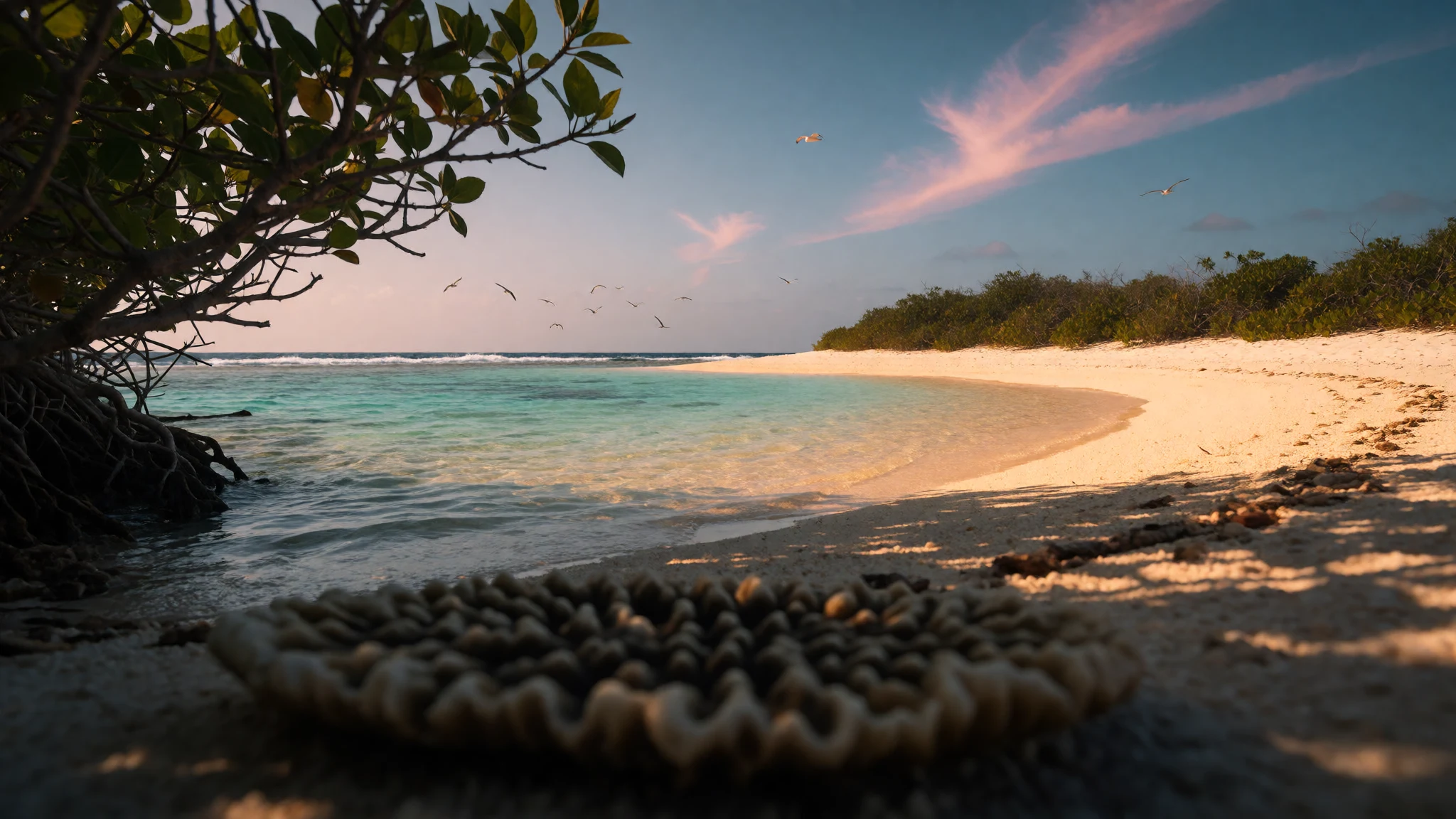
Dongsha Islands is a remote coral atoll where a protected reef, a turquoise lagoon and a long maritime history sit far out in the South China Sea.
The place
Dongsha Islands, also known as the Pratas Islands, is a coral atoll in the northern South China Sea, far from any mainland coast. Only one piece of it stands above the waves: Pratas Island, a crescent of white sand and low scrub about 2.8 km long and under a kilometre wide. The crescent curls around the western edge of a circular reef, and inside the curve lies a lagoon that makes up a good share of the island's total area. Beyond the atoll, two submerged banks, North Vereker and South Vereker, rise from deep water but never break the surface.
The distances explain the character of the place. Hong Kong is about 310 km away, and Kaohsiung, the Taiwanese port city that administers the island, is about 444 km off. There is little in the way of a town here. The island has an airstrip, park and research buildings, and a small community that is mostly staff and visitors rather than long-settled families. Vegetation is mostly vines, bushes and brush, with bare white sand showing between them.
The atoll became a national park in 2007. Researchers value it because larvae drifting from its reefs can reach many other reefs across the northern South China Sea, so protecting it helps a much wider area. The People's Republic of China also claims the islands, which is one reason access is carefully controlled. Expect wind, salt, bright light and open horizon rather than a list of attractions, and plan around sea conditions that can change a schedule at short notice.
Its story
Dongsha Islands has been known to sailors far longer than it has had any settled life, and much of its recorded past is about ships coming to grief on the reef. British seamen called the place "Perates". In October 1800 the East Indiaman Earl Talbot was lost here with everyone aboard. In 1851 the naval sloop HMS Reynard struck the atoll while going to help another wreck; the crew survived, and for decades afterwards its boilers and machinery could still be seen on the reef.
Those losses led to talk of a lighthouse. Letters passed between London and the colonial authorities in Hong Kong, and an offer came from a British businessman in Xiamen, but the expense seemed too high and the plan faded. The correspondence also shows an awkward point: nobody was sure which government, if any, held authority over the atoll. In 1858 the survey ship HMS Saracen produced the first detailed chart, which marked possible lighthouse sites and an anchorage for junks in the north-east of the lagoon. That note tells us fishing boats had long used the shelter, although the chart also warned that only shallow-draught vessels could enter.
In 1866 the naturalist Cuthbert Collingwood called and later wrote an account of the island. Then, in 1908 and 1909, a Japanese businessman set up a station to gather guano. He tore down a temple built by Chinese fishermen, disturbed their graves, and renamed the atoll after himself. That episode is remembered in the region as an act of disrespect toward the people who had used the reef for generations, and it still shapes how the islands are discussed.
What to see
- Pratas Island shoreline — Pratas Island
The crescent of Pratas Island is the one stretch of dry land in the atoll, and a walk along it shows the whole character of the place: pale sand, low scrub and vines, and the reef edge always in sight. Go early, as there is little shade.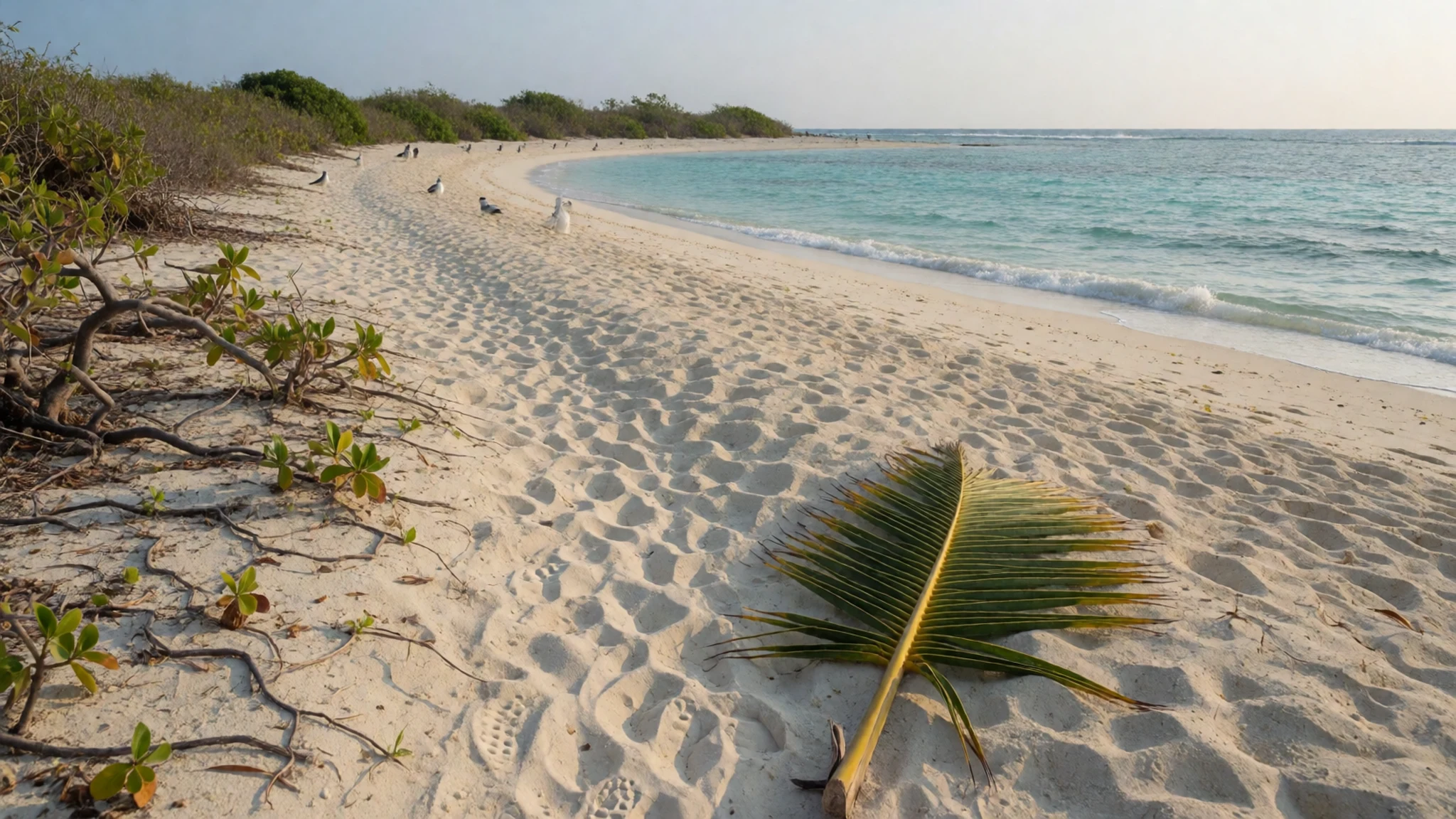
- The lagoon — Inside the atoll ring
The circular reef shelters a lagoon that fills much of the atoll's interior. Its calm, shallow water contrasts with the open sea outside, and boat trips here, where permitted, show how the reef shapes the island. Tides, wind and park rules decide what is possible on any day.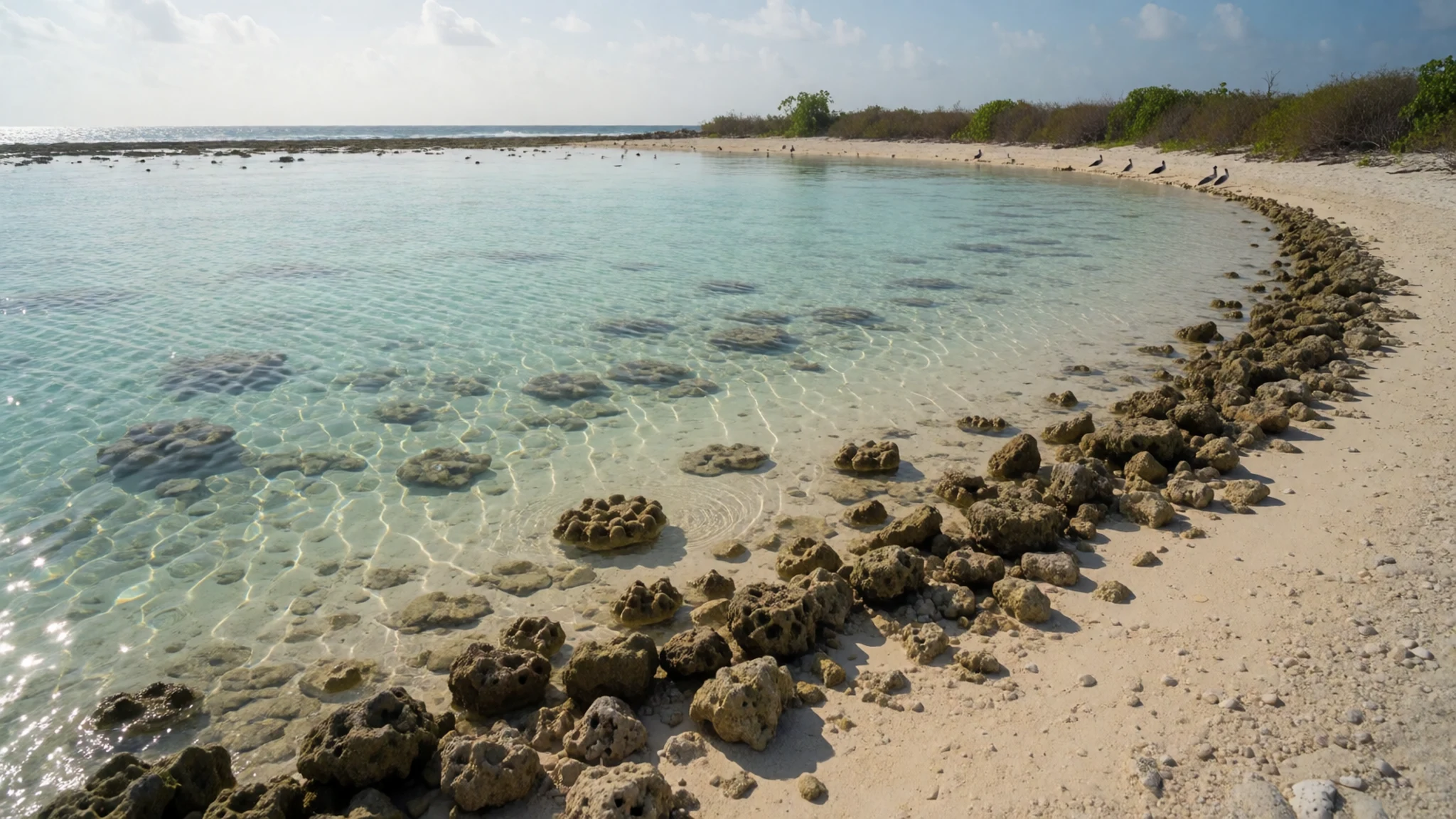
- Reef snorkelling and diving — Dongsha Atoll National Park
The protected reefs are the main reason to come. Marine life here matters to the wider region, so visits are supervised and rules on touching, collecting and boat use are strict. Book through an approved operator, and expect conditions to depend heavily on weather.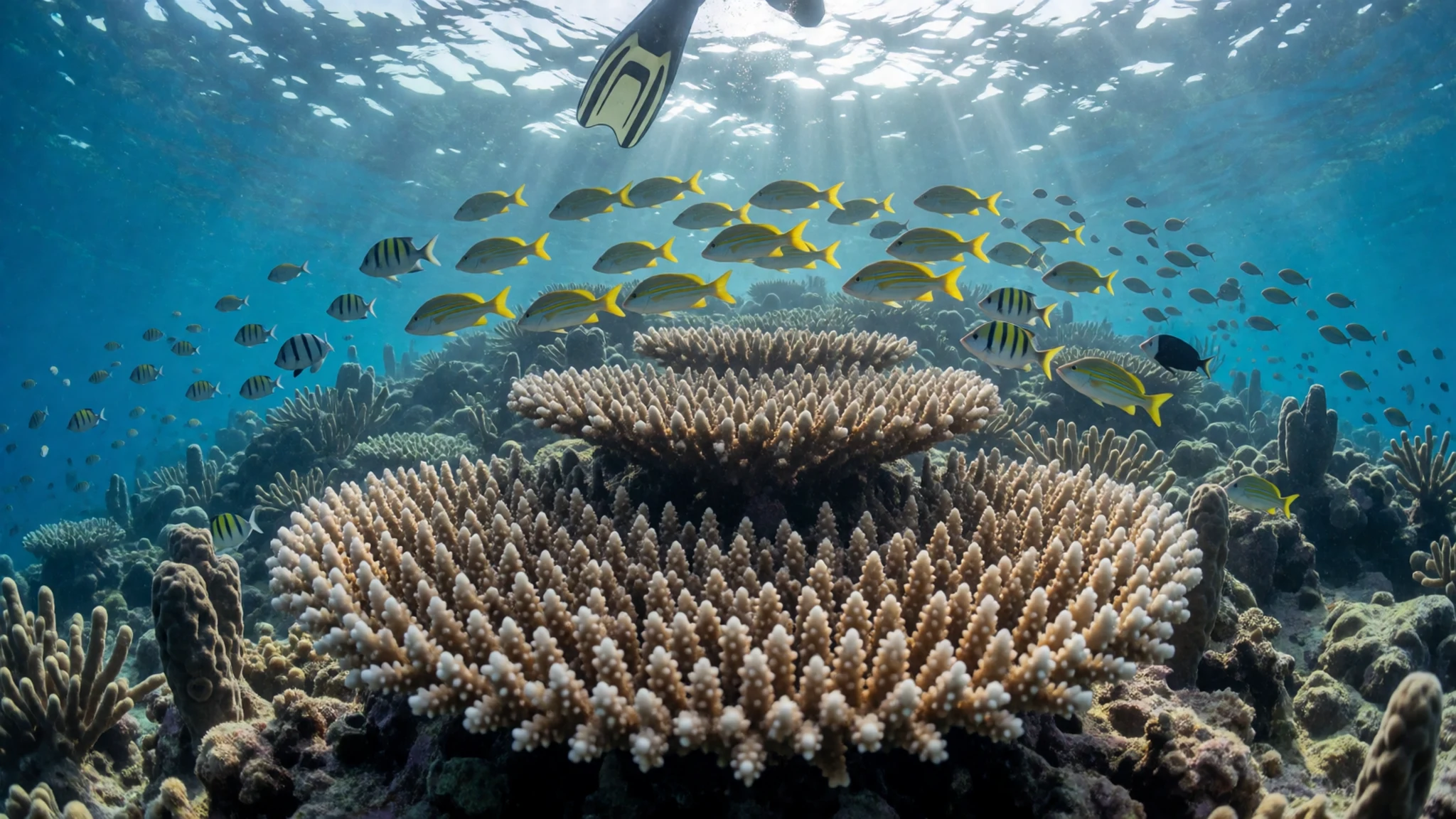
- The Vereker Banks — North-west of the island
North Vereker Bank and South Vereker Bank lie beneath the surface to the north-west of the island. They cannot be seen from land, but they are part of the atoll's underwater geography and of why the area is valued by scientists. Ask the park about guided access.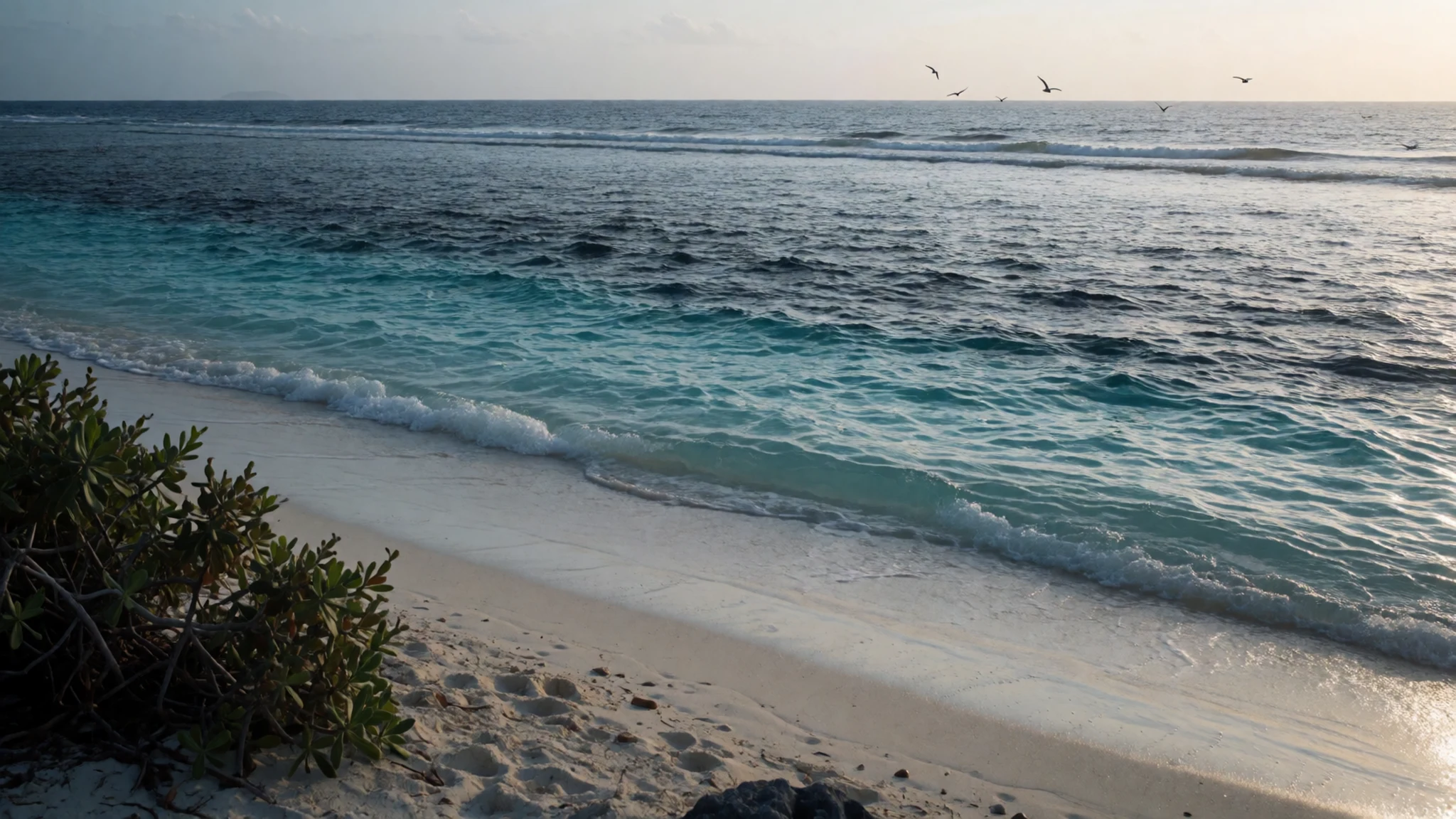
- Chihou Lighthouse and fort — Kaohsiung, the gateway city
Before or after a trip, Chihou in Kaohsiung makes a useful contrast. The lighthouse was later remodelled in white Baroque style, and the nearby fort looks over the harbour mouth. Nearby, the Tianhou Temple honours Matsu, protector of sailors.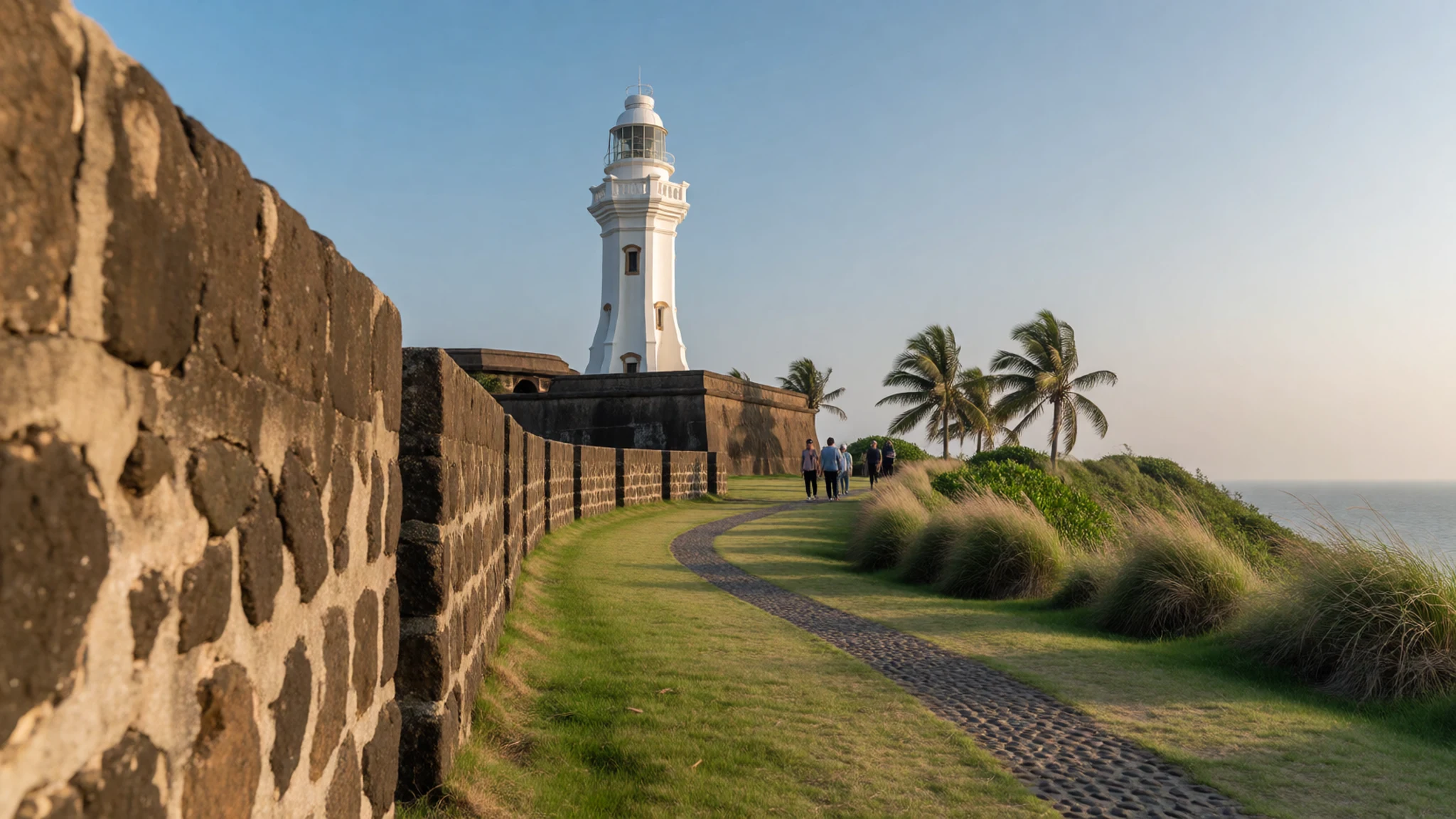
Culture
Dongsha Islands has no old village culture of its own to describe, because it has never had a long-settled community. Its culture is the culture of the sea: the fishing boats that sheltered in the lagoon, the sailors who were wrecked here, and the temple that Chinese fishermen once kept on the island. When that temple was torn down in the early twentieth century, it was an affront to people who had relied on the reef for their living, and the memory still gives the atoll emotional weight beyond its size.
Today the island's daily life is shaped by marine science, conservation and a coast guard presence. Taiwan's national park rules govern what can be done on land and in the water, and the territory's status is disputed, since China claims it as part of Guangdong. Visitors are therefore guests in a managed, sometimes sensitive setting rather than tourists in an open resort.
The mainland gateway, Kaohsiung, adds the spiritual side. Fishing communities there venerate Matsu, the goddess of sailors, and temples in the Chihou area are working places of worship. Many sailors and fishing families still pray for safe passage before long voyages, a habit that links the harbour to the distant atoll.
If you visit a Matsu temple on the way, keep your voice low, do not photograph worshippers at prayer, and never take, touch or move anything on the reef or shore of Dongsha, because park rules treat the whole atoll as protected.
What to wear
Dongsha Islands has no traditional costume of its own, since no long-settled community has lived there, so dress is best understood through Taiwan as a whole. Traditional clothing in Taiwan varies by people: Indigenous nations weave and embroider garments in cotton, ramie and wool with distinctive patterns, and Hakka communities are known for plain indigo-dyed cotton jackets. These are mostly worn at festivals, weddings and cultural events, and a Matsu procession or temple festival in Kaohsiung is a more likely place to see them than anywhere on the atoll.
What people wear now is practical. Park staff, researchers and coast guard personnel wear uniforms or work clothes suited to sun, salt and wind, while visitors in Kaohsiung dress as in any warm southern Taiwanese city: light T-shirts, shorts or thin trousers, and sandals or trainers.
For the atoll, visitors should pack for strong sun and exposed ground. Take a wide-brimmed hat, long-sleeved UV-protective shirt, sunglasses and reef-safe sunscreen, plus a rash vest if snorkelling. Wear shoes that can get wet and cope with sand and coral rubble, and bring a light windproof layer for boat rides, which can be cool and wet even in warm months. At Matsu and other temples in Kaohsiung, cover shoulders and knees, and avoid beachwear. There is no formal dress code on the atoll itself, but modest, quick-drying clothes make sense in every setting.
What to eat
- Fresh fish, steamed or fried — Seafood eateries along Cijin Island's main street, Kaohsiung
The usual way to eat in Cijin is to order fresh fish cooked simply, steamed with ginger or fried with salt and pepper. Small dishes are shared, so go in a group and order a few. Ask what the day's catch is.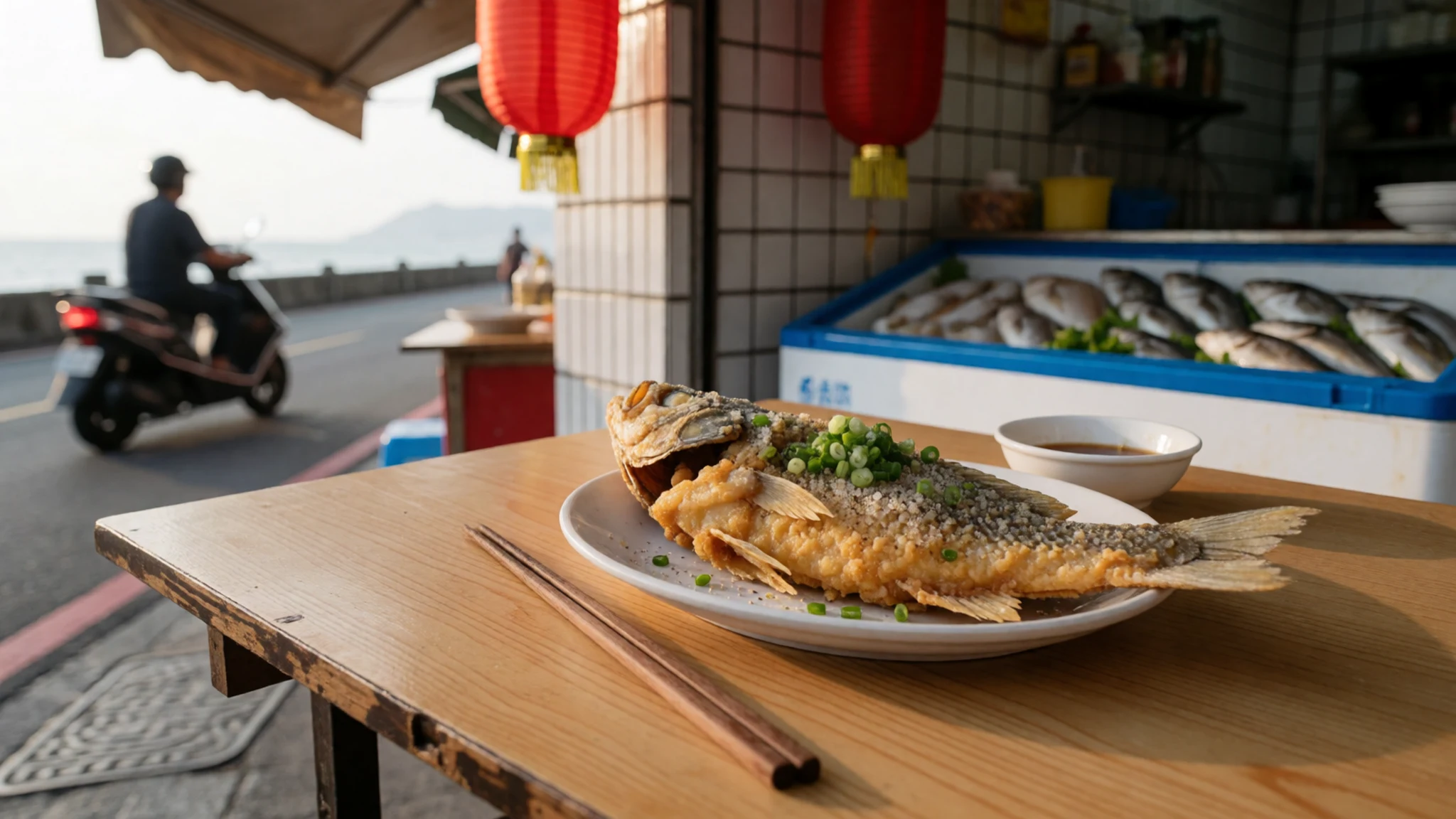
- Barbecued squid — Cijin night bazaar stalls, in the evening
Squid grilled over charcoal and brushed with sauce is a staple of Taiwanese night markets, and Cijin's evening bazaar is a good place to find it. Eat it hot from the stall, with a drink, while walking along the seafront.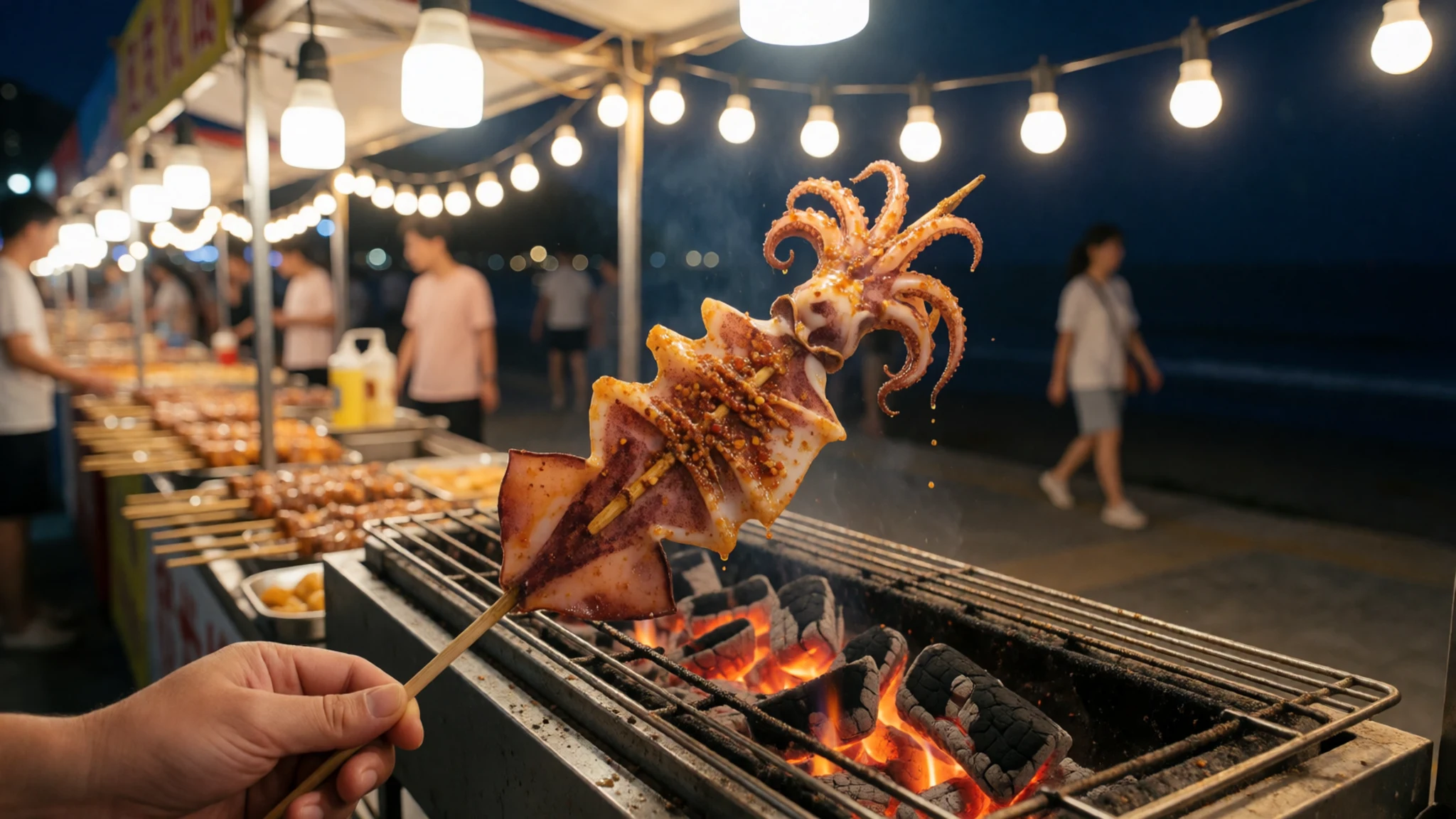
- Mochi — Snack stalls at the Cijin night bazaar
Chewy glutinous rice cakes, rolled in ground peanut, sesame or sweet bean paste, are sold fresh at many stalls. They make a light sweet ending after seafood and travel well for a short walk or ferry crossing. - Vegetarian buffet with mock meats — Small vegetarian buffet eateries in central Kaohsiung
For a break from seafood, vegetarian buffets offer tofu, vegetables and mock meats made from soya or gluten. You choose your dishes at the counter and pay by weight or plate. Say if you want rice, as it is not always served automatically. - Night-market seafood and snacks — Liouhe Night Market, Kaohsiung
Liouhe is the touristy night market of the city, with seafood stalls, grilled snacks and a wide mix of dishes beyond Taiwanese food. It gets crowded in the evening, so go early, carry small cash and be prepared to queue.
Plan it
Best time. January–March and October–November are usually the best bets: seas tend to be calmer and the heat more bearable. Summer brings typhoon risk and flights or boats may be cancelled, so check with the national park before booking any dates.
How long. 2–3
Getting there. Fly into Taipei Taoyuan or Kaohsiung. From Taipei, high-speed rail reaches Kaohsiung's Zuoying station in about 1½ hours. The last leg to Dongsha Islands is by air to Dongsha Airport or by sea, and access is controlled, so check the national park's official site and use an authorised operator.
Budget. high
Tips
- Arrange permits and transport well ahead, because entry to the atoll is controlled and places are limited
- Expect cancellations when the weather turns, so leave a spare day around the trip
- Bring sun protection, plenty of water and any medication, because supplies on the island are limited
- Carry some cash and cards for Kaohsiung, but check what payment works on the atoll
- Spend a night in Kaohsiung before and after, to absorb any delays
Etiquette
- Do not touch, stand on or remove coral, shells or any marine life
- Follow park staff and coast guard instructions, and do not photograph restricted areas
- Cover shoulders and knees at temples and keep your voice low
Nearby
Sources
- Wikidata Q698931 (CC0)
- Wikipedia: Pratas Islands (rev 1383168647) (CC BY-SA 4.0)
- Wikivoyage: Kaohsiung (rev 5430369) (CC BY-SA 4.0)