Dharma Drum Mountain
Dharma Drum Mountain, Taiwan
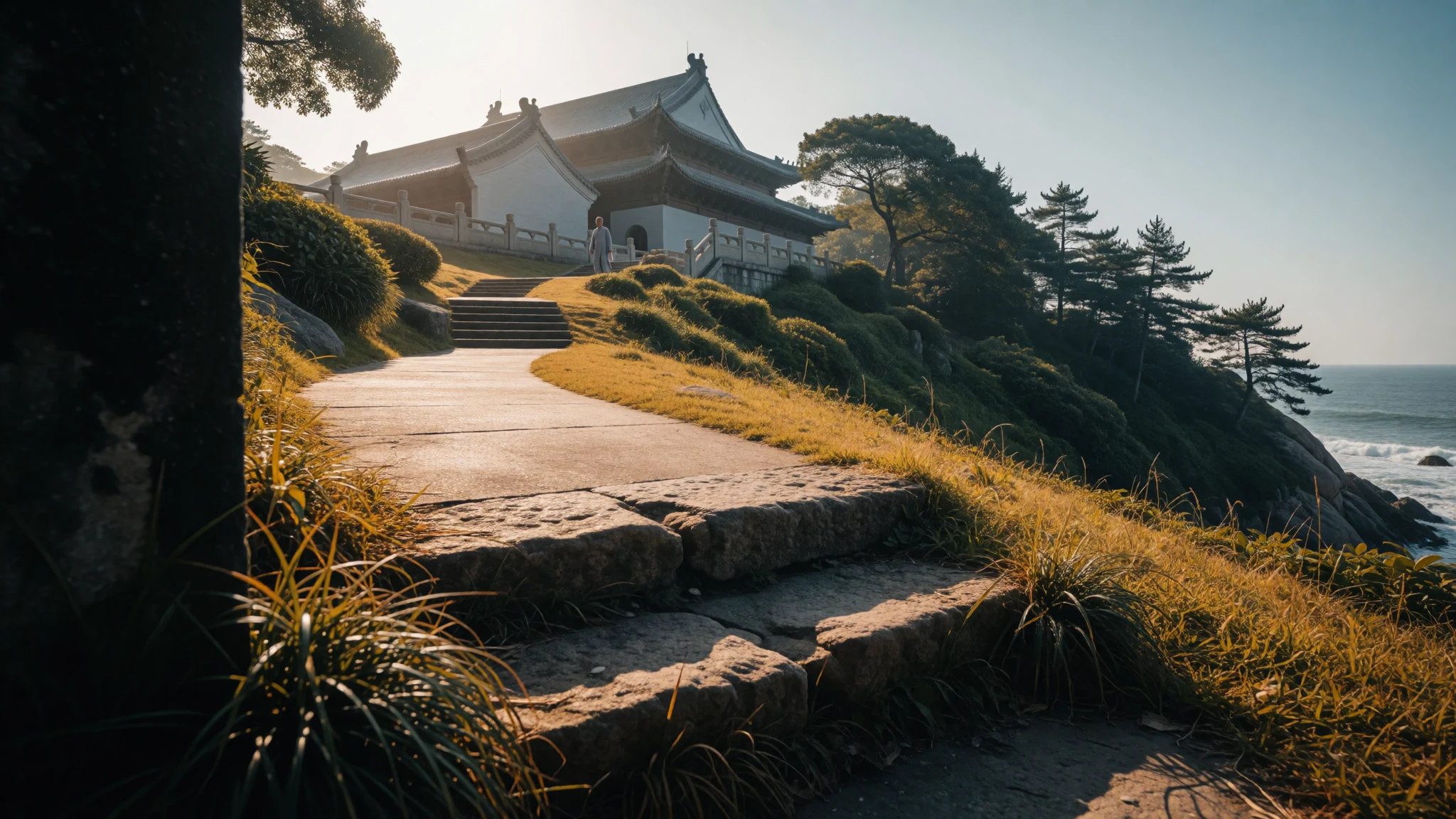
Dharma Drum Mountain is a working Buddhist centre on Taiwan's north coast, where a hillside setting, meditation and quiet architecture matter more than sightseeing.
The place
Dharma Drum Mountain is a Buddhist foundation whose international headquarters sits in Jinshan District, on the north coast of New Taipei City, Taiwan. Its Chinese name is Fǎgǔ Shān (法鼓山), and it is as much an organisation as a monastery: a place of practice, a school, a publisher and a venue for public talks, all under one name. Its founder, the Chan master Sheng-yen, built it around a plain goal, a 'Pure Land on Earth' reached through education and a gentler way of living rather than through spectacle. The site is a green hillside facing the sea, with buildings set to follow the land instead of flattening it. Weather shapes the mood. Low cloud and drizzle are common, and on clear days the view opens towards the coast. Within Taiwan the foundation is counted among four large Buddhist organisations, alongside Tzu Chi, Fo Guang Shan and Chung Tai Shan, each with its own emphasis. Dharma Drum's emphasis is teaching: meditation instruction, study of the texts, and ethics for ordinary daily life. The foundation dates from 1989. A visit here feels different from a trip to a famous temple town. Most people on the grounds are retreat participants, volunteers and Taiwanese families, and the atmosphere is hushed and orderly. Weekends and festival days bring more people, while weekday mornings tend to be calmer. It is a religious centre first and an attraction second, and it rewards visitors who arrive with that in mind.
Its story
The story of Dharma Drum Mountain begins before the Jinshan site existed. The monk Dongchu, a Chan teacher who had moved from mainland China to Taiwan, founded the Chung-Hwa Institute of Buddhist Culture in 1956, which published journals and promoted Buddhist learning. In 1975 he added Nung Chan, the 'Farming Chan' monastery. Dongchu died two years later, and in 1978 his chief disciple Sheng-yen took over as abbot of both. Under Sheng-yen the number of students and devotees soon outgrew the existing buildings. In 1989 the institutions bought hilly land in Jinshan, and Sheng-yen gave the new monastery the name Dharma Drum Mountain, which became the name of the whole organisation. Planning the architecture took seven years. Sheng-yen, motivated by his environmental concerns, insisted that the buildings follow the contours of the hills, so the landform changed little. He supervised the work closely and attended to small details. Ground was broken in 1993, and the first phase, which makes up most of the complex seen today, was inaugurated in 2001. Sheng-yen, who lived from 1931 to 2009, was succeeded as abbot in 2006 by his student Guo Dong. The foundation concentrates on teaching Buddhism to the public. Its charity work is mostly indirect, through funding other charities. In 2005 it was estimated to have about 400,000 members.
What to see
- The entrance road and mountain emblem — Jinshan District
The road up to Dharma Drum Mountain starts at a stone emblem whose design comes from the hand gesture the Buddha is said to have made when first teaching, the turning of the wheel. It is a modest start, worth a pause on the way in, and shows how the place presents itself through symbol rather than show.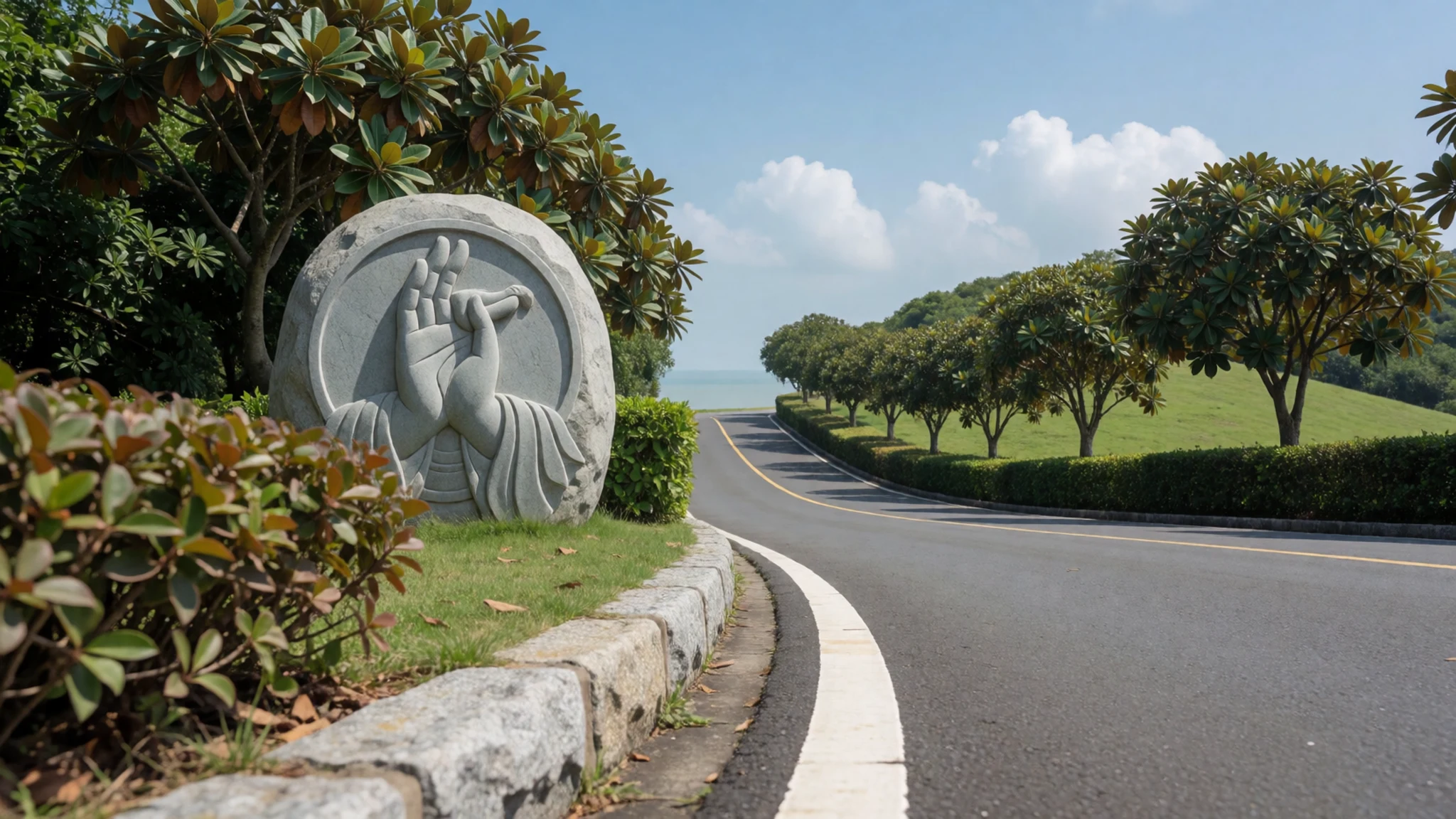
- The monastery complex on the hillside — Jinshan District
The main buildings spread across the slope, kept low and set to follow the natural lie of the land. Walk slowly between halls and courtyards, and notice how little of the hill has been levelled. Photographs from festival periods show the grounds decorated and busy, while ordinary weekdays are much quieter.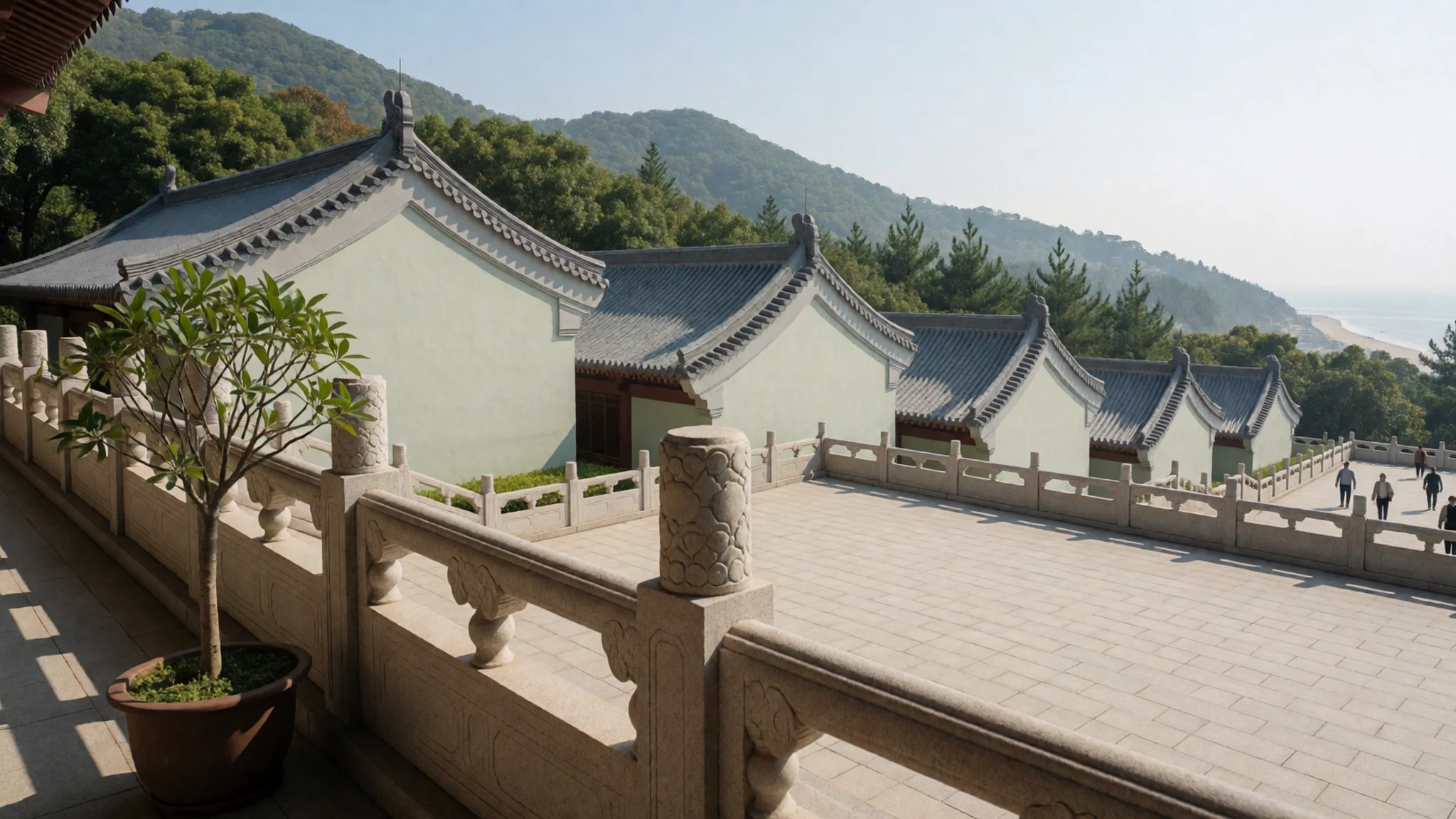
- Meditation and retreat programmes — Main complex
Chan meditation is the heart of the foundation's teaching, and the site hosts sitting sessions and longer retreats. Programmes, languages and booking rules change, so check the official site before travelling. Visitors without a booking should treat the halls as places of practice and keep voices low.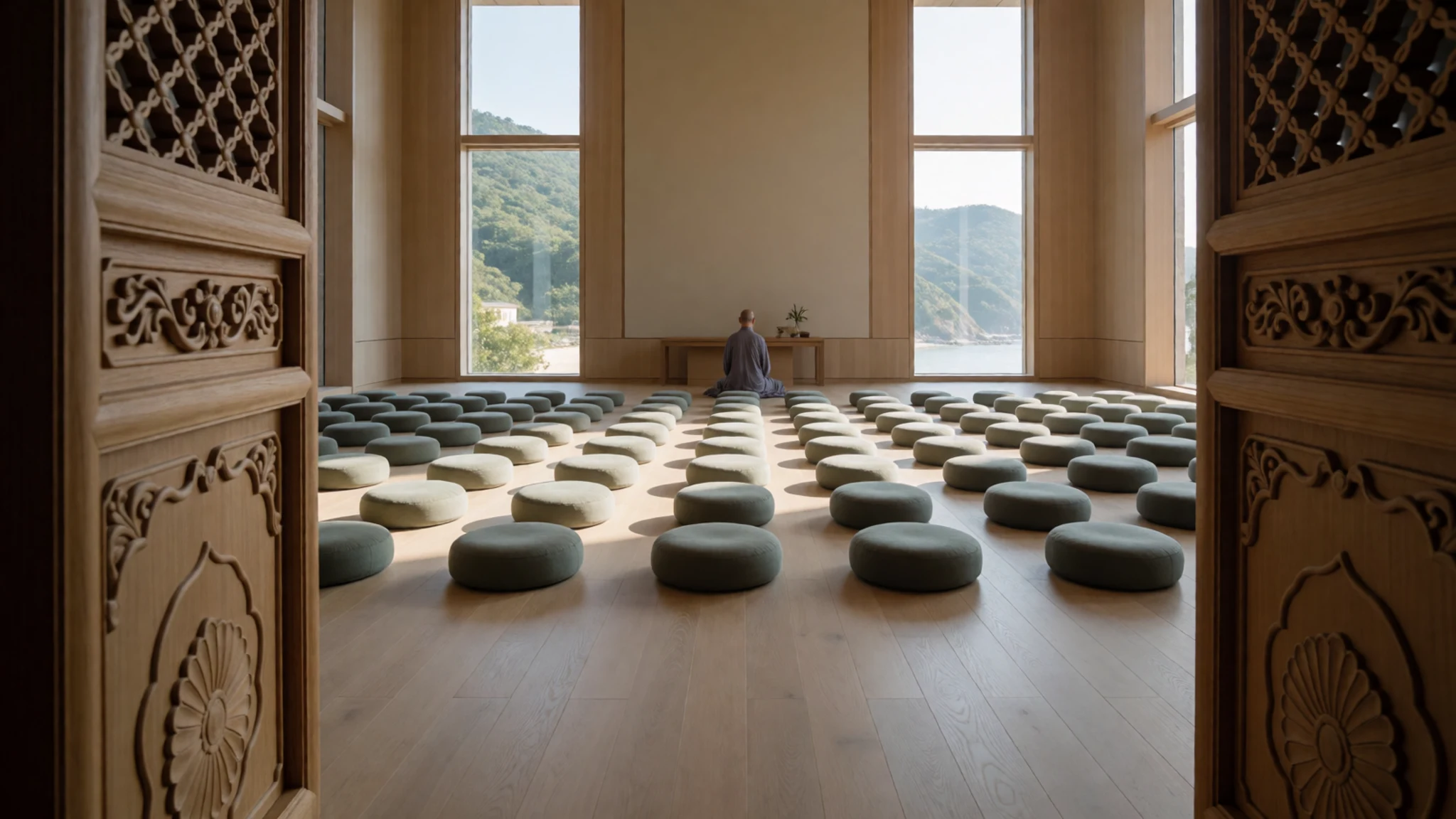
- Grounds, paths and views — Around the monastery
Much of the appeal lies outdoors, on paths and terraces that let the hills, trees and weather do the work. On clear days there are views towards the sea, and in mist the whole site turns soft and grey. Wear shoes with grip, because slopes and steps can be slick after rain.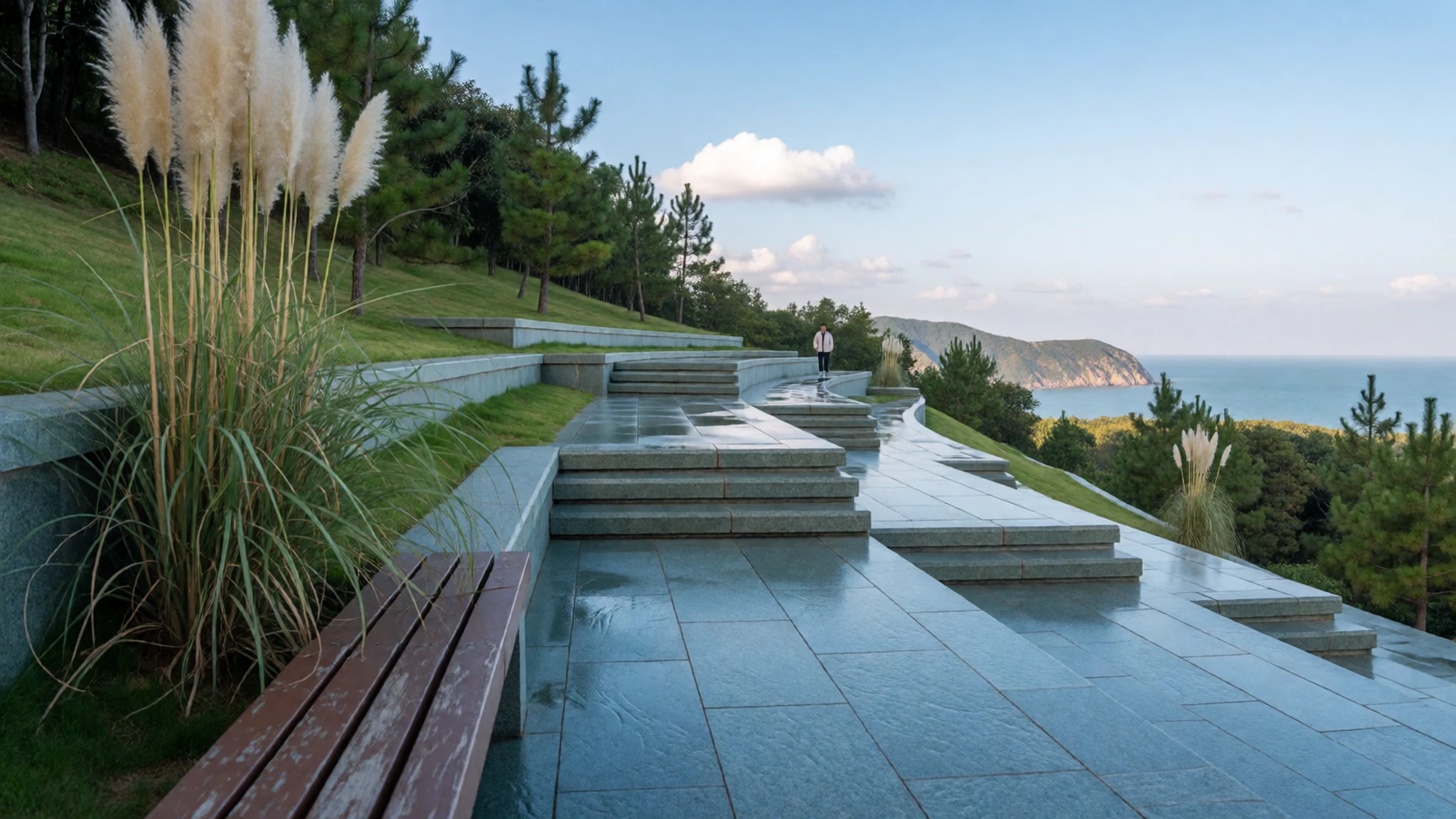
- Jinshan town and the north coast — Jinshan District
After the quiet of the mountain, the nearby town of Jinshan offers a livelier contrast, with a small old street, hot-spring bathhouses and a coastline of rocky shore and fishing harbours. It makes an easy second half to the day, and it is also where most visitors find lunch.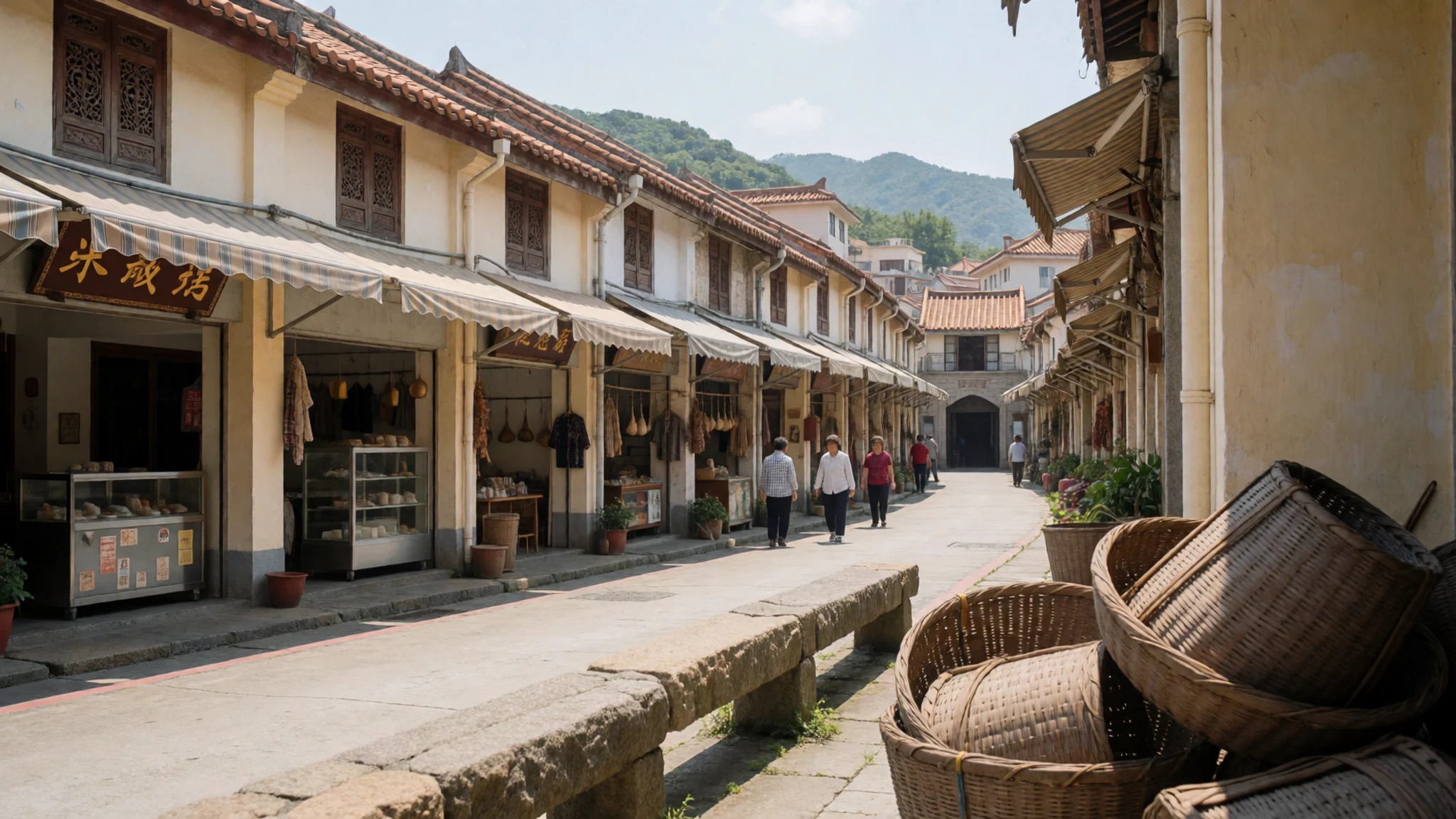
Culture
Dharma Drum Mountain belongs to Chinese Buddhism, and in particular to the Chan tradition, known in Japan as Zen. Chan stresses meditation and everyday awareness over elaborate ceremony, and that attitude is visible in the foundation's plain, restrained manner. Sheng-yen is remembered as a teacher who tried to make Buddhism understandable to modern people, through books, lectures and education, and the foundation still carries that mission. Its ideal of a 'Pure Land on Earth' means improving the world here and now, through ethics, simplicity and care for the natural environment, rather than waiting for a distant paradise. The Nung Chan name, 'Farming Chan', points to the same idea: work and practice are not separate. Many members take part as volunteers, and visitors will often meet them directing people, serving meals or tidying paths. Like other Taiwanese Buddhist groups, the foundation encourages vegetarian eating, and meals offered on site follow that custom. Festivals, especially around the lunar new year, draw large crowds, and ordinary weekends are busier than weekdays. The mood is closer to a college campus and a retreat centre than to a tourist temple. A smile, a slight bow and a quiet voice go a long way here. Speak softly in the halls, wait for a clear sign before taking photographs inside, and never photograph people meditating or at prayer without their permission.
What to wear
Dharma Drum Mountain, like the rest of Taiwan, has no single traditional costume. Han Chinese heritage brings the long gown known as the changshan for men and the qipao for women, now seen mostly at weddings, performances and festivals, usually in silk or cotton. Taiwan's Indigenous peoples keep their own woven and embroidered garments, made from cloth such as ramie and cotton and worn at ceremonies. The monastic community here wears the grey or black robes common in Chinese Buddhism, often with a brown outer robe for formal occasions. Day to day, people in Jinshan and Taipei dress casually: T-shirts, light trousers, trainers and a rain jacket or umbrella are normal. Lay volunteers and retreat participants tend towards loose, simple clothes in plain colours. Visitors to the monastery should dress modestly, with shoulders and knees covered, and avoid slogans, bright patterns or anything tight. Choose comfortable shoes with good grip, as the grounds include slopes and steps that turn slippery in rain. Summers are hot and humid, so breathable cotton or linen suits best, while winters on this coast can be cool, damp and windy, so a warm layer and waterproof outer jacket are sensible. Slip-on shoes are handy if you are asked to remove footwear at a hall door.
What to eat
- Vegetarian monastery meal — On site, ask at the visitor area
Dharma Drum Mountain follows the Taiwanese Buddhist habit of vegetarian cooking, so meals on site are plant-based: rice, seasonal vegetables, tofu and mushrooms, simply seasoned. Ask at the visitor area about dining arrangements, and check the official site for current options.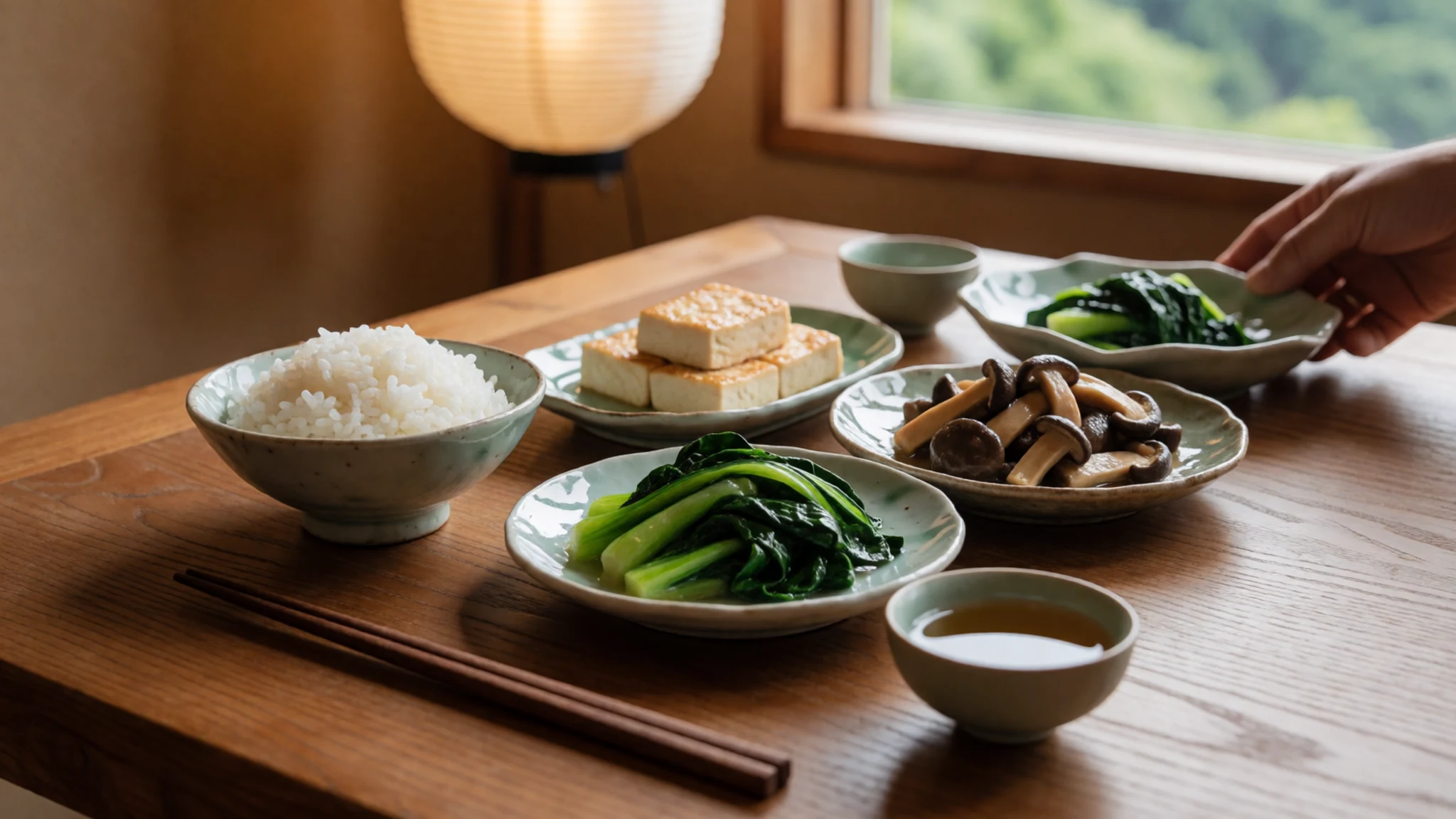
- Jinshan sweet potato — Shops and stalls on Jinshan Old Street
The Jinshan area is known for its sweet potatoes, which are sold roasted, boiled, fried in batter or turned into small sweets. The roasted ones, with a soft orange centre, make a warm snack on a drizzly day.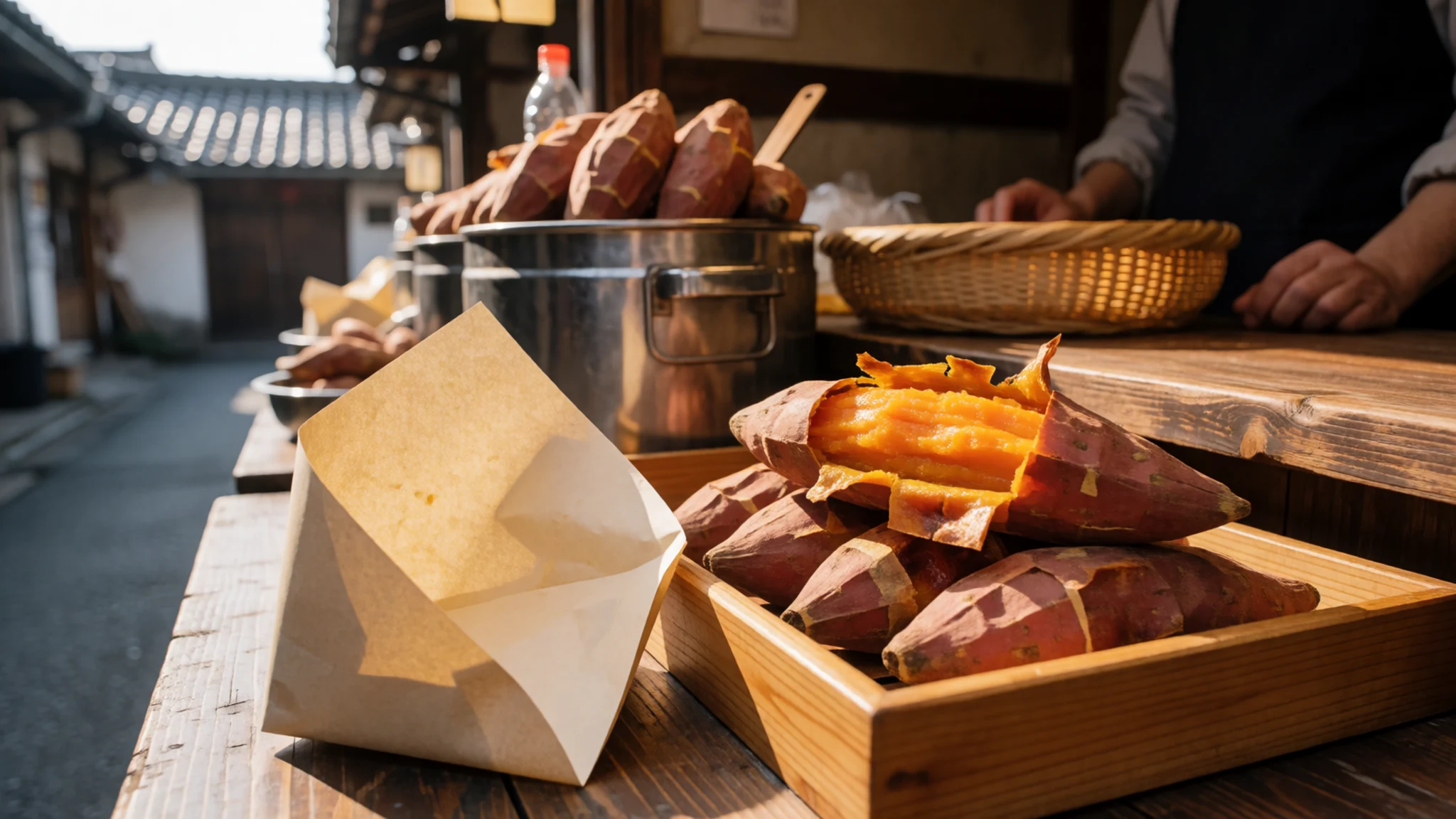
- Taro balls — Dessert shops in Jinshan town
Chewy balls of mashed taro, often mixed with sweet potato, are served in sweet soup or over shaved ice. They are a staple Taiwanese dessert, and the Jinshan version suits visitors who prefer something not too sugary. - Braised duck — Casual eateries around Jinshan
Duck is a regional speciality along the north coast, usually braised in soy and spices or served cold and sliced. It is not vegetarian, so most people eat it in town after the monastery rather than on the mountain. - North coast seafood — Fishing-harbour eateries on the north coast
The fishing harbours along the coast supply fish, squid, shrimp and crab, often steamed, fried with garlic or added to noodle soups. Pick a busy eatery with a good turnover, and ask what is freshest that day.
Plan it
Best time. March–April and October–November, when temperatures are mild and the hills are green. Summers are hot, humid and prone to typhoons, while winters on this coast are cool, damp and often misty.
How long. 1
Getting there. Fly into Taoyuan International Airport and continue to Taipei, then take a bus or taxi towards Jinshan District; the last leg is a mountain road up to the site. Check the official site at https://www.dharmadrum.org/ for current transport and shuttle arrangements.
Budget. low
Tips
- Check the official site for visiting arrangements and retreat bookings before you go
- Choose a weekday morning for quieter grounds; weekends and festival periods are crowded
- Carry a rain jacket and shoes with grip, as the weather changes quickly on the hillside
- Bring water and some cash for snacks and small purchases in Jinshan town
- Pair the visit with a stop on the Jinshan coast rather than trying to fill a whole day on the mountain
Etiquette
- Dress modestly and keep your voice low in halls and on paths
- Ask before photographing people, and do not photograph anyone meditating or praying
- Follow volunteers' and signs' directions, especially during retreats or events
Nearby
Sources
- Wikidata Q700949 (CC0)
- Wikipedia: Dharma Drum Mountain (rev 1362385677) (CC BY-SA 4.0)
- Photo: Dharma Drum Mountain 05, FireFeather (CC BY-SA 4.0)
- Photo: Dharma Drum Mountain Entrance Road Sign, 玄史生 (CC BY 3.0)
- Wikivoyage (CC BY-SA 4.0)

