Chung Tai Chan Monastery
Chung Tai Chan Monastery, Taiwan
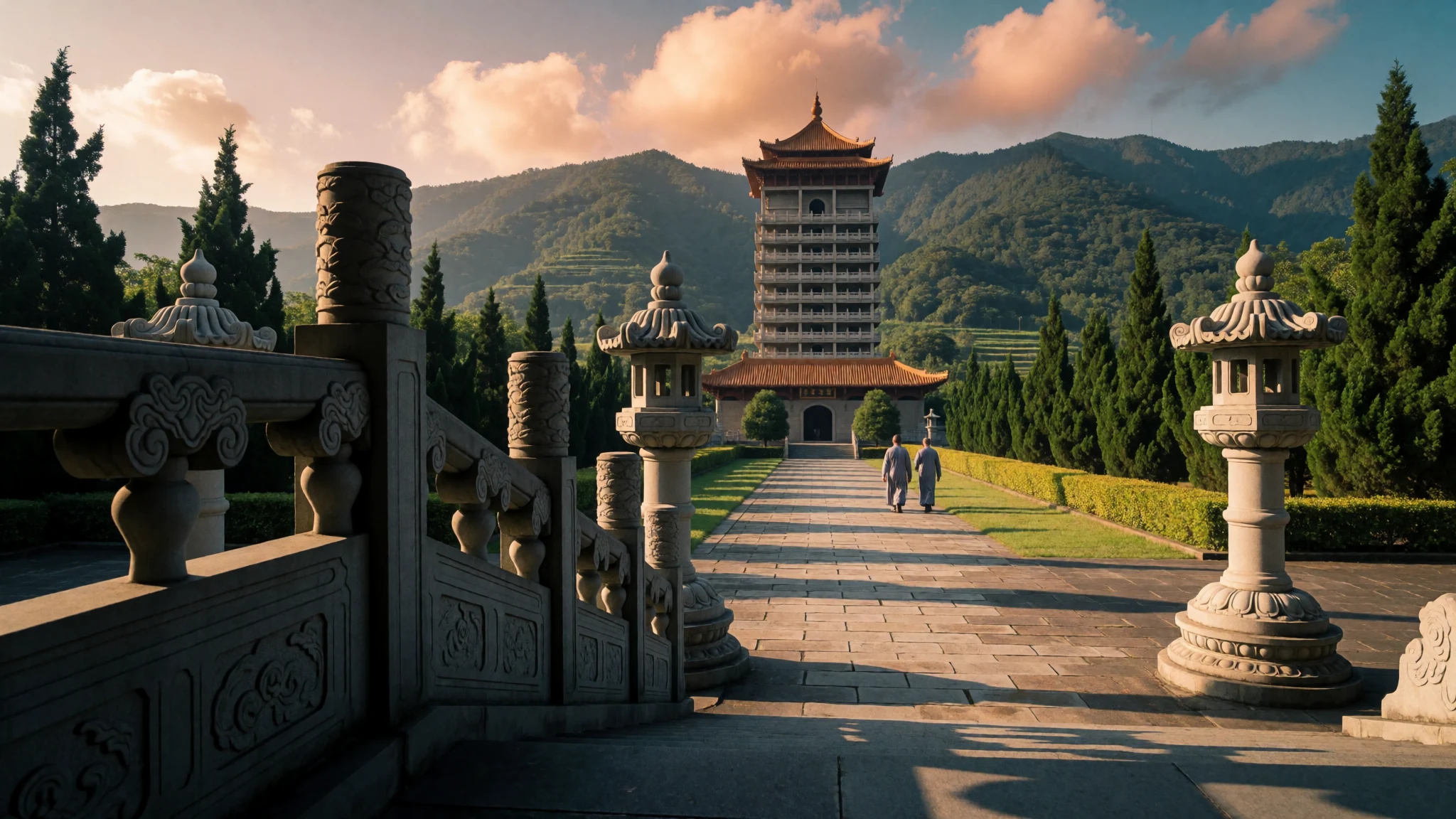
Chung Tai Chan Monastery is a modern Chan Buddhist complex rising above Puli's valley in central Taiwan, worth the journey for its scale and calm.
The place
Chung Tai Chan Monastery stands on the edge of Puli Township in Nantou County, close to the middle of Taiwan, in a valley ringed by green mountains. It is the headquarters of Chung Tai Shan, an international order that follows Chan Buddhism, the Chinese meditation tradition better known abroad by its Japanese name, Zen. The complex looks nothing like the timber temples many visitors expect. Its main block is a stepped tower of stone and concrete under sweeping roofs, and Wikivoyage counts 33 storeys. Wikipedia gives its height as 136 metres, and from a few kilometres away it is the first thing the eye finds in the valley. It is a working monastery as much as a sight: monks and nuns live, study and practise here, while lay visitors move through halls, galleries and a museum along set routes. Puli itself is a small, quiet town known for its spring water, and its local specialities, including mineral water, water bamboo, Shaoxing wine and handmade paper, all trace back to that supply. The mild climate has drawn several other Buddhist temples to the valley, with retreat centres and hermitages higher on the hillsides. Puli is also the usual base for Sun Moon Lake, a short bus ride south, so the monastery often fits into a half day within a longer trip through the highlands. Weekdays are calmer than weekends, and the valley can turn misty or rainy at short notice.
Its story
Chung Tai Chan Monastery began as a building site in 1990 and was not finished until 2001, so the complex took about a decade to raise. That is a long time for one temple, and it shows in the ambition. Rather than a single hall, the plan was a full headquarters for a young order, with space for ordination, teaching, meditation and a public museum. The order, Chung Tai Shan, was founded by the monk Wei Chueh and grew quickly in Taiwan, with branch temples abroad. Chan, the school behind it, is the Chinese root of Japanese Zen and Korean Seon, and it puts seated meditation and direct experience ahead of ritual and textual study. The builders chose to express that in a contemporary idiom, using modern materials and structure while keeping traditional Buddhist symbolism, instead of copying an old temple. After completion the tower was described as the world's tallest Buddhist building, a claim Wikipedia repeats. It is a point of pride for the community, though titles like that can change as new structures go up. The valley around it had its own hard years: Puli was badly damaged in the 1999 earthquake, during the building period, and the monastery's finish sits within the town's recovery. Today the site is both a pilgrimage destination for Taiwanese Buddhists and a landmark for travellers crossing the central highlands.
What to see
- The central tower — Puli Township, Nantou County
The main tower is the reason for the trip. From a few kilometres away it stands over Puli's fields like a stepped mountain of stone, and up close the roof lines, carved detail and sheer scale reward slow walking. Visitors follow marked routes through the halls rather than wandering freely, so allow a relaxed pace.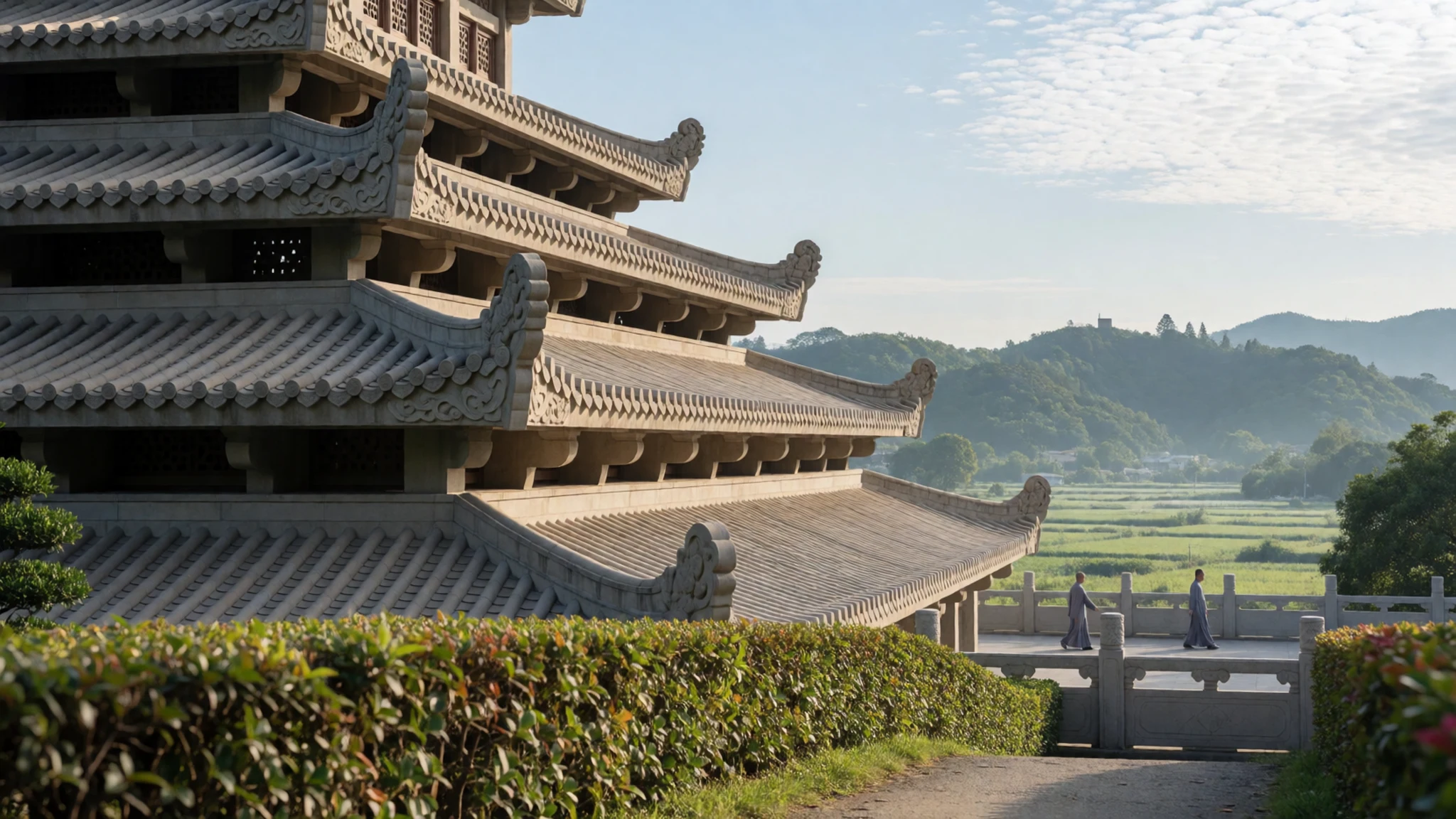
- The ground-floor entrance — Main complex, Puli
The main entrance deserves a pause before going in. The tall doors and the forecourt set the tone: formal, ordered and calm, with monastics and lay worshippers passing through. Check the official site, ctworld.org.tw, for visiting arrangements before travelling, as they can change and are not confirmed here.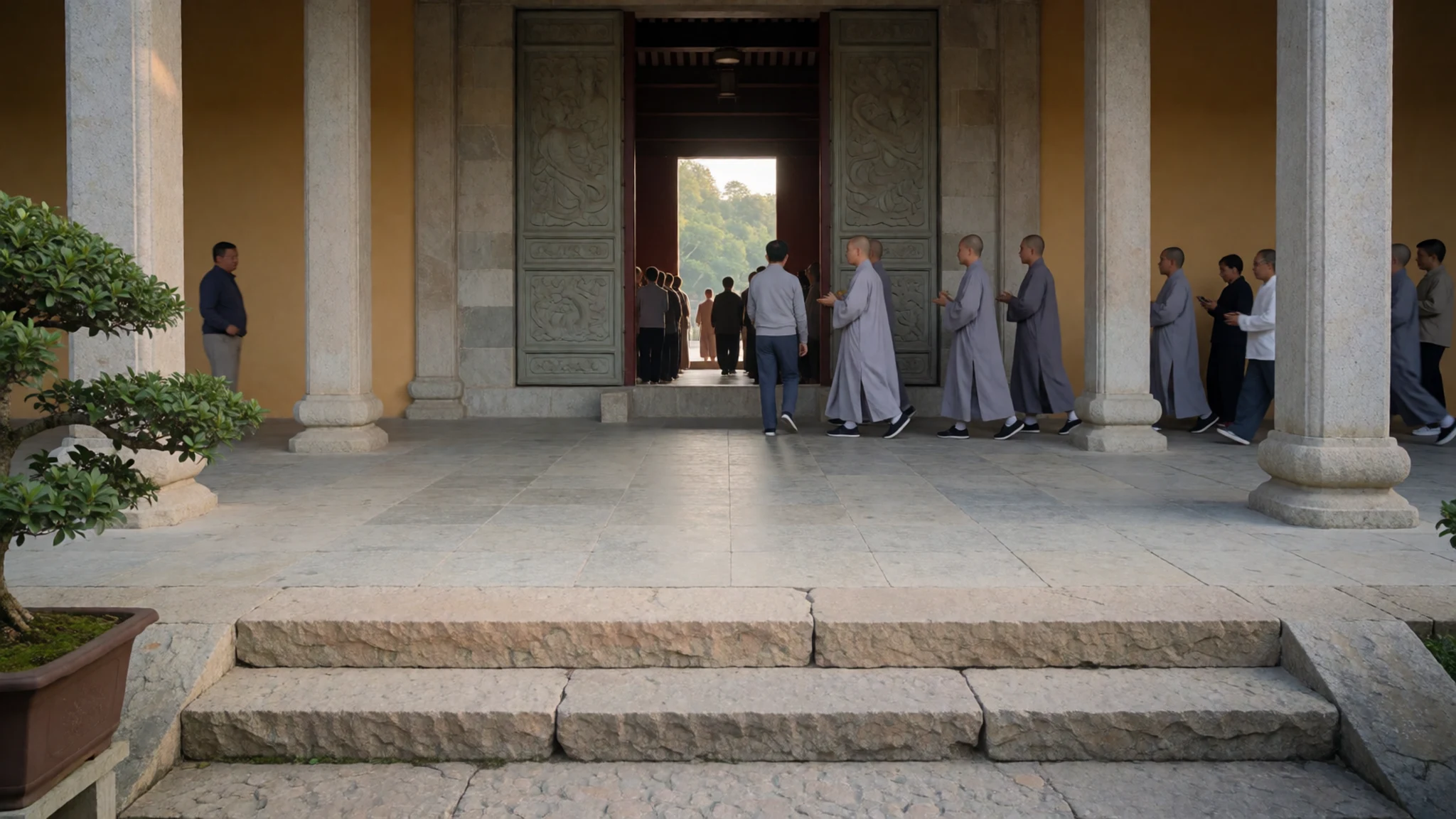
- Chung Tai World Museum — North of the monastery, Puli
A Buddhist museum sits just north of the main complex. It suits visitors who want context for what the halls show: sacred art, objects and the story of the faith. Opening arrangements change, so check the official site before planning a day around it.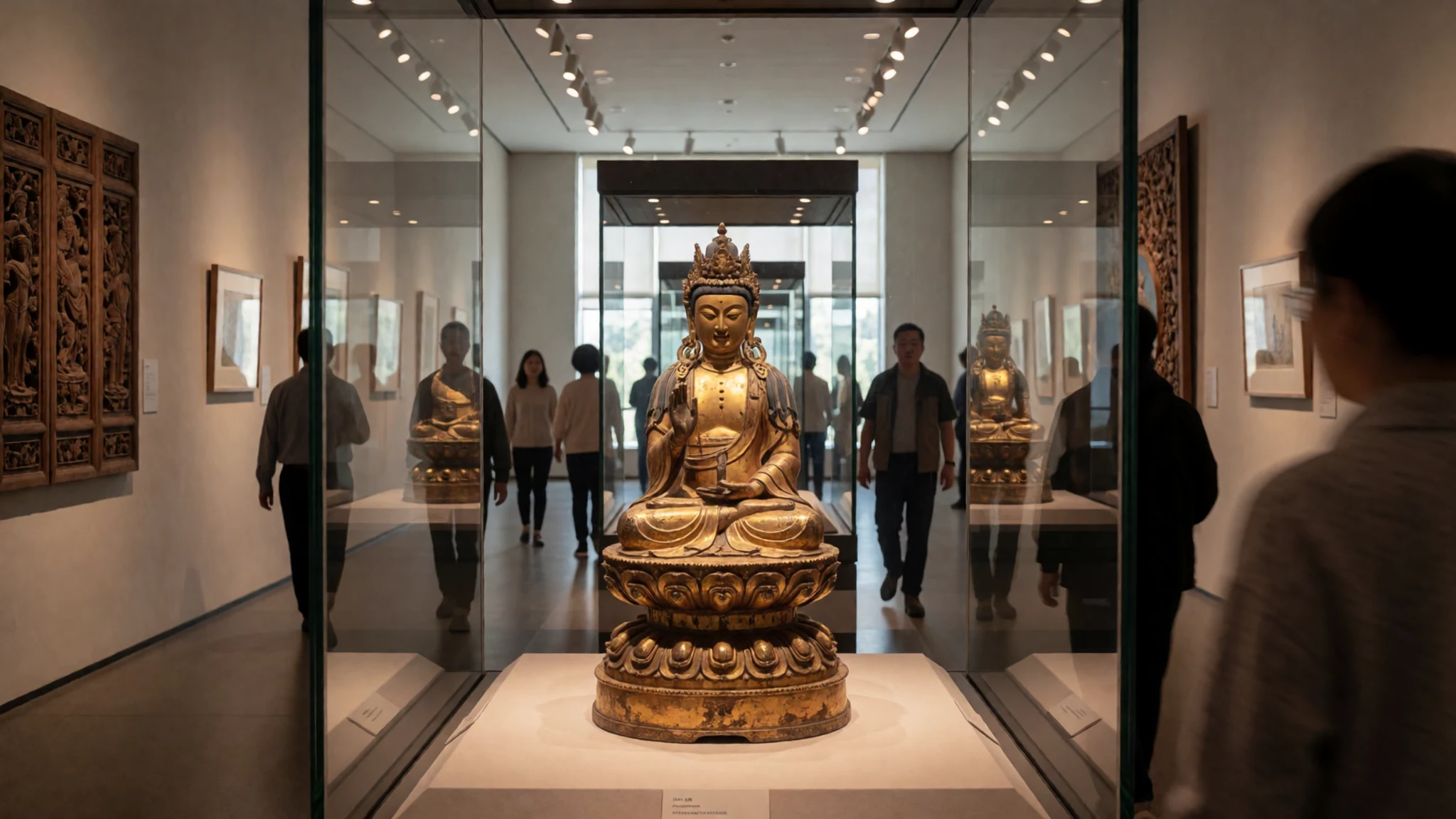
- Paper Dome — Taomi Village, Puli Township
This temporary church was designed by the Japanese architect Shigeru Ban using paper tubes as structure. It first served a Catholic congregation in Kobe after the Great Hanshin Earthquake, then moved to Taomi Village after Puli's own earthquake. It is small and thoughtful, and a quiet reminder of the area's recovery.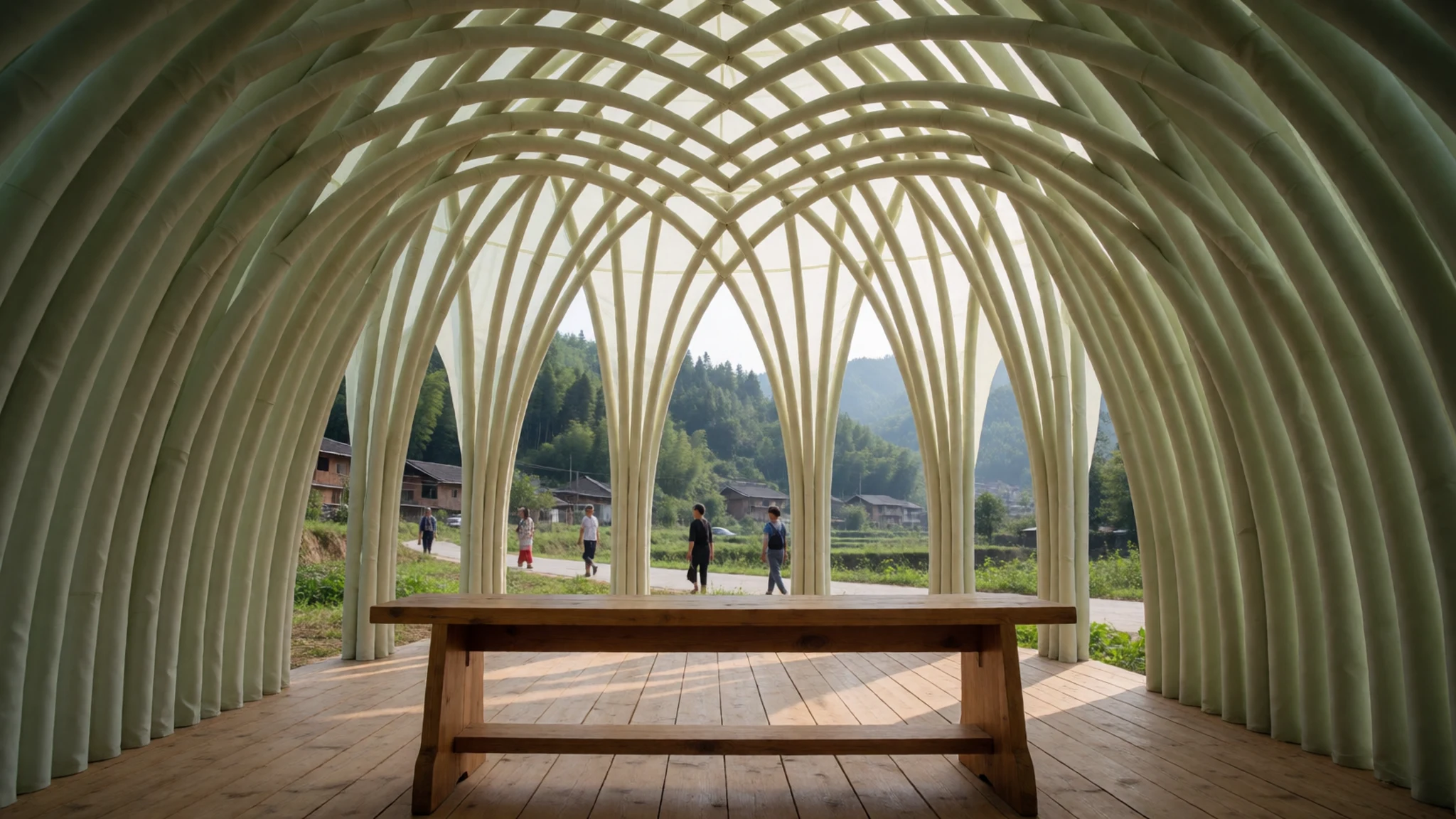
- Kuanghsing Paper Factory — Southwest of Puli town
Puli's water supports a handmade paper industry, and this factory still follows traditional methods, producing sheets favoured by calligraphers. It runs do-it-yourself lessons in which visitors make a sheet and keep it, which makes a cheap, light souvenir and a good rainy-afternoon activity.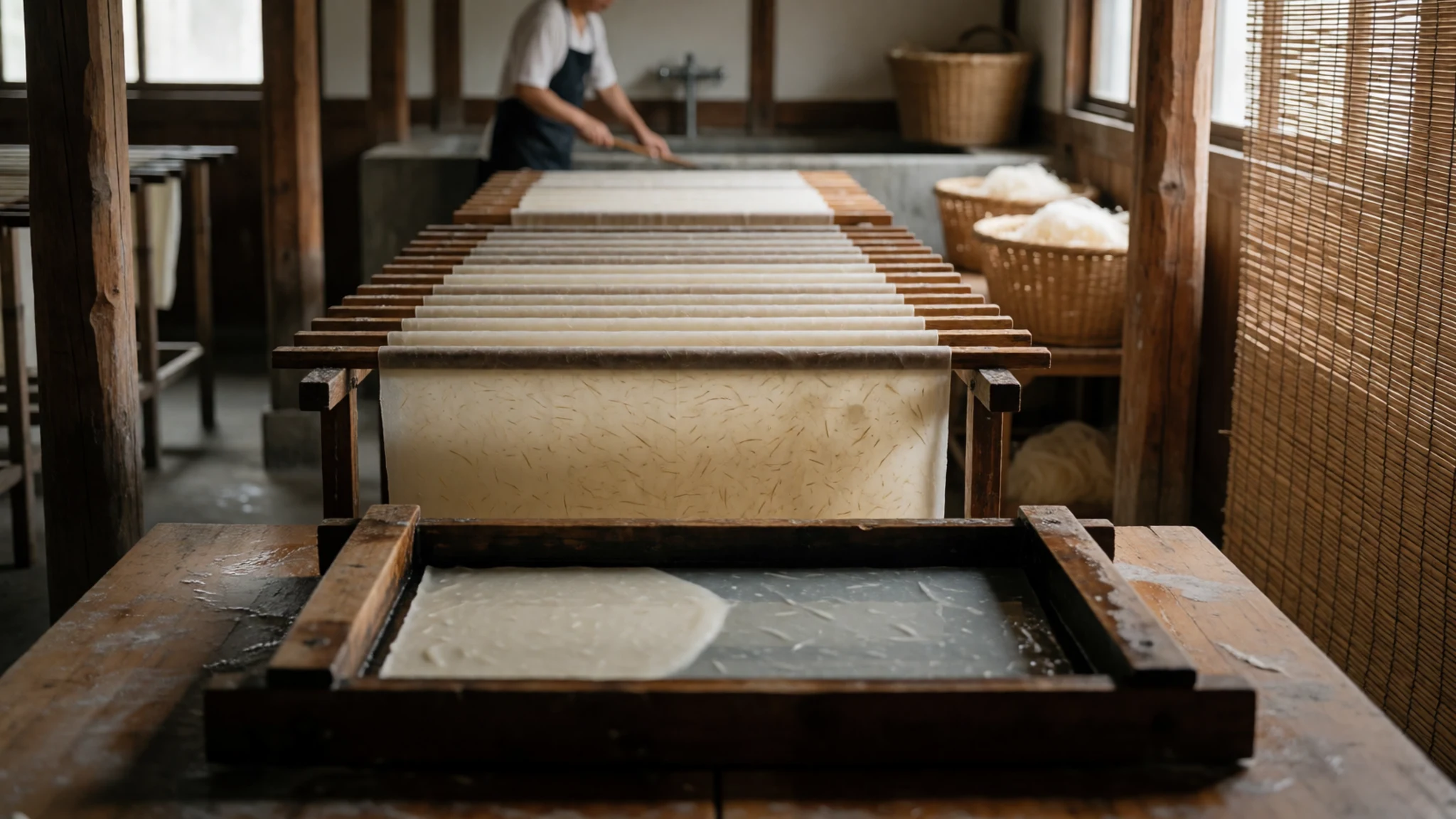
- Tiger Head Mountain — Northeast of Puli centre
This small hill northeast of the town centre gives a view over Puli after dark, when the valley lights glitter inside the ring of mountains. It is an easy evening stop after a day at the monastery, though clear weather matters, since low cloud can swallow the view.
Culture
Chung Tai Chan Monastery belongs to Chinese Mahayana Buddhism, and Chan practice sits at its heart: seated meditation, quiet attention and a disciplined daily routine. Monks and nuns live on site, and lay followers come to join retreats, chant, make offerings or simply sit. Taiwan has a strong tradition of engaged Buddhism, in which large orders run schools, museums, charities and relief work alongside temple life, and the Puli valley, with several big monasteries, shows how settled that tradition is. Vegetarian eating is the norm in these communities, and the habit has spread into the town's restaurants, so meat-free food is easy to find. Visitors will see people bowing, holding their palms together and moving slowly through the halls; the mood is closer to a quiet campus than a festival. Incense, Buddha images and bells keep their traditional meaning even in a building this modern. Photography rules vary from hall to hall, and signs and staff are the guide. Many Taiwanese come here for a purpose, whether prayer, a retreat or a family occasion, so the grounds can feel busy yet hushed. Keep your voice low, silence your phone, and photograph only where signs allow, never worshippers or monastics without asking.
What to wear
At Chung Tai Chan Monastery the most traditional clothing on show is the monastic robe. Monks and nuns wear plain grey or brown robes, cut loose with wide sleeves in cotton or similar light cloth, and lay followers taking part in ceremonies may add a simple long over-robe. Beyond the monastery, Taiwan's Indigenous peoples have their own woven textiles, often of ramie or cotton in bold geometric bands, and the cultural village near Puli is one place to see them. Everyday dress in Puli is relaxed and practical: T-shirts, light trousers, trainers, sun hats and umbrellas for sun or rain. Locals visiting the monastery dress neatly rather than formally. Visitors should cover shoulders and knees, choose lightweight, breathable clothes and wear comfortable closed shoes with good grip, since the complex involves many stairs and polished stone floors. Slip-on shoes help where footwear comes off. Bring a light layer, because the halls can be cool and mountain mornings fresh, and a compact rain jacket, since showers arrive quickly in the valley. Avoid slogans, very short shorts and sleeveless tops, which stand out in a place of worship.
What to eat
- Meat-filled rice balls — Small rice-ball shops around Puli town centre
Puli's rice balls are a local favourite: a glutinous rice shell around savoury minced pork, with sweet versions too. They make a filling snack or light lunch, usually eaten warm with a bowl of soup alongside.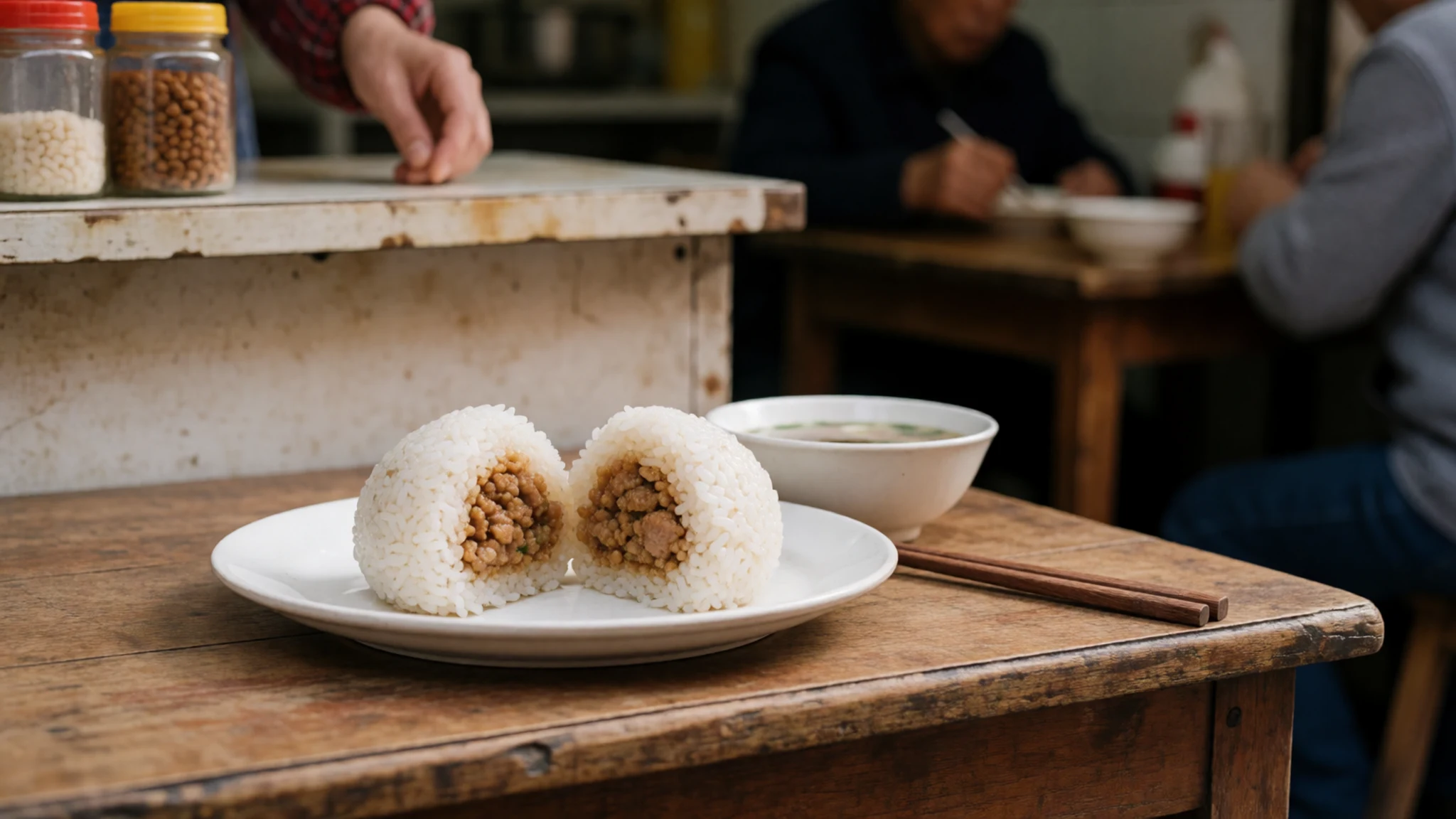
- Water bamboo (jiaobai sun) — Local restaurants and food markets in Puli
A crisp, mild stem grown in Puli's clean water, served stir-fried, in soups or lightly pickled. It is a good test of why the town is proud of its water. Availability depends on the season.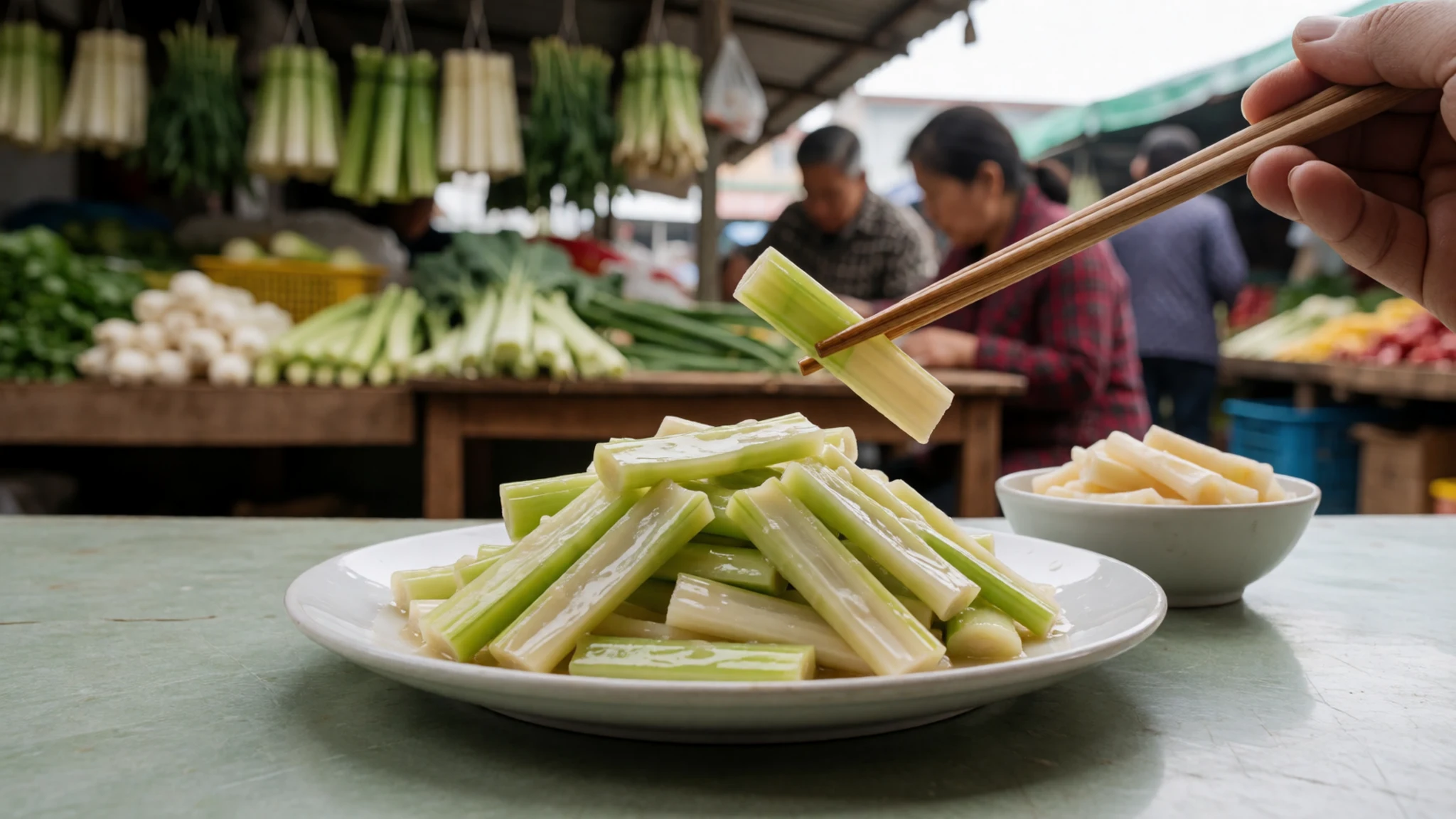
- Ground pork noodles — Noodle and rice-ball shops in Puli town
A simple bowl of noodles topped with seasoned minced pork, often sold alongside rice balls. It is cheap, quick and comforting after a morning of climbing stairs at the monastery. - Vegetarian set meals — Vegetarian restaurants in Puli and near the monastery
Given the number of Buddhist communities in the valley, meat-free cooking is easy to find: mixed vegetables, tofu, mushrooms, rice or noodles, often with international twists. Good for anyone avoiding meat and eggs. - Night-market snacks — Weekend night market and the weekday food market, Puli
Weekend evenings bring a night market with grilled skewers, fried snacks and sweet drinks. On weekdays, a market of small food stalls fills the gap. It is the easiest way to graze across Puli's cooking.
Plan it
Best time. March–April and October–November, when the valley is mild and the views are usually clearest. Summer is hot and humid with sudden downpours and typhoon risk, and winter mornings can be cool and misty.
How long. 1–2
Getting there. Fly into Taiwan Taoyuan or Taichung, then go by bus. Direct coaches run from Taipei to Puli in about three and a half hours, and Nantou Bus services run from Taichung railway station in about an hour. From Sun Moon Lake a local bus takes about half an hour. For the last leg from Puli town to the monastery, use a local bus or taxi.
Budget. mid
Tips
- Check the official site, ctworld.org.tw, for visiting arrangements before you go
- Go on a weekday morning for a quieter visit and clearer light
- Carry some cash for small stalls and local buses, and keep a card as backup
- Bring a light layer and a compact rain jacket; showers arrive fast in the valley
- Pair the visit with Sun Moon Lake or Puli's paper factory to fill a second day
Etiquette
- Dress modestly, with shoulders and knees covered
- Keep your voice low and your phone silent in the halls
- Do not photograph worshippers or monastics without asking, and follow signs on photography
Nearby
Sources
- Wikidata Q5116338 (CC0)
- Wikipedia: Chung Tai Chan Monastery (rev 1372691255) (CC BY-SA 4.0)
- Wikivoyage: Puli (rev 5431680) (CC BY-SA 4.0)
- Photo: Chung Tai Chan Monastery 1F entrance (lienyuan lee) (CC BY 3.0)
- Photo: Zhongtai Chan Monastery (lienyuan lee) (CC BY 3.0)
- Photo: Scenic view from Chung Tai Chan Monastery (tomscoffin) (CC BY 2.5)
- Photo: Auspicious Bell, Chung Tai Chan Monastery (Ethan Chan H C) (CC BY 2.5)
- Photo: Buildings of the Chung Tai Chan Monastery 01 (Dquai) (CC BY-SA 4.0)
- Photo: Buildings of the Chung Tai Chan Monastery 03 (Dquai) (CC BY-SA 4.0)
- Photo: Buildings of the Chung Tai Chan Monastery 04 (Dquai) (CC BY-SA 4.0)
- Photo: Chung Tai Chan Monastery 1F entrance 2009 (Dquai) (CC BY-SA 4.0)


