Baishatun
Baishatun, Taiwan
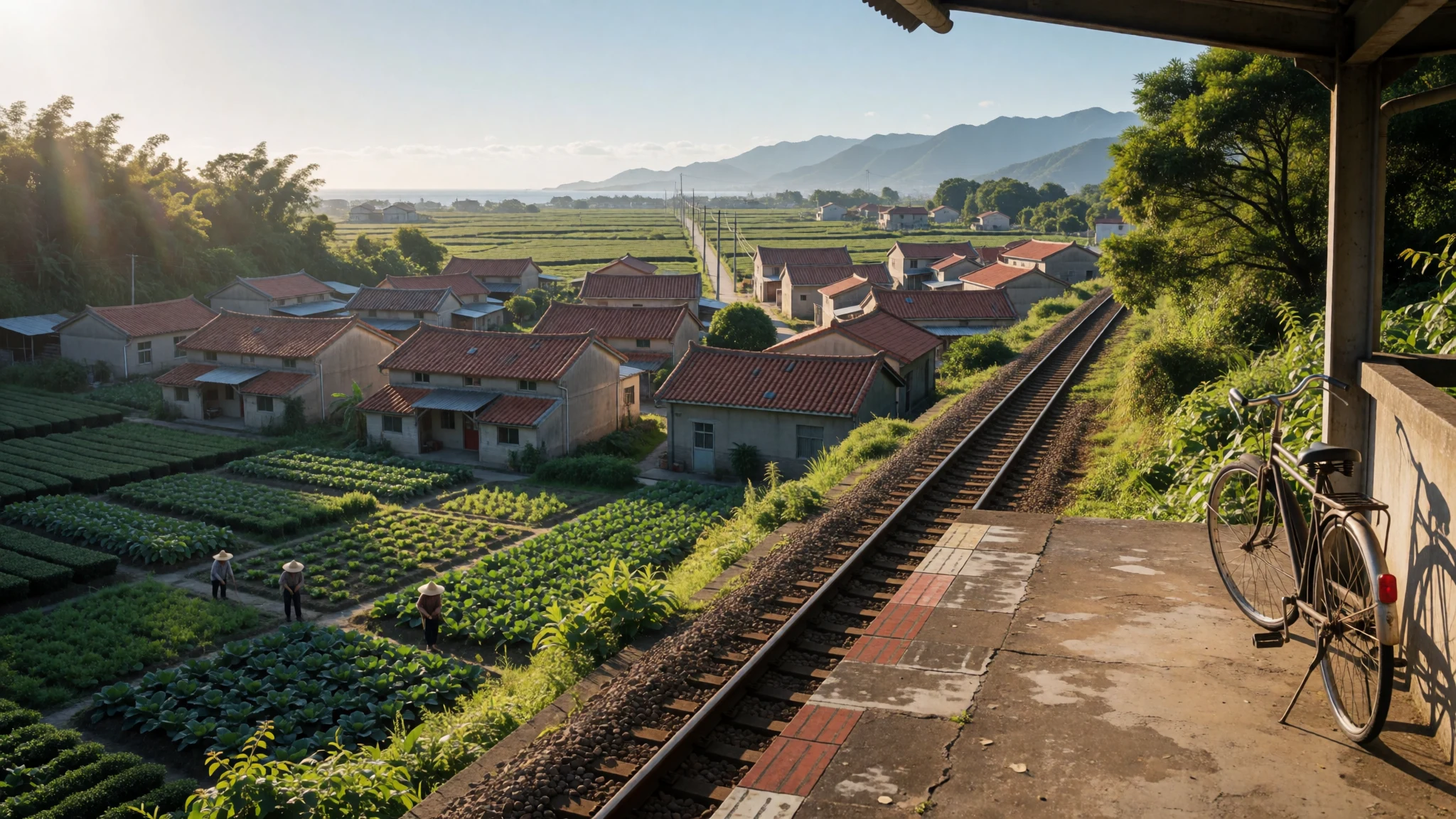
Baishatun is a quiet Miaoli fishing village on Taiwan's west coast, known for the Mazu pilgrimage that sets out from its temple each year.
The place
Baishatun is a traditional place name in Tongxiao Township, Miaoli County, on the western coast of Taiwan. It is a small coastal community rather than a resort: low houses, fishing and farming, a railway station on the coastal line, and a sea that stays within walking distance of almost everywhere. The name means roughly 'white sand village', and the shore explains it, a broad, gently shelving stretch of pale sand backed by wind-bent trees. Miaoli County sits between the urban belt around Hsinchu and Taipei to the north and the farmland of central Taiwan to the south, and Baishatun keeps a pace much slower than either. The beach here is for walking, watching the tide and waiting for sunsets over the Taiwan Strait, not for loungers and cocktails. Wind is the dominant presence. The coast is exposed, and winter brings a steady, cool monsoon breeze while summer is hot, humid and occasionally stormy. Away from pilgrimage season the village is calm, and weekday visitors can have the sand almost to themselves. Around it lies the wider Miaoli countryside, with Japanese-era buildings, Hakka villages, ceramics and railway heritage within reach by train and local road. Baishatun suits a slow day trip or a night on the coast rather than a long holiday, and it rewards people who like places that are lived in, not staged.
Its story
Baishatun's story is that of a coastal community which looked to the sea goddess Mazu for protection and then built a much larger event around that devotion. Settlers from the Chinese mainland, mostly from Fujian, worked this coast as farmers and fishers. Like fishing communities across Taiwan, they brought Mazu with them, a woman from the Fujian coast remembered as a guardian of sailors. Her temple in the village, Gong Tian Temple, became the centre of local life. Each year, usually in the first lunar month, the village sends the goddess's palanquin on foot to Chaotian Temple in Beigang, in Yunlin County to the south, and back again. The journey runs over several days and nights along roads, bridges and farm tracks. What sets Baishatun's procession apart is that its route and its pauses are not fixed in advance. The bearers follow the movement of the palanquin, which is understood to express the goddess's own wishes, so the procession may halt, swing or turn without warning and the schedule bends around it. Followers walk alongside, many in the same group every year, and households along the way set out food, drink and places to rest as acts of merit. In recent years the walk has drawn a crowd well beyond the village, including many young pilgrims and curious onlookers, and the live broadcasts and jammed side roads have become part of the story too.
What to see
- Gong Tian Temple — Baishatun village
Gong Tian Temple is the village's main Mazu temple and the starting point of the pilgrimage. Incense smoke, carved roof ridges and red lanterns fill a compact courtyard. It is quietest on weekday mornings; around the pilgrimage the surroundings fill with followers, vehicles and stalls. Treat it as a working temple, not a sight.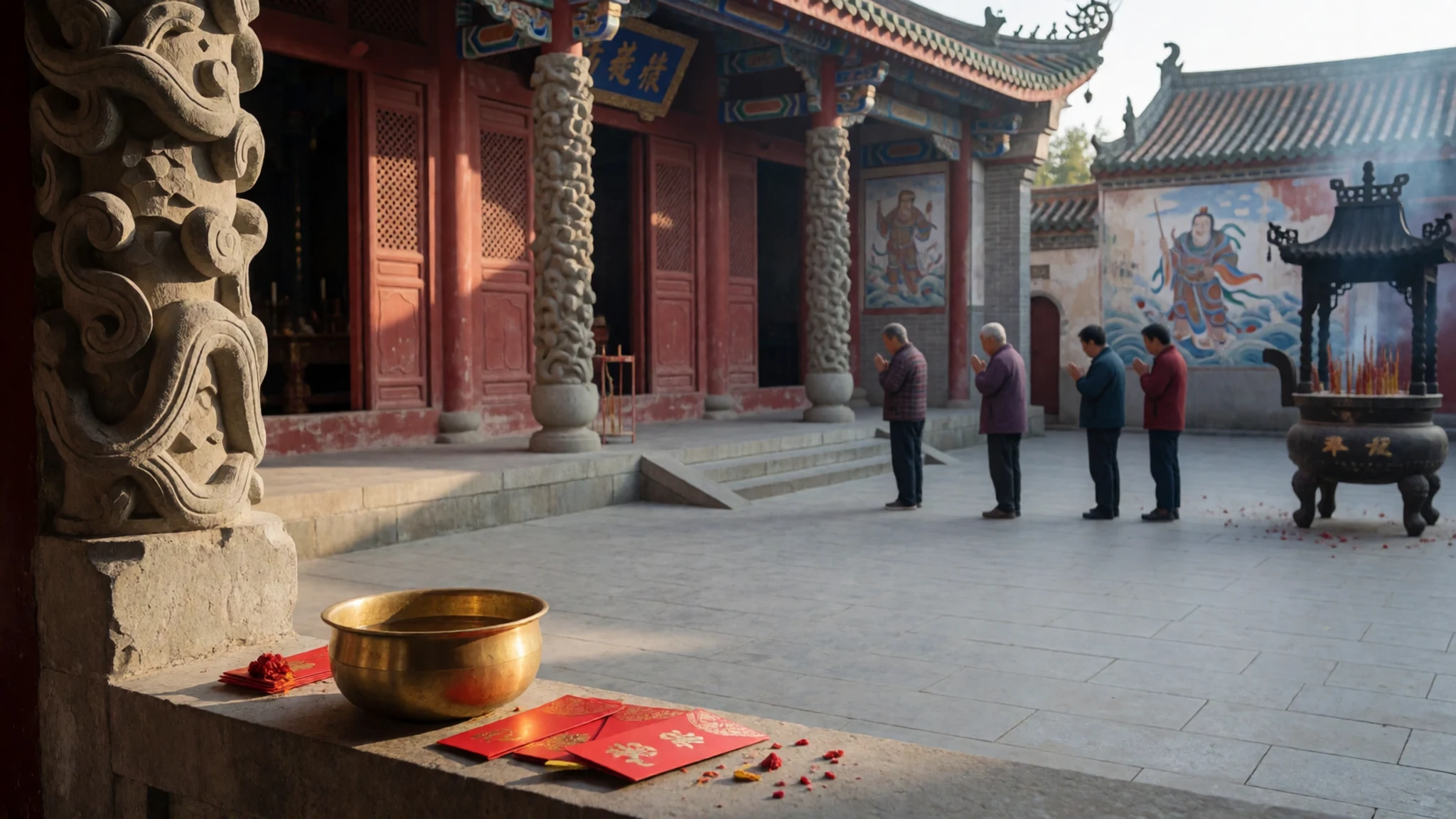
- Baishatun railway station — Baishatun village
The small station on the western railway line is the easiest way into the village, and the platform gives a view back across its low roofs. The shore is a short walk away. Check the Taiwan Railways timetable before travelling, since not every service stops here.
- The beach and sunset shore — Baishatun coast
A wide, pale beach faces the Taiwan Strait. People come in late afternoon to watch the sun drop into the water, walk the tideline and photograph the wind-bent trees. The wind can be strong and swimming conditions uncertain, so treat it as a place to stroll and heed any local warning flags.
- The pilgrimage road — Roads south of Baishatun
When the pilgrimage is under way, the roads south of the village fill with walkers, drums, banners and support vehicles. Even outside the procession, following a stretch of the route on foot or by bicycle shows farm country, small shrines and roadside rest stops. Dates follow the lunar calendar, so confirm them through the temple's announcements.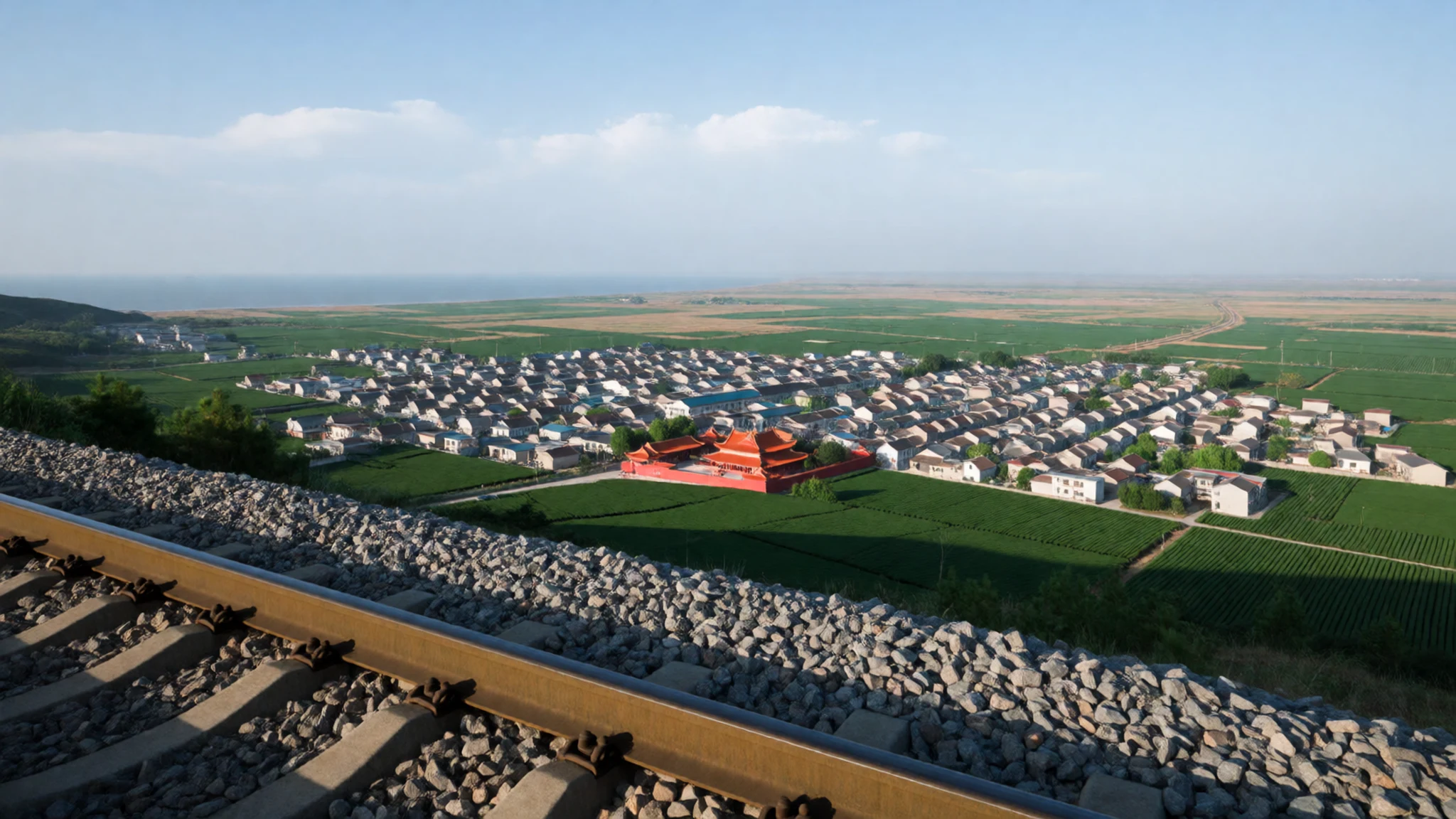
- Tongxiao Shrine — Tongxiao Township
Tongxiao Shrine is a short way inland and dates from the late Japanese colonial period; it has served several purposes since. It pairs easily with a coast visit for anyone interested in the layers of Taiwan's history beyond its temples. Check access arrangements locally before making the trip.
Culture
Baishatun's culture is built around Mazu worship, a folk religion that blends Taoist, Buddhist and older coastal beliefs. Mazu protects people who work on the water, and in a fishing and farming village her temple is as much a community hall as a place of prayer. Residents speak of the goddess in familiar terms, and decisions from the pilgrimage route to the timing of festivals are traditionally read as her choices. The pilgrimage is a form of vow-keeping and social bonding. Groups of volunteers organise food, medical help and carrying duties, and strangers along the route offer water and snacks without expecting anything back. Most people speak Mandarin and Taiwanese Hokkien, and in parts of Miaoli County Hakka is also widely heard, so a few friendly Mandarin greetings go a long way. Daily life follows the weather and the tides more than any visitor timetable, and mornings start early. Outside festival periods the village is calm and residents are used to quiet visitors. Offerings of fruit, tea and paper money are common, and burning incense is an ordinary sight rather than a performance for outsiders. When the temple is in use, step in quietly, keep your voice low, step over rather than on the raised threshold, and ask before photographing worshippers or the palanquin, especially while it is being carried.
What to wear
Baishatun's traditional working dress followed the pattern of Taiwan's Hokkien coast and farmland: loose cotton jackets and trousers, headscarves, and wide-brimmed bamboo or straw hats against the sun and salt wind. Nearby Hakka communities in Miaoli County are associated with indigo-dyed blue cotton, hard-wearing and practical for field work. These garments now appear mainly at festivals, in museums and in performances rather than daily life. Today people dress for heat and function: T-shirts, light trousers, caps and sandals. During the pilgrimage, groups often wear matching shirts, vests or headbands in their team colours, with sturdy walking shoes, towels and rain ponchos, because the walk continues in any weather. Visitors should dress for a hot, humid and breezy coast. Choose light, breathable clothing, a sun hat, sunscreen and a windproof layer for the cooler months, when the monsoon wind can feel sharp. At the temple, cover shoulders and knees and avoid beachwear or anything see-through. Closed, comfortable shoes suit the village lanes and any stretch of the pilgrimage road, while sandals or water shoes are enough for the sand. Pack a light rain jacket, since showers can arrive at any time of year.
What to eat
- Oyster omelette (ô-á-chian) — Roadside stalls and small eateries in Tongxiao and nearby coastal towns
Small oysters are cooked with egg, greens and a starchy batter until crisp at the edges, then topped with a sweet, tangy sauce. It is a Taiwanese coastal staple and an easy, cheap-feeling snack to eat standing at a stall.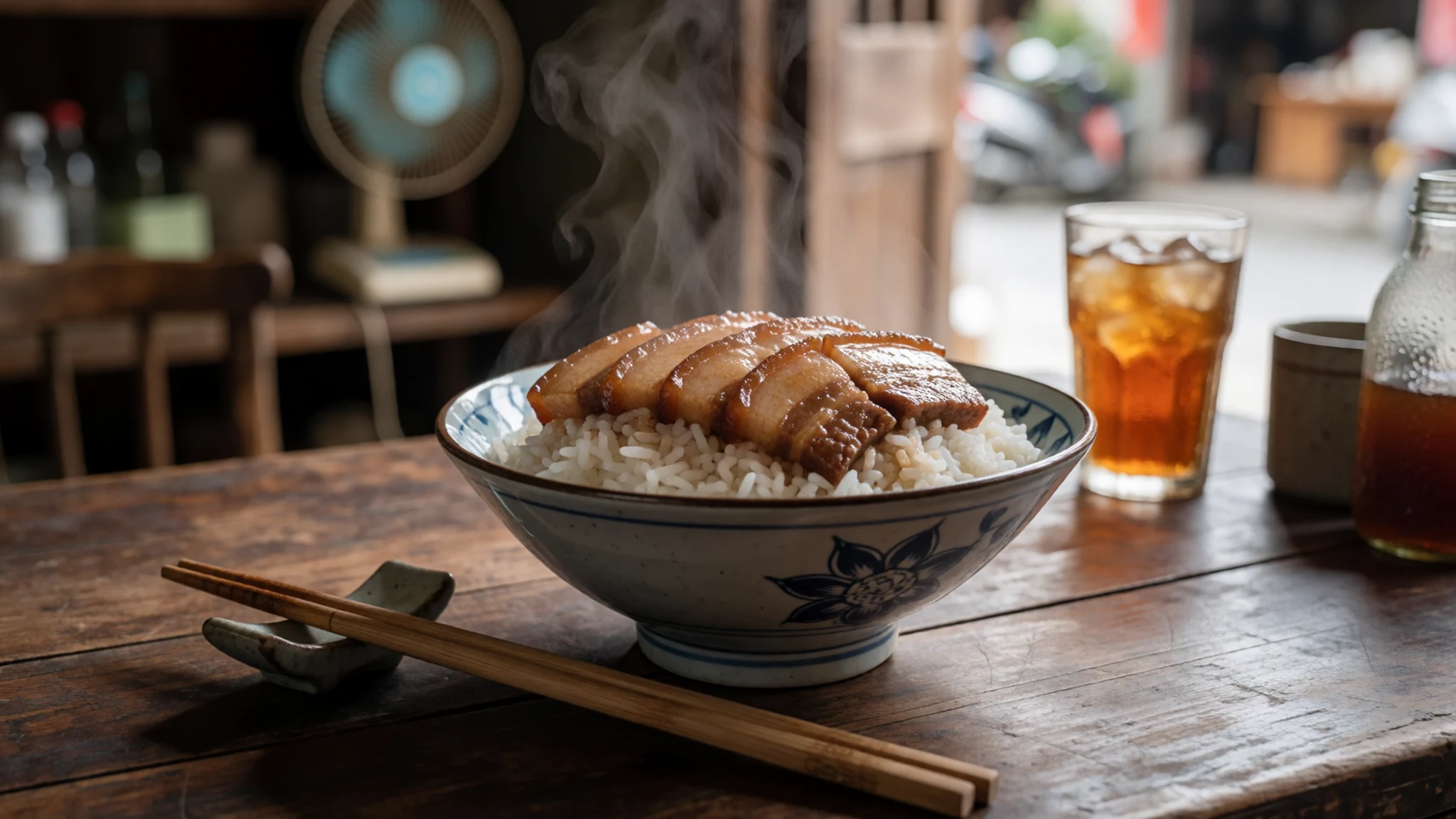
- Fresh grilled seafood — Simple seafood eateries near the coast and fishing ports
Local fish, squid and shellfish are usually grilled or stir-fried with garlic, ginger and basil. Menus often follow the morning's catch, so ask what is fresh and point to what looks good. Portions suit sharing.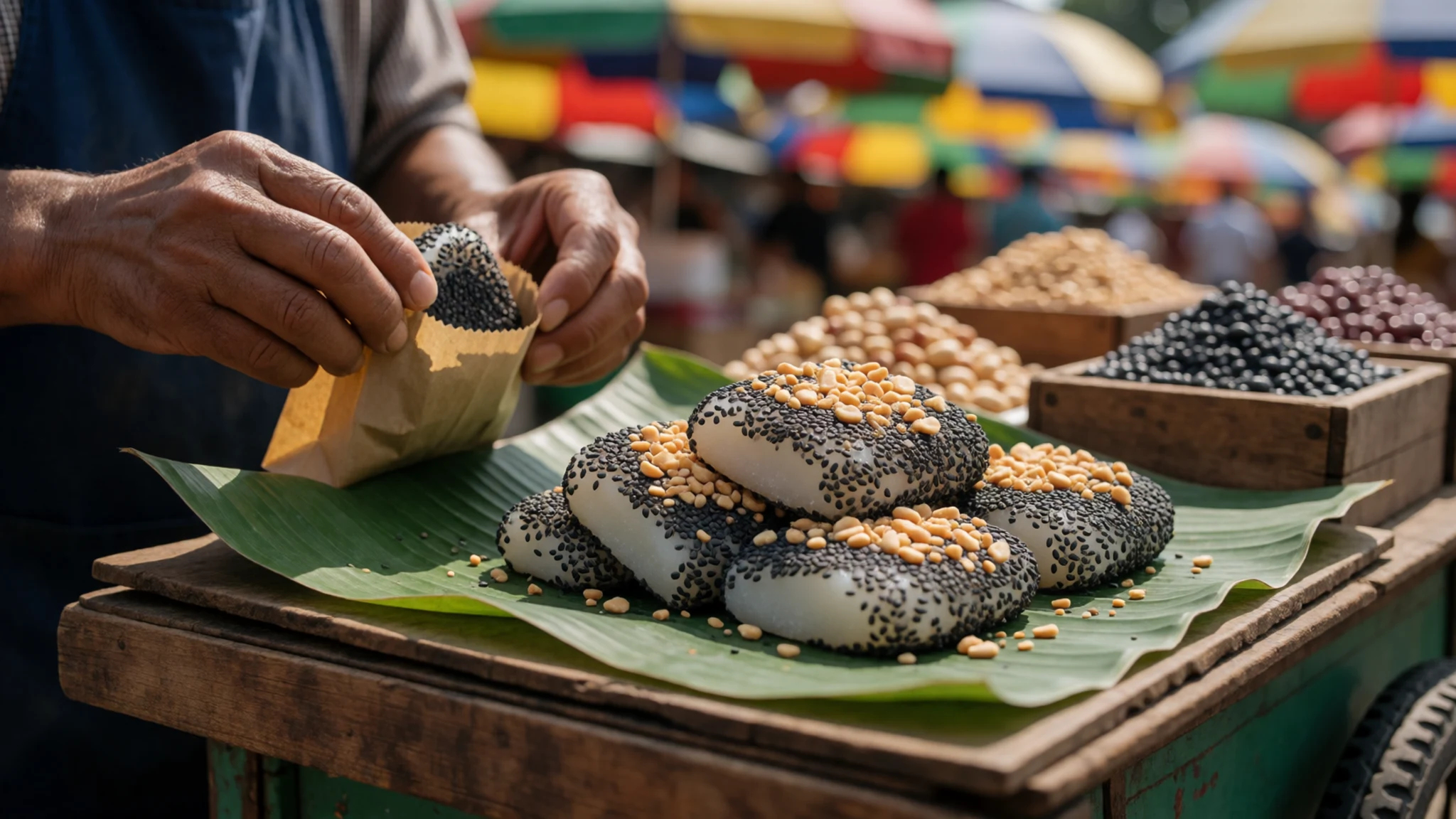
- Lei cha (Hakka ground tea) — Hakka eateries and tea shops around Miaoli's old railway stations
Tea leaves are ground with nuts, seeds and grains into a thick, nutty drink, often served with puffed rice and vegetables. It is a hallmark of Hakka cooking in Miaoli County and best treated as a small meal. - Dahu strawberries — Fruit stalls and roadside stands in Miaoli County in the cool season
The Dahu area of Miaoli is known across Taiwan for its strawberries. In the cooler months they appear at roadside stands, fresh, in jam or in desserts. Buy early in the day when stalls are best stocked. - Pilgrimage offerings — Roadside tables along the pilgrimage route, during the procession
Households and volunteer groups along the route set out rice, noodles, soup, fruit and cold drinks for walkers. Visitors are usually welcome to accept a bottle of water or a small plate, though a respectful thank-you or small donation is appropriate.
Plan it
Best time. March–April and October–November, when the weather is milder and the coast is pleasant for walking. Winter brings a strong, cool monsoon wind, and summer is hot, humid and open to typhoons. The pilgrimage follows the lunar calendar, usually early in the year, so confirm dates with the temple.
How long. 1–2
Getting there. Fly into Taoyuan International Airport (or Taichung Airport), then take the Taiwan High Speed Rail to Miaoli or Taichung and change to a Taiwan Railways local train on the coastal line to Baishatun station. Not every train stops there, so check the timetable. The last leg to the temple and beach is a short walk or taxi ride.
Budget. low
Tips
- Avoid the pilgrimage period unless you want crowds; roads, trains and accommodation fill quickly, so book early
- Visit on a weekday morning for a quiet temple and an almost empty beach
- Carry some cash for small stalls and village shops, as not all accept cards
- Bring water, sun protection and a windproof layer, and check the weather and typhoon forecasts before travelling
Etiquette
- Dress modestly and keep your voice low in the temple
- Ask before photographing worshippers, the palanquin or the bearers
- Do not block the route or stand in front of the procession; follow volunteers' directions
Nearby
Sources
- Wikidata Q13394890 (CC0)
- Wikipedia — Miaoli County (CC BY-SA 4.0)
- Wikivoyage (rev 5411139) — Miaoli County (CC BY-SA 4.0)
- Photo: 白沙屯 Baishatun — lienyuan lee (CC BY 3.0)
- Photo: Official Photo by Mori / Office of the President — 總統府 (CC BY 2.5)
- Photo: Baishatun Office, Tongxiao Farmers' Association — Shxpeng (CC BY 3.0)
- Photo: Baishatun Community Activity Center — Shxpeng (CC BY 3.0)
- Photo: 白沙屯全景 — Shxpeng (CC BY 3.0)
- Photo: 白沙屯車站所見白沙屯社區 — Shxpeng (CC BY 3.0)
- Photo: 白沙屯車站所見白沙屯社區 (2) — Shxpeng (CC BY 3.0)
- Photo: The Baishatun Mazu pilgrimage in Taiwan — Stefsun318 (CC BY-SA 4.0)


