Cingjing
Cingjing, Taiwan
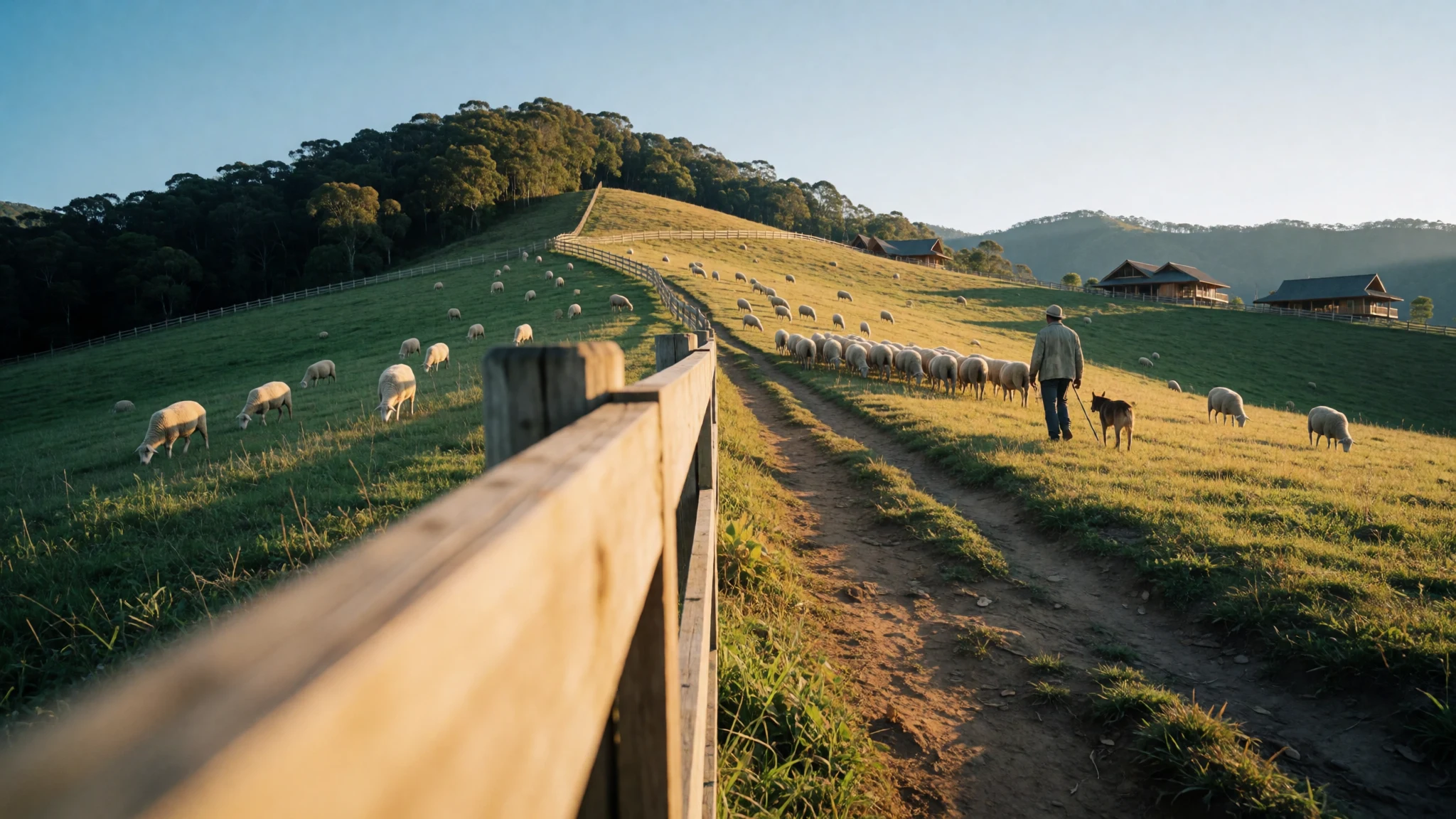
Cingjing is a cool, green mountain farm in central Taiwan, where sheep graze on misty pastures and a road climbs on to Hehuan Mountain.
The place
Cingjing Farm (清境農場, Qīngjìng Nóngchǎng) sits in Ren'ai Township, Nantou County, in central Taiwan, on ridges roughly 1,700 to 2,000 metres above sea level. The farm covers about 760 hectares, a patchwork of pasture, orchards, guesthouses and lanes. Because of the altitude the air stays cool when the lowlands swelter; the daily average is around 16°C, and temperatures vary only a few degrees through a day. Mist rolls in often, so views open and close within minutes. The farm is counted among Taiwan's three major high-mountain farms, alongside Wuling and Fushoushan, and it is geared to casual visitors, with a main road lined with cafés, guesthouses and viewpoints rather than only working fields. Sheep are the emblem: paddocks of grazing animals against green slopes give the place an almost European look, which is much of its pull for Taiwanese families at weekends. Ren'ai itself is a mountain township with a large indigenous population, mainly Seediq, Atayal and Bunun communities, and it is second in the county by area after Xinyi. That context matters, because the farm is a small developed pocket in a district of steep forest, river gorges and high passes. Beyond the farm the road continues up towards Hehuan Mountain, where the landscape turns to alpine grass and bare ridgeline. Visitors should expect weekend traffic on the approach roads, busy viewpoints around midday, and quiet, cold evenings once the day-trippers leave. Staying a night changes the experience noticeably.
Its story
Cingjing Farm was founded in 1961, and its origin is a resettlement scheme rather than a tourism plan. The government needed land for soldiers who had been discharged from the armed forces, along with their families, and these high slopes in Nantou were set aside for them to live and farm. Clearing steep, cool ground meant growing what suited it: temperate vegetables, fruit and grazing animals, with sheep becoming the farm's later trademark. Over the following decades the emphasis shifted. Roads improved, domestic holidaymaking grew, and pastures that had been working land became something people drove up to look at. Guesthouses multiplied along the lanes, and the farm's official site now presents it as a visitor destination. That layer of settlement sits on much older ones. Ren'ai was Seediq, Atayal and Bunun land long before, and an archaeological site in the surrounding hills holds relics from the first prehistoric mountain settlements on the island. In the 1930s the Wushe Incident saw Seediq people killed by the Japanese colonial authorities, and a memorial park close to the farm now marks it. Further down the valley, Wujie Dam, begun in 1919 and finished in 1934, sent river water towards Sun Moon Lake. Cingjing, in other words, is a young settlement set in an old and contested landscape, and the better visits take in at least one of the nearby sites alongside the pasture.
What to see
- Cingjing grassland and sheep paddocks — Cingjing Farm, Ren'ai Township
The open pastures at the heart of Cingjing Farm are the reason most people come. Sheep graze the slopes, paths run along the ridge, and on clear mornings the view stretches over forested ridges. Mist can arrive within minutes, so go early and treat cloud as part of the show.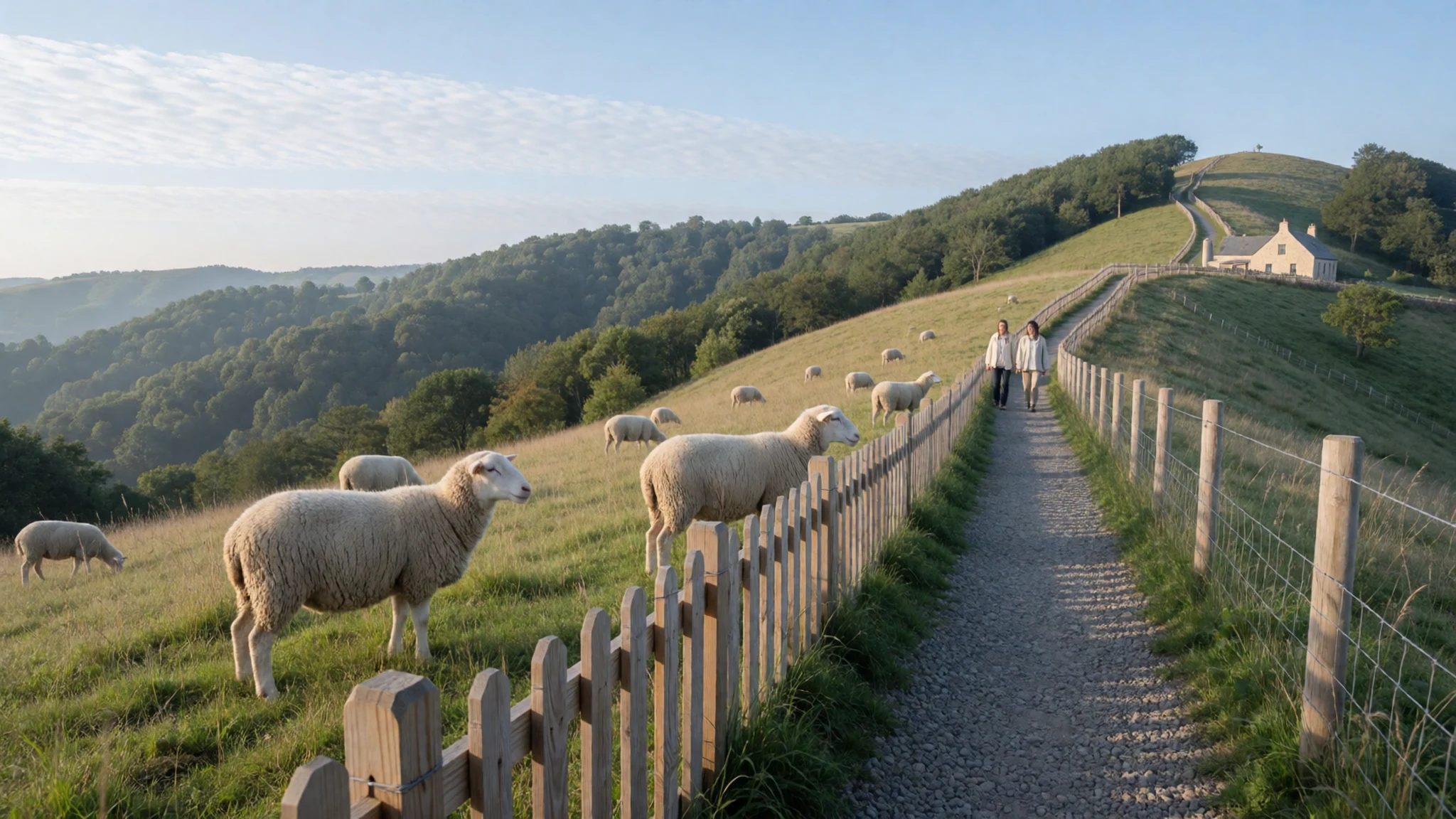
- Hehuan Mountain, Main Peak — Hehuan Mountain, on the highway above the farm
Hehuan Mountain lies further up the road from Cingjing, and its Main Peak is a short climb from the roadside, usually under an hour there and back. East Peak is a similar effort, while North Peak is harder and takes a couple of hours or more. Weather changes fast, so carry layers.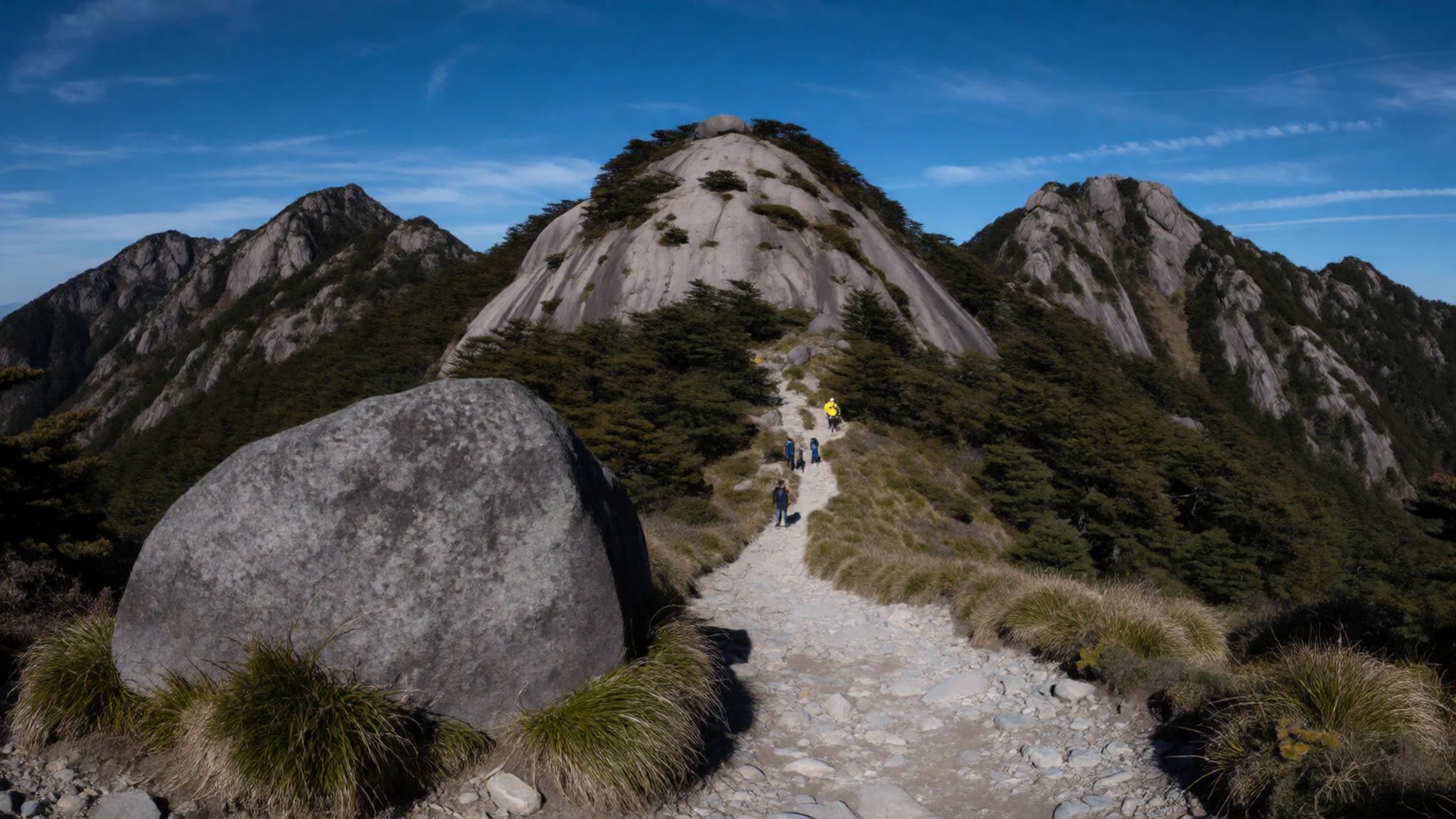
- Wushe Incident Memorial Park — Near Wushe, Ren'ai Township
Wushe Incident Memorial Park commemorates Seediq people killed by the Japanese colonial government in the 1930s. It is a quiet, reflective stop rather than a leisure attraction, and it gives Ren'ai's indigenous history a presence that the farm's pastures do not. Read the displays slowly and speak softly.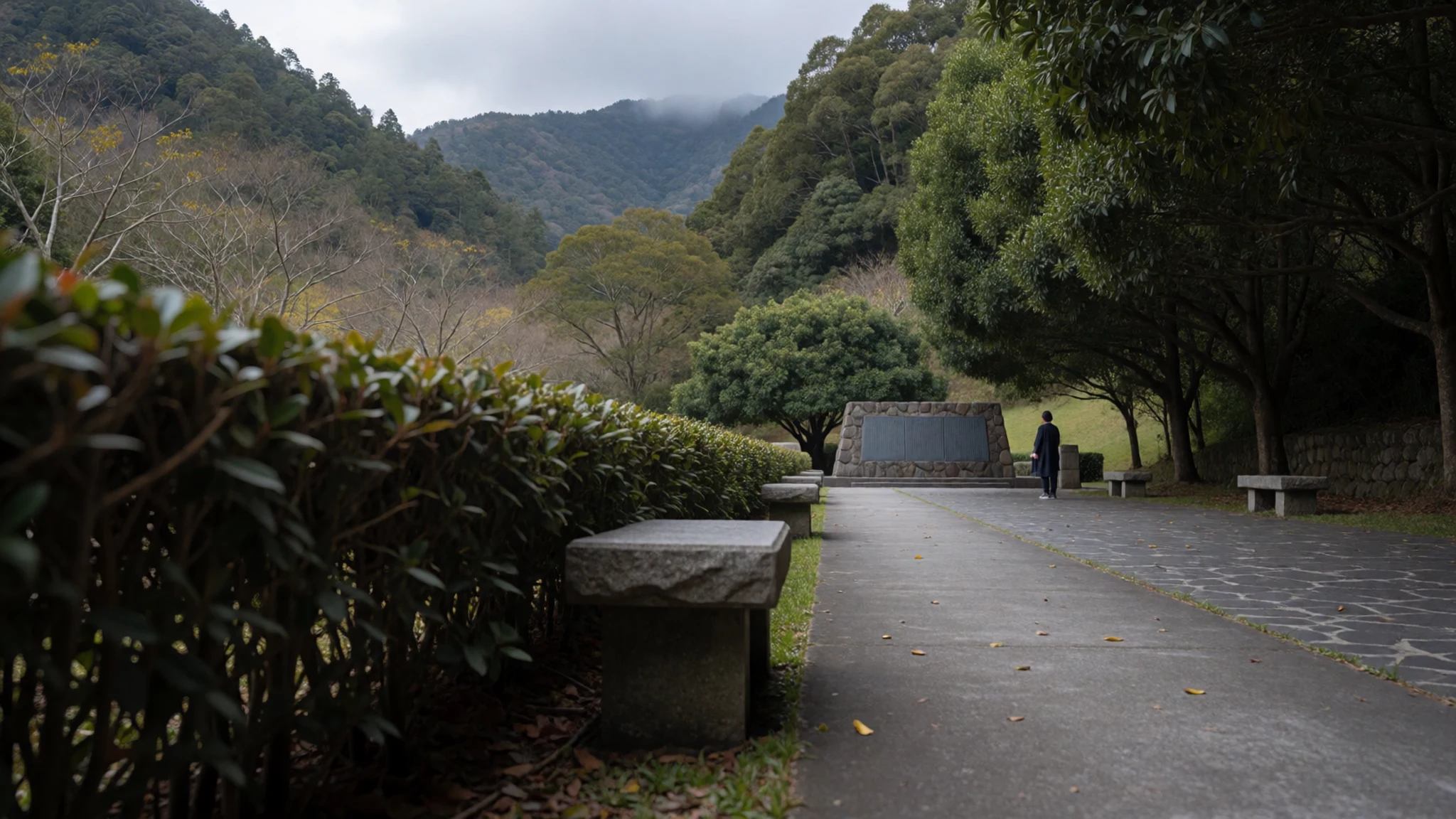
- Aowanda National Forest Recreation Area — South of Cingjing, Ren'ai Township
Aowanda National Forest Recreation Area is a wooded area south of the farm, suited to a half-day of shade and walking when the pastures are crowded. It offers a quieter, tree-covered contrast to the open grassland. Facilities and access change, so check the official site before driving down.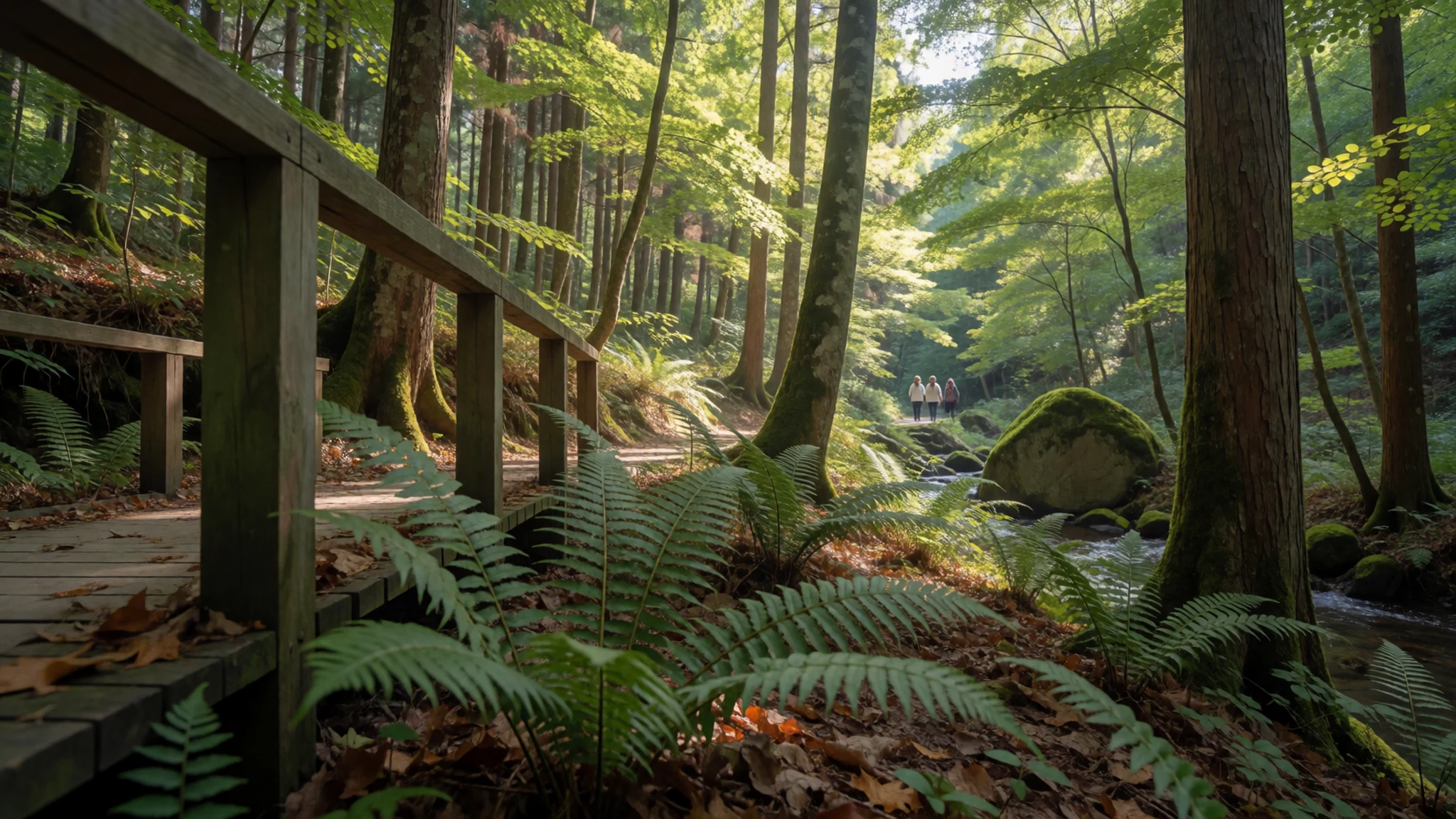
- Wujie Dam — Hills south-west of Cingjing
Wujie Dam is a concrete gravity dam in the hills south-west of the farm, built between 1919 and 1934 to divert river water towards the reservoir at Sun Moon Lake. It suits visitors interested in engineering and colonial-era infrastructure, and works as a stop on a loop through Ren'ai's lower valleys.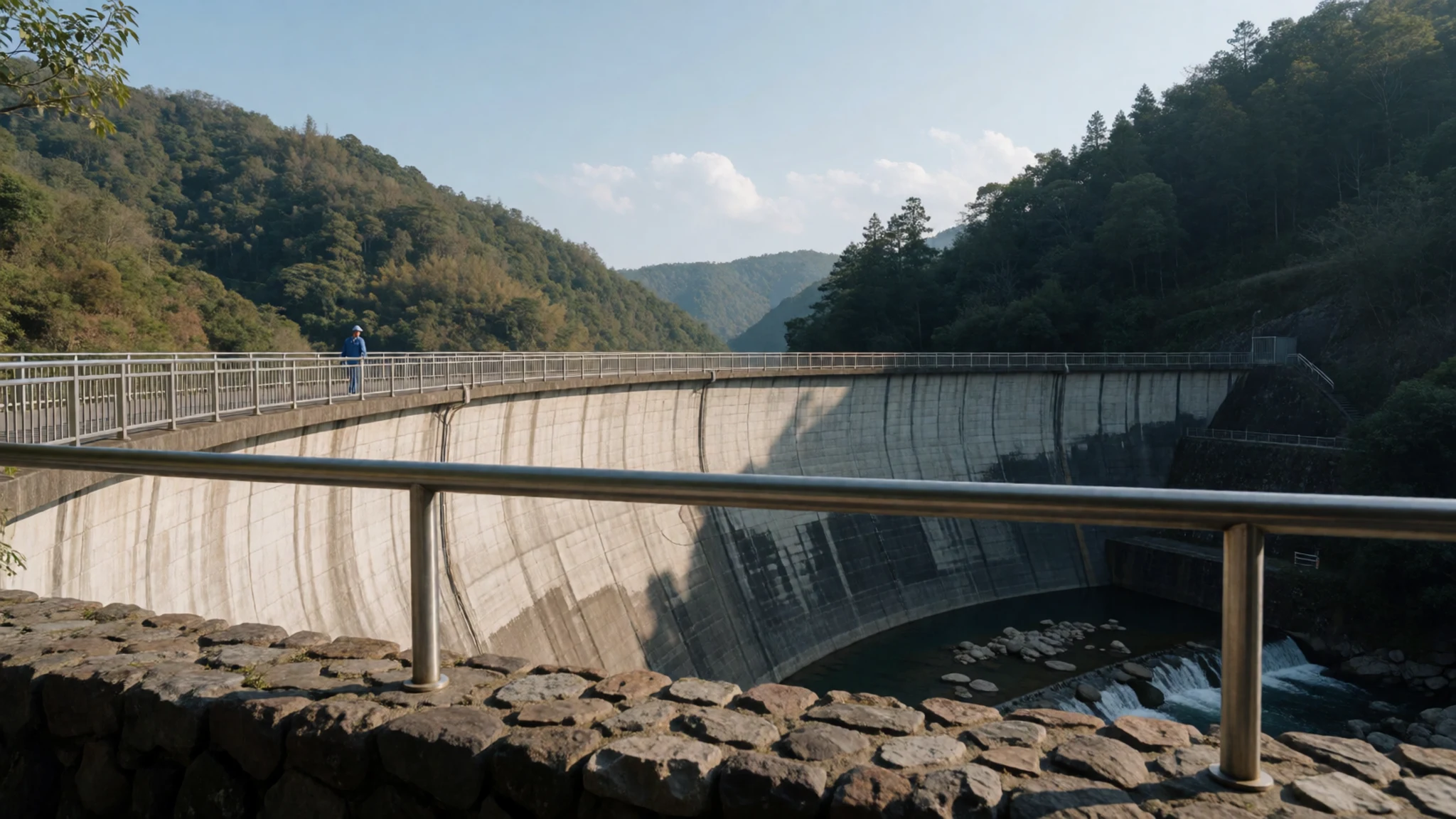
Culture
Cingjing sits where several communities overlap, and the mix is its cultural interest. The farm began as a settlement for former soldiers and their families, and that background still shapes the place: a self-reliant culture of farming and guesthouse-keeping rather than a town of old temples. Around it, Ren'ai Township is home to Seediq, Atayal and Bunun communities, each with its own language, weaving and ritual calendar, and a history that includes the Wushe Incident of the 1930s. Weekend visitors are mostly domestic tourists, so the atmosphere is family outings, picnics and photographs, with many guesthouses along the farm road built to resemble European cottages or castles. Mandarin is the common language among visitors, while indigenous languages are spoken in the villages. English signage may be limited away from the main viewpoints, so a translation app helps. Sheep demonstrations have been a draw for families; check the official site for current schedules rather than relying on older reports. A visit that includes the memorial park, or a meal in an indigenous village, adds a perspective the pastures alone cannot offer. At the Wushe Incident Memorial Park keep your voice low, do not climb on the monuments, and ask before photographing residents or their homes.
What to wear
Cingjing's traditional clothing belongs to Ren'ai's indigenous communities rather than to the farm itself. Seediq and Atayal weavers are known for hand-woven cloth, historically made from ramie and later from cotton and wool yarn, often in red, white and dark bands with geometric patterns. Bunun dress uses its own motifs and colours. These garments appear at festivals, weddings and commemorations and in craft shops, not in everyday life. Day to day, people in the area dress practically: fleeces, windbreakers, work trousers and boots on the farms, and neat casual clothes for family outings. Visitors from the lowlands often arrive underdressed, because the farm can feel much colder than the plains, especially in cloud and wind. For a visit, bring layers: a warm fleece, a waterproof shell, a hat, and sunscreen for clear days at altitude. Wear closed shoes with good grip, since pasture paths turn muddy after rain and trail sections near Hehuan Mountain are steep and rocky. No dress code applies at the farm, but at the Wushe memorial and in indigenous villages modest, tidy clothing, with shoulders and knees covered, is a considerate choice. A small day bag helps for shedding layers once the mist lifts.
What to eat
- Clay-roasted chicken — Restaurants along the main farm road
Whole chicken seasoned and baked in a sealed clay casing, a Taiwanese dish that restaurants near the farm serve as a showpiece. The meat arrives falling off the bone, after the clay is cracked open. Best shared among a group.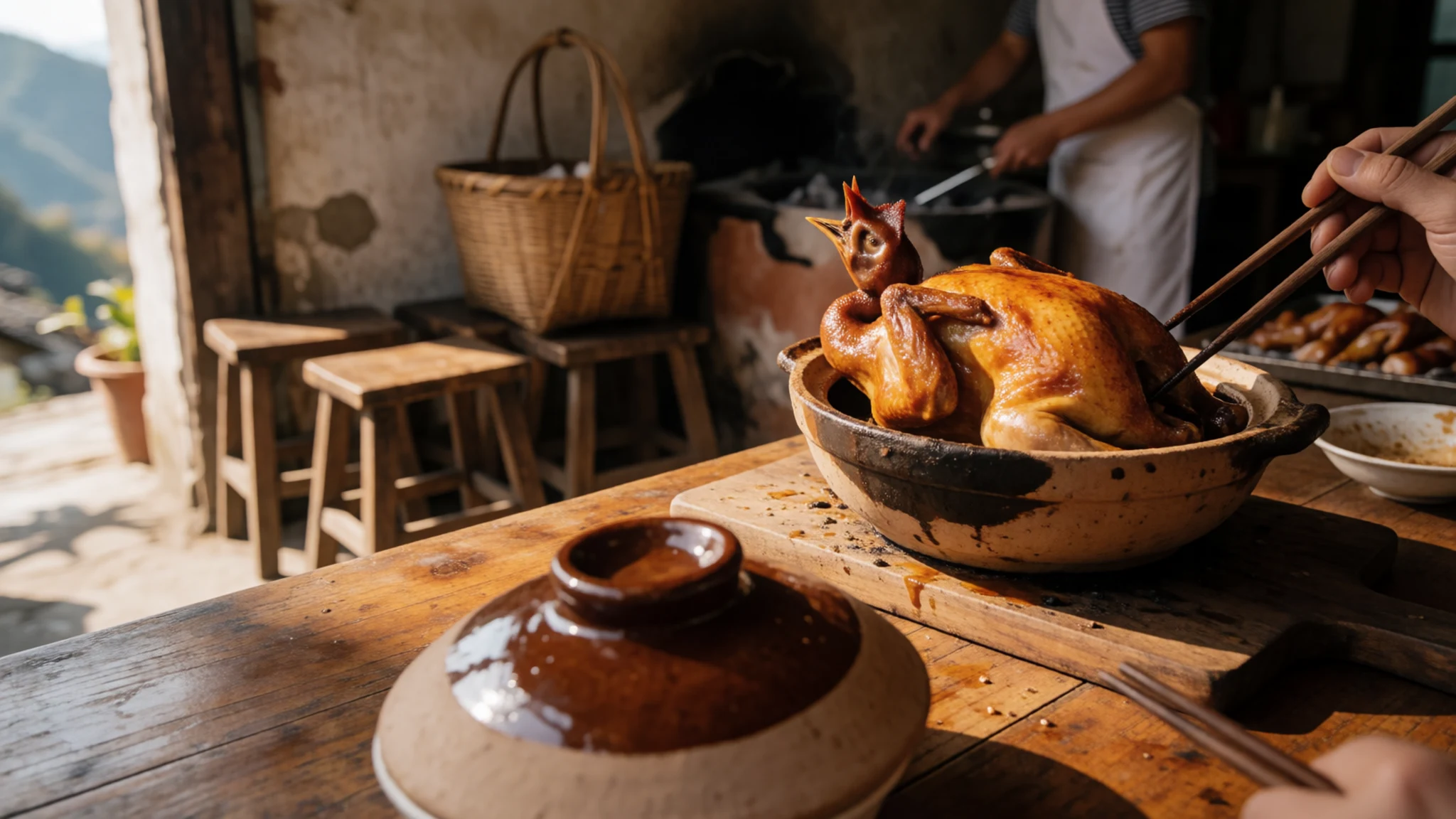
- Stir-fried mountain vegetables — Restaurants and farm stalls around Ren'ai's villages
Cool-climate greens such as high-mountain cabbage, quickly stir-fried with garlic and a little oil, are a staple on menus around Cingjing. The leaves stay crisp and sweet, which makes the plate a light counterweight to roast meat and a reliable vegetarian choice.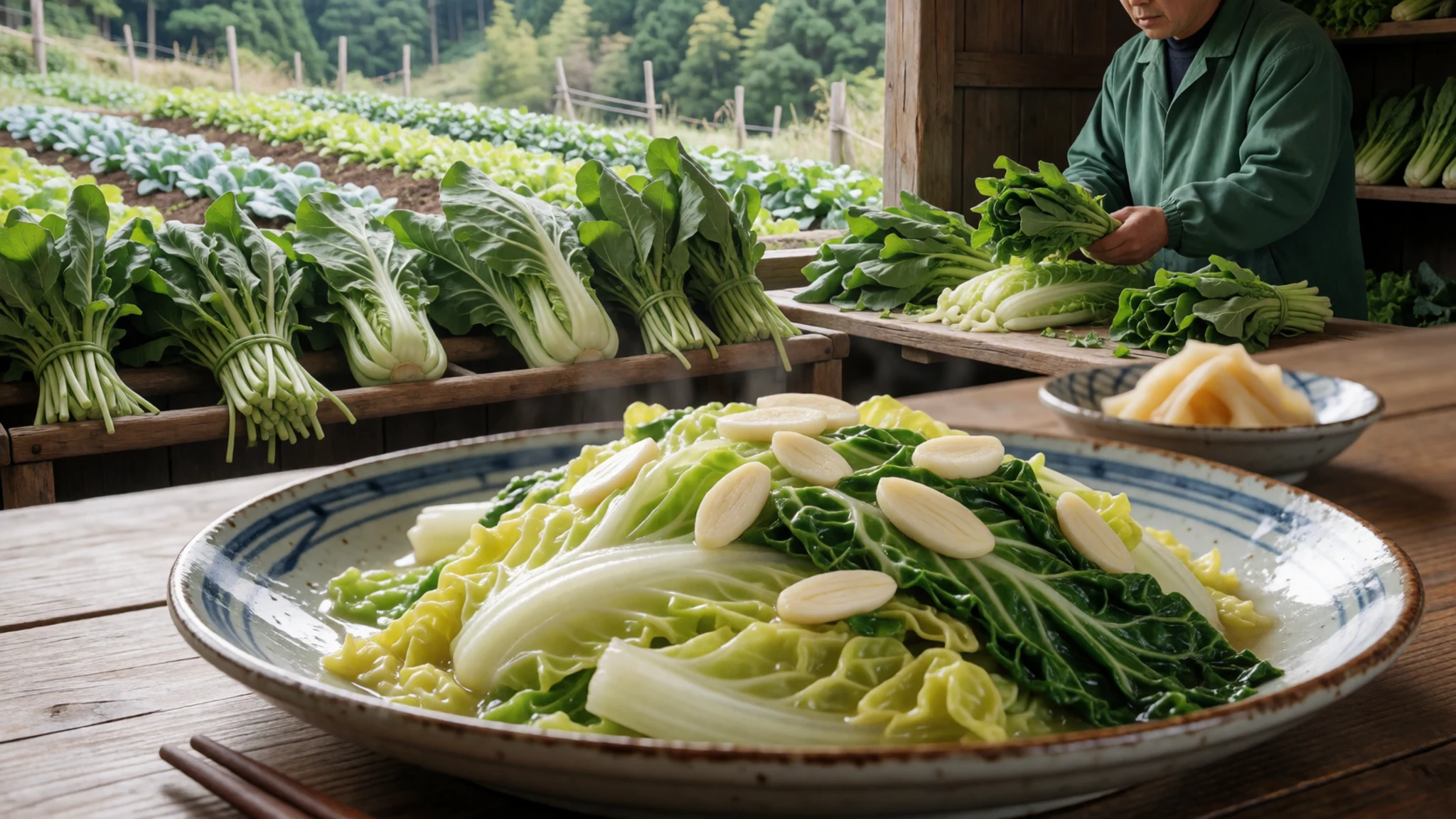
- Lamb or mutton with ginger — Restaurants along the farm road
Stir-fried lamb with ginger and spring onion, or a warming mutton hotpot, suits the cold evenings here and nods to the farm's sheep. Quality varies between kitchens, so ask how it is sourced if that matters to you. - High-mountain oolong tea — Tea shops and cafés along the main farm road
Taiwan's high-mountain oolong is grown at altitude, and the leaves produce a fragrant, lightly sweet cup. Cafés and tea shops on the farm road serve it by the pot, a good way to wait out mist with a view. - Millet dishes — Family-run eateries in Ren'ai's indigenous villages
Millet, a long-standing grain in Seediq, Atayal and Bunun kitchens, appears as steamed rice, cakes or porridge, often with wild greens and grilled meat. Look for small family-run eateries in Ren'ai's villages, and ask what is seasonal.
Plan it
Best time. March–April and October–November usually give the clearest, driest days, with cool and comfortable temperatures. Late spring and summer bring cloud and rain, typhoon season can close mountain roads, and winter nights are cold, so pack warm layers in any month.
How long. 1–2
Getting there. Taichung is the usual gateway, with an airport and high-speed rail station; from Taipei, take the high-speed train to Taichung. From Taichung or Changhua, drive or take a coach to Puli and then follow the provincial highway up into Ren'ai. From Hualien a separate provincial highway crosses the mountains by way of Hehuan. Check the official site (https://www.cingjing.gov.tw/eng/) for current transport options.
Budget. mid
Tips
- Visit midweek or arrive early on weekends, when the approach roads and viewpoints fill up
- Book guesthouses ahead for weekends and holidays, and check the official site for current arrangements
- Carry layers and a rain shell; Hehuan Mountain is higher still, so wind and cold bite harder
- The mountain road is winding, so take motion-sickness remedies if you are prone to it
- Check road and weather conditions before setting out, especially in the rainy season and after typhoons
Etiquette
- Ask before photographing residents, their homes or their children
- Keep a respectful distance from the sheep and follow farm signs on feeding
- Keep voices low and do not climb on monuments at the Wushe Incident Memorial Park
Nearby
Sources
- Wikidata Q14657879 (CC0)
- Wikipedia: Qingjing Farm (rev 1364641023) (CC BY-SA 4.0)
- Wikivoyage: Ren'ai (rev 5355547) (CC BY-SA 4.0)
- Evergreen Grassland — Extremes Tim from Taiwan, via Wikimedia Commons (CC BY 3.0)
- 546, Taiwan, 南投縣仁愛鄉大同村 (115) — 牛糞, via Wikimedia Commons (CC BY 3.0)
- 546, Taiwan, 南投縣仁愛鄉大同村 (29) — 徐月春, via Wikimedia Commons (CC BY 3.0)
- 546, Taiwan, 南投縣仁愛鄉大同村 (4) — 徐月春, via Wikimedia Commons (CC BY 3.0)
- 546, Taiwan, 南投縣仁愛鄉大同村 (5) — 徐月春, via Wikimedia Commons (CC BY 3.0)
- 546, Taiwan, 南投縣仁愛鄉大同村 (6) — 徐月春, via Wikimedia Commons (CC BY 3.0)
- 546, Taiwan, 南投縣仁愛鄉大同村 (76) — 牛糞, via Wikimedia Commons (CC BY 3.0)
- 546, Taiwan, 南投縣仁愛鄉大同村 (9) — 徐月春, via Wikimedia Commons (CC BY 3.0)


