Wuling Farm
Wuling Farm, Taiwan
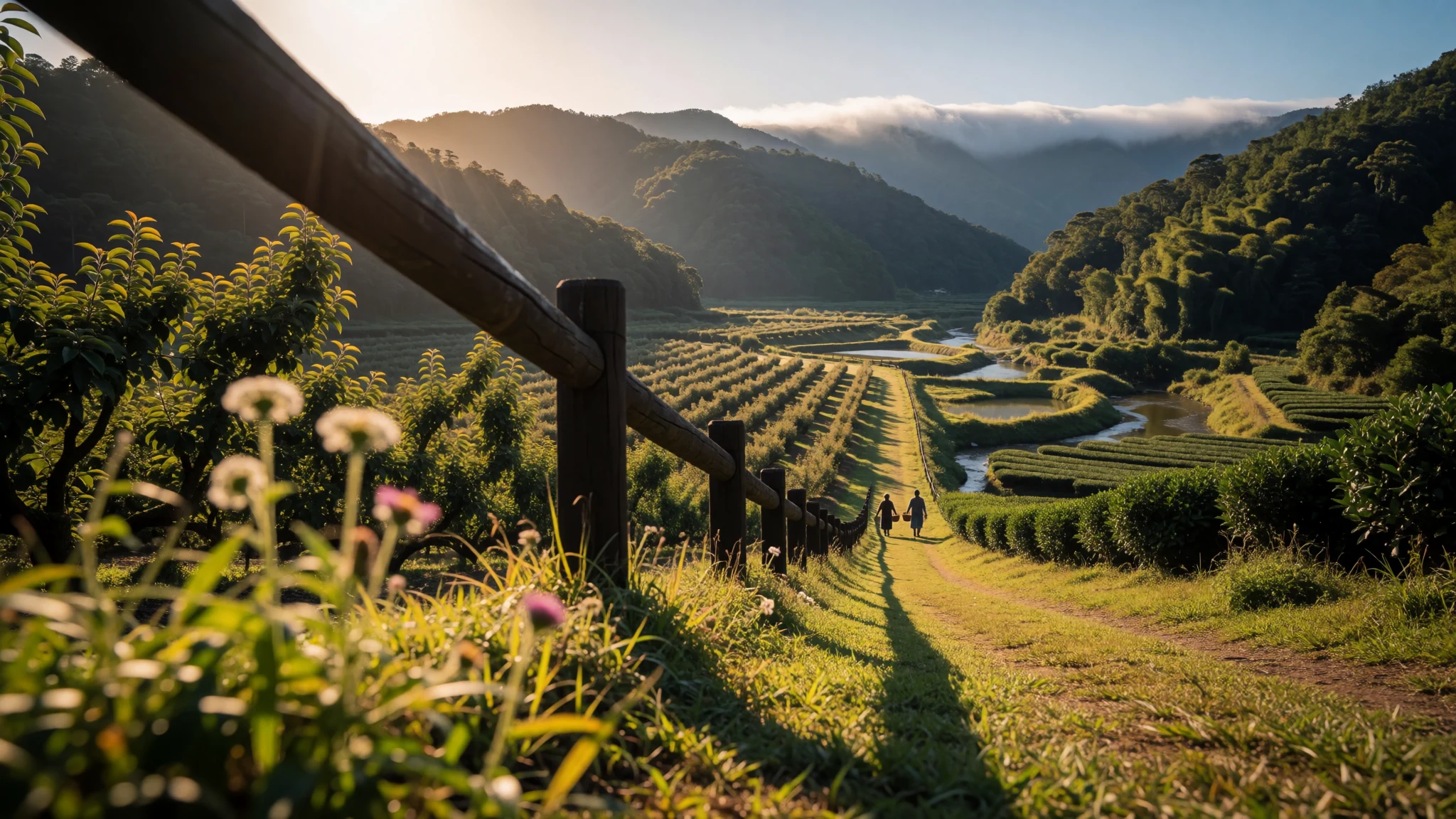
Wuling Farm is a cool, cloud-wrapped highland farm in Taiwan's central mountains, good for orchards, maples, salmon and very dark night skies.
The place
Wuling Farm (武陵農場, Wǔlíng Nóngchǎng) sits in Heping District, Taichung, on high ground inside Shei-Pa National Park in central Taiwan. It is grouped with Qingjing and Fushoushan as one of the island's three big high-mountain farms, and it works as a farm and recreation area rather than a village. Orchards, vegetable plots, flower beds, fish ponds and tea bushes fill the valley floor and lower slopes, with forested ridges rising behind them. Cloud and fog drift through often, so a bright morning can turn grey by lunchtime. The air stays cool all year, which is the reason many people come: it is a relief from lowland heat, though January is properly cold and even July feels mild. Rain is heaviest from April to August, and the annual total is high, so a waterproof jacket earns its place in the bag in any month. Wuling is not a place for nightlife. There are no bars, nightclubs or night markets, and the dark is part of the appeal, because the sky is clear of light pollution and stargazing from the campground is a quiet pleasure when the cloud lifts. Access is along a single mountain road, so the farm feels remote even though coaches run from Taipei. Weekends and the autumn colour season bring queues of cars on the approach road, and weekdays are noticeably calmer. Lodging, camping and a visitor service area keep the base practical.
Its story
Wuling Farm began in 1963, and its origins are practical rather than scenic: the government wanted land and work for retired servicemen. The farm's first director led the veterans in clearing the slopes, planting summer vegetables that the cool altitude suited and temperate fruit trees that struggle in Taiwan's hot lowlands. Advice from an agricultural development committee shaped how the farm would be run. In the following years the ground was reshaped into workable plots, orchards went in, vegetable growing was organised, and machinery arrived to save labour as the cultivated area grew. A first phase of transformation was finished in the 1980s, and the farm then started adding things for visitors, in stages: camping grounds, gardens, tea houses, hostels and a service centre. Money from the tourism authorities, arranged together with the veterans' farm committee, paid for much of that expansion. Near the end of the 1990s a second phase began, with a second lodging building, outside managers brought in to run the operation, and renovation of the garden, park, campground, tea facilities, electrics and botanical garden. The result is a place with two layers: a veterans' settlement that still grows crops, and a mountain destination built around its scenery. The setting also lies within Shei-Pa National Park, which brings protected-area rules and a wider mountain landscape of peaks, streams and forest to the farm's edges.
What to see
- Wenshui Visitor Centre — Shei-Pa National Park, Heping District
The Wenshui Visitor Centre serves as the headquarters of Shei-Pa National Park, with an exhibition hall, an audio-visual room and a gift shop. It is a sensible first stop for a short briefing on the park's geography, wildlife and trail conditions before heading further into the mountains.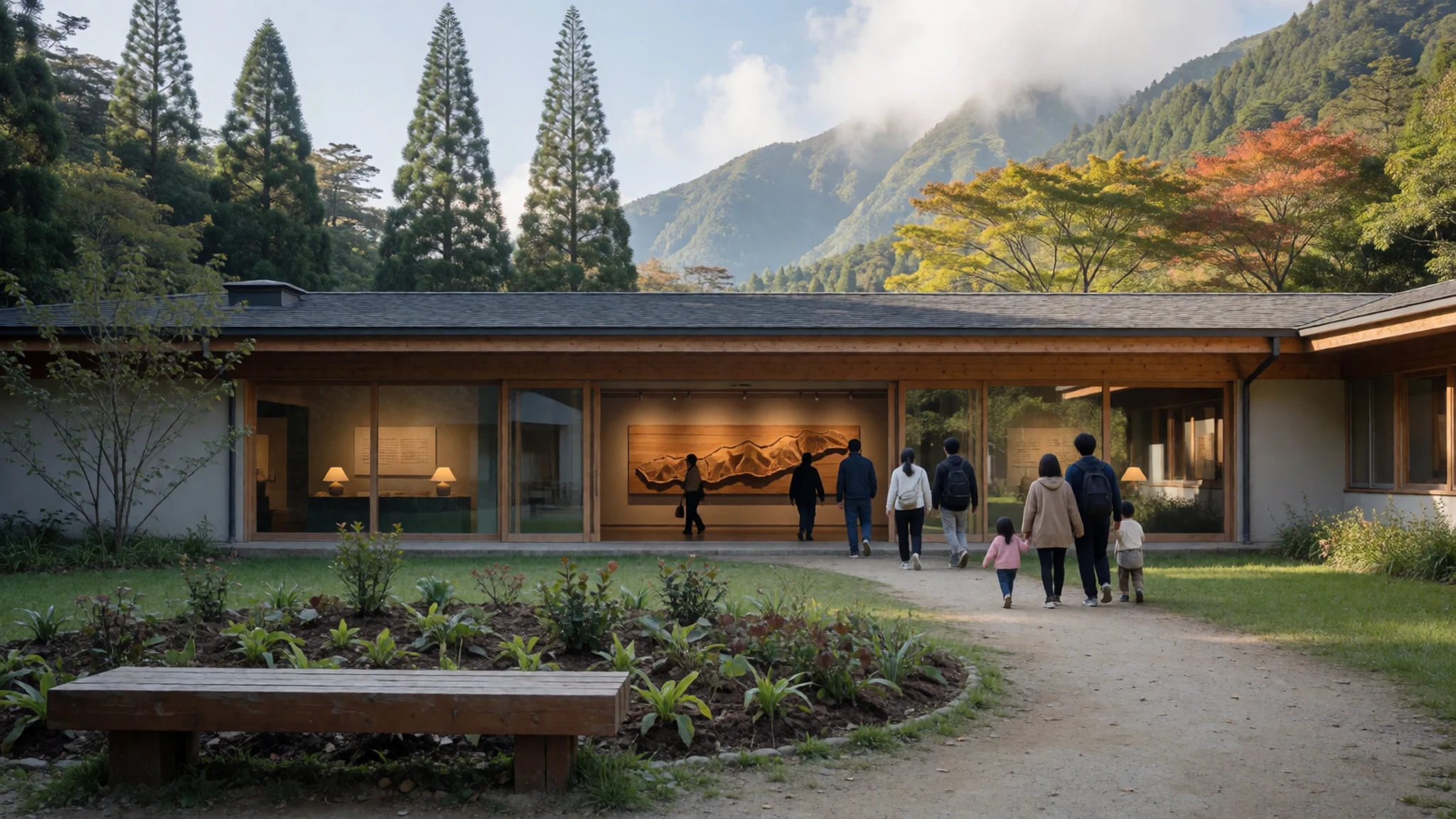
- Wuling Farm orchards and maples — Wuling Farm, Heping District
The farm's own grounds are the main sight: orchards, flower beds and vegetable fields laid out along the valley, with walking paths between them. In autumn the maples turn red and draw the biggest crowds. Cloud often rolls over the slopes, so photographs change hour by hour.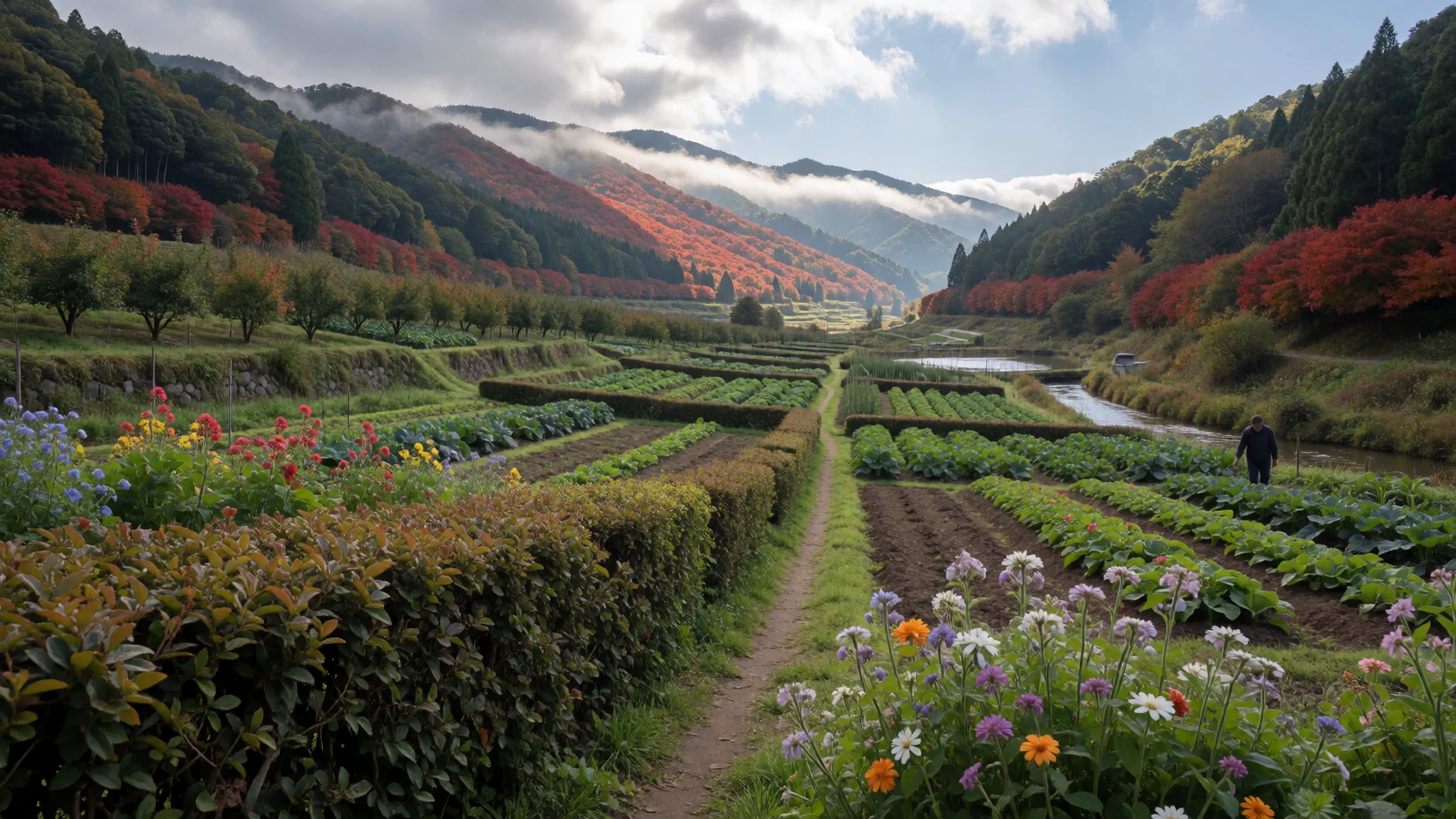
- Taiwan Salmon Observatory Deck — Stream within the farm area
This viewing deck overlooks the stream where Taiwan salmon, a freshwater fish of the area, are watched and protected. The fish are small and best seen with patience and polarised sunglasses. The deck is a quiet stop that works well in grey weather, when the farm's colours are muted.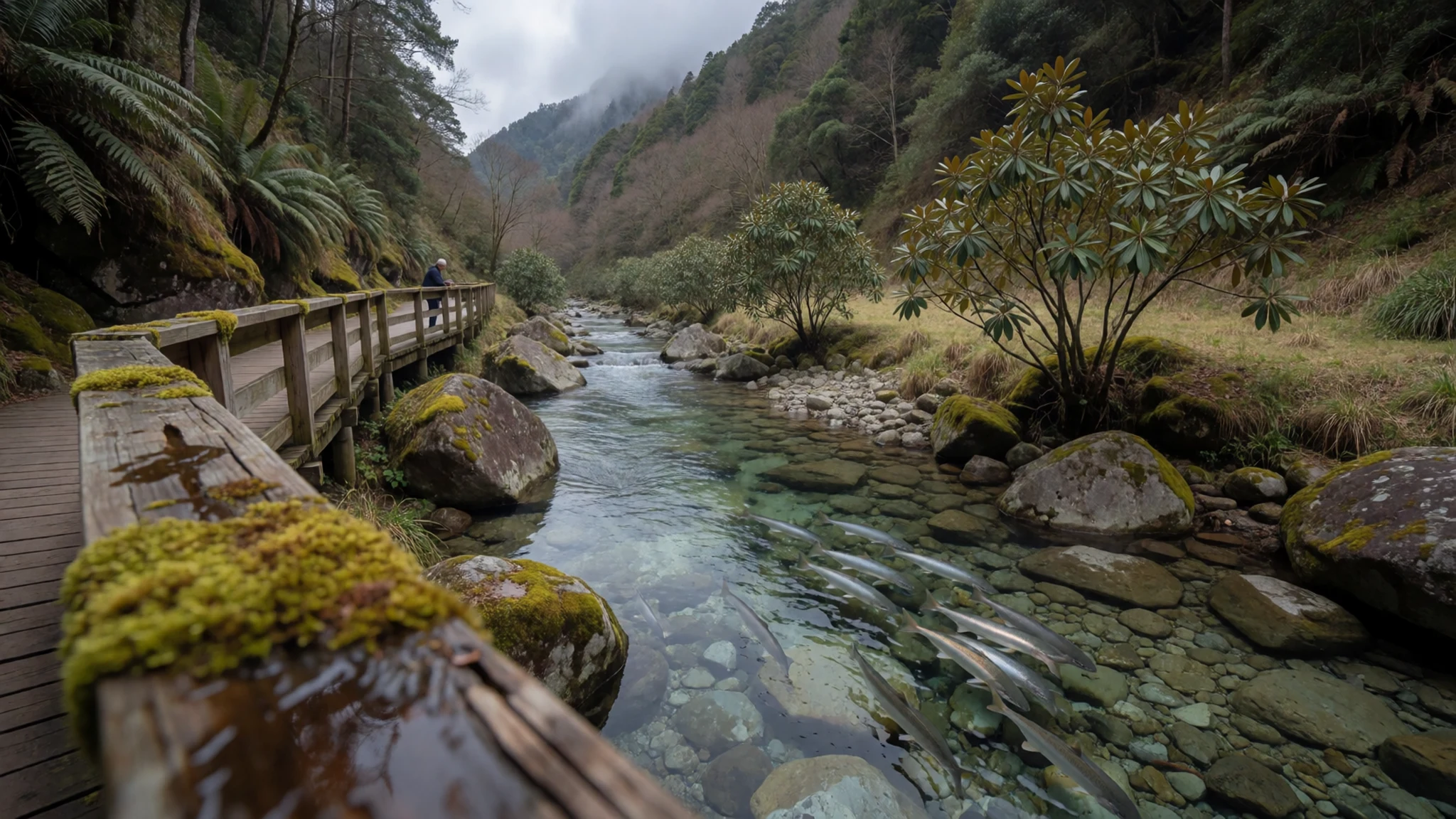
- Taoshan Waterfall — Forest trail near Wuling Farm
Taoshan Waterfall is a walk-to cascade in the forest near the farm, reached on a trail that follows the slope. With rain heavy from April to August, the fall is at its fullest in those months, but paths are also slippery then, so footwear matters more than the view.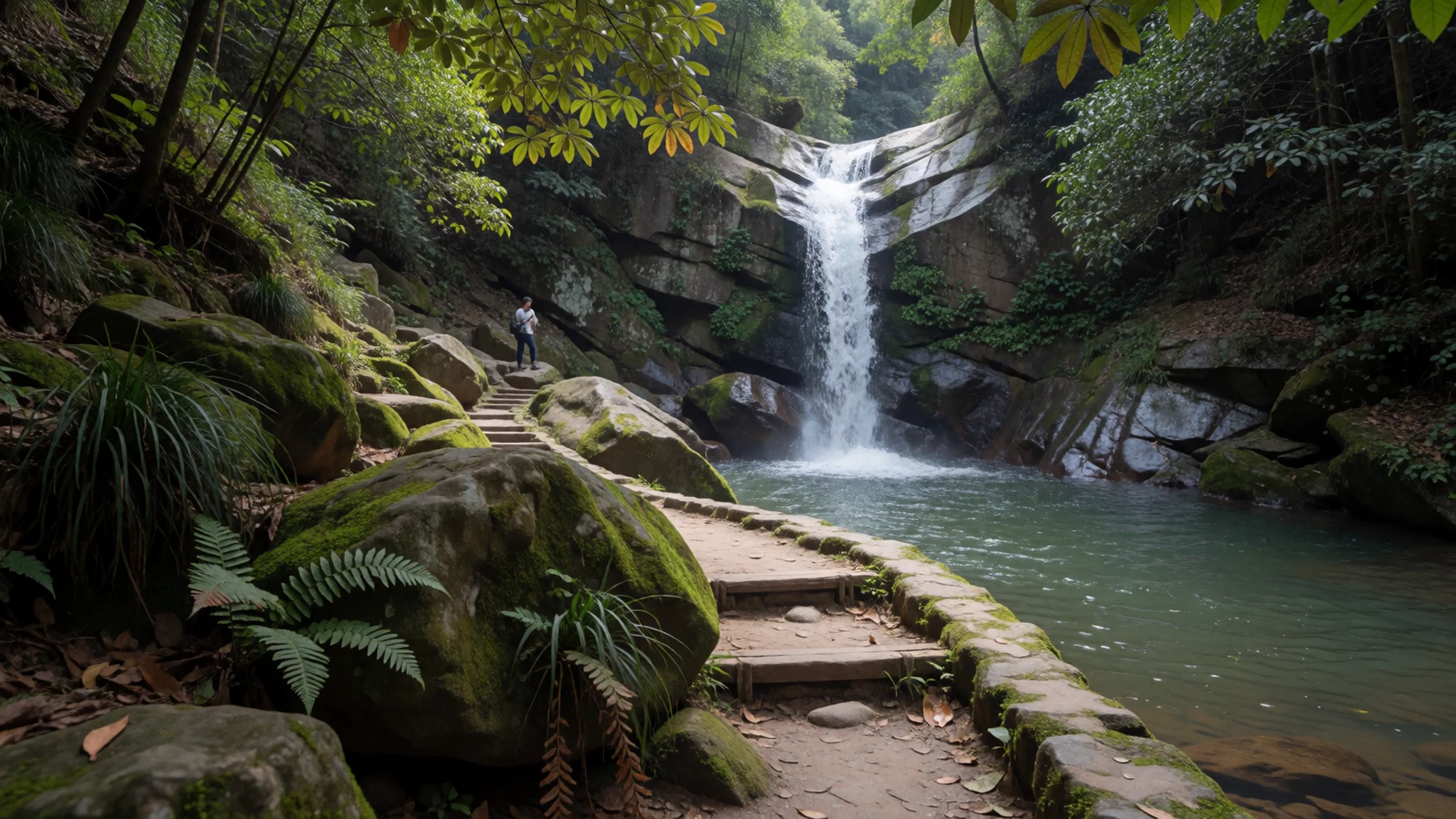
- Farm Cultural Museum — Wuling Farm, Heping District
The Farm Cultural Museum tells the story of the veterans who cleared and planted these slopes, and how the farm moved from agriculture towards tourism. It is a small stop, best paired with a wander through the orchards, and useful on a day when low cloud hides the ridges.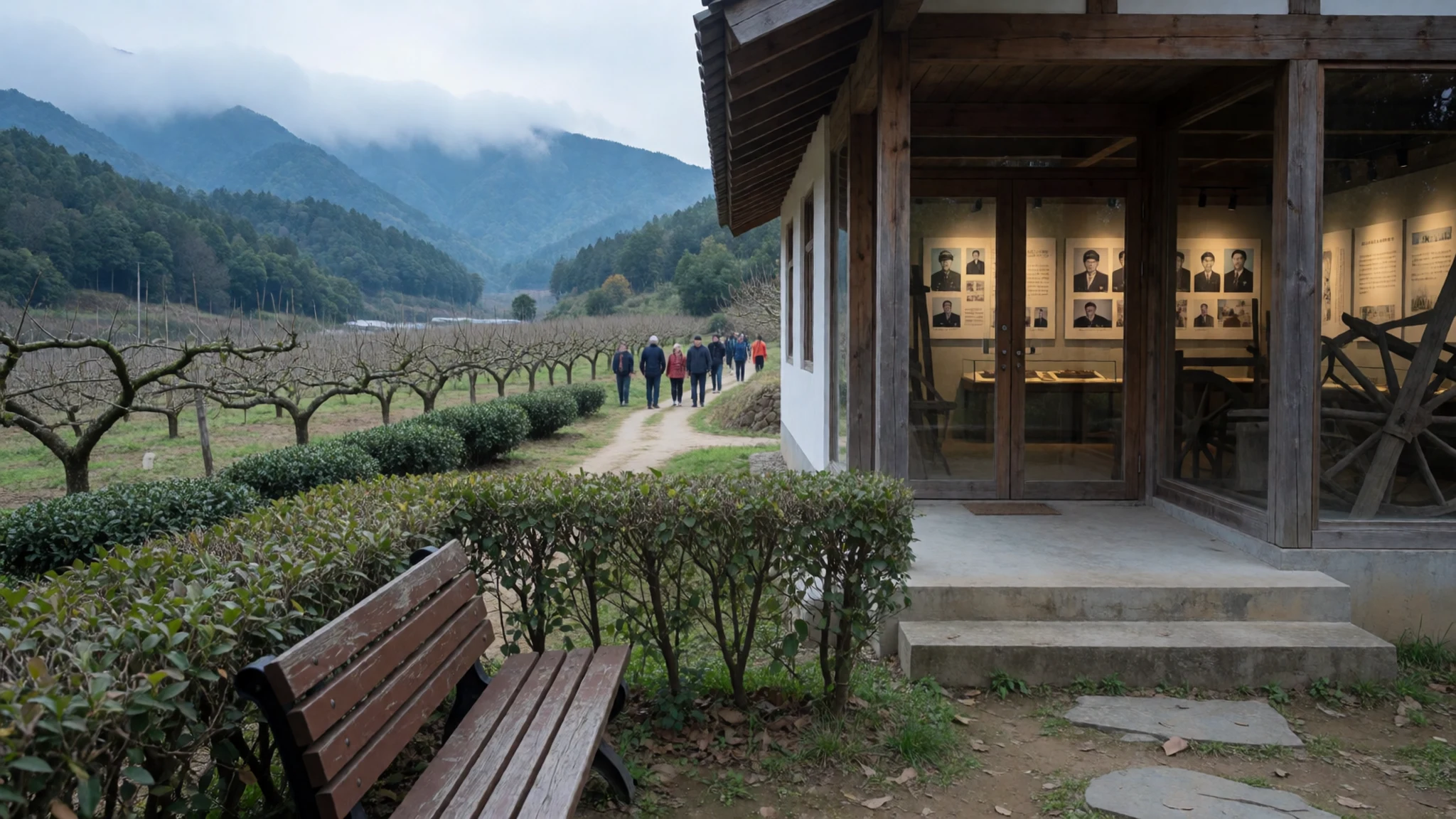
Culture
Wuling Farm has a culture shaped by two things: the veterans who settled and worked its slopes after 1963, and the longer presence of Indigenous communities in the surrounding Heping mountains, where Atayal people have lived for generations. The farm itself is practical and unshowy, a place of fruit trees, vegetable rows and tea, and its rhythm follows the weather and growing seasons rather than festivals or markets. Visitors mostly arrive as families, school groups, walkers and photographers, and many treat it as a base for the wider national park, where mountaineering is a serious tradition. Taiwan's high peaks demand respect: routes in the park need permits, and the park warns of rockfall, collapses and cliff falls, so people are advised to climb in groups with a trained leader. Evenings are quiet. With no bars or night markets, people eat early, talk at the campground or tea saloon, and go out to look at the stars if the sky is clear. The visitor centres keep simple first-aid supplies, and the park management office can help arrange hospital treatment in serious cases. The overall mood is relaxed, courteous and outdoorsy. Keep to marked paths, take your rubbish with you, and keep your voice low at the campground and the salmon deck so that the fish and your neighbours are not disturbed.
What to wear
Wuling Farm lies in country where Atayal people have traditionally woven cloth from ramie and other plant fibres, often in red, white and dark bands with geometric patterns, and where such garments are still worn at festivals and ceremonies rather than day to day. The farm itself is not a showcase for traditional dress, so visitors are unlikely to see it unless a local event is on. What people actually wear here is outdoor clothing: fleeces, padded jackets, rain shells, caps and walking shoes, often in layers that come off as the sun appears and go back on when the cloud returns. Families tend to dress for photographs in the orchards or under the maples, but practicality wins over style. For a visit, think cool, damp mountain weather in every season. Pack a warm mid-layer, a waterproof jacket, a hat and gloves for winter and early spring, and a thin scarf for wind. Shoes with good grip matter more than anything else, since paths and waterfall trails turn slick in rain. There are no religious sites on the farm grounds that call for special modesty, so ordinary casual clothes are fine. For night-sky viewing, bring more warmth than seems necessary.
What to eat
- High-mountain tea — The tea saloon and tea houses on the farm
Tea grown on the cool, cloudy slopes of the farm is the signature drink of the area. It is usually served in the farm's tea saloon or tea houses, where a pot and a quiet table suit the foggy weather.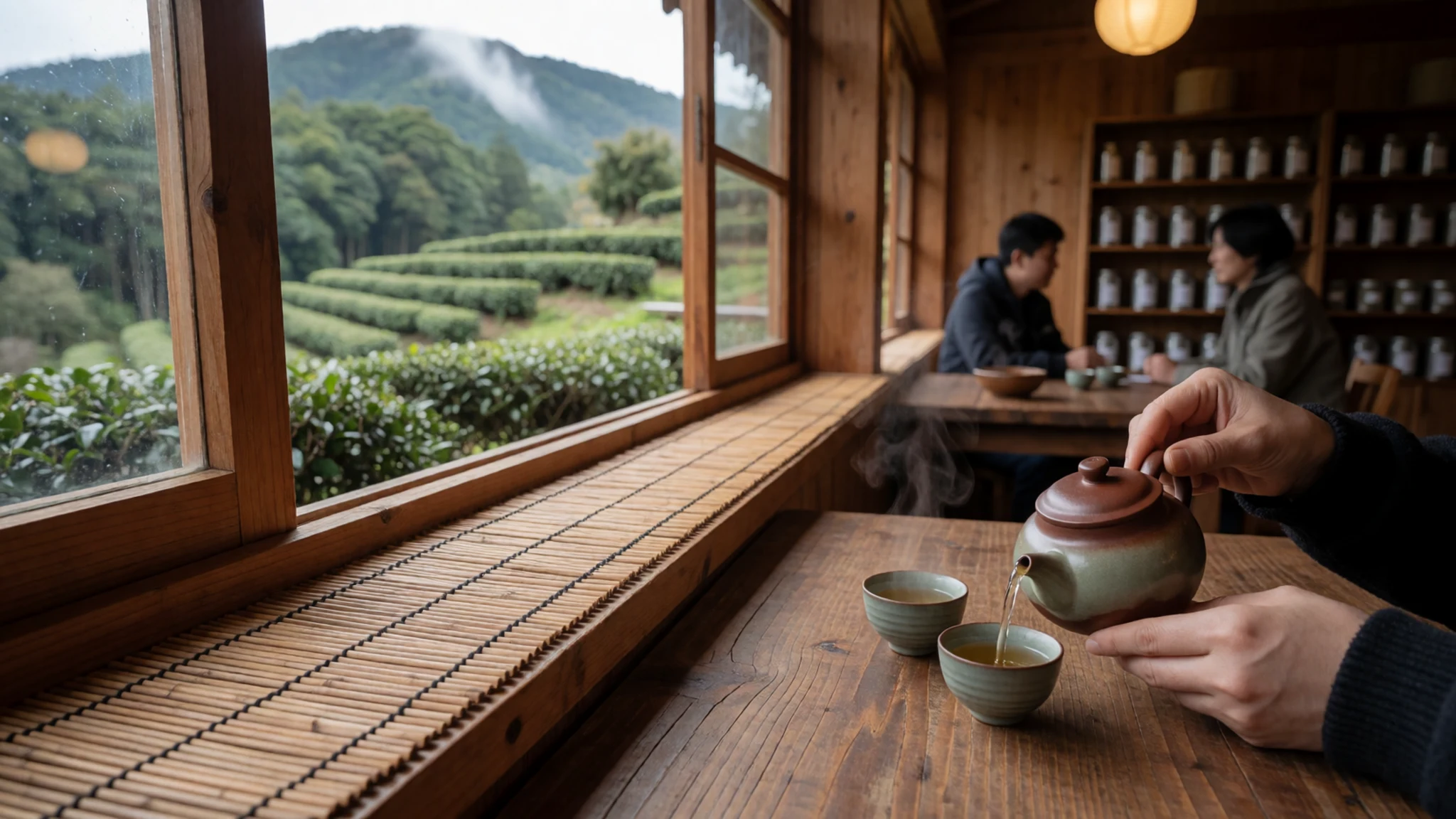
- Highland fruit — Farm stalls and orchards, in season
Temperate fruit from the farm's orchards is sold fresh in season, and is the reason the farm was cleared in the first place. Availability depends on the time of year, so ask what is ripe when you arrive.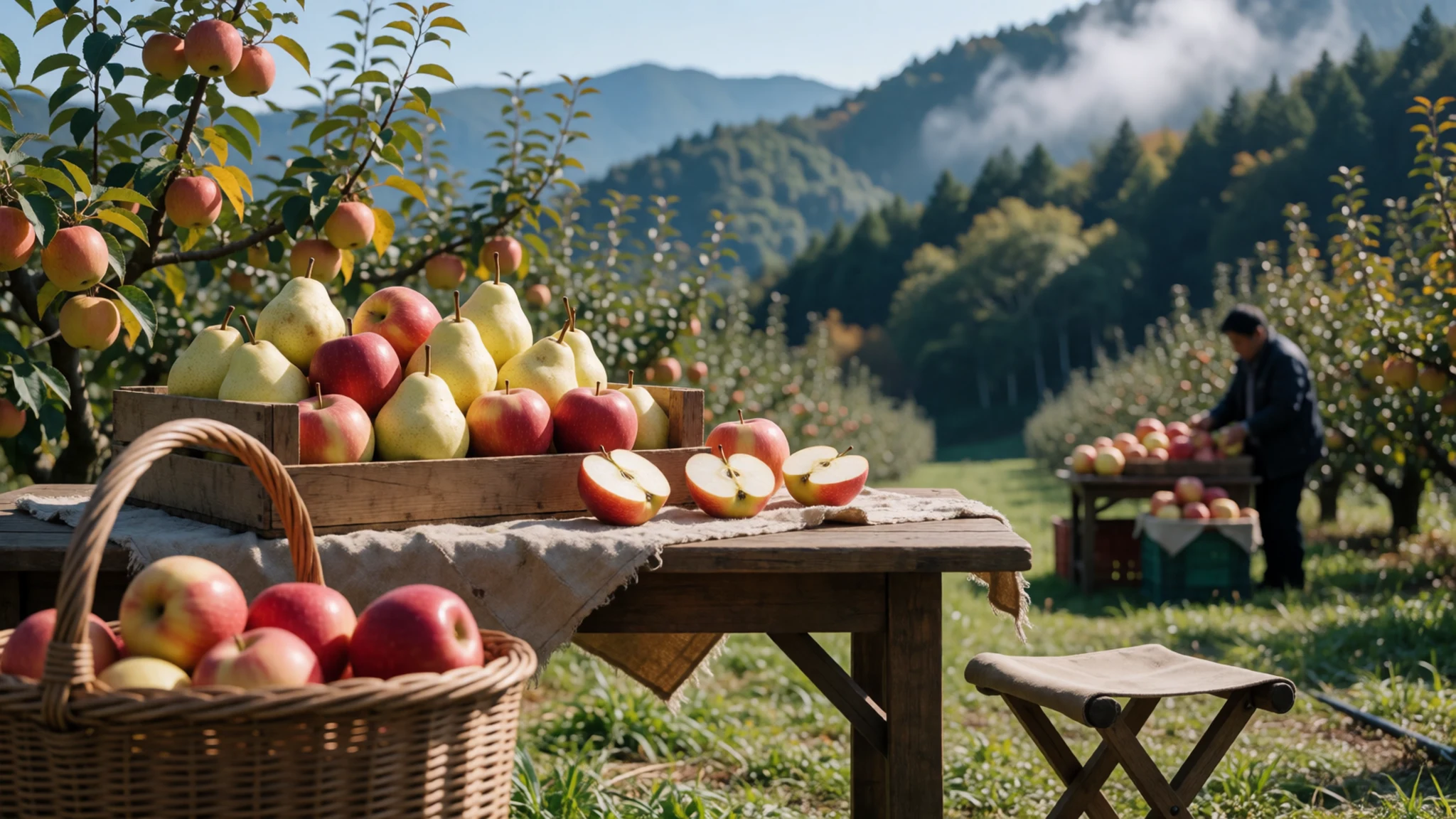
- Summer highland vegetables — Restaurants and eateries on the farm
The cool altitude suits vegetables that struggle in Taiwan's lowland heat, and they appear stir-fried or in soups in the farm's restaurants. They are simple, fresh and often the best choice for a vegetarian meal. - Farmed mountain fish — Restaurants around the farm
Fish farming is part of the farm's operations, and mountain fish turn up on restaurant menus, usually grilled or steamed. The protected Taiwan salmon are for watching only, not eating. - Campground snacks and hot drinks — Wuling Farm campground
The campground sells snacks and beverages, which are welcome on cold mornings and after a night of stargazing. Choices are simple, so bring anything specific you want to eat or drink.
Plan it
Best time. February–March for cooler, clearer spells and spring blossom, and October–November for autumn colour and generally drier weather. The rainy season runs from April to August, and winter is properly cold, so layers are needed all year.
How long. 1–2
Getting there. Taipei is the usual gateway. From there, an E-go coach runs from Taipei Main Station to Wuling Farm, and Kuo-Kuang buses from Yilan to Lishan stop at the farm on the way. Check current timetables, since services are limited. Driving is also possible along the mountain road.
Budget. mid
Tips
- Check bus times in advance, as services are limited and the last leg is a mountain road
- Book lodging or campsites early for weekends and the autumn colour season
- Visit on a weekday if possible, to avoid queues of cars on the approach road
- Carry cash, a waterproof jacket and warm layers, since weather can turn quickly
- Hiking in the wider park needs permits, so check with the park authorities before you plan a climb
Etiquette
- Stay on marked paths and take rubbish away with you
- Keep voices low at the campground and the salmon observation deck
- Do not feed or disturb the wildlife, including the Taiwan salmon
Nearby
Sources
- Wikidata Q11125025 (CC0)
- Wikipedia: Wuling Farm (rev 1377375241) (CC BY-SA 4.0)
- Wikivoyage: Wuling Farm (rev 5344975) (CC BY-SA 4.0)
- Person Lin, cars at Wuling Farm (CC BY-SA 2.0)
- Ckbubutp, bus at Wuling Farm (CC BY-SA 4.0)
- Taiwankengo, Maple Foliage at Wuling Farm Taiwan (CC BY-SA 4.0)
- Taiwankengo, Wuling Farm (cropped) (CC BY-SA 4.0)
- Taiwankengo, Wuling Farm (CC BY-SA 4.0)
- Woodford Yang, 424 Taiwan (2) (CC BY 3.0)
- Woodford Yang, 424 Taiwan (3) (CC BY 3.0)
- 大頭家族, Altocumulus clouds over Wuling Farm (CC BY-SA 2.0)


Wildlife
- Taiwan salmon (animal)
Imagine a salmon that never goes to sea: the Formosan landlocked salmon spends its whole life in mountain water. It is endangered and lives only in Taiwan's high stream valleys, and it is the most southerly of its kind. At Wuling Farm you can watch it from the viewing deck above its stream, where it is looked after with great care. Keep to the deck, speak softly, listen to any guide, and never feed the fish.