Wilpena Pound
Wilpena Pound, Australia
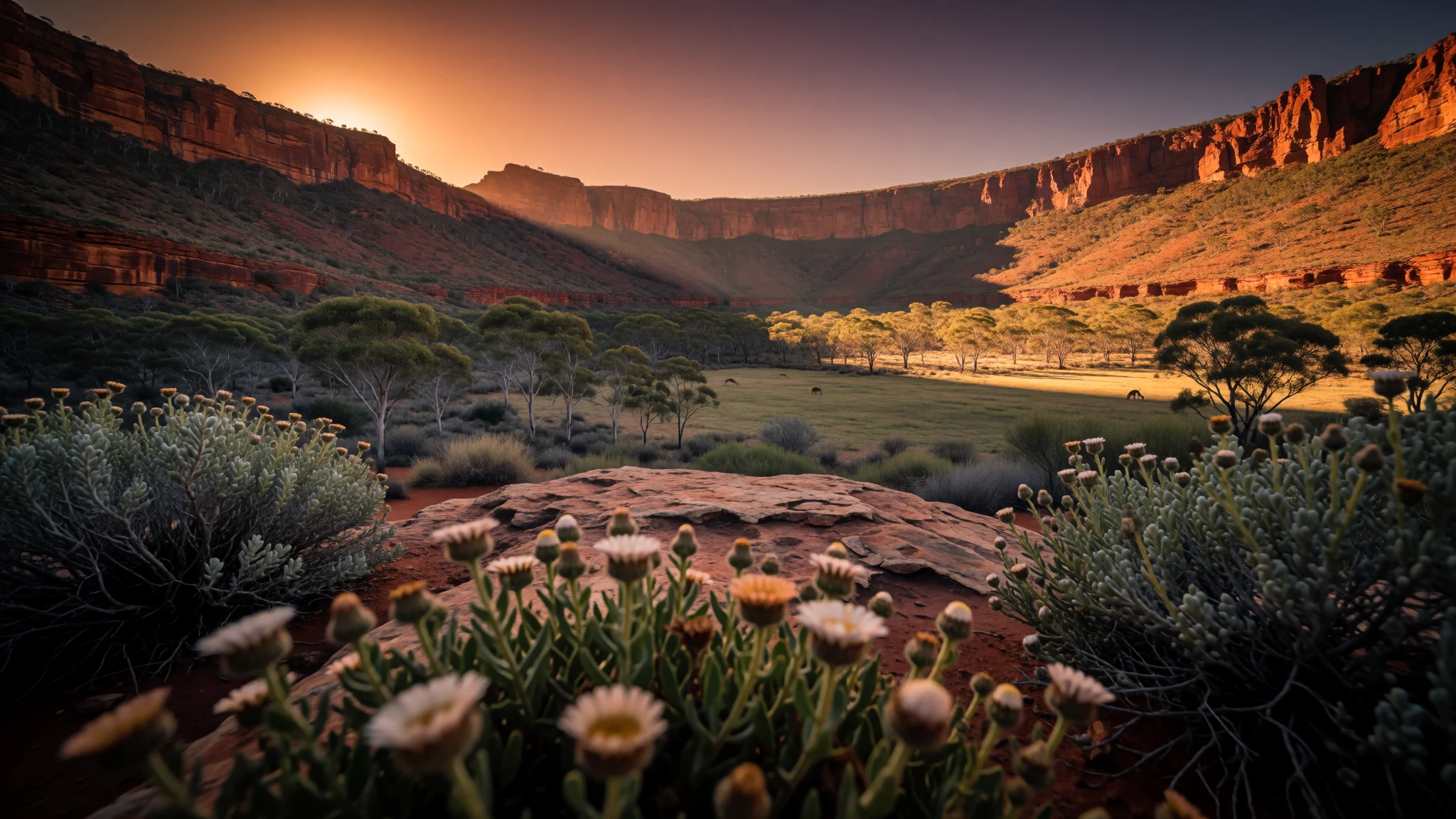
Wilpena Pound is a vast natural amphitheatre of rock in South Australia's Flinders Ranges, with walking, big skies and deep Aboriginal heritage.
The place
Wilpena Pound sits in the northern part of South Australia, inside Ikara-Flinders Ranges National Park. From a distance it looks like a crater, but it is nothing of the kind. It is a basin ringed by steep quartzite ridges, formed when ancient layers of sediment were folded and then worn down over an immense span of time. The photographs show the layering clearly, with strata tilted and curved into what geologists call a syncline.
Inside the ring the ground is gentler: cypress pine, red gums along the creek beds, grassy patches and a good deal of birdlife. Wallabies and kangaroos graze near the edges at dawn and dusk, and the euros keep to the rocky slopes. The only real gap in the wall is a gorge on the eastern side, which is why the basin has always been easy to enter and hard to see from the ground.
The nearest base is Wilpena, a small resort settlement with a visitor centre, a campground and a handful of services, at the pound's edge. Beyond it the country is remote, dry and sparsely settled, so fuel, water and food need planning rather than hope. The light is the reward. Early and late in the day the ridges turn from grey to rust to deep red, and the sky carries on to the horizon with almost nothing in the way.
Trails range from an easy stroll to the old homestead to a long climb onto the rim. Summer heat can be fierce, so most walkers come outside it.
Its story
The story of Wilpena Pound begins with the Adnyamathanha people, whose name means hills people or rock people. For them the pound is called Ikara, meaning meeting place, and it is tied to the creation story of two giant serpents, whose bodies are said to have shaped the surrounding ranges. The place remains central to their culture, and the national park carries its dual name in recognition of this.
European pastoralists arrived in the nineteenth century, drawn by the grass and the reliable water inside the basin. Sheep and cattle were run there, and the stone buildings of a homestead still stand as a reminder of that difficult farming life. Droughts, isolation and uncertain markets made the work hard, and several attempts to settle the area gave way to later ones. An effort to grow wheat on marginal land in the wider region also failed, leaving ruins across the plains.
Over time the emphasis moved from grazing to conservation and visiting. The land became part of a national park, and walking tracks were laid out so that people could reach the ridges and lookouts without damaging the vegetation. Today the story is told in two voices: the long Aboriginal connection to the land, and the shorter, harsher chapter of settlers who tried to make a living from it. Visitors who read the signs at the visitor centre will find both, and the contrast gives the empty landscape a good deal more meaning than the scenery alone.
What to see
- Wangara Lookout — Wilpena, eastern side of the pound
A moderate walk from the visitor centre, passing the old homestead, leads to this lookout with a wide view over the basin and its surrounding wall. It suits most fit walkers and gives a real sense of the pound's scale without a steep climb. Go early for softer light and fewer people.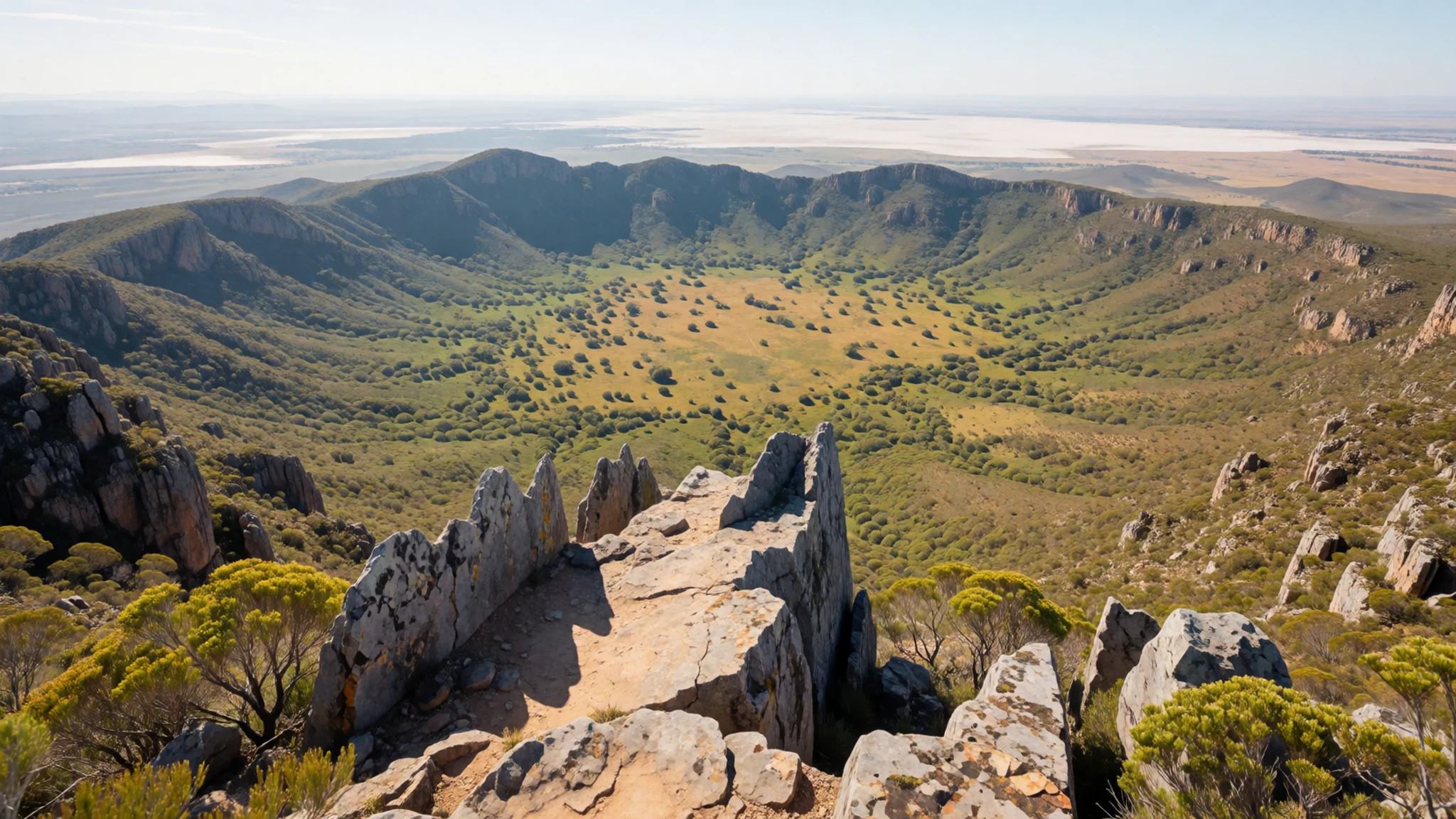
- Hills Homestead — Inside the pound, a walk from Wilpena
The remains of a pastoral homestead stand on the walk in, a stone reminder of how settlers lived in this dry country. Interpretive signs explain the family history and the farming years. It makes a gentle half-day outing and a good place to understand why the basin was so valued.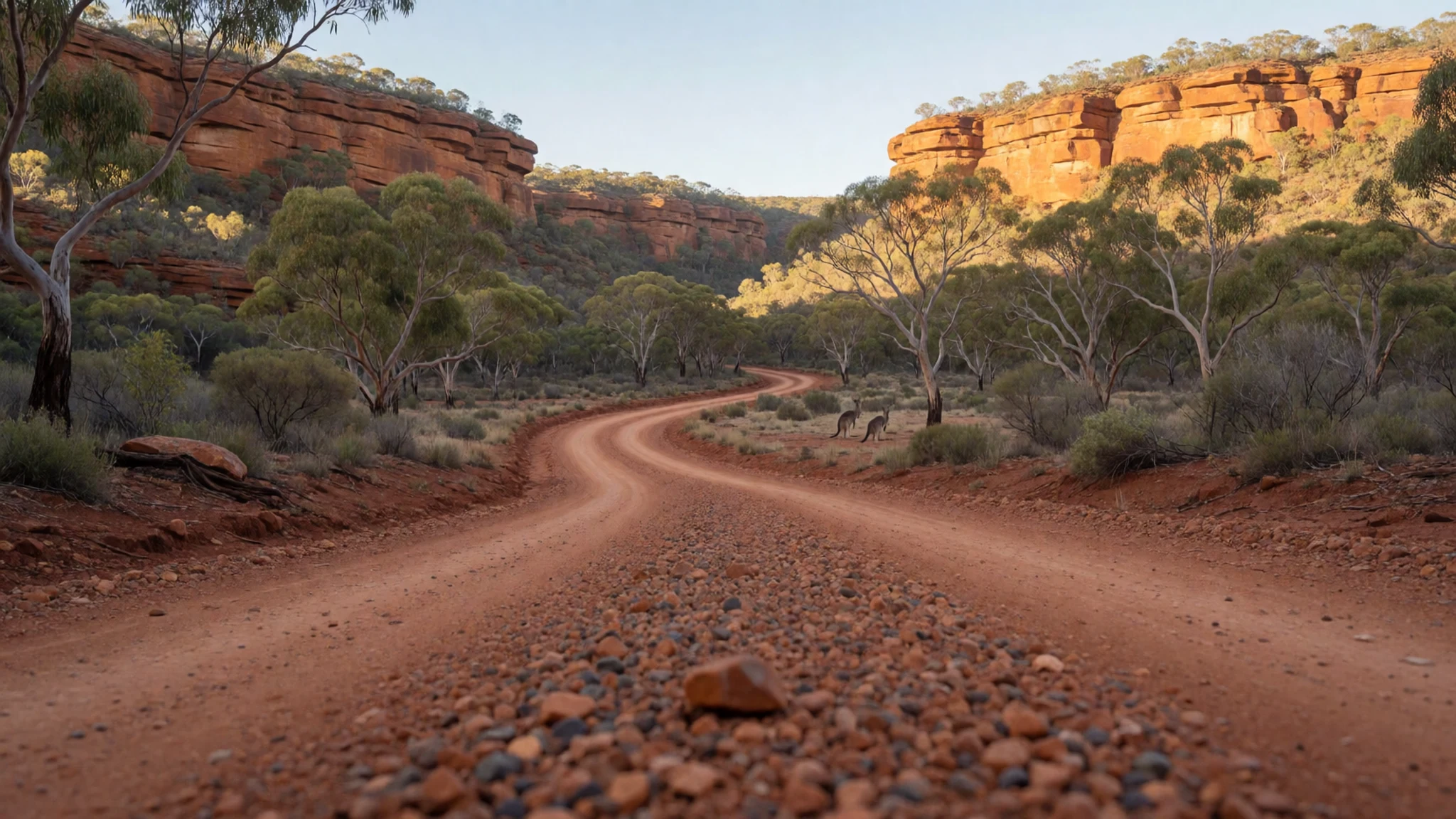
- St Mary Peak — Western rim of the pound
The highest point in the Flinders Ranges is reached by a long, steep, exposed walk that rewards the effort with views across the whole pound. It is a serious day on rock, with little shade. Start at first light, carry plenty of water and turn back if the weather changes.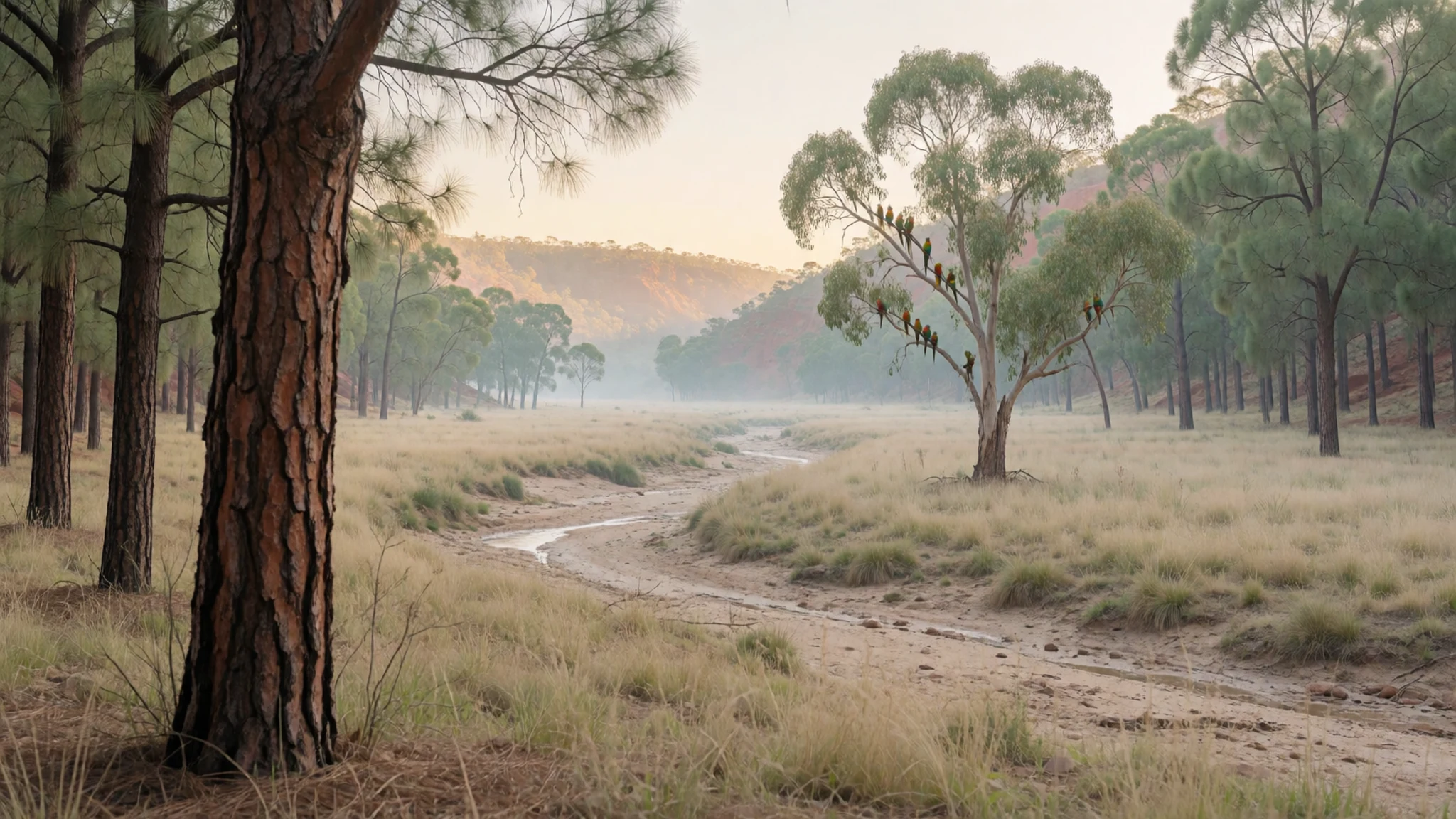
- Moralana Scenic Drive — West of the pound, towards Wilpena
This gravel road runs along the western side of the ranges and gives the classic long view of the pound at sunset, when the ridges glow. It is best done in a car suited to unsealed roads, and conditions can change after rain. Stop at the pullouts and take your time.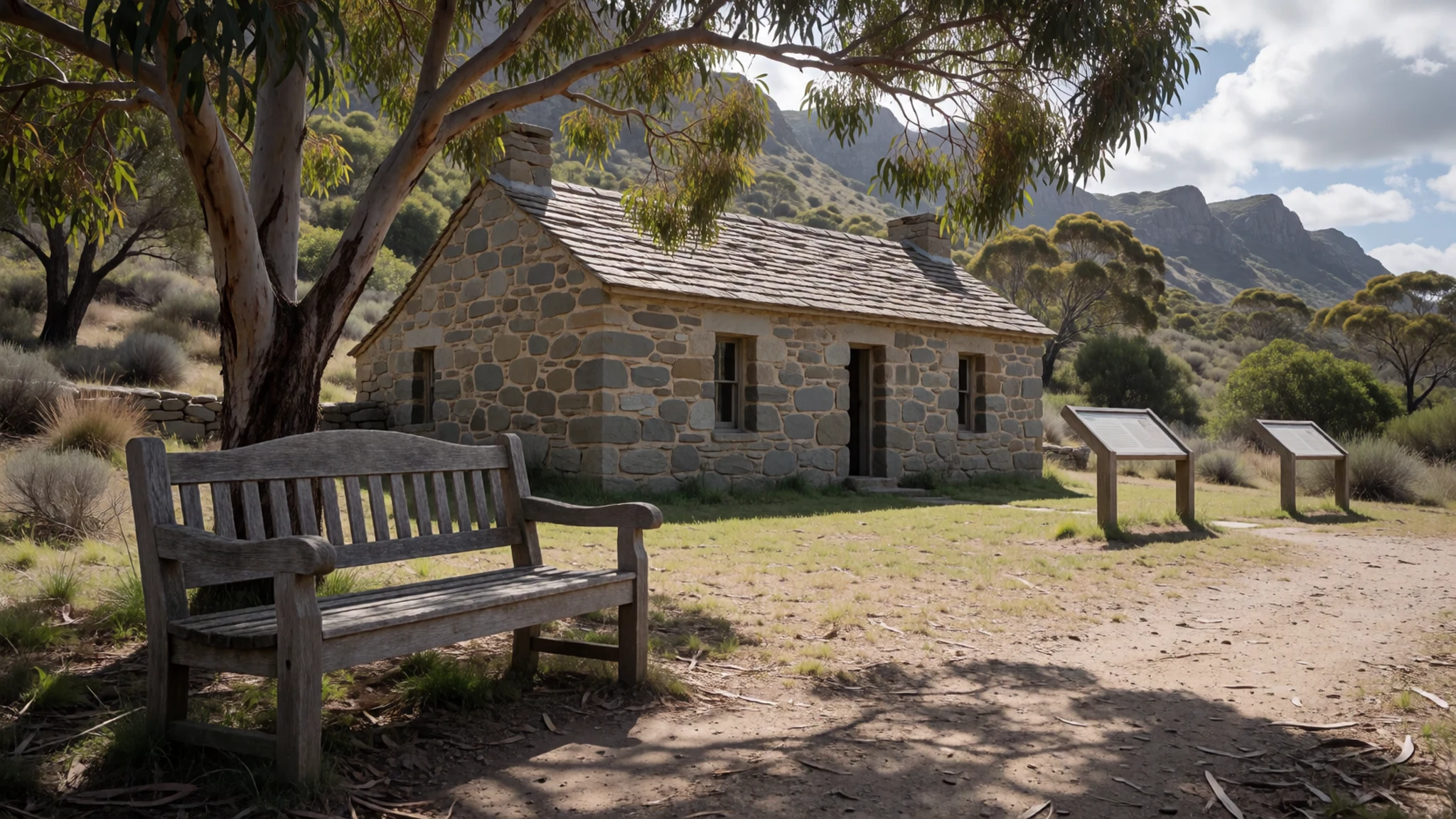
- Mount Abrupt — Rim of the pound
A bold, steep-sided peak on the pound's rim, it makes a striking shape from the road and offers a demanding climb for those who want a quieter route than the main lookouts. The ascent is rocky and exposed, so it suits experienced walkers with good footwear.
Culture
Wilpena Pound is first of all Adnyamathanha country, and the dual name Ikara-Flinders Ranges National Park reflects that. Ikara, the meeting place, is tied to stories of creation and law that are still passed on, and the park is managed with Adnyamathanha involvement. Rock art and other cultural sites lie within the wider ranges, some of them sensitive and not always signposted.
The second layer of culture is that of the pastoral families who farmed here, and whose descendants still live across the region. Outback hospitality is plain and friendly, and small communities along the roads depend on visitors who behave considerately: buying fuel and supplies locally, driving carefully on gravel, and closing gates behind them. Distances are long and help is far away, so people tend to look out for one another.
Today the visitor centre and local guides offer ways to learn more, including cultural tours led by Adnyamathanha people, where these are running. They are worth choosing over a quick lookout stop, because they explain what the landscape means rather than only what it looks like. Weather, wildlife and fire danger shape daily life in the ranges, and rangers' notices should be taken seriously.
Please stay on marked tracks, do not touch or move rock art or cultural objects, and ask permission before photographing people or entering any area marked as culturally restricted.
What to wear
Wilpena Pound has no single formal costume, but its two cultures have their own dress. Traditionally, Adnyamathanha people used animal skins, possum-fur cloaks and woven fibre items, with ochre and body decoration worn for ceremony. Today those are kept for cultural events and teaching, and are not something visitors will usually see in daily life.
What people actually wear in the ranges is practical outback clothing. Locals favour long-sleeved cotton shirts, work trousers or jeans, sturdy boots and wide-brimmed hats, with a vest or jacket for cold mornings. Fabrics are light and washable because dust gets into everything. Casual, hard-wearing clothes are normal even in the small settlements, and nobody dresses up.
For a visitor the climate decides everything. Wear a wide-brimmed hat, sunglasses and high-factor sunscreen, and choose breathable long sleeves and long trousers for sun and flies. Walking boots or sturdy shoes with good grip are essential on loose quartzite, and socks matter on longer routes. Layers are wise, since mornings and evenings can be cold even when the afternoon is hot, and a light waterproof is useful when showers arrive. There are no special modesty rules on the trails, though respectful dress is sensible at any cultural site or on a guided cultural tour.
What to eat
- Kangaroo fillet — Pub and restaurant menus in Wilpena and nearby towns
Lean and rich, kangaroo is common on outback menus, usually served rare with a pepper or native-berry sauce. It is a regional staple worth trying once. Look for it in the restaurant or pub in Wilpena and the small towns nearby.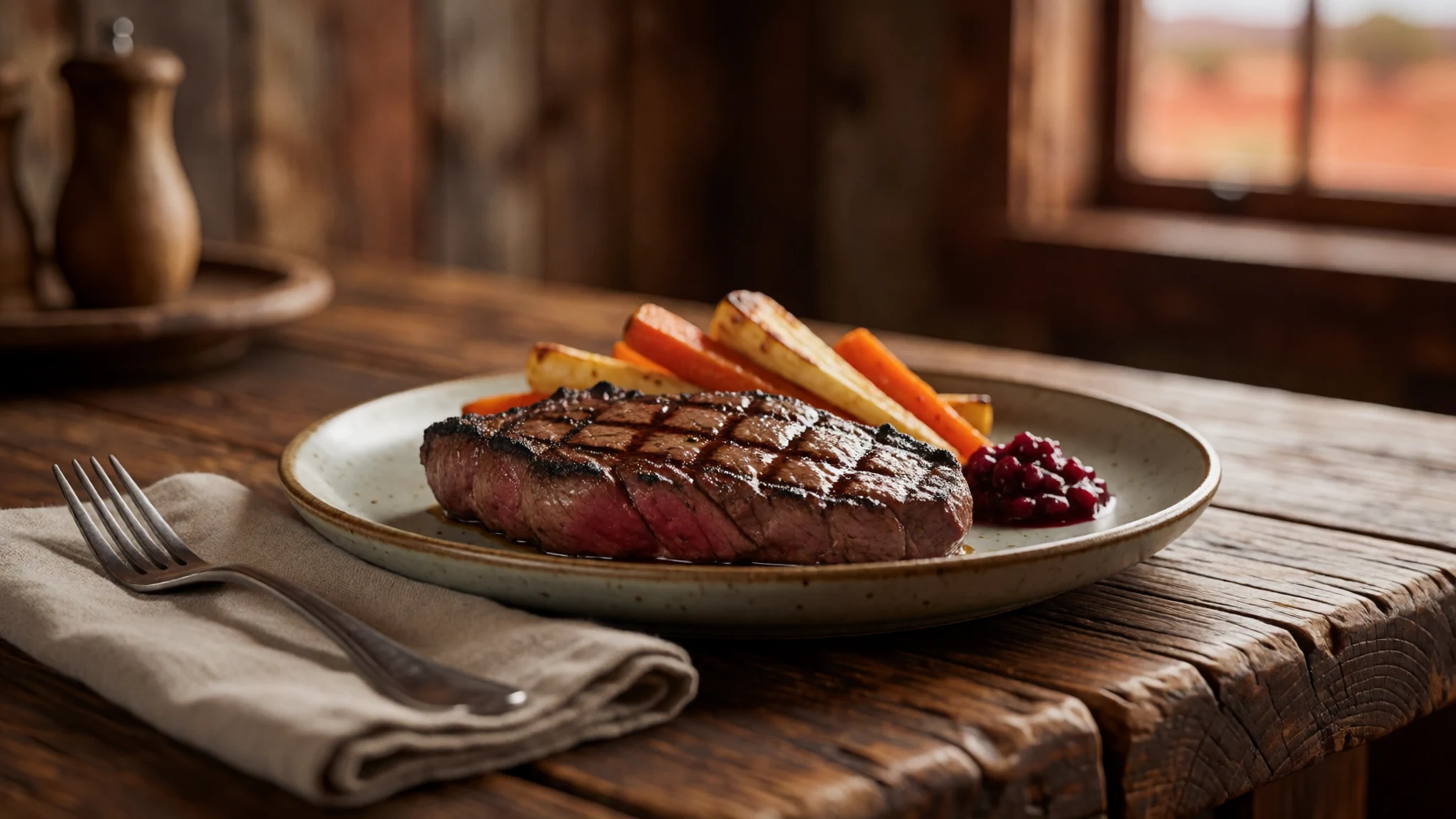
- Camp-oven damper — Campground cookouts and outback cafés
A simple bush bread of flour, water and salt, baked in the coals or a cast-iron camp oven. It is eaten warm with butter, golden syrup or alongside stew. Campgrounds and local cafés often serve their own version.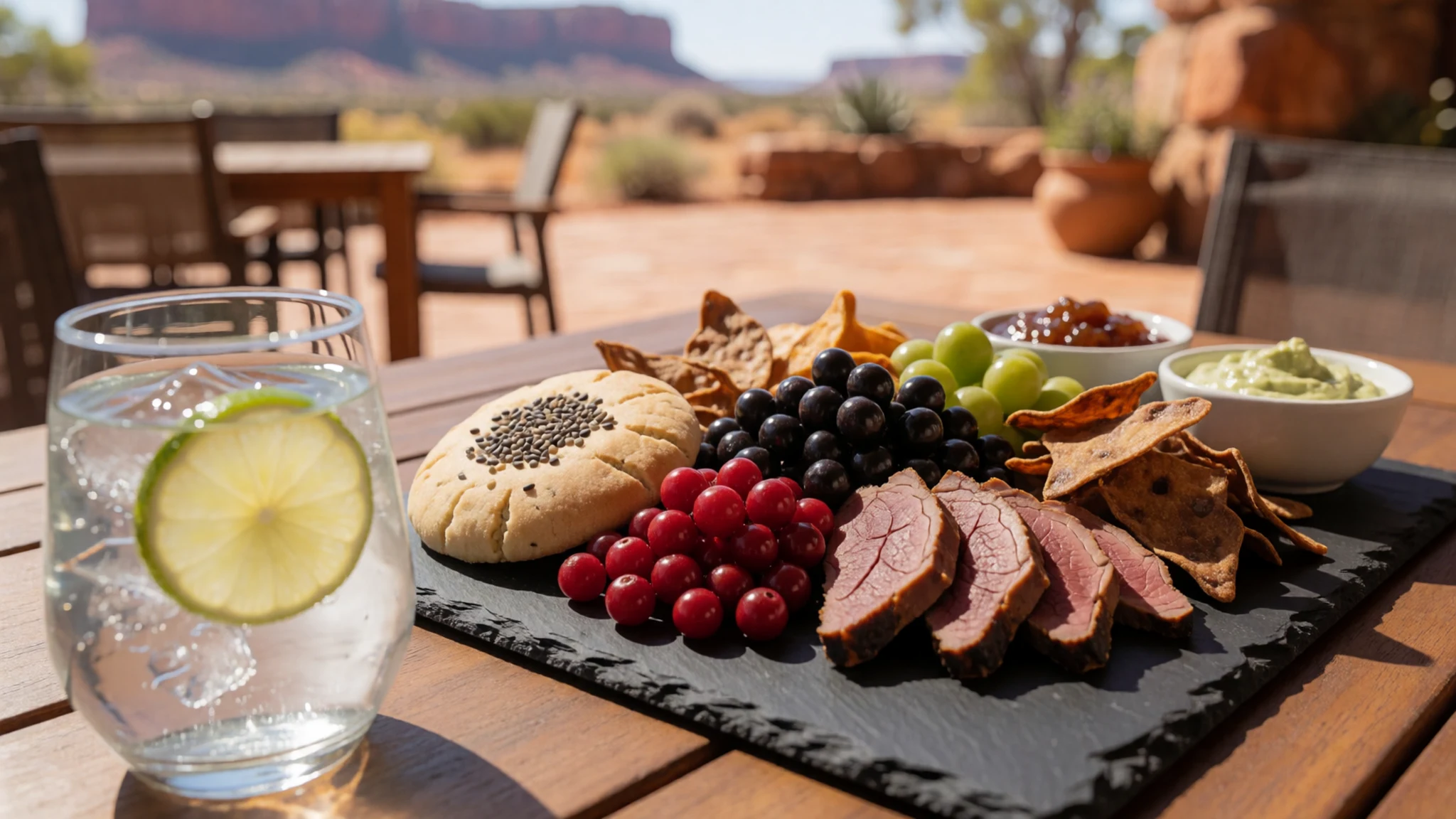
- Pie with a bush filling — Bakeries and roadhouses in the Flinders Ranges
Meat pies are the road-trip classic across South Australia, sometimes filled with beef, kangaroo or lamb. They are filling, cheap and easy to carry on a day walk. Bakeries in the small ranges towns usually have a good selection. - Native-ingredient dishes — Restaurants, cafés and gift shops in the ranges
Wattleseed, quandong and bush tomato appear in sauces, jams and desserts, giving a nutty, tart or spicy edge. They are part of a growing interest in Aboriginal food knowledge. Look for them in preserves and on menus where chefs use local produce. - Local lamb roast — Country pubs and station stays around the ranges
Sheep country produces good lamb, often roasted with vegetables and served as a hearty main. It suits cool evenings after a day on the trails. Many pubs and station-stay dining rooms in the region make it a regular special.
Plan it
Best time. April–May and September–October, when days are mild and walking is comfortable. Summer is very hot and often brings fire restrictions; winter nights can be cold.
How long. 2–3
Getting there. Fly to Adelaide, then drive north for several hours to Wilpena, or take a regional flight or tour if offered. A car is the practical choice, and the last stretch is on sealed road to the visitor centre.
Budget. mid
Tips
- Carry far more water than seems necessary, especially on exposed climbs
- Fill the fuel tank in the last big town; services are few and far apart
- Start walks early, before the heat builds
- Check the official park website for track closures, fire bans and permits before you go
- Book accommodation and campsites ahead in school holidays and cooler months
Etiquette
- Stay on marked tracks and take all rubbish out
- Respect cultural sites and ask before photographing people
- Close gates behind you on pastoral roads
Nearby
Sources
- Wikidata Wilpena Pound (CC0)
- Wikipedia: Wilpena Pound (CC BY-SA 4.0)
- Wikivoyage (CC BY-SA 4.0)
Wildlife
- Red kangaroo (animal)
The red kangaroo is the giant of the kangaroo family, and the biggest pouched animal alive anywhere. At Wilpena Pound, look for it inside the rim, in the sheltered basin where open grass spreads between the pines and acacias, feeding in the early morning light. Watch from a respectful distance, keep your voice low and your movements slow, and let it enjoy its breakfast. Consider walking with a local guide, and never offer it food.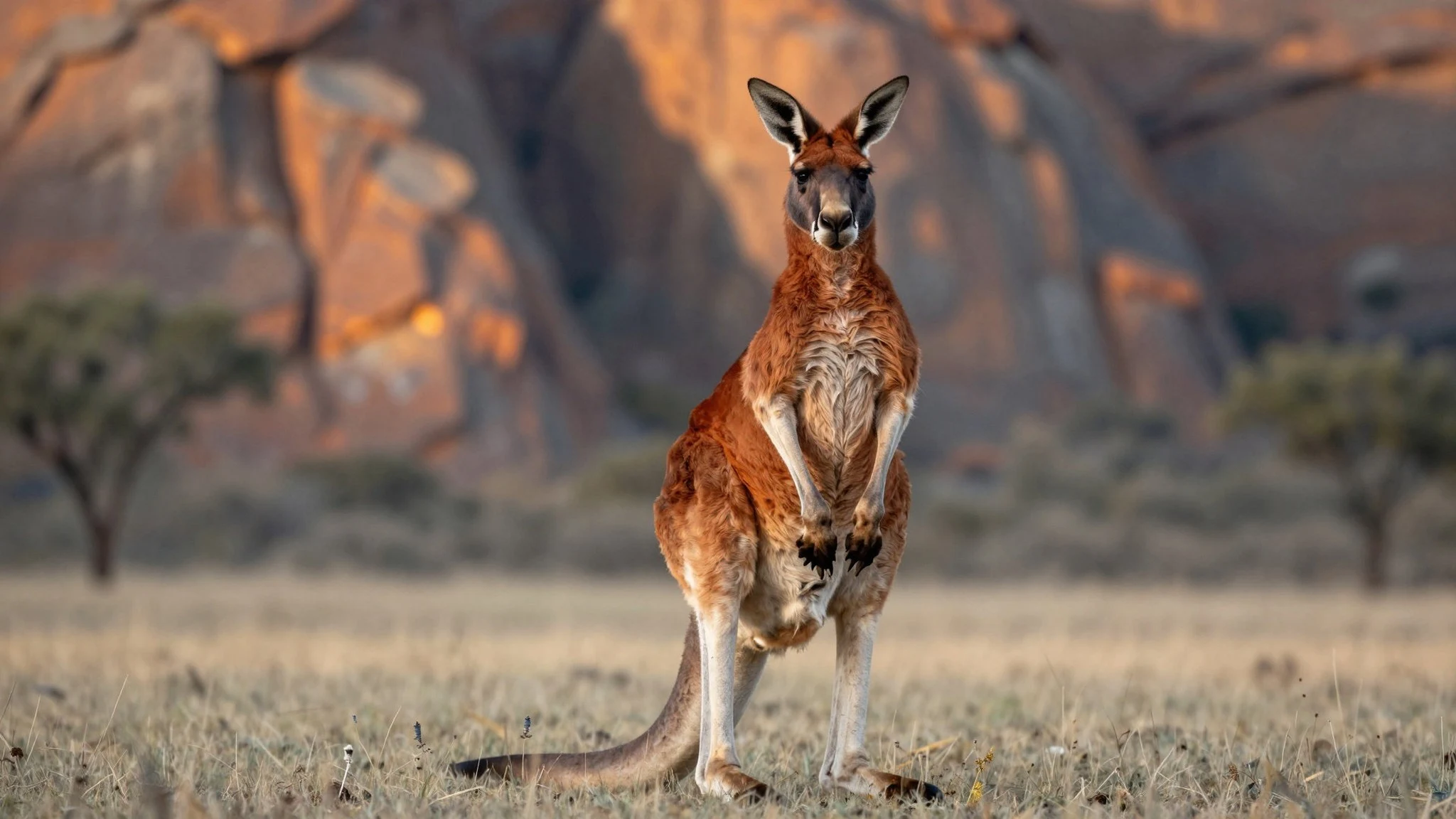
- Emu (animal)
Picture a bird taller than any other in Australia that runs instead of flying: that is the emu. Early in the morning, it feeds on the grassy flats of the sheltered basin inside the rim of Wilpena Pound, alongside the red kangaroos. Keep a calm, comfortable distance, move gently and stay quiet so it does not take fright. Going with a guide is a good idea, and please never hand it any food.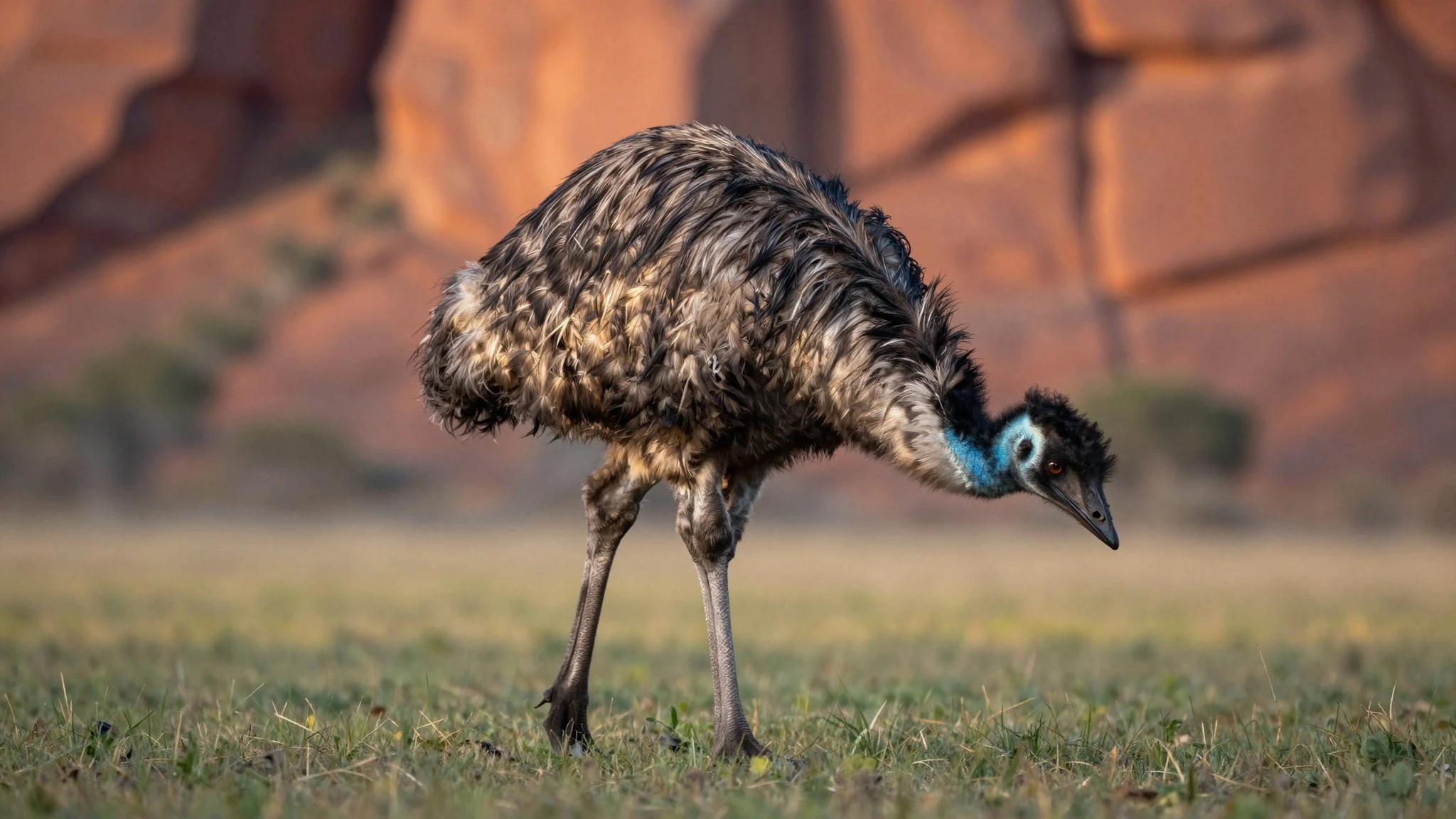
- Emu (bird)
Picture a bird taller than any other in Australia that runs instead of flying: that is the emu. Early in the morning, it feeds on the grassy flats of the sheltered basin inside the rim of Wilpena Pound, alongside the red kangaroos. Keep a calm, comfortable distance, move gently and stay quiet so it does not take fright. Going with a guide is a good idea, and please never hand it any food.