Melbourne
Melbourne, Australia
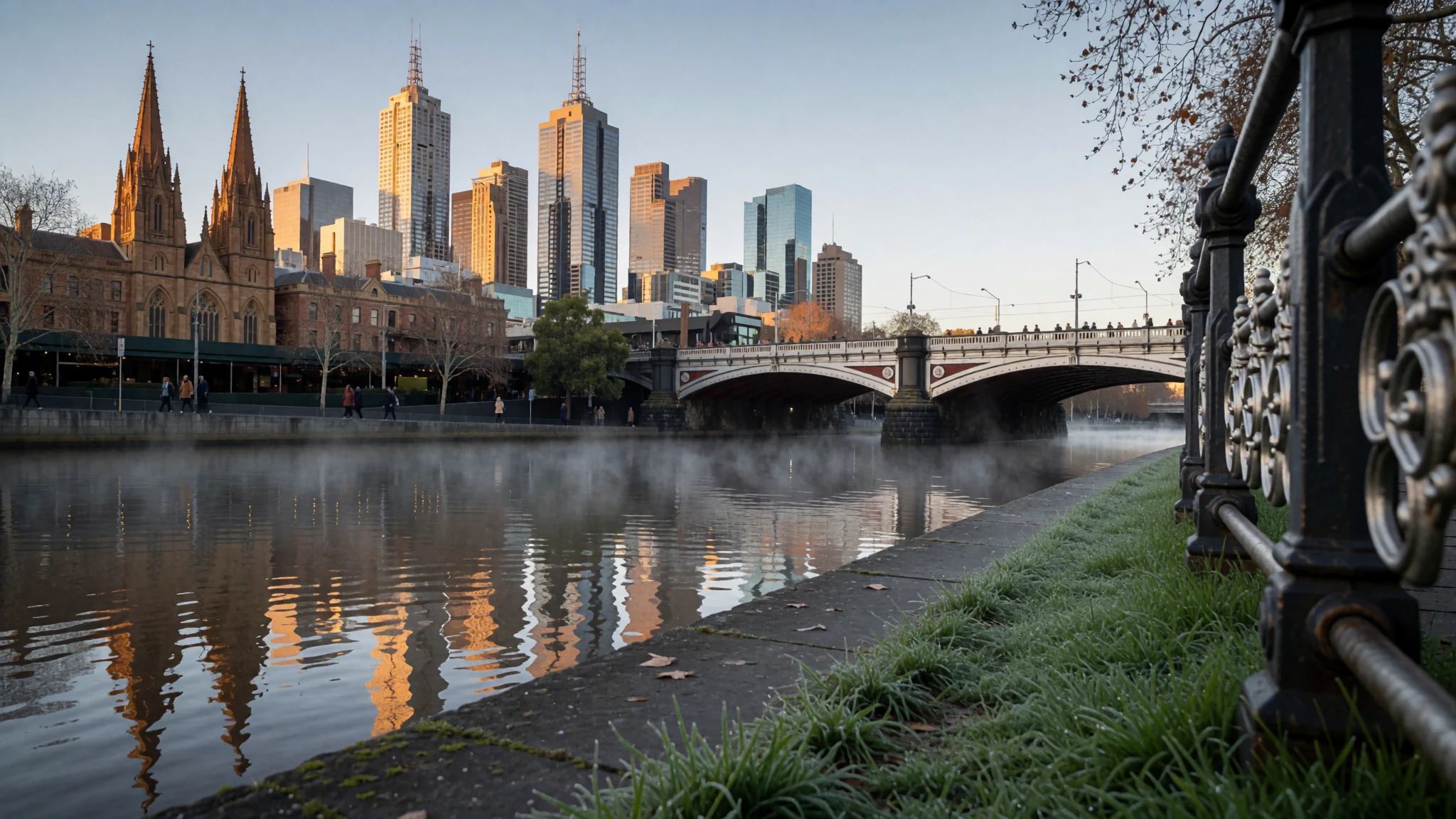
Melbourne offers a vibrant streetscape of hidden laneways, exceptional coffee, world-class galleries, and a thriving arts culture by Port Phillip Bay.
The place
Melbourne is the capital city of Victoria and the second-most populous urban area in Australia. Situated around the northern and eastern shores of Port Phillip Bay, the metropolitan region spans thousands of square kilometres across numerous local government areas. The central business district is laid out in a distinct rectangular grid plan framed by wide, tree-lined thoroughfares and traversed by an iconic network of electric streetcars. Modern skyscrapers stand alongside nineteenth-century Victorian architecture, creating a dense, layered cityscape that feels both historic and contemporary. The Yarra River winds its way past Southbank promenade towards the bay, dividing the commercial heart from leafy inner-city neighbourhoods. With a population exceeding five million inhabitants, who are locally known as Melburnians, the city functions as a major economic and cultural engine for the southern region of the continent. The climate is temperate and changeable, famously capable of delivering four seasons in a single day, which shapes an outdoor lifestyle centred around parks, gardens, and café terraces. Visitors arriving in the urban centre find a highly walkable core supported by commuter trains and suburban buses, making navigation straightforward whether you are heading towards coastal suburbs or inland cultural precincts.
Its story
Indigenous custodianship of the Melbourne region stretches back tens of thousands of years before European arrival. Traditional owners belong to the Kulin nation alliance, which historically comprised multiple distinct language groups including the Wurundjeri, Bunurong, and Wathaurong peoples. For millennia, these fertile river flats and coastal fringes served as vital gathering grounds for seasonal ceremonies, trade, and resource sharing. In the early nineteenth century, permanent European colonisation took root when settlers arrived from Tasmania to establish agricultural agreements and wool-growing enterprises on the northern bay shores. The official founding of the settlement is recorded as occurring in the year eighteen thirty-five, named after British statesman Lord Melbourne. Following the discovery of gold in the surrounding Victorian goldfields during the mid-nineteenth century, the town experienced an unprecedented economic boom known locally as Marvellous Melbourne. Fortunes were forged overnight, financing grand public buildings, ornate coffee palaces, and expansive parklands that still define the metropolitan layout today. Twentieth-century migration waves brought diverse communities from across Europe and later Asia, continually reshaping the social fabric and establishing vibrant culinary districts throughout the inner suburbs. Recent decades have seen formal legal recognition of traditional Aboriginal boundaries across the municipal landscape, fostering deeper historical awareness and cultural appreciation among current residents and visitors alike.
What to see
- State Library Victoria
Founded in the mid-nineteenth century, this historic public institution welcomes visitors into grand study halls. The architectural centrepiece is the magnificent domed reading room, surrounded by exhibition galleries featuring manuscripts and cultural artifacts from across the state's long history.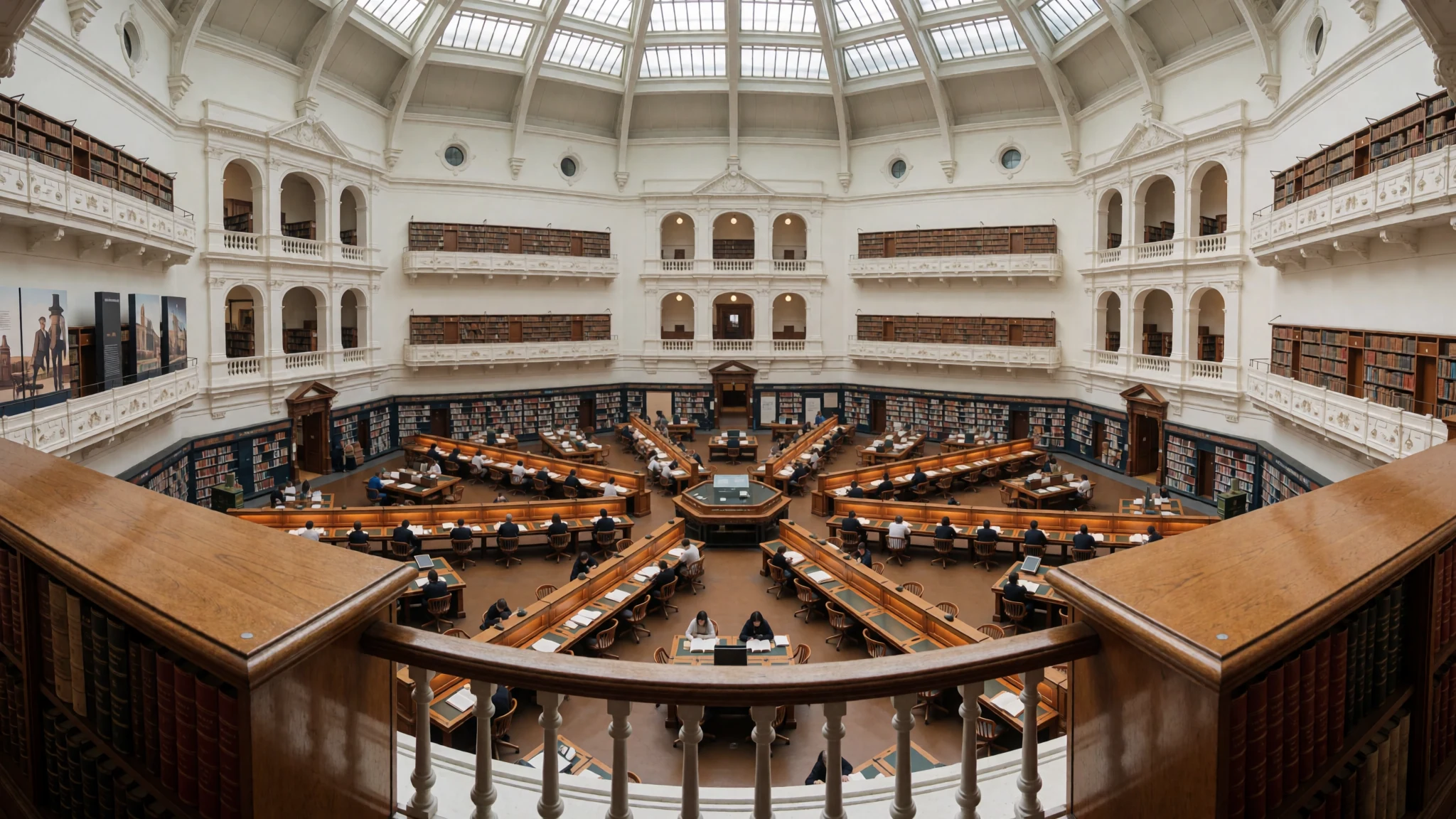
- Flinders Street Railway Station
An enduring metropolitan landmark distinguished by its striking yellow facade and prominent green copper dome. Positioned at a major downtown intersection, the bustling transit hub serves as an iconic meeting place where generations of travellers have gathered beneath the station clocks.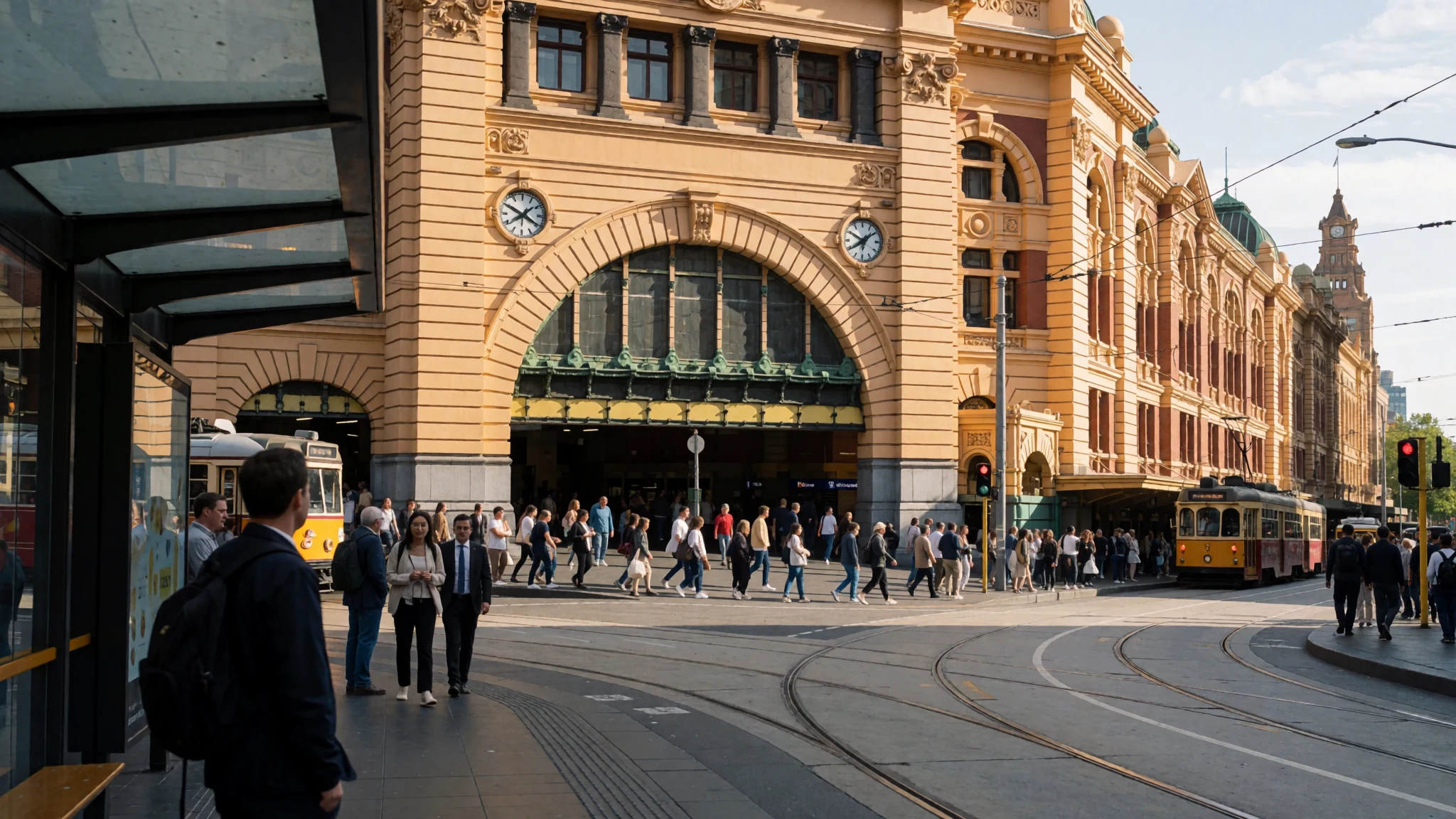
- Shrine of Remembrance
Set amid expansive memorial gardens south of the river, this classical monument honours Australian service personnel. Visitors can climb to the rooftop colonnade for sweeping panoramic views across the central business district skyline and surrounding parklands.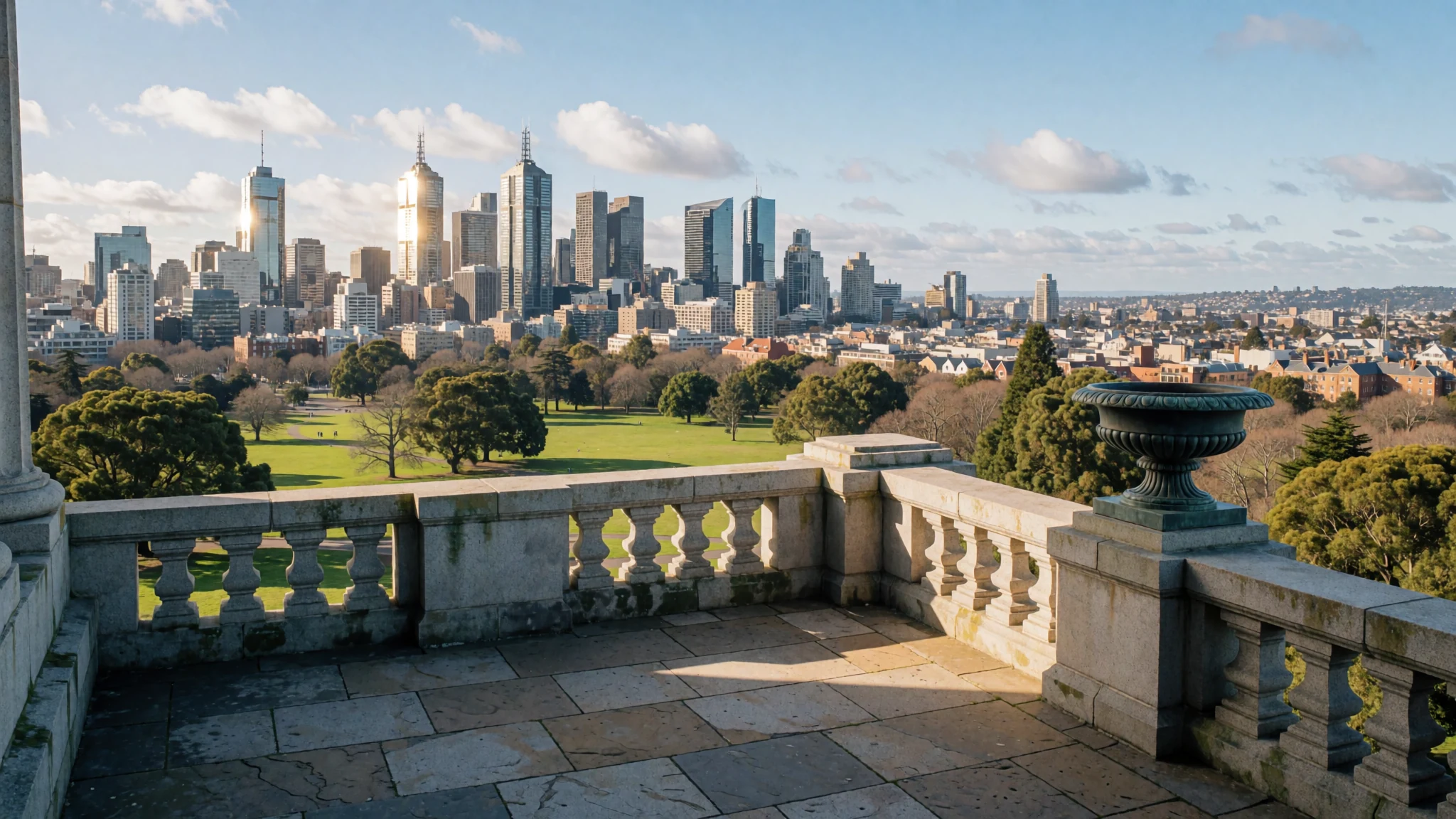
- Royal Exhibition Building
Constructed in the late nineteenth century for international exhibitions, this magnificent structure stands proudly within Carlton Gardens. It remains one of the world's few surviving pavilion-style exhibition buildings from that era, showcasing impressive Italianate architectural detailing.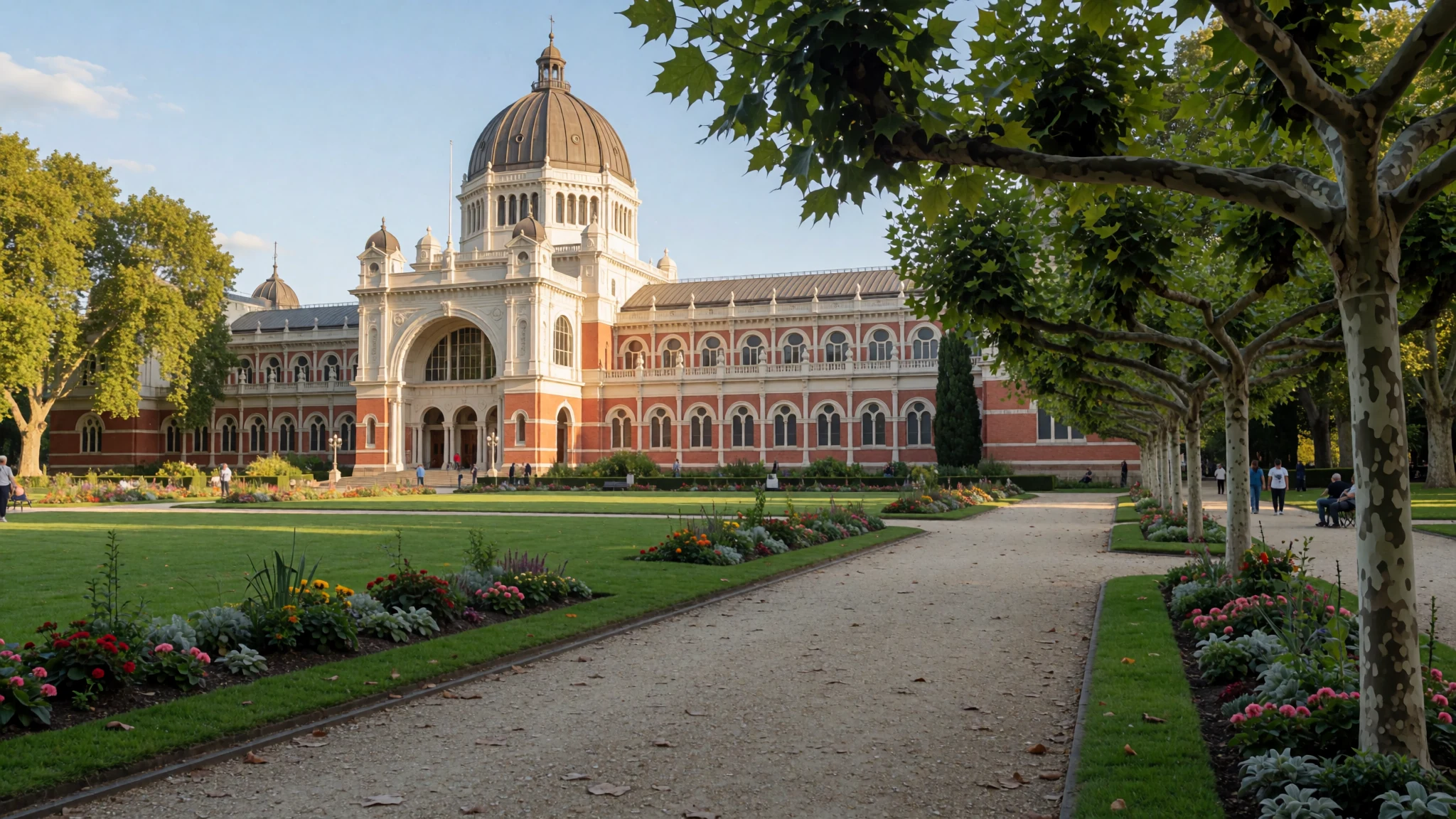
- Melbourne Cricket Ground
Affectionately known to locals as the MCG, this legendary sporting colosseum dominates Yarraside parklands. It stands as a cathedral for Australian rules football and international cricket matches, hosting enormous crowds during major winter finals and summer test series.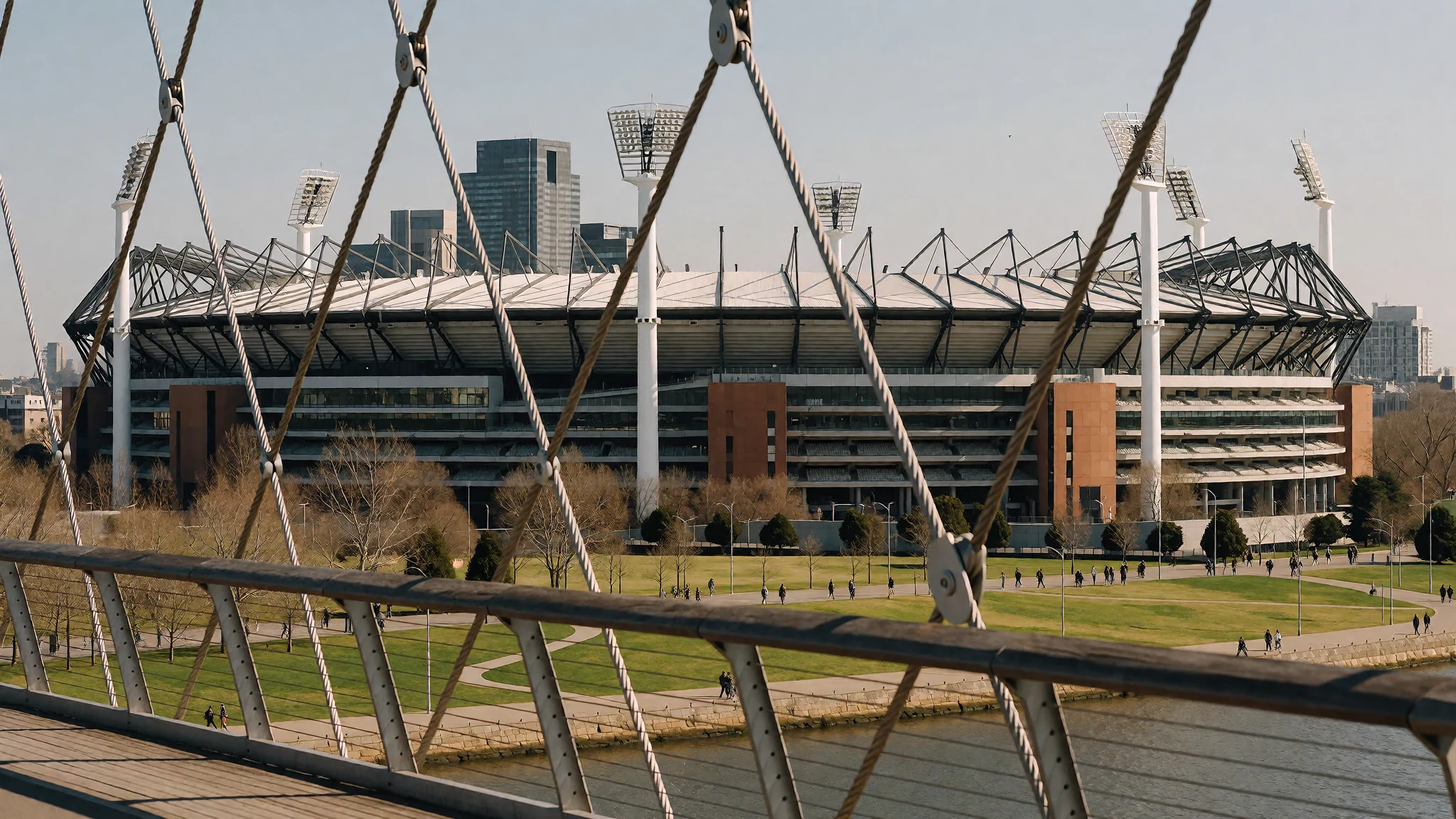
Culture
Often celebrated as the cultural heart of the continent, Melbourne nurtures a passionate community devoted to independent music, theatre, contemporary art, and international film festivals. The urban identity is deeply entwined with spectator sports, particularly Australian rules football, which draws immense crowds to suburban stadiums every winter weekend. Creative expression spills outdoors into labyrinthine pedestrian laneways, where rotating murals and stencil installations transform alley walls into open-air galleries. Public life revolves around an exceptional cafe culture born from post-war migration, turning morning espresso into an almost daily ritual shared across neighbourhood terraces. Residents value public green spaces, cycling paths, and a relaxed, egalitarian approach to social interaction. When attending sporting matches or cultural performances, respectful quiet during formal announcements or acknowledgements of traditional country is standard practice.
What to wear
The everyday style of Melbourne is famously dominated by urban black, reflecting an understated, modern aesthetic favoured by local designers and creative professionals. Residents dress with practical elegance, leaning towards tailored wool coats, minimalist knitwear, and comfortable footwear suitable for navigating stone-paved laneways and tram platforms. Traditional attire for formal civic occasions draws from contemporary Western tailoring, while Indigenous cultural events frequently feature woven fibre adornments and garments created by Aboriginal textile artists using native botanical motifs. Visitors should pack versatile layers that can adapt quickly to shifting weather conditions, including a reliable waterproof jacket and windbreaker regardless of the season. Sturdy walking shoes are essential for exploring the sprawling grid and parklands on foot. While casual denim and smart sportswear are widely accepted in restaurants and bars, carrying a smarter jacket or dress is recommended for upscale dining rooms and theatre venues.
What to eat
- Flat White — Laneway espresso bars across the central district
A signature espresso beverage combining a double shot of espresso with microfoamed milk, creating a velvety texture and rich coffee flavour. Enjoy this morning staple at independent coffee windows throughout the central business district and inner residential lanes.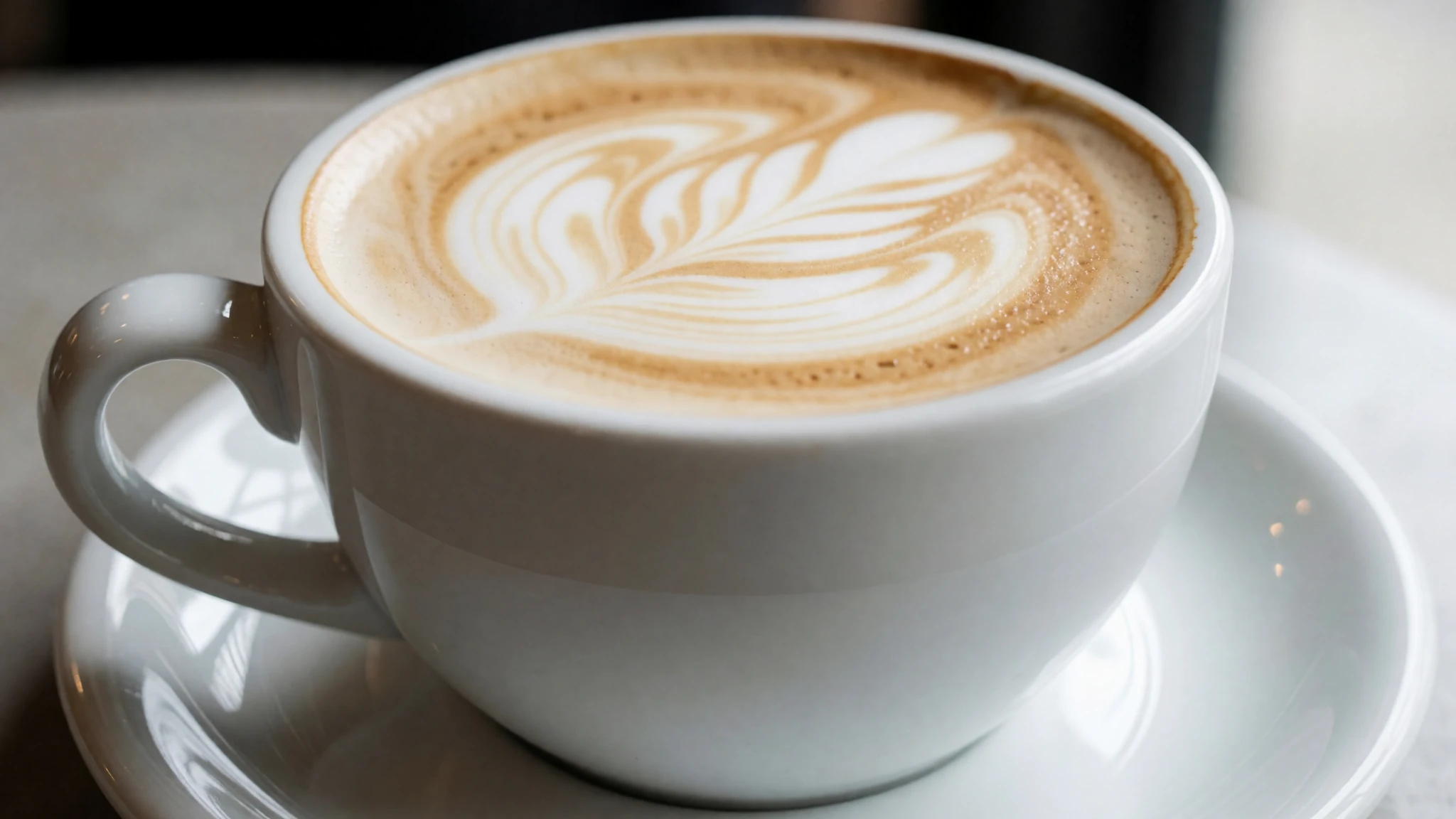
- Avocado Smash — Neighbourhood brunch cafes in Fitzroy and Richmond
A beloved brunch classic featuring mashed ripe avocado seasoned with lemon juice, salt, and crumbled feta cheese, served atop thick artisanal sourdough toast. Find this nourishing morning dish at neighbourhood brunch cafes in Fitzroy and Richmond.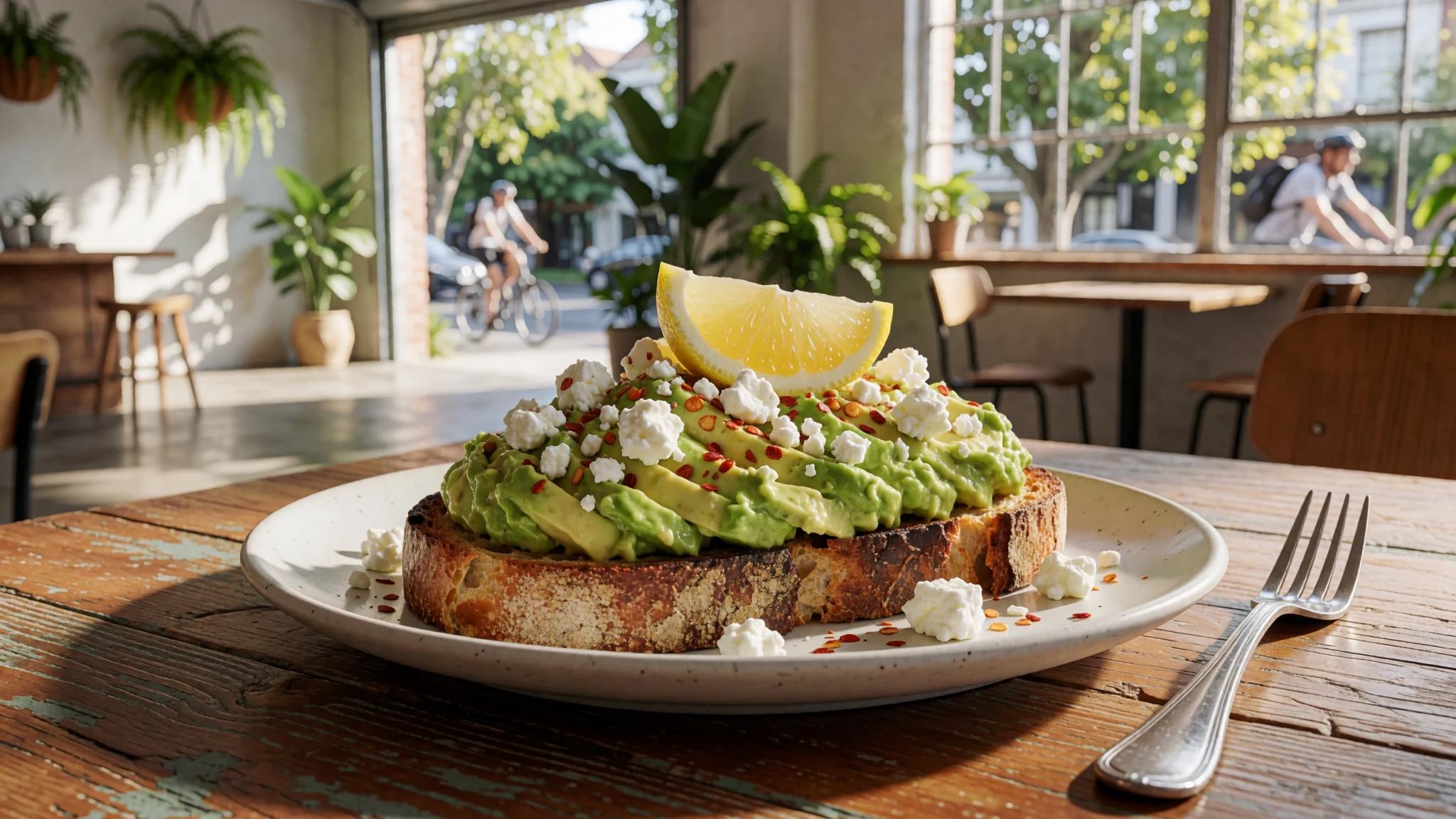
- Meat Pie — Traditional local bakeries and sports stadiums
A comforting pastry staple filled with diced or minced beef and rich gravy, traditionally topped with tomato sauce. Purchase these savoury pies from corner bakeries and sports stadium concession stands during weekend football matches.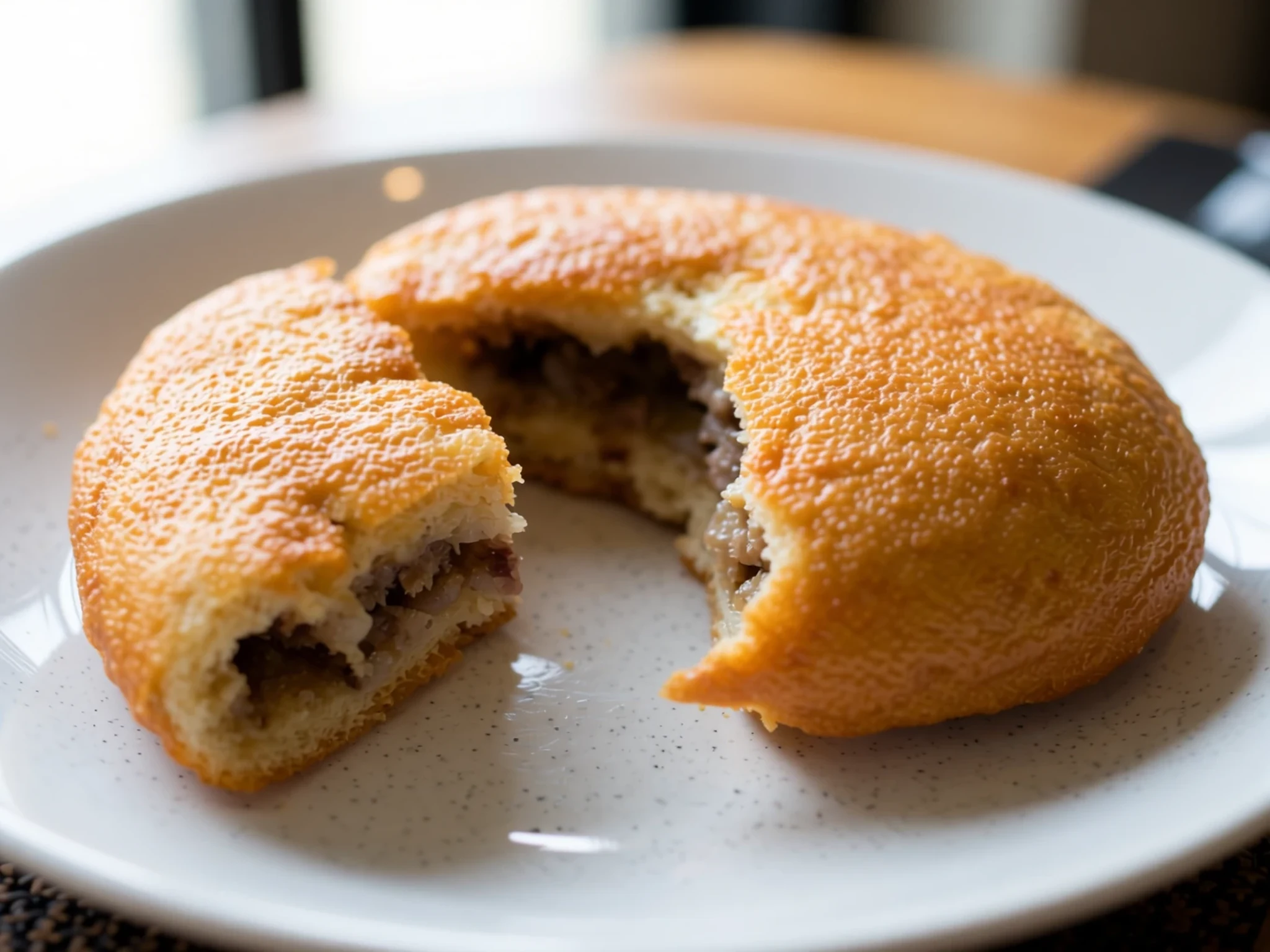
- Dim Sim — Suburban fish and chip shops and local markets
An iconic local adaptation of traditional Chinese dumplings, featuring minced pork and cabbage wrapped in pasta skin, served either steamed or deep-fried. Discover these popular snack items at traditional fish and chip shops across the metropolitan area. - Lamington — Heritage suburban bakeries and community cake stalls
A traditional sponge cake square dipped in chocolate coating and rolled in desiccated coconut, sometimes layered with strawberry jam. Pick up fresh variations at heritage bakeries and corner sweet shops throughout the urban quarters.
Plan it
Best time. May during autumn or September during spring, when daytime temperatures are mild and pleasant for walking.
How long. 3–4
Getting there. Arrive at Melbourne Airport in Tullamarine, then catch the regular SkyBus airport shuttle service directly into the city centre.
Budget. mid
Tips
- Pack layers and an umbrella because local weather conditions can shift rapidly within a single day
- Use public tram services within the designated free tram zone covering the central business district
- Book table reservations well in advance for popular weekend brunch spots and acclaimed dining rooms
- Wear comfortable walking shoes to explore the extensive network of hidden arcades and graffiti laneways
Etiquette
- Tipping is not customary in Australian restaurants because service staff receive standard award wages
- Stand on the left side of escalators on the railway network to allow faster commuters to pass on the right
Nearby
Sources
- Wikidata Q3141 (CC0)
- Wikipedia (rev 1382570419) (CC-BY-SA 4.0)
- Wikivoyage (rev 5410935) (CC-BY-SA 4.0)