Bruny Island
Bruny Island, Australia
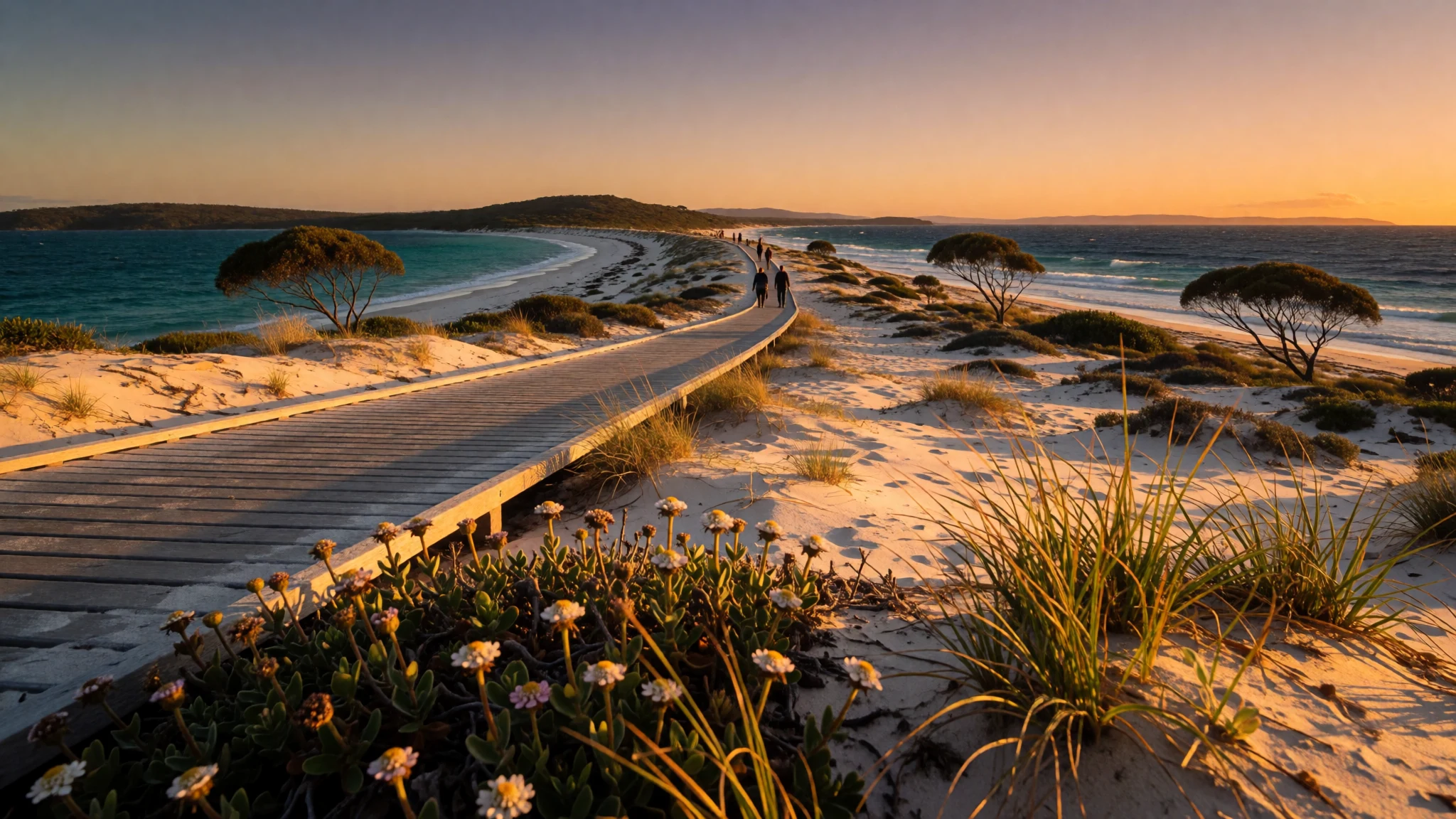
Bruny Island offers wild Tasmanian coast, penguins at dusk and a produce trail of oysters, cheese and honey, all a short ferry hop from Hobart.
The place
Bruny Island lies off the south-east of Tasmania, where the Derwent and Huon estuaries meet Storm Bay. A narrow stretch of water, the D'Entrecasteaux Channel, separates it from the mainland, and Hobart is to the north. The island covers about 362 square kilometres and runs roughly 50 kilometres end to end, yet only about 600 people live here, so it feels thinly settled. In practice it is two islands, North Bruny and South Bruny, tied together by a slim sandy isthmus known as The Neck. Dennes Point, a holiday village, sits on the northern half. The southern half holds Alonnah, Adventure Bay and Lunawanna. Away from the villages the land is mostly grazing paddocks and dry eucalyptus forest, some of it logged inland, while much of the south-east coast is protected as South Bruny National Park. Two long beaches, Adventure Bay and Cloudy Bay, face the open sea, and the rest of that shore is rugged, with dolerite cliffs rising above 200 metres. The channel side is calmer and popular with anglers and people in small boats. The recorded elevation is 571 metres. The Aboriginal name for the island, lunawanna-allonah, lives on in two of its settlement names, so the language is still on the map even where few signs of its speakers' daily life remain visible to a passing visitor.
Its story
Bruny Island was home to Aboriginal Tasmanians long before any ship appeared, and some islanders today trace their descent from those people. Abel Tasman sighted the coast in November 1642 but never realised it was an island. That discovery fell to Tobias Furneaux, who anchored in Adventure Bay in March 1773 and named the bay after his ship. James Cook followed in January 1777 and is said to have carved his initials into a tree there; the tree burned in a bushfire in 1905, and a plaque now marks the spot. William Bligh also stayed in the area, in 1788 and again in 1792. That second year brought the French explorer Bruni d'Entrecasteaux to the channel that now bears his name. The island itself was spelled Bruni until 1918, when the final letter changed to a y. Whalers came next. British and American ships worked the waters off the coast through the early nineteenth century, one reported in Adventure Bay in 1804, and shore stations followed, with one operating by August 1826. Those stations turned a quiet bay into a working industrial landing. Truganini, often described as the last full-blooded Aboriginal Tasmanian, was born on Bruny, which makes the island part of a painful and still-contested chapter of Tasmanian history as well as a pleasant place for a weekend.
What to see
- The Neck and its penguin colony — The Neck, between North and South Bruny
On Bruny Island the narrow isthmus called The Neck joins the northern and southern halves, with sea close on both sides. Little penguins nest here, and a hide lets visitors watch them come ashore after dusk. Stay on the marked path, because the nests sit very close to it and are easily crushed.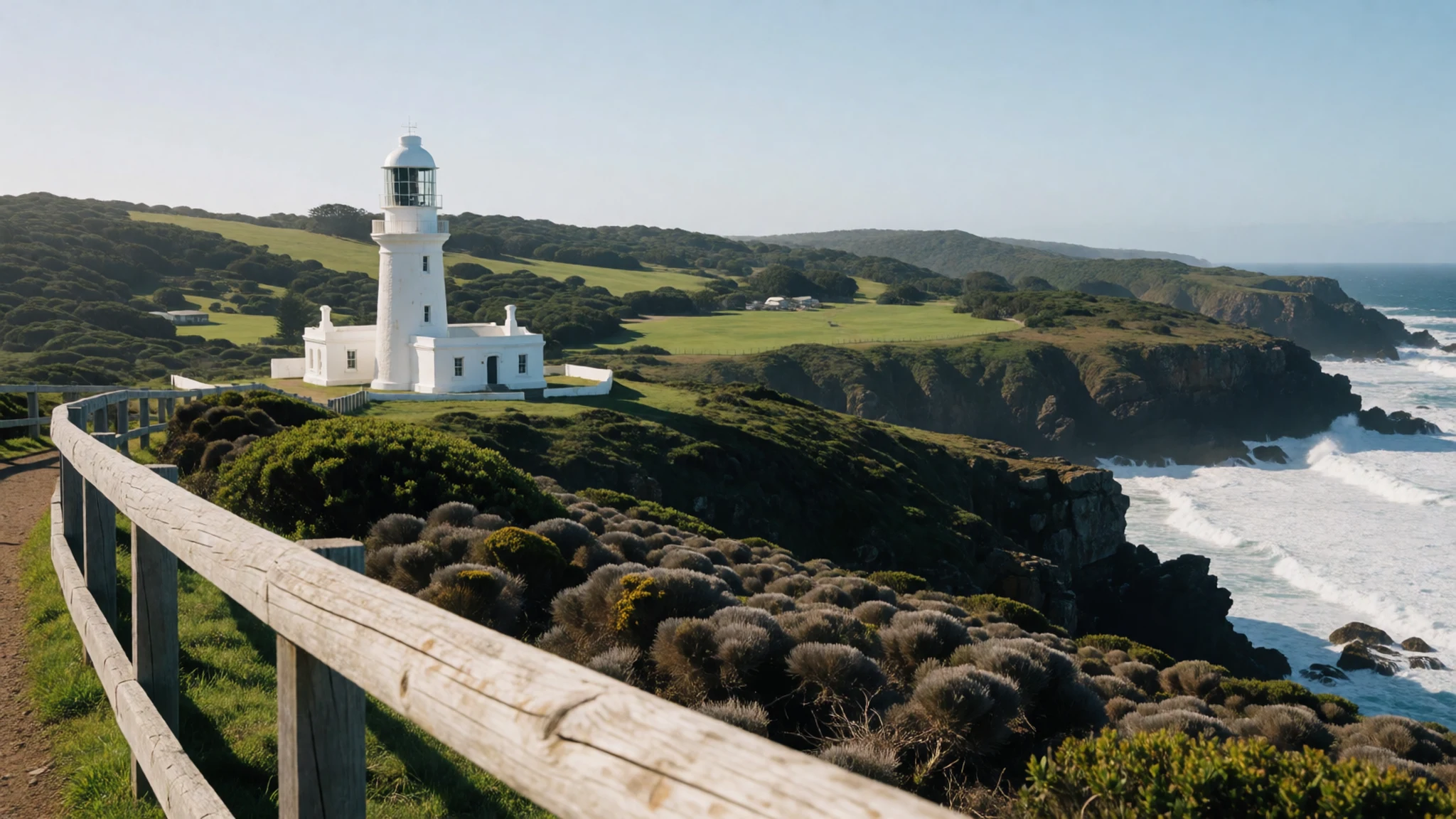
- Cape Bruny Lighthouse — Southern tip of South Bruny
At the far southern end of Bruny Island stands a lighthouse built in 1836, set among the windswept scrub and coast of South Bruny National Park. The keepers also look after the surrounding park. It is a long drive from the ferry, so allow time, and expect strong wind whatever the season.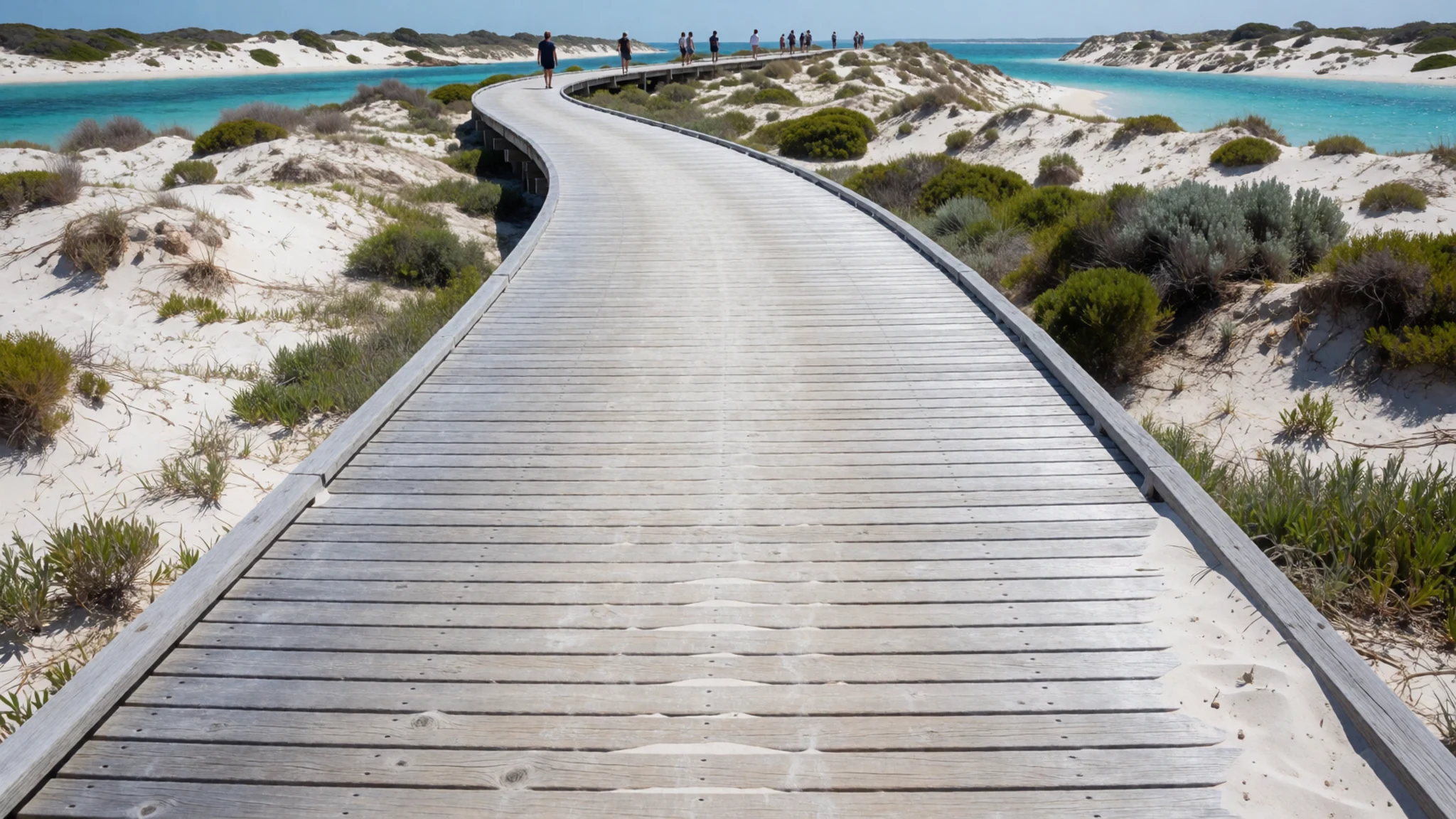
- Bligh Museum of Pacific Exploration — Adventure Bay
This small museum at Adventure Bay on Bruny Island gathers objects from the exploration of the South Pacific. The building itself is worth a look: it was made from convict-fired bricks from North Bruny. It suits a wet afternoon and gives useful context for the bay outside.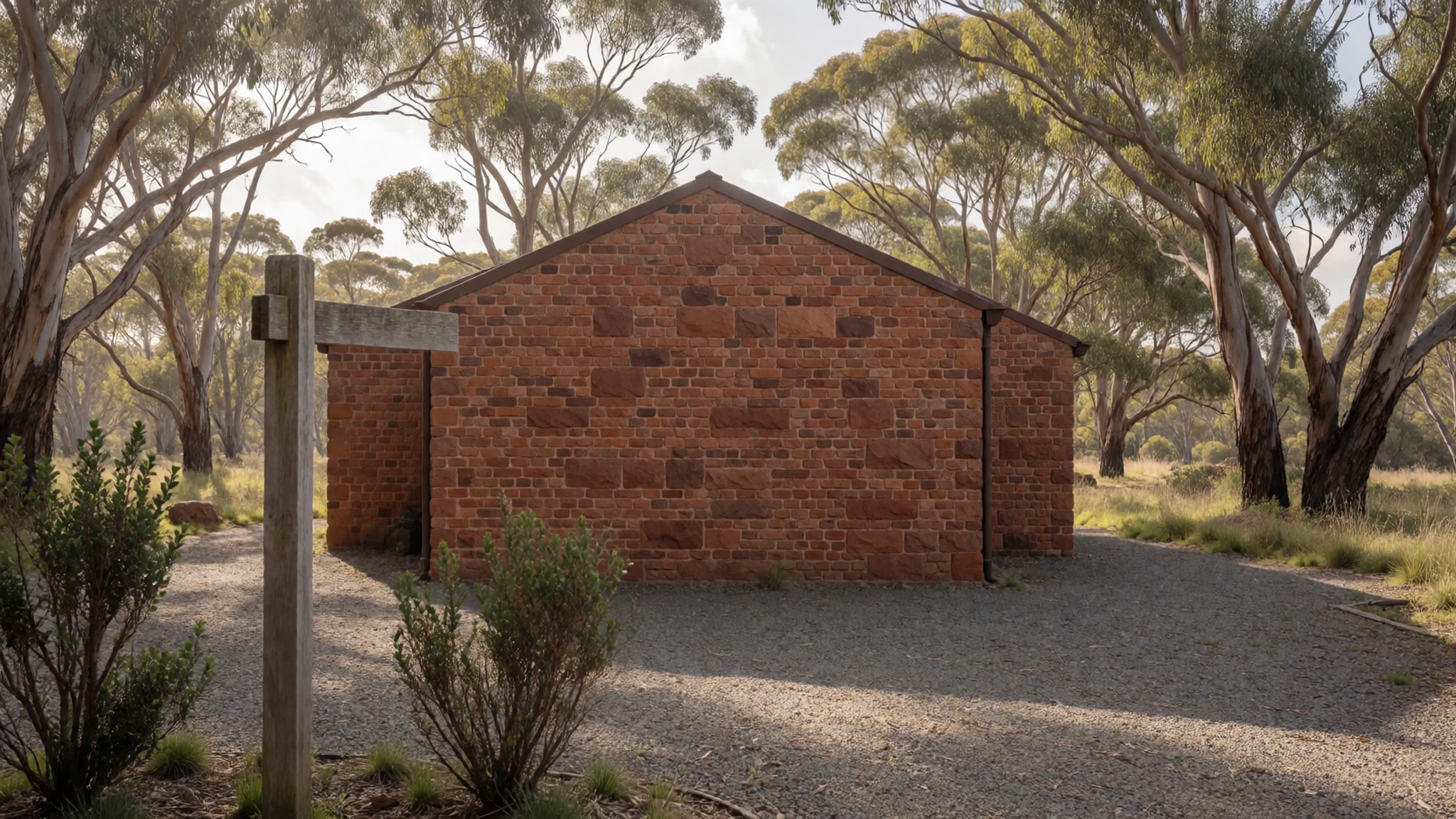
- Bruny History Room — South Bruny
A modest local museum on Bruny Island covering the island's own story, from the people who first lived here through settlement and the whaling years. It is small and run on a community scale, so treat it as a short stop. Check the island website for opening arrangements before making a special trip.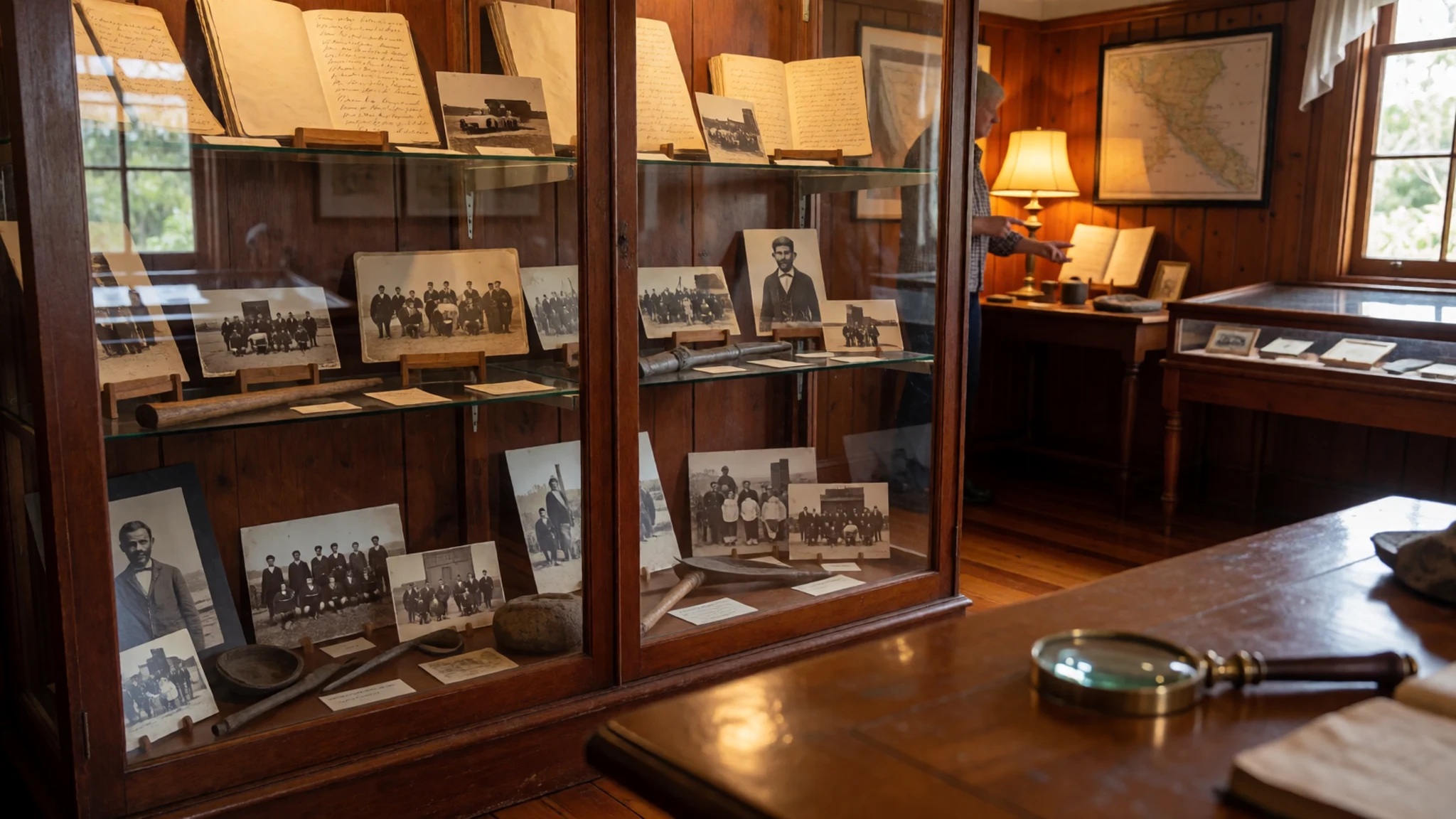
- Wallabies and shearwaters — Island roads and coast
Bennett's wallabies are easy to find on Bruny Island, usually at dawn and dusk along the verges and in paddocks. Slow driving matters, because roadkill is a common sight on the main road. Shearwaters, also called muttonbirds, are migratory seabirds that breed here after crossing the oceans.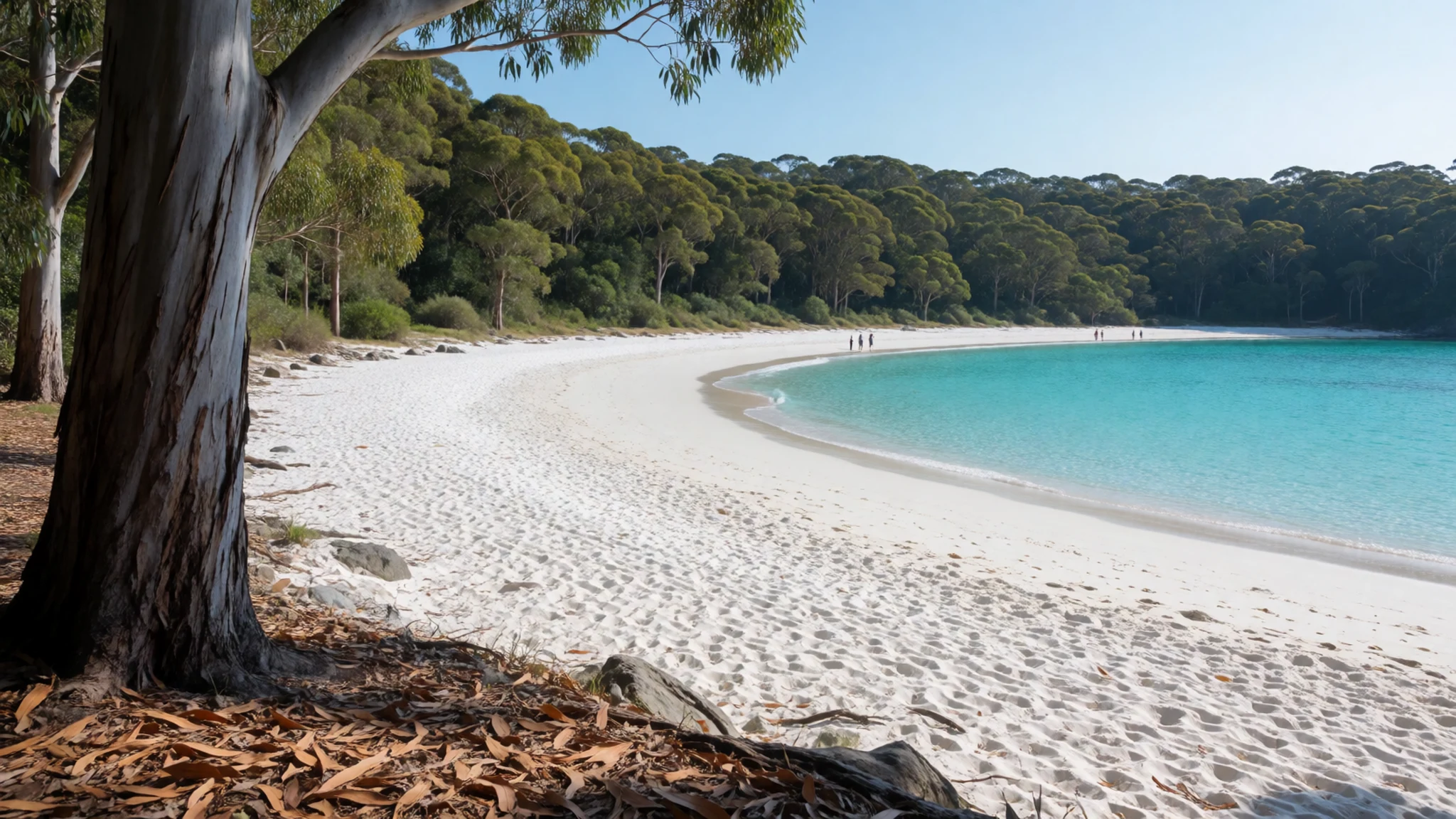
Culture
Bruny Island is a small community with a long Aboriginal history and a farming and fishing present. The island's original name, lunawanna-allonah, is still used in place names, and Truganini's birth here makes the island significant to Tasmanian Aboriginal people and to the wider story of colonisation in Tasmania. Visitors will find that the colonial layer is just as visible, from Cook's commemorated tree to the convict bricks in the Adventure Bay museum, and the whaling stations that once worked the bays. Day to day, life runs around the ferry timetable, the weather and the seasons. Many residents work in farming, fishing, tourism or small-scale food production, and the island's makers tend to cooperate rather than compete, which is why tasting trails are linked up and recommendations flow freely between producers. Dinner options are fewer than lunch options, so evenings are quiet, and locals plan around that. Nature is the main attraction, and the animals here, from little penguins to wallabies, are wild and living with traffic and visitors. Pace tends to be slow and polite, a bit like a village anywhere. Greet people you pass on country roads, give way generously on the narrow ones, and treat the small museums as the community projects they are. Keep to the marked path at the penguin hide on The Neck and avoid torches or flash after dark, so the birds can reach their nests undisturbed.
What to wear
For Aboriginal Tasmanians the traditional dress of Bruny Island and its surroundings was practical rather than elaborate: cloaks of skin, worn in the cold, and ornament made from natural materials. The shell necklaces of Tasmanian Aboriginal women, strung from tiny iridescent shells gathered on the shore, remain a living craft passed between generations and are worn and made today. Visitors who want to buy should look for work sold directly by Aboriginal makers rather than imitations. Everyday dress on the island is plain and weather-led. Residents wear wool jumpers, waterproof jackets, work boots and sturdy hats, and fishing and farm clothing is common sight in any village. Nobody dresses up for dinner, and the few places that serve it are casual. A visitor should pack for four seasons in a day, whatever the month. Layers matter most: a windproof, waterproof outer layer, a warm mid-layer, and a sun hat and sunscreen for clear days, since the sun is strong. Closed shoes with grip suit the cliff paths, wet boardwalks and slippery rocks, and a pair of sandals is enough for the beach if the water is warm enough. There are no religious dress codes to worry about, though modest swimwear and covering up in cafes is courteous. A small day bag and a light torch for dusk are useful.
What to eat
- Oysters — Island produce trail and farm-gate stalls
Oysters are a staple of Bruny Island and are usually served very fresh, plain or with a squeeze of lemon. Look for them at farm-gate stalls and tasting stops on the island produce trail, often alongside local wine.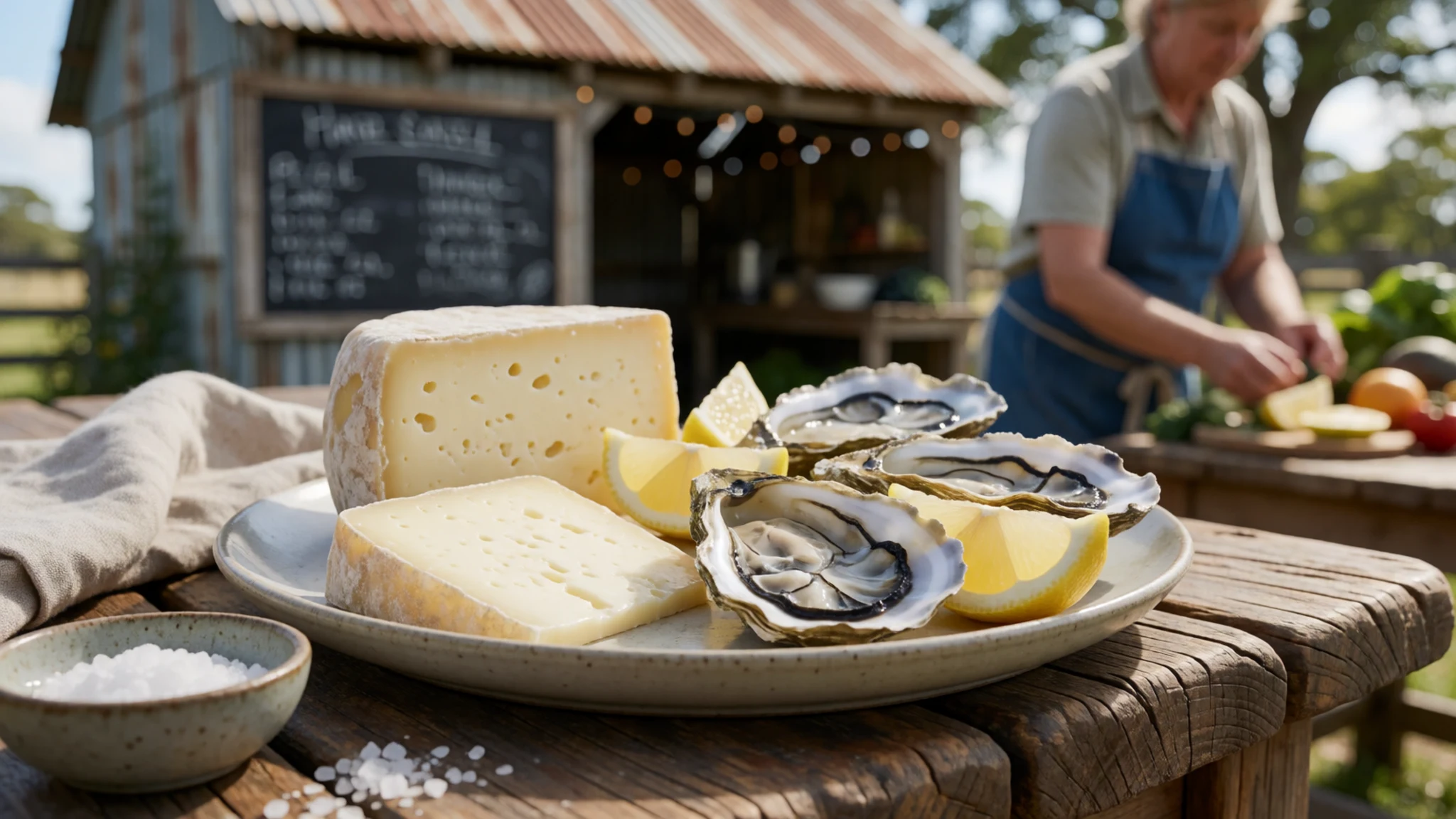
- Local cheese — Cheese producers and cellar doors on South Bruny
Cheeses made on the island are sold in tasting plates, often paired with honey or fruit. They suit a long lazy lunch, and the cheesemakers are usually happy to explain how their milk and methods differ.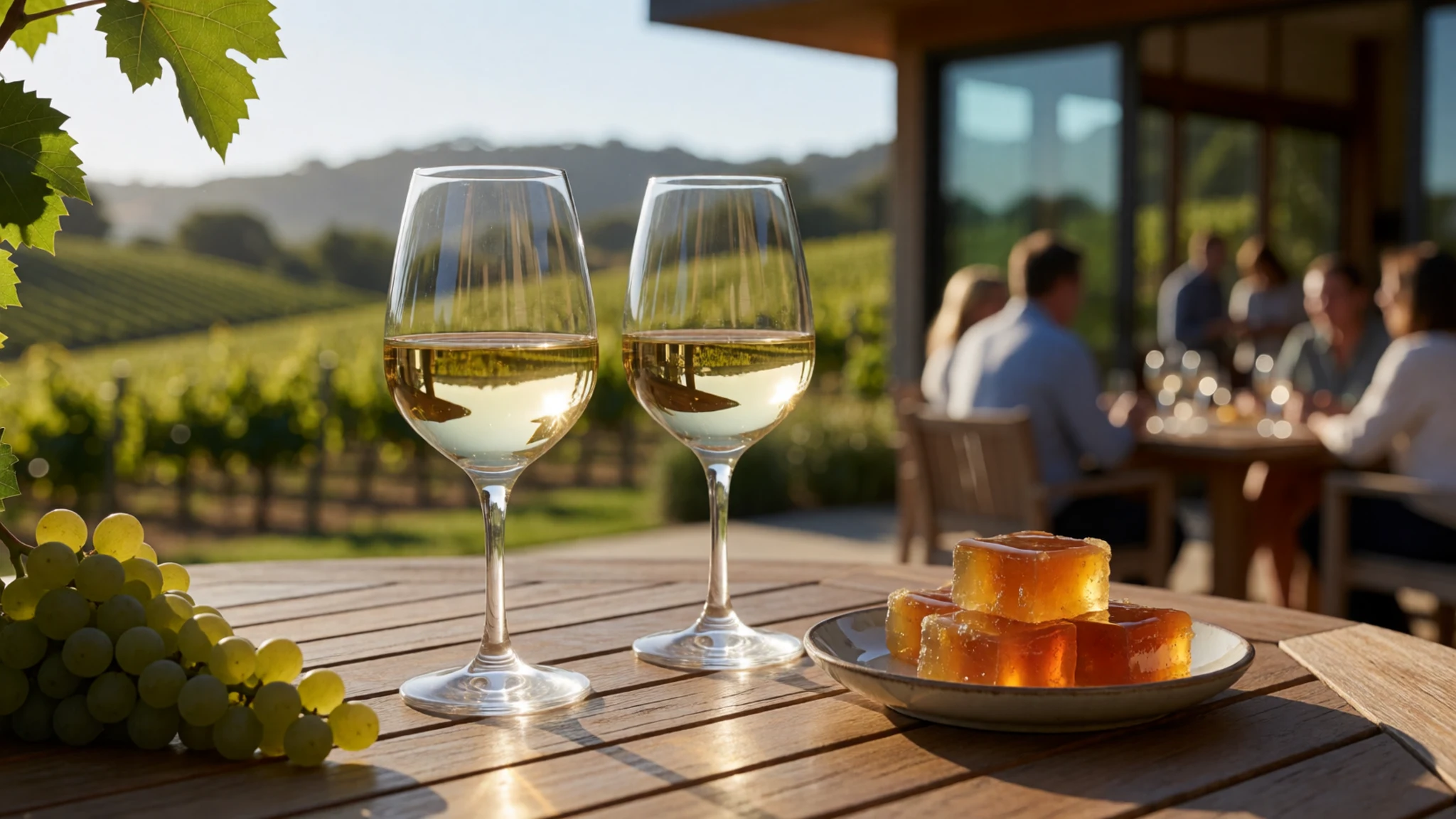
- Bruny honey — Roadside stalls and producer tasting rooms
Honey from island hives is sold at roadside stalls and tasting counters, and tastes of the eucalyptus and wildflowers around it. It is a convenient and portable gift, and travels well in a bag. - Cool-climate wine tasting plate — Cellar door at Lunawanna
Bruny Island Wines at Lunawanna offers tastings, and visitors can add a plate of local cheese, oysters, honey or other farm produce. It makes a pleasant lunch stop on the road south. - Crepes and fudge — Village cafes and shops around Adventure Bay
Sweet treats are part of the island's food culture. Fresh crepes are a popular order at village cafes, and local fudge is sold at several shops as a take-home souvenir.
Plan it
Best time. December to March, the southern summer, for the longest days and the best chance of calm beach and walking weather; the island is exposed and cool at any time, so bring layers. Penguins come ashore after dusk, so late evenings need a warm coat.
How long. 2–3
Getting there. Fly to Hobart, then drive south to Kettering, which takes around 30 minutes from the city. A car ferry crosses to Bruny Island in around 15 minutes. There is no car hire on the island, so rent in Hobart and check beforehand that the company allows ferry travel.
Budget. mid
Tips
- Check ferry fares and the timetable on the official island site, brunyisland.org.au, and arrive early for departures as they leave promptly
- Buy snacks and coffee at the ferry terminals, as there are no toilets on the ferry itself
- Plan for lunch as the main meal, since dinner choices are narrower than lunch ones
- Carry water and a torch for the penguin hide after dusk
- Drive slowly at dawn and dusk when wallabies are on the roads
Etiquette
- Stay on marked paths near penguin nests and avoid torches or flash
- Buy Aboriginal craft directly from makers and treat historic sites respectfully
- Greet locals and give way on narrow roads
Nearby
Sources
- Wikidata Q25605 (CC0)
- Wikipedia: Bruny Island (rev 1363903884) (CC BY-SA 4.0)
- Wikivoyage: Bruny Island (rev 5396028) (CC BY-SA 4.0)
- Photo: Australia Tasmania location map Bruny Island — Chuq (CC BY-SA 4.0)
- Photo: Aerial perspective of the isthmus of Bruny Island — Bob T (CC BY-SA 4.0)
- Photo: Phalacrocorax fuscescens Roosting — JJ Harrison (CC BY-SA 2.5)
- Photo: Bruny Island Airport 1 — Mx. Granger (CC0 1.0)
- Photo: Bruny Island Tasmania 02 — MDRX (CC BY-SA 4.0)
- Photo: Rock pillars, Bruny Island — Norton Ip (CC BY-SA 2.0)
- Photo: Phylidonyris novaehollandiae Bruny Island — JJ Harrison (CC BY-SA 2.5)
- Photo: Macropus rufogriseus rufogriseus Bruny — Noodle snacks (CC BY 3.0)


Wildlife
- Little penguin (animal)
Picture the tiniest penguin anywhere, dressed in deep blue-grey feathers: that is the little penguin, also called the fairy penguin or kororā. It spends its daylight hours fishing at sea. On Bruny Island, wait on the boardwalk above the turquoise water, and as night settles you may see the colony come ashore and head back to their nests. The boardwalk is the best place to stand and watch.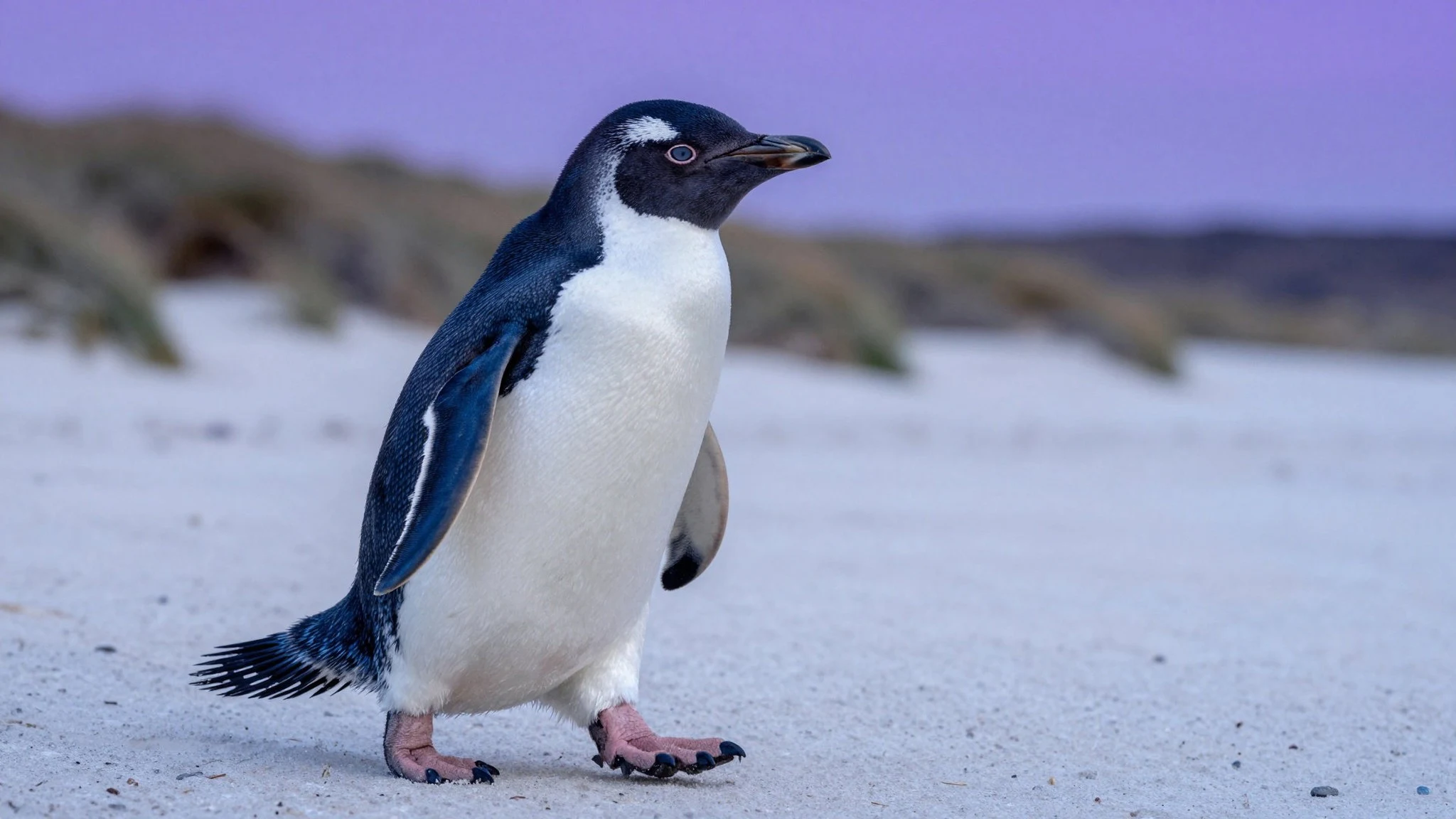
- Little penguin (bird)
Picture the tiniest penguin anywhere, dressed in deep blue-grey feathers: that is the little penguin, also called the fairy penguin or kororā. It spends its daylight hours fishing at sea. On Bruny Island, wait on the boardwalk above the turquoise water, and as night settles you may see the colony come ashore and head back to their nests. The boardwalk is the best place to stand and watch.