Cape Le Grand National Park
Cape Le Grand National Park, Australia
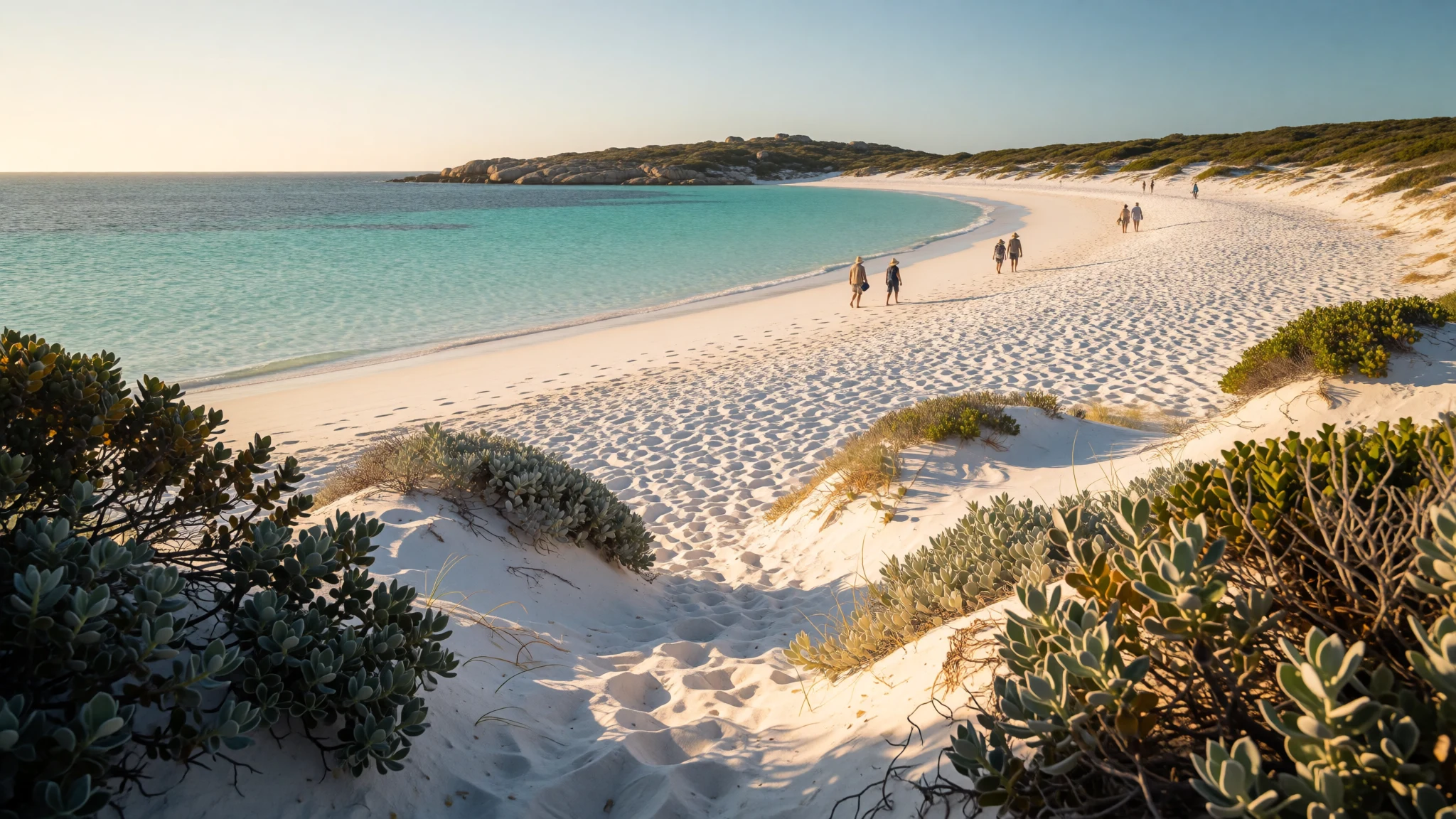
Cape Le Grand National Park pairs pale granite peaks with white-sand bays on Western Australia's south coast, and the walks and swims are easy.
The place
Cape Le Grand National Park sits on the south coast of Western Australia, east of the port town of Esperance and a very long drive from Perth, the state capital. It is a landscape of pale granite and bright sand. Domed peaks rise close to the sea, headlands take the full force of the Southern Ocean, and between them lie small bays where the water is calm enough to wade into. The park covers 31,801 hectares. Inland of the shore the ground flattens into heath-covered sandplain, scattered with freshwater pools and swamps, which is a very different country from the rocky coast. The southwest corner holds the high ground: a chain of gneiss and granite outcrops that includes Mount Le Grand at 345 m and Frenchman Peak at 262 m. This land has stayed dry and unscoured by glaciers for an exceptionally long age, and many primitive relict species still live here as a result. The beaches include Lucky Bay, Hellfire Bay, Thistle Cove, Rossiter Bay and Le Grand Beach. Offshore, the scattered islands belong to the Recherche Archipelago Nature Reserve, while Cape Arid National Park continues the coast to the east. The park was established in 1966 and is run by the state's parks agency. People come to walk, fish, camp and swim, and facilities are modest: two camping areas, free barbecues and water taps, with the nearest shops back in Esperance.
Its story
The story of Cape Le Grand National Park has three layers: rock, voyages and protection. The rock came first, and it is ancient, with granite and gneiss that have outlasted countless seas and seasons. Aboriginal people knew this coast long before any ship appeared, and the hollow beneath the summit of Frenchman Peak is said to hold traces of very old human use. The European layer began with a French expedition in 1792 led by Bruni d'Entrecasteaux. One of its ships, L'Espérance, carried an officer named Le Grand, and his name stuck to the cape. Mississippi Hill takes its name from a French whaler, a reminder that whalers and sealers worked this coast too. Lucky Bay has served sailors as sheltered water for centuries, which is why its name feels earned. In 1991 the tanker Sanko Harvest struck a reef nearby and spilled fertiliser and diesel into the bay before it was declared a wreck, and it has since become a dive site. The third layer is protection. The park was established in 1966, partly because the coastline and its plant life were worth keeping intact. Its present rules are practical ones, shaped by the ocean's behaviour: tides that trap vehicles on the sand, rips off reef-backed beaches, and freak waves that come without warning.
What to see
- Lucky Bay — Western park, camping area
Lucky Bay is the beach most visitors head for first, a long curve of very white sand and clear shallows with granite behind. It has been a sheltered anchorage for centuries and today holds one of the park's two camping areas. Kangaroos sometimes rest on the sand, so walk quietly and give them space.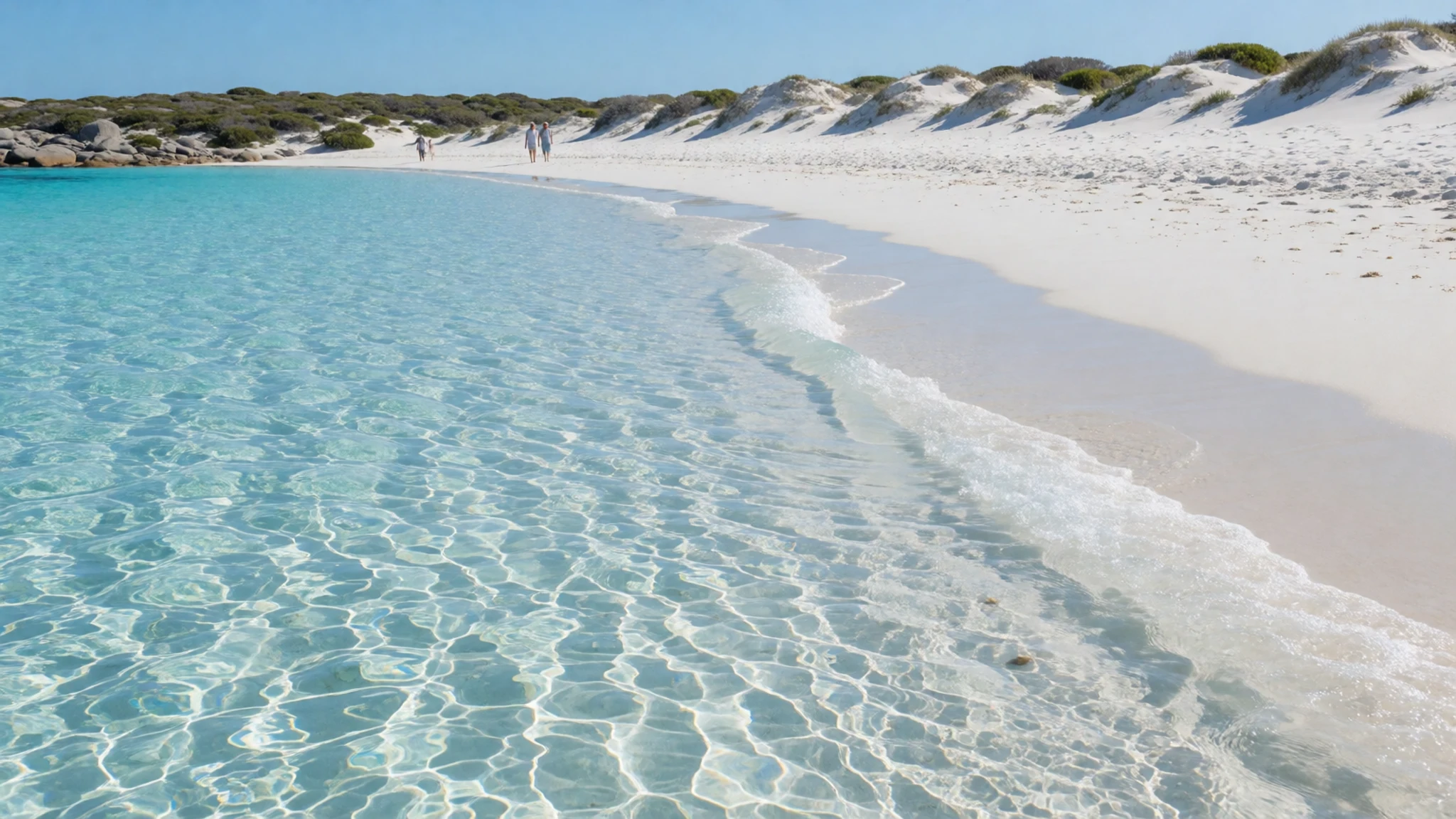
- Frenchman Peak — Inland, central park
Frenchman Peak is a granite cone, 262 m high, and the gentlest of the park's summits to climb, so it gives wide views over coast and heath without technical effort. The top is windy and can get busy in good weather. A hollow arch near the summit shelters walkers from sudden rain.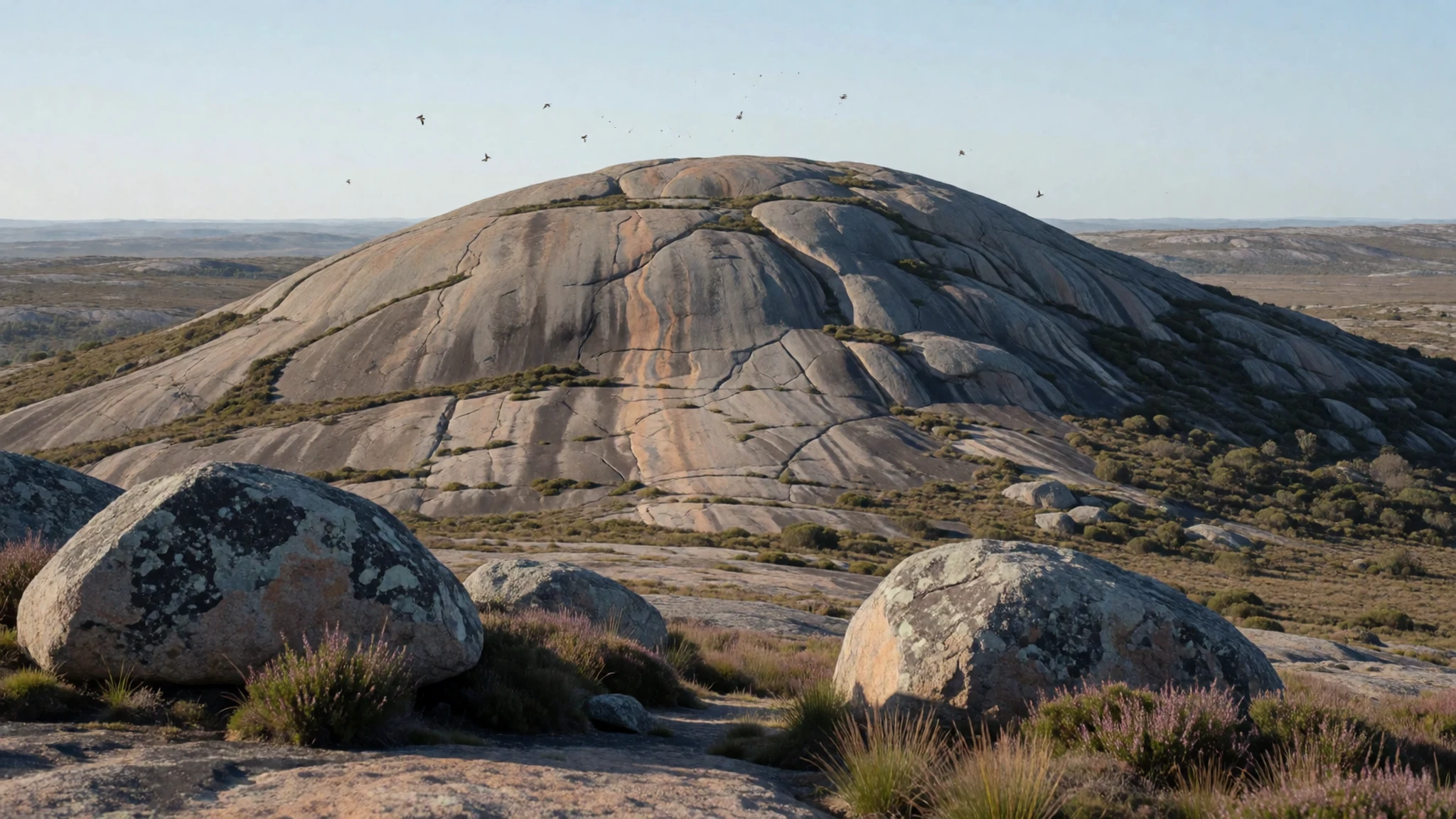
- Hellfire Bay — Southern park
Hellfire Bay is a small crescent of white sand tucked inside orange-tinged rocks. Big ocean swells break on the headland but have mostly faded by the time they reach the shore, so the water is gentle. Banksias and other wildflowers crowd the bush behind, and an easy loop walk climbs along the headland from the car park.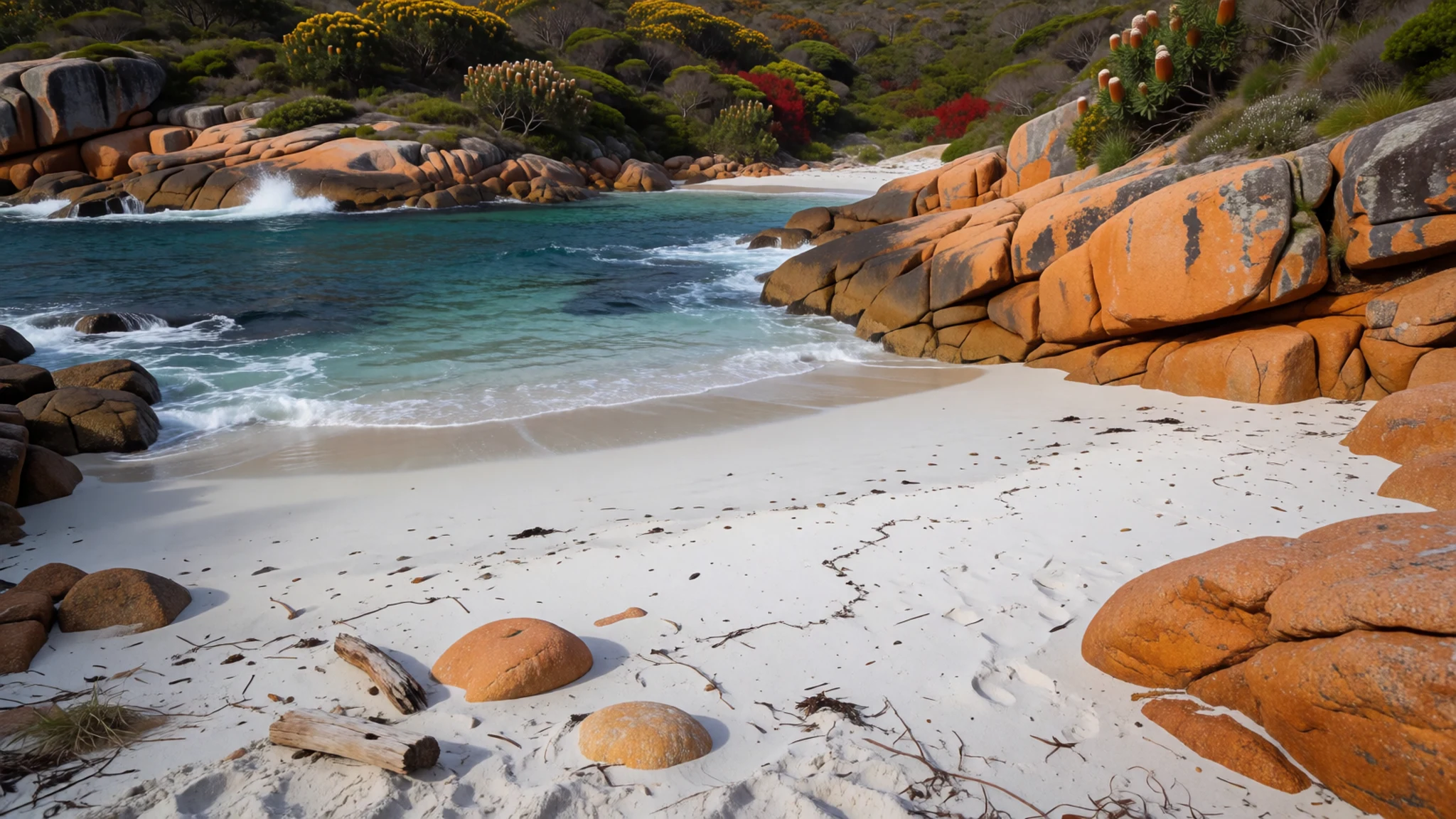
- Mount Le Grand — Southwest park
Mount Le Grand rises to 345 m, taller than Frenchman Peak, and anchors the chain of granite outcrops in the southwest of the park. Mississippi Hill is a lower neighbour. It is a bigger undertaking than Frenchman Peak, so start in the cool of the morning, carry water and expect bare rock underfoot.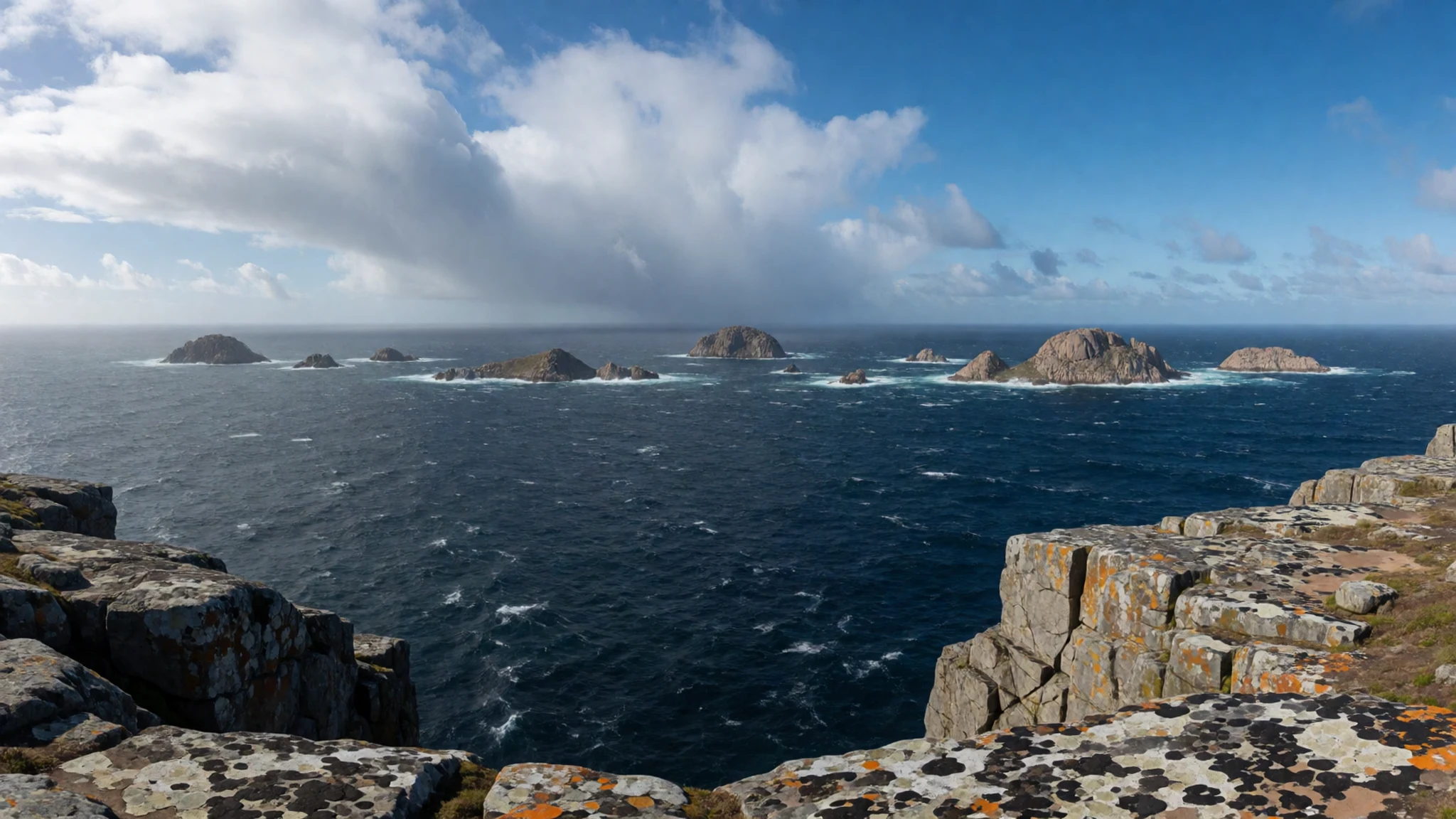
- Recherche Archipelago and the Sanko Harvest wreck — Offshore, south of the park
The granite islands of the Recherche Archipelago lie just offshore, many of them low domes barely clear of the water. Beneath the surface are walls, boulders, caves and reefs that divers explore. The tanker Sanko Harvest, which ran onto a reef in 1991, is a wreck dive best arranged through a local operator.
Culture
Cape Le Grand National Park lies on Aboriginal country, and the land carries a human history far older than the French names on the map. The hollow beneath Frenchman Peak's summit is one place where evidence of that early presence has been noted, so it is a place to look and leave things as found. The more recent culture of the park is that of a regional Australian coast: families who camp for the school holidays, anglers who fish from the rocks, walkers who climb the peaks at dawn, and people who drive the sandy tracks in four-wheel-drive vehicles. Life here is simple and self-reliant. Esperance, the nearest town, is where supplies come from, and campers cook on free public gas barbecues and share the camp kitchens. The French names that dot the coast, from Le Grand to the whaler Mississippi, recall the age of exploration and whaling, when sailors used these sheltered bays. Today the dominant ethic is low-impact use: carry rubbish out, stay on marked tracks to protect the heath, and treat the sea with respect, since the old sailors' advice never to turn your back on it still holds. Keep a respectful distance from the kangaroos and other wildlife, and never feed them, however tame they seem on the sand.
What to wear
Cape Le Grand National Park lies on the country of Aboriginal people of Western Australia's south coast. The traditional garment of the wider south-west region is the boka, a cloak sewn from kangaroo skins and worn over the shoulders for warmth against cold, wet and windy weather. Skins were joined with sinew and often decorated, and cloaks also carried family and ceremonial meaning. Makers today revive the craft, and cloaks appear at ceremonies and cultural events rather than in daily life. What people actually wear now is practical Australian coastal clothing: boardshorts, rash vests, wide-brimmed hats, work shirts, shorts and rubber sandals, with fleeces and windproof jackets in cooler months and rubber boots for fishing. Nobody dresses up here, and there are no modesty codes beyond ordinary beach manners. A visitor should pack for sun, wind and rock. Take a hat that stays on in a gale, sunglasses, long-sleeved lightweight tops, and sunscreen. Wear shoes with real grip for the granite peaks, since wet rock is slippery, and closed shoes also help on sandy tracks and heath. Bring swimwear and a towel for the bays, plus a warm windproof layer for exposed summits and for evenings at the campsite, which turn cool even after a hot day.
What to eat
- Barbecue on the public gas grills — Hellfire Bay, Lucky Bay and Le Grand Beach picnic areas
Cooking sausages, steak or fish on the free public gas barbecues is the classic meal here. Bring everything from Esperance, since the park has no shops, and eat looking at the sea or the granite.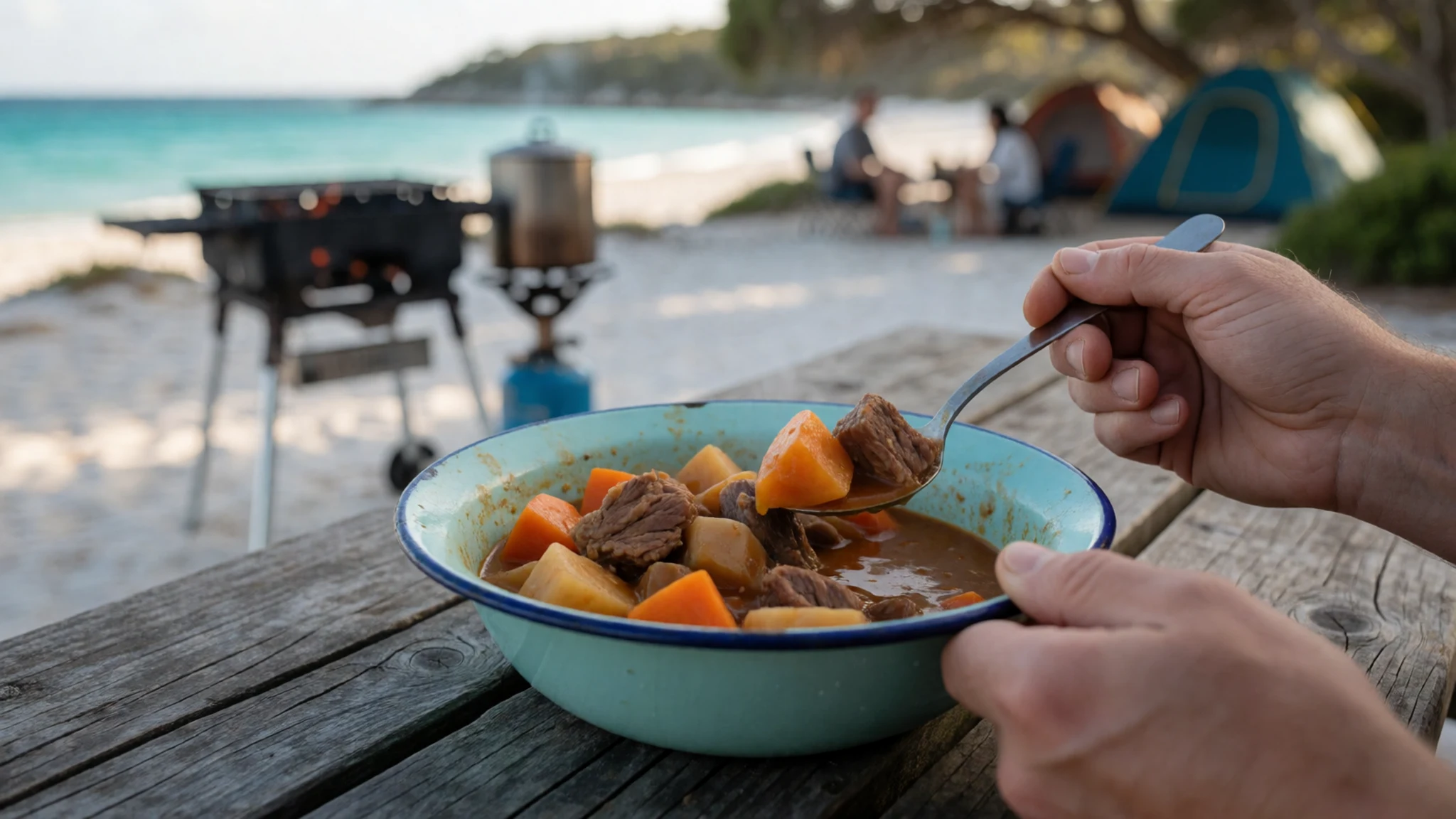
- Fresh local fish — Seafood shops and the harbour area in Esperance town
Fish landed along this coast is the obvious thing to buy and cook on a campsite barbecue. Ask what the day's catch is, and keep it cold on the drive out to the park.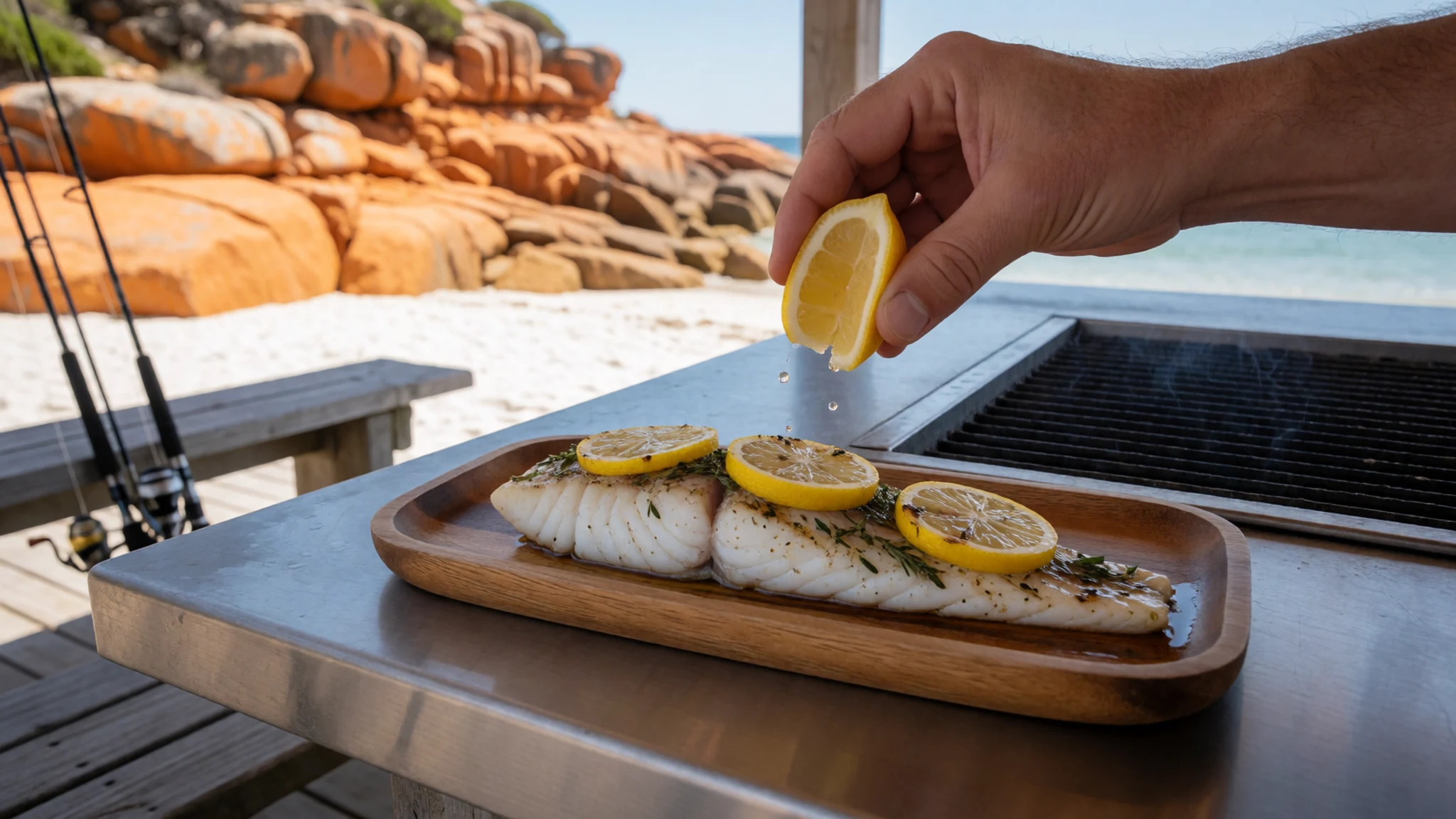
- Fish and chips — Takeaway shops in Esperance town
Battered or grilled fish with chips, wrapped in paper, is the standard takeaway after a day on the sand. Eat it by the water in Esperance before or after a park visit. - Camp-kitchen one-pot meals — The camp kitchens at the park's two camping areas
Campers swap stew, pasta and curry from pots on the shared cooktops at the camp kitchens. It is a sociable way to eat, and the taps provide treated rainwater for cooking and washing up. - Bakery pies and pastries — Bakeries on the main streets of Esperance
A meat pie or sausage roll is a sensible packed lunch for the peak walks, easy to carry and filling. Buy it fresh in the morning and keep it out of the sun.
Plan it
Best time. October–November for wildflowers and mild days, and March–April for settled weather and warmer water. Summer is hot and exposed, and winter is cool, windy and wetter, with bigger seas.
How long. 2–3
Getting there. Fly from Perth to Esperance, or drive the long road from Perth. From Esperance, take Fisheries Road, then Merivale Road, then Cape Le Grand Road to the main park entrance. The second entrance at Le Grand Beach needs a four-wheel-drive vehicle along the sand, and tides can cut it off.
Budget. low
Tips
- Book a camping place early through the official site, especially in school holidays; check fees and rules at http://dec.wa.gov.au/hotproperty/property/national-parks/cape-le-grand-national-park.html
- Bring all food and fuel from Esperance, because there are no shops in the park; drinking water is available at the camping areas
- Climb Frenchman Peak or Mount Le Grand early in the day, when it is cooler and quieter, and carry water
- Check tide times before driving on the beach, as vehicles have been lost to the sea
- Swim only where it looks safe, watch for rips near reefs, and never turn your back on the ocean
Etiquette
- Take your rubbish out with you and keep to marked tracks to protect the heath
- Do not feed or crowd the kangaroos and other wildlife
- Do not disturb any rock shelters or signs of old human activity
Nearby
Sources
- Wikidata Q1034253 (CC0)
- Wikipedia: Cape Le Grand National Park (rev 1368990942) (CC BY-SA 4.0)
- Wikivoyage: Cape Le Grand National Park (rev 5221214) (CC BY-SA 4.0)
- Mount Le Grande (Hughesdarren) (Public domain)
- Australia Western Australia relief location map (Betterkeks) (CC BY 4.0)
- Panorama Cape Le Grande (T-deo) (CC BY 3.0)
- Map of Cape Le Grande (cardboardbird) (CC BY 3.0)
- Lucky Bay (DynaBlast) (Public domain)
- Lucky Bay beach (DynaBlast) (Public domain)
- Frenchmans Peak (Hughesdarren) (CC BY 3.0)
- Landscape of brush and trees in Cape Le Grand National Park (Sherwin Carlquist) (CC BY 4.0)


