Cairns
Cairns, Australia
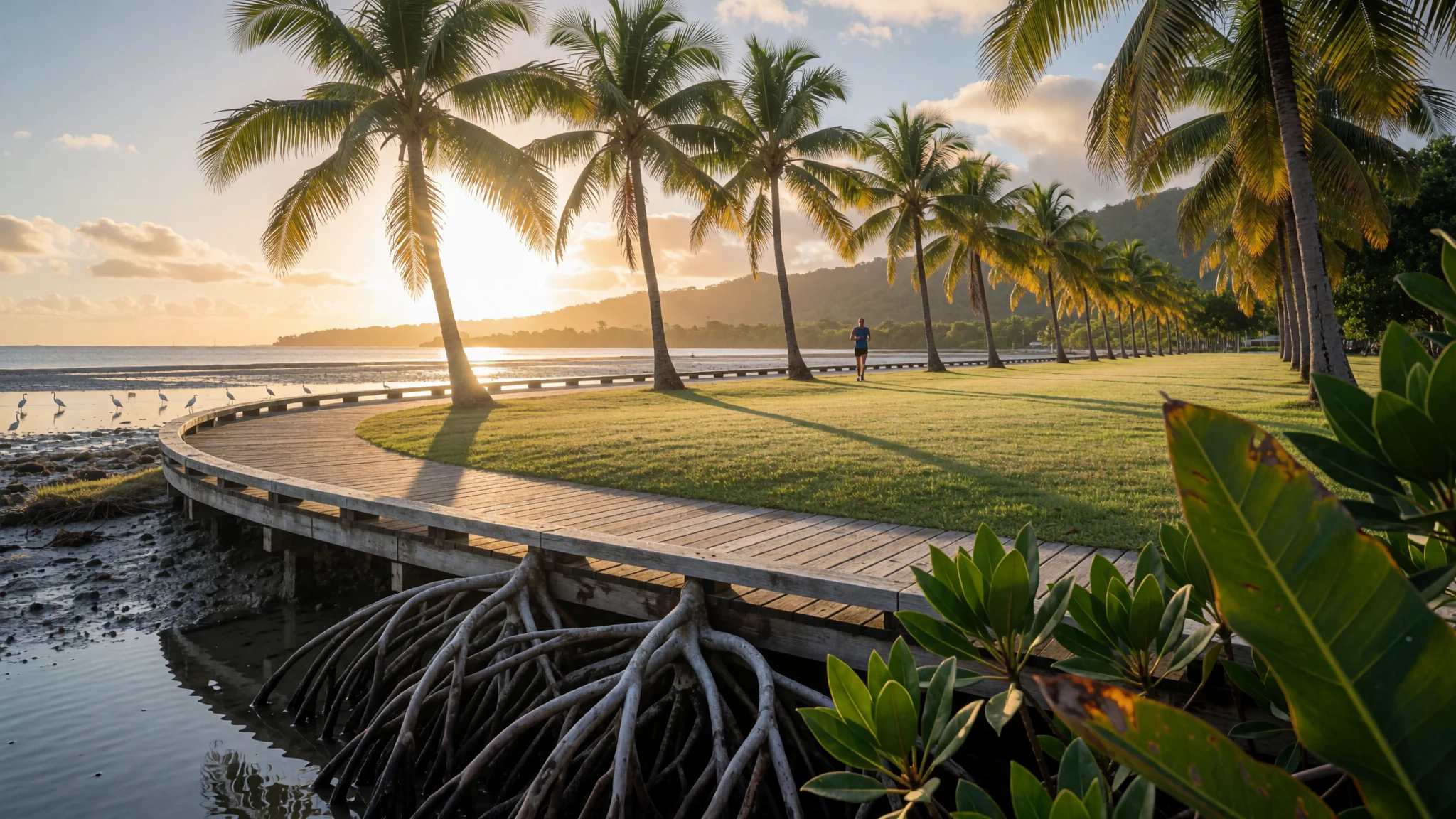
Cairns is a tropical waterfront city on Queensland's north-east coast, and it is the easiest base for reaching the Great Barrier Reef and the Daintree Rainforest.
The place
Cairns sits on the tropical north-east coast of Queensland, on a narrow strip of flat land between the Coral Sea and the green slopes of the Great Dividing Range. The city centre rises from the shore of Trinity Inlet, and the Esplanade, a long promenade of lawns, palms, cafes and a public swimming lagoon, is where most people spend their first and last hours in town. The population is around 153,000, and the economy leans on tourism, healthcare and education, with aviation, marine and defence work alongside.
For many travellers the city is simply the gateway. Cairns International Airport takes flights from across Australia and from nearby Asia-Pacific destinations, and operators run day trips to the Great Barrier Reef and the Daintree Rainforest, both of which sit within UNESCO-listed areas. Cruise ships use the port, and when several are in, the waterfront gets noticeably busier.
The city feels more relaxed than its size suggests. The weather is hot and humid for much of the year, with a wet season that brings heavy downpours. The drier months from June to October are the dry season, and June to August are the most comfortable for a visit. The centre is compact and mostly walkable, with the gallery, museum and library close together. Beyond the town the hills and the Atherton Tableland rise into rainforest, so the city works best as a base, with a day or two in town before heading out to the reef and the forest.
Its story
Long before British settlement, the Cairns area was home to the Gimuy Walubara Yidinji people, whose native title rights are still asserted here. Their language, Yidinji, was spoken across a wider region that included Gordonvale and the Mulgrave River, and the place itself is known in the Yidiny language as Gimuy. The town's modern name is a colonial one, which is worth remembering when you read the plaques along the foreshore.
For a long stretch the bay appeared on British charts only as Trinity Bay. The first sustained European presence came with beche de mer fishermen, who collected sea cucumbers for export and relied on a large native well on what is now the foreshore. Disputes over that well led to violence between the fishermen and local Yidinji people, and the spot became known as Battle Camp, a name that records how hard those first years were.
The town's formal founding came from gold. Prospectors working the Hodgkinson goldfields on the tablelands to the west needed a coastal port to ship their ore, so several official expeditions surveyed the coast to judge whether a settlement could work. Cairns came into being in 1876, and its name honours Sir William Wellington Cairns.
During the Second World War the city became a staging point for Allied forces in the Battle of the Coral Sea. Afterwards, as aviation and cruise travel grew, tourism came to rival and then overtake the older industries of the port. Today Cairns is a major regional city, and its history is still easy to read if you walk the waterfront slowly.
What to see
- Cairns Regional Gallery — City centre
The gallery occupies a heritage building in the city centre and is the region's main venue for exhibitions of historical and contemporary art, including work by artists from across Queensland and beyond. Shows rotate, so check the current programme on the official site before you go. It is a good first stop on a hot day because the rooms are cool and you can see the work at your own pace.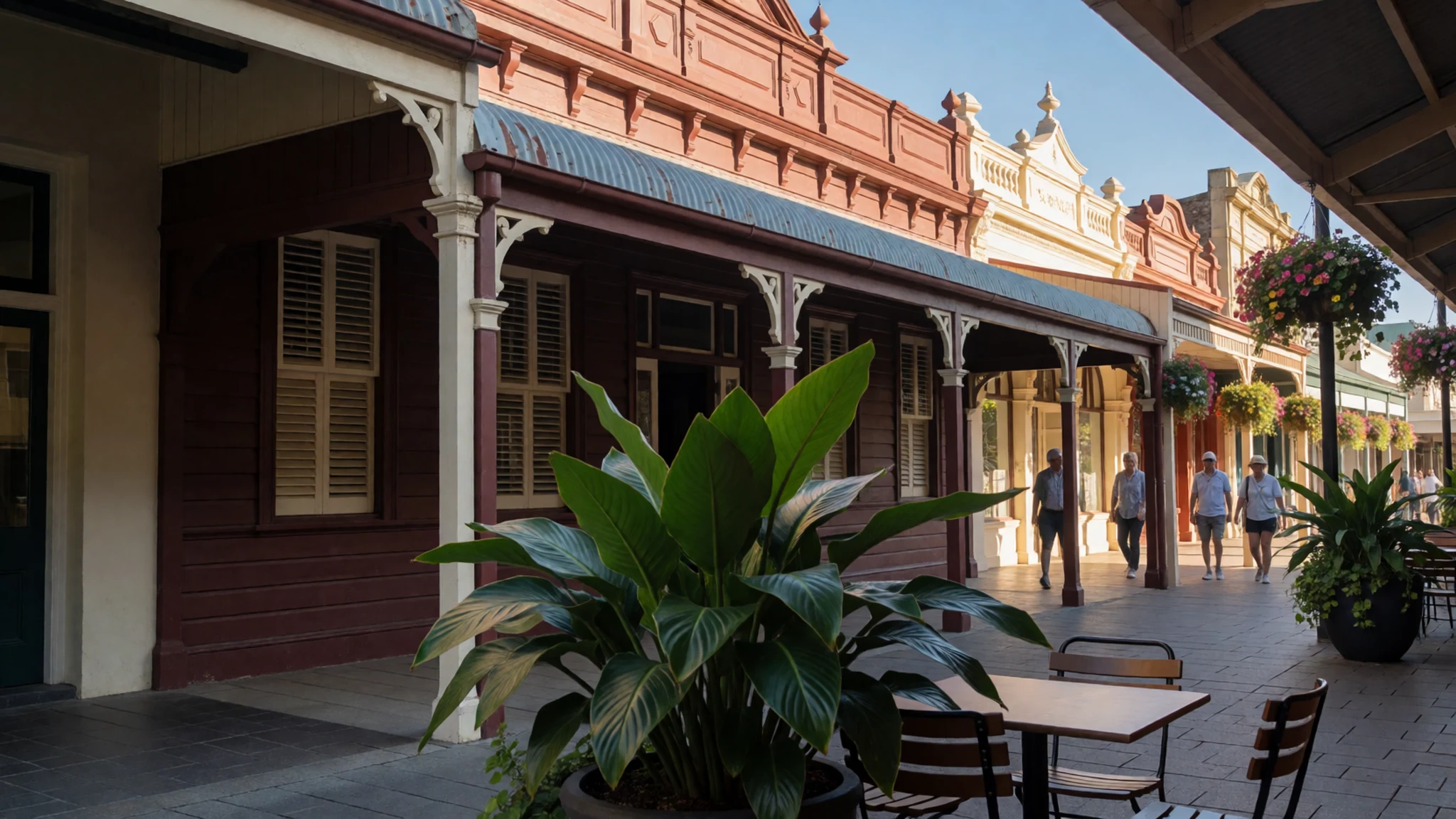
- Cairns Museum — City centre
Run by the Cairns Historical Society, the museum displays a collection of objects, photographs and archival records that trace the town from its beginnings. It is small enough to take in within an hour, and it gives useful context for the gold rush, the port and the wartime years before you walk the foreshore. Ask the staff about local history walks if they are running that week.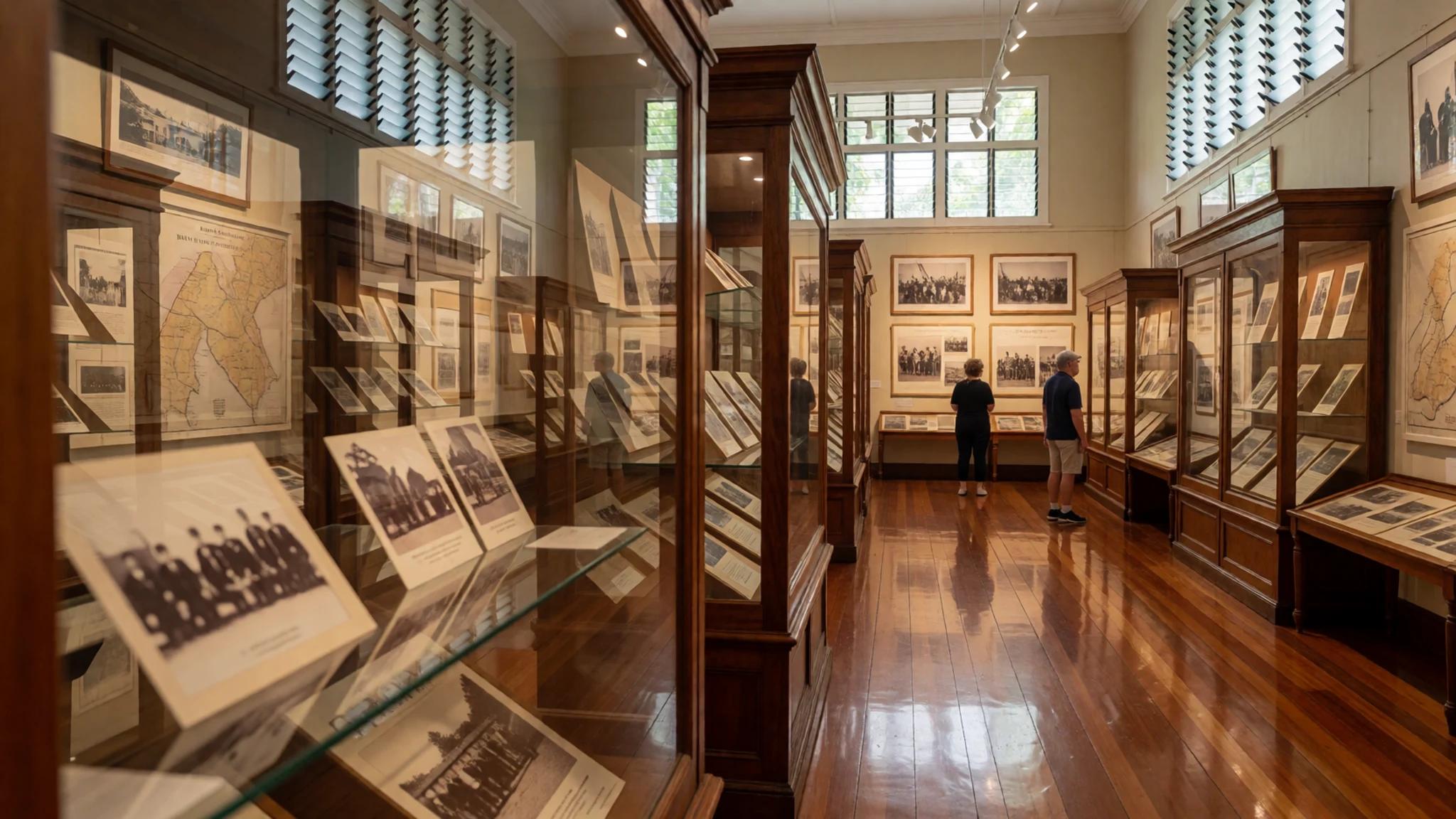
- Cairns Botanic Gardens — Edge of the city, north of the centre
The gardens lie a few kilometres from the city centre, and several bus routes stop near the various entrances. They are a calm place to spend a morning among tropical planting and shaded paths, which makes them a sensible choice before the day heats up. Bring water and a hat, because the sun has little shade beyond the trees.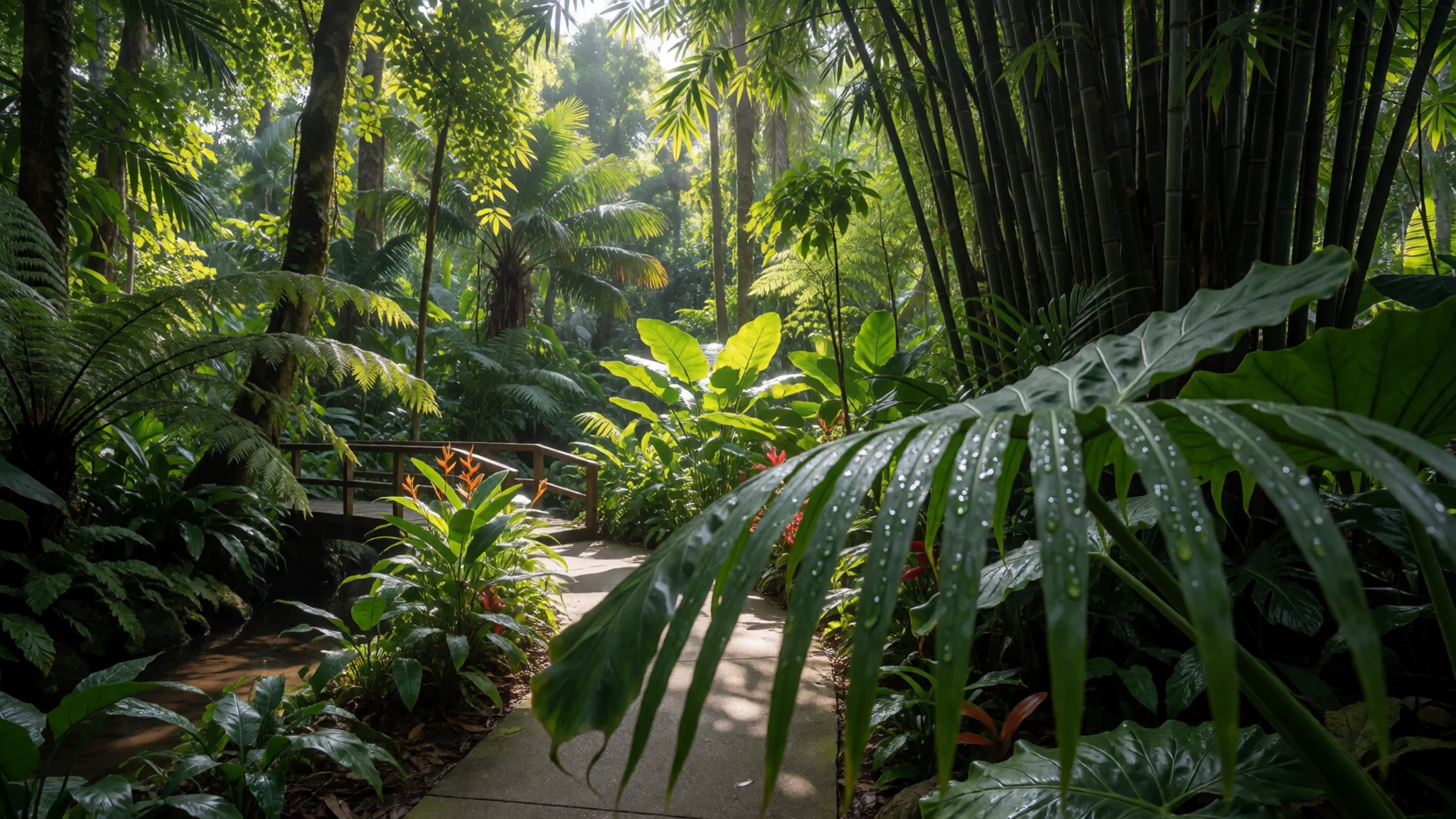
- Cairns Aquarium — City centre, near the waterfront
The aquarium is a practical introduction to the marine life you may later see on the reef. Its tanks and themed habitats cover a range of local ecosystems, so you can see species before you snorkel among them. It is an indoor option for the middle of the day or for a rainy afternoon, when outdoor activities are cancelled or less enjoyable.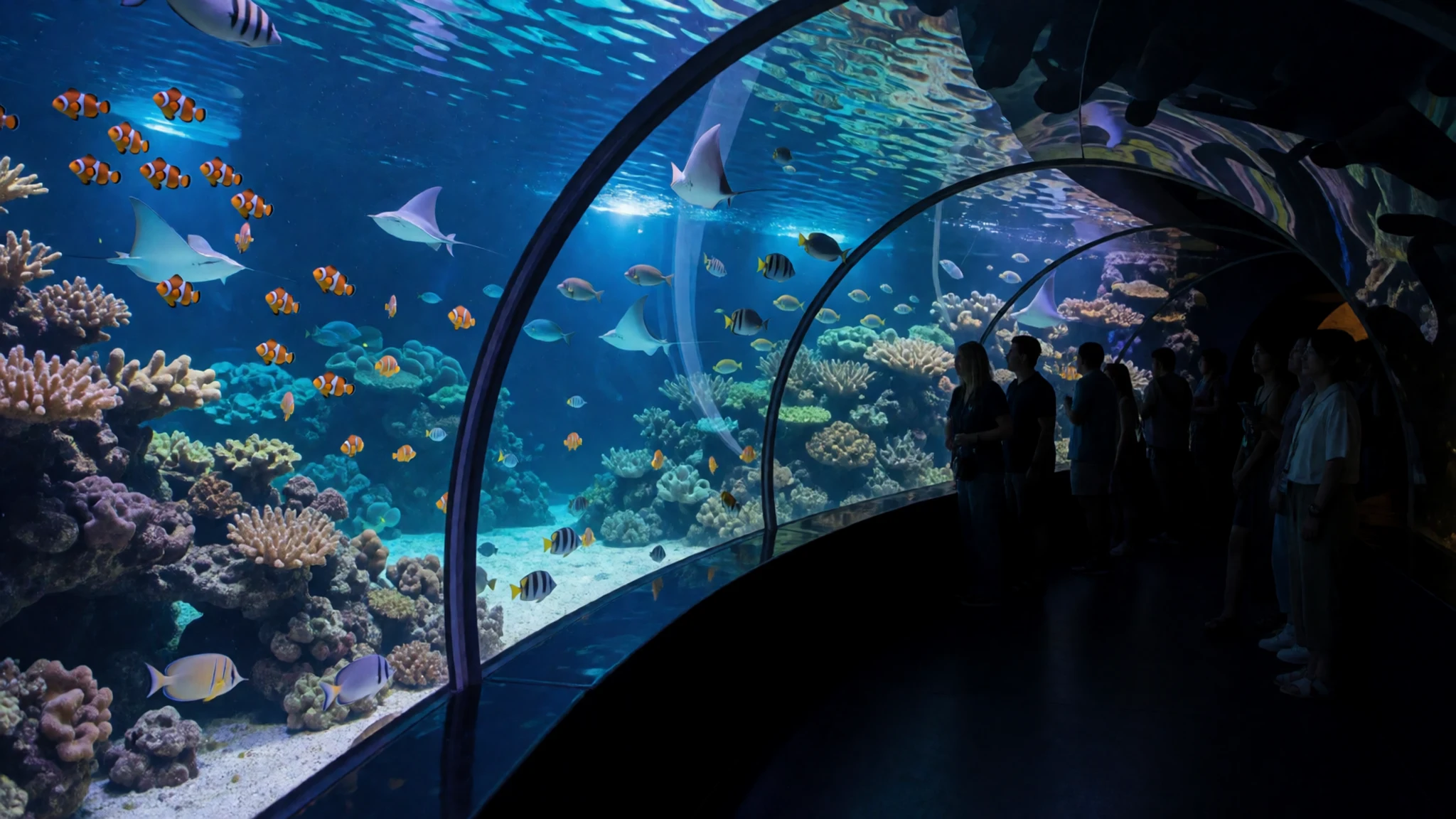
Culture
Cairns sits on Yidinji Country, and the Gimuy Walubara Yidinji people continue to assert their native title here, so it is respectful to acknowledge them when you visit, and to read the interpretive signs along the foreshore before walking past. The town is a relaxed, casual place where people wear shorts and sandals, but local conduct still matters. Tipping is not expected in restaurants or cafes, though rounding up a bill for good service is welcome. Buses take only cash, so keep notes and coins handy. The Yarrabah community lies across the inlet, and it is a home for residents rather than a sightseeing destination, so do not visit without an invitation or a proper guided tour. Photographing people, especially Aboriginal people and any ceremonies, should always be done only after asking permission. When you use the Esplanade lagoon in stinger season, stay inside the netted swimming areas and follow the lifeguard signs rather than swimming in the open sea.
What to wear
Traditional dress in the Cairns area belonged to the Yidinji people and their neighbours, and it is discussed mainly through body decoration, ochre, shell and plant materials rather than through garments that survive in the city. For specifics, ask at the Cairns Museum or look for cultural tours run by Yidinji people, who can explain the materials and their uses in their own words.
What people wear now is very casual. Locals favour board shorts, linen shirts, sundresses, flip-flops and light sandals, and it is common to see people in swimwear walking through the city. Dressing up is rare, so smart clothes are only needed for a restaurant with a dress code.
For a visit, choose loose, breathable fabrics in pale colours, which handle heat and humidity much better than synthetic materials. Bring a wide-brimmed hat, sunglasses and high-factor sun protection, and consider a long-sleeved rash top for stinger season in the water. Closed shoes with good grip are sensible for rainforest walks and the Daintree, where paths can be wet and muddy. Carry a light layer for air-conditioned buses, galleries and restaurants.
What to eat
- Barramundi — Seafood restaurants along the Esplanade and the city centre
Barramundi is the local fish most menus feature, usually grilled or pan-fried with lemon, herbs or a light sauce. It is a mild, firm white fish that suits the tropical setting. Ask whether it is wild-caught or farmed, since menus vary, and expect it to be served simply rather than heavily dressed.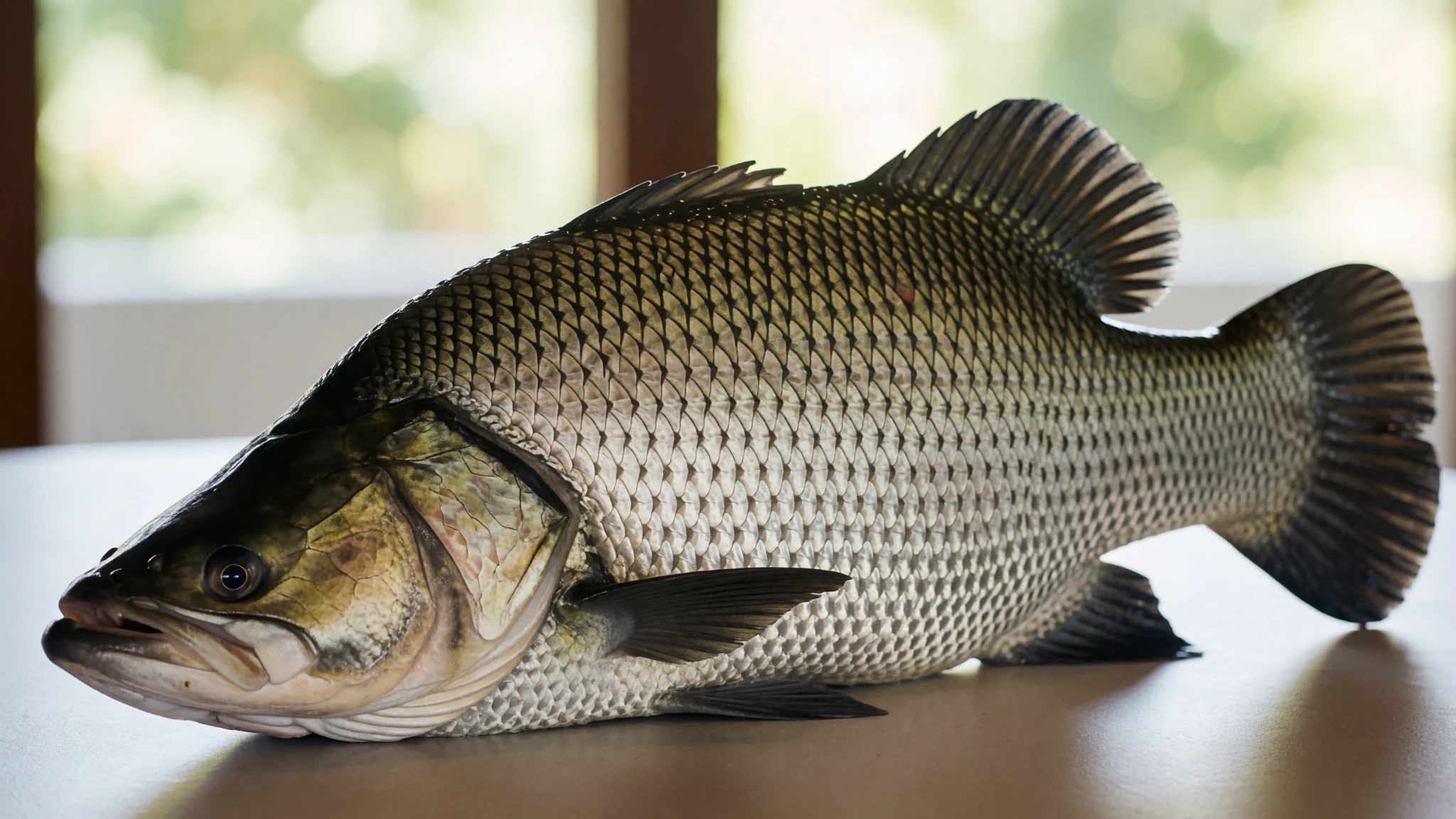
- Mud crab — Waterfront seafood eateries and the city's casual dining strip
Mud crab is a regional speciality that restaurants often serve whole, with chilli, garlic or pepper. Prices fluctuate with the catch, so check before ordering. It is best eaten at a casual seafood place where you can get your hands messy, and the sauces are worth a taste.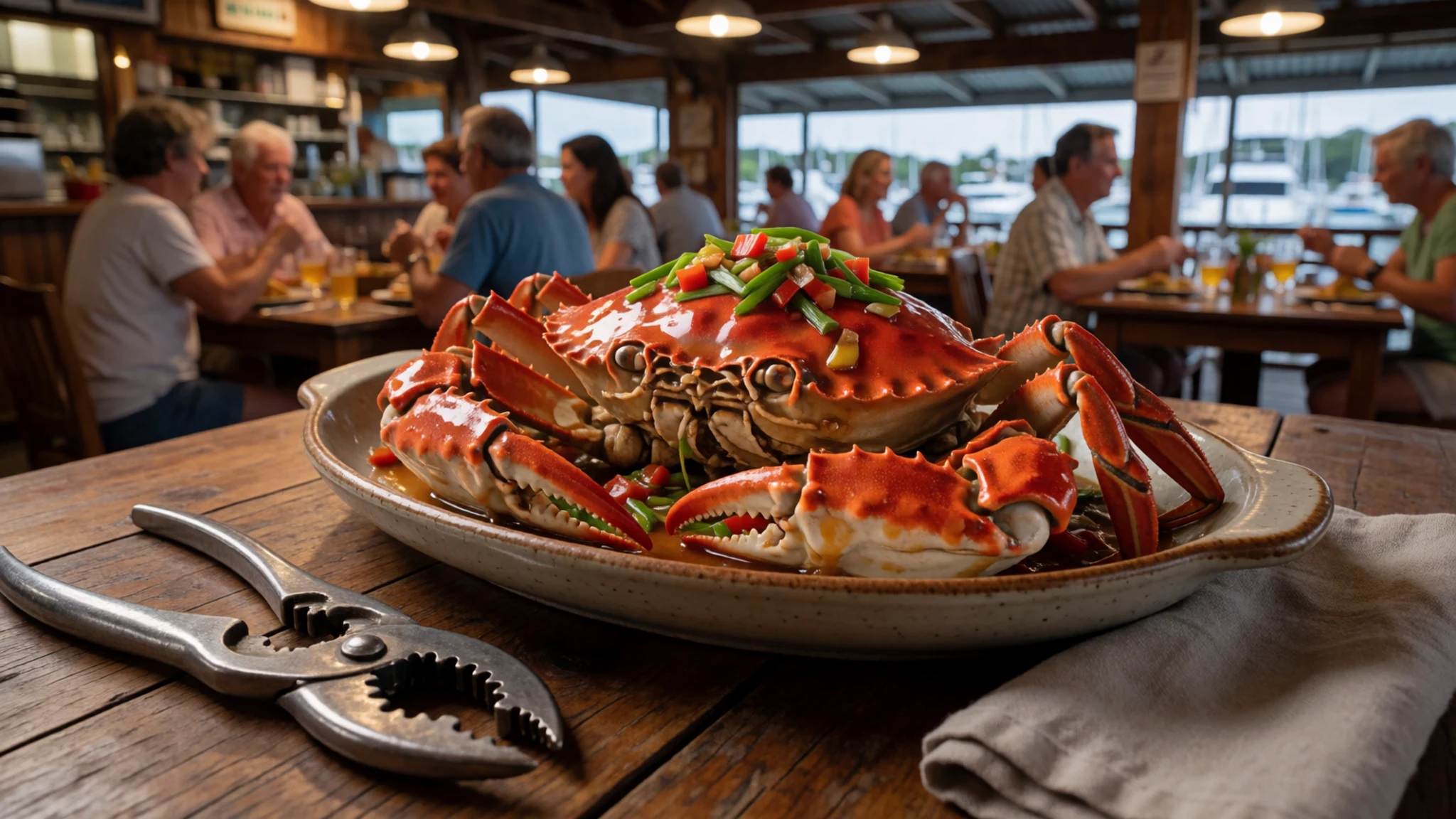
- Wood-fired pizza — Italian trattorias in the city centre, near the Esplanade
Several Italian restaurants in the city centre cook pizzas in wood-fired ovens, and it is common to see the chef working the dough in view of the street. The thin bases and simple toppings make a good light meal after a day on the water. Italian trattorias here also serve pasta and seafood dishes alongside. - Greek grill — Greek kitchens and bars in the city centre
Yaya's is among the Greek kitchens in town, where grilled meats, dips and salads make a sociable meal. Greek food suits the warm evenings, and sharing several plates is the usual way to order. It is a good choice for a relaxed dinner after the heat has eased. - Waffles and tropical fruit juice — Breakfast and brunch cafes in the city centre
Breakfast cafes serve sweet and savoury waffles alongside organic coffee and fresh juices, many made with local tropical fruit such as mango and passionfruit. A morning here is a good way to start before the heat builds. Order a fresh juice in the heat and drink plenty of water.
Plan it
Best time. June to August, when the weather is drier and cooler, is the most comfortable for walking and reef trips. The wet season from about November to May brings heavy rain and humidity, with February and March the wettest months, and the stinger season makes swimming in the sea a planning matter.
How long. 2–3
Getting there. Cairns International Airport receives domestic and some international flights. The airport shuttle or a taxi takes you into the city in about half an hour. Cairns Station is in the city centre, and long-distance trains from Brisbane and Townsville reach it, though the journey is long.
Budget. mid
Tips
- Book reef tours and rainforest day trips ahead, especially in the drier months
- Take the airport shuttle or pre-book a transfer, and carry cash for buses
- Walk the Esplanade and visit galleries and gardens before the heat peaks
- Drink plenty of water and reapply sun protection through the day
- Check the official city site for current events, transport and any safety notices
Etiquette
- Wear a stinger suit or stay inside the netted swimming areas during stinger season
- Ask before photographing people, especially Aboriginal people and ceremonies
- Treat Yarrabah as a community and visit only with an invitation or a guided tour
Nearby
Sources
- Wikidata Q189133 (CC0)
- Wikipedia (rev 1381134754) (CC BY-SA 4.0)
- Wikivoyage (rev 5396330) (CC BY-SA 4.0)
- Cairns Port in Northern Queensland city Cairns, Donaldytong (Public domain)
- View of Cairns, Queensland, Australia, Bernard Gagnon (CC BY-SA 1.0)
- Cairns City Library, Queensland, 2020, Kgbo (CC BY-SA 4.0)
- Cairns Regional Gallery, Queensland, 2020, Kgbo (CC BY-SA 4.0)
- Esplanade, Cairns, near ShangriLa Hotel, Alex Monckton (CC BY 3.0)
- Cairns Esplanade Lagoon Pool, Alex Monckton (CC BY 3.0)
- 1874 map showing the future site of Cairns with native wells, George Dalrymple (Public domain)
- State Government Building at Cairns, ca. 1936, Unknown author (Public domain)


