West Island
West Island, Australia
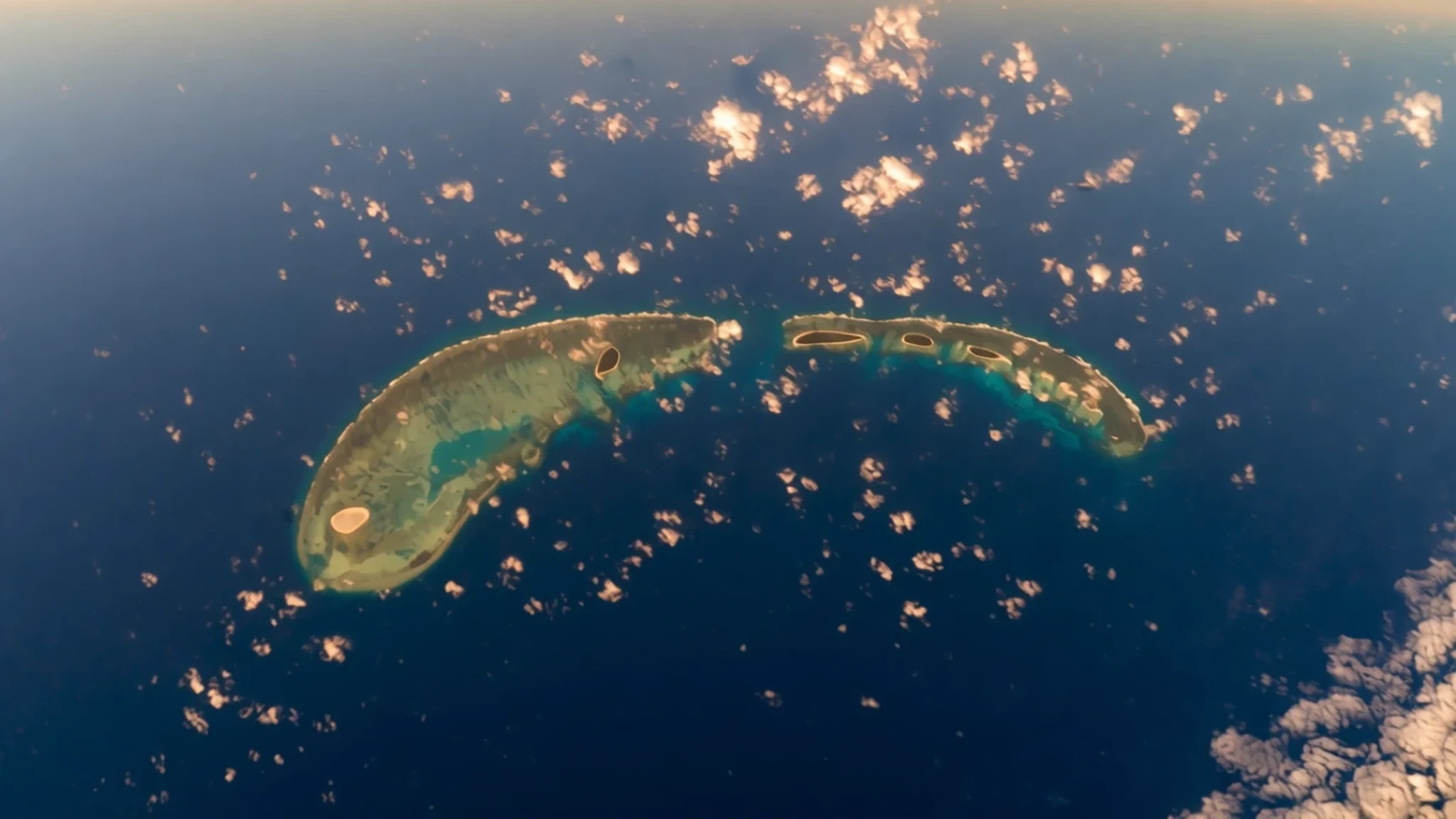
West Island is a tiny coral strip in the Indian Ocean with long empty beaches, surf, a lagoon and a very slow pace.
The place
West Island is the administrative centre of the Cocos (Keeling) Islands, an Australian territory in the Indian Ocean. Its Cocos Malay name, Pulu Panjang, means Long Island, and the shape explains it: a narrow ribbon of coral with the open ocean on one side and a calm lagoon on the other. About 147 people live here, mostly of European background, which makes it a very small capital indeed. Home Island, the only other inhabited island, is the centre of Cocos Malay life and has a similar number of residents.
Everything practical sits on West Island. It has the airport, government offices, a general store, a supermarket, a post office and the visitor accommodation. The runway and the golf course share space, and daily life revolves around the weekly flights, the bread days at the supermarket and the social clubs.
The islands lie roughly 12° south of the equator, so the climate is hot and humid all year, softened by the sea. The location is remote: the group is nearer to New Delhi than to Canberra, a fact that tends to reset a visitor's sense of distance. Clocks run 1.5 hours behind Western Australia and the islands keep no daylight saving. West Island suits people who want water, wind, quiet and a short walk to almost anything, and who are content with few shops and fewer crowds.
Its story
West Island's recorded history begins with Captain William Keeling, who sighted the group in 1609. The coral islands then stayed uninhabited until the nineteenth century, when settlers arrived and the atolls became a plantation world. The Clunies-Ross family ran the plantation, and West Island was part of it. Workers of Malay origin settled and built the community that still lives on Home Island.
Britain annexed the archipelago in 1857. For decades it was governed from afar, first from Ceylon and later from the Colony of Singapore. In 1955 responsibility passed to the Australian Government, which is why a speck in the Indian Ocean now carries an Australian postcode, Australian rules and an Australian post office.
West Island's modern shape owes much to the Second World War, when an airstrip was built here. That strip became the link with the outside world, and the airport remains the way almost everyone arrives. A monument outside the terminal marks the naval history of the islands. In 2013 it emerged that the Australian Signals Directorate runs a listening station on the island, a reminder that remote places often matter strategically.
The islands today are shared between two very different communities: a small, mostly European government and service population on West Island, and the Cocos Malay community on Home Island. Understanding that split is the key to understanding the territory.
What to see
- Ocean beach and west coast — Ocean side, West Island
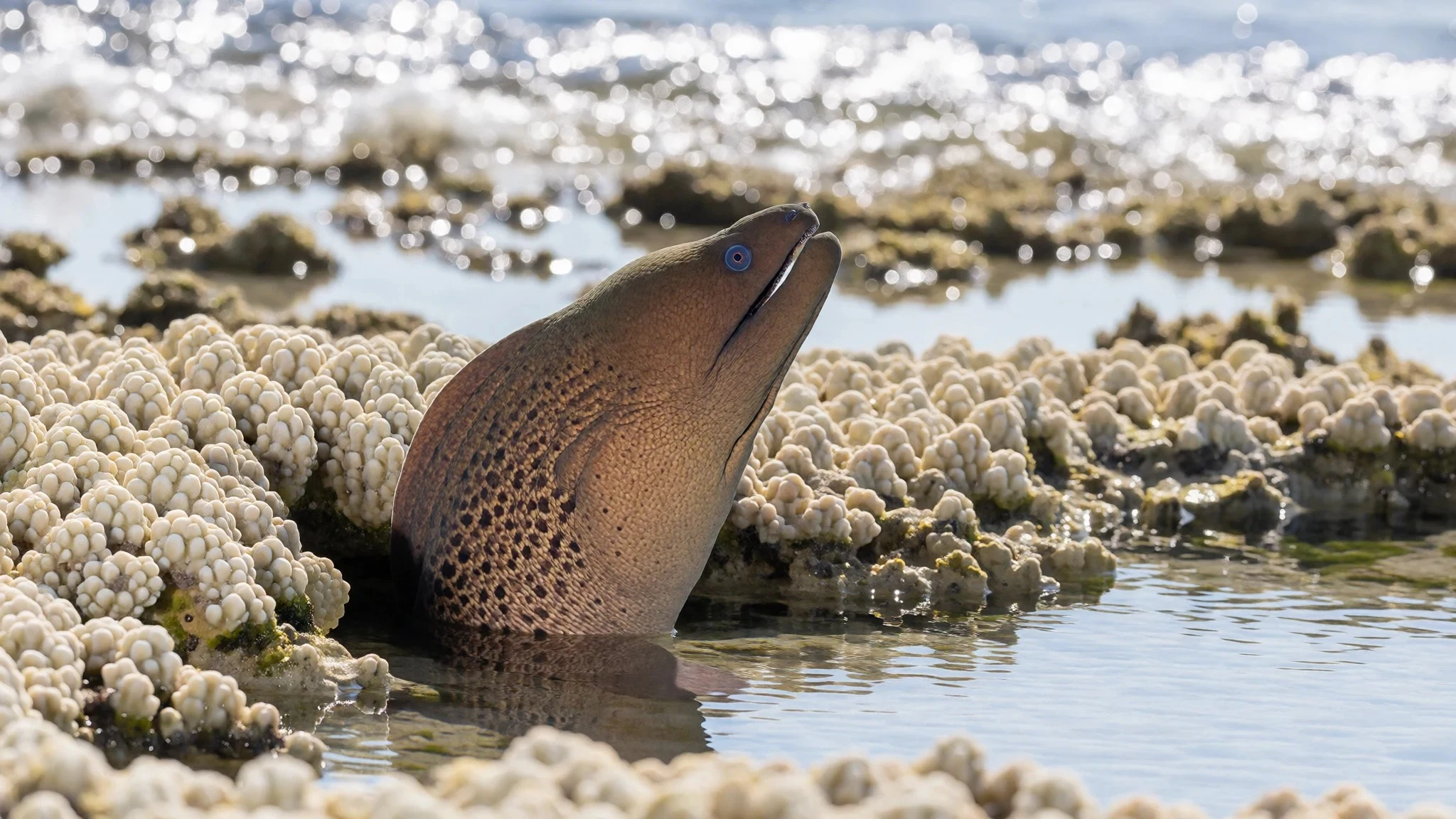
The ocean side of West Island has a very long beach, with heavy Indian Ocean breakers that draw surfers. It is a place for walking, beachcombing and watching the waves rather than swimming; currents and surf can be strong, so ask locally before entering the water. Tidal pools hold small fish and eels.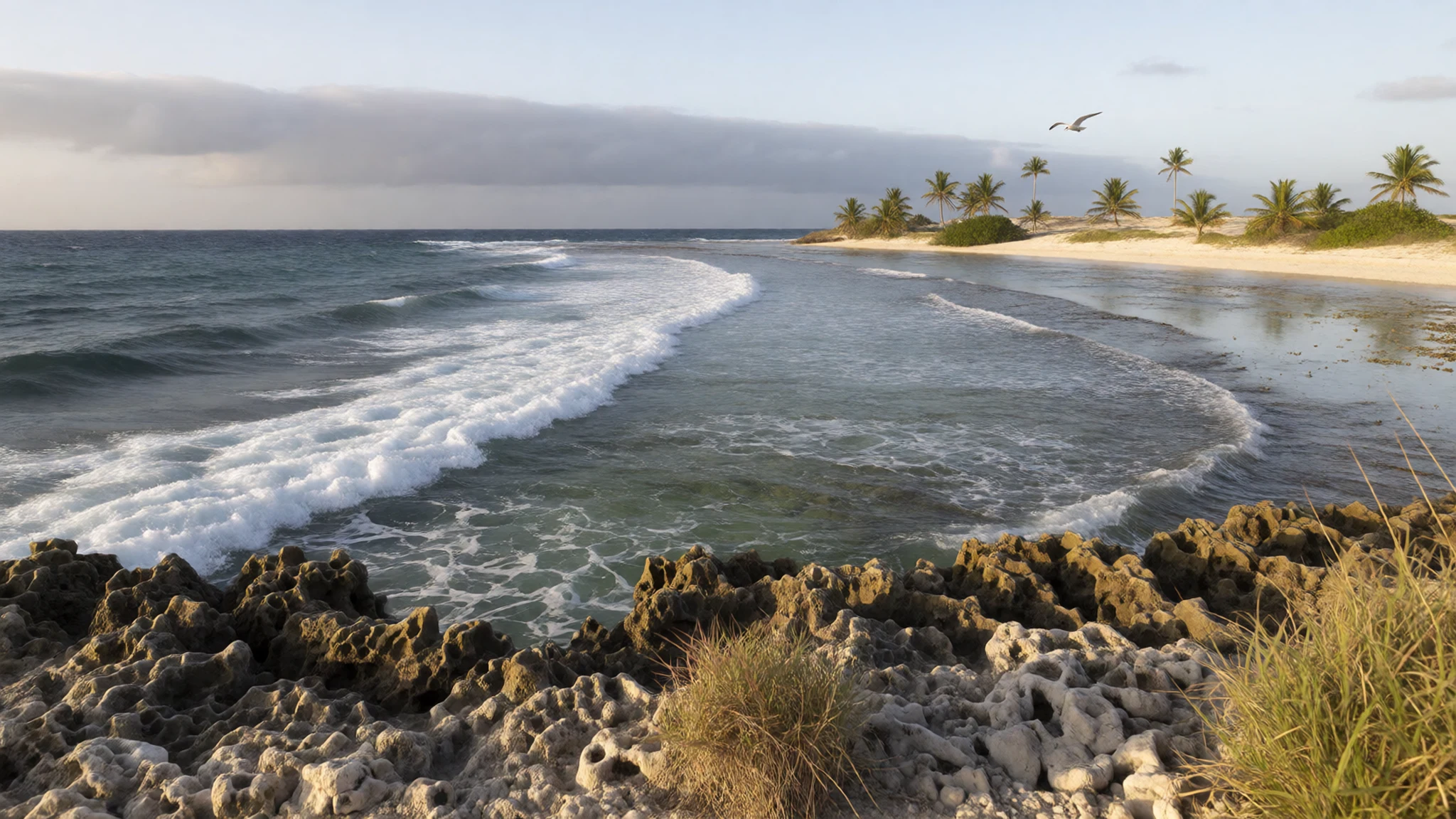
- North Point — Northern end of West Island
At the northern tip of West Island, North Point looks across the Western Entrance to the neighbouring islet. It is a quiet spot for a late-afternoon walk, with open water, wind and sky. Bring a hat and water, as there is little shade and nothing to buy once you are out there.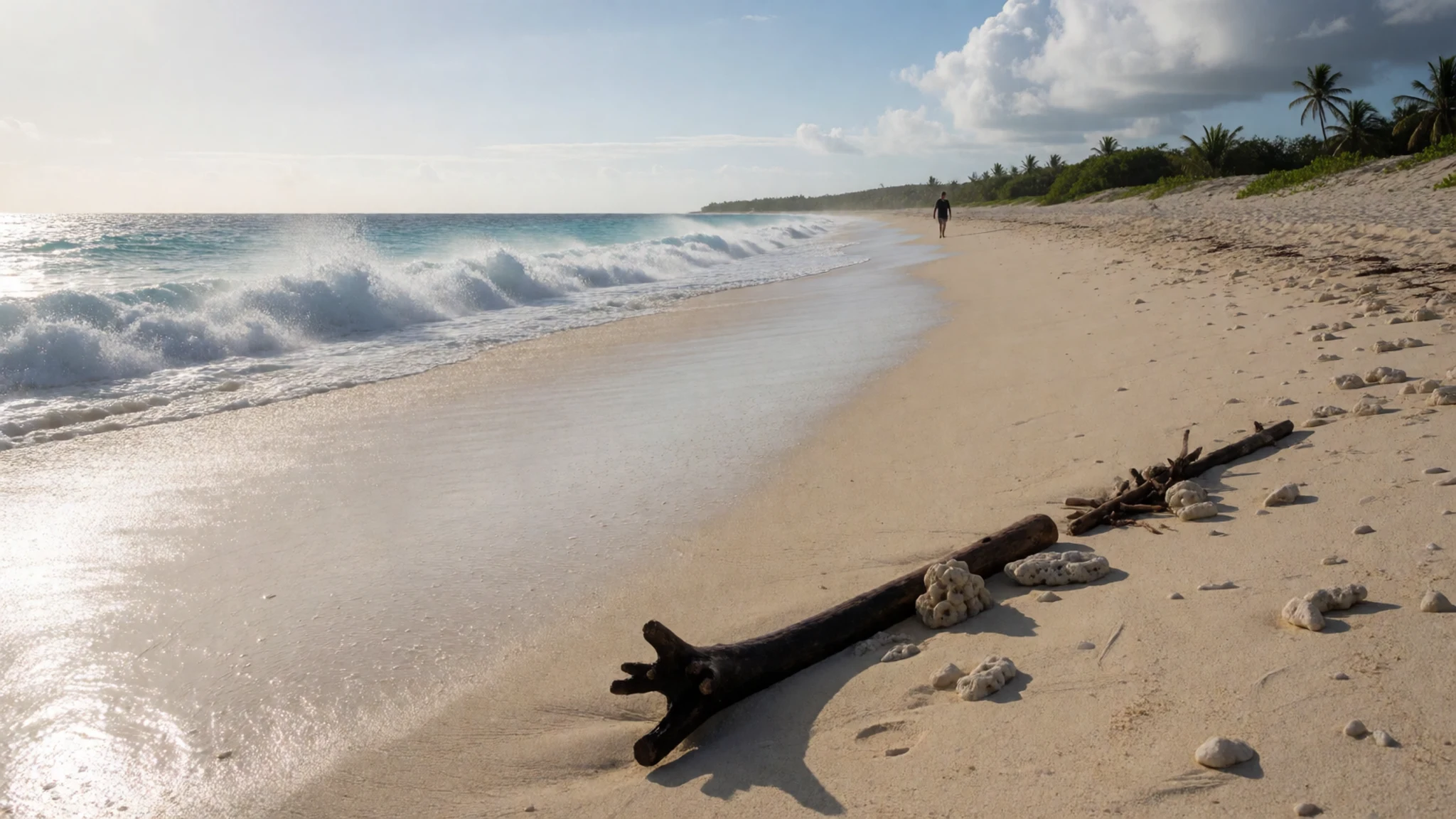
- Airport and naval monument — Airport terminal, West Island
The airport is the island's front door, and the monument outside the terminal records Australia's naval connection with the islands. It takes a few minutes to see and is worth reading while waiting for a flight. The adjoining runway also crosses the golf course, a sight in itself.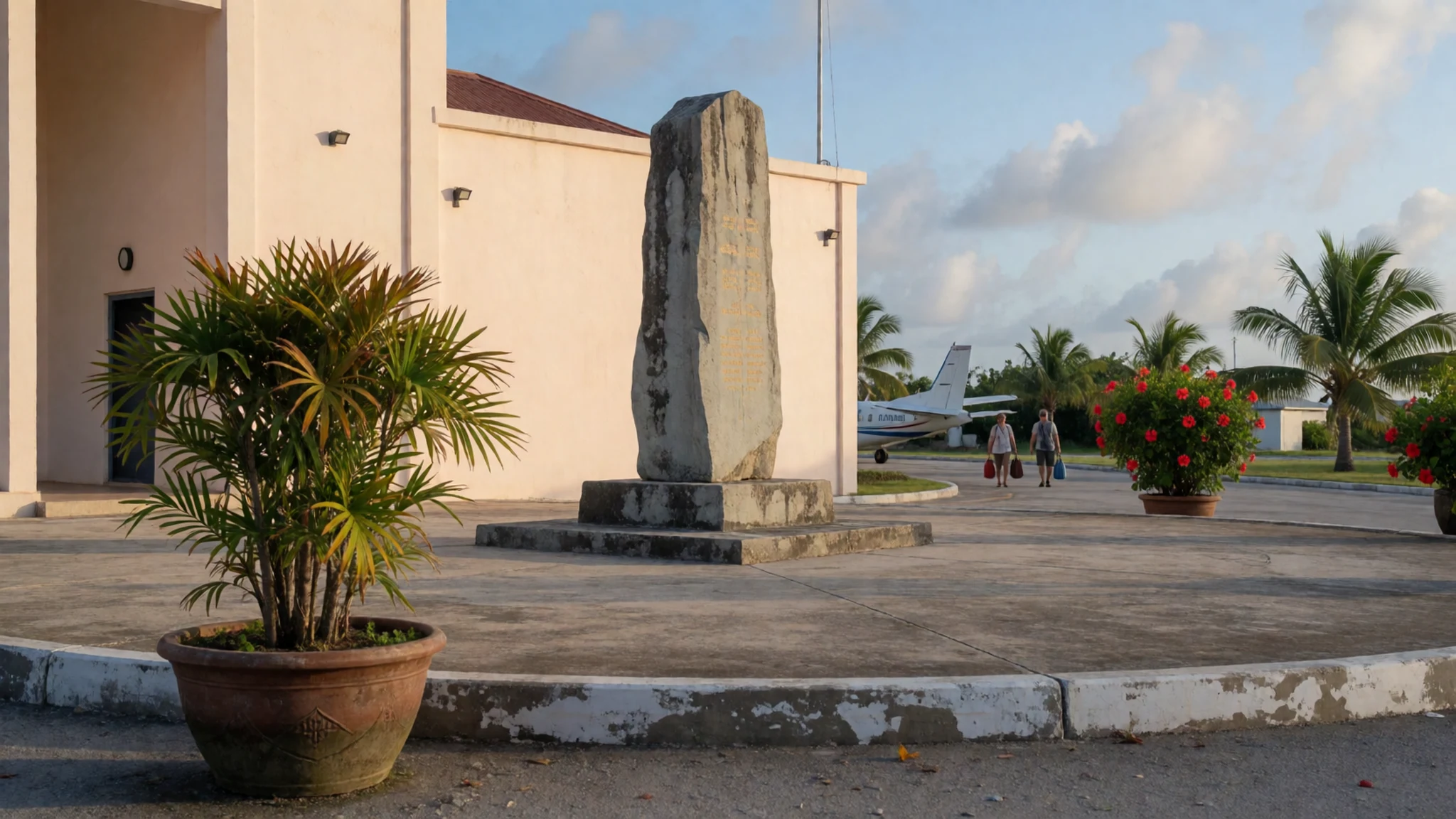
- Pulu Cocos Museum, Home Island — Home Island
This visitor centre and museum on Home Island preserves the story of Cocos Malay culture and describes island life under Clunies-Ross control. It is the best single place to understand who lives here and why. Reaching Home Island needs a ferry or tour, so ask locally about schedules and opening days.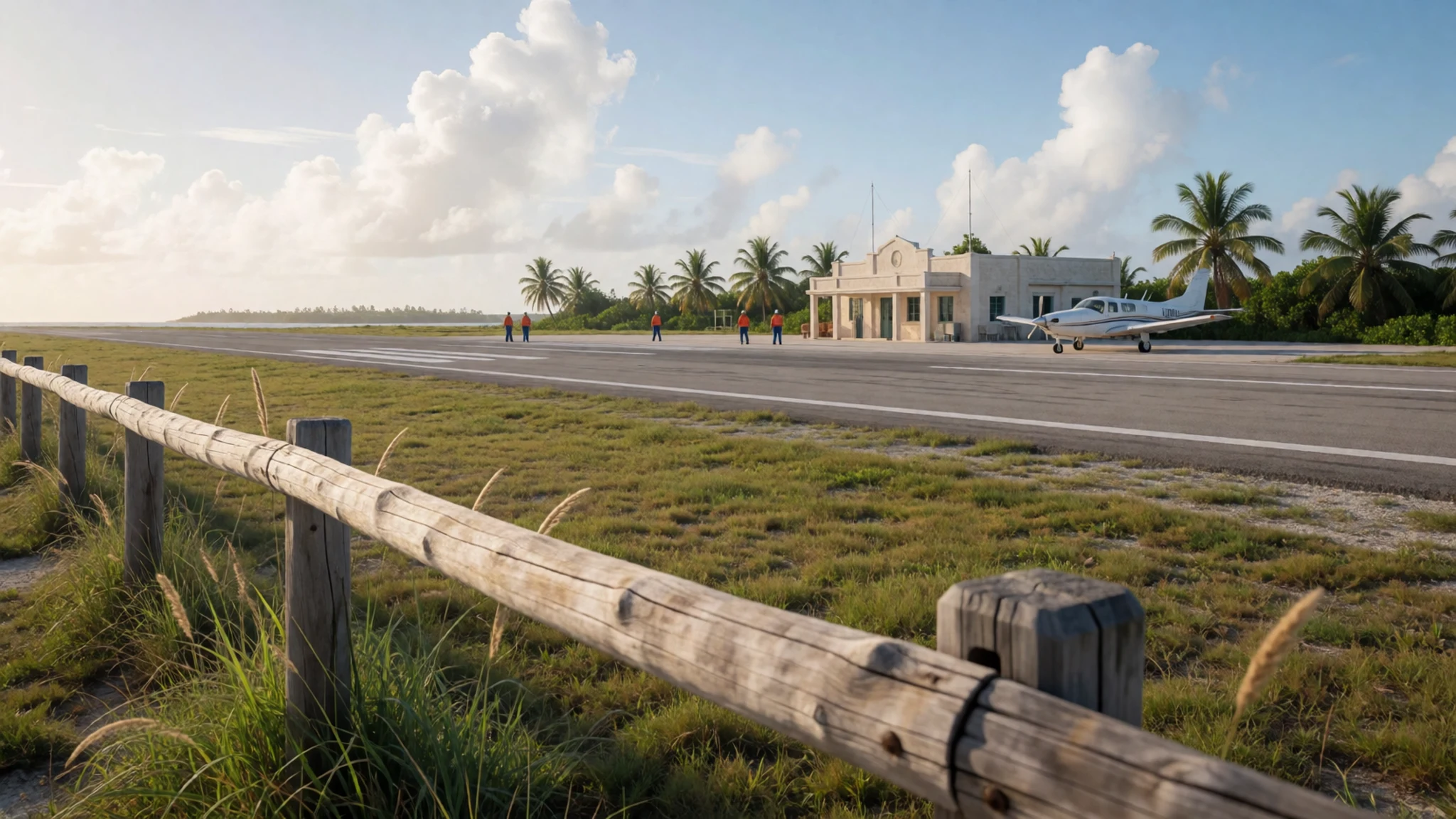
- Pulu Keeling National Park — North Keeling, by boat
This unspoiled national park to the north is rich in coral reef and wildlife. It lies a long boat ride from the main islands, and visitors need reasonable swimming ability to land. Go with a local operator rather than independently, and check conditions, as the sea can change quickly.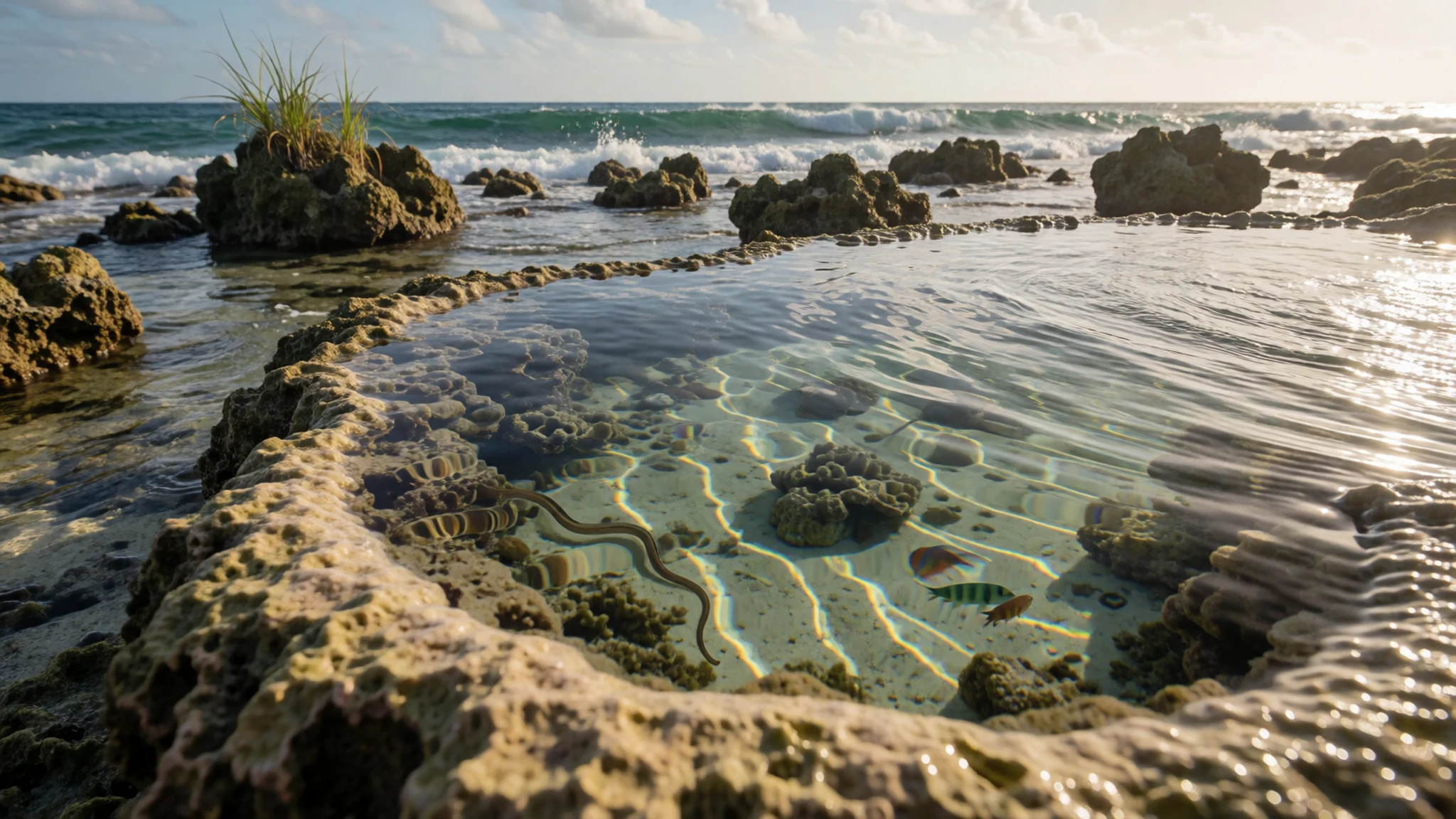
- Cocos Islands Golf Club — Near the airport, West Island
Australia's most westerly golf course shares ground with an international runway, which makes for unusual hazards. Locals and visitors gather on Thursday afternoons for a relaxed team game called Scroungers. It is an easy way to meet people, whatever your handicap.
Culture
West Island's culture is quiet, social and shaped by isolation. Most residents are Australians on postings or long stays, and community life runs through clubs, Thursday golf, shared meals and the weekly rhythm of flights and supplies. Roughly every third Friday the social clubs cook a food night at the Cocos Club, which is where visitors are most likely to be drawn into conversation.
The other half of the islands' story is Cocos Malay culture, centred on Home Island. The Cocos Malay community has its own language, food and traditions, which developed over generations of plantation life and island isolation. Islam is central to daily life, and Ramadan is observed, although visitors who eat in public are generally not minded.
The islands also host events through the year, including Easter, New Year and Christmas celebrations, and an annual lagoon swim from Home Island across to West Island. Entrants can go for a serious time or simply join in for fun.
Be aware that Home Island is a living community rather than an attraction. The mosque there cannot be entered unless a Muslim accompanies you, and photographing residents needs permission. Take that seriously, and take your cues from the people you meet.
When visiting Home Island, cover your shoulders and knees, and always ask before photographing anyone.
What to wear
West Island has no single traditional dress of its own, since the settlement is small and recent. The relevant heritage is Cocos Malay, found mainly on Home Island, where Malay clothing traditions such as sarongs and modest, loose garments reflect both climate and Islamic custom. This reading cannot offer more detail on specific textiles, so ask at the Pulu Cocos Museum if you want to know how dress is made and worn at festivals.
What people wear day to day on West Island is simple and suited to heat and humidity: shorts, T-shirts, sun shirts, flip-flops and hats. Life is outdoors, informal and sandy. Nobody dresses up, and even the club evenings are casual.
A visitor should pack for a hot, damp tropical climate. Choose light cotton or quick-drying fabrics, a wide-brimmed hat, sunglasses and strong sun protection, as the sun burns quickly. Swimwear and reef-safe footwear are useful, since coral and tidal pools can be sharp. Bring a light rain jacket, because showers are common in any season.
For trips to Home Island, take a change of clothes that covers shoulders and knees, such as a loose long-sleeved shirt and light trousers or a longer skirt. Aim to be modest without overdoing it, because heat can quickly become tiring.
What to eat
- Fish and chips — WICK Cafe and similar island cafes
A Friday-night habit at one of the island cafes, usually with fresh local fish. It is simple, filling and sociable, and a good first meal after a flight. Expect to eat early and chat with whoever is at the next table.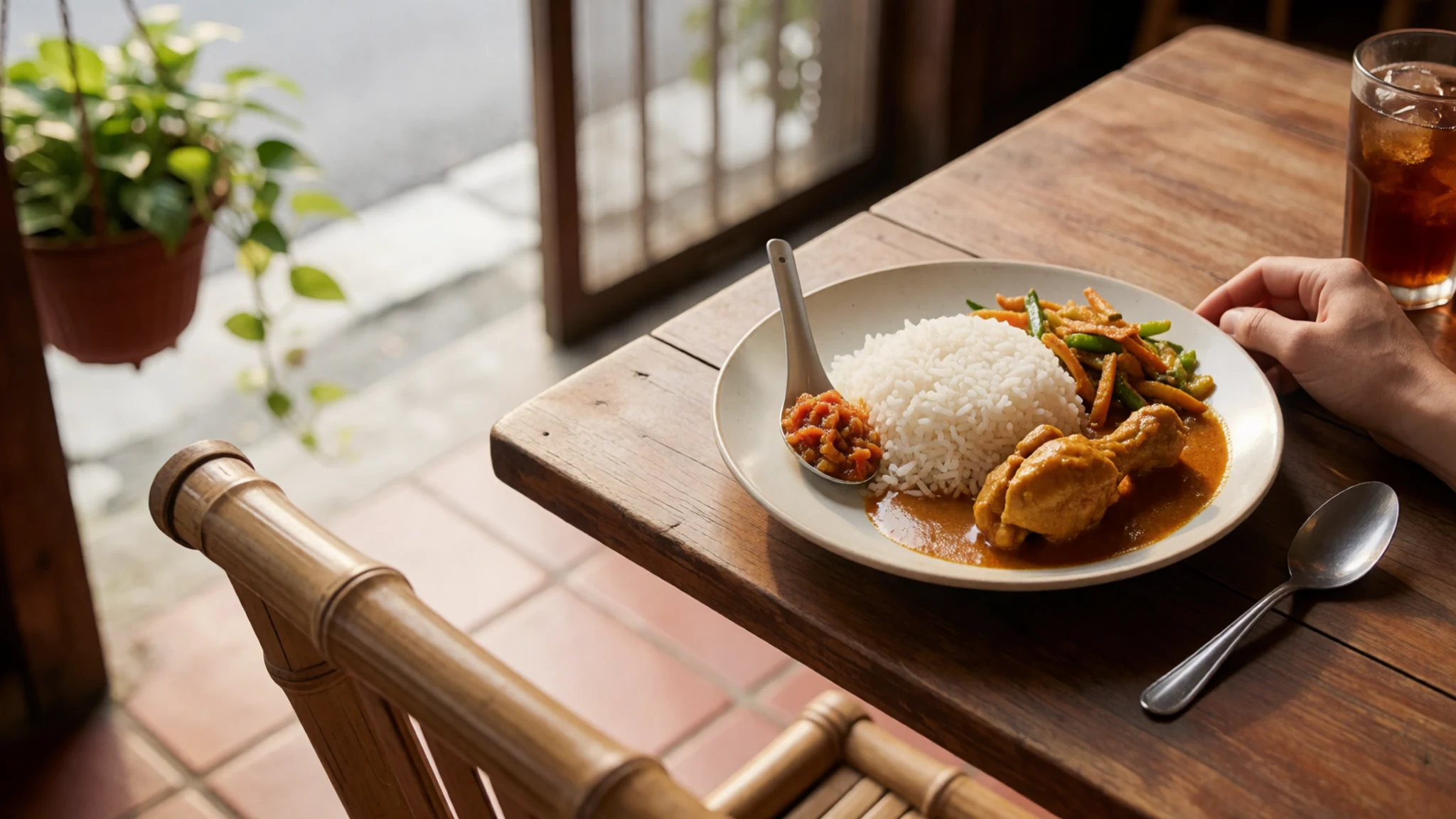
- Cocos Malay dishes — Eateries on Home Island
Classical Malay cooking from the community on Home Island, built around rice, noodles, curry and chilli with chicken, beef, lamb or seafood. It is flavoursome rather than fiery unless you ask for more heat.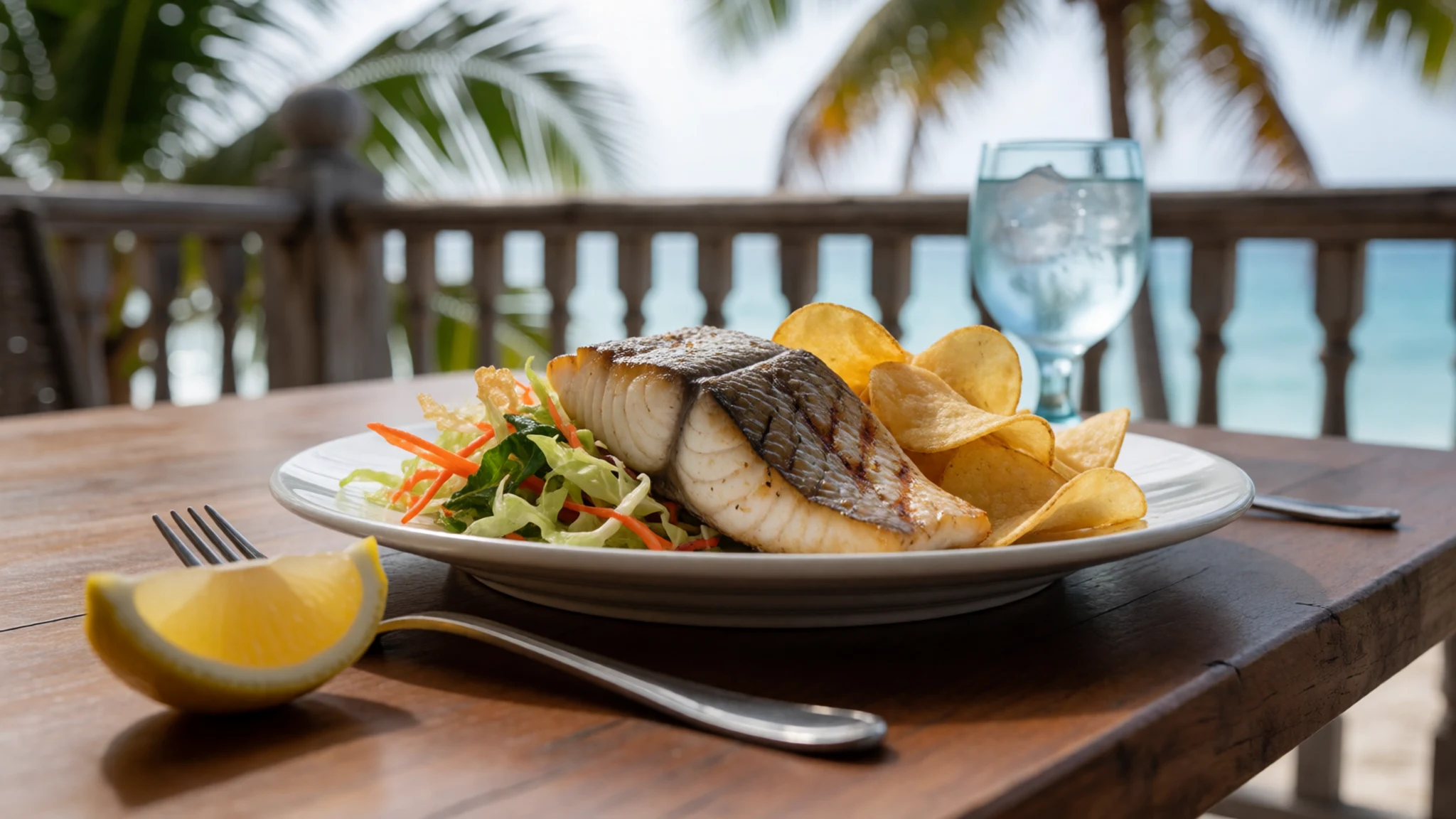
- Fresh bread and bakery items — Supermarket and Salty's Grill & Bakery
Bread arrives fresh on Tuesdays and Fridays at the supermarket, and a bakery-restaurant offers baked goods and a rotating weekly menu. Plan breakfast around those days. - Seafood and Western meals — Restaurants near the West Island settlement
Local fish and standard Australian restaurant food, such as grills and burgers, are available at the island's restaurants. Specials vary by night, so check the day's board. - Club-night meals — Cocos Club, West Island
Parmigiana, burgers and pizzas appear on certain nights at the Cocos Club. On some Fridays, social clubs lay on a community food night that is good value and a good way to meet people. - Breakfast and coffee — Dory's Cafe, West Island
A hearty cooked breakfast, a light dessert or just a coffee is on offer at the island's cafe, which also opens for dinner on Thursdays. Opening days are limited, so confirm locally.
Plan it
Best time. May to October is the trade wind season, with steadier breezes and less sultry weather, and suits most visitors. Heat and humidity last all year, with temperatures held in check by the sea. November to May is calmer but rainier, with north-west monsoon showers, and cyclone season runs October to April.
How long. 4–7
Getting there. Fly from Perth to West Island airport. Virgin Australia has run twice-weekly triangle flights between Perth, Christmas Island and the Cocos Islands, sometimes with a refuelling stop at Learmonth, but check the airline for current schedules and fares. Australian entry requirements apply. Yachts must notify Customs in advance and follow the quarantine procedures.
Budget. high
Tips
- Book flights and accommodation well ahead, as services are infrequent and space is limited
- Bring cash and basic supplies, and check what the supermarket stocks on arrival
- Use sun protection and carry water; the sun is strong even on cloudy days
- Ask locally before swimming on the ocean side, as surf and currents can be strong
- Arrange Home Island and national park trips with local tour operators
Etiquette
- Cover shoulders and knees on Home Island
- Ask permission before photographing local people
- Do not enter the Home Island Mosque unless accompanied by a Muslim
Nearby
Sources
- Wikidata Q48675 (CC0)
- Wikipedia: West Island, Cocos (Keeling) Islands (CC BY-SA 4.0)
- Wikivoyage: Cocos (Keeling) Islands (CC BY-SA 4.0)
- Photo: Cocos (Keeling) Islands, paullymac (CC BY-SA 2.0)
- Photo: Cocos (Keeling) Islands 2017, paullymac (CC BY-SA 2.0)
- Photo: Indian Ocean Breakers, David Stanley (CC BY 2.5)
- Photo: Naval Monument, David Stanley (CC BY 2.5)
- Photo: North Point, David Stanley (CC BY 2.5)
- Photo: Ocean Beach, David Stanley (CC BY 2.5)
- Photo: Pulau Cocos banner 6, paullymac (CC BY-SA 2.0)
- Photo: Pulau Cocos banner 7, David Stanley (CC BY 2.5)


Wildlife
- Giant moray eel (animal)
The giant moray is a sea fish and a true eel, and it is the heaviest of all the moray eels, so think of it as the bulky heavyweight of its family. On West Island, look along the ocean side, where eels are often noticed in tidal pools once the water has settled. The best season and time of day are not certain, so ask locally. Watch from a respectful distance, keep your voice low, go with a guide if you can, and never feed it.