Weddell Island
Weddell Island, Argentina
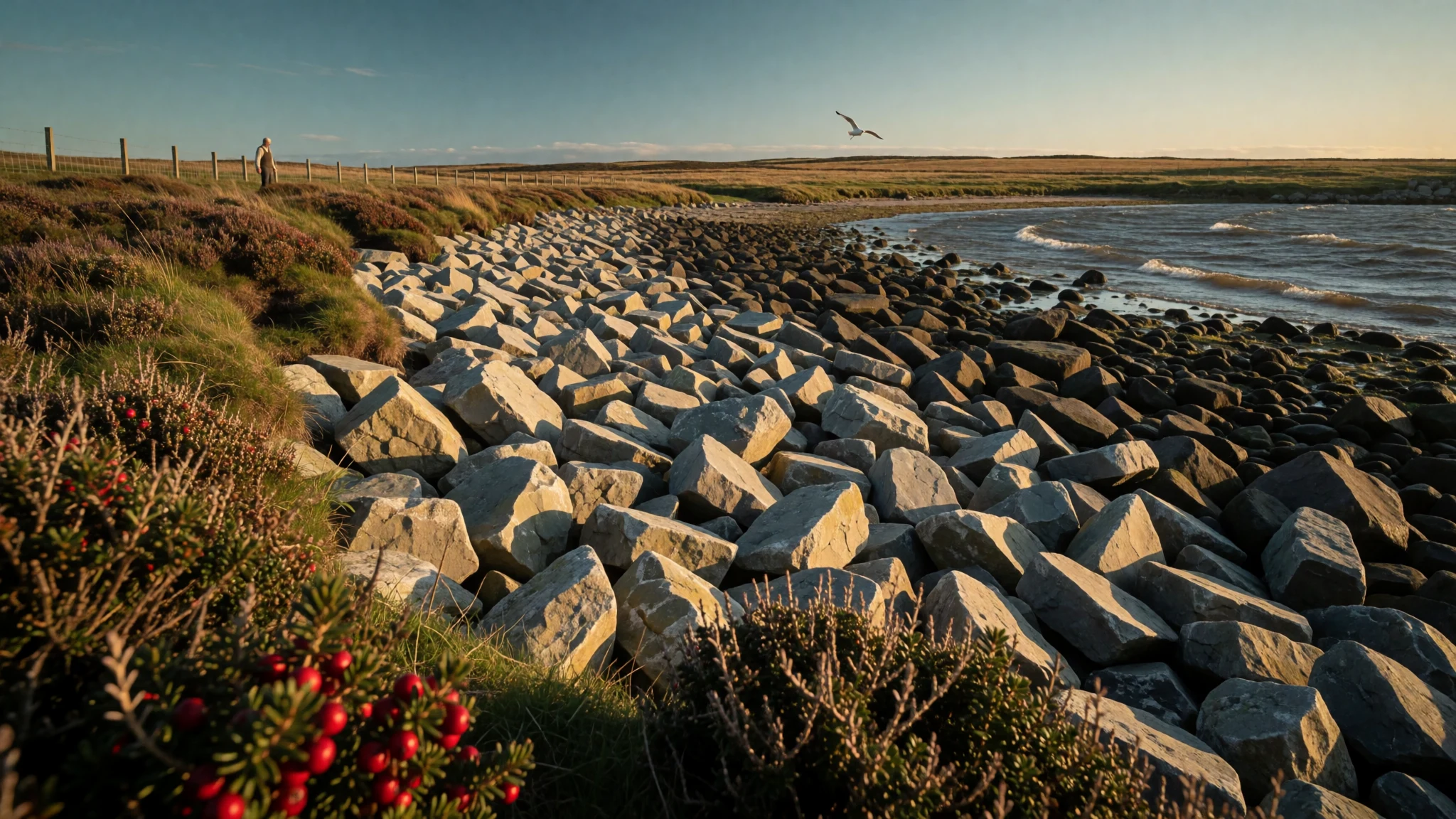
Weddell Island is a private, almost empty Falklands island of stone runs, heath and wildlife walks, reached only by arrangement and worth the effort.
The place
Weddell Island lies off the south-western tip of West Falkland, out in the South Atlantic, and is the third largest island of the Falklands after East and West Falkland. It covers about 265.8 square kilometres and is privately owned, which is unusual for an island of that size. Spanish-language maps call it Isla San José. The whole island has a single settlement, Weddell Settlement, where a handful of residents farm sheep and run a small amount of tourism. There is no town, no high street and no crowd.
The ground is low and open. The island is mostly hilly, with Mount Weddell rising to 383 m, Pitt Heights at 240 m, and Hotham Heights at 236 m, though the eye also finds wind-bent heath, bays, and grassland. Diddle-dee, a red-berried heath shrub, grows wild across the moorland, and the famous Falklands stone runs, rivers of broken rock that look frozen mid-flow, give the scenery its character. Sheep tracks and farm paths lead to coastal wildlife spots, including places to watch penguins.
It is also remote by any measure. Cape Horn is about 606 kilometres to the south-west, and South Georgia is about 1,545 kilometres to the east-south-east. Weather changes quickly, wind is constant, and the southern summer is mild rather than warm. The island suits people who like quiet, birdwatching, long walks and a sense of being a long way from anywhere, and who do not mind that everything depends on weather, boats and planes.
Its story
Weddell Island entered European charts in 1766, when the British naval officer John MacBride sailed HMS Jason through the Falklands on the first systematic survey of the archipelago. He worked out of Port Egmont, the early British outpost on Saunders Island, and his chart placed Weddell on the map. MacBride was not charmed by what he found. He depicted a cluster of islands and fragmented terrain relentlessly hit by near-constant storms, though his weather records were milder, with summer temperatures peaking at around 15 °C.
His chart turned out to be one of the more accurate of its time, and it had a long afterlife. James Cook never actually visited the Falklands, but he drew his own 1777 chart largely from MacBride's, and carried over its quirks. Both maps, for instance, miss the sheltered bay of Port Stephens and attach its name to what is now Port Albemarle.
Contemporary French mapping suggests the island was unknown to the French, who founded the first settlement in the islands. Spanish charts of around 1770 show the archipelago too, which is why the island still carries a Spanish name, Isla San José. Those overlapping names are a small reminder that the Falklands were claimed, mapped and renamed by several powers before settlement took hold.
Sheep farming later became the island's working life, and it remains so. The sovereignty of the Falklands is still disputed by Argentina, which is why Wikidata lists both Argentina and the United Kingdom for the island, while the islanders themselves overwhelmingly regard it as British.
What to see
- Weddell Settlement — Northern coast settlement
Weddell Settlement is the island's only inhabited place and the natural starting point. It is a working farm with a few buildings, shearing sheds and the people who run them. A visit here is less about sights than about seeing how a very small community lives and works at the edge of the South Atlantic.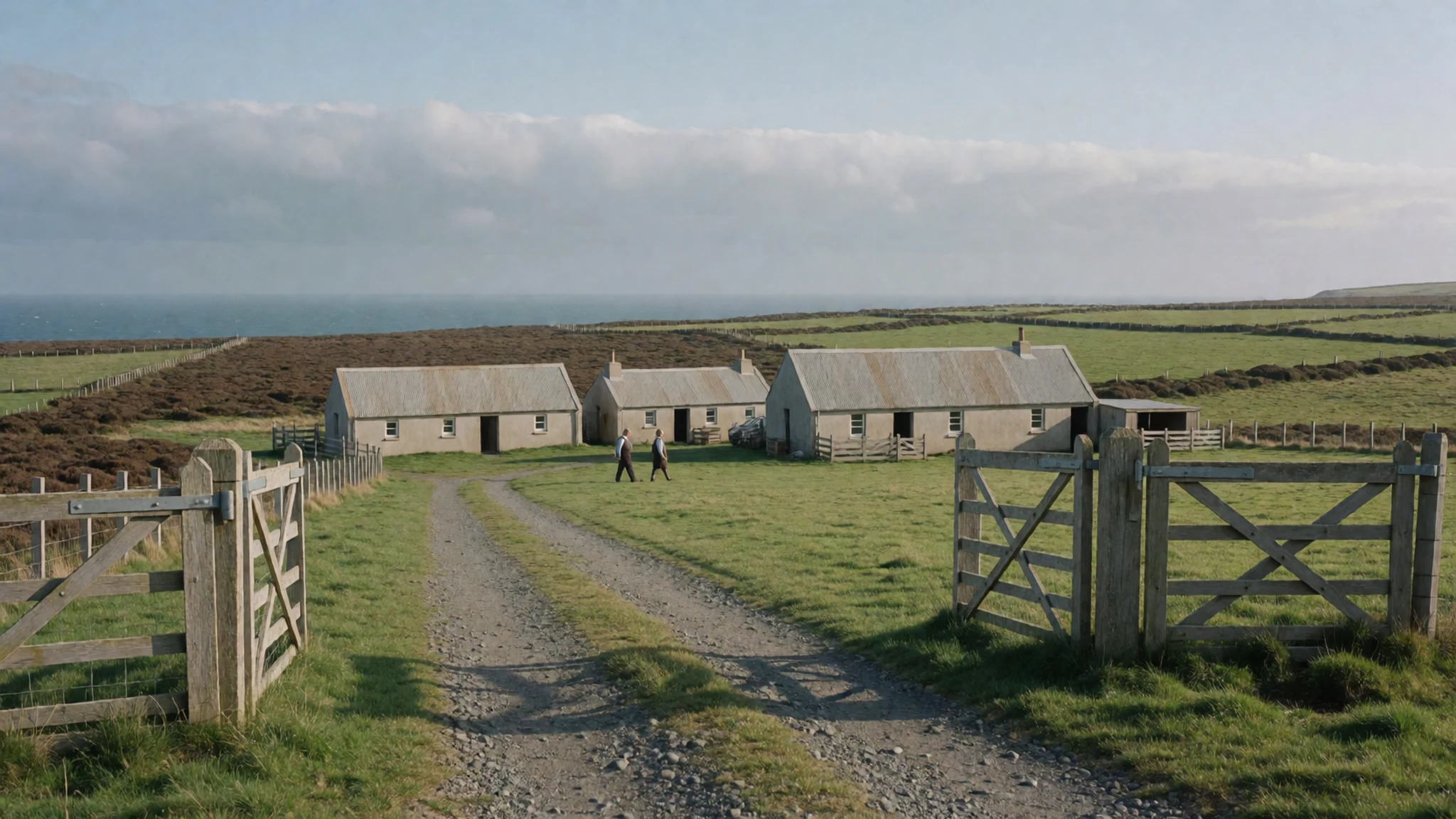
- Stone runs — Interior moorland
The stone runs are long streams of angular rock that spill down gentle slopes with no water in them. Weddell has some striking examples. They are best seen in low evening light, when shadows pick out the blocks. Walk slowly: the rocks shift, and the surface is awkward underfoot.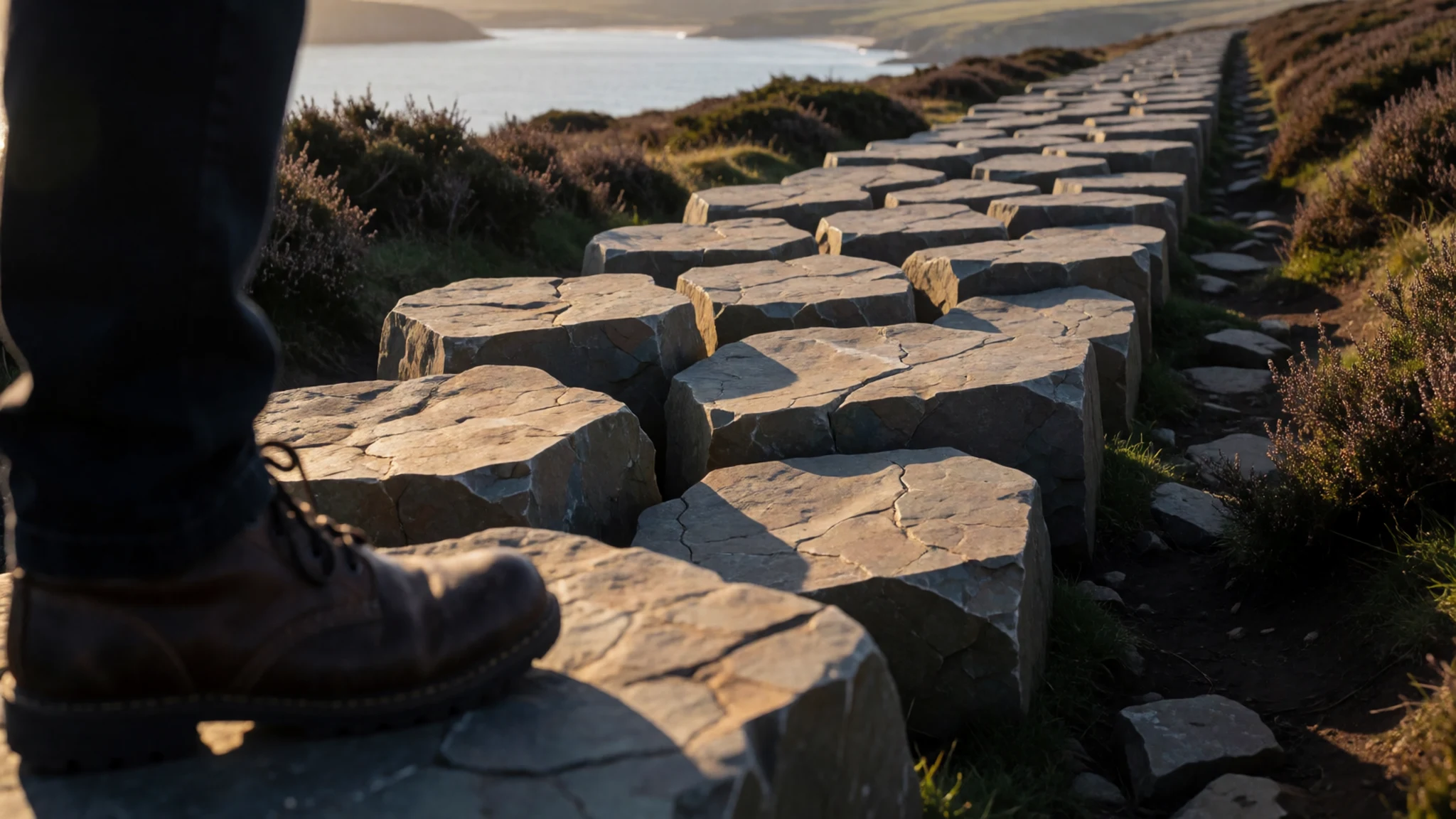
- Penguin and bird walks — Coastal paths and beaches
Penguins live along the island's shores, and the farm tracks lead to viewing places on foot. Spring and summer are the lively months. Keep a respectful distance, stay on paths where the farm asks, and bring binoculars. Check locally which colonies are accessible, since birds and weather decide what is possible.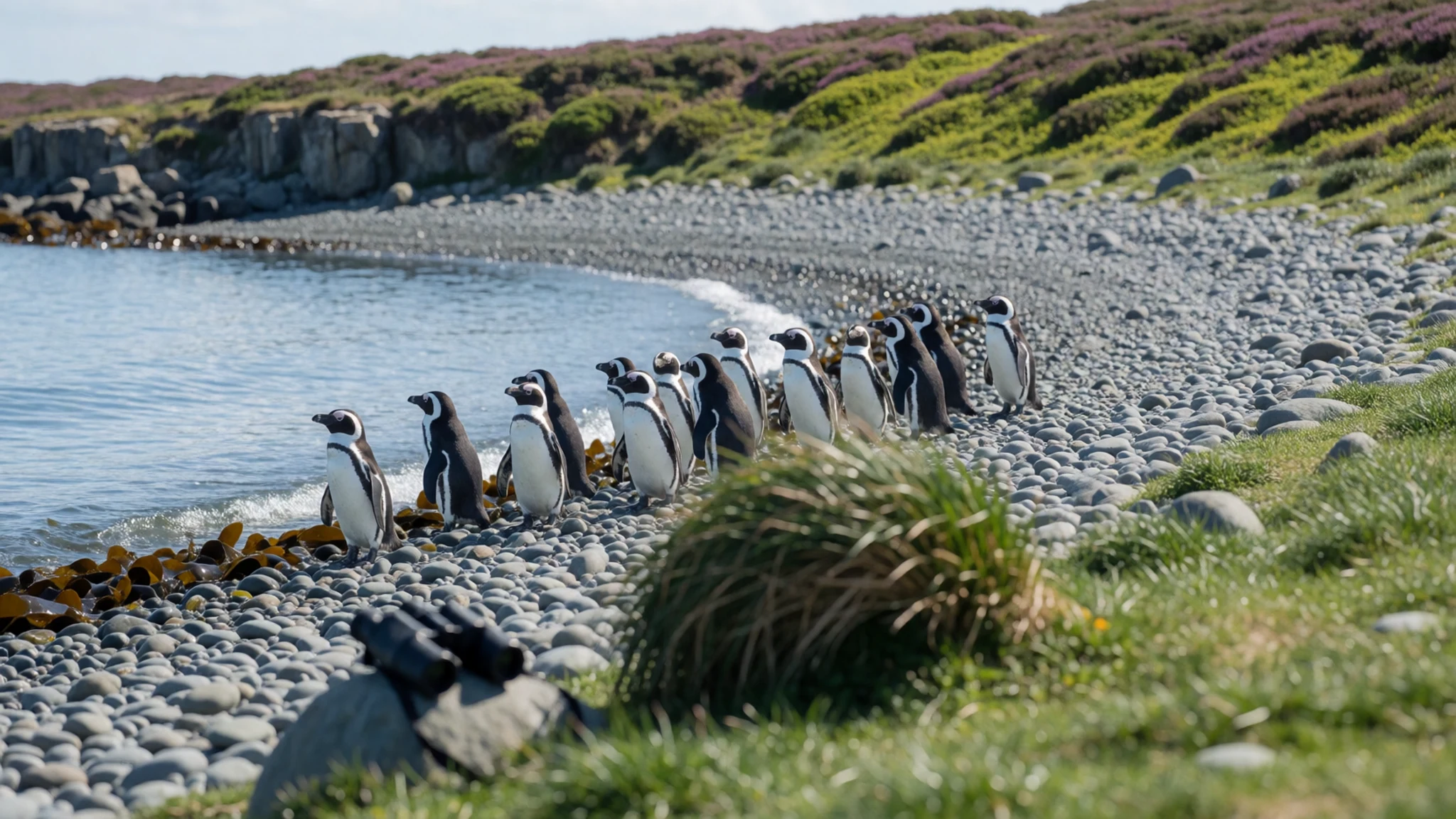
- Sea-trout and mullet fishing — Rivers and sheltered inlets
Fishing is a real draw here, with a season running from September to April, when anglers go after sea trout and mullet. Arrangements are made through the island, not independently, and rules on permits and tackle change, so ask before packing a rod.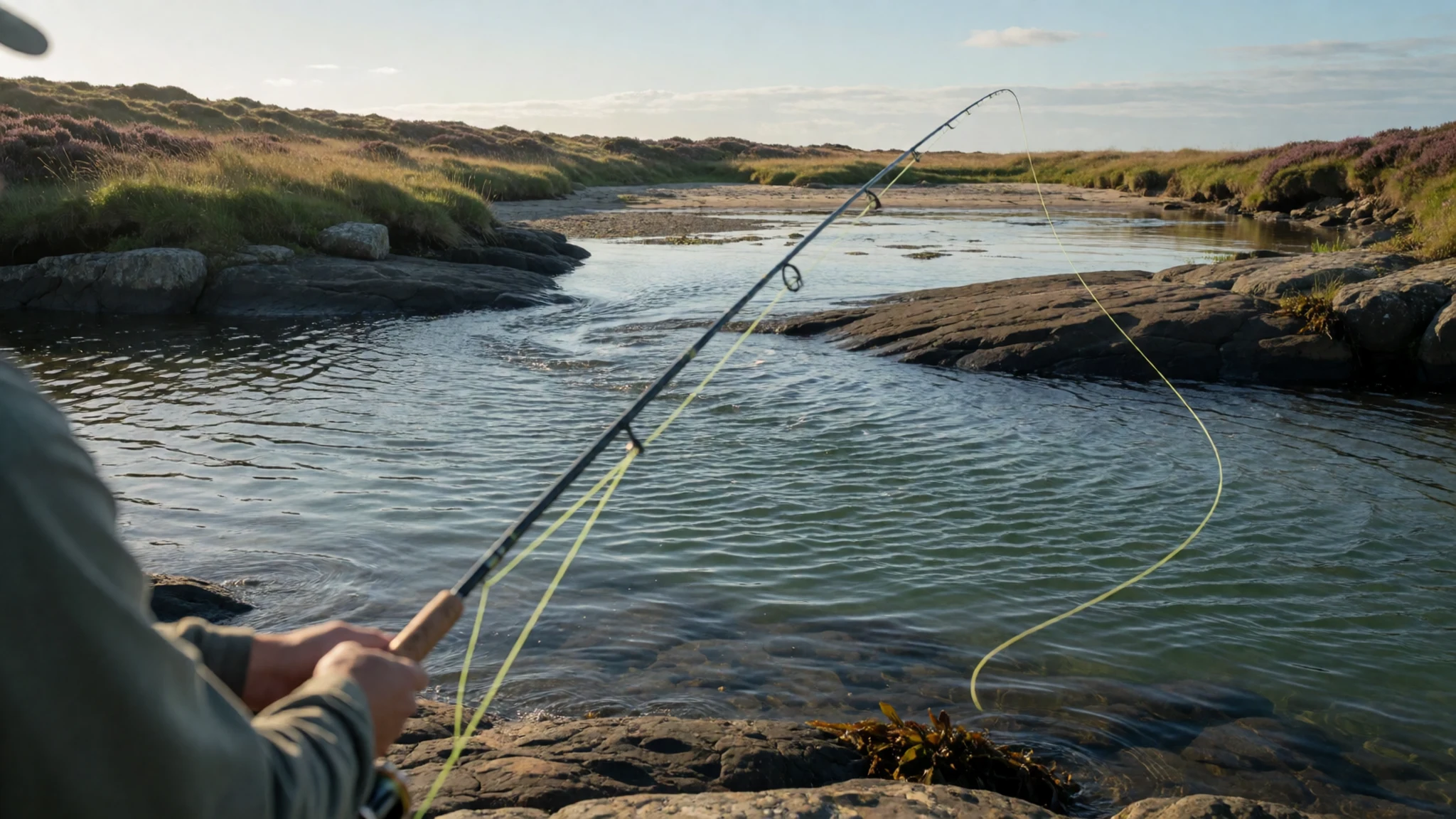
- MacBride's chart and the island's satellite view — Armchair history
For context before travelling, look at the 1766 survey chart by John MacBride beside a modern satellite image. The ragged outline is recognisable in both, and the comparison makes the island's bays, sounds and isolation easier to picture on the ground.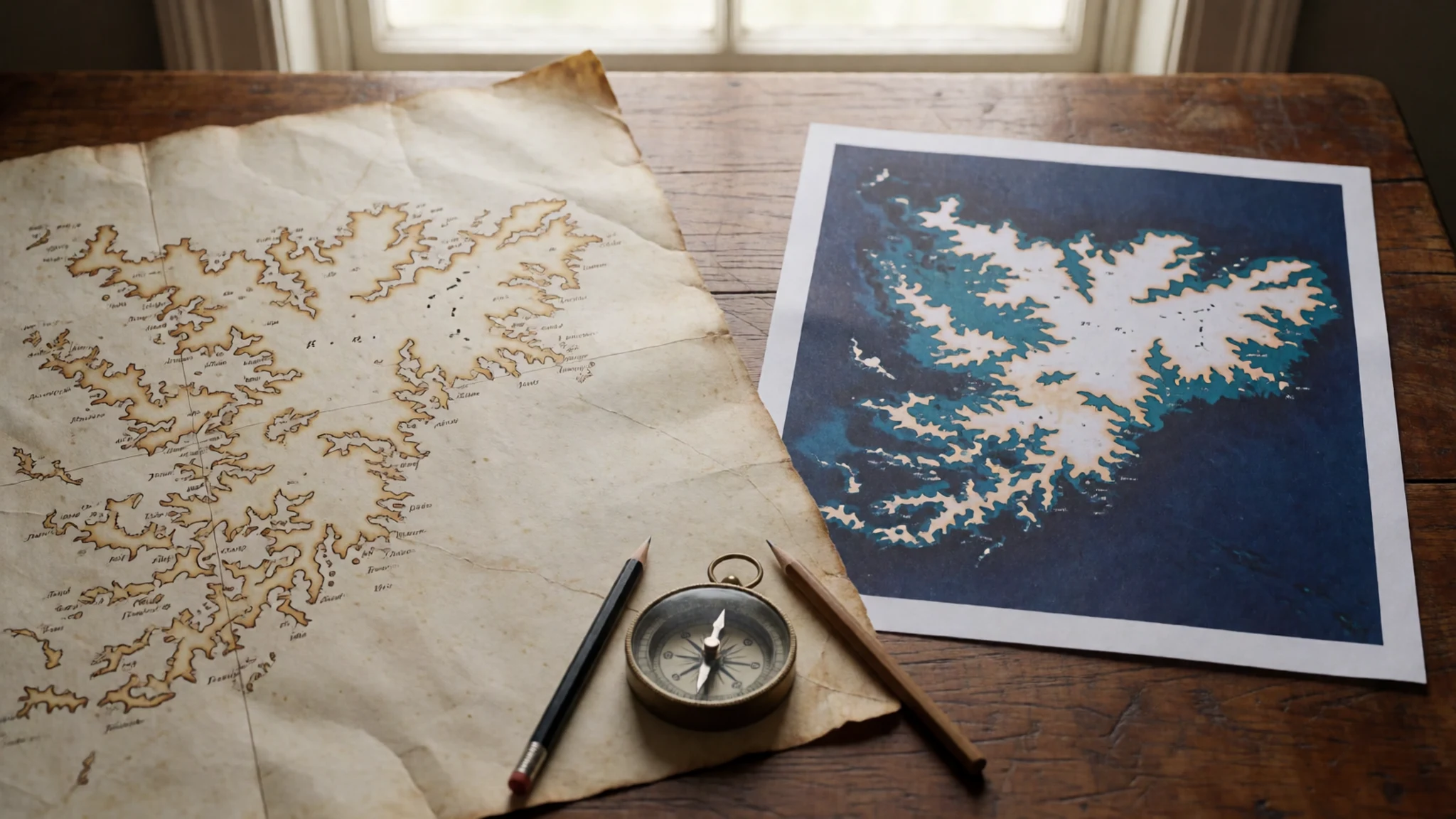
Culture
Weddell Island has no culture of its own beyond the farm, so the customs a visitor meets are those of the wider Falklands. Because the population has British roots, daily habits follow the United Kingdom's: tea, polite queuing, understatement, and a good deal of conversation about the weather. In several ways islanders are more conservative than people in Britain, and drugs are not tolerated at all.
Camp life, meaning life outside Stanley, the capital, is practical and communal. Sheep, wool, peat, weather and the radio or phone schedule shape the day. Neighbours help each other, and hospitality to arriving visitors is genuine, often with home cooking and a long chat.
Politics is a sensitive subject. Many residents lived through the 1982 conflict, and in a 2013 referendum 99.8 per cent of those voting chose to remain British. Margaret Thatcher, prime minister in 1982, is regarded warmly here. Some residents still distrust Argentines because of the war, so nationality can come up in conversation. Attitudes toward LGBT people are positive: same-sex marriage became legal in 2017, and discrimination on the basis of sexual orientation is against the law.
Visitors should never describe the islands as Argentine, however neutral the intention, since that single word can end a friendly conversation.
What to wear
Weddell Island has no national costume, and the Falklands have no single traditional dress with its own textile name. What carries tradition is working clothing for farm and weather: wool jumpers and socks, tweed or waxed caps and jackets, oilskins, and rubber boots. Wool is the island's own product, since sheep farming is the economy, and knitted garments are the nearest thing to a local textile craft. Warm layers are worn year-round, not for occasions.
What people actually wear now is much the same, updated: fleeces, windproof shells, waterproof trousers, sturdy boots, and hats that stay on in a gale. Dress is casual and unfussy. In Stanley, people dress a little smarter for church or an evening in a pub, but nobody expects formality out in camp.
For a visitor, the rule is layers. Even in the southern summer the air is cool, and wind makes it feel colder. Pack a thermal base layer, a fleece, a fully waterproof jacket and over-trousers, a warm hat, gloves and sunglasses, because the light is strong and the sun burns even on cool days. Footwear matters most: waterproof walking boots with good grip for wet heath and loose stone runs, plus spare dry socks. There are no religious dress codes to worry about, and modesty norms are simply those of rural Britain. Dress for comfort and weather and nobody will think twice.
What to eat
- Home-cooked mutton — Farm tables and lodges in camp
Mutton is the standard meat of the Falklands, and sheep farming is what Weddell does. Expect it roasted or stewed, served in generous portions at a farm table. It is plain, filling food, and far better after a day of walking in wind.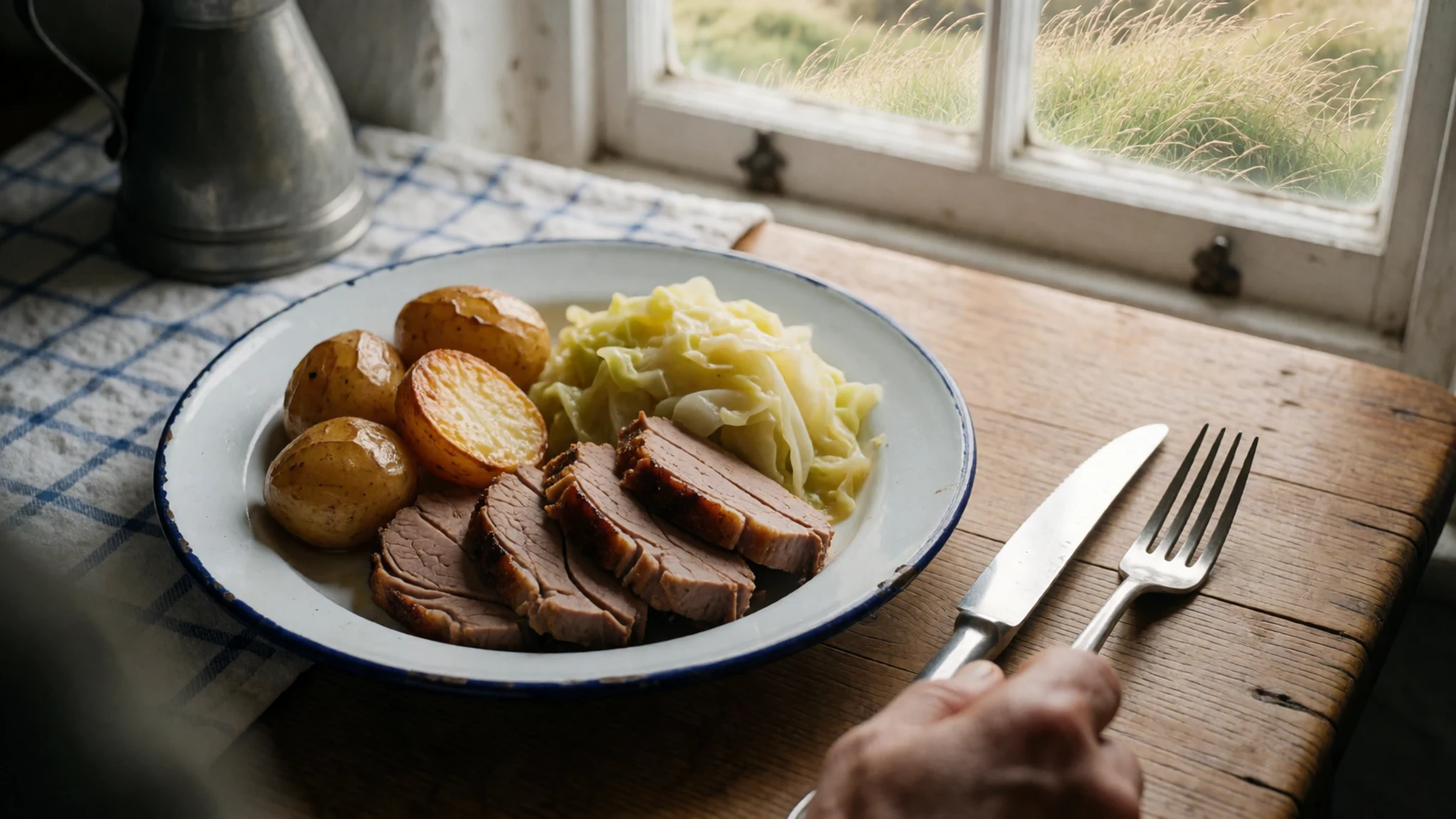
- Fish and chips — Pubs and cafés in Stanley
Fish and chips is part of the everyday British-style diet in the islands. Stanley's pubs and cafés are the likeliest places for it, usually before or after the journey out to a smaller island such as Weddell.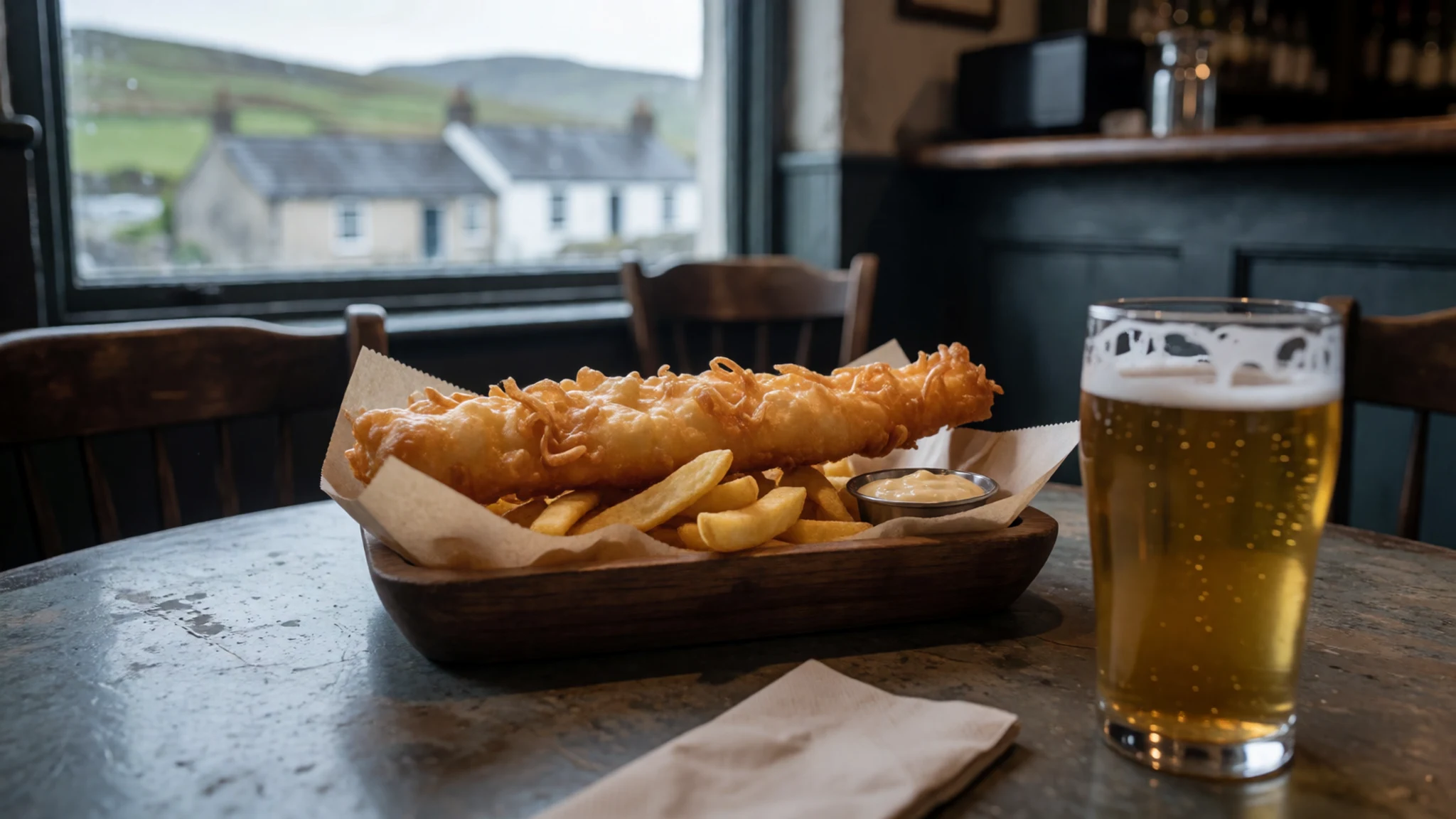
- Roast beef and a Sunday-style dinner — Lodges and farm houses
Traditional British roasts appear regularly, and lodges in camp tend to serve them as home-cooked meals. Portions are large, and the cooking is often better than in the capital's pubs, according to long-standing visitor accounts. - Diddle-dee jam — Gift shops and farm kitchens
Diddle-dee, a red crowberry that grows wild on the heaths, is turned into a tart jam that is the best-known local speciality. It suits toast, scones and cheese. Jars are easy to carry home as a souvenir of the heath. - Falklands microbrewery beer — Bars in Stanley and gift shops
A few local microbreweries make beers inspired by the islands. Bottles and cans are common, with some on tap in Stanley bars. Alcohol is untaxed, so beer is among the better-value items in a country where most imports are costly.
Plan it
Best time. December to February, the southern summer, when days are longest and hottest; January is the warmest and wettest month, though expect cool, windy weather. Winter is colder, with frost possible and shorter daylight. Fishing season runs September to April.
How long. 2–4
Getting there. Weddell is a private island, so travel is arranged through the island or a Falklands operator. Most visitors first reach Stanley, the capital, then make the last leg to Weddell by light aircraft or boat when weather allows. Check current routes and booking details with the Falkland Islands tourist board or the island directly.
Budget. high
Tips
- Arrange everything well in advance: access, accommodation and transport are by prior agreement, and Weddell is not a drop-in destination
- Allow spare days, because wind and weather can delay flights and boats
- Carry some cash and do not count on cards or mobile signal out in camp
- Bring layers, waterproofs and your own binoculars
- Check entry rules before travelling: all visitors need a passport, proof of onward travel, accommodation, funds and medical evacuation insurance
Etiquette
- Keep a safe distance from elephant seals, sea lions and fur seals, which can be dangerous with young or when cornered
- Close farm gates and keep to paths, since this is working sheep land
- Never call the islands Argentine
Nearby
Sources
- Wikidata Q1543033 (CC0)
- Wikipedia, Weddell Island (rev 1370448301) (CC BY-SA 4.0)
- Wikivoyage, Falkland Islands (rev 5400949) (CC BY-SA 4.0)
- Satellite image of Weddell Island, NASA ISS011-E-5251 (Public domain)
- Captain John MacBride, Gilbert Stuart (CC0 1.0)
- Chart by John MacBride, Hawkesworth and Byron (Public domain)
- Charles Barnard camp on New Island, T.R. Whitney (Public domain)
- HMS Ocelot (S17) underway in 1989, PH1(SW) J. Elliott, USN (Public domain)
- Falkland Islands regions map, Peter Fitzgerald (CC BY-SA 2.5)
- Falklands map, Etienne André Philippe de Pretot (Public domain)
- Map of the Falkland Islands, Real Escuela de Navegación de Cádiz, c. 1770 (Public domain)


Wildlife
- Sea trout (animal)
The brown trout is a hunting fish that eats other animals, a quiet hunter beneath the water. Travellers meet it here as the sea trout that anglers chase, alongside mullet, and fishing is open from September until April. Ask a local guide where to cast. Keep your voice low, stay back from the bank, handle any catch gently, and never throw food into the water to tempt fish.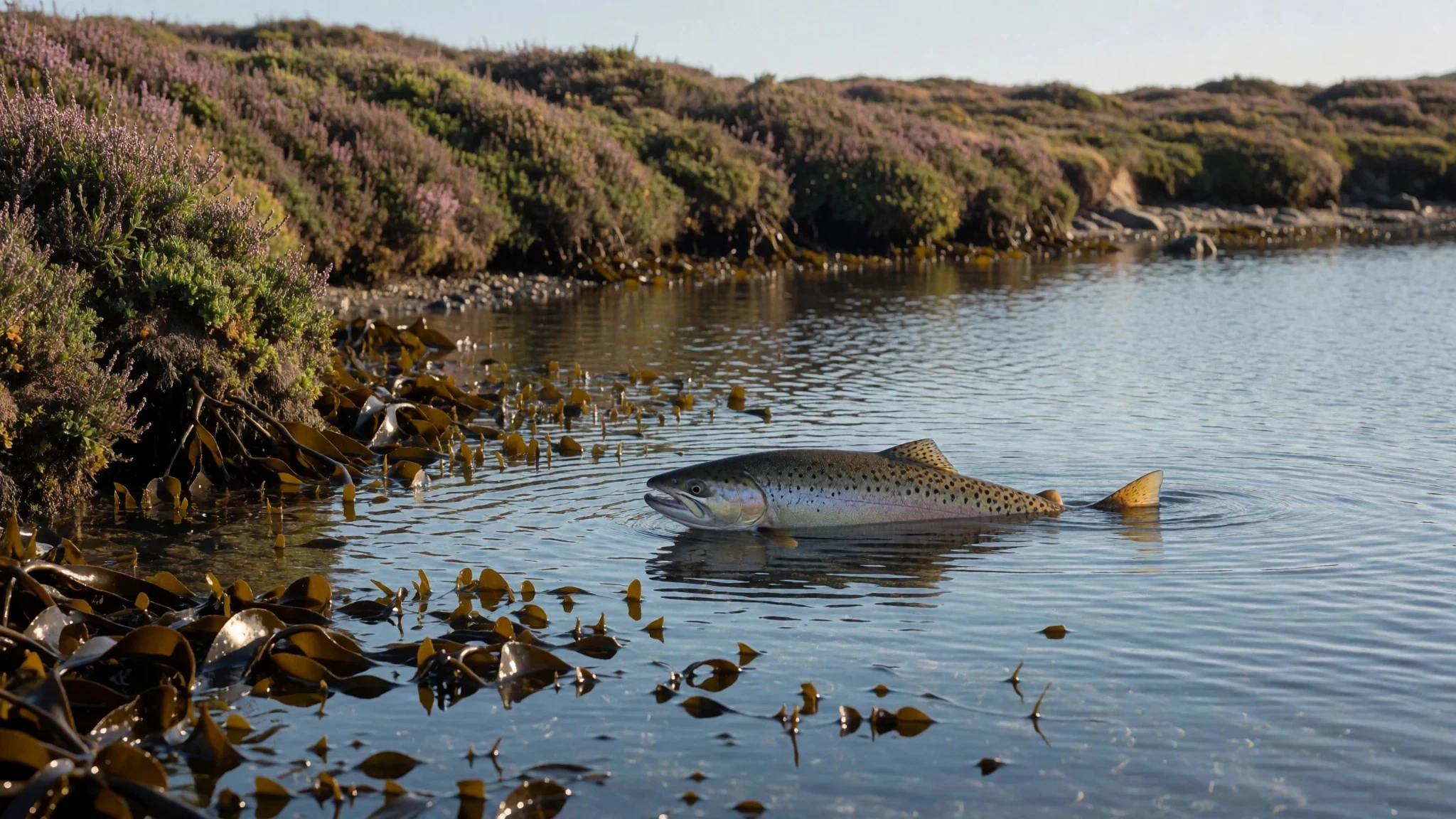
- Penguin (animal)
The Magellanic penguin is a South American bird that nests on the coast of Patagonia and carries the name of a famous explorer. Here you will find it by the sea, and the farm's tracks lead walkers to places for watching. Ask your guide when it is best to visit. Stay well back, keep still and quiet, and never offer food, so the birds can carry on undisturbed. - Magellanic penguin (bird)
The Magellanic penguin is a South American bird that nests on the coast of Patagonia and carries the name of a famous explorer. Here you will find it by the sea, and the farm's tracks lead walkers to places for watching. Ask your guide when it is best to visit. Stay well back, keep still and quiet, and never offer food, so the birds can carry on undisturbed.