Waterford
Waterford, Ireland
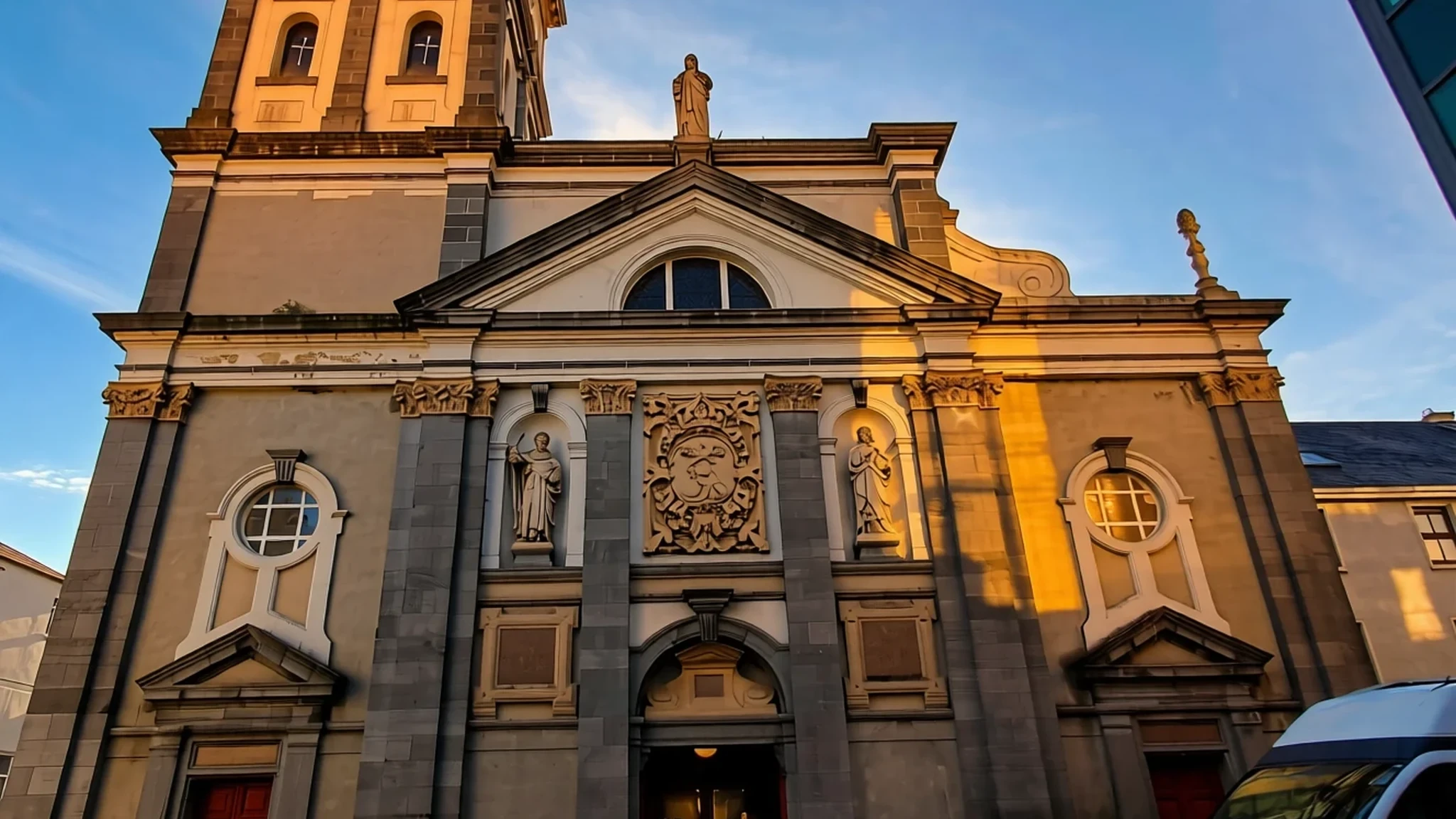
Waterford is a compact river port with Viking walls, Georgian cathedrals and a crystal-making tradition, easy to cover on foot in a couple of days.
The place
Waterford sits in the south-east of Ireland, in the province of Munster, at the head of Waterford Harbour where the River Suir widens towards the sea. The city has a population of 48,369 in the facts used here, which makes it small enough to walk across in half an hour, yet it carries far more history than its size suggests. Irish speakers call it Port Láirge.
The centre is a tight grid of lanes and quays. The waterfront is the natural spine: the Clock Tower, the long quayside promenade and the road bridge over the Suir give a sense of how much the place has always depended on shipping. Behind the quays, the old walled quarter holds the museums, the two cathedrals and the stubby round towers of the medieval defences. This part of town is known as the Viking Triangle, and it is where most visitors spend their time.
Waterford is also known for glass. Decorative crystal was made here from 1783 until the factory closed in early 2009, and production resumed under new owners after a visitor centre opened in 2010. The place is a working county town, with the local council, shops, theatres and a student crowd, so it feels lived in rather than preserved.
Weather is the honest caveat. Ireland's south-east is milder than much of the country, but rain can arrive on any day of the year, and a wind off the estuary makes a dry afternoon feel cooler than the forecast says. Crowds are modest outside summer weekends and festival dates, which makes Waterford a relaxed base for a gentle city break or a stop on the way around the south coast.
Its story
The name Waterford comes from the Old Norse Veðrafjǫrðr, usually read as 'wether fjord' or 'ram fjord'. The Irish name, Port Láirge, means the port of Lárag. The two names tell the story neatly: a Norse harbour on a Gaelic landscape.
Vikings first set up a camp near the site in 853, but they were driven out around 902. They came back in 914 under Jarl Ottar and then the Uí Ímair dynasty, and from that second foothold grew what is described as Ireland's first city. Ivar of Waterford was among its best-known rulers, and the settlement became a trading town tied into Atlantic and Irish Sea routes.
The arrival of the Normans changed everything. In 1167 Diarmait Mac Murchada, the deposed King of Leinster, tried and failed to seize the town. Three years later he came back with a force of hired Welsh-Norman soldiers led by Strongbow, and together they stormed the walls after a hard fight. In 1171 Henry II of England landed here in person, making Waterford a gateway for the wider Norman takeover of Ireland.
The town later earned its motto Urbs Intacta Manet, 'the untaken city', after holding out in a 15th-century siege. Reginald's Tower, dating from the 13th or 14th century, is the most visible survivor of those walls. Its name echoes a common Viking personal name, though nobody can say for sure whether it recalls the founder himself.
Trade with Bordeaux brought wine and wealth in the medieval period, and the later Georgian centuries added the elegant buildings still lining the quays. Layer on layer, the city's walls, cellars and church sites show how often Waterford changed hands, faiths and fortunes while keeping its harbour.
What to see
- Reginald's Tower — The Quays, Viking Triangle
The round stone tower on the quayside dates from the 13th or 14th century and anchors the old defences. Its name recalls Røgnvaldr, a common Viking name, so the link to the city's founder is uncertain. Go in for the museum and the view over the river and the surrounding streets.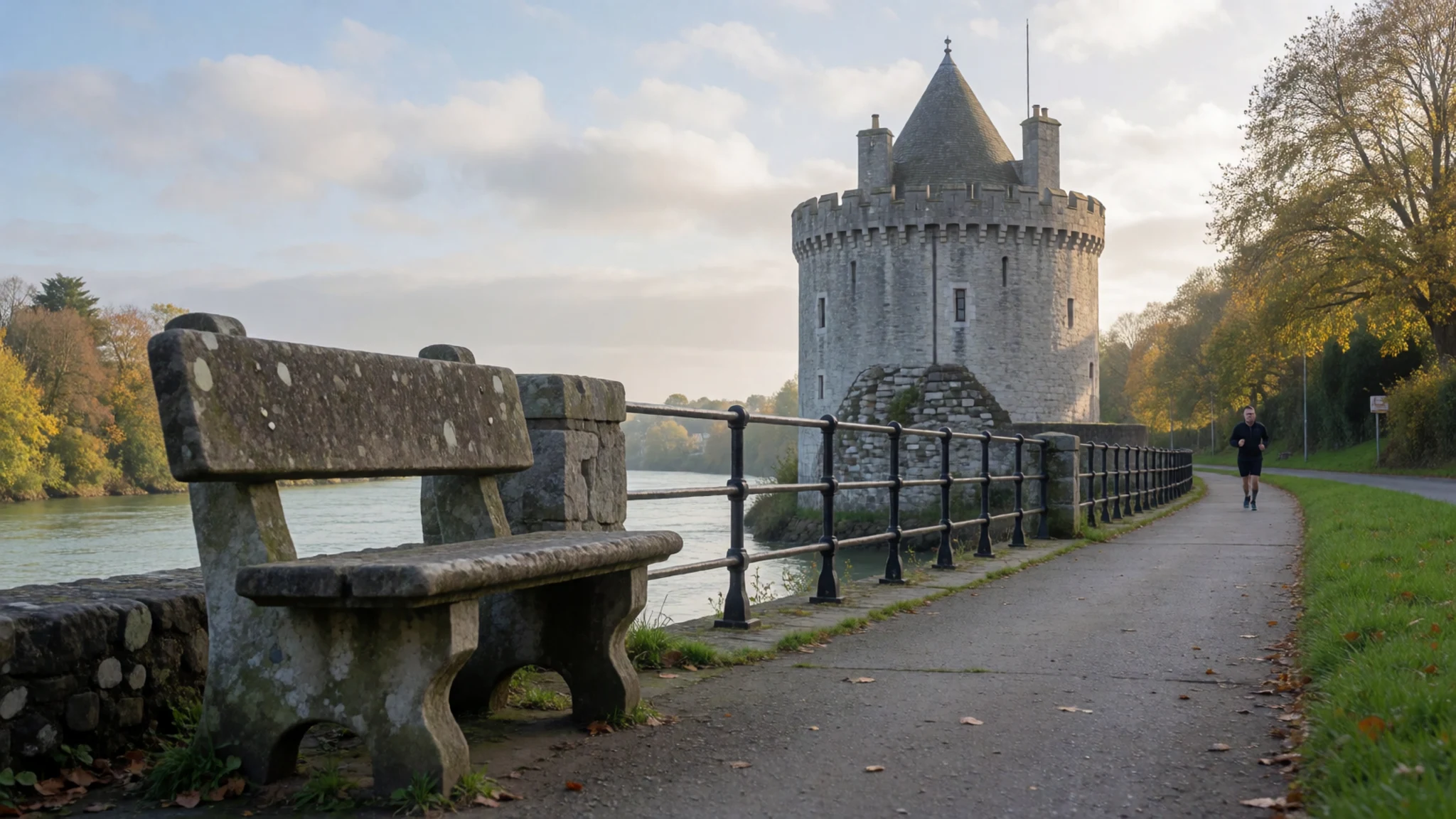
- Medieval Museum — Viking Triangle
The visit begins in the Choristers' Hall dating from 1270 and continues into the old wine vaults, a reminder of how much Waterford traded with Bordeaux, a city ruled by the English crown. It is a good first stop to understand how medieval townspeople lived, worshipped and did business.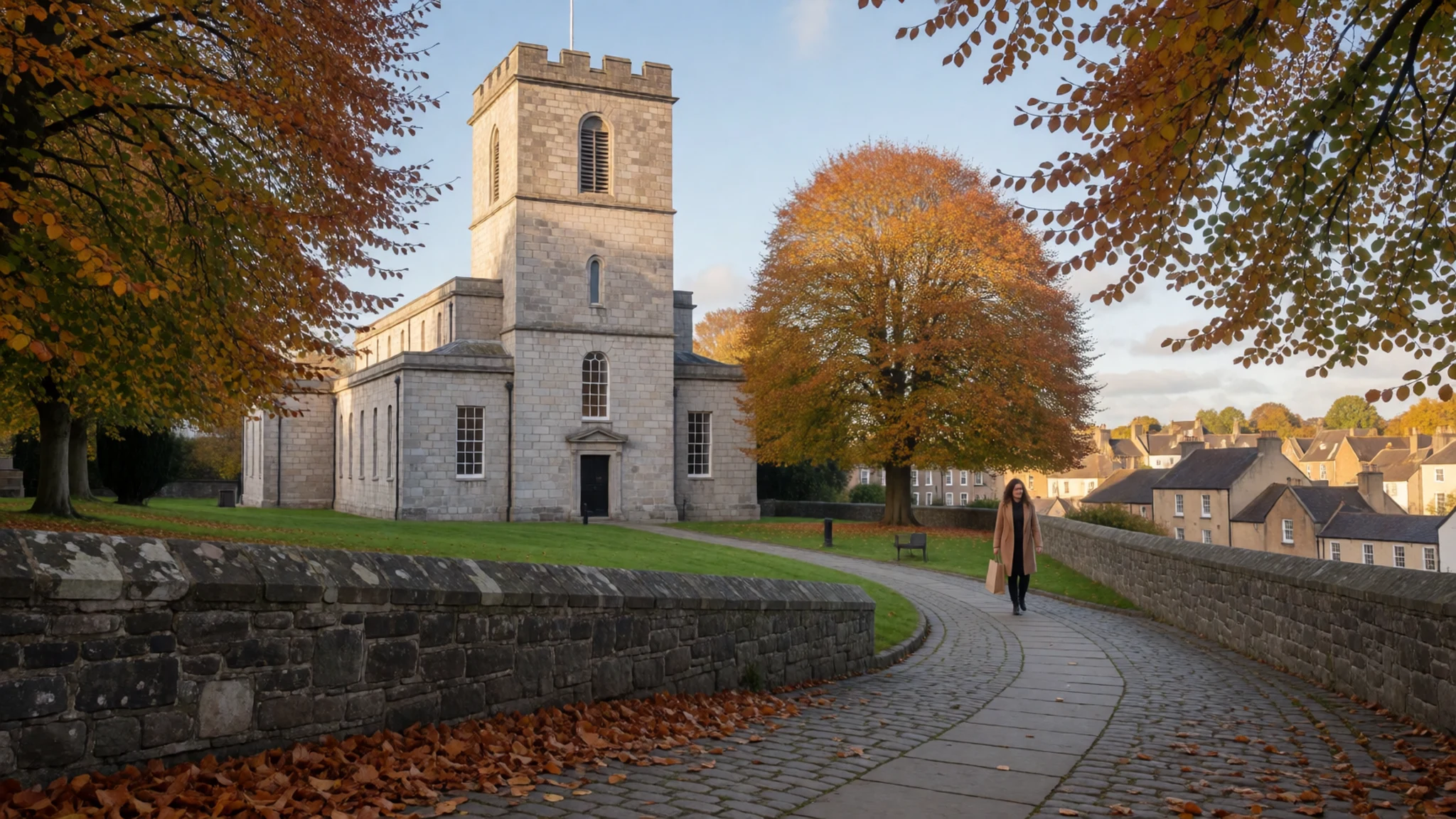
- Christ Church Cathedral — Cathedral Square
This is the Church of Ireland cathedral, built in Georgian style between 1773 and 1779 on the site of the older Gothic cathedral it replaced. It stands beside the museums, so it slots easily into a morning walk. Inside, expect calm, pale interiors and a quiet crypt tradition worth asking about.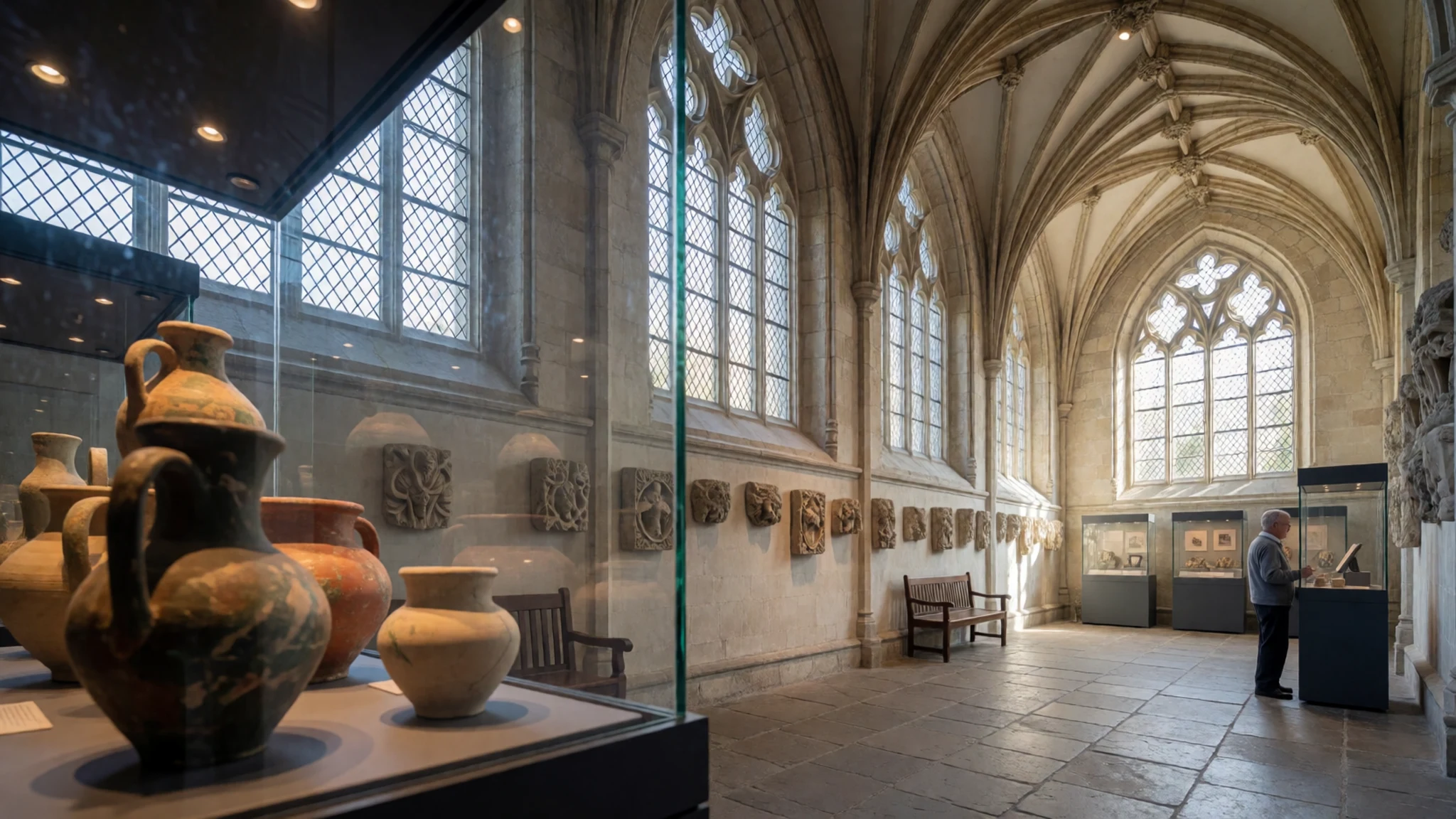
- Cathedral of the Most Holy Trinity — The Quays
The Roman Catholic cathedral stands on the Quays and was completed in 1793, after the Penal Laws restricting Catholic worship were eased. It was built on the site of an earlier chapel. The interior is richly decorated, and it feels like a very different atmosphere from its Protestant neighbour.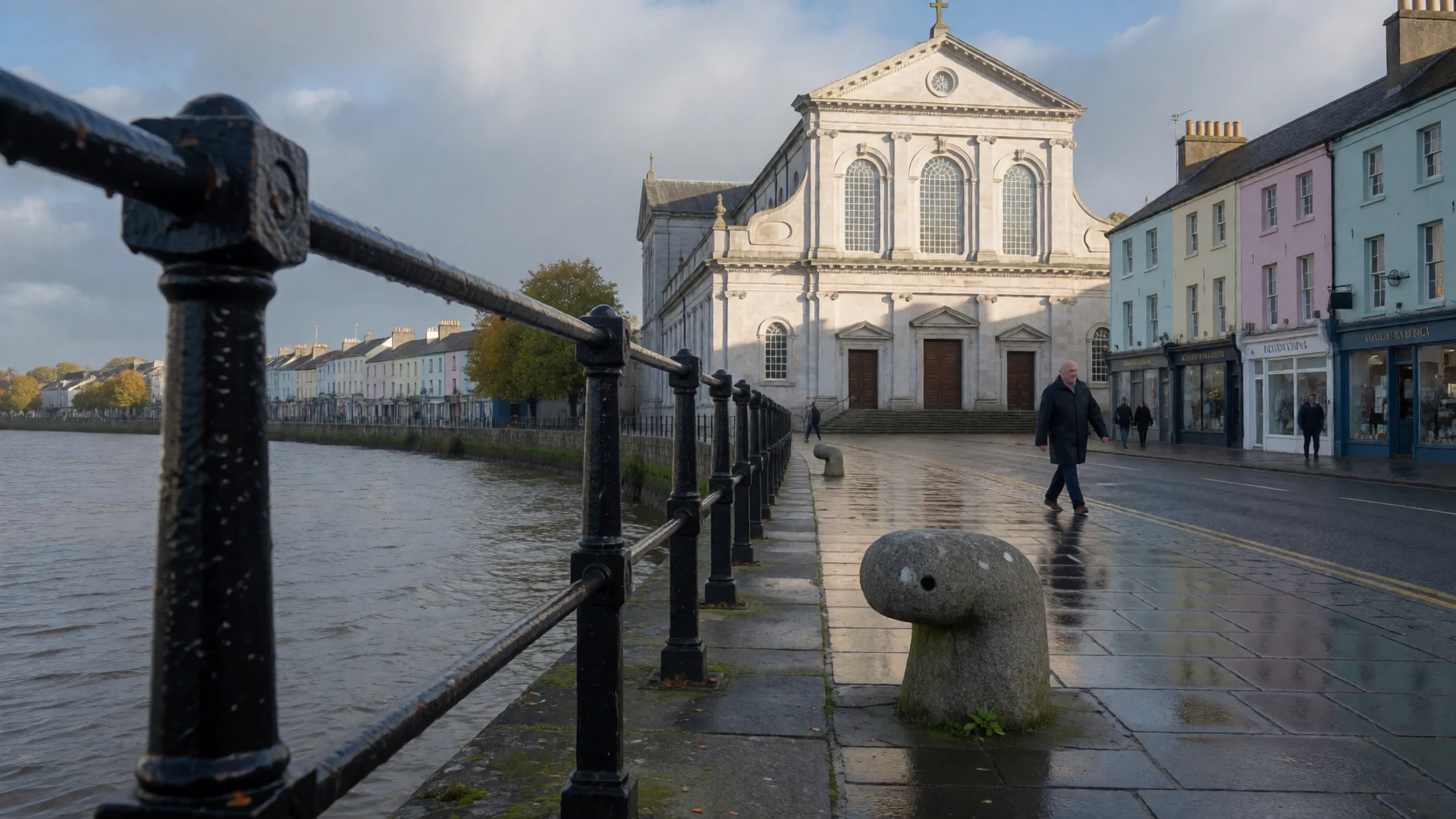
- Bishop's Palace — Viking Triangle
A grand Georgian residence furnished with items mostly from that era, including a piece of Waterford Crystal from 1789 and a Napoleon Mourning Cross. It gives a vivid sense of how the city's elite lived in the eighteenth century, and it pairs well with the medieval displays nearby.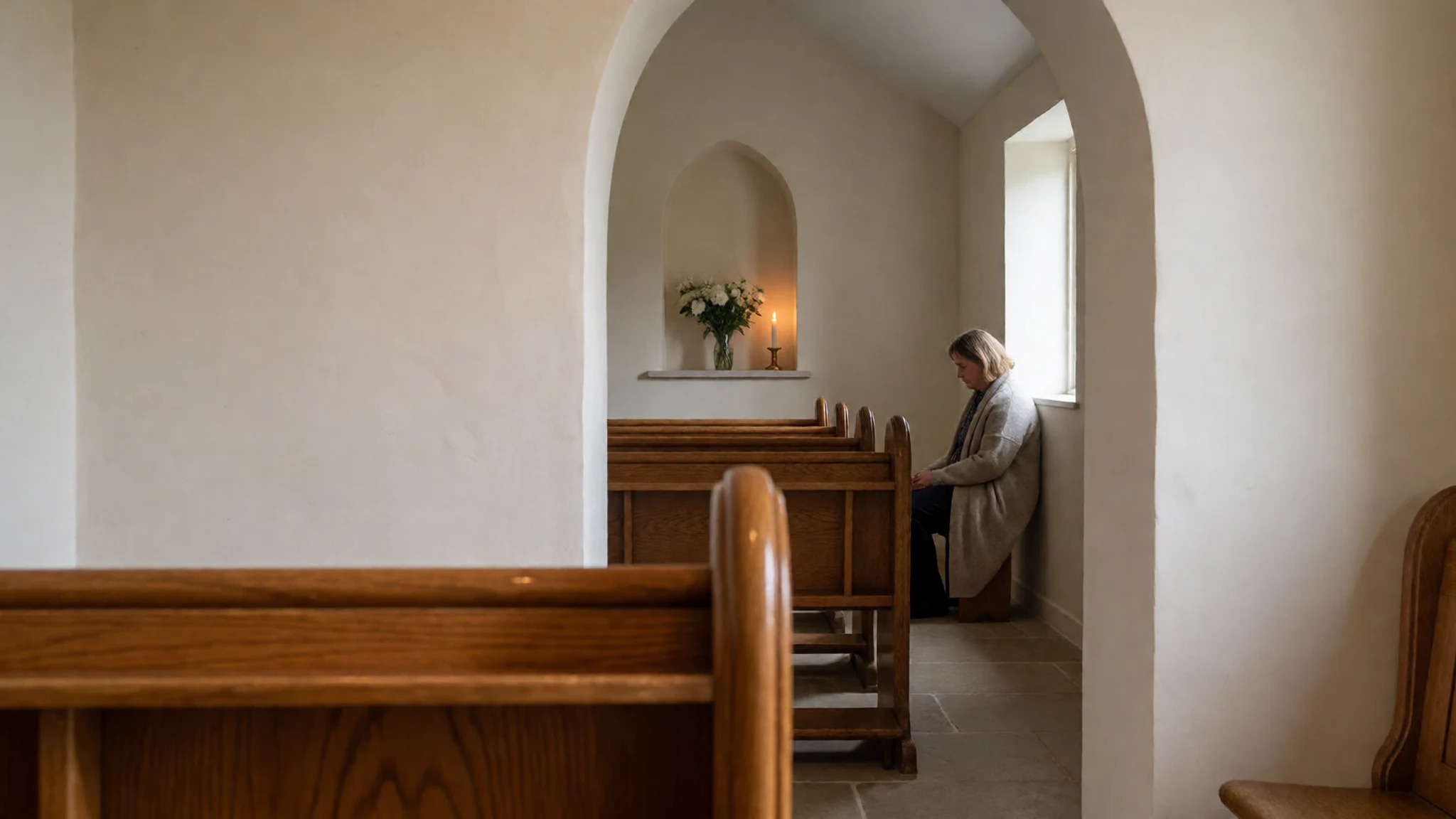
- Edmund Rice Heritage Centre — Barrack Street area
A chapel, shrine and museum recalling the life and work of Blessed Edmund Ignatius Rice, the Waterford-born educator who founded teaching orders. It is a quieter, more reflective stop than the main museums, and a useful window into the city's religious and educational history.
Culture
Waterford's culture mixes a long civic memory with a lively modern arts scene. The city has a proud sense of its Viking origins and its reputation as the untaken city, and locals are happy to talk about both, usually with a dry sense of humour.
Theatre is a particular strength. Red Kettle, a professional company founded by the Waterford playwright Jim Nolan, regularly performs at Garter Lane Theatre. Spraoi is a street theatre company that runs the Spraoi festival and has marched in the St Patrick's Day parades in Waterford and Dublin. Waterford Youth Arts has been developing young performers since 1985, and the Theatre Royal dates back to 1785.
Religion has shaped the streets as much as trade has. The two cathedrals, Protestant and Catholic, stand a short walk apart and reflect centuries of division and coexistence. The Irish Wake Museum, set in a 15th-century almshouse, explores funeral customs with a mix of humour and respect, which is very much the local way of treating death.
Pubs remain the main social space. Expect conversation, live music at weekends in some, and a relaxed tolerance for strangers joining in. Libraries are active community hubs too, with four public branches across the city.
Small-city manners apply: people greet shop staff, thank bus drivers and queue without fuss. When you visit either cathedral, keep your voice low, remove your hat and check for signs about photography during services.
What to wear
Waterford has no single regional costume in everyday use. The older Irish traditions of wool and linen, tweeds, knitted jumpers and heavy woollen cloaks belong to the wider country, and they appear today mainly at festivals, on stage with the street-theatre companies, and in heritage displays. Crystal and glassware are the city's best-known craft, but the textile tradition is shared with the rest of Ireland.
What people actually wear is practical and layered. Waterproof jackets, jeans, trainers or sturdy shoes are standard on the street, with smarter outfits for evenings at the theatre or a restaurant. Football and hurling colours, especially the blue and white of the county, turn up on match days. On a sunny day the quays fill with shorts and sunglasses, though an extra layer is usually in a bag.
Visitors should dress for changeable weather. A light waterproof, a warm mid-layer and shoes with grip will serve at any time of year, because the old streets and quay stones are slippery in the wet. Summer evenings can be cool beside the river, so carry something with sleeves.
For the cathedrals and the heritage centre, there is no strict dress code, but covered shoulders and no beachwear are courteous. If you attend a service, dress a little more formally. Comfortable walking shoes matter most, since the centre is best seen on foot and cobbled lanes are common.
What to eat
- Blaa — Local bakeries and city-centre cafés
A soft, floury white bread roll that is particular to this region. It is typically eaten fresh with simple fillings such as ham, cheese or sausage. Look for it at local bakeries and in cafés around the city centre, usually at breakfast or lunchtime.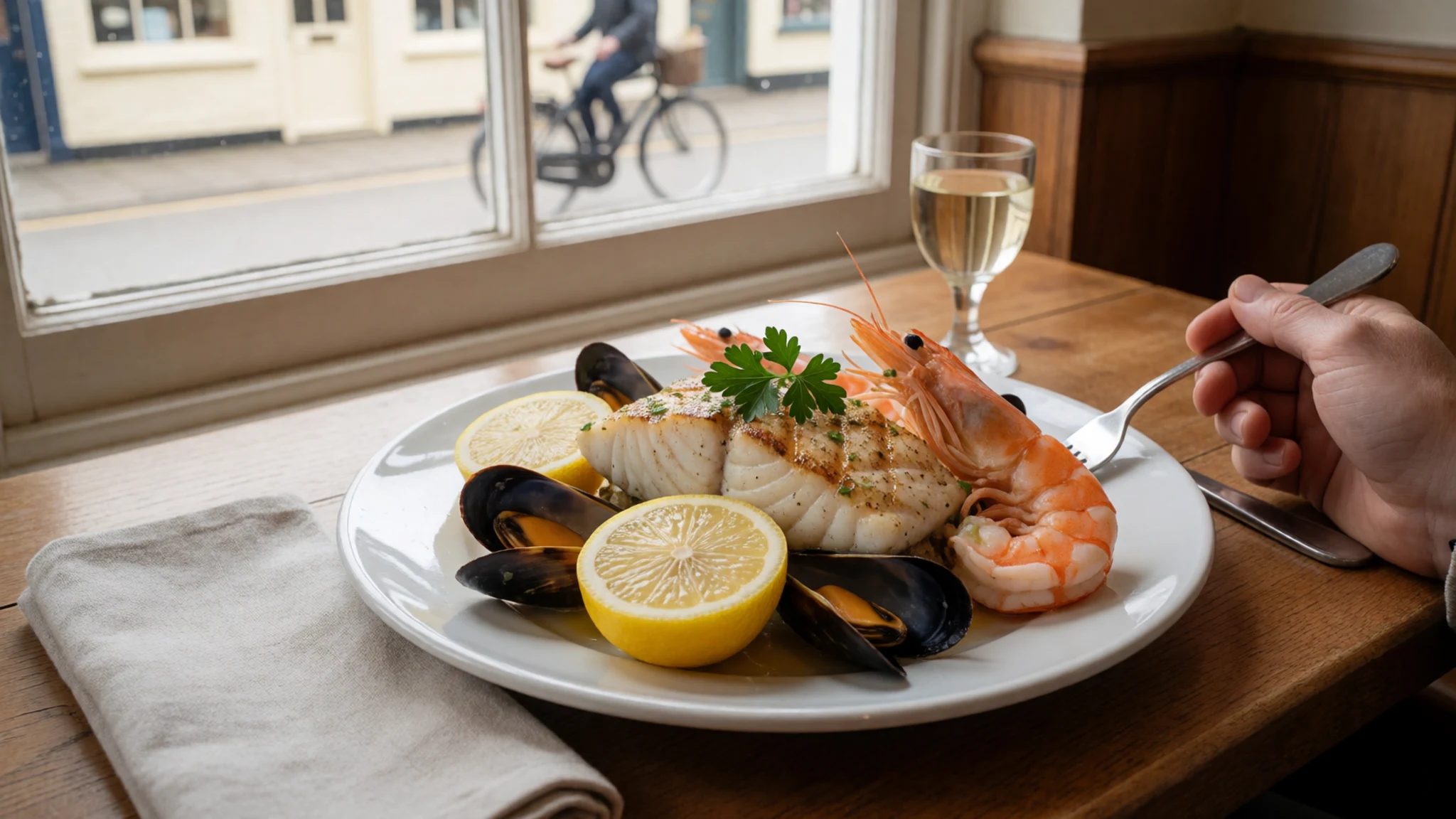
- Seafood — Restaurants and pubs near the quays
With the harbour so close, fish and shellfish feature widely. Expect chowder, mussels and fish of the day, often with brown bread. One French-style restaurant near the centre is known for its seafood, and pubs along the quays also serve it plainly.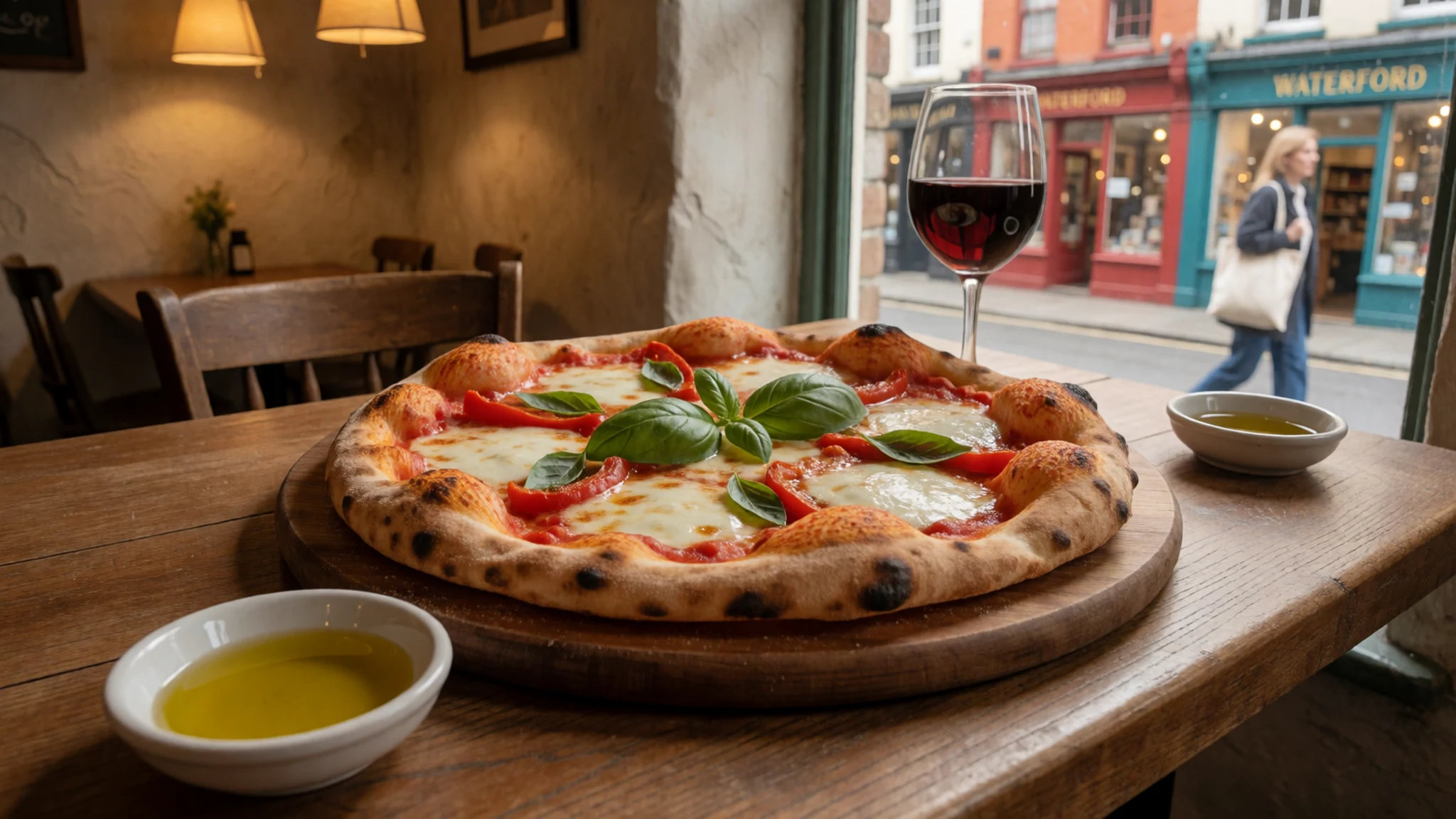
- Traditional Irish pub food — Old city-centre pubs such as Jordan's
Stews, bacon with cabbage, fish and chips and hearty pies are the staples. The old pubs, including long-established ones in the centre, serve them with a pint and often live music at weekends. It is comfort food, generous in portion. - Italian pizza and pasta — Central streets near the Quays
A cheerful, budget-friendly option for when you want a break from heavier fare. Several simple Italian places in the centre serve pizza and pasta, and they suit families and groups travelling on a modest budget. - Modern eclectic cooking — Restaurants in the city centre
Some restaurants offer inventive menus with good choices for vegetarians, vegans and gluten-free diners. Booking ahead is wise at weekends. A few upscale places run tasting menus for a longer, more special meal. - Japanese staples — Central Waterford, near the cathedrals
An unexpected but welcome option: an inexpensive Japanese restaurant near the centre serves the familiar standards, a useful change if you have eaten a lot of bread, stew and fried fish.
Plan it
Best time. May to September is the driest and mildest stretch, with long evenings for walking the quays; spring and early autumn are quieter. Winter is damp, cool and short on daylight, though the museums are open and the pubs are warm.
How long. 2–3
Getting there. Dublin Airport is usually the best option for flights and onward links; Cork and Shannon also work if you hire a car. Waterford Airport lost its scheduled flights in 2016. Trains run from Dublin Heuston, taking about 2 hours 15 minutes, to Plunkett station just north of the river bridge. An hourly bus also runs from Dublin Airport and Dublin city via Carlow and Kilkenny.
Budget. mid
Tips
- Check opening times for museums and the crystal visitor centre on the official sites before you go
- Carry a light waterproof, since rain can arrive at any time of year
- Walk the Viking Triangle first; the main sights are within a few minutes of each other
- Book restaurants ahead at weekends and during festivals
- Cards are widely accepted, but keep a little cash for small cafés and pubs
Etiquette
- Keep your voice low and ask before photographing inside the cathedrals
- Join the queue at bars and counters and wait to be served in turn
- Greet staff in shops and cafés; a friendly hello is the norm
Nearby
Sources
- Wikidata Q183551 (CC0)
- Wikipedia: Waterford (rev 1384734140) (CC BY-SA 4.0)
- Wikivoyage: Waterford (rev 5422036) (CC BY-SA 4.0)
- Clock Tower, Waterford, 2021-06-01 (CC BY-SA 4.0)
- Map of Waterford (CC BY-SA 2.0)
- Swans at Scotch Quay, Waterford (CC BY 3.0)
- Tall Ships, Waterford (CC BY-SA 4.0)
- Christ Church Cathedral, Waterford, 2021-06-01 (CC BY-SA 4.0)
- Holy Trinity Cathedral, Waterford (Public domain)
- Tower in Waterford (CC BY-SA 2.5)
- The River Suir and view towards Rice Bridge (CC BY-SA 2.0)


