Cliffs of Moher
Cliffs of Moher, Ireland
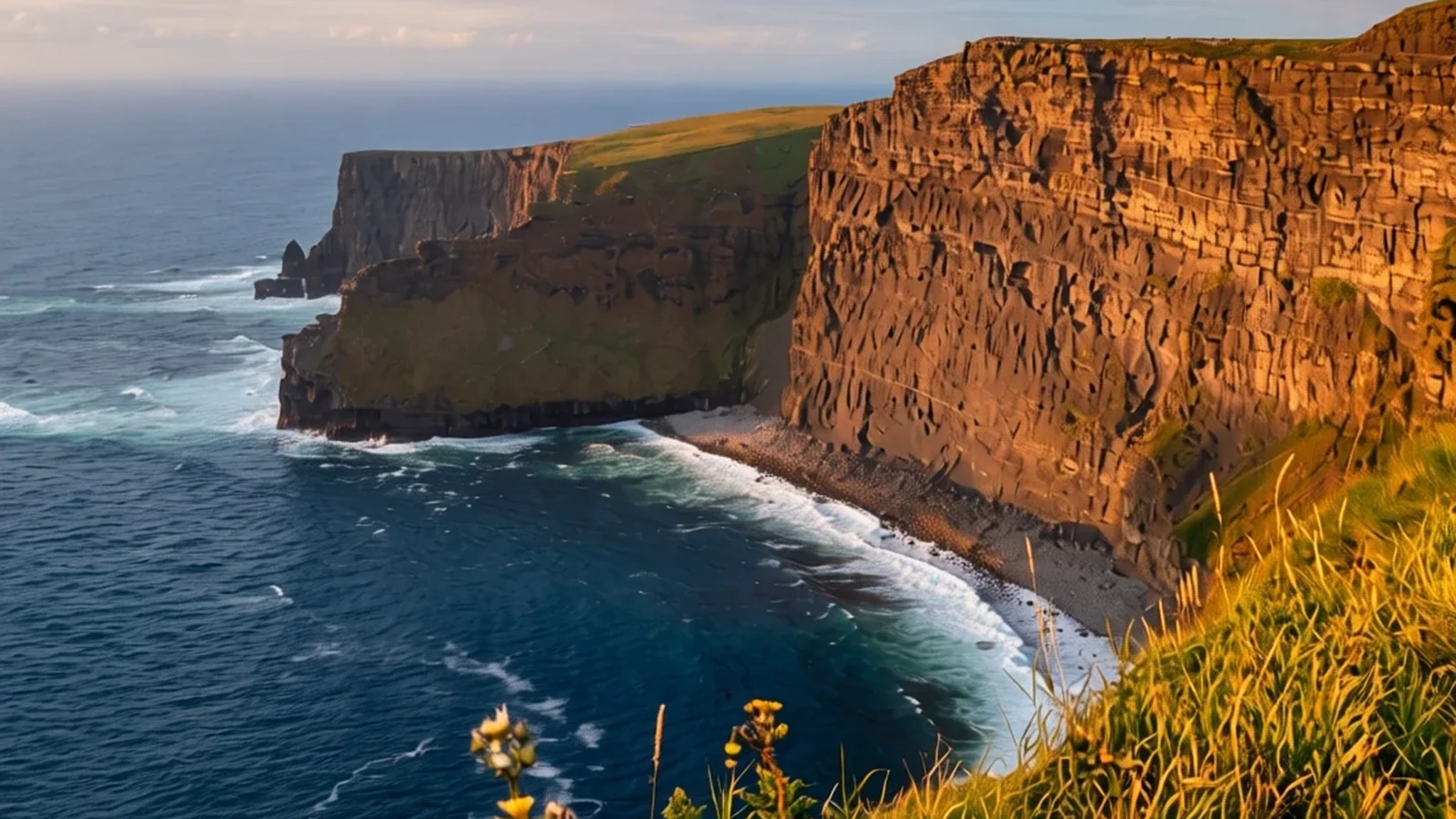
The Cliffs of Moher offer breathtaking views of the Atlantic Ocean and distant islands from dramatic, towering rock formations.
The place
The Cliffs of Moher stretch along the Atlantic shore at the southwestern edge of the Burren region in County Clare, Ireland. These famous coastal precipices run for a considerable distance, presenting a sheer drop into the restless ocean below. At their southern extremity, the cliffs rise dramatically above the water, while further north they reach their highest point near a historic stone fortification. Nearby settlements such as Liscannor and Doolin serve as traditional entry points for travellers exploring this rugged coastal landscape.
From various vantage points along the elevated paths, visitors can gaze across Galway Bay toward the distant Aran Islands. On clear days, the sweeping panorama encompasses sweeping mountain ranges in neighbouring counties as well as rugged headlands stretching far to the south. The dramatic scale of the coastline has drawn travellers for generations, making it one of the most visited natural attractions in the country. Weather conditions here change rapidly, shifting from brilliant sunshine to heavy Atlantic mist within minutes, which adds a moody, atmospheric quality to the entire region. Walking along the designated pathways reveals the full majesty of the jagged shoreline, where seabirds nest in sheltered crevices and crashing waves send salty spray high into the air.
Its story
The geological history of the Cliffs of Moher spans millions of years, originating in an ancient marine basin where flowing water deposited thick layers of sand, silt, and clay. Over immense periods, the accumulating sediment at the edge of an ancient delta underwent heavy compaction and transformation into the sedimentary layers visible today. These exposed strata consist primarily of alternating beds of shale and sandstone, preserving a detailed geological record of deep-water delta formation. Scientists and geologists frequently study these rock faces to understand ancient depositional cycles, as individual layers vary significantly in thickness, marking distinct historical events in the seabed's evolution.
Beyond their geological formation, the cliffs hold a rich heritage rooted in local folklore and maritime history. Historical structures dotted along the coastline, including nineteenth-century lookouts and defensive positions, reflect the strategic importance of these high waters to regional authorities. The stone observation tower built near the midpoint of the escarpment in 1835 allowed early sightseers to enjoy unobstructed vistas stretching across the entire bay. Today, the surrounding coastal area forms part of a recognised European geopark, protecting both the delicate natural habitats and the unique geological formations. This careful balance ensures that the ancient landscape remains preserved while welcoming travellers who come to witness the raw power where land meets ocean.
What to see
- O'Brien's Tower — Cliffs of Moher midpoint
Standing near the midpoint of the escarpment, this historic round stone observation post was constructed during the nineteenth century to give early sightseers an elevated vantage point. From the top of the tower, visitors can enjoy expansive views across the sweeping bay towards the distant islands and rugged headlands.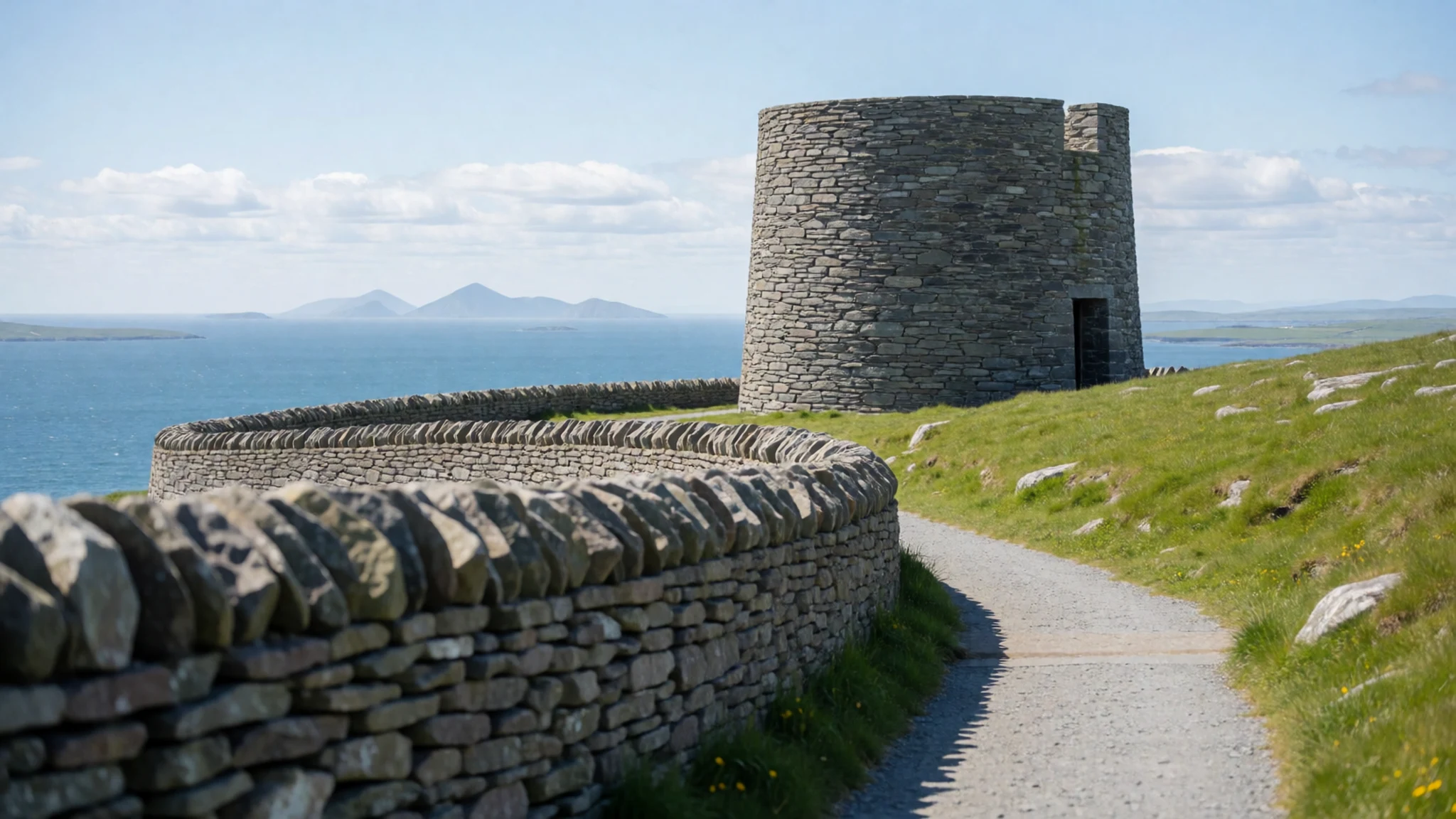
- Hag's Head — Southern end of the cliffs
Marking the dramatic southern terminus of the coastal precipices, this weathered headland juts out sharply into the turbulent waters. The terrain here feels wilder and less manicured than the central visitor areas, offering a striking perspective of the sheer rock faces dropping away into the sea.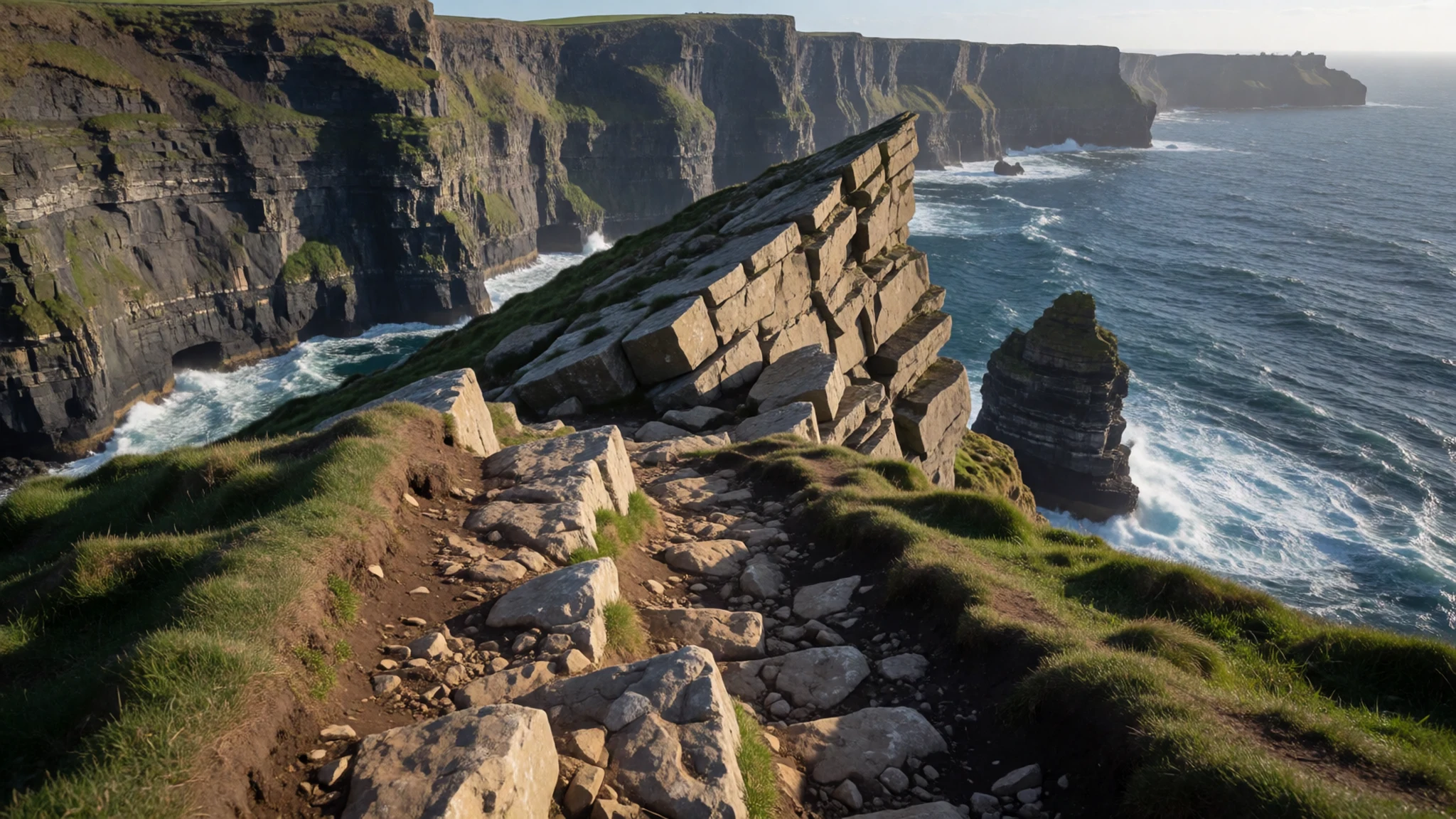
- Doolin Pier — Doolin village coast
Serving as the primary marine gateway for the region, this busy harbour sits just north of the cliffs. During the warmer summer months, passenger ferries depart regularly from the pier to carry day-trippers across the open water to the nearby islands, while seasonal boat tours sail directly beneath the towering rock walls.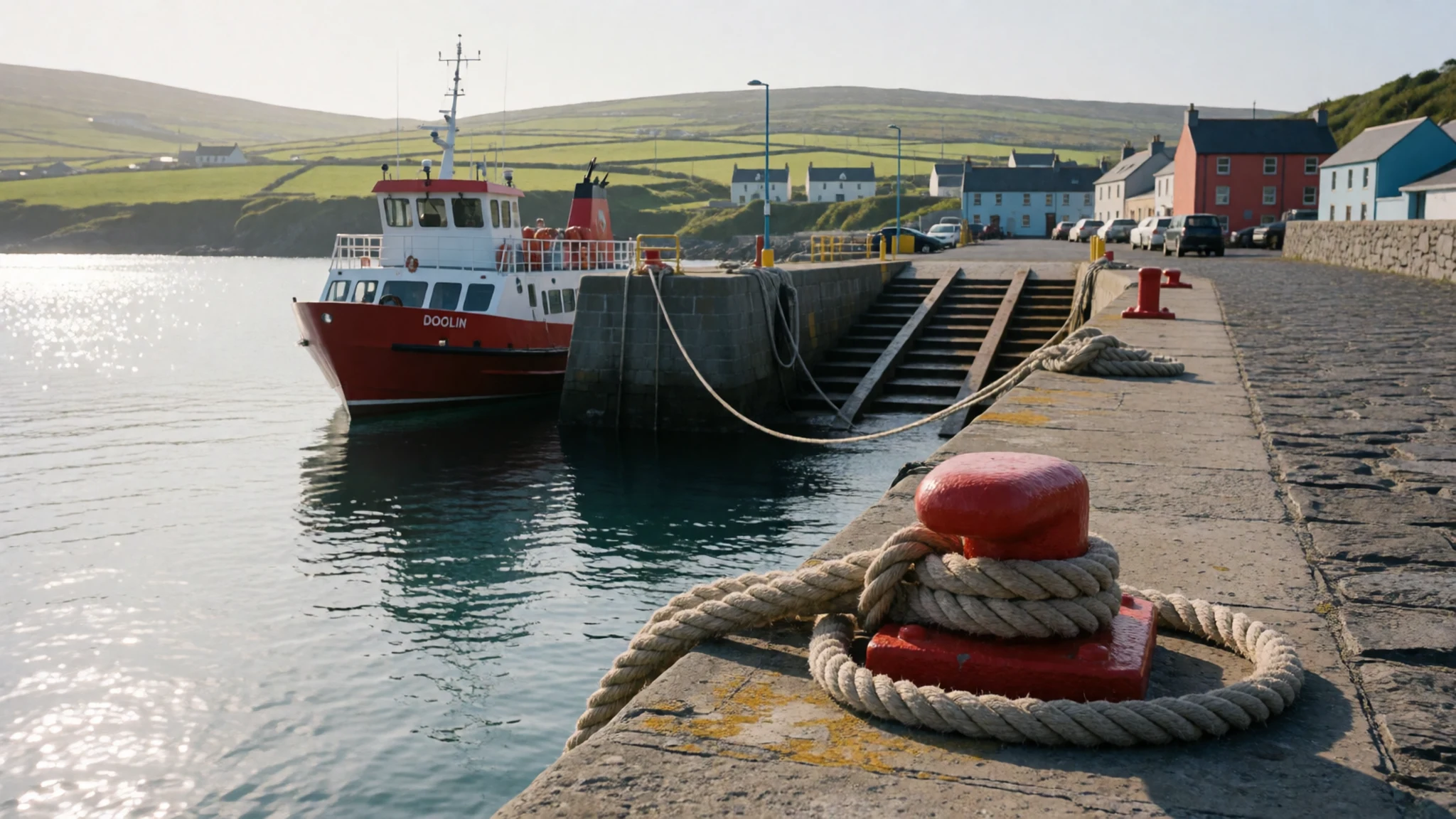
- Doonagore Castle — Near Doolin
This historic sixteenth-century tower house stands quietly on a grassy rise overlooking the coastal waters. Although the structure functions today as a private holiday home and remains closed to the general public, passing visitors frequently stop along the narrow surrounding lane to admire its traditional Irish defensive architecture.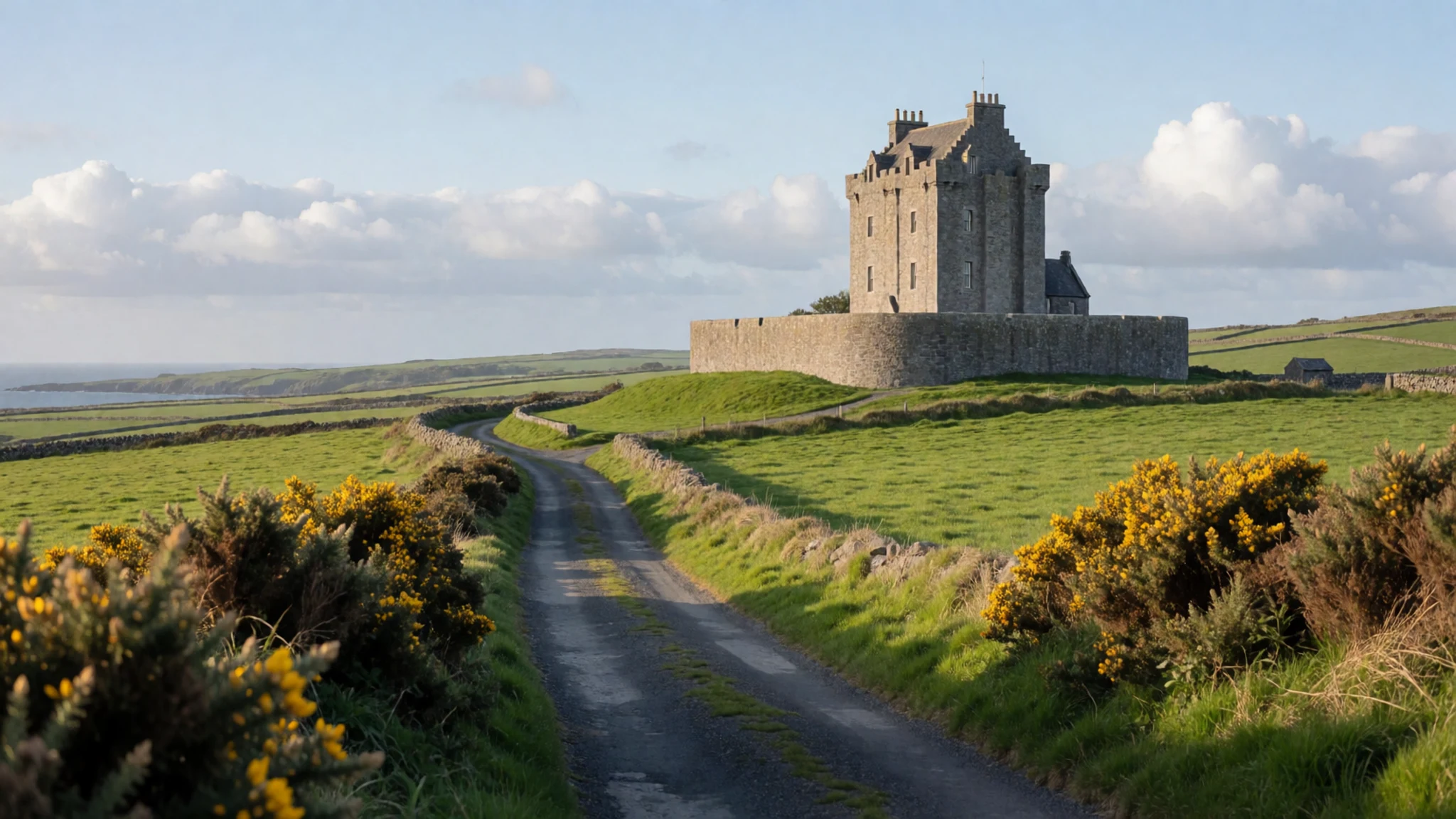
- Doolin Cave — Inland from Doolin
Trained guides lead visitors deep beneath the limestone landscape to discover one of the most remarkable underground features in the region. The highlight of the subterranean tour is an immense, fragile stalactite that hangs suspended in the darkness, reached by descending and climbing a considerable flight of stairs.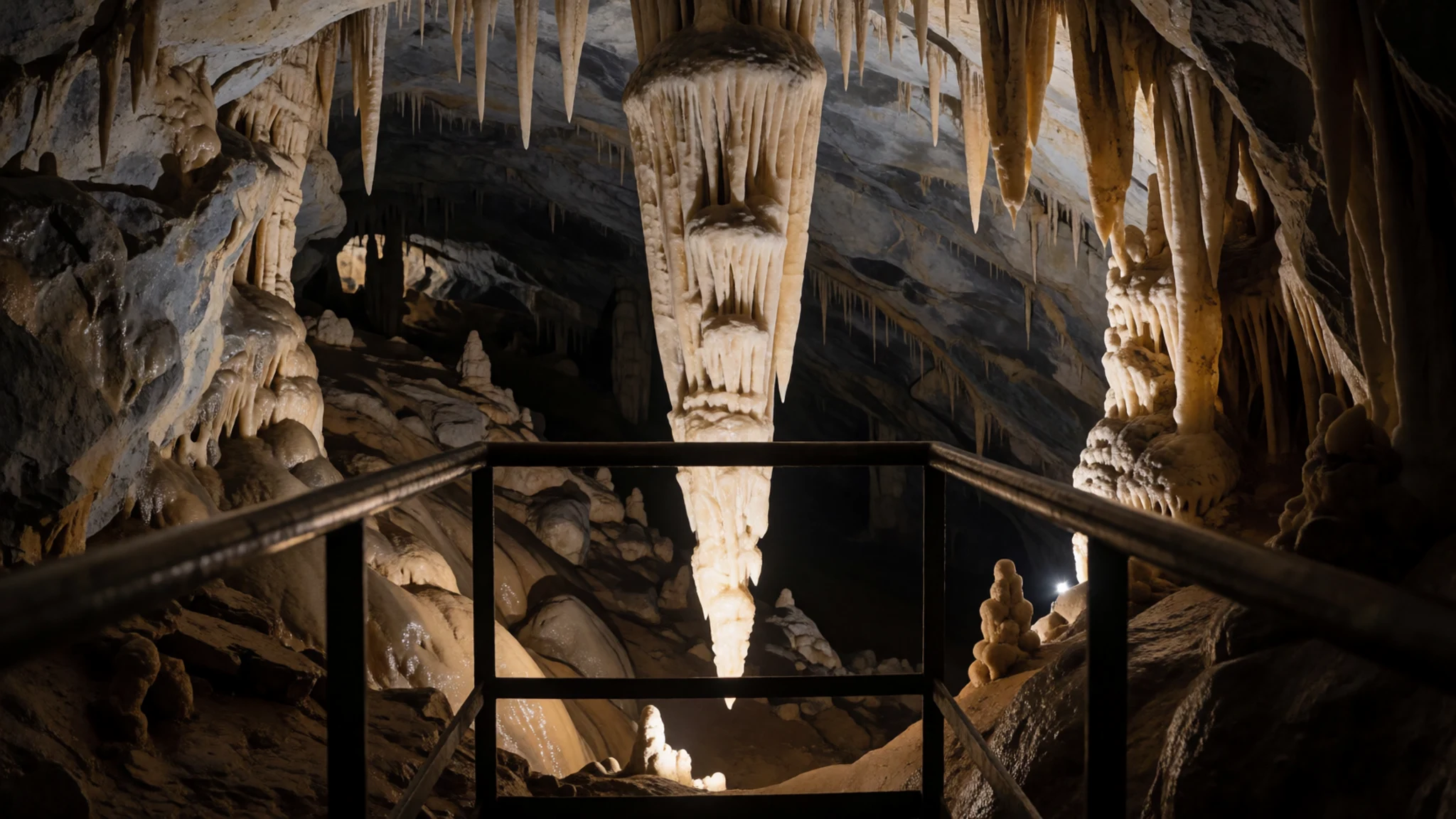
Culture
The coastal communities surrounding the Cliffs of Moher share a deep-seated tradition of storytelling, hospitality, and traditional music that forms the heartbeat of County Clare. In local gathering spaces and village pubs, evening sessions bring musicians together to play fiddle, tin whistle, and bodhrán, creating a warm and welcoming atmosphere for travellers seeking authentic regional culture. This rural Irish society places a high value on friendliness, neighbourly conversation, and preserving the heritage of the Atlantic seaboard. Visitors will find that locals are exceptionally proud of their dramatic landscape and eager to share local folklore or directions to hidden coastal paths. Respect for the natural environment is paramount in these fragile coastal zones, where farming and fishing have sustained families for generations alongside the rising tide of tourism. Always stay on marked pathways near the cliff edges and respect local landowners by closing gates and avoiding private property.
What to wear
At the Cliffs of Moher and throughout County Clare, traditional Irish attire has evolved to suit the demanding maritime climate, favouring heavy woolen garments, Aran jumpers knitted from natural sheep's wool, and sturdy tweed jackets designed to block biting coastal winds. While locals now dress in contemporary casual clothing for everyday life, traditional textiles remain popular and practical against the persistent Atlantic chill. For visitors exploring the Cliffs of Moher, fashion must take a distinctly practical turn regardless of the season. Weatherproof and windproof outer shells are essential equipment, as sudden rain showers and fierce gusts sweep across the exposed headlands without warning. Layering is strongly recommended, starting with moisture-wicking garments beneath a warm fleece or wool sweater. Sturdy, waterproof walking boots with good grip are mandatory for navigating uneven limestone terrain and muddy cliff paths safely, while hats and scarves will ensure comfort during breezy walks along the rim.
What to eat
- Irish Stew — Local village pubs in Doolin and Liscannor
A comforting, traditional dish featuring tender chunks of lamb simmered slowly with root vegetables, potatoes, and fresh herbs in a rich broth. It is served hot in local village pubs, making it an ideal meal to warm up after a breezy walk along the stormy coastline.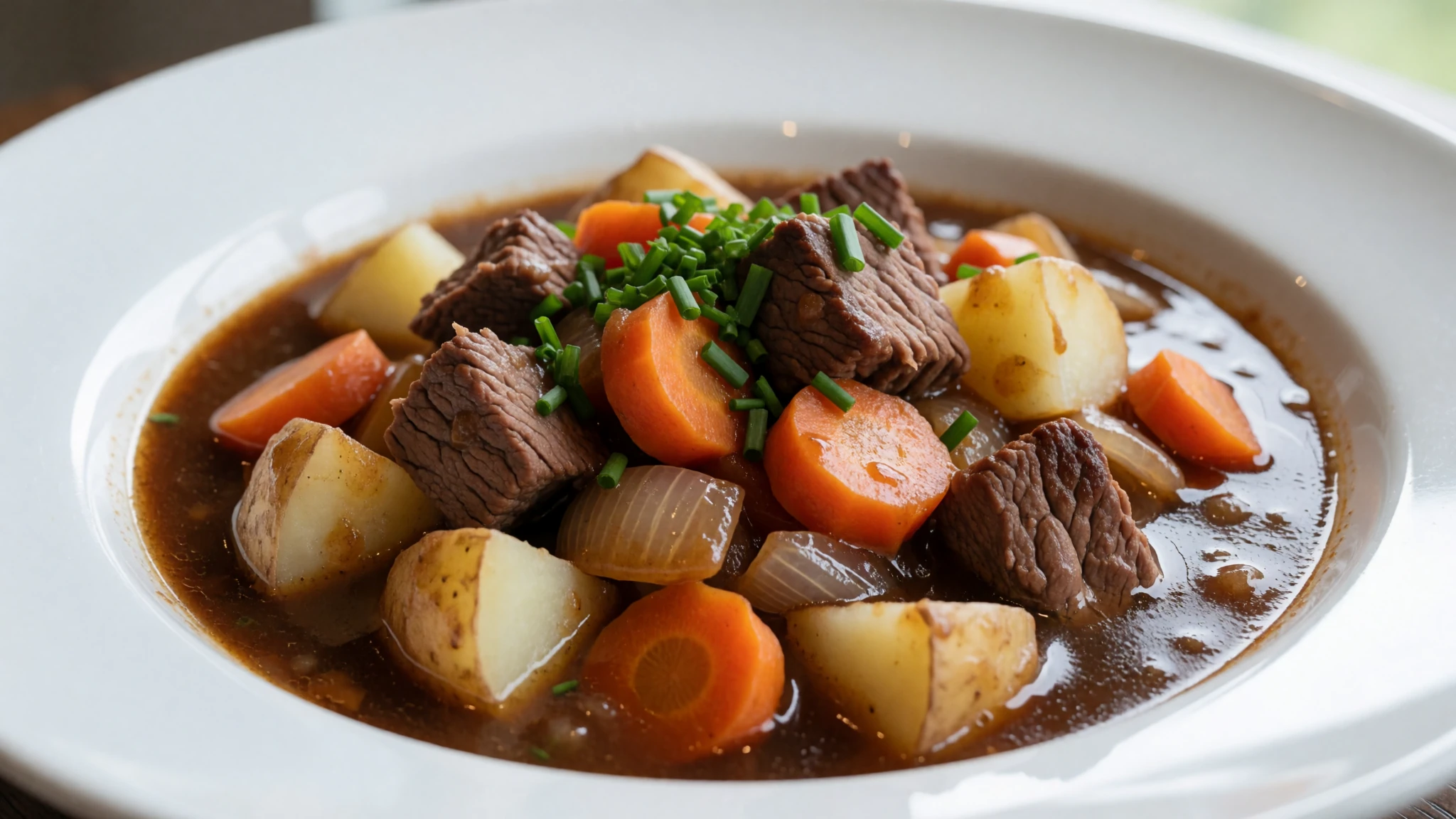
- Seafood Chowder — Traditional pubs and coastal eateries
A hearty, creamy soup packed with a generous catch of fresh local fish and shellfish from the surrounding Atlantic waters, accompanied by thick slices of soda bread. You can find this comforting staple bubbling away on the menu of almost any traditional pub near the coast.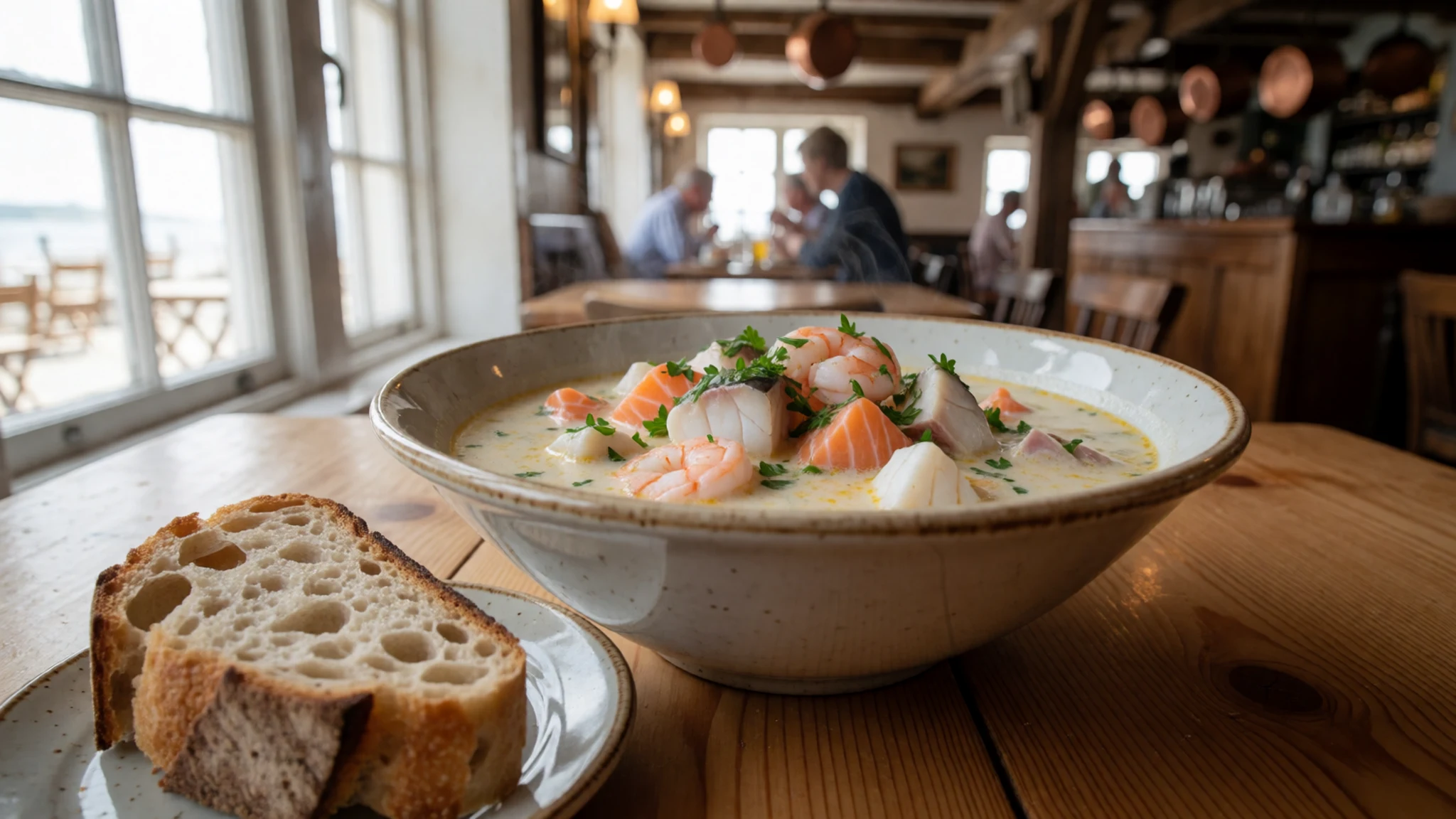
- Irish Soda Bread — Village pubs and local grocery shops
A dense, wholesome bread baked daily using flour, baking soda, buttermilk, and salt, often featuring a distinct cross scored on top. It is served warm with butter alongside soups or hearty stews in neighbourhood pubs throughout the surrounding villages.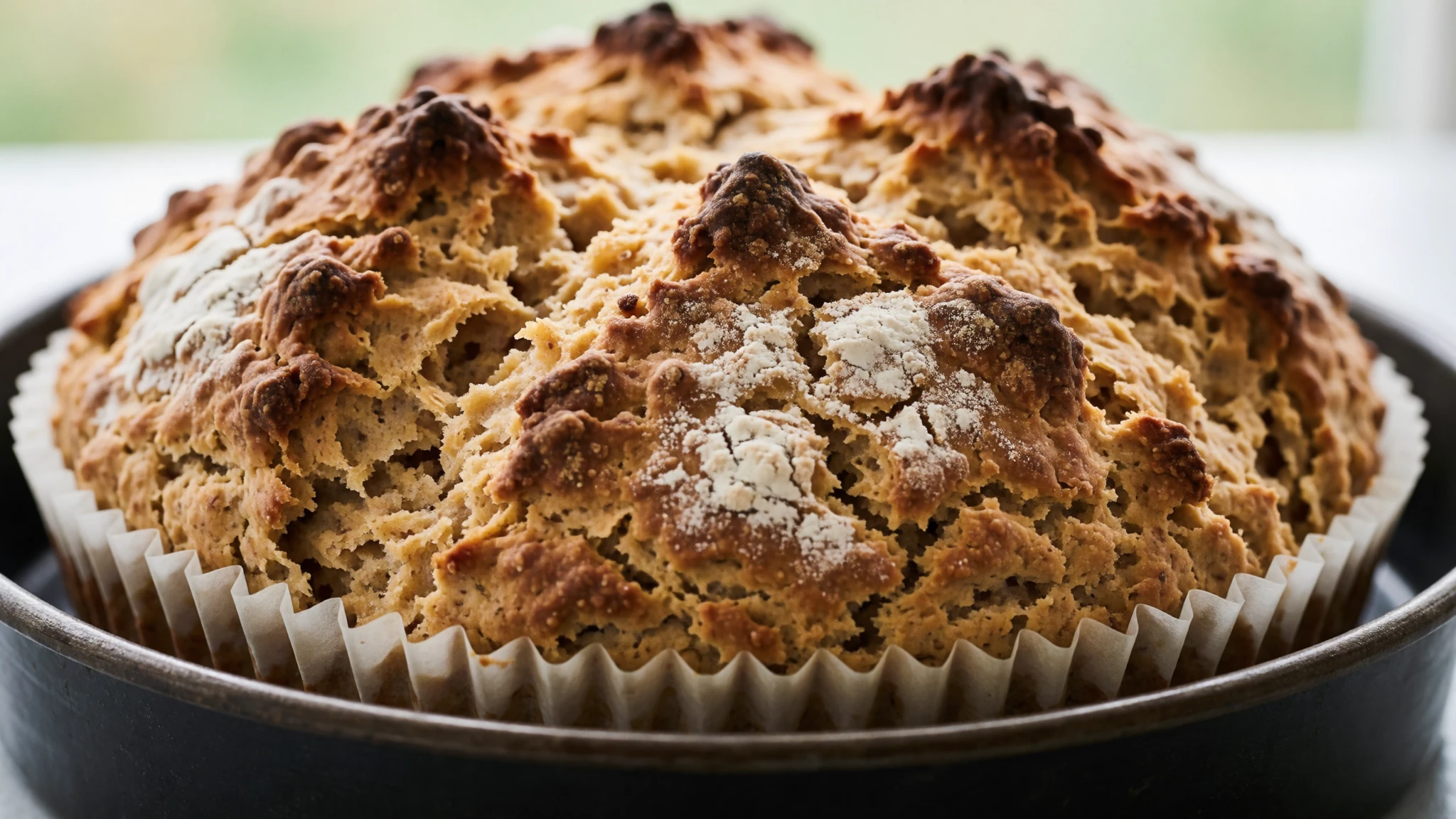
- Smoked Salmon — Pubs and coastal restaurants
Delicately cured and smoked using traditional regional methods, this Atlantic salmon offers a rich flavour that reflects the nearby waters. It is frequently served plated simply with brown bread, lemon, and a light spread of fresh butter in local dining rooms.
Plan it
Best time. June to August bring the warmest days and longest daylight, while November to January are the wettest and coldest months, and the spring and autumn shoulder months bring fewer crowds despite unpredictable Atlantic showers.
How long. 2–3
Getting there. Take the N67 road branching off the M18 at Ennis, or catch Bus 350 which runs along the scenic coastal route from Galway through Doolin and past the visitor centre to Ennis.
Budget. mid
Tips
- Arrive early in the morning before the tour buses from Dublin and Galway pull in to enjoy quieter trails.
- Dress in layers and always carry a waterproof jacket, as coastal weather can change in a matter of minutes.
- Wear sturdy, broken-in walking boots with good grip for uneven and potentially muddy cliff paths.
- Keep cash on hand for small village shops and pubs, as some rural locations do not accept card payments.
Etiquette
- Stay strictly behind safety barriers and on designated walking trails to prevent dangerous slips on the eroding cliff edge.
- Support local businesses by purchasing authentic regional crafts and dining in family-run village establishments.
Nearby
Sources
- Wikidata Q239477 (CC0)
- Wikipedia (rev 1371526030) (CC-BY-SA 4.0)
- Wikivoyage (rev 5401220) (CC-BY-SA 4.0)